
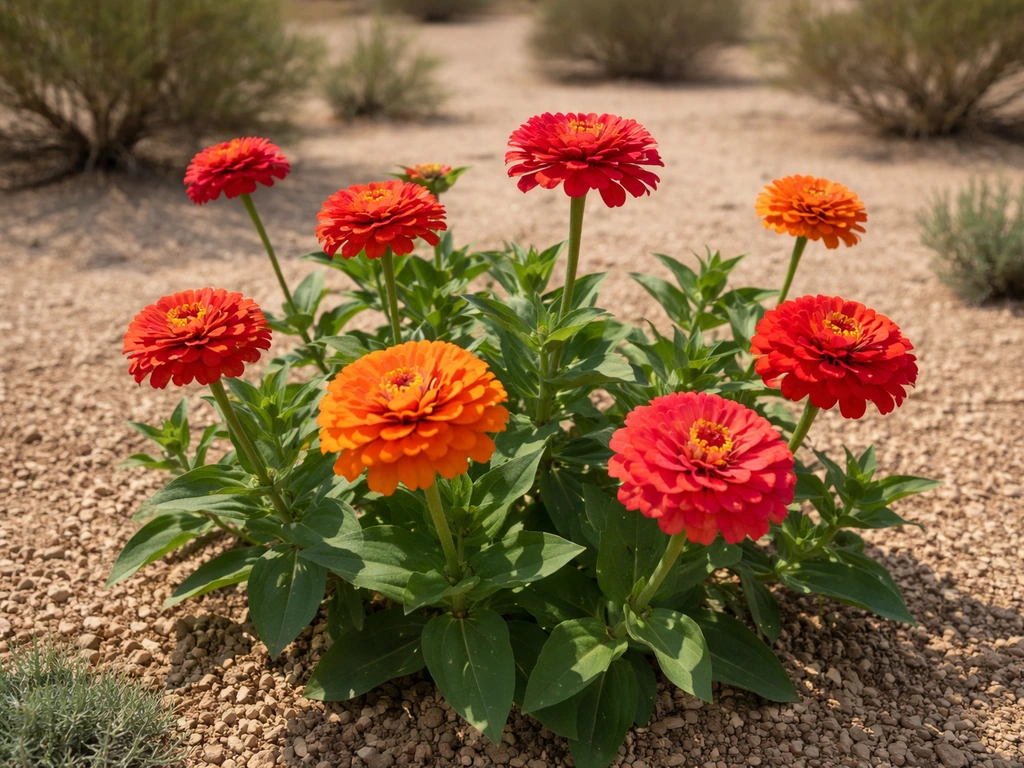
Yes, zinnias absolutely grow in Arizona, and they can be some of the most rewarding flowers you plant here. The catch is timing and location. In the low desert (Phoenix, Tucson, Yuma), you plant them in spring before the brutal heat hits or wait for the monsoon season to kick in. In higher-elevation spots like Flagstaff, you get a more traditional summer growing window. Get those two things right and zinnias will reward you with nonstop color from spring through fall.
Do Zinnias Grow in Arizona? Planting Tips by Region
Marcus Hartwell
13 May 2026
Can you grow zinnias in Arizona? A quick yes/no by region
Arizona is not one climate, it is three or four stacked on top of each other. Your success with zinnias depends almost entirely on where you live in the state, so let's break it down quickly.
| Region | USDA Zone | Can Zinnias Grow? | Best Season |
|---|---|---|---|
| Low Desert (Phoenix, Scottsdale, Glendale) | 9b–10a | Yes, with timing | Spring (Feb–May) and late summer (Aug–Oct) |
| Southern Arizona (Tucson, Green Valley) | 8b–9b | Yes, reliably | Spring and monsoon/late summer |
| Central Arizona (Prescott, Payson) | 7a–8a | Yes, easily | Late spring through early fall |
| High Desert / Mountains (Flagstaff, Show Low) | 5b–7a | Yes, classic summer annual | May/June through September |
The short version: every part of Arizona can grow zinnias. What changes is when you plant them and how hard you work to protect them from extreme summer heat in the low desert zones.
Arizona's climate and growing zones: where zinnias thrive vs. struggle
The blank" rel="noopener noreferrer">USDA Plant Hardiness Zone Map is based on average annual extreme minimum winter temperatures, and Arizona spans zones 5b through 10a depending on elevation. That range is enormous. Flagstaff sits around 7,000 feet with cold winters and cool summers, while Phoenix rarely dips below 28°F and regularly hits 115°F in July. For Flagstaff climate normals, NOAA’s technical memorandum includes temperature normals that help you judge how elevation affects winter survivability Flagstaff sits around 7,000 feet with cold winters and cool summers. For zinnias, which are frost-sensitive but heat-loving annuals, winter cold is rarely the problem in Arizona. The problem is summer heat in the low desert.
In Phoenix and the surrounding Maricopa County valleys, daytime highs from late June through August regularly exceed 110°F. Zinnias like heat, but sustained triple-digit temperatures combined with baking reflected heat from pavement and block walls can push even heat-tolerant varieties past their limit. Flowers stop forming, leaves scorch, and plants look exhausted rather than vibrant. That is not a plant failure, it is a timing problem.
Tucson sits at roughly 2,400 feet, which buys you slightly cooler temperatures and a monsoon season that delivers genuine humidity and afternoon rain from July through September. That monsoon window is actually a second planting opportunity that Phoenix gardeners do not get quite as reliably. Prescott and Payson in central Arizona are even more zinnia-friendly, with warm days and cool nights through summer that zinnias absolutely love. And Flagstaff is arguably the easiest place in Arizona to grow zinnias because the climate there is much closer to the Midwest growing conditions these plants evolved in.
When to plant zinnias in Arizona: timing is everything
Zinnias are killed by frost and struggle when soil is cold, so you need to wait until frost danger has passed and soil has warmed up. But in low-desert Arizona, you also need to get them in early enough that they are established and blooming before peak summer heat arrives.
Low desert (Phoenix area)
UA Cooperative Extension data shows the last average frost for central Phoenix falls around February 7, and for surrounding communities like Mesa it can stretch to early April. That gives Phoenix gardeners an early spring planting window starting in mid-February through March. Direct sow seeds or transplant starts as soon as overnight lows are consistently above 50°F. Plants will bloom through May and into June before summer heat forces them into survival mode. Then, as temperatures begin to ease in late August and September, plant again for a fall flush that runs through November. First frost in Phoenix typically arrives between late November and mid-December, giving you a solid fall season.
Tucson and southern Arizona
Tucson's last frost typically falls in late February to mid-March depending on your specific neighborhood and elevation. Spring planting from March through April works well, and Tucson's monsoon season makes a late-July to early-August planting especially rewarding. The humidity from monsoon rains helps zinnias push through what would otherwise be a difficult hot period.
Central and high-elevation Arizona
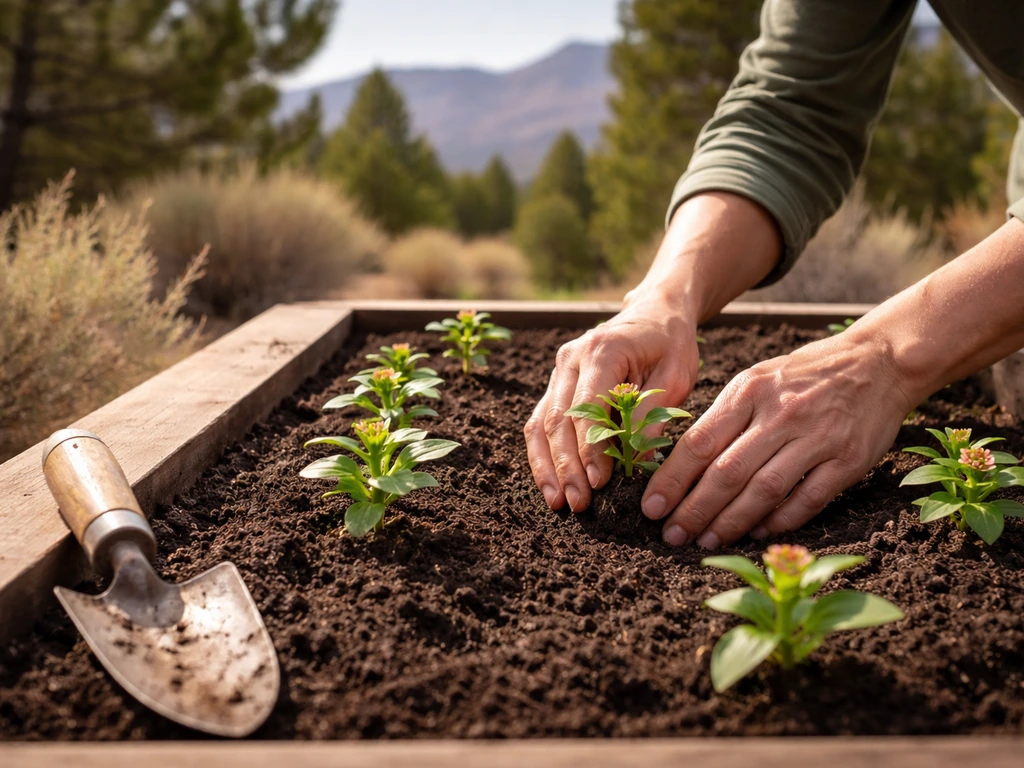
In Prescott, Payson, and surrounding communities, wait until after the last frost (often late April to mid-May) and plant for a full summer season through September. Flagstaff and the White Mountains have a shorter growing window, with last frost dates often falling in late May and first fall frost arriving in early to mid-September. Direct sow seeds as soon as the soil is workable and warm, and choose faster-maturing varieties to get blooms before the season ends.
Sun, water, and soil: the basics adjusted for Arizona conditions
Sun exposure
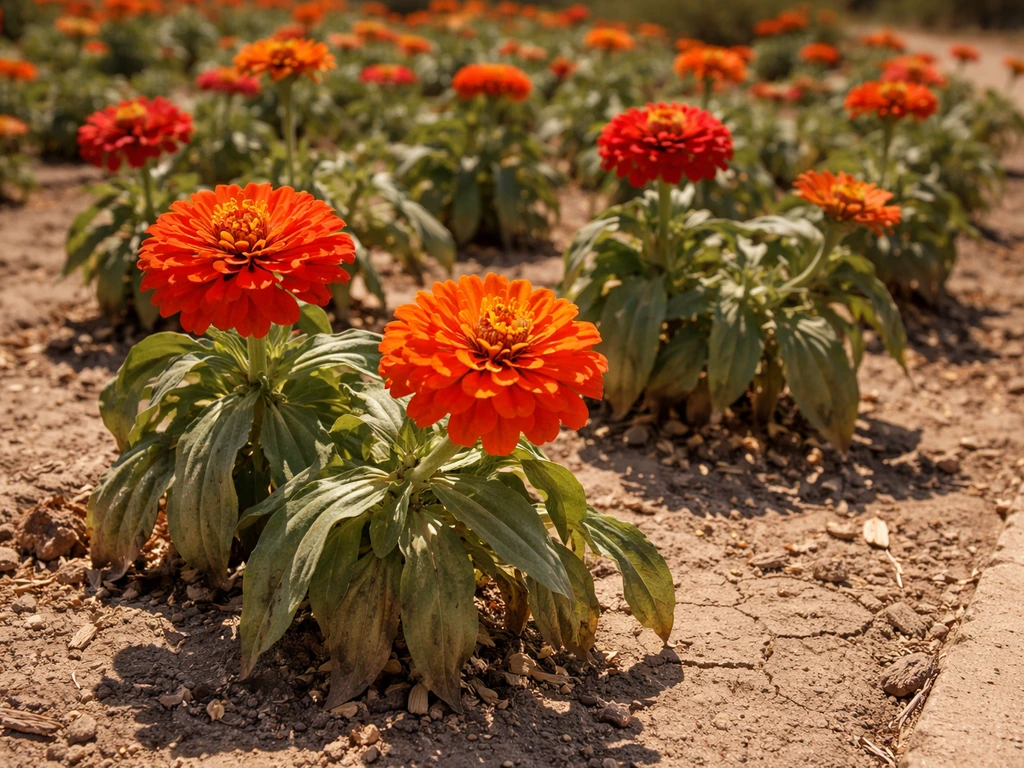
Zinnias want full sun, at least six hours a day, and most sources recommend eight or more. In most of Arizona that is easy to deliver. However, in the low desert during peak summer, intense afternoon sun from the southwest can scorch plants even when they are otherwise healthy. A spot that gets full morning sun but some filtered shade from 2 p.m. onward can actually outperform a pure full-sun location during the hottest months. The Arizona-Sonora Desert Museum notes that desert zinnias show best flowering in full sun but can tolerate part shade with reduced vigor. The same applies to common garden zinnias: shade reduces flowering, but strategic afternoon shade in Phoenix's summer can be the difference between a plant that survives and one that thrives.
Watering
Zinnias are reasonably drought tolerant once established, but Arizona's heat means soil dries out fast. A general rule is to water when the top 1 to 2 inches of soil feel dry, targeting about 1 inch of water per week as a baseline. In Phoenix summers, that might mean watering every two to three days. The critical rule for Arizona zinnia growers is to water at the base of the plant, not overhead. Wet foliage in humid monsoon conditions (and even in artificially irrigated gardens) invites powdery mildew fast. Drip irrigation is ideal here and honestly one of the best things you can do for your zinnias in this state.
Soil
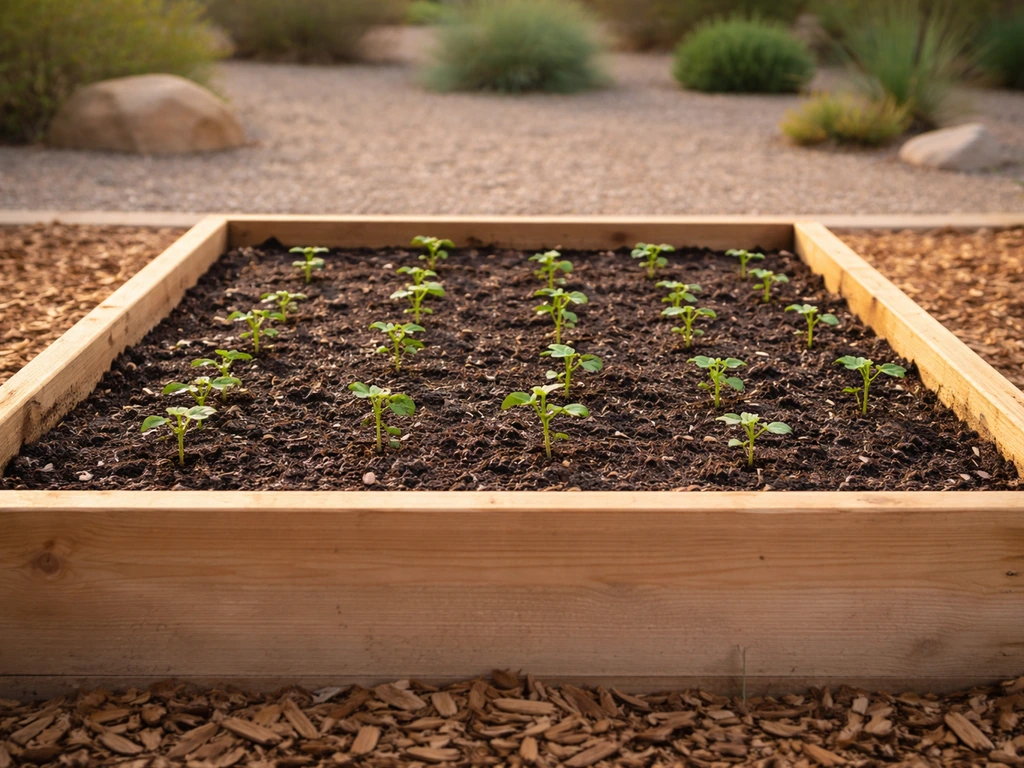
Zinnias prefer well-drained soil with a pH between 5.5 and 7.5, which covers most of Arizona's native soil ranges. The real issue in Arizona is caliche, the rock-hard calcium carbonate layer that sits anywhere from a few inches to a few feet below the surface in many desert areas. Caliche blocks drainage and can drown roots after heavy monsoon rains. If you have caliche on your property, raised beds or containers with quality soil mix are the smarter approach. If you prefer a smaller setup, you can also use containers like hanging baskets to grow zinnias in Arizona raised beds or containers. In ground-level beds, break up caliche before planting or choose a location where it is not an issue. Otherwise, Arizona's rocky, sandy desert soils actually drain well and zinnias do not mind lean conditions as long as you give them some organic matter at planting time.
Choosing the right zinnia varieties for Arizona heat
Not all zinnias handle Arizona heat equally. The classic tall Zinnia elegans varieties are beautiful but can be the most stressed in low-desert summers. Here are the cultivars and series worth prioritizing if you are gardening in Arizona's hotter regions.
- Profusion series: This is the go-to for hot, dry Arizona gardens. The Profusion series (including Profusion Fire, Profusion Orange, and Profusion Cherry) is explicitly rated drought tolerant and heat tolerant by growers and horticulture programs alike. Plants stay compact (12 to 18 inches), bloom continuously, and resist many of the disease problems that plague larger zinnias. For Phoenix and Tucson gardens, this series is the most dependable choice.
- Zinnia angustifolia (narrowleaf zinnia): This species and its cultivars are notably resistant to powdery mildew, which makes them valuable in Arizona's monsoon-season humidity. Illinois Extension specifically recommends narrowleaf zinnia cultivars for dependable, low-maintenance performance. They are smaller-flowered than Zinnia elegans but extremely tough.
- Zahara series: Similar in profile to the Profusion series, the Zahara varieties combine heat tolerance with mildew resistance. Worth seeking out at local nurseries.
- Classic tall varieties (State Fair, Benary's Giant): These are great for Prescott, Flagstaff, and higher-elevation gardens where summer heat is moderate. In Phoenix, save them for your spring and fall seasons rather than trying to push them through July and August.
- Dwarf varieties: Shorter plants with more compact root systems can do well in containers and raised beds, which gives you more control over soil conditions and placement.
Why your zinnias are failing in Arizona (and how to fix it)
Even experienced Arizona gardeners run into zinnia problems. Here are the most common failures and what to do about them.
Plants wilting or scorching in summer
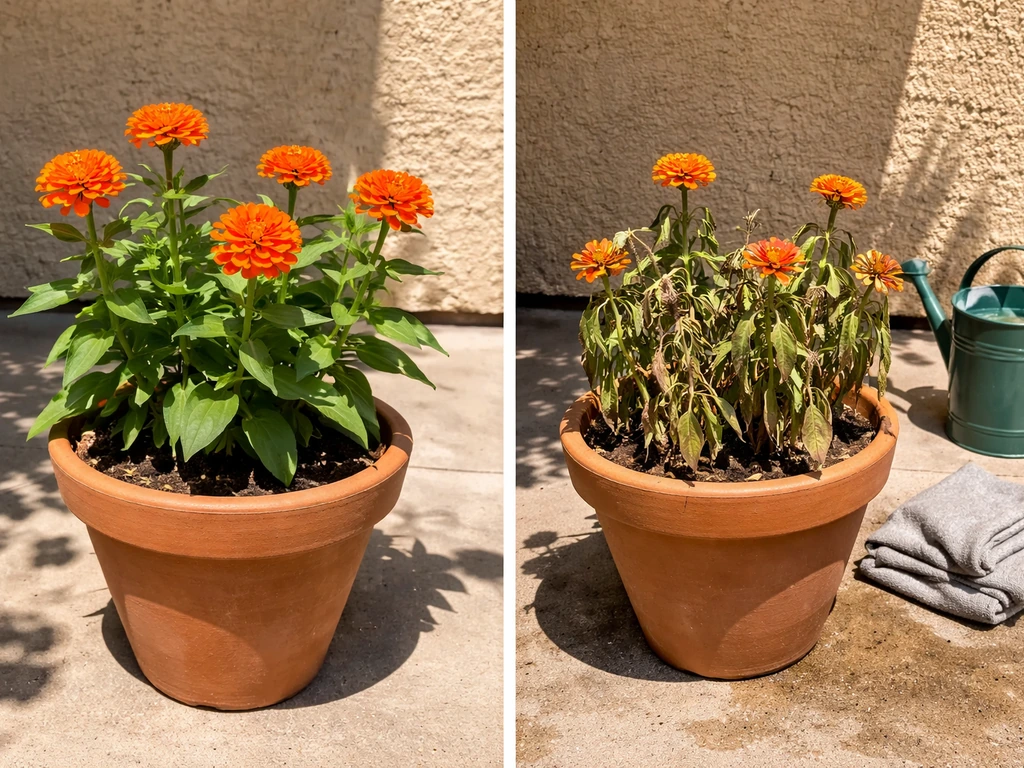
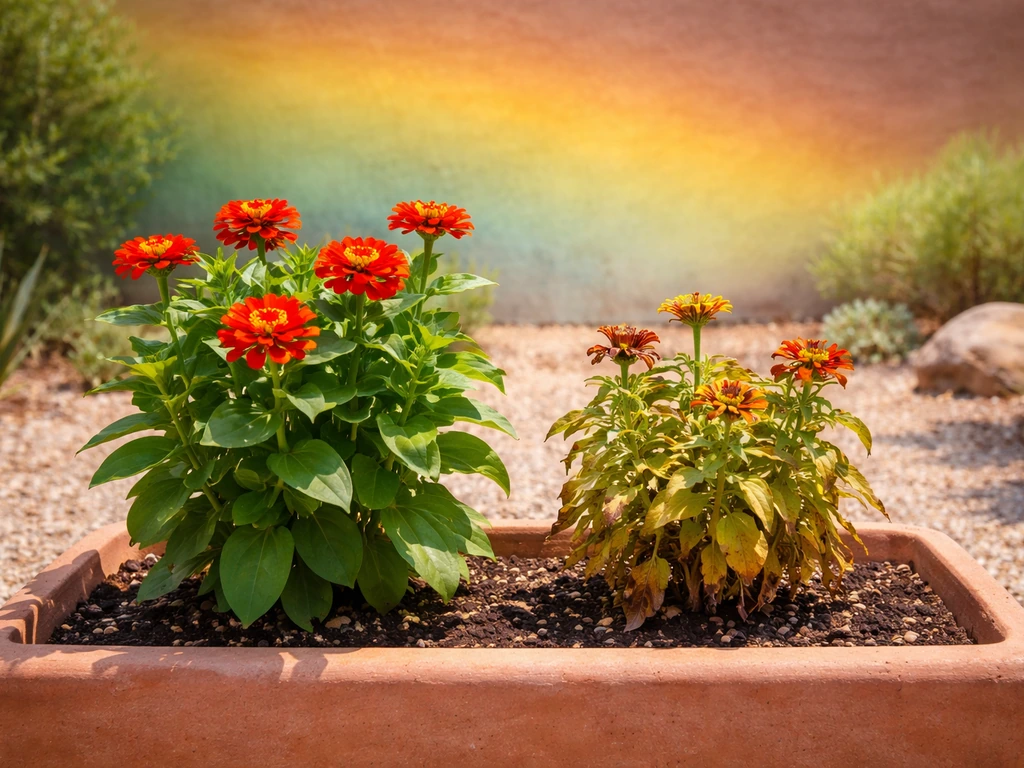
If your zinnias are wilting even after watering, or if the leaf edges are turning brown and crispy, the problem is almost certainly heat stress combined with sun intensity. In the low desert, zinnias planted in full south or west exposures during June, July, or August will struggle no matter what you do. The fix: either accept that midsummer is a rest period for your low-desert zinnias and cut plants back hard to encourage fall regrowth, or provide afternoon shade with a shade cloth rated at 30 to 40 percent shade reduction during peak summer. Shade cloth is widely available at Arizona garden centers and is a worthwhile investment.
Powdery mildew during monsoon season
Arizona's monsoon months bring humidity that zinnias are not always prepared for, especially if you have been watering overhead or plants are crowded. Powdery mildew shows up as white, powdery patches on leaf surfaces and spreads quickly in warm, humid conditions. University of Arizona Extension describes this as a common ornamental plant disease in the state. Prevention is far easier than treatment: space plants at least 12 inches apart for air circulation, water at ground level only, and choose mildew-resistant varieties (Profusion, narrowleaf zinnia). If you already see mildew, remove affected leaves, improve airflow, and consider a diluted neem oil spray as a first-line organic treatment.
Plants not blooming
If your zinnias have lots of foliage but few flowers, two things are usually responsible: too much shade, or plants that have not been deadheaded. Zinnias bloom on new growth, so removing spent flowers (deadheading) or cutting stems for vases actively encourages the plant to push out more buds. In Arizona, skipping deadheading is one of the most common reasons otherwise healthy plants stop flowering by midsummer. Make it a weekly habit and your bloom count will stay high.
Seeds not germinating or seedlings dying
In the low desert, soil surface temperatures in March and April can already be high enough to cook seeds if you plant in a full-sun location with no mulch. Direct-sow seeds about a quarter inch deep and cover lightly. Keep the seed bed consistently moist (not wet) until germination, which usually takes 5 to 10 days in warm Arizona soil. If seedlings emerge and then collapse, the culprit is often damping off, a fungal issue encouraged by overwatering. Let the soil surface dry slightly between waterings once seeds have sprouted.
Realistic expectations and when to try something else
If you are in Phoenix or Yuma and you were hoping zinnias would carry your garden through July and August the way they might in a cooler climate, adjust that expectation now. If you are wondering about Texas specifically, do hellebores grow in Texas depends mainly on picking the right variety and giving them the right light and winter conditions. Low-desert zinnias are a spring flower and a fall flower, with summer as a transition period. That is not a failure, it is just the Arizona growing calendar. Work with it by planning two planting rounds per year and you will have more zinnia color than most gardeners in the country.
If you are gardening in Flagstaff or the White Mountains, your zinnia season is genuinely short, typically June through early September. Choose fast-maturing varieties (days to bloom of 55 to 65 days) and start seeds indoors a few weeks before your last frost to maximize the season. Hollyhocks are another tall, summer-blooming option worth considering in those higher-elevation Arizona gardens, as they handle the altitude and temperature swings well. If you are wondering whether do hollyhocks grow in Colorado, they generally do in suitable sunny garden conditions and temperate climates, though timing matters by region. In tropical climates, hollyhocks can still grow, but they need a warm, stable environment and plenty of sun Hollyhocks are another tall, summer-blooming option. In Texas, you can often grow hollyhocks as long as you match them with the right sun, soil, and timing for your region.
For gardeners in Arizona's central highlands around Prescott, zinnias may be one of the easiest summer annuals you grow. The combination of warm days, cool nights, and moderate humidity is close to ideal. Plant them, water them consistently, and get out of the way.
FAQ
Can I start zinnia seeds indoors in Arizona instead of direct sowing?
Yes, but only if you get the timing right. In low-desert areas, zinnias often struggle when planted too early into cool soil or too late into peak heat, so start seeds indoors only when you can still plant out after nighttime lows are reliably above about 50°F. In Flagstaff and higher elevations, starting indoors a few weeks before the last frost can extend the bloom window because the overall season is shorter.
Should I use raised beds for zinnias if I live in a caliche area?
In-ground zinnias can work, but caliche is the reason many Arizona gardeners switch to raised beds. If your property has a calcium carbonate layer close to the surface, raised beds let you control both drainage and root depth. If you plant in-ground anyway, break up caliche as far as you reasonably can and improve drainage with a high-quality soil mix plus organic matter at planting.
What is the best planting schedule in Phoenix or Tucson for continuous zinnia blooms?
For most Arizona gardeners, the better schedule is two rounds in the low desert, spring for early bloom and again for a fall flush. If you want continuous color, deadhead weekly and be ready to cut plants back hard in midsummer to trigger new growth when temperatures ease in late August and September.
Is mulching helpful for zinnias in Arizona, and when should I apply it?
Mulch can help, but it can also backfire in early spring. In March and April, if you use no mulch you may scorch seeds or end up with fast-drying soil, while heavy mulch can keep soil cool longer. A practical approach is light mulch after seedlings are up, or use a thin layer so the soil warms and drains while still reducing surface evaporation.
What pests should I watch for with zinnias in Arizona?
Yes, because pests are often worse when plants are stressed by heat or crowded conditions. Watch for aphids and leaf-eating insects, and check the undersides of leaves weekly. If you see repeated problems, prioritize resistant varieties and improve airflow by spacing plants at least 12 inches, then treat early rather than waiting until damage is heavy.
Why do my zinnias have lots of leaves but almost no blooms in Arizona?
If your zinnias are leggy with many leaves and few flowers, the usual causes in Arizona are too much shade, missing deadheading, or overly rich soil. Even though zinnias handle lean conditions, adding heavy compost or frequent high-nitrogen feeding can push foliage. Keep feeding minimal, and focus on full sun (or afternoon shade in the low desert) plus regular deadheading.
How do I tell the difference between heat stress and powdery mildew on zinnias?
Heat and sun can stall zinnias, and monsoon humidity can trigger mildew. If wilting and browning happen during hot months, try afternoon shade and accept a temporary midsummer slowdown, then cut back to encourage fall regrowth. If you see white powdery patches, space plants wider, water at the base, remove affected leaves, and consider mildew-resistant varieties.
Can I grow zinnias in containers in Arizona, and what changes compared with in-ground?
Yes, container growing is often a strong option in Arizona because it avoids caliche and lets you manage watering. Use a pot with good drainage holes, a breathable soil mix, and plan for more frequent watering in summer. Keep containers in full morning sun with some afternoon filtering if you are in the hottest part of the low desert.
Are zinnias annuals only in Arizona, or can I keep them going longer?
Generally, zinnias are not long-lived perennials here because they are frost-sensitive and are usually grown as annuals. However, you can extend the season by cutting back plants during midsummer stress and restarting or replanting in late summer for fall blooms, especially in Phoenix and Tucson.
What irrigation mistakes cause zinnias to fail in Arizona?
The most common irrigation mistake is watering overhead, which increases disease risk during humid monsoon months. Another issue is watering too little too late, where plants survive but flower production stalls. Aim for watering at the base, keep the soil lightly moist until seedlings establish, and then water when the top 1 to 2 inches dry, adjusting frequency as summer temperatures peak.