Clematis can absolutely grow in Arizona, but it is not a plant you can just stick in the ground anywhere in the state and expect to thrive. The honest answer is: yes, with the right variety, the right spot, and a few key adjustments for Arizona's intense heat and dry air. The most important variable is matching the clematis group to your specific local zone, because Arizona stretches across everything from cool mountain climates in the high country (Zone 5b) all the way down to the scorching desert floors around Phoenix and Yuma (Zone 10a). Get the variety right, protect the roots from heat, and you have a genuinely realistic shot at growing clematis here.
Will Clematis Grow in Arizona Yes, But Choose the Right Variety
Marcus Hartwell
28 May 2026
Arizona's climate and what it means for clematis
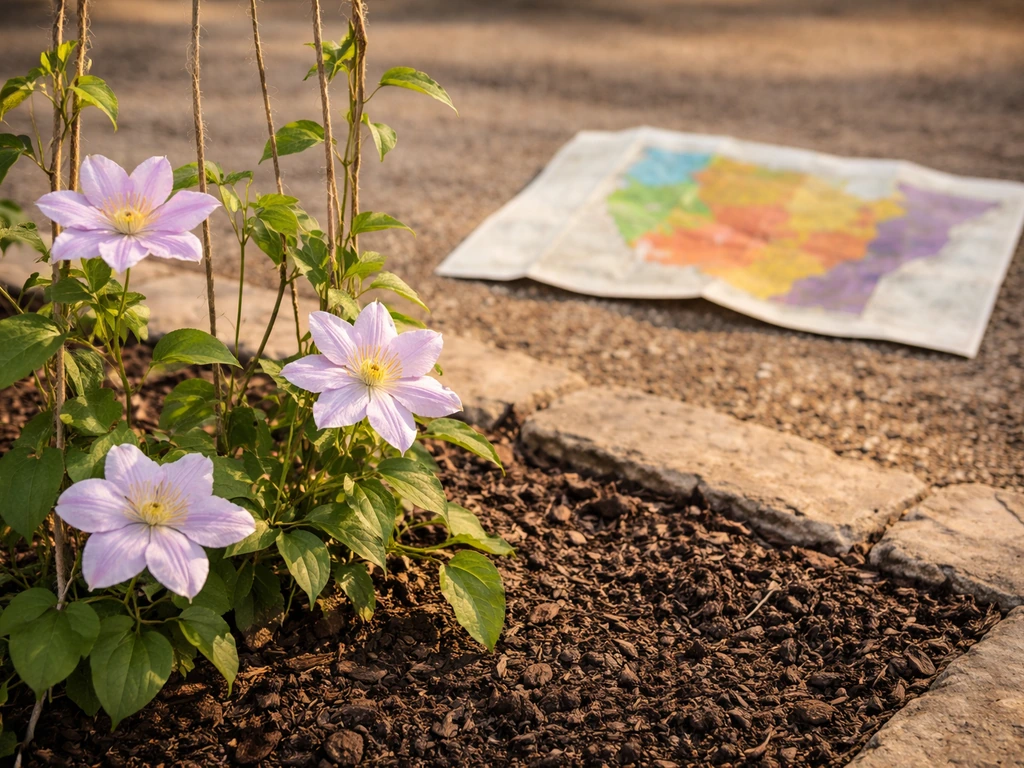
Arizona is not one climate, it is several. The state officially spans USDA Plant Hardiness Zones 5b through 10a based on the updated 2023 USDA Hardiness Zone Map (which uses 1991–2020 temperature data). That is a massive range. Flagstaff sits around Zone 6a to 7a, Tucson falls in Zone 8b to 9a, and the Phoenix metro area lands squarely in Zone 9b to 10a. Each of those zones creates a completely different challenge for clematis.
The two biggest threats clematis faces in Arizona are summer heat and soil temperature. Most clematis varieties are native to temperate climates and are built for cool roots and moderate air temperatures. Arizona summers routinely push well above 100°F in the low desert, and soil surface temperatures can exceed 150°F on exposed ground. That combination is lethal for clematis roots unless you engineer around it. Humidity is also dramatically lower than what clematis prefers, which increases drought stress during the hottest months.
The good news is that the higher elevation zones (Flagstaff, Prescott, Show Low, parts of the White Mountains) are genuinely excellent clematis territory. Gardeners in those areas have conditions similar to the Rocky Mountain states, and clematis is a common sight on trellises and fences there. The challenge grows as you move to lower elevations and hotter zones.
Will clematis survive Arizona winters?
This depends heavily on where in Arizona you live. Winter survival itself is almost never the problem in most of the state. If you are also wondering can you grow carnations in michigan, the same idea applies: match the plant to your local conditions rather than assuming one climate rule fits every state. Clematis is cold-hardy through Zone 4 in many cases, so even Flagstaff winters (lows around 0°F to 10°F) are within range for most varieties. The bigger winter-related question for Arizona gardeners is actually about chilling hours, not survival.
Chilling hours refer to the accumulated time a plant spends at temperatures between roughly 32°F and 45°F during winter dormancy. Many Group 1 and Group 2 clematis varieties (the ones that bloom on old wood from the previous season's growth) need a real winter to set buds properly and flower well the following spring. In the Phoenix metro and other low-desert areas, winters are mild enough that some varieties simply do not get enough cold exposure to perform at their best. They survive, but blooming may be inconsistent or sparse.
Group 3 clematis (the types that bloom on new growth each season) are less dependent on specific chilling to trigger flowering because they are cut back hard every year anyway. This makes them a smarter pick in warmer Arizona zones where winter chilling is unreliable. In the high elevation zones, winter chilling is not an issue at all, and you have far more variety options to work with.
Best clematis types for Arizona
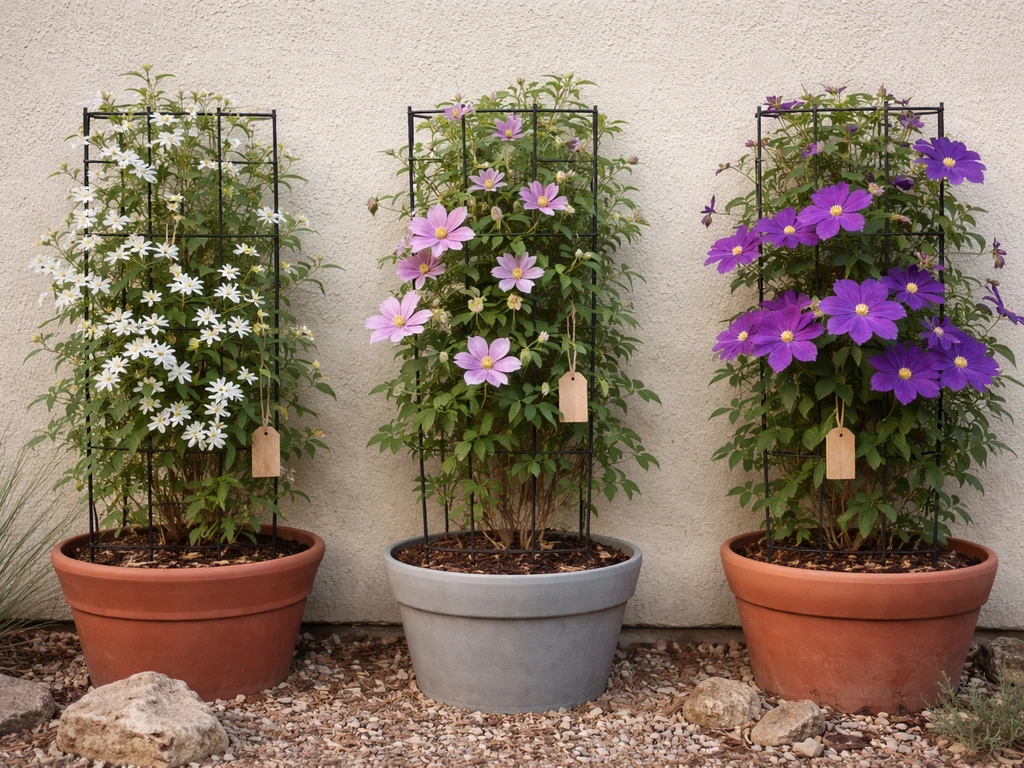
Clematis is organized into pruning groups by the International Clematis Society: Group 1 (early-blooming, old wood), Group 2 (large-flowered, old and new wood), and Group 3 (late-blooming, new wood only). For Arizona specifically, your zone determines which group is most realistic.
| Pruning Group | Bloom Timing | Best Arizona Zones | Heat Tolerance | Notes |
|---|---|---|---|---|
| Group 1 | Early spring, old wood | Zone 6a–8a (high elevation) | Low to moderate | Needs cold winters; struggles below Zone 8b |
| Group 2 | Late spring/repeats, old + new wood | Zone 6a–8b | Moderate | Inconsistent in low desert; better in Tucson and above |
| Group 3 | Summer/fall, new wood | Zone 6a–10a | Best overall | Hard prune every year; most forgiving in hot zones |
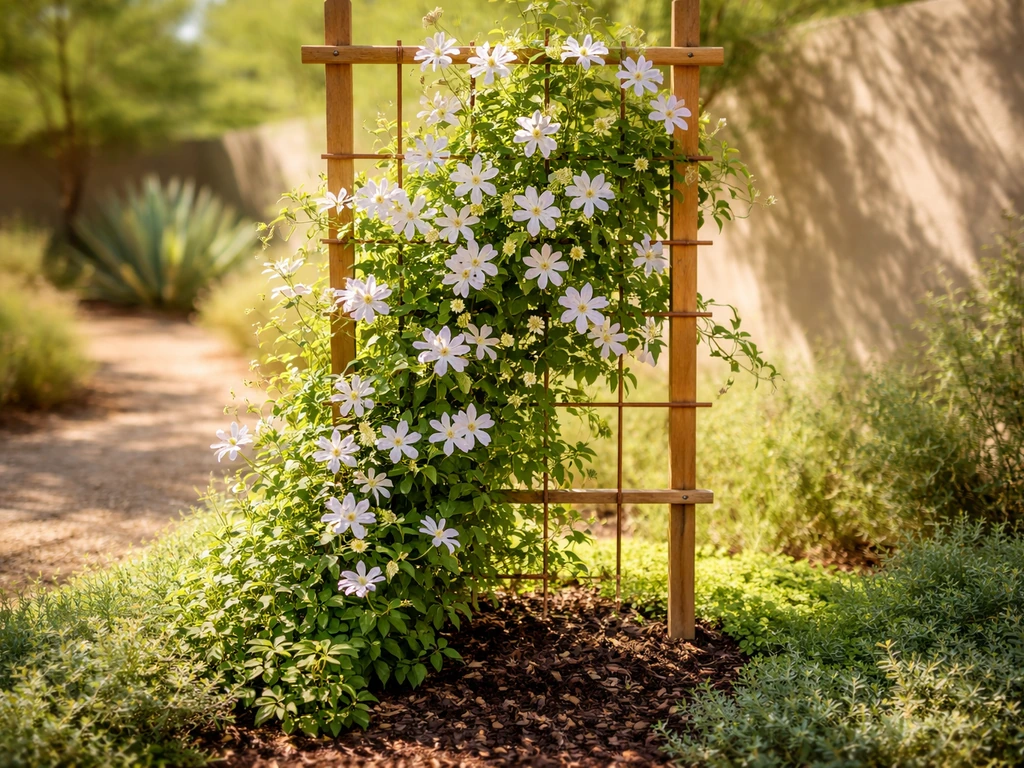
For low-desert Arizona (Phoenix, Yuma, Casa Grande), Group 3 varieties are your most realistic choice. Look for cultivars like 'Jackmanii', 'Hagley Hybrid', 'Comtesse de Bouchaud', and the sweet autumn clematis (Clematis terniflora) which is especially vigorous in heat. In Tucson and areas with similar elevation, Group 2 cultivars become more viable, and you can experiment with large-flowered types like 'The President' or 'Nelly Moser' with proper siting. In Flagstaff, Prescott, and the higher mountain communities, nearly any clematis group is fair game, and the vine performs closer to how you would expect from catalog descriptions.
Sweet autumn clematis deserves a special mention for hot-zone Arizona gardeners. It is aggressive, heat-tolerant, and will bloom prolifically in late summer and fall with small white fragrant flowers. The trade-off is that it self-seeds readily, so deadheading before seeds set is important if you do not want it spreading everywhere.
Planting setup that actually works in Arizona
The classic clematis rule, 'head in the sun, feet in the shade,' is even more critical in Arizona than anywhere else. Clematis needs at least 6 hours of sun to bloom well, but in the low desert, full all-day sun will cook the root zone regardless of how much you water. Aim for morning sun with afternoon shade, particularly in Zones 9 and 10. An east-facing wall or a spot where a larger plant, rock, or structure casts afternoon shadow on the base is ideal.
Soil in most Arizona regions is alkaline, often clay-heavy in some valleys and sandy-gravelly in others. Clematis prefers well-drained, slightly alkaline to neutral soil with good organic content. In Arizona ground planting, amending the planting hole with compost and ensuring drainage is not optional, it is the difference between a plant that takes hold and one that rots or desiccates in its first summer. Planting the crown 2 to 3 inches below soil level gives clematis the ability to regenerate from the base if the top growth dies back from heat stress.
Ground vs. container planting
In-ground planting gives clematis better access to consistent moisture and insulates roots more effectively than containers in the long run. However, containers give you control over soil mix, drainage, and placement, which can be a real advantage if your yard is pure caliche or hard-packed clay. If you are deciding whether can fuchsia grow in the ground in your yard, the same thinking about drainage, shade, and root-zone temperature applies containers give you control.
If you go the container route, choose a large pot (at least 15 to 20 gallons) because clematis root systems need room. Light-colored or insulated containers help reduce root zone temperatures in summer. Either way, mulching heavily around the base, at least 3 to 4 inches of wood chips or gravel, is essential in any Arizona zone.
Why clematis fails in Arizona (and how to avoid it)
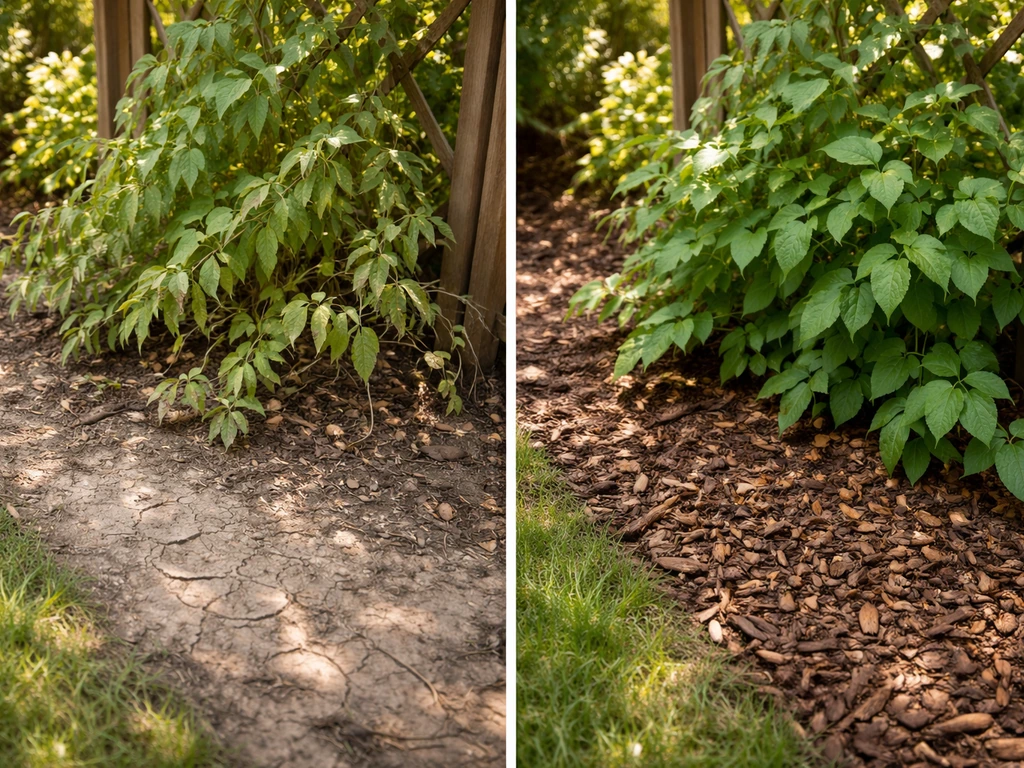
Most Arizona clematis failures come down to a handful of predictable problems. Knowing them before you plant is the fastest way to avoid losing a vine you paid good money for. If you are also trying other flowers, you may want to compare clematis with what it takes to can you grow carnations in texas so you do not repeat the same mistakes.
- Root zone overheating: Bare or lightly mulched soil in Arizona's summer sun gets hot enough to kill clematis roots outright. Always mulch heavily and consider placing flat stones or pavers around the base to insulate the soil.
- Underwatering during establishment: The first summer is the most critical. Clematis needs consistent moisture while its roots are getting established, especially in June through August. Drip irrigation on a timer is not optional in the desert, it is practically mandatory.
- Wrong pruning group for the climate: Pruning a Group 1 or 2 clematis the same way you prune a Group 3 will eliminate your flower buds. Match your pruning technique to the group label on your plant tag, and in hot zones, prioritize Group 3 to sidestep this issue entirely.
- Afternoon sun exposure in low-desert zones: Planting on a west or south-facing wall in Phoenix is asking for trouble. The reflected heat and intense afternoon radiation can overwhelm even heat-tolerant varieties.
- Ignoring wilt disease: Clematis wilt (a fungal issue) can collapse stems suddenly. It looks dramatic but is rarely fatal if the crown was planted deep. Cut affected stems back to the base and new growth usually returns.
How to pick the right clematis for your Arizona location
Start by looking up your exact USDA zone using the updated 2023 USDA Plant Hardiness Zone Map at the USDA website, entering your zip code. Your zone is the single most useful shortcut for narrowing variety choices. If you are in Zone 9b or 10a, commit to Group 3 varieties and focus your energy on site selection and root protection rather than variety experimentation. If you are in Zone 8b or lower, you have more flexibility, but still lean toward heat-tolerant Group 3 and hardy Group 2 cultivars before trying anything that requires consistent chilling.
Your microclimate matters almost as much as your zone. A north-facing slope in Tucson can behave like a zone cooler than the official map suggests. A south-facing masonry wall in Mesa can push conditions hotter than your zone number implies. If your yard has a naturally shaded, cooler pocket, that is your best clematis real estate in the state.
When shopping, look for plants labeled as heat-tolerant or rated to Zone 9 or higher. Ask nursery staff specifically about local performance, not just catalog hardiness ratings. Local independent nurseries in Arizona, particularly those in Tucson, Scottsdale, and the Flagstaff area, tend to stock varieties that have already been vetted for regional conditions, which takes much of the guesswork out of selection.
Gardeners in neighboring states face similar decision points: those researching clematis in Texas or clematis in Southern California will recognize the same zone-matching logic, but Arizona's low-humidity summers and wide elevation range make the zone-first approach especially important here. If you are specifically asking does clematis grow in Texas, the same logic applies, but you will want varieties that handle heat and humidity swings in your exact area clematis in Texas. If clematis works in your Arizona zone with the right setup, it rewards you with one of the most dramatic flowering vines you can grow on a trellis or fence. You can use the same general approach for carnations in Texas, focusing on your local heat and sun conditions and choosing varieties suited to them.
FAQ
What clematis group should I choose if I live in Phoenix, but I still want large flowers?
In the low desert, prioritize Group 3 for reliable yearly bloom, then trial a Group 2 only if you can guarantee strong afternoon root shade and steady drainage. If your winter is mild, Group 2 may survive but bloom inconsistently, so expect fewer big-flower flushes unless your site gets enough cooling and your plant is well established.
Can I grow clematis in Arizona from seed or cuttings successfully?
Seed starting is slow and you may not get the exact flowering type you want, especially for hybrid large-flower cultivars. For Arizona, cuttings that establish before the hottest part of the year usually perform better, aim for rooting when temperatures are moderate, and plan on pot-grown establishment until the crown and roots are strong enough for summer heat.
When is the best time to plant clematis in Arizona?
For most of the state, plant when the heat has eased and the plant can establish roots before peak summer, generally in spring after worst frost risk or in early fall before temperatures rise again. If you plant right before summer, you are betting on luck, even with mulching, because root zone temperatures can overwhelm new transplants.
How can I keep clematis roots from overheating in Zone 9 or 10?
Use a combination, morning sun plus afternoon shade at the base, deep mulch 3 to 4 inches, and a light-colored container or insulated pot if you are growing in a container. Also avoid black landscaping fabric and bare exposed ground, both raise soil surface temperatures and increase drought stress.
Is it okay to plant clematis in the shade of a tree canopy in Arizona?
Partial shade can help roots, but the vine still needs sun to bloom, aim for at least 6 hours of light that reaches the plant. In dense tree shade, clematis often grows but produces fewer flowers, so choose a location where the base is shaded while the vine canopy still gets morning to midday sun.
How much and how often should I water clematis in Arizona?
Water deeply enough to wet the root zone, then let the top few inches of soil dry slightly before watering again, especially in cooler high-elevation areas. In the low desert, avoid frequent shallow watering that encourages surface roots, instead focus on consistent moisture through summer while maintaining drainage so the crown does not stay waterlogged.
Will clematis bloom if winter chilling is low in my Arizona area?
Some cultivars will survive but bloom poorly when chilling is insufficient, particularly many Group 1 and Group 2 types that rely on old-wood bud formation. If you want predictable flowering in Phoenix or Yuma, choose Group 3 varieties since they are cut back each season and flower on new growth.
What pruning mistakes cause clematis to fail in Arizona?
The most common error is pruning at the wrong time for the group, cutting back an old-wood variety like Group 1 too hard can remove the buds you need for early spring bloom. For Group 2, use light, targeted pruning rather than a full cut, and for Group 3, do the hard cut back yearly to reset the vine for new growth.
Does planting depth matter for clematis in Arizona heat?
Yes, planting the crown 2 to 3 inches below the soil line helps the plant regenerate from the base if top growth is scorched. This is especially helpful in hot-zone Arizona where summer stress can kill stems even when the roots survive.
How do I prevent clematis from wilting suddenly during Arizona summer?
Wilting is often tied to heat plus stress, not a watering-only problem. Check that the root zone is shaded, mulch is intact, and drainage is good, then ensure the plant is not sitting in compacted caliche. If wilting happens repeatedly, consider moving the plant to a more protected microclimate or switching to a container setup with controlled soil and insulation.
Is it better to grow clematis in a container or in-ground in Arizona?
In-ground is usually more stable for moisture and insulation once established, but containers can be a strong advantage if your soil is pure caliche or very hard-packed clay. If you container-grow, use at least a 15 to 20 gallon pot, keep the crown properly covered, and monitor pot temperatures since they can swing hotter than the ground.
Should I deadhead sweet autumn clematis in Arizona?
If you want to prevent it from spreading, deadhead before seed pods fully form, it self-seeds readily. If you are okay with it naturalizing, you can leave some spent blooms, but expect volunteer seedlings in nearby beds over time.