
Yes, you can grow carnations in Michigan, but how well they survive depends heavily on which part of the state you're in and which type of carnation you choose. If you’re wondering about Texas instead, the same basic factors apply, but your local heat and winter lows determine which carnation types will actually survive can you grow carnations in texas. Fuchsia is much more heat- and moisture-sensitive than carnations, so whether it can thrive in the ground depends on your local conditions and winter protection can fuchsia grow in the ground. In southern Michigan (zones 5b to 6b), hardy carnations and dianthus "pinks" can overwinter with some protection and bloom reliably year after year. In northern Michigan (zones 4a to 5a), winters get brutal enough that most carnations are better treated as annuals, replanted each spring. Either way, you can absolutely have beautiful carnations in Michigan, you just need to go in with a plan that matches your zone.
Can You Grow Carnations in Michigan? Tips for Success
Michigan Growing Feasibility by Zone
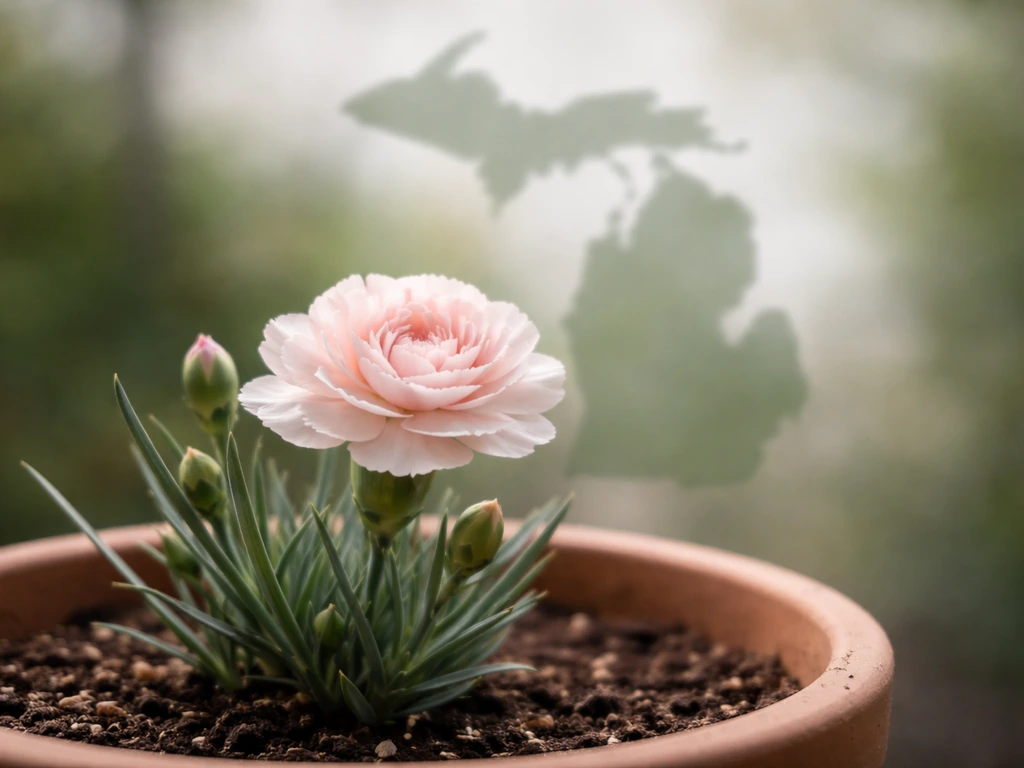
Michigan spans USDA hardiness zones 4a through 6b, which is a pretty wide range. USDA’s Plant Hardiness Zone Map groups regions by average annual extreme minimum winter temperature, using 10°F zones and 5°F half-zone subdivisions (a/b). The thumb, the Detroit metro area, and the southwest corner of the state near Lake Michigan sit in zones 5b to 6b, where winter lows typically stay between -10°F and 0°F. The Upper Peninsula and interior northern Lower Michigan drop into zones 4a to 5a, meaning winter lows can hit -20°F or colder. That gap makes a real difference for carnations.
Standard florist carnations (Dianthus caryophyllus) are rated for zones 5 to 9, so technically they are marginal in Michigan's coldest areas and survivable with protection in the warmer southern zones. Hardy pinks and species dianthus (like Dianthus plumarius or Dianthus deltoides) are tougher, rated down to zones 3 or 4 depending on the variety, which puts them within reach of most of Michigan. Annual or biennial carnation types sidestep the whole hardiness question since you're replanting every season anyway.
| Michigan Region | Typical USDA Zones | Carnation Feasibility |
|---|---|---|
| Upper Peninsula | 4a to 4b | Annuals only; most perennial carnations will winter-kill without heavy protection |
| Northern Lower Michigan | 5a to 5b | Hardy pinks and dianthus species are feasible; standard carnations need protection |
| Central Lower Michigan | 5b to 6a | Hardy carnations and pinks overwinter well with mulching; standard carnations possible |
| Southern Lower Michigan / SW coast | 6a to 6b | Best zone for perennial carnations; standard carnations survive most winters with basic care |
Which Carnation Types Do Best in Michigan
Not all carnations are created equal for Michigan conditions, and picking the right type is honestly the single biggest factor in success.
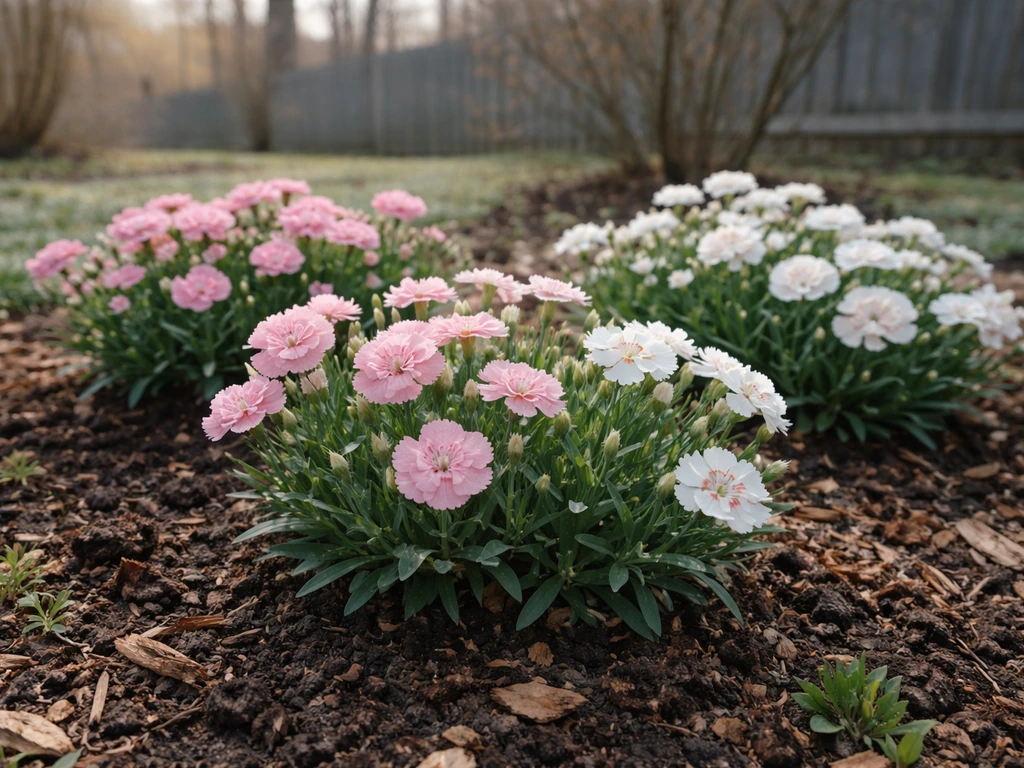
- Hardy pinks (Dianthus plumarius, Dianthus deltoides): These are the workhorses for Michigan. They tolerate zone 4 winters, form low mats of foliage, and come back reliably each spring. The blooms are smaller than florist carnations but they're tough and undemanding. This is the type I'd recommend first for any Michigan gardener.
- Cheddar pinks (Dianthus gratianopolitanus): Hardy to zone 3 in many varieties, excellent for northern Michigan. Great groundcover habit, fragrant flowers, and drought-tolerant once established.
- Standard garden carnations (Dianthus caryophyllus): The big showy type you see in bouquets. Hardy to zone 5 at best, so southern Michigan is their home turf. They need winter mulching in zones 5a and 5b and may not survive harsh winters even then.
- Annual bedding carnations: Sold in nursery six-packs every spring, these bloom heavily all season and are killed by frost. They're a completely valid choice if you don't want to gamble on winter survival. You get the look without the stress.
- Everblooming/perpetual carnations: These are the types commercial growers use in greenhouses. They're not reliably cold-hardy outdoors in Michigan and are best grown in containers you bring inside for winter.
Planting Timing and Site Selection
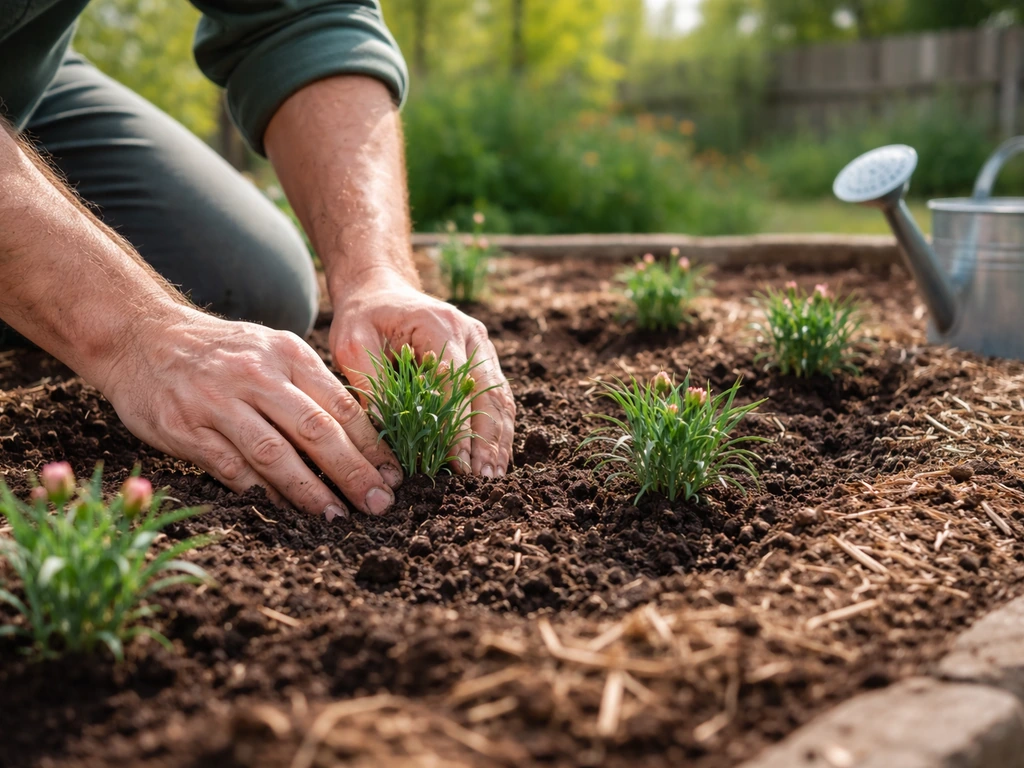
Timing matters a lot in Michigan because the growing season is compressed. The last spring frost date varies by location (MSU Extension publishes detailed frost-free date tables by county and city), but a general rule for most of Lower Michigan is to wait until mid-May before putting carnation transplants in the ground. Northern areas may need to wait until late May or even early June. If you're starting from seed indoors, begin 8 to 10 weeks before your local last frost date, which typically means starting in late February or early March for southern Michigan.
Site selection is where a lot of Michigan gardeners go wrong. Carnations need full sun, at least 6 hours of direct sunlight daily, and they absolutely cannot tolerate wet feet. Michigan soils in many areas have clay content that holds moisture, and a soggy spot will rot carnation roots over winter faster than the cold will kill them. Choose a raised bed, a slope, or a spot with notably good drainage. South or southwest-facing slopes near a building or wall are ideal in northern zones because they stay warmer and dry out faster in spring.
Soil, Watering, and Maintenance Basics
Carnations prefer a slightly alkaline to neutral soil, somewhere around pH 6.5 to 7.5. Michigan soils tend to run slightly acidic, especially in the northern Lower Peninsula and UP where organic matter from forests acidifies the ground. A soil test (available cheaply through MSU Extension) will tell you where you stand. If your pH is below 6.5, work in some garden lime before planting. Amend heavy clay soils with compost and coarse sand to improve drainage before anything else.
Water consistently but don't overdo it. Carnations want about 1 inch of water per week during the growing season. In Michigan's typically humid summers, rainfall often covers a good chunk of that, so watch the weather and skip irrigation when you've had recent rain. Water at the base of the plant, not overhead, to keep foliage dry and reduce fungal disease risk. Mulching with 2 inches of shredded bark around plants conserves moisture and keeps roots cool during hot spells.
Deadhead spent blooms regularly to keep plants producing flowers and prevent them from going to seed prematurely. For standard carnations and hardy pinks, cutting stems back by about a third after the first big flush of bloom encourages a second wave of flowers in late summer. Avoid heavy nitrogen fertilizer, which promotes lush foliage at the expense of blooms and makes plants more susceptible to disease. A balanced slow-release fertilizer applied in spring is usually all they need.
Winter Survival Tips and Protection
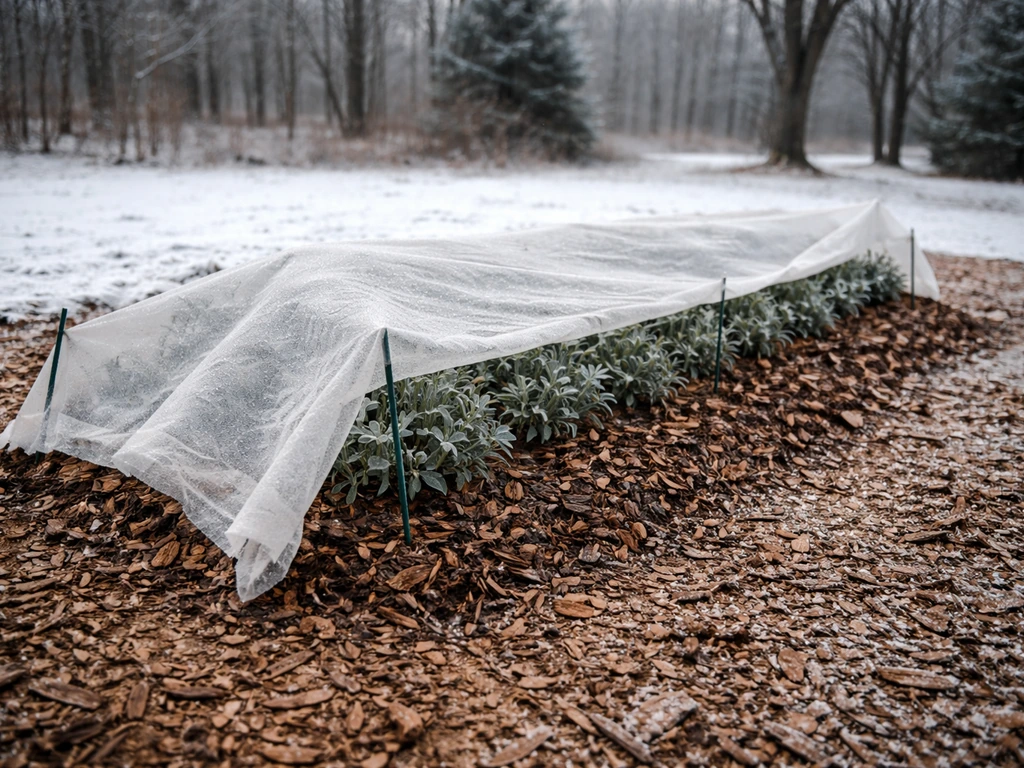
Getting carnations through a Michigan winter is doable in zones 5 and 6 if you take a few deliberate steps. The main enemy isn't just cold temperatures, it's the freeze-thaw cycle combined with wet soil. Michigan winters often swing between bitter cold and brief warm spells that thaw the ground, then refreeze it, heaving plant roots right out of the soil. That's what kills most carnations here more than outright cold.
- Stop fertilizing by mid-August so plants aren't pushing tender new growth going into fall.
- After the first hard frost (typically late October to early November in southern Michigan, mid-October in northern areas), cut plants back to about 4 to 6 inches above the ground.
- Apply 3 to 4 inches of mulch over the crown of the plant. Straw, shredded leaves, or pine boughs all work well. The goal is to moderate temperature swings, not necessarily to keep it warm.
- In zones 4 and 5a, consider covering plants with a burlap wrap or a frost blanket secured at the edges during the coldest stretches of January and February.
- Remove mulch gradually in spring, starting when temps are consistently above freezing. Don't rush it, a late frost after you've uncovered plants can set them back hard.
- Check for heaving in early spring and press any lifted crowns gently back into contact with the soil before they dry out.
Common Problems and Troubleshooting in Michigan
Michigan's climate throws a few specific challenges at carnation growers. Here are the ones that come up most often and how to handle them.
Winter Kill
The most common complaint is plants that simply don't come back in spring. Usually this traces back to one of three things: planting standard carnations in a zone that's too cold for them (swap to hardy pinks), soggy soil through winter (fix drainage before replanting), or mulching too late after the ground was already frozen and plants were stressed. Get the mulch down in late October before hard freezes set in.
Fungal Diseases
Michigan summers can be humid, and carnations are prone to botrytis blight and fusarium wilt when air circulation is poor. Space plants at least 12 inches apart (18 inches is better for standard carnations) to let air move through. Water at soil level, never overhead. If you see gray fuzzy mold on stems or flowers, remove affected parts immediately and treat with a copper-based fungicide. Rotating the planting location every few years helps prevent soil-borne fusarium from building up.
Leggy, Floppy Growth
Standard carnations tend to get tall and leggy, especially in lower-light spots or when overfertilized with nitrogen. Make sure they're in full sun (at least 6 hours), pinch growing tips when plants are young to encourage bushy branching, and use stakes or a tomato cage for support if needed. Hardy pinks and mat-forming types generally don't have this problem.
Poor Bloom
If plants are growing but not blooming well, the usual culprits are too much shade, too much nitrogen fertilizer, or skipping deadheading. Move containers into full sun if possible, switch to a low-nitrogen fertilizer with higher phosphorus (the middle number on the fertilizer bag), and keep up with removing spent flowers.
Alternatives if Carnations Won't Thrive in Your Area
If you're in zone 4 or dealing with consistently wet, heavy clay soil and the annual replanting cycle feels like too much work, there are some excellent Michigan-tough alternatives that give you a similar look or the same cottage-garden feel.
- Sweet William (Dianthus barbatus): A close relative, biennial, very cold-hardy (zones 3 to 9), and one of the easiest flowering plants you can grow in Michigan. Rich, clove-like fragrance and dense flower clusters.
- Phlox (Phlox paniculata or Phlox subulata): Garden phlox is reliably perennial in all Michigan zones, comes in a wide range of colors, and blooms prolifically. Creeping phlox is a great low-maintenance mat former.
- Coneflowers (Echinacea): Native to the Midwest, completely zone-hardy across Michigan, drought-tolerant, and pollinator-friendly. They don't have the ruffled flower look but give bold color.
- Shasta Daisy: Hardy to zone 4, easy to grow, and gives a similar clean white-and-yellow pop to the garden.
- Lavender (in southern Michigan only): Zones 5b to 6b can support English lavender (Lavandula angustifolia) with good drainage, and it provides that fragrant, romantic garden quality that draws people to carnations in the first place.
The regional feasibility question for carnations in Michigan really does come down to zone and drainage above all else. If you are comparing this kind of setup to whether “will clematis grow in arizona,” remember that region-specific conditions like heat, sun exposure, and soil drainage make or break most flowering plants zone and drainage. Southern Michigan gardeners have a legitimate shot at perennial carnations with the right care. Northern Michigan gardeners will have the most success treating them as annuals or leaning into the hardier dianthus species. Clematis can grow in southern California too, but the key is choosing the right type and giving it suitable sun and consistent watering does clematis grow in southern california. Either way, you now have a clear enough picture to decide before you spend money at the nursery, which is exactly the point. Clematis can grow in Texas, but success depends on choosing the right variety and meeting heat and watering needs Clematis in Texas.
FAQ
Can you grow carnations in containers in Michigan, and will they overwinter there?
Yes, but plan on extra winter protection and very fast drainage. Use a pot with ample drainage holes, a gritty mix (potting mix plus perlite or coarse sand), and avoid saucers that hold water. In northern zones, keep containers close to a wall for warmth and wrap the pot in insulating material after the soil cools (not right after planting).
What’s the best way to start carnations in Michigan if I want flowers quickly?
If you want blooms the first year, start with transplants rather than waiting for seed in Michigan’s shorter season. For direct-sown seed, germination is often too slow to get reliable flowering before frost, especially in zone 4. Aim to set transplants mid-May in most of Lower Michigan, then adjust later for colder inland areas.
How can I tell why my carnation didn’t survive the Michigan winter?
A simple way to tell whether the issue is cold or rot is to check the crown. If the crown is soft, brown, or collapses when pressed, it was likely winter wet and freeze-thaw damage. If the crown is firm but stems die back, the plant may regrow if you improve shelter and drainage for next winter.
When should I pinch carnation plants to prevent them from getting leggy?
Yes. Pinching is mainly about shape and branching early on, so do it when plants are young and actively growing, before you see heavy buds. For tall, standard types, pinch once or twice, then stop so the plant can set flower stems.
What should I do if my carnations have lots of leaves but no flowers in Michigan?
Use fertilizer sparingly. If you see lots of dark green foliage but few buds, cut back on nitrogen and switch to a lower-nitrogen, higher-phosphorus option. If you overdo fertilizer, the plant is more vulnerable to botrytis and fusarium, and it can also flop sooner even in full sun.
Is there an ideal planting spacing or depth to avoid disease and winter heaving?
For Michigan gardens, thinning and spacing are as important as watering. Give plants 12 inches apart at minimum, and keep mulch a couple inches away from the base so the crown stays drier. If you compact or bury stems too deep, crowns can rot during thaw cycles.
What’s the right response if I see botrytis or gray fuzzy mold on my carnations?
If gray mold appears, remove infected stems and avoid wetting foliage. Copper-based fungicides can help for botrytis, but sanitation matters just as much, discard debris rather than composting, and improve airflow by loosening overcrowded spots or shifting watering to morning at the soil line.
How important is soil pH for carnations in Michigan, and what should I do if it’s too acidic?
A soil test is especially useful in Michigan because the clay and acidity balance can vary a lot by county. If pH is below 6.5, apply lime before planting and retest if you make significant changes. If you skip pH management, carnations may struggle to take up nutrients even when drainage is good.
When should I prune carnations in Michigan, and what’s different in colder zones?
Prune after the first flush, but avoid cutting back too aggressively right before winter. In zone 4, leave enough foliage to buffer cold, then do fall tidying only lightly. Major pruning plus wet conditions can increase rot risk around the crown.
If carnations keep failing for me in Michigan, what are better low-failure alternatives?
Yes, but pick annuals or hardier dianthus species if you want a lower-maintenance plan. You can treat standard florist carnations as annuals in zone 4, or choose hardy pinks for perennial returns. If you consistently have wet winters or heavy clay, annual or species dianthus will be more reliable than trying to force standard carnations to persist.