
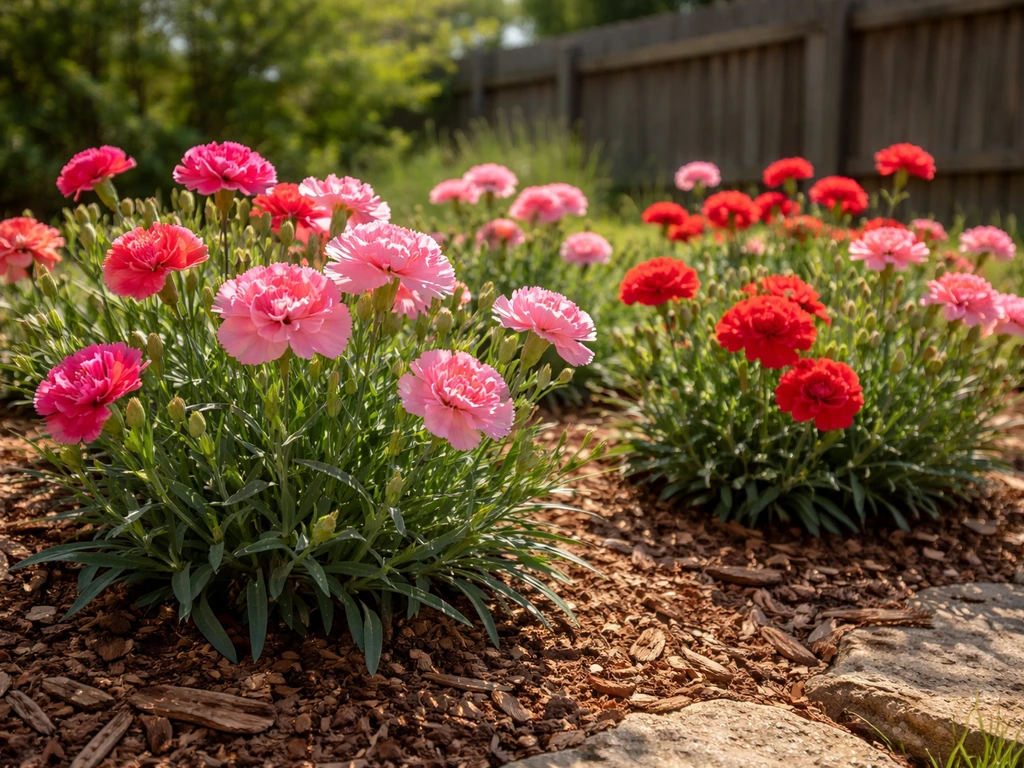
Yes, you can grow carnations in Texas, but your success depends heavily on where in the state you live and how you approach the planting. In most of Texas, carnations work best as cool-season annuals or short-lived perennials rather than the long-lived landscape staples they can be in cooler climates. North and West Texas gardeners in Zones 6 and 7 get the best shot at true perennial performance. The further south and east you go, the more you're fighting summer heat, humidity, and fungal pressure, and the smarter it is to treat them as a fall-through-spring flower and pull them when summer hits.
Can You Grow Carnations in Texas? Zone, Tips, and Care

Marcus Hartwell
5 Jun 2026
How Texas Climate Matches Up With Carnations
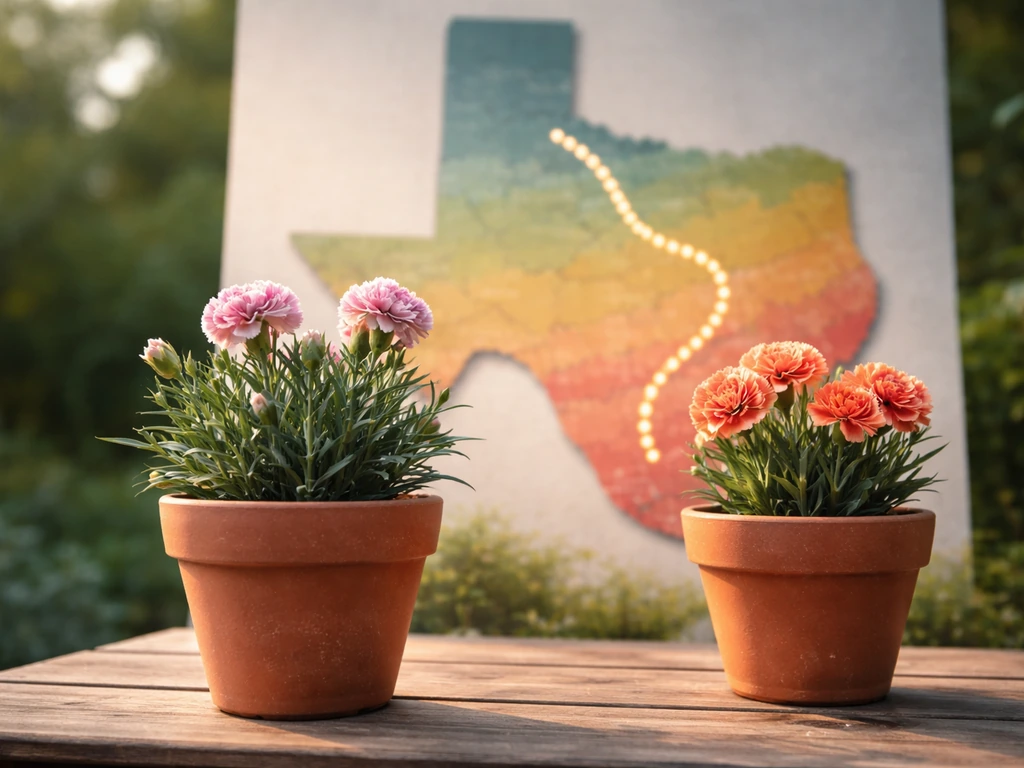
Texas spans USDA Hardiness Zones 6 through 10, which is a huge range. That means a gardener in Amarillo (Zone 6b) and a gardener in Brownsville (Zone 10a) are living in practically different countries when it comes to plant selection. Carnations (Dianthus caryophyllus) are generally considered hardy from about Zone 6a through Zone 9b, so on paper, most of Texas falls within range. The problem is that hardiness zones only measure winter cold tolerance, not summer heat or humidity, and those are the real challenges for carnations in Texas.
In the Panhandle and North Texas (Zones 6-7), carnations actually have a fighting chance as perennials. Summers are hot but relatively dry, and winters are cold enough that carnations go semi-dormant and reset. In Central Texas (Zone 8), they can survive but often struggle through summer and peter out after one or two seasons. In East Texas and along the Gulf Coast (Zones 8b-9b), humidity is the bigger enemy than heat, since wet, warm air is a perfect breeding ground for the fungal diseases that knock carnations out fast. In South Texas (Zone 9b-10), extended triple-digit summers make perennial carnation survival a long shot, and most gardeners there treat them strictly as cool-season flowers.
The Best Carnation Types for Texas Gardens
Not all carnations are created equal, and for Texas, cultivar choice matters. The classic florist carnation (Dianthus caryophyllus) is what most people picture, and some cultivars, including the 'Bridal Star' type, are marketed for performance up to Zone 9b. These full-size carnations work well for cut flowers and can be overwintered in the ground in most of Texas outside the far south. If you are wondering whether fuchsia can grow in the ground in your area, check your local heat and frost conditions first because fuchsia often needs more protection than carnations. If you want more flexibility across the state, border carnations (smaller-growing Dianthus caryophyllus selections) tend to be more adaptable and bushier than tall florist types.
For Central and South Texas gardeners who just want that carnation look without the heartbreak, the annual approach is smarter. Plant them in fall, enjoy blooms through winter and into spring, then let them go when heat arrives. If you want a similar flower with better Texas toughness, look at Dianthus chinensis (annual pinks) or select heat-tolerant Dianthus hybrids bred for southern gardens. These aren't true carnations but they're in the same family and handle Texas summers far better.
| Carnation Type | Best Texas Zone | Use as | Heat Tolerance |
|---|---|---|---|
| Florist carnation (D. caryophyllus full size) | 6-8 | Perennial or cut flower | Moderate |
| Border carnation (compact D. caryophyllus) | 6-9a | Short-lived perennial | Moderate |
| Annual carnation (cool-season) | All zones | Fall/winter/spring annual | Low (pull in summer) |
| Dianthus chinensis (annual pinks) | All zones | Annual or short-term perennial | Higher than carnation |
| Heat-tolerant Dianthus hybrids | 7-10 | Annual or short-lived perennial | Good |
When and Where to Plant Carnations in Texas
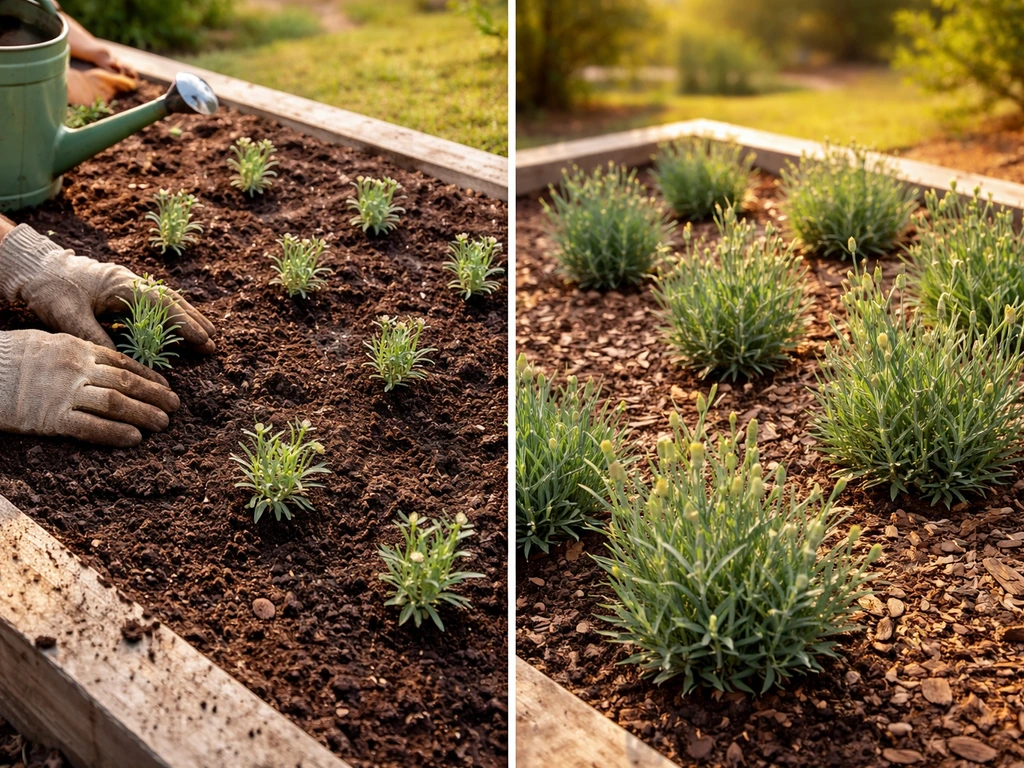
Timing is everything with carnations in Texas. In North Texas (Zones 6-7), plant in early spring after the last freeze, or in early fall to establish before winter. In Central Texas (Zone 8), fall planting from September through October is usually the better call because it avoids the brutal summer establishment period and gives plants several months of ideal growing weather. Along the Gulf Coast and in South Texas, fall planting from October through November is almost mandatory, since summer heat makes spring starts unreliable.
For site selection, carnations need full sun, which means at least six hours of direct sunlight per day. In the hotter parts of the state (Zones 8b and warmer), some afternoon shade actually helps plants survive summer and stay in bloom longer. More important than light, though, is drainage. Carnations sitting in waterlogged soil will rot at the crown or develop root rot (Phytophthora) fast. Raised beds or gently sloped ground are ideal. Flat, clay-heavy Houston or East Texas yards need serious amendment before carnations have a chance.
Soil quality is straightforward: carnations prefer well-drained, slightly alkaline to neutral soil. A pH in the 6.5 to 7.0 range is ideal. Texas soils vary wildly, from the alkaline limestone-based soils of Central Texas (which actually suit carnations well on the pH front) to the acidic sandy loam of East Texas. Test your soil pH before planting and adjust with lime if you're too acidic or with sulfur if you're too alkaline. Work in organic matter to improve drainage if you're dealing with clay.
Surviving Texas Winters and Summers
The winter picture for carnations in Texas is complicated by the fact that the state sees wildly variable freeze events. The USDA zone system reflects average annual extreme minimums over 30 years, so it doesn't account for those once-in-a-decade hard freezes like the 2021 event that caught many Texas gardeners off guard. In Zones 6 and 7, expect carnations to die back to the ground and resprout in spring with no intervention.
In Zones 8 and warmer, apply two to three inches of mulch around the base of the plants before a hard freeze, but don't pile it against the crown itself since smothering the crown with deep mulch can cause rot.
The goal is to insulate the root zone, not bury the plant.
Summer survival is the harder challenge in most of Texas. Heat above 90 degrees Fahrenheit causes carnations to stop flowering and go into heat stress. Extended periods above 100 degrees, common in Central, West, and South Texas, often kill them outright. In areas where summer survival is the goal, plant in a spot with afternoon shade, water consistently during heat waves, and cut plants back by about a third in late spring to encourage compact growth before summer stress sets in. Even with all of this, many Texas gardeners find it more practical and cost-effective to simply replant carnations every fall rather than nurse them through summer.
Texas-Specific Problems to Watch For
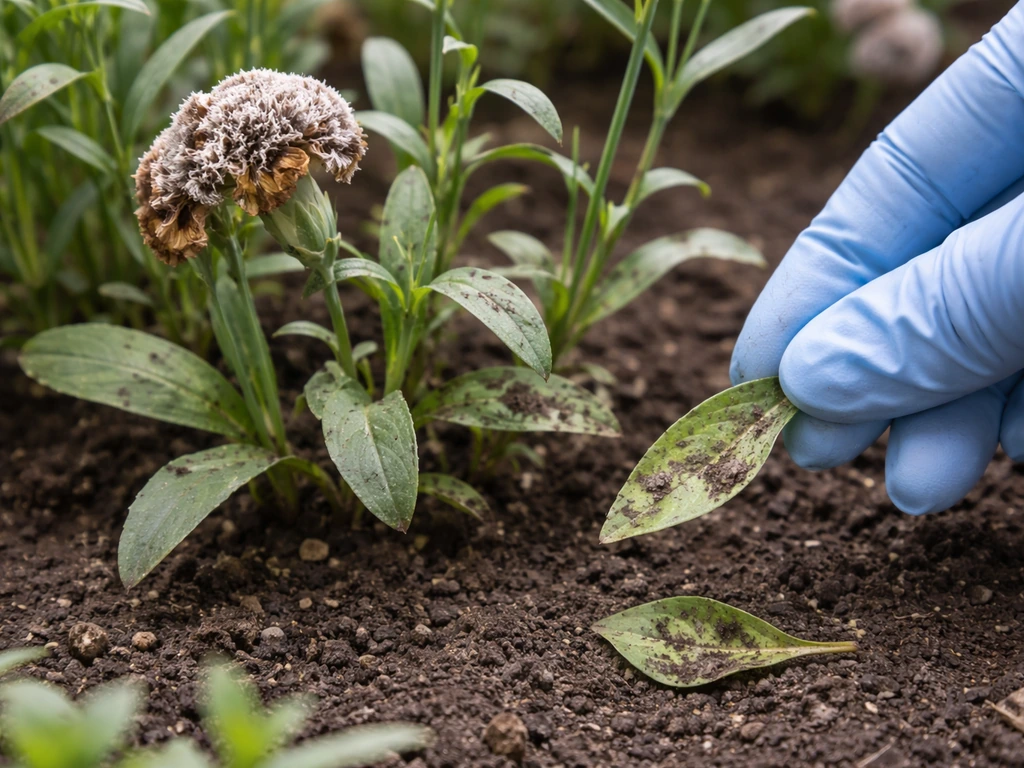
Texas A&M AgriLife Extension's plant disease handbook specifically calls out several carnation diseases that Texas gardeners need to know about. The big ones are Septoria leaf spot (Septoria dianthi), Botrytis blight (Botrytis cinerea), and Fusarium wilt (Fusarium oxysporum f. sp. dianthi). Septoria and Botrytis are fungal diseases that thrive in warm, moist, humid conditions, which makes East Texas and the Gulf Coast particularly risky. Fusarium wilt is a soilborne disease that causes plants to collapse from the inside and is nearly impossible to treat once established.
Root knot nematodes (Meloidogyne spp.) are another Texas-specific concern, especially in sandy soils common in East and South Texas. These microscopic soil pests damage root systems and weaken plants, making them more susceptible to everything else. Phytophthora root and crown rot is essentially guaranteed in poorly drained soil that stays wet, so drainage really is the single most important cultural factor you can control.
On the pest side, thrips and aphids are common vectors for spreading disease between carnation plants. Thrips in particular can carry and transmit pathogens as they feed, so managing insect pressure early is part of keeping disease under control. Check plants regularly, especially during spring and fall when pest populations spike, and use insecticidal soap or neem oil at the first sign of infestation.
Quick fixes for the most common Texas carnation problems
- Gray mold (Botrytis) on flowers or leaves: Improve airflow by spacing plants 12 to 15 inches apart, remove infected tissue immediately, and avoid overhead watering.
- Septoria leaf spot (brown spots with yellow halos): Remove affected leaves, apply a copper-based fungicide, and water at the base rather than overhead.
- Fusarium wilt (yellowing, wilting despite moist soil): Remove and destroy the plant, do not compost it, and avoid replanting carnations in the same spot for several seasons.
- Crown or root rot (plant collapses at soil level): Improve drainage immediately; if soil stays wet for more than a day after rain, carnations won't survive there.
- Nematode damage (stunted, declining plants in sandy soil): Amend soil with compost before planting to buffer nematode pressure, or use certified nematode-free planting mix in raised beds.
- Thrips or aphids: Apply insecticidal soap or neem oil at first sign; inspect new growth weekly during peak season.
Day-to-Day Care After Planting
Watering carnations in Texas is a balancing act. They need consistent moisture to grow well, but sitting in wet soil kills them. Water deeply once or twice a week during the growing season and let the top inch of soil dry out between waterings. During summer heat waves, you may need to water more often, but always check drainage first. Drip irrigation at the base of the plant is better than sprinklers, which keep foliage wet and invite fungal disease.
Fertilize with a balanced slow-release granular fertilizer at planting and again once a month during active growth. Carnations are moderate feeders and don't need heavy fertilization, but they benefit from a phosphorus-containing fertilizer to support flower production. Avoid high-nitrogen fertilizers that push leafy green growth at the expense of blooms.
Deadheading spent flowers is one of the most impactful things you can do to keep carnations blooming. Once a flower fades, pinch or cut it off just above the first set of healthy leaves. This redirects the plant's energy from seed production to new flower buds. In Texas's shorter cool season, keeping up with deadheading can stretch your bloom window by weeks.
When Carnations Make Sense in Texas, and When to Move On
Carnations are a genuinely good choice in North Texas (Zones 6-7), where you can reasonably expect perennial or at least multi-year performance with the right site and care. If you are wondering does clematis grow in southern California, the answer is yes, but it depends on your local temperature range, sun exposure, and drainage. In Central Texas (Zone 8), they're worth growing as a cool-season annual if you enjoy the cut flowers or need winter color in the garden. Along the Gulf Coast and in humid East Texas, the disease pressure makes them more work than they're worth for most home gardeners, especially if you're not prepared to manage fungal problems actively.
If you're in South Texas or dealing with heavy clay soil that you can't fix, skip carnations and invest in something better adapted. Dianthus chinensis handles Texas conditions far better. Other strong alternatives for winter and spring color in warmer Texas zones include snapdragons, alyssum, stock, and larkspur, all of which thrive as cool-season annuals statewide. For a perennial flowering plant with similar cut-flower appeal, lantana and salvia are workhorses in Zones 8 and warmer.
The bottom line is this: if you're in the right zone, have well-drained soil, and plant in fall, carnations in Texas are absolutely worth trying. If you're wondering will clematis grow in Arizona, the key is matching the plant to your specific zone and sun and soil conditions carnations in Texas.
If you are also wondering can you grow carnations in Michigan, focus on your local cold winters, choose well-drained soil, and plant when temperatures let carnations establish before hot weather arrives. If two or three of those conditions aren't in your favor, your time and money are better spent on plants that were built for your climate.
This same kind of regional reality check applies to plenty of other beloved flowering plants, including whether something like clematis or even certain tropical-looking ornamentals can realistically survive in your specific Texas zip code.
FAQ
Can you grow carnations in Texas from seed or do they only work from transplants?
Yes, but treat them as a fall crop. In most of Texas, spring-planted carnations struggle to establish before heat shuts down flowering. If you start in spring in a warmer zone, aim for early growth only, provide afternoon shade, and plan to replant in fall rather than expecting multi-year performance.
Is it possible to grow carnations in Texas without planting in fall?
It is usually better to sow or plant in the cool part of the year, but you can get plants established in spring in Zone 6 to 7 only. For warmer zones, direct success is more hit-or-miss because carnations often run out of viable cool weather. If you try spring, protect from heat stress early and be ready to replace after one season.
How long can carnations realistically last in Texas (years vs just one season)?
In Zone 8 and warmer, expect the biggest drop-off after summer. Even with good care, many plants lose vigor after one or two winters plus a brutal summer, especially in humid areas. A practical strategy is to keep a few backups in containers or a small extra bed so you can replant quickly when a wave of plants fails.
What matters more in Texas, USDA zone or soil and drainage?
Switch to an approach focused on your site, not just your zone. If your soil holds water after rain, carnations will fail even if temperatures are within the “hardy” range. Start by improving drainage with raised beds, then confirm pH, before spending time on cultivar selection.
How should I water carnations in Texas to avoid rot and fungal disease?
Choose drip irrigation at the base, water deeply, and let the top inch dry between cycles. Overhead watering during humid weather increases leaf-spot and blight risk, and “frequent light watering” often keeps crowns too wet. If you see fungal-looking spots, pause watering above the soil and adjust the schedule immediately.
What should I do if my carnations get disease in Texas, and can I save infected plants?
If you get leaf spots or gray mold symptoms, remove affected foliage early and improve airflow, spacing, and sun exposure. For Fusarium wilt, there is no reliable cure once established, so pulling and disposing of infected plants is usually the best move to prevent collapse from the inside later. Sterilize tools between plants to reduce spread.
Can I mulch carnations for Texas winters, and how thick should it be?
Yes, but do it lightly and correctly. In Texas, mulch should insulate the root zone before a hard freeze, typically using a few inches, not a piled mound. Keep mulch away from the crown so you do not trap moisture where rot starts.
Can you grow carnations in Texas in containers to improve success?
Yes for the purpose of extending the season, but only if containers drain freely and you manage moisture carefully. Containers can dry out faster in Texas heat, yet they can also stay soggy if the mix is heavy, so use a fast-draining potting mix and ensure there are drainage holes. Move containers to afternoon shade in hot months and keep them cooler for winter.
Are carnations a good idea for Gulf Coast and humid East Texas conditions?
Do not rely on mulch or shade alone if your yard stays wet, or if you have repeated outbreaks of Septoria and Botrytis. For East Texas and the Gulf Coast, drainage improvements and more resistant cultivars help, but persistent humidity often still forces many gardeners into an annual or “replant every fall” plan.
What are good alternatives if carnations keep dying in my Texas garden?
If your carnations repeatedly fail and you cannot reliably fix drainage, switching is often the best decision. Dianthus chinensis (annual pinks) and Texas-tough Dianthus hybrids are frequently more forgiving in summer, and cool-season staples like snapdragons and alyssum can fill the same winter-and-spring role with less disease pressure.
When should I start pest control for carnations in Texas, and what mistakes should I avoid?
If thrips or aphids show up early, treatment works best when you catch it right away rather than after leaves are badly damaged. Insecticidal soap or neem oil applied to affected areas can help, but you should also control weeds nearby and keep plants well spaced to reduce the number of plants insects can move between.