
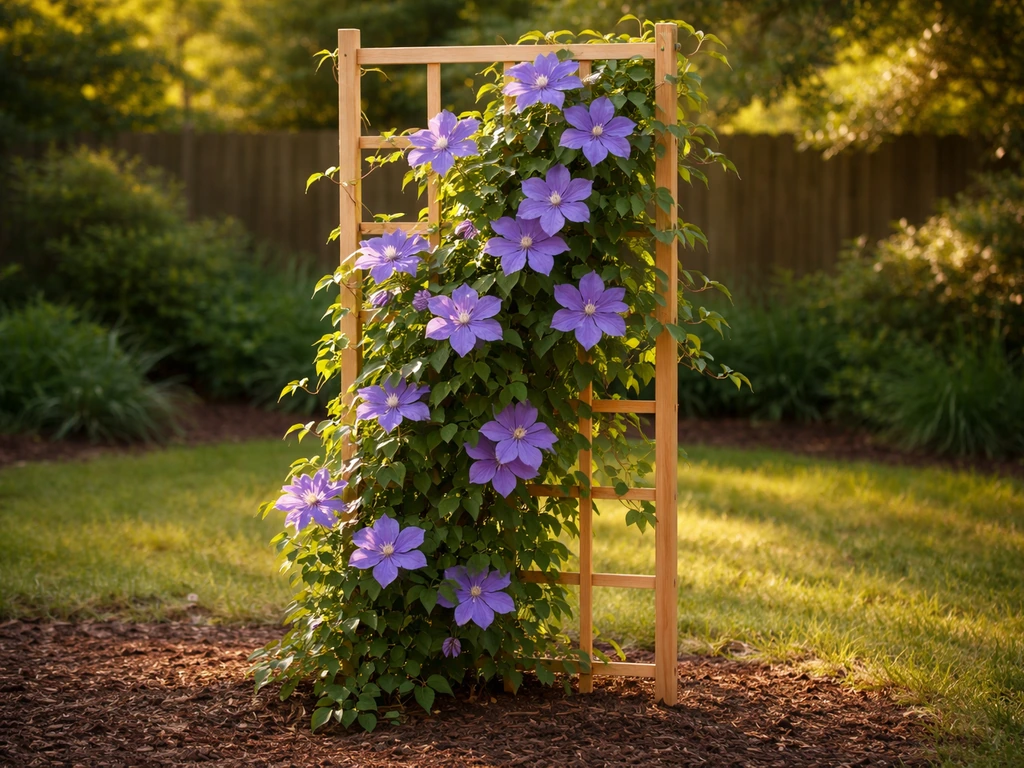
Yes, clematis can grow in Texas, but your success depends almost entirely on where in the state you are, which type you choose, and how well you protect the roots from heat. Get those three things right and you can have a genuinely beautiful clematis vine. If you want carnations in Michigan, you can still succeed by choosing the right varieties and timing for your local growing conditions can you grow carnations in michigan.
Does Clematis Grow in Texas? Yes With the Right Care

Marcus Hartwell
18 Apr 2026
The same idea applies to flowers like carnations: if you understand your local heat and timing, you can still ask, can you grow carnations in Texas? Get them wrong and you'll spend money on a plant that sulks, wilts, and dies by July. Here's what you need to know before you buy. If you’re specifically asking will clematis grow in Arizona, the key is matching varieties to hot, dry conditions and keeping the root zone cool.
If you’re wondering whether clematis grows in southern California too, the short answer is yes with the right heat and sun management for the roots clematis in southern California.
Clematis in Texas: quick yes/no by region
Texas spans USDA zones 6a (Panhandle) through 9b (Rio Grande Valley and the Gulf Coast), so there's no single answer that fits the whole state. The good news is that most of Texas falls in zones 7 and 8, which are workable for a solid selection of clematis types. The harder regions are the hot, humid Gulf Coast (Houston, Beaumont, Corpus Christi) and the extreme heat of South Texas and West Texas near El Paso. That doesn't mean clematis can't grow there, but your variety choices narrow fast.
| Texas Region | USDA Zones | Clematis Feasibility | Main Challenge |
|---|---|---|---|
| Panhandle (Amarillo) | 6a–7a | High | Cold winters, dry summers |
| North Texas (Dallas/Fort Worth) | 7b–8a | High | Summer heat, occasional cold snaps |
| East Texas (Piney Woods) | 8a–8b | Moderate–High | Humidity, powdery mildew |
| Central Texas (Austin/San Antonio) | 8b | Moderate | Heat stress, thin soils |
| Upper Gulf Coast (Houston) | 9a | Moderate (with variety care) | Heat, humidity, root rot risk |
| South Texas / Rio Grande Valley | 9b | Low–Moderate | Intense heat, minimal winter chill |
| West Texas (El Paso) | 8a | Moderate | Extreme heat, very low humidity, alkaline soil |
The bottom line: if you're in North Texas, Central Texas, or the Panhandle, you have real options and a reasonable chance of dependable blooms with the right variety. If you're in Houston or along the Gulf Coast, heat-tolerant Group 3 types are your best bet and root cooling becomes non-negotiable. South Texas is the toughest zone, though it's not impossible if you treat clematis more like a cool-season performer.
Best clematis types for Texas heat, humidity, and pruning groups
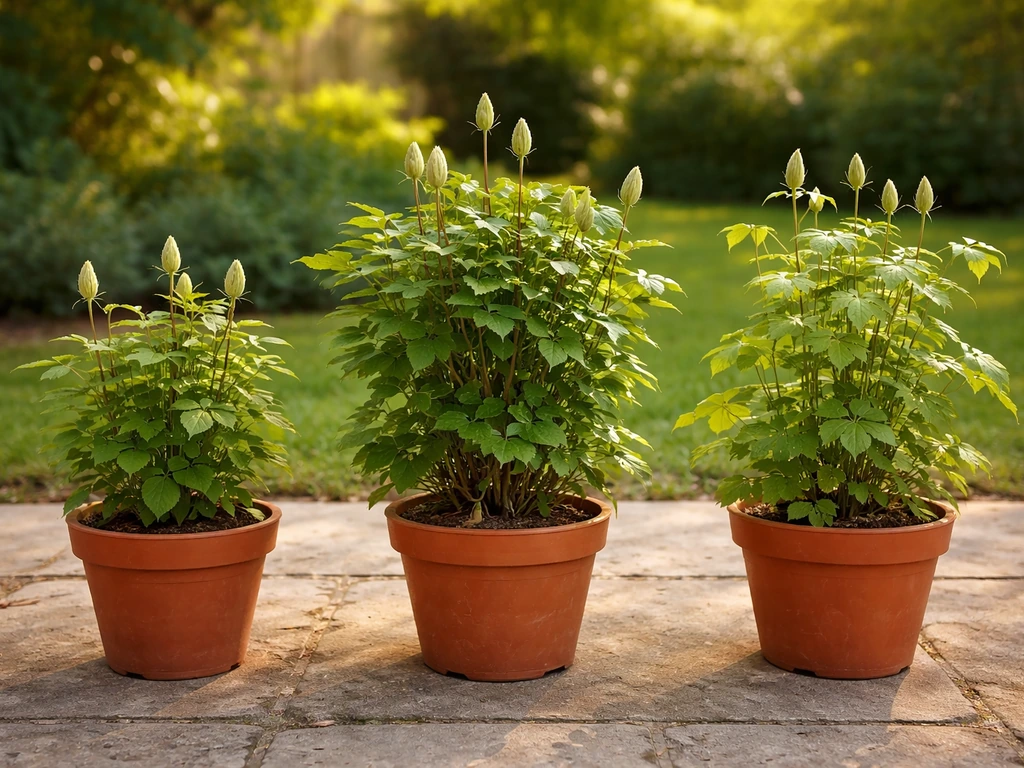
The single most practical thing to understand before buying clematis in Texas is pruning groups. There are three groups, and choosing the wrong one for your conditions can mean years of missed blooms or a plant that never really recovers from a rough Texas summer.
Group 3: the smart default for most of Texas
Pruning Group 3 is the best fit for most of Texas, and here's why: these varieties bloom on stems grown in the current season, so you hard-prune them back to about 12 inches in late winter or early spring and they push out all new growth to bloom on. That means even if an ugly Texas winter or a brutal August kills the top growth, you haven't lost next year's flowers. You just cut it back and let it go.
Clematis jackmanii is the classic Group 3 and is widely available, reliably blooms with deep purple flowers in summer, and handles Texas heat better than most large-flowered hybrids. The Viticella group also belongs to Group 3 and is particularly well-regarded for heat and disease tolerance.
Texensis group: the home-field advantage
Here's a variety group that has an actual Texas connection. The Texensis clematis are hybrids descended from Clematis texensis, a species native to Texas, found naturally on limestone cliffs, rocky slopes, and stream banks across the state. Because of that heritage, Texensis hybrids are better adapted to Texas conditions than most European-bred clematis. They also belong to Pruning Group 3, so the same hard-prune approach applies.
The tradeoff: they're susceptible to powdery mildew, which is a real concern in humid East Texas and Houston. The fix is good air circulation, a sunny but not baking location, and consistent watering. If you're in Texas and want to buy a clematis that has something like a regional track record, Texensis hybrids are worth seeking out.
Groups 1 and 2: proceed with more caution
Group 1 clematis (like the early spring-blooming Montanas) bloom on old wood from the previous year. In Texas, that old wood is exactly what gets damaged or killed by summer heat and drought stress, meaning you can lose the whole season's blooms with one bad summer. Group 2 large-flowered hybrids (which produce a spring flush on old wood, then a second flush on new growth) can work in North Texas and the Panhandle where winters are cold enough to give the plant a proper rest, but they're a risky investment in zones 8b and above. For Gulf Coast and South Texas gardeners, stick with Group 3.
Planting for Texas conditions: site, soil, sun, and water
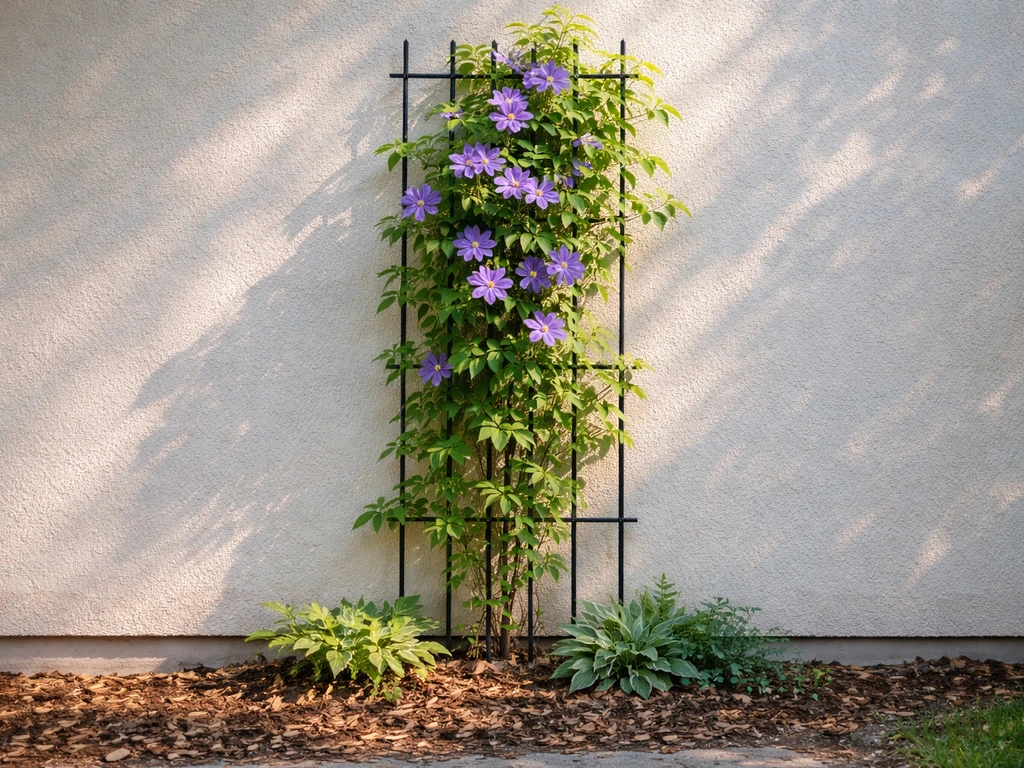
Clematis has one non-negotiable rule that matters more in Texas than almost anywhere else: the foliage wants sun, but the roots absolutely need to stay cool. In a place like Dallas or Austin where summer soil temps can get brutal, ignoring this rule is how you kill clematis fast.
Sun and shade placement
Clematis needs at least six hours of bright sunlight daily for good blooming, but in Texas the afternoon sun from about 2 to 6 PM can be genuinely damaging to the root zone. The ideal placement is eastern or northern exposure for the support structure, where the vine gets good morning and midday sun but is shielded from the most punishing late afternoon heat. If that's not possible, shading the root zone with a low-growing perennial, a layer of mulch, or even a flat stone over the root area does the job. The goal is to keep the soil temperature at the crown from spiking.
Soil preparation and planting depth
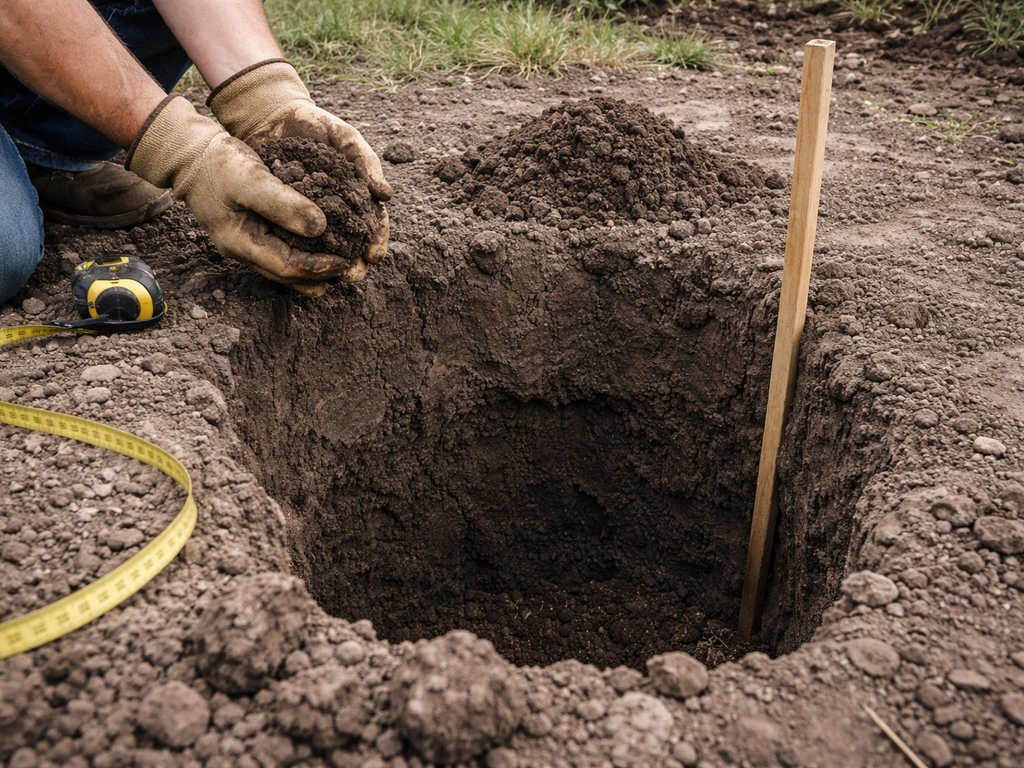
Dig a planting hole about 18 to 24 inches deep and roughly 2 feet in diameter. This is bigger than it sounds necessary, but Texas soils, especially the heavy clay in North Texas and East Texas or the thin limestone-based soils in Central Texas, need serious amendment to drain well while holding some moisture.
Fuchsia can be grown in the ground in suitable climates, but it depends heavily on heat and soil moisture conditions can fuchsia grow in the ground. Mix in compost generously. [Plant the crown (the point where roots meet stem) at least 2 inches below the soil surface](https://www. chicagobotanic.
org/plant-information/caring-clematis), and up to 4 inches if your site gets hot and dry or you have good reason to worry about wilt. This buried crown is your insurance policy: if the top of the plant gets killed by disease, heat stress, or a late freeze, the buried crown can push out new growth from below the soil. Don't skip this step.
Watering
During dry Texas summers, clematis needs deep, consistent watering rather than frequent shallow sprinkles. A thorough soak every few days during dry stretches is far better than daily light watering. In clay soils, watch for standing water after rain since root rot is a real risk, especially in East Texas and Houston. In the limestone-heavy soils of Central Texas, drainage is less of a worry but moisture retention is, so heavier mulching helps. A 3-inch layer of organic mulch over the root zone keeps the soil cooler, retains moisture, and reduces temperature swings.
When and where to buy clematis in Texas
The best time to plant clematis in Texas is fall (October through November) or early spring (February through March), when the soil is workable but temperatures are not yet brutal. Fall planting is especially good in Central and South Texas because it gives roots time to establish before summer heat arrives. Spring planting works well in the Panhandle and North Texas where the growing season is cooler and longer.
For sourcing, local independent nurseries and regional garden centers are your best bet over big-box stores, because Texas-based nurseries are more likely to stock varieties suited to state conditions and to carry Texensis or Viticella group plants. The Dallas Arboretum plant sales, the San Antonio Botanical Garden, and local Texas A&M AgriLife Extension plant events are worth checking for regionally appropriate selections. Online specialty nurseries that ship bare-root clematis in late winter are also a solid option if you're hunting for a specific Texensis hybrid or heat-tolerant Viticella variety. When picking a plant, look for thick, healthy stems with multiple growth points, avoid anything with yellow or mushy roots, and don't be swayed by a large plant in full bloom since smaller plants with good root development actually establish better.
Support and training: trellises and placement in a Texas landscape
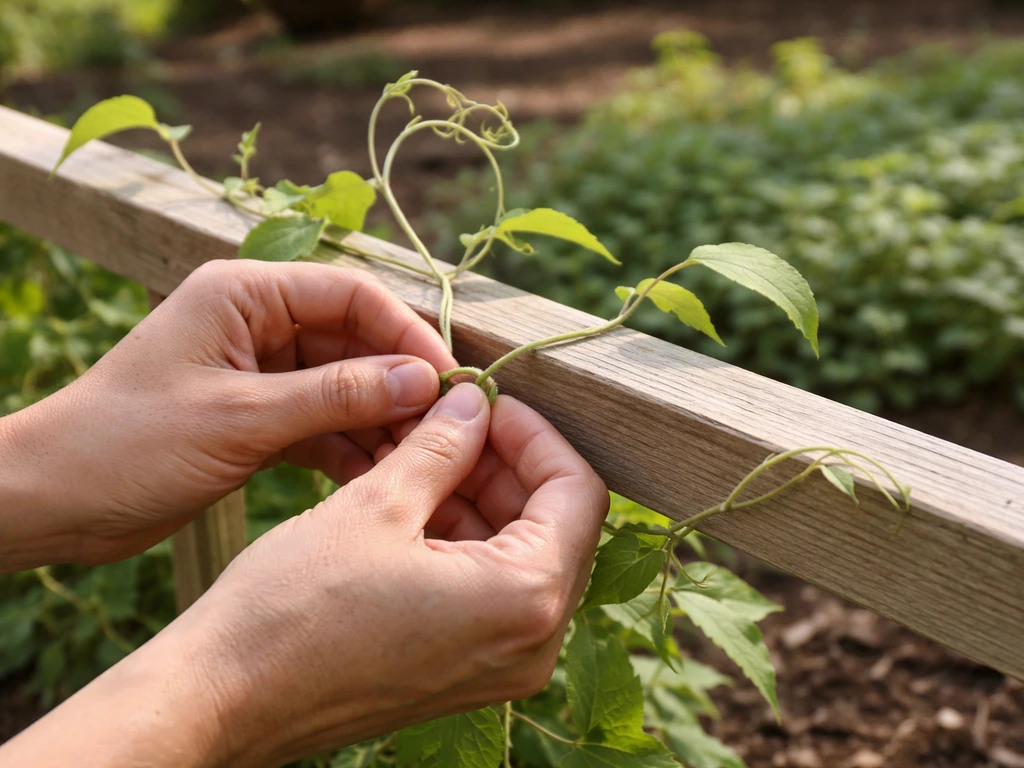
Clematis climbs by twisting its leaf petioles around thin supports, so it needs something it can actually grab. Wide boards, flat fence rails, or bare brick don't work well. What works: wire mesh, thin wooden lattice, metal rebar, chain-link fencing, or narrow wooden dowels. Trellises made of metal in full Texas sun can get extremely hot and can actually conduct damaging heat to the plant, so position metal structures where they get some shade or choose powder-coated or wooden alternatives.
Train new growth toward the trellis gently and loosely, especially in the first season. Young stems are brittle, and breaking them means opening up a wound that can invite clematis wilt fungus. Avoid tying stems tightly. As the plant matures, the natural twining takes over and you mainly need to redirect wayward stems during the growing season. In Texas landscapes, clematis works well growing up a fence that backs onto a east-facing wall, through an open shrub, or up a pergola where it gets afternoon shade from the structure itself.
Pruning and seasonal care in Texas so you actually get blooms
For the Group 3 varieties recommended for most of Texas, pruning is straightforward: in late winter or very early spring (February in Central and South Texas, early March in North Texas and the Panhandle), cut all stems back hard to about 12 inches from the ground. This sounds brutal but it's exactly right. The plant will push vigorous new growth and bloom on those new stems in late spring through summer.
During the growing season, feed clematis with a balanced slow-release fertilizer or a liquid fertilizer high in potassium after the first flush of blooms. Avoid heavy nitrogen feeding in summer since it pushes leafy growth at the expense of flowers and makes the plant more susceptible to fungal issues in humid conditions. In August and September, many Texas clematis go semi-dormant or look ragged, especially in hotter zones. That's normal. Ease off fertilizing, keep watering consistently, and the plant will often push a second flush of fall growth and flowers as temperatures drop in October.
In the Panhandle and North Texas where winters get legitimately cold, leave a little more stem (18 inches rather than 12) going into winter to protect the crown, then do your hard prune in late February before new growth really pushes.
Common Texas clematis problems and how to fix them
Clematis wilt
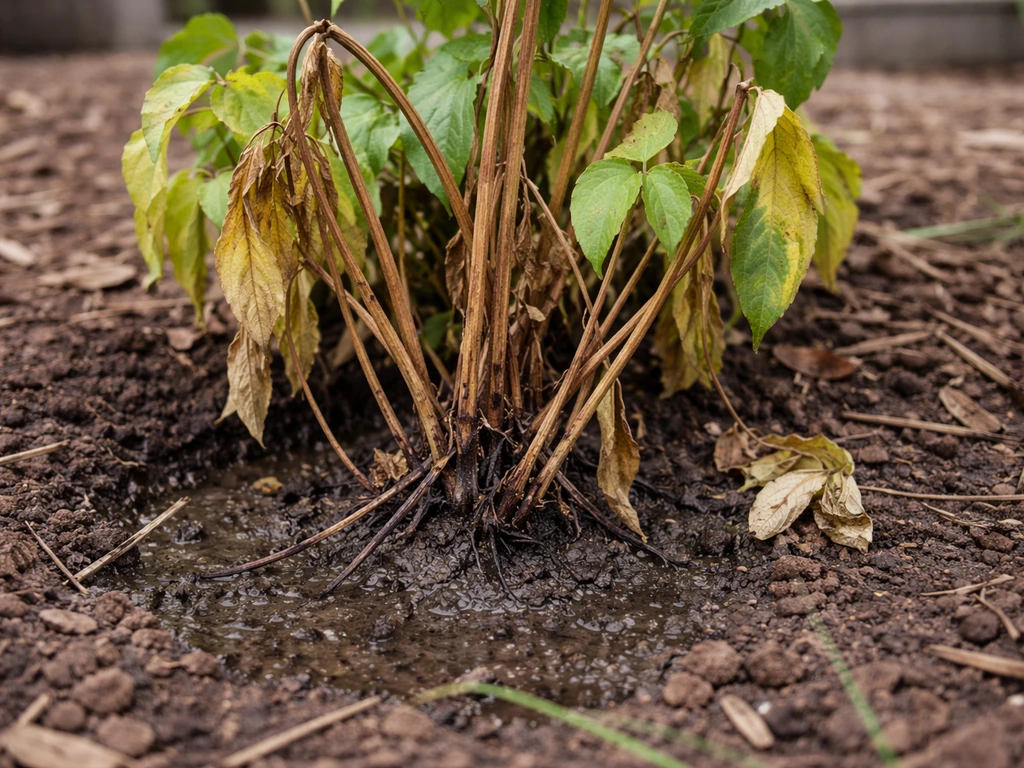
Clematis wilt is a fungal disease that causes stems to suddenly collapse and go brown, often seemingly overnight. It looks alarming but it's not necessarily a death sentence, especially if you planted the crown deep. The wilt fungus enters through wounds on the stems, not the roots, so a plant with a healthy buried crown can push new growth from below. When you see wilted stems, cut them back immediately to below the point of discoloration. Dispose of the affected material rather than composting it. Avoid bruising or nicking stems when training, and don't cultivate aggressively around the base of the plant. The deeper you planted the crown, the better protected it is.
Crown and root rot
Root rot is a bigger concern in East Texas and Houston than wilt, particularly in heavy clay soils that drain poorly. If your clematis yellows, collapses, and doesn't respond to watering, soggy roots are the likely culprit. Prevention is the only real solution: improve drainage before planting, amend clay soils deeply, and don't plant clematis in low spots where water pools after rain. Raised beds or mounded planting sites can work well in Houston-area gardens.
Powdery mildew
Powdery mildew shows up as a white, chalky coating on leaves, most commonly in humid East Texas and along the Gulf Coast. Texensis varieties, despite their Texas heritage, are actually more susceptible than Viticella types. The practical fixes are: choose a spot with good air circulation, avoid overhead watering in the evening, and if necessary apply a fungicide labeled for powdery mildew. Switching to a Viticella Group 3 variety is the most permanent solution for gardeners who deal with mildew every year.
Heat and drought stress
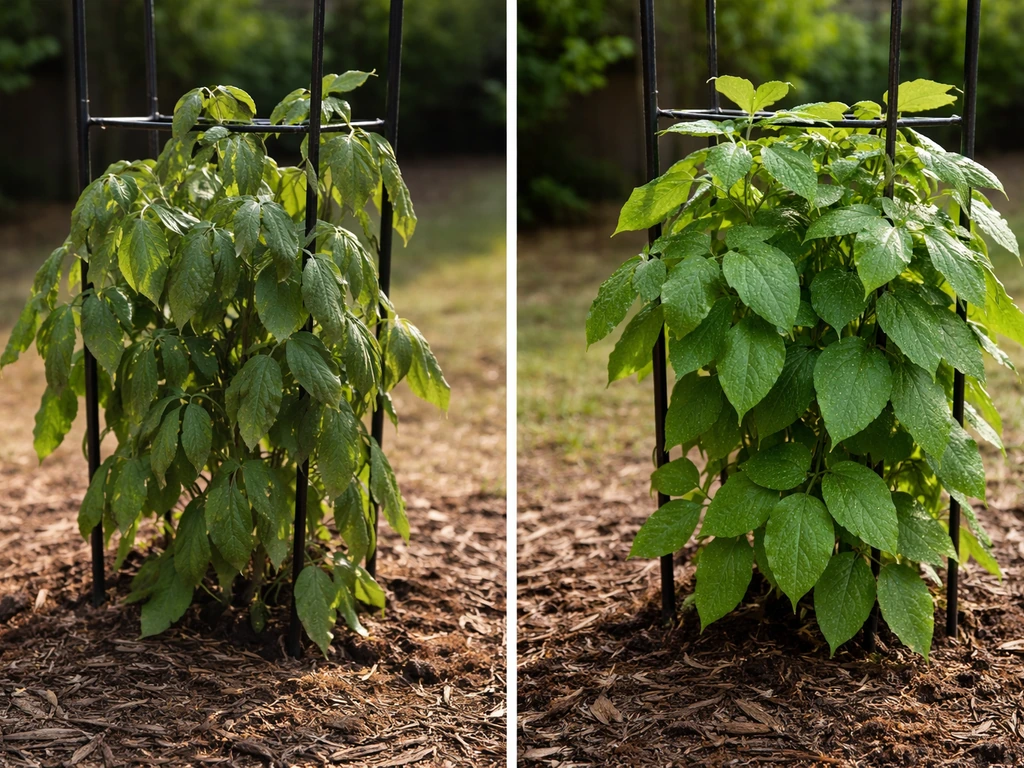
Clematis that wilts only in the afternoon heat but recovers by morning is probably just experiencing heat stress rather than disease. Deep mulching, afternoon shade for the root zone, and consistent deep watering are the remedies. If the plant is wilting and not recovering, check for root rot or wilt disease rather than adding more water.
Pests
Clematis in Texas can attract aphids, spider mites (especially in hot, dry West Texas), and occasionally earwigs that chew on foliage. Aphids and mites can be knocked back with a strong water spray or insecticidal soap. Serious pest infestations are relatively rare with clematis compared to other Texas landscape plants.
Your action plan: picking the right clematis for your Texas zone
Here's a simple step-by-step process to make a decision you won't regret:
- Find your USDA zone. If you're in zones 6–8a (Panhandle, North Texas, East Texas, much of Central Texas), you have broad Group 3 and some Group 2 options. If you're in 8b–9a (Austin, San Antonio, Houston), stick firmly to Group 3 varieties.
- Choose your variety group. For most of Texas, start with Viticella Group 3 varieties for the best heat tolerance and mildew resistance. If you want a Texas-native connection, look for Texensis hybrids. Clematis jackmanii is the reliable, easy-to-find default if you can't find a specialty variety.
- Pick your planting site. Find a spot with at least six hours of sun, ideally with morning exposure rather than brutal west or south afternoon sun. Confirm the spot has good drainage before you dig.
- Prepare your hole. Dig 18 to 24 inches deep, amend with compost, and plant with the crown buried at least 2 inches below soil level. Mulch immediately after planting.
- Set up your support. Install a trellis or wire structure before you plant so you don't disturb roots later. Make sure stems have something narrow enough to wrap around.
- Plan your pruning calendar. For Group 3: hard prune to 12 inches in late February (South/Central Texas) or early March (North Texas/Panhandle). Mark it on your calendar so you don't skip it or do it too late.
- Watch for wilt and drainage issues in the first season, which is when most problems show up. If you see sudden stem collapse, cut back affected stems immediately and check the crown. If you see general yellowing and soggy soil, address drainage.
- If you're in Houston or a particularly humid zone, check the sibling topic on clematis in Southern California for additional humidity management strategies since those conditions have meaningful overlap.
Clematis is genuinely worth trying in most of Texas. It's not the easiest vine in the state, but it's not as fussy as its reputation suggests if you match the variety to your zone, bury the crown deep, and manage the root zone temperature. Get those basics right and you can have one of the most dramatic flowering vines in a Texas garden.
FAQ
My yard gets a lot of afternoon sun in Texas, can I still plant clematis there?
If your Texas yard gets afternoon sun, treat “morning sun, cool roots” as a placement rule. Put the crown in the coolest spot you can (often eastern or northern exposure), and use a 3-inch mulch layer or a low groundcover to shade the root zone. If the only available spot is hot, avoid planting shallow, because crown heat stress is one of the fastest ways to lose clematis by July.
Can I grow clematis in a container in Texas instead of planting in the ground?
Yes, but you should not assume container clematis equals easier care in Texas heat. Containers heat up quickly, so use a large pot (about 18 to 24 inches wide), keep the crown buried to at least 2 inches below the pot soil surface, and plan for deeper watering rather than frequent sprinkles. Also ensure the pot drains well, because soggy mix is a common cause of sudden decline in warm months.
How do I pick the right clematis type for my Texas region if the pruning group isn’t clear?
The simplest way is to choose the pruning group first, then buy accordingly. In Texas, Group 1 is the highest-risk category because it relies on old wood, which Texas summers and drought can damage. Group 2 can work in colder northern areas but becomes risky as you move toward 8b and above. For most Texans, Group 3 is the safest match for dependable blooms.
Is bare-root clematis a better choice than container plants for Texas?
In Texas, bare-root plants are often easier to establish because you can control the crown depth from the start. If you buy in spring, plant quickly and do not let roots dry out during transport. For best success, soak the roots briefly if they look dry, then plant with the crown buried 2 to 4 inches, water in thoroughly, and keep the root zone cool with mulch right away.
Why does my clematis look ragged in August or September, is it normal?
For most of Texas, yes, Group 3 is the most reliable route to continuous-looking color. Prune hard in late winter or very early spring, then reduce feeding once blooms begin. In August and September, many plants look tired, that does not automatically mean something is wrong, but check for wilt, mushy stems, or soggy soil before assuming it is just seasonal dormancy.
What should I do the first time I see clematis wilt in Texas?
For wilt, cut back the affected stems promptly to below the discoloration, then dispose of the cut material. Do not compost it. Avoid bruising stems when training and do not scrape the base with tools, since wounds can become entry points for wilt fungus.
How can I tell the difference between heat stress and disease on my clematis in Texas?
If afternoon wilting happens and the plant recovers by morning, it is more consistent with heat stress than disease. Improve root-zone cooling (mulch, afternoon shading), and switch to deep watering schedules during dry stretches. If it does not recover, especially with yellowing and collapsed stems, investigate drainage and possible root rot instead of adding more water.
What’s the best way to prevent powdery mildew on clematis in Houston or the Gulf Coast?
Powdery mildew risk is higher in humid Texas areas, and mildew pressure can vary year to year. If you see recurring mildew, prioritize an airier location, avoid wetting leaves late in the day, and consider switching to a Viticella Group 3 variety if the problem returns repeatedly. For one-off outbreaks, targeted treatment may help, but the long-term solution is variety plus airflow.
Should I fertilize clematis in Texas during summer to get more blooms?
Yes, but the timing and expectations matter. You can reduce fertilizer once flowering starts, and in hot Texas months it is common for plants to go semi-dormant. Stop heavy nitrogen feeding in summer, then if you want a second push, use potassium-forward feeding after the first flush rather than continuing a strong all-season nitrogen plan.
Why does my clematis refuse to bloom in Texas, even though it is alive?
Common reasons include buying the wrong pruning group, planting too shallow, poor drainage in low spots, and letting the root zone overheat. Even if the vine looks alive, a hot crown or soggy roots can stop flowering for the entire next season. A quick diagnostic approach is, check crown depth, check whether the planting spot holds water after rain, and verify the pruning group matches how you prune in winter.