
Yes, fuchsia can grow in the ground, but whether it survives winter there depends almost entirely on which type of fuchsia you have and which USDA zone you're in. Hardy fuchsias (like Fuchsia magellanica and its relatives) can stay in the ground year-round through Zone 6 or 7 in the right spot. Tender fuchsias, the kind you see in hanging baskets at every garden center, need protection once temps drop toward freezing and won't make it through a cold winter in open ground without serious help. If you're in Zone 8 or warmer, almost any fuchsia will work outside. Zone 6 and below, you're shopping for specifically hardy cultivars or treating the plant as a seasonal.
Can Fuchsia Grow in the Ground? Zone Guide and Tips

Marcus Hartwell
21 May 2026
What your zone actually tells you about fuchsia in the ground
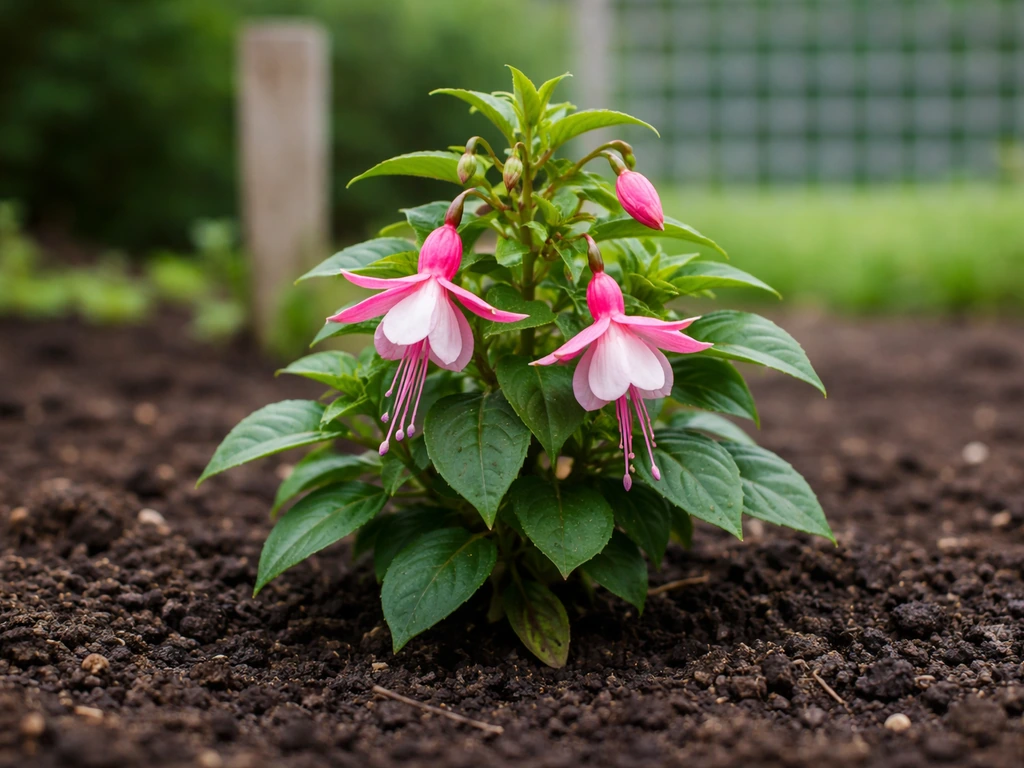
The USDA Plant Hardiness Zone map divides the country into zones based on the blank" rel="noopener noreferrer">average annual extreme minimum winter temperature, in 10°F bands with 5°F half-zones. It's a useful starting point, but it's an average, not a guarantee. USDA hardiness zones are based on blank" rel="noopener noreferrer">average annual minimum temperatures over a 30-year period, so they do not represent the lowest temperature that could happen in a given winter. A Zone 7a garden has hit Zone 5 temperatures in a bad year. Keep that in mind before committing to in-ground planting.
| USDA Zone | Winter Low | Fuchsia in Ground? | Which Type Works |
|---|---|---|---|
| Zone 5 and colder | Below -10°F | No (reliable in-ground planting not recommended) | Container or annual only |
| Zone 6 | -10°F to 0°F | Marginal — hardy cultivars only, with protection | Hardy fuchsia (e.g., F. magellanica) with heavy mulch |
| Zone 7 | 0°F to 10°F | Yes for hardy types, risky for tender | Hardy cultivars reliably; tender with overwintering care |
| Zone 8 | 10°F to 20°F | Yes for most hardy types; tender with light protection | Most hardy fuchsias; some tender with mulch |
| Zone 9 | 20°F to 30°F | Yes for nearly all fuchsias | Hardy and most tender hybrids |
| Zone 10+ | Above 30°F | Yes, but heat is the bigger problem | Choose heat-tolerant varieties; provide shade |
The Pacific Northwest (western Oregon, Washington, coastal California) is the sweet spot for in-ground fuchsia in the US. Mild, moist winters and cool summers let hardy fuchsias thrive as true perennial shrubs. In the Southeast and Gulf Coast (Zones 8-9), fuchsias grow well in the ground but often struggle more with summer heat and humidity than winter cold. In the Midwest, Mid-Atlantic, and most of New England (Zones 5-6), you're working against the clock in fall, and only the hardiest cultivars have a realistic shot at surviving winter in the ground.
How to check if your specific location supports in-ground fuchsia
Start with the USDA zone map at planthardiness.ars.usda.gov, where you can type in your zip code and get your exact zone. That gives you a baseline. Then think harder about your specific yard, because microclimates matter enormously with a plant like fuchsia.
A spot against a south-facing brick wall in Zone 6b behaves more like Zone 7. A low-lying frost pocket in Zone 8 can kill plants that would survive just fine 50 feet uphill. Before buying anything, walk your yard and identify: where does frost settle first, where does wind come from in winter, and are there any structures or evergreen plantings that create wind breaks or trap warmth? That's where your in-ground fuchsia has the best shot.
- Look up your zip code on the USDA hardiness zone map to confirm your zone
- Check your state's cooperative extension service for local frost date data and plant hardiness notes
- Note any heat islands (walls, pavement, south-facing slopes) that bump up your effective zone
- Identify frost pockets (low spots, open clearings) that make your site colder than the zone average
- Ask neighbors or a local nursery what hardy fuchsias actually survive winter in your town, not just what the map says
What fuchsia actually needs from the ground it's planted in
Light: more shade than you'd think
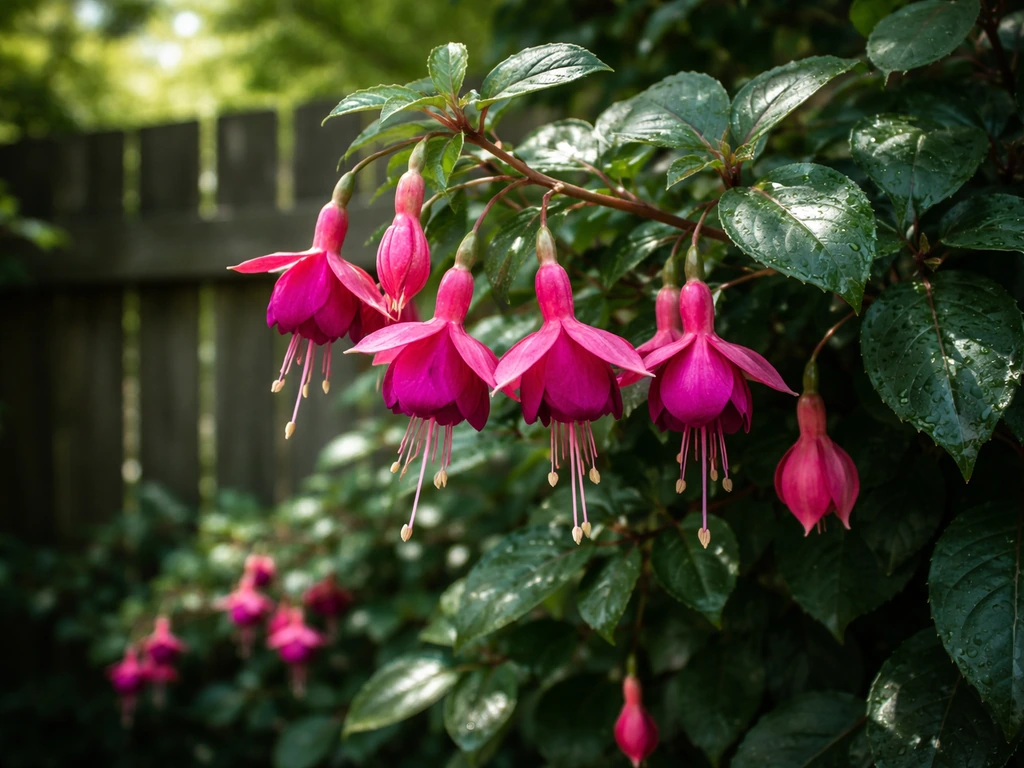
Fuchsia does not like harsh direct sun, especially in afternoon. In most of the US, it performs best in dappled shade or morning sun with afternoon shade. In the Pacific Northwest, where cloud cover is consistent, fuchsias handle more sun. In hotter zones (8-10), they need shade during the hottest hours or the flowers will cook and drop. If you're planting under a canopy of deciduous trees or on the north or east side of a structure, you're in good territory.
Soil: drainage is non-negotiable
Fuchsia roots rot fast in waterlogged soil, especially over winter. The ground needs to drain freely. If you've got clay soil that holds standing water after rain, either amend it heavily with compost and coarse material or pick a raised bed. A good rule: if water is still pooled an hour after a moderate rain, that spot will kill a fuchsia over winter. Loamy, slightly acidic soil (pH around 6.0 to 7.0) with plenty of organic matter is ideal.
Moisture: consistent but not wet
Fuchsia wants consistent moisture during the growing season. It wilts fast when dry and sulks for days after. But the soil should never be soggy. Mulching helps maintain that balance: it keeps moisture in during summer and, as we'll get to, provides insulation in winter. If your summer climate is dry (much of the West), you'll need to water regularly once the plant is in the ground.
Planting fuchsia in the ground: timing and setup
Plant in-ground fuchsia after your last frost date in spring. Don't rush it. A fuchsia put in the ground during a late cold snap in Zone 7 is going to struggle. Wait until nighttime temperatures are consistently above 45°F and the soil has warmed a bit. Early to mid-spring is right for most zones.
- Choose a site with morning sun and afternoon shade, with well-drained soil
- Dig a hole twice as wide as the root ball and the same depth
- Amend heavy clay soil with compost or perlite before backfilling
- Plant at the same depth the fuchsia was growing in its container, no deeper
- Water thoroughly at planting and keep the soil consistently moist through the first growing season
- Add a 2-3 inch layer of mulch around (not touching) the base to retain moisture
- For hardy cultivars in Zone 6-7, plant in a sheltered spot with wind protection to give them the best shot at overwintering
If you're in Zone 6 and going for a hardy cultivar like 'Riccartonii' or 'Mrs. Popple', give it a full season to establish before its first winter. A plant put in the ground in spring and allowed to root deeply through summer is significantly more likely to survive its first cold season than one planted in fall with no root establishment time.
Keeping it alive through winter: your options by zone
What you do in fall determines whether your in-ground fuchsia comes back. Here's how to approach it depending on where you are.
Zone 7 and warmer: mulch and cut back
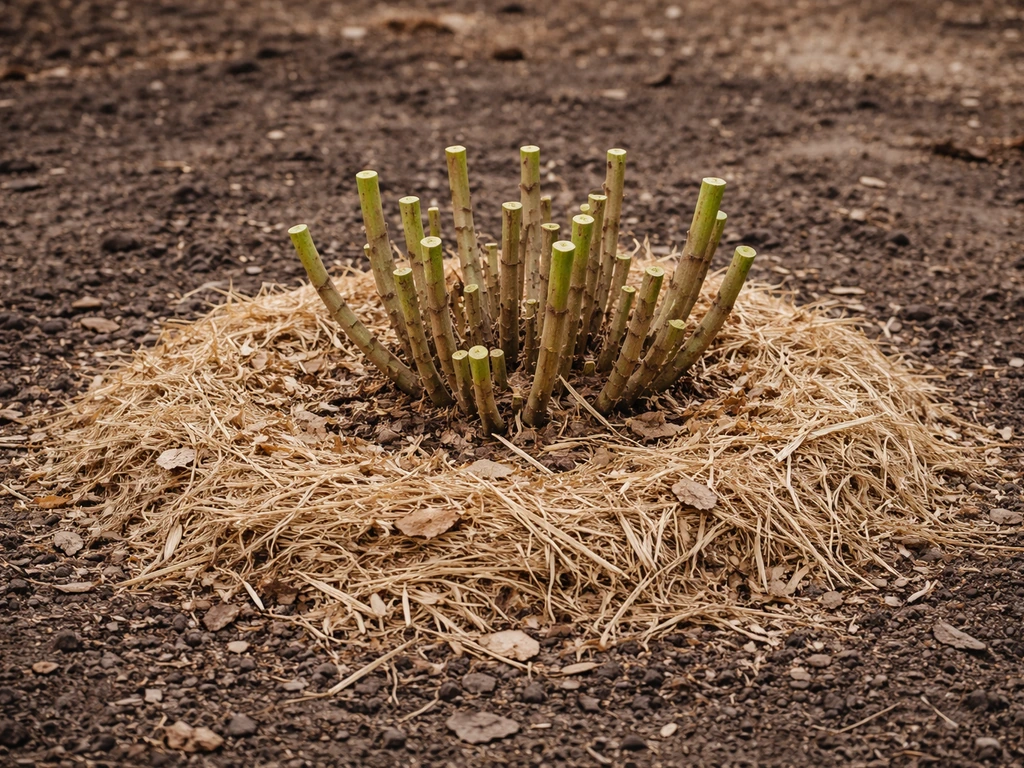
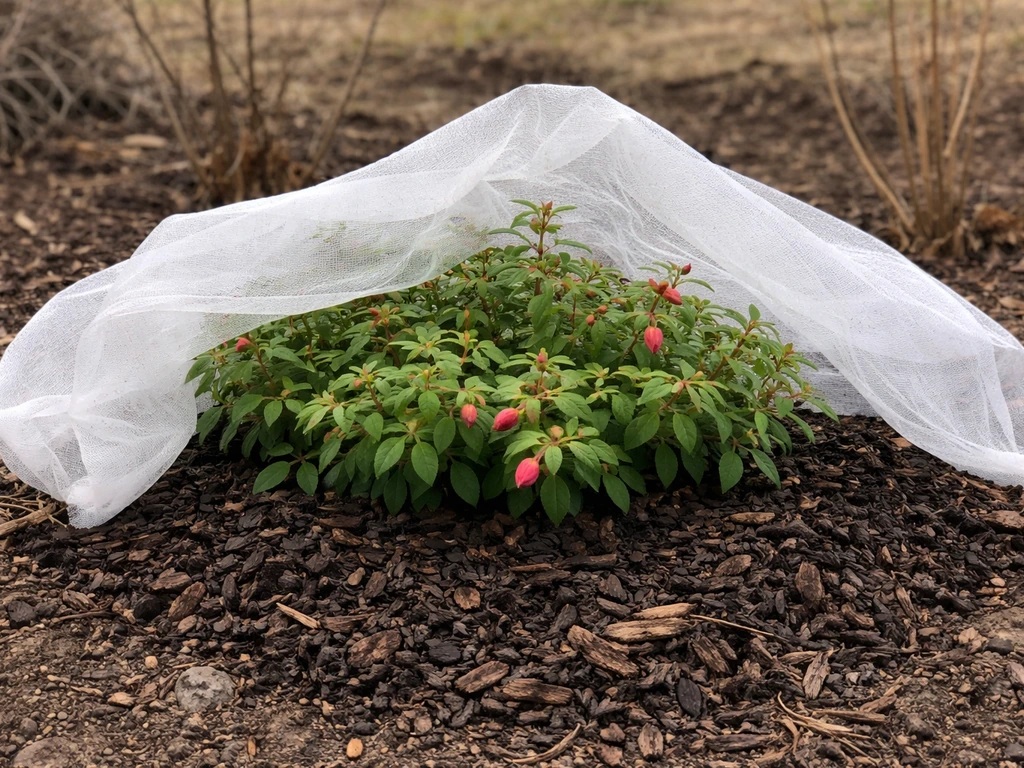
Once frost has killed the top growth, cut the stems back to about 6-12 inches above ground level. Then pile on 4-6 inches of mulch (straw, shredded bark, or leaves work well) over the root zone to insulate the crown. In Zone 8 and 9, that's often all you need. In Zone 7, especially in an exposed spot, you might add a layer of horticultural fleece or burlap over the crown if a hard freeze is forecast. The roots are tougher than the stems, and that's what you're protecting.
Zone 6: heavy mulch, wind protection, maybe more
In Zone 6, only proven hardy cultivars have a realistic chance in the ground, and even then, protection matters. After the first frost kills back top growth, cut stems to a few inches and mound 6-8 inches of mulch over the crown. A wire cage filled with dry leaves around the plant gives extra insulation. Position the plant against a structure or sheltered wall to block prevailing winter winds. Even with all this, expect some losses in hard winters, which is why most Zone 6 gardeners keep a backup plant in a container in an unheated garage.
Zone 5 and below: dig it up
If you're in Zone 5 or colder, in-ground fuchsia over winter is not a practical strategy for anything other than an experiment. The reliable approach is to treat tender fuchsias as annuals, or dig them up before first frost, pot them, and overwinter them indoors in a cool (40-50°F), dimly lit space like an unheated garage or basement. Keep the soil barely moist over winter. In late winter, bring them back into warmth and light to encourage new growth before moving them outside again after frost.
The dig-up and overwinter method, step by step
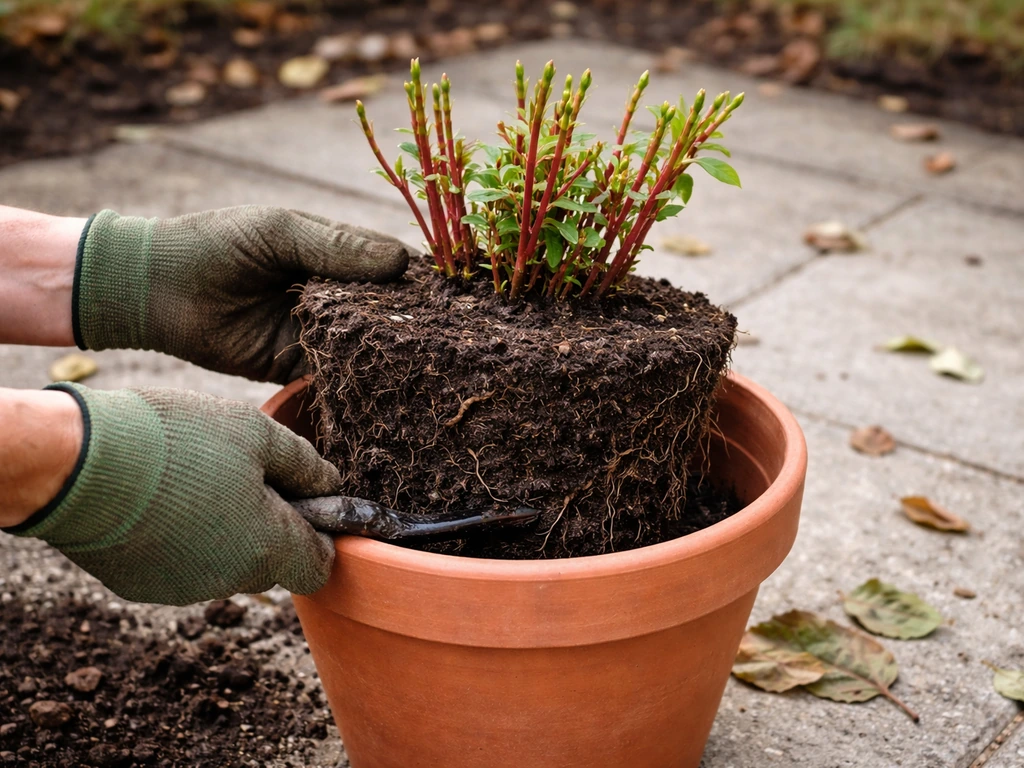
- Before first fall frost, dig up the fuchsia with as much root ball intact as possible
- Cut the plant back by about half to reduce stress and moisture loss
- Pot it in a container with fresh, well-draining potting mix
- Move it to a frost-free space: ideally 40-50°F with low light (a cool basement or unheated garage works)
- Water only when the top inch of soil is dry — the plant is dormant and does not need much
- In late February or March, move it to a warmer, brighter spot and resume regular watering
- Harden it off outdoors for 1-2 weeks before replanting after last frost
Signs you got the conditions wrong
In-ground fuchsia is pretty honest about when it's unhappy. If you're seeing these problems, the site is likely working against you.
- Wilting and yellowing leaves in summer despite regular watering: usually too much direct sun or heat stress, common in Zones 8+ without adequate afternoon shade
- No new growth in spring after overwintering: the crown likely froze, either the location is colder than your zone average or the mulch protection wasn't enough
- Soggy, blackened stems at the base: root rot from poor drainage, which is fatal in waterlogged soil, especially over a wet winter
- Flower drop and bud blast in midsummer: heat and low humidity stress, particularly a problem in hot, dry inland climates
- Sparse, leggy growth with few flowers: not enough light, or the plant is struggling on depleted, low-organic-matter soil
- Plant survives but never looks vigorous: could be wind exposure drying out leaves faster than roots can replace moisture, particularly an issue in open, unprotected sites in colder zones
If you're in Zone 6 or colder and seeing repeated winter losses even with protection, the honest answer is that your site is better suited to container fuchsias that you can bring indoors, or to choosing a different flowering shrub for that spot. In colder zones, plants like hardy clematis or carnations that are bred for cold climates will give you color without the annual uncertainty.
Your next steps: plant in-ground, go hardy, or stick to containers
Here's how to make the call based on where you are right now, in late May 2026, which is actually great timing to get fuchsia in the ground in most zones. Clematis can grow in southern California too, but it depends on your sun exposure and whether your soil drains well fuchsia in the ground.
- Zone 9-10 (mild winters, Pacific Coast or Gulf South): Go ahead and plant any fuchsia type in the ground in a shaded, well-drained spot. Your main challenge is summer heat, not cold.
- Zone 8 (Mid-Atlantic, Pacific Northwest lowlands, parts of the South): Plant hardy fuchsias in-ground with confidence. Tender types can work with light winter protection. This is a good zone for learning what succeeds in your specific microclimate.
- Zone 7 (Mid-Atlantic, Southeast, lower Midwest): Stick to hardy cultivars like Fuchsia magellanica types. Plan to mulch heavily in fall. A sheltered spot is strongly preferred.
- Zone 6 (much of the Midwest, New England, Mid-Atlantic uplands): Only try in-ground with specifically labeled hardy cultivars, in your warmest microclimate, with serious fall protection. Keep a backup container plant.
- Zone 5 and below: Treat fuchsia as a seasonal plant or a container plant you overwinter indoors. Don't rely on in-ground survival.
The bottom line: fuchsia can absolutely grow in the ground and thrive as a perennial in the right zones. The mistake most gardeners make is buying a pretty hanging-basket hybrid at a big-box store and expecting it to behave like a hardy perennial in a Zone 6 garden. Know your zone, choose the right type, and give it a spot with good drainage and some shade, and in-ground fuchsia can be one of the most rewarding plants in your landscape. If you’re wondering can you grow carnations in Michigan, the same zone-and-care thinking applies.
If you're wondering about carnations, you can grow carnations in Texas as long as you pick the right types for your heat and provide adequate watering and some afternoon protection can you grow carnations in texas. Will clematis grow in Arizona, and how do you match the right variety to the heat and mild winters? Carnations have different temperature and soil needs, so check your local conditions if you’re wondering can you grow carnations in Michigan.
FAQ
How can I tell if my fuchsia is actually hardy enough to plant in the ground?
Look for cultivar names described as hardy, or terms like “hardy fuchsia” and verify the plant’s labeled cold tolerance (not just “fuchsia”). If it was sold as a hanging-basket annual hybrid with no hardiness rating, assume it is tender and plan for winter protection or indoor overwintering.
Can I overwinter a hardy fuchsia by cutting it to the ground?
Usually not. The approach that works best is cutting back to a short height (about 6 to 12 inches) after top growth is killed by frost, then insulating the crown with a thick mulch layer. Cutting everything to ground level can remove protected stem sections that help the plant bridge cold snaps.
What’s the best way to improve drainage for in-ground fuchsia in clay soil?
If rain water pools, don’t just add compost on top. Mix coarse amendments into the planting area (compost plus coarse bark, perlite, or grit depending on your soil), or switch to a raised bed so water has somewhere to go. Recheck after the next moderate rain, aim for no standing water about an hour later.
How much sun is too much for in-ground fuchsia during summer?
Morning sun is generally safer than afternoon exposure. If you see flowers crisping, leaves drooping in the heat of day, or blooms dropping quickly, that’s a sign the site is getting too much direct sun. In hotter areas, choose north or east exposure, or provide shade during the hottest hours.
Should I fertilize fuchsia in fall if it’s staying in the ground?
Avoid heavy late-season feeding. In fall, reduce fertilizing so the plant does not push tender growth that is easy to damage by early freezes. A light refresh in spring is typically safer than continued growth in late fall.
Do I need to water during winter if the ground is mulched?
Only as needed. Mulch reduces temperature swings and helps with moisture retention, but winter watering is not automatic. Water lightly during rare dry spells, but make sure the soil is not soggy afterward, since wet, cold conditions are what trigger root rot.
What do I do if the plant dies back but the crown survived?
Don’t dig it up immediately. Many hardy fuchsias re-sprout from the crown once weather warms. Wait until you see new shoots before pruning further, and keep the soil evenly moist in spring while avoiding overwatering.
How deep and wide should I plant fuchsia in the ground?
Plant at the same depth it was growing in its pot, then spread roots without burying the crown deeper than before. A planting hole about twice the pot width helps loosen surrounding soil, which supports drainage and faster root establishment.
Is it better to plant in-ground in spring or fall?
For most gardeners, spring after the last frost date is safer, especially in Zone 6 and colder. Fall planting gives less time to establish roots before cold and wind, which increases first-winter failure rates.
Can I use a frost cover, and when should I apply it?
Yes, but time it carefully. Use fleece or burlap over the crown area when a hard freeze is forecast, and remove it during milder days to prevent trapped moisture buildup. The goal is insulation from cold, not a constantly damp environment.
What’s a good “backup plan” for Zone 6 if I want fuchsia in the landscape?
Keep a spare plant in a container indoors or in an unheated garage, and consider rooting a cutting during the growing season. If the in-ground plant loses winter buds or crown portions, your backup provides a quick replacement without waiting an entire year.