
You can grow jasmine in Iowa, but which jasmine matters enormously. Can jasmine grow in New York depends on the type and whether you can protect it from winter cold and wind. Winter jasmine (Jasminum nudiflorum) and a handful of other cold-hardy species can survive Iowa winters outdoors without much fuss. True jasmine and Arabian jasmine, the ones most people picture when they think of that intoxicating fragrance, will die in the ground over winter in most of the state. Iowa is simply too cold for them to live outside year-round. So before you buy anything, the most important decision is picking the right species for what you actually want.
Can You Grow Jasmine in Iowa? Hardy Options and Tips
Marcus Hartwell
29 May 2026
Jasmine types to know before you buy
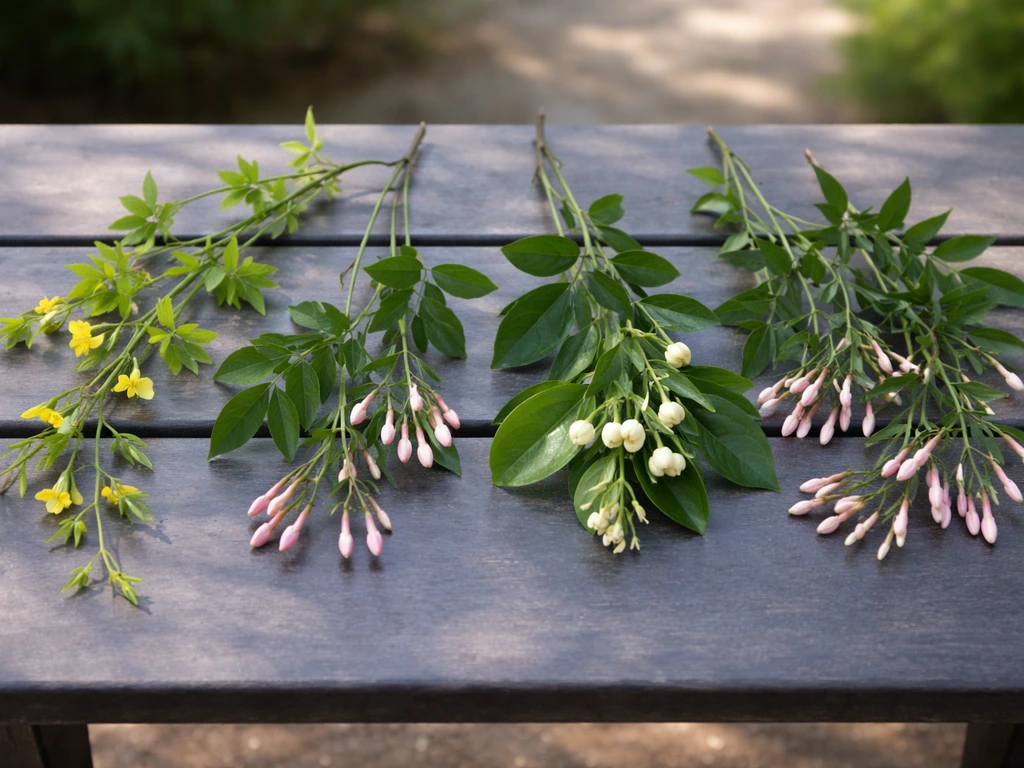
"Jasmine" covers a huge range of plants, and the name gets applied loosely at garden centers. The two categories that matter most for Iowa gardeners are the winter-hardy jasmines and the frost-tender true jasmines. Getting clear on these before you shop will save you money and heartbreak.
Winter-hardy jasmines (outdoor survivors in Iowa)
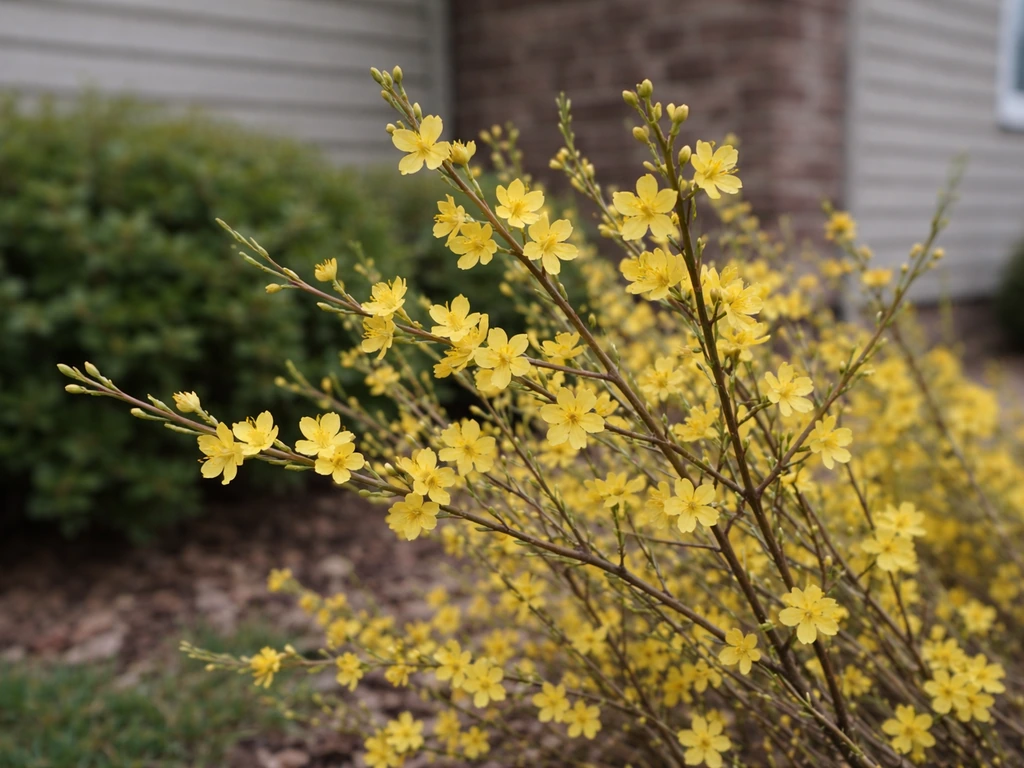
- Winter jasmine (Jasminum nudiflorum): Hardy to Zone 6, sometimes Zone 5 with protection. It blooms on bare green stems in late winter or very early spring before leaves appear. Yellow flowers, no fragrance, but incredibly tough. This is the one most likely to survive an Iowa winter in the ground.
- Common jasmine / Poet's jasmine (Jasminum officinale): Hardy to Zone 7, occasionally Zone 6 with a great microclimate. It has fragrance and white flowers but is right at the edge of Iowa's range, meaning it may survive mild winters and die in harsh ones.
- Italian jasmine (Jasminum humile): Similar Zone 7 hardiness. Beautiful and fragrant but again borderline for Iowa, especially in the northern half of the state.
Frost-tender jasmines (container-only in Iowa)
- Arabian jasmine (Jasminum sambac): The source of jasmine tea and lei flowers. Hardy only to Zone 9-10. Will not survive an Iowa winter outdoors under any circumstance.
- Pink jasmine (Jasminum polyanthum): Hardy to Zone 8 at best. Commonly sold as a houseplant or patio container plant in cold climates.
- Star jasmine (Trachelospermum jasminoides): Despite the name, this is not a true jasmine at all. It is hardy to Zone 7-8 and will not overwinter in Iowa ground.
The bottom line: if you want fragrant jasmine growing in the ground in Iowa, you are working with a very short list, and it involves picking the right site carefully. If you want the rich, heady fragrance of Arabian or pink jasmine, plan on growing it in a container that comes indoors before frost.
Iowa's climate and hardiness zones
Iowa sits primarily in USDA Hardiness Zones 5a through 6b on the 2023 map. Northern Iowa runs mostly Zone 5a to 5b, with average annual extreme minimum temperatures of -20°F to -10°F. Central Iowa is Zone 5b to 6a. Southern Iowa pushes into Zone 6a and 6b in some spots, meaning extremes down to -10°F to 0°F. That may sound manageable compared to the northern plains, but Iowa winters regularly deliver brutal polar vortex events that push temperatures well below those averages for several days at a stretch.
Winter jasmine (Jasminum nudiflorum), rated to Zone 6, is a realistic outdoor plant mostly in southern Iowa and in protected spots in central Iowa. In Zone 5a and 5b, even winter jasmine is a gamble without winter protection. Common jasmine and Italian jasmine, both rated Zone 7, are too tender for reliable outdoor survival anywhere in Iowa. They might come back after a mild winter in Zone 6b, but count on losing them eventually. Gardeners in Illinois just to the east deal with a similar challenge, as the southern tip of that state barely touches Zone 7, giving it a slight edge over most of Iowa. In Illinois, jasmine can also be grown, but success depends on matching the variety to your hardiness zone and using protection when needed jasmine in Illinois.
Iowa also has a long winter dormancy period. Last frost dates in central Iowa average around April 25 to May 5, and first fall frosts arrive by mid to late October. That is a growing season of roughly 150 to 175 days, which is workable for jasmine to establish and bloom, but the cold shoulder on both ends of the season is unforgiving for marginally hardy plants.
The best spots in your Iowa garden for jasmine
Microclimate is everything when you are pushing a plant to the edge of its hardiness range. The difference between a jasmine that survives winter and one that dies can come down entirely to where you put it in your yard.
- South or southeast-facing walls: A brick or stone wall facing south absorbs heat during the day and radiates it overnight, raising the effective minimum temperature around the base of the plant by several degrees. This is the single best location for borderline-hardy jasmine in Iowa.
- Protected from northwest winds: Iowa's prevailing winter winds come from the northwest. A fence, a building, or a dense evergreen windbreak on that side dramatically reduces wind chill and desiccation damage on your plants.
- Avoid low spots and frost pockets: Cold air sinks. A spot at the bottom of a slope collects frigid air overnight and will be colder than a nearby hillside. Avoid planting jasmine in hollows or low garden beds.
- Full sun to partial shade: Jasmine needs at least six hours of direct sun for strong blooming. South or west-facing exposures work well. Avoid deep shade, which weakens the plant and reduces flowering.
- Well-drained soil: Wet roots in winter are a death sentence for most jasmines. If your Iowa garden has heavy clay, amend the planting area with compost and consider raising the bed slightly to improve drainage.
Planting and care essentials
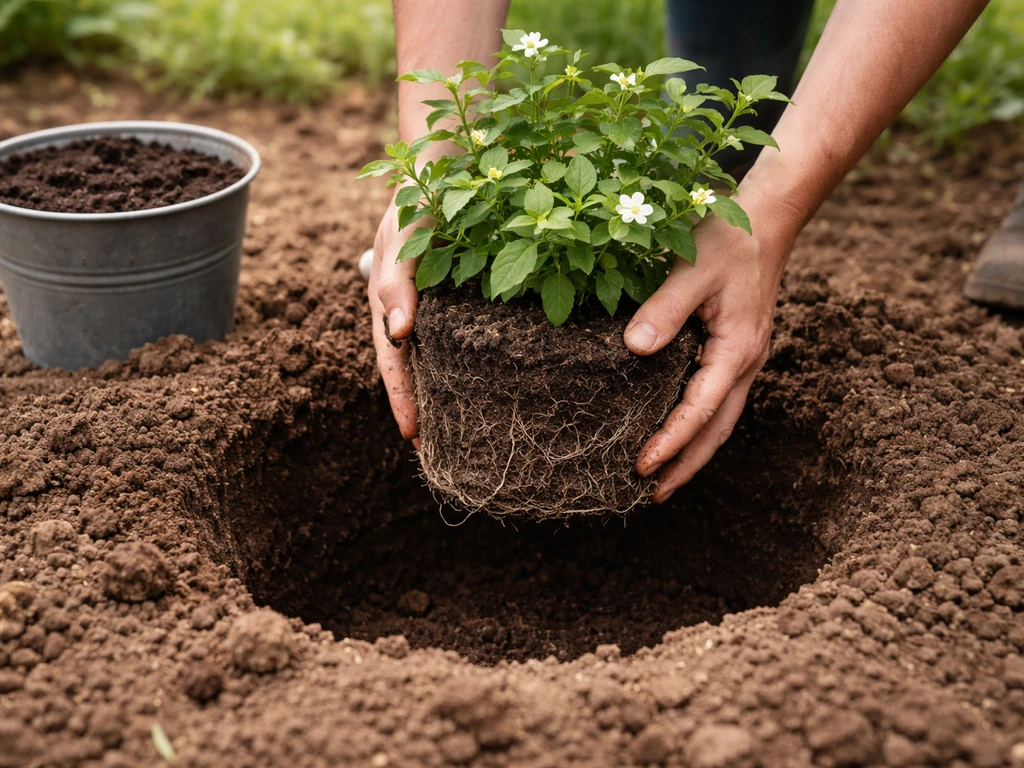
Plant jasmine in spring after your last frost date, giving it the entire growing season to establish roots before winter arrives. In central Iowa, that means planting from early to mid-May. The longer the roots are established before cold hits, the better the survival odds.
- Dig a hole twice as wide as the root ball and just as deep. Do not plant too deep.
- Mix compost into the backfill at roughly a 1: 3 ratio with native soil to improve drainage and organic matter.
- Water thoroughly at planting and keep the soil consistently moist through the first growing season. Established jasmine is moderately drought-tolerant, but young plants need regular water.
- Fertilize lightly in spring with a balanced fertilizer (10-10-10 or similar). Avoid heavy nitrogen feeding late in summer, which pushes soft new growth that is vulnerable to early frost.
- For vining types like winter jasmine, provide a trellis, fence, or wall for support. Train stems early by tying loosely to the structure. It will not self-cling like climbing hydrangea.
- Prune winter jasmine right after it finishes blooming in late winter or early spring. This gives the plant the entire growing season to set next year's flower buds on new growth.
Surviving Iowa winters: protection, pruning, and containers
Protecting in-ground jasmine
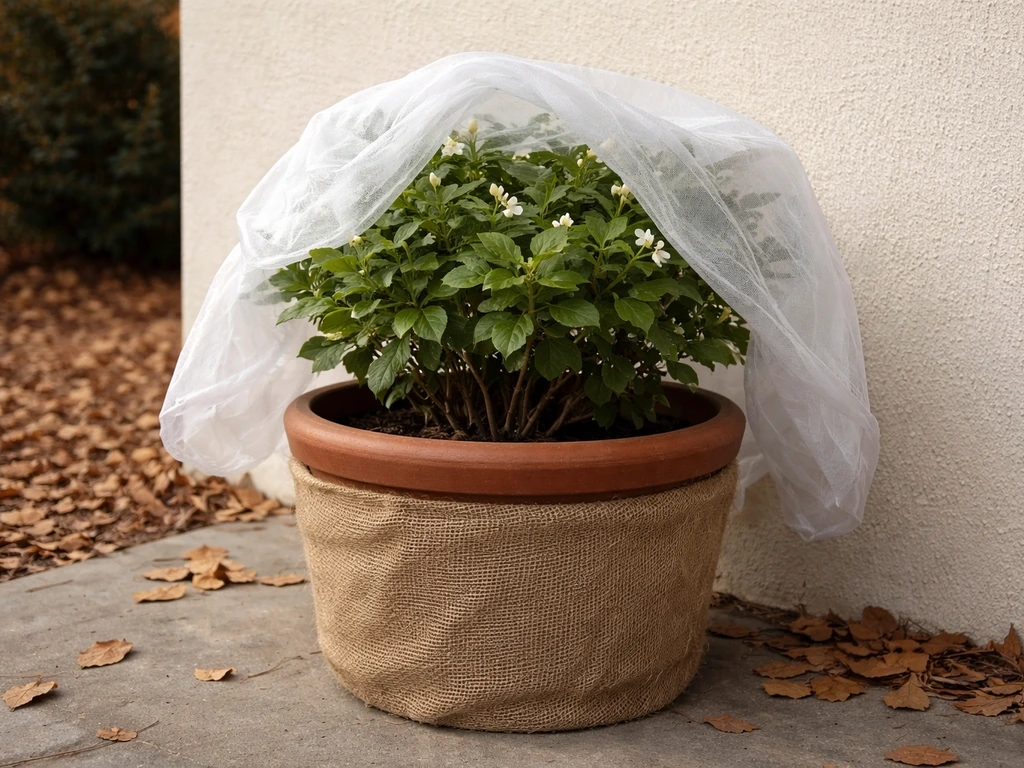
Even winter jasmine needs help in Iowa's more brutal winters. The biggest threats are not just cold temperatures but wind desiccation and freeze-thaw cycles that heave roots. Iowa State University Extension recommends burlap wind screens as a primary defense against winter desiccation for susceptible plants. A simple A-frame of burlap on the windward side of your jasmine blocks the worst of that northwest wind and significantly reduces moisture loss from stems. Drive stakes into the ground in late October or early November before the ground freezes, and wrap loosely so air can still circulate. Do not wrap so tightly that you trap moisture against the stems.
Deep mulching is equally important. After the ground has started to cool in late October, apply 3 to 4 inches of shredded bark or straw over the root zone, extending well beyond the drip line. This insulates roots against the worst freeze-thaw swings. Water the plant well before the ground freezes solid, ideally in mid to late fall. Evergreen stems on jasmine continue to lose moisture through transpiration even in winter, and roots need to have a water reserve to draw from. This late-fall watering strategy is well-supported by blank" rel="noopener noreferrer">extension research on winter desiccation in cold climates. UMN Extension notes that winter sun, wind, and cold can cause evergreen foliage desiccation and that anti-desiccant or anti-transpirant sprays are not effective for protecting evergreen foliage, while burlap barriers may help against salt spray blank" rel="noopener noreferrer">extension research on winter desiccation in cold climates.
Container growing: the practical strategy for tender jasmines
For Arabian jasmine, pink jasmine, or any Zone 8-plus variety, a container is the only realistic path in Iowa. Use a pot that is large enough to hold a mature plant (at least 12 to 16 inches in diameter) with excellent drainage. Grow it outdoors on a sunny patio from late May through early October, then bring it inside before temperatures drop below 45°F. Indoors, jasmine needs a bright south-facing window and temperatures above 50°F. It will often drop leaves during the adjustment period but will recover. Reduce watering in winter but do not let the soil dry out completely. This approach is more work, but it is the only way to enjoy the true fragrance of Arabian jasmine in Iowa.
Pruning timing
Timing your pruning correctly is critical for both cold hardiness and blooming. Prune winter jasmine immediately after bloom in early spring. For container-grown tender jasmines, prune lightly in late winter before new growth emerges. Never do heavy pruning in late summer or fall in Iowa, as this stimulates tender new growth right before the temperatures drop, and that soft tissue will be killed by the first hard freeze.
Getting jasmine to actually bloom in Iowa
A jasmine that survives winter is a good start, but a jasmine that blooms is the real goal. Iowa conditions can work in your favor here, because jasmine actually needs a winter cool period to set flower buds on many species. The challenge is that the same harsh winter that sets those buds can also kill the plant.
The most common reason jasmine fails to bloom in Iowa is insufficient sunlight. Six or more hours of direct sun per day is the baseline. Plants in partial shade will grow but rarely flower well. The second most common reason is over-fertilizing with nitrogen, which pushes leafy growth at the expense of flowers. Use a low-nitrogen or bloom-boosting fertilizer (something like 5-10-10) in late spring and early summer.
For container-grown plants, giving them a cool but frost-free period in fall before bringing them fully indoors can help trigger bud set. Think of a cool garage or unheated sunroom where temperatures stay between 40°F and 55°F for four to six weeks in October and November. This mimics the natural cool-down that signals the plant to prepare for flowering. After that cool period, moving the plant into a warm, bright indoor space will often trigger a flush of blooms in late winter or early spring.
If jasmine is a stretch where you garden
If you are in Zone 5a northern Iowa and the idea of coddling a marginally hardy plant every winter sounds exhausting, there are Iowa-proven alternatives that deliver a similar look or fragrance with far less drama.
| Plant | Hardiness Zone | Fragrant? | Why it works in Iowa |
|---|---|---|---|
| Honeysuckle vine (Lonicera) | Zone 3-4 | Yes, strongly | Extremely cold-hardy, fast-growing vine, summer blooms attract hummingbirds |
| Hardy gardenia alternatives (select cultivars) | Zone 6b | Yes | Only viable in far southern Iowa with protection; same limitations as jasmine |
| Mock orange (Philadelphus) | Zone 4-5 | Yes, intensely | Shrub with white flowers and powerful jasmine-like fragrance, very cold-hardy |
| Sweet autumn clematis (Clematis terniflora) | Zone 3-4 | Mild, sweet | Vigorous vine, masses of small white flowers in late summer, extremely hardy |
| Lilac (Syringa) | Zone 3-5 | Yes, classic | One of the most fragrant spring shrubs, thrives across all of Iowa |
| Virginia sweetspire (Itea virginica) | Zone 5 | Mild | White arching flower clusters, great fall color, native-friendly |
Mock orange is probably the closest thing to a jasmine substitute that Iowa gardeners can actually count on. The fragrance is genuinely similar, the white flowers bloom in late spring, and it handles Zone 4 winters without any protection. If fragrance is your main goal, plant a mock orange in the ground and grow an Arabian jasmine in a pot on your patio for the summer. You get both experiences without gambling everything on a single marginal plant.
Gardeners in colder northern states like Indiana or further north face the same fundamental trade-off, and the same container-versus-in-ground strategy applies. If you are exploring jasmine across the upper Midwest more broadly, the zone and climate logic is consistent: hardiness zone determines what stays in the ground, and everything else becomes a container conversation. In Ontario, whether jasmine can grow outdoors depends on the same hardiness-zone and winter-protection logic used in the Midwest jasmine across the upper Midwest.
FAQ
Can you grow Arabian jasmine in Iowa without overwintering inside?
Yes, but only if you treat it like a frost-tender plant. In Iowa, the “true” fragrant jasmines (like Arabian) usually die in the ground over winter, so plan for a large container, bring it indoors before temperatures drop below about 45°F, and keep it in a very bright spot (south-facing window) with temperatures mostly above 50°F.
What container size and potting setup works best for jasmine in Iowa?
For Iowa containers, a good starting pot size is at least 12 to 16 inches in diameter, and drainage matters as much as size. Use a well-draining potting mix, keep the root ball slightly moist during the outdoor season, and confirm water runs freely from the drainage holes after each watering so roots do not sit in cold, wet soil during fall.
Should you water jasmine through Iowa winter, and how does it differ for in-ground vs container plants?
Yes, but only for jasmine that you overwinter indoors. The late-fall watering step for in-ground plants is about storing water before winter; indoor plants should not be soaked. In winter indoors, water sparingly enough that the soil does not dry out completely, then return to normal watering once you see new growth.
When is the best time to plant jasmine in Iowa for best survival?
Start in spring right after your last frost (often early to mid-May in central Iowa). If you plant too late, jasmine may not build enough root mass before the cold shoulder of late fall, and the plant becomes more vulnerable to freeze-thaw heaving even if you add mulch.
How should you mulch jasmine in Iowa, and can mulch touch the plant stem?
Mulch should insulate the root zone, but avoid piling it directly against stems. In Iowa, apply about 3 to 4 inches after the ground begins to cool in late October, extend the mulch beyond the drip line, and keep it loose enough to reduce moisture trapped right at the plant crown.
What pruning mistakes most often cause jasmine to die or not bloom in Iowa?
They can, especially if pruning triggers tender new shoots late in the year. Iowa’s rule of thumb is to prune winter jasmine right after bloom, and for container tender jasmine do only light pruning in late winter before new growth starts. Avoid heavy pruning in late summer or fall.
My jasmine grows in Iowa but barely flowers, what is the most likely cause?
Aim for at least six hours of direct sun daily. Even if jasmine grows in partial shade, it often underperforms on flowering. If your plant is not blooming, check sun exposure first before adjusting fertilizer.
How do I avoid fertilizer-related problems with jasmine in Iowa?
Yes. If you over-apply nitrogen, you can get lots of leaves and few blooms. For most gardeners, a lower-nitrogen or bloom-focused fertilizer used in late spring and early summer is a better approach than repeated high-nitrogen feedings.
Do I need a cool fall period to get container jasmine to bloom in Iowa?
For container-grown tender jasmine, a cool, frost-free fall period can help set buds. A useful target is roughly 40°F to 55°F for four to six weeks in October and November, then move it into a warmer bright interior spot afterward to encourage flowering.
What Iowa-hardy alternatives can I plant if I do not want to deal with overwintering jasmine?
Yes, and it is often the safest way to get a jasmine-like fragrance experience. Mock orange is hardy in Iowa and can handle Zone 4 winters without protection, while you can still enjoy fragrant Arabian jasmine in a pot during the summer and manage it indoors for winter.