
Yes, some jasmine can grow in Illinois, but the type you choose makes all the difference. The classic fragrant jasmines most people picture are either too tender for Illinois winters or need serious coddling to survive. A few hardier options can work, especially in central and southern Illinois, but if you're in the Chicago area or northern part of the state, you're fighting the zone. Here's what you actually need to know before you buy anything.
Does Jasmine Grow in Illinois? Types, Zones, and Best Options
Marcus Hartwell
18 May 2026
Which "jasmine" are you actually buying?
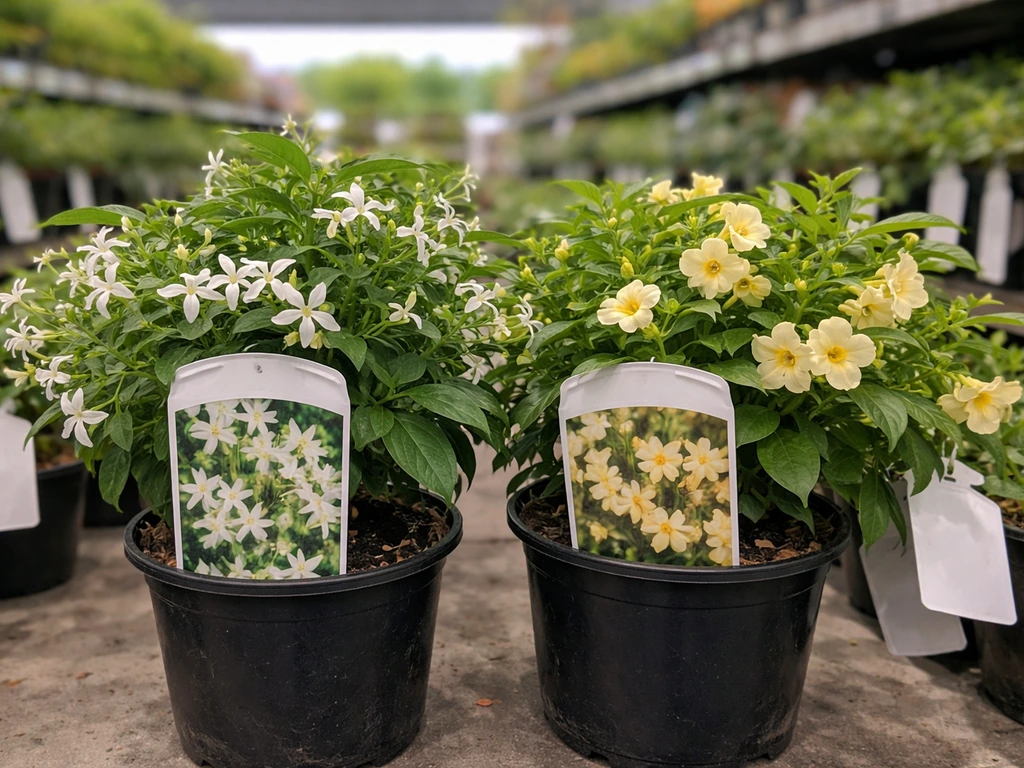
This is the part most gardeners skip, and it's where a lot of frustration starts. Walk into any garden center and you'll see plants labeled "jasmine" that are completely different species with very different cold tolerances. Knowing which one you have changes everything about whether it will survive an Illinois winter.
True jasmine belongs to the genus Jasminum. The two most commonly sold types are common jasmine (Jasminum officinale) and pink jasmine (Jasminum polyanthum). These are the ones with the famously intense fragrance. Then there are the imposters: star jasmine (Trachelospermum jasminoides, also called Confederate jasmine) and Carolina jessamine (Gelsemium sempervirens), both of which get sold under "jasmine" labels constantly despite being entirely different plants. Arabian jasmine (Jasminum sambac) rounds out the common candidates. Each one has its own hardiness range, and in Illinois that distinction is critical.
| Plant | Common Label | True Jasmine? | Hardy to Zone |
|---|---|---|---|
| Jasminum officinale | Common/Poet's Jasmine | Yes | Zone 7 (marginal Zone 6) |
| Jasminum polyanthum | Pink/Winter Jasmine | Yes | Zone 8-11 |
| Jasminum sambac | Arabian Jasmine | Yes | Zone 9-11 |
| Trachelospermum jasminoides | Star/Confederate Jasmine | No (lookalike) | Zone 7-8 (some sources Zone 8-10) |
| Gelsemium sempervirens | Carolina Jessamine/Jasmine | No (lookalike) | Zone 7-10 |
Illinois winters vs. jasmine: what your zone actually means
Illinois spans USDA Plant Hardiness Zones 5a in the far northwest all the way to 7a in the southernmost tip near Cairo. The Chicago area, tempered by Lake Michigan, sits around Zone 6a. Much of central Illinois is Zone 6a to 6b, and the southern third of the state climbs into Zone 6b to 7a. These aren't just numbers: they represent average annual extreme low temperatures, and that's exactly what kills jasmine.
In Zone 6, you're regularly seeing winter lows of -10°F to 0°F. In Zone 5a, you can hit -20°F. Star jasmine is reliably hardy only to about Zone 7b, meaning temperatures below roughly 10°F can kill it back to the ground or kill it outright. Carolina jessamine is rated Zone 7 to 10.
Pink jasmine (J. polyanthum) cannot tolerate freezing temperatures at all and is a Zone 8 to 11 plant. Oregon State University lists Jasminum polyanthum as hardy to USDA Zone 8 [Pink jasmine (J. polyanthum) cannot tolerate freezing temperatures at all and is a Zone 8 to 11 plant.
](https://landscapeplants. oregonstate. edu/plants/jasminum-polyanthum). That puts nearly all of Illinois outside the reliable hardiness range for the most popular jasmine varieties.
Southern Illinois, right on the edge of Zone 7, is the only region where a few of these have any realistic chance in the ground.
It's also worth noting that the USDA updated its hardiness zone map in 2023, and some Illinois areas shifted slightly warmer compared to the old 2012 map. The USDA provides official downloads of the 2023 Plant Hardiness Zone Map that gardeners and extension services use for zoning USDA updated its hardiness zone map in 2023. Even so, the zone jump is not dramatic enough to make tender jasmine varieties suddenly viable across most of the state.
The jasmine types most likely to work in Illinois
Given Illinois' zone reality, here are your most realistic options, ranked honestly.
Common jasmine (Jasminum officinale): your best true-jasmine bet
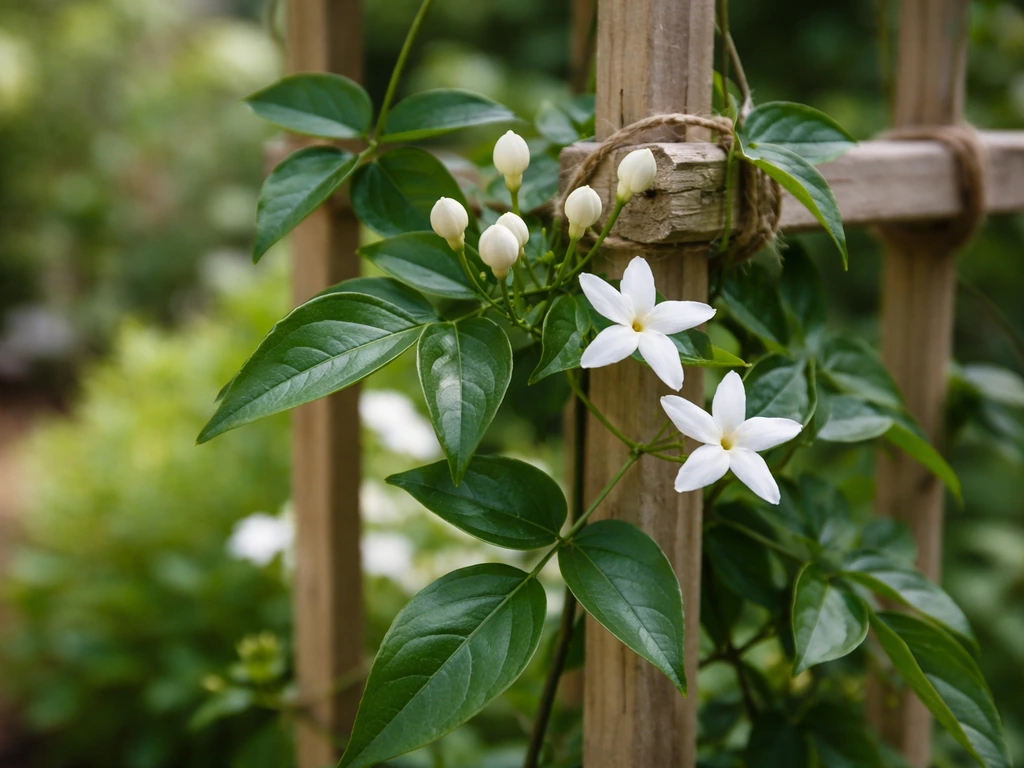
Common jasmine, also called poet's jasmine, is the most cold-tolerant of the true Jasminum species available to home gardeners. It's generally rated for Zone 7, though some gardeners in protected Zone 6b spots have overwintered it successfully with heavy mulching and a sheltered site. If you're in far southern Illinois (Zone 7a), this is your most realistic shot at a true jasmine in the ground. In Zone 6, it's a gamble, and one you'll probably lose in a harsh winter.
Star jasmine (Trachelospermum jasminoides): not a true jasmine, but popular for a reason
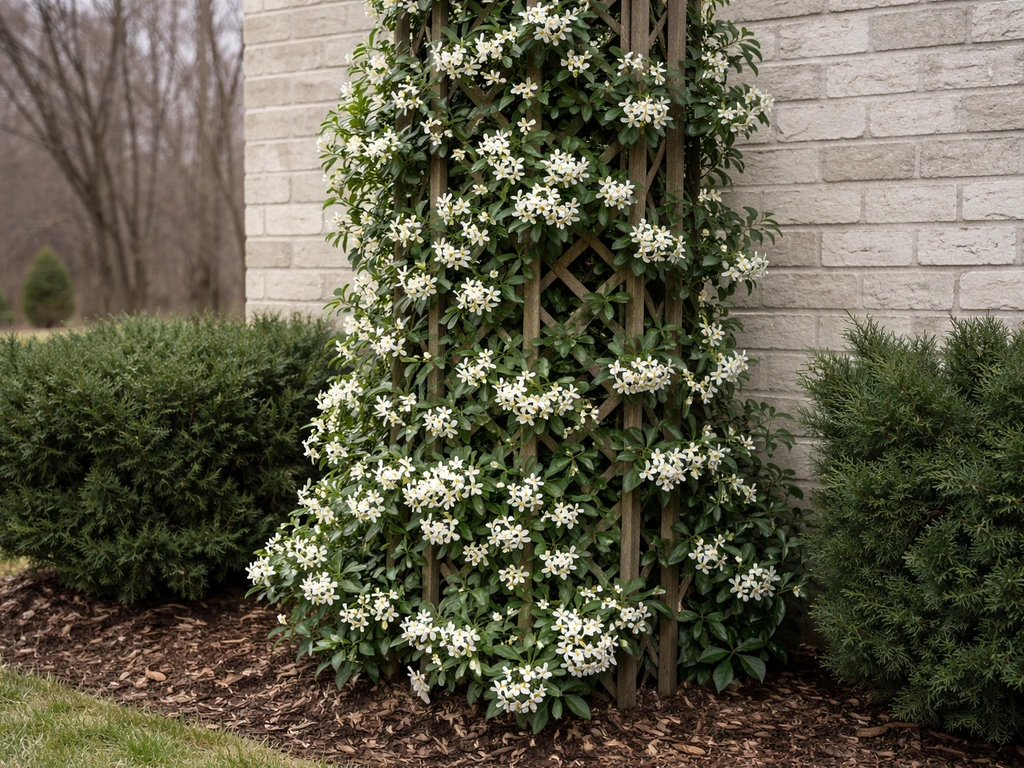
Star jasmine is an evergreen twining vine with fragrant white flowers in May and June, and it's everywhere at garden centers. The problem in Illinois: it's reliably hardy only to Zone 7b. At temperatures below about 10°F, foliage bronzes, drops, and the plant can die back completely. Missouri Botanical Garden rates it for Zones 8 to 10. Even the 'Madison' cultivar, marketed as slightly more cold hardy, is only rated to Zone 7 to 9. For Illinois, this is strictly a container plant or a far-southern Illinois experiment, not a landscape staple.
Pink jasmine and Arabian jasmine: container only
Jasminum polyanthum (pink jasmine) is what you often see sold for indoor growing or as a patio plant. It cannot tolerate frost. Jasminum sambac (Arabian jasmine, used to make jasmine tea) is a Zone 9 to 11 plant. Both are beautiful, and both need to come inside before temperatures drop anywhere near freezing. They can absolutely be grown as houseplants or seasonal patio plants in Illinois, but they are not outdoor landscape plants here.
Carolina jessamine (Gelsemium sempervirens): often mislabeled, often a disappointment
Carolina jessamine is a gorgeous yellow-flowering evergreen vine that blooms in early spring. It's Zone 7 to 10 according to UGA Extension, the Northern Virginia Master Gardeners, and NC State Extension. That makes it a marginal possibility only in the very southern tip of Illinois. The University of Kentucky has noted a cold-hardy cultivar called 'Margarita,' but even that selection isn't going to thrive in Zone 5 or 6. If you bought something at a nursery labeled "jasmine" and it has yellow flowers, this is probably what you have.
Where in Illinois jasmine is actually feasible
Geography matters a lot here. Illinois is a long state, and Zone 5a in Galena is a completely different gardening reality from Zone 7a in Carbondale.
- Northern Illinois (Zones 5a-6a, Chicago included): Jasmine in the ground is not a realistic landscape choice. Any true jasmine or jasmine lookalike will almost certainly die over winter without extraordinary protection. Container growing with indoor overwintering is your only practical path.
- Central Illinois (Zones 6a-6b, Springfield/Peoria area): You're in borderline territory. Jasminum officinale in a very sheltered spot with aggressive winter protection might survive mild years, but count on losing it in a hard winter. Container plants brought indoors are far more reliable.
- Southern Illinois (Zones 6b-7a, Carbondale/Cape Girardeau corridor): This is where jasmine becomes genuinely feasible in the ground. Jasminum officinale and, on a south-facing wall, possibly star jasmine, can work here. Southern Illinois gardeners have the most options and the most realistic chance of success without heroic overwintering measures.
How to give jasmine its best shot in Illinois
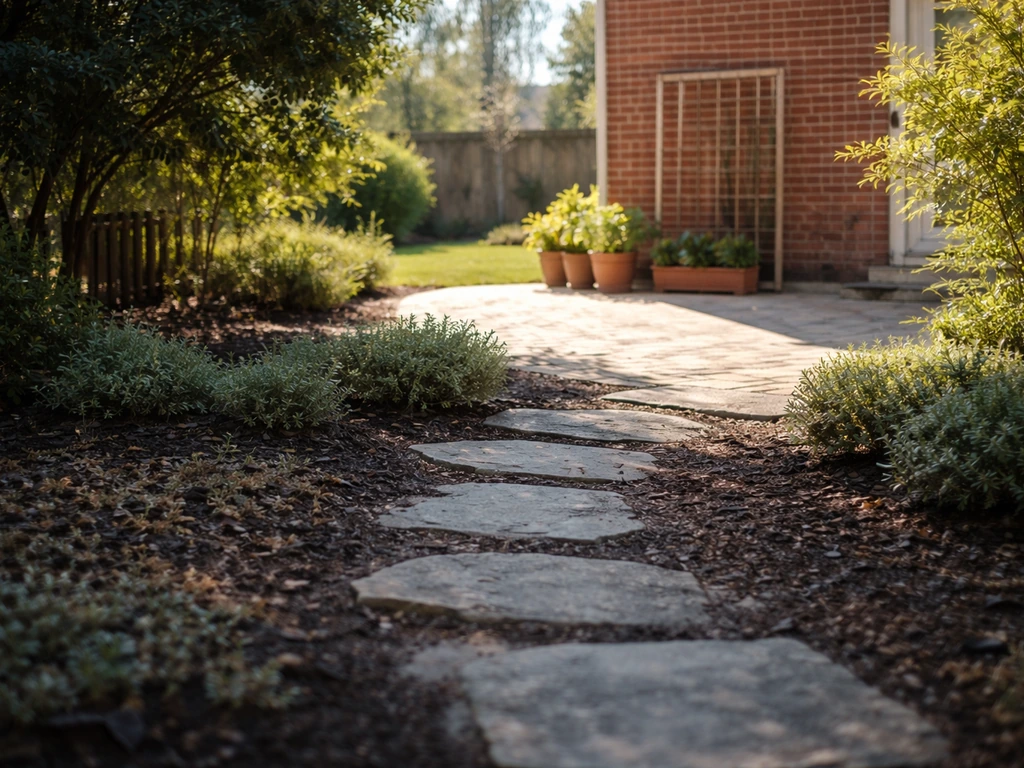
If you're committed to trying jasmine, site selection and planting strategy matter as much as the variety you choose. The USDA hardiness zone map itself acknowledges that microclimates within a zone can be meaningfully warmer or cooler than the surrounding area. A south-facing wall, for example, can act as a heat sink and push your effective local zone a half-zone warmer. A low frost pocket in your yard, on the other hand, can be colder than your official zone rating.
- Choose the warmest microclimate you have: a south- or west-facing wall, ideally brick or stone that absorbs and re-radiates heat.
- Make sure the site gets at least 6 hours of full sun for best flowering and plant vigor.
- Protect from winter wind: wind dramatically increases cold damage, especially for marginally hardy plants.
- Plant in well-drained soil: wet, poorly-drained soil combined with cold is a death sentence for jasmine roots.
- For container growing, use the largest pot you can manage. Illinois Extension notes that larger soil masses freeze more slowly than small pots, giving roots more protection during cold snaps.
- Wrap containers in burlap or move them to an unheated garage or basement before the first hard freeze.
- Check your exact USDA zone using the official 2023 USDA Plant Hardiness Zone Map, which is freely available online. Don't assume your zone based on a neighbor's experience or an old map.
Winter care and honest expectations
Let's be straightforward: even with perfect placement, jasmine in Illinois is a higher-maintenance proposition than in warmer states. If you're in Zone 6 and trying jasmine in the ground, plan to mulch heavily (a 3 to 4 inch layer around the base, keeping mulch away from the stem itself) after the ground starts to cool in late fall. Wrapping the vine in burlap can help buffer against wind and temperature swings.
For container jasmine, Illinois Extension emphasizes two things: keep the soil from freezing solid, and maintain soil moisture throughout winter. A completely bone-dry frozen root ball is the fastest way to lose a container plant. Storing a container in an unheated but frost-free garage or basement, where temperatures stay above freezing but remain cool, is often the best approach for pink jasmine and Arabian jasmine. Check moisture every few weeks and water lightly if the soil is completely dry.
Realistic expectation check: even in southern Illinois, expect star jasmine and borderline-hardy true jasmine to look rough coming out of winter. Some dieback is normal. Cut back dead wood in early spring and be patient. If the roots survived, new growth will emerge. If you had a particularly brutal winter (which Illinois delivers regularly), you may lose the plant entirely. This is the honest reality of pushing a plant beyond its rated zone.
Gardeners in nearby states like Indiana and Iowa face very similar challenges, since those states share comparable hardiness zones with much of Illinois. The cold-climate calculus for jasmine is essentially the same across the Midwest.
Better alternatives if jasmine isn't the right fit
If you want fragrant vines or flowering climbers that are genuinely suited to Illinois, there are great options that won't leave you replanting every few years. Illinois Extension recommends checking invasive plant lists when choosing vines, so some traditionally suggested options like certain honeysuckles should be chosen carefully.
- Clematis (various species and cultivars): Many clematis varieties are solidly Zone 4 to 6 hardy, making them one of the best flowering vines for Illinois. Illinois Extension has detailed guidance on growing clematis here. Some cultivars are mildly fragrant, and the visual impact is excellent.
- Native trumpet honeysuckle (Lonicera sempervirens): Unlike the invasive Japanese honeysuckle, native trumpet honeysuckle is well-suited to Illinois, attracts hummingbirds, and handles Zone 4 to 9 with no trouble. Not fragrant like jasmine, but spectacular in bloom.
- Wisteria (with caution): American wisteria (Wisteria frutescens) and Kentucky wisteria (Wisteria macrostachya) are hardier and less aggressive than Asian wisterias, and they're genuinely fragrant. Zone 5 hardy, so they work across Illinois.
- Climbing hydrangea (Hydrangea anomala subsp. petiolaris): Zone 4 to 8, extremely durable, and produces large fragrant white flower clusters. Slow to establish but one of the most reliable climbing plants for Illinois landscapes.
- Sweet autumn clematis (Clematis terniflora): Produces masses of small, powerfully fragrant white flowers in late summer. Zone 4 hardy, vigorous, and easy. Note it can self-seed aggressively, so deadhead before seeds mature.
If jasmine fragrance indoors is what you're really after, growing Jasminum polyanthum or Jasminum sambac as houseplants is completely achievable in Illinois. If you’re trying to figure out can you grow jasmine in iowa, the biggest factor is the same one that governs Illinois success: you need the right jasmine type for your zone or plan on container and winter protection.
If you’re wondering whether can jasmine grow in Ontario outdoors, the key factor is whether it can survive your winter lows and hardiness zone. They thrive in a sunny south-facing window, bloom reliably with the right conditions, and can move to a patio during summer. That's honestly how most Illinois gardeners get their jasmine fix, and there's nothing wrong with it.
FAQ
If I see “jasmine” at a nursery, how can I tell if it can survive Illinois winters?
Yes, but “jasmine” on a tag is often not true jasmine (Jasminum). If the flowers are yellow, it’s usually Carolina jessamine, if it’s sold as a winter-hardy vine with strong white blooms, it may be star jasmine (Trachelospermum). To avoid disappointment, confirm the scientific name (Jasminum officinale, Jasminum polyanthum, etc.) before buying.
Is jasmine generally better grown outdoors in the ground or in a container in Illinois?
For most of Illinois, jasmine is more realistic as a container or a heavily protected plant, because winter lows in Zones 5 and 6 regularly fall below what the popular Jasminum types tolerate. In-ground success is mainly limited to far southern Illinois or to extra-protected, well-mulched sites in slightly warmer microclimates.
How do microclimates in my yard change whether jasmine will grow in Illinois?
Use your county’s coldest average winter lows, not just your general city “zone,” because microclimates can swing colder or warmer. Big practical indicators are wind exposure (open yards lose heat faster) and where cold air settles (low spots). Choosing a sheltered south-facing spot often matters as much as picking the variety.
What’s the correct way to mulch jasmine for overwintering in Illinois?
Heavy mulching helps in the fall, but the goal is insulation, not smothering. Keep mulch about 3 to 4 inches deep around the base while leaving the stem itself uncovered so rot and winter damage are less likely. In spring, pull back mulch once the ground begins warming.
Does burlap wrapping actually help jasmine survive Illinois winters, and when should I do it?
Yes, but you need to protect from both freezing and wind drying. Wrapping with burlap can reduce wind burn and temperature swings, especially on the north or exposed sides. Remove wraps in spring so the vine can regrow without staying trapped in damp conditions.
What’s the best way to overwinter container jasmine in Illinois?
Jasmine containers in Illinois typically fail when the root ball dries out completely while frozen, or when they stay soggy in freezing conditions. In an unheated but frost-free area (garage or basement where temps stay above freezing), check moisture every few weeks and water lightly only if the soil is fully dry.
If my jasmine looks dead in spring, how long should I wait before giving up?
Expect dieback on plants pushed near their hardiness limit, especially after harsh winters. In early spring, cut back dead wood and watch for regrowth from surviving roots. If you do not see new growth by late spring, the plant may have lost its root system.
What’s the biggest mistake Illinois gardeners make when buying jasmine plants?
A key safety issue is that “jasmine” labels can be misleading, and some products are marketed as “cold hardy” without matching the true hardiness range. If you want a chance at outdoor success, buy by scientific name and cultivar (for example, star jasmine cultivars marketed for cold tolerance still may not make it in Zone 6).
Can I grow jasmine for fragrance indoors in Illinois instead of outdoors?
Yes. If your goal is fragrance or tea-style jasmine indoors, Jasminum polyanthum or Jasminum sambac can be grown as houseplants in Illinois, then moved outdoors to a patio during summer. The tradeoff is that you must bring it back before temperatures approach freezing, and indoor plants need enough light to keep flowering.
If jasmine is unlikely to survive in my Illinois yard, what should I plant instead for a similar effect?
Look for fragrant, cold-suitable climbers or flowering vines rather than forcing jasmine outside its range. The best “next step” is to match your garden’s zone and sun exposure to a vine that is rated for that zone range, then confirm it is not on your area’s invasive plant list before planting.