
Yes, jasmine can grow in Ontario, but whether it thrives, blooms reliably, or even survives winter depends almost entirely on which jasmine you pick and where in the province you live. A few cold-tolerant species, especially hardy jasmine (Jasminum nudiflorum) and star jasmine relatives, can handle Ontario winters with the right placement. True tropical jasmines like Jasminum sambac or Jasminum polyanthum will not survive outdoors year-round anywhere in the province. Know your jasmine, know your zone, and you can make this work.
Can Jasmine Grow in Ontario? Best Types, Zones, and Care
Marcus Hartwell
19 May 2026
First, which jasmine are we actually talking about?
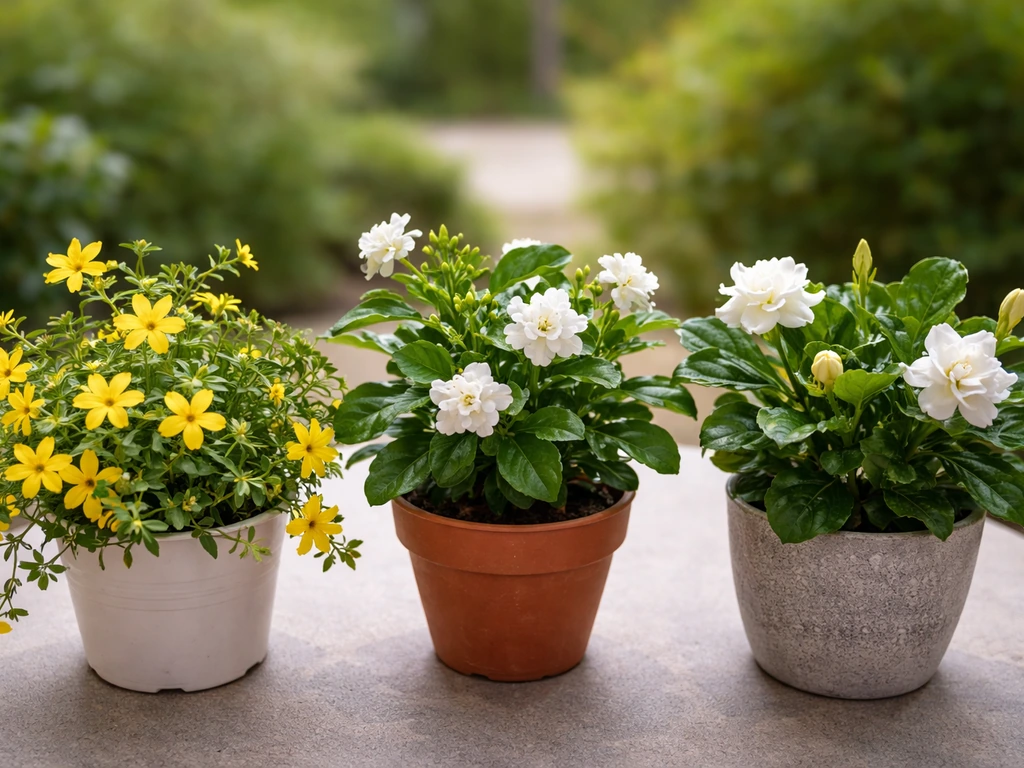
This question trips up a lot of gardeners. "Jasmine" is one of those common names that gets applied to completely different plants with wildly different cold tolerance. If you walk into a greenhouse and grab the pot labeled "jasmine," you might be taking home anything from a tender tropical shrub that dies at the first frost to a genuinely cold-hardy vine that can handle a Canadian winter. Getting this right before you buy is the whole ballgame.
Here are the main plants people mean when they say jasmine, and how they differ in cold hardiness:
| Common Name | Latin Name | Cold Hardiness Zone | Ontario Viability |
|---|---|---|---|
| Winter jasmine | Jasminum nudiflorum | Zone 6 | Realistic in southern Ontario with shelter |
| Common/poet's jasmine | Jasminum officinale | Zone 7 | Marginal in warmest Ontario spots; needs protection |
| Arabian jasmine | Jasminum sambac | Zone 9-10 | Outdoors only in containers; overwinter indoors |
| Pink jasmine | Jasminum polyanthum | Zone 8-9 | Container plant only in Ontario |
| Confederate/star jasmine | Trachelospermum jasminoides | Zone 7-8 | Container or very sheltered microclimate only |
| Cape jasmine (gardenia) | Gardenia jasminoides | Zone 8-10 | Not viable outdoors in Ontario |
| Carolina jessamine | Gelsemium sempervirens | Zone 6-7 | Marginal; southern Ontario sheltered spots only |
The takeaway: winter jasmine (Jasminum nudiflorum) is your most realistic choice for outdoor growing in Ontario. Common jasmine (Jasminum officinale) is a stretch but possible in the mildest corners of the province. Everything else is either a container plant or a plant that simply won't make it through a Canadian winter outdoors.
Ontario's zones and what winter actually means for jasmine
Ontario spans an enormous range of climates. blank" rel="noopener noreferrer">Natural Resources Canada's official plant hardiness zone maps show Ontario running from Zone 0a in the far north (think extreme cold, permafrost-adjacent conditions) all the way up to Zone 7a in the most sheltered parts of the Niagara Peninsula and a few Lake Ontario-influenced pockets near Toronto. Natural Resources Canada's plant hardiness zone maps describe the 2014 national plant hardiness zones for Canada, including a dedicated map for “southern Ontario and Québec” with zones ranging from 0a to 9a blank" rel="noopener noreferrer">2014 national plant hardiness zone maps for southern Ontario and Québec (0a to 9a). Most populated southern Ontario sits in zones 5b to 6b. Northern Ontario is largely zones 3 to 5. If you haven't looked up your specific municipality using Natural Resources Canada's zone lookup tool, do that first. Your zone is the single most useful number for deciding if any plant will work where you live.
For jasmine specifically, here is what those zones mean in plain terms. Winter jasmine (Jasminum nudiflorum) is reliably hardy to Zone 6. That covers parts of the Greater Toronto Area, the Niagara region, and other southern Ontario locations near the Great Lakes. In Zone 5 and below, which covers much of the province, even the hardiest jasmines struggle to survive an unprotected winter. The Great Lakes do moderate temperatures somewhat, especially along the shores of Lake Ontario and Lake Erie, which is why gardeners in places like Niagara-on-the-Lake or Oakville often have a zone advantage over someone 100 kilometres inland.
Compared to places like Indiana or Illinois, where zone 5-6 conditions are common across large populated areas, Ontario gardeners are working with similar or colder baseline conditions over most of the province. Because Illinois often sits in similar cold-climate zones, jasmine may be possible there too, but it depends on which jasmine species you choose and how much winter protection you provide. If you are wondering can you grow jasmine in indiana, the same zone-and-microclimate logic applies, so pick the most cold-hardy type that matches your conditions. Gardeners asking whether jasmine works in comparable cold-climate regions like New York State will face very similar constraints. If you’re wondering can jasmine grow in New York, use the same approach: pick the right species for your cold zone and rely on microclimates or containers when winters are harsher New York State. The short version for Ontario: only the hardiest species and the warmest microclimates give you a realistic shot. If you’re wondering can you grow jasmine in Iowa, use the same approach: pick the most cold-hardy type and focus on your local microclimate and protection needs.
The jasmine types worth trying in Ontario (and the ones to skip)
Worth planting outdoors
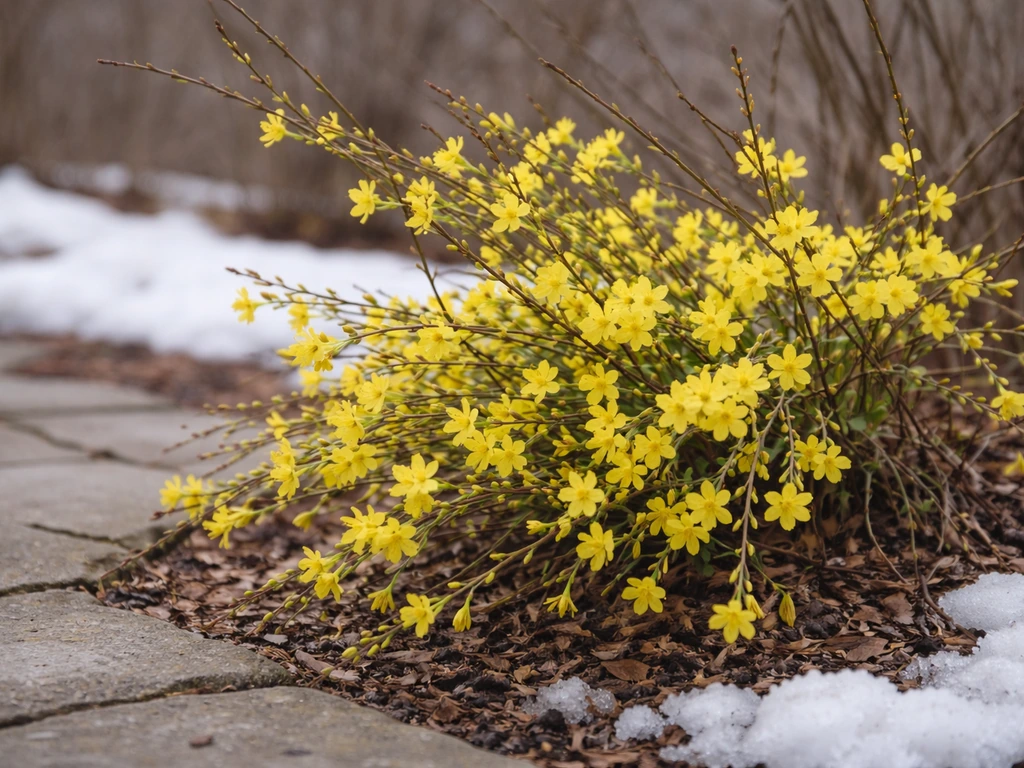
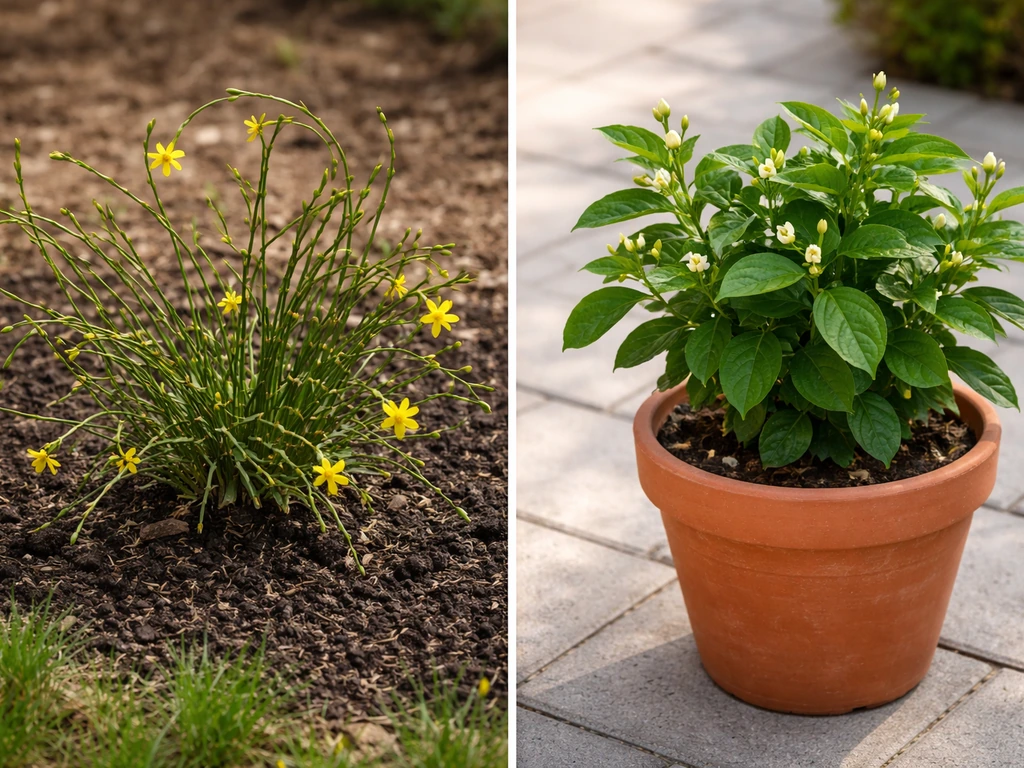
- Jasminum nudiflorum (winter jasmine): Hardy to Zone 6, this is your best bet for in-ground planting in southern Ontario. It blooms yellow in late winter or early spring, often before the snow is fully gone. It doesn't have the classic jasmine fragrance, but it survives where others won't. Grow it against a south-facing wall in Zone 6 and it performs well.
- Jasminum officinale (common jasmine): Hardy to Zone 7, which is at or beyond the edge of what most Ontario gardens can provide. In the absolute warmest spots in Niagara or Toronto's urban core, a very sheltered planting might survive, but plan on losing it in a cold winter. Treat it as a borderline plant rather than a reliable one.
Container-only in Ontario
- Jasminum sambac (Arabian jasmine): Beautiful and fragrant, widely sold in Ontario garden centres, but it's a Zone 9-10 plant. Grow it in a pot, bring it indoors before frost, and enjoy it as a houseplant through winter. It will not survive outdoors.
- Jasminum polyanthum (pink jasmine): Commonly sold as a fragrant houseplant. Zone 8-9. Excellent in containers on a patio from late spring through early fall, then brought indoors. Don't attempt in-ground planting.
- Trachelospermum jasminoides (star jasmine): Technically not a true jasmine but often sold as one. Zone 7-8 at best. Possible only in the most protected Niagara spots, but safer treated as a container plant in Ontario.
Skip these for Ontario entirely
- Gardenia jasminoides (cape jasmine): Zones 8-10. No realistic path to outdoor success anywhere in Ontario.
- Gelsemium sempervirens (Carolina jessamine): Sometimes confused with jasmine. Zone 6-7 on paper, but not reliably tested in Ontario conditions and not widely available. Not worth chasing.
Where to plant jasmine in Ontario: sun, shelter, and microclimates
Location within your yard matters almost as much as your hardiness zone. Ontario winters are not just cold, they're windy, and desiccating wind in late winter kills more marginally-hardy plants than the temperature alone. If you're attempting an in-ground jasmine, you need to stack every advantage you can.
- South or southwest-facing walls and fences: These capture maximum sun, absorb heat during the day, and radiate it back at night. A south-facing brick wall can effectively push your local microclimate one zone warmer. This is where in-ground winter jasmine belongs.
- Protected from prevailing winds: Look for a corner formed by two walls, a hedge backing a fence, or the lee side of a building. Wind protection is as important as warmth.
- Full sun minimum: Jasmine needs at least 6 hours of direct sun per day to bloom well. Shaded spots produce leggy growth and few flowers.
- Well-drained soil: Jasmine roots sitting in wet, frozen soil over winter are at much higher risk of dying. Amend heavy clay soils with compost and coarse grit before planting. Raised beds naturally improve drainage.
- Avoid frost pockets: Low spots in a yard where cold air pools on still nights are harsher than the official zone suggests. A slight slope or elevated position drains cold air away.
Urban gardeners in Toronto, Hamilton, or Ottawa benefit from the urban heat island effect, which can push temperatures a few degrees warmer than the surrounding countryside. If you're gardening in a dense neighbourhood with brick or stone surfaces nearby, that is a genuine microclimate advantage worth using.
In-ground vs. container growing: the Ontario tradeoff
This is really a question of which species you want and how much work you're willing to do. Both approaches work in Ontario, but they work for different reasons.
In-ground planting
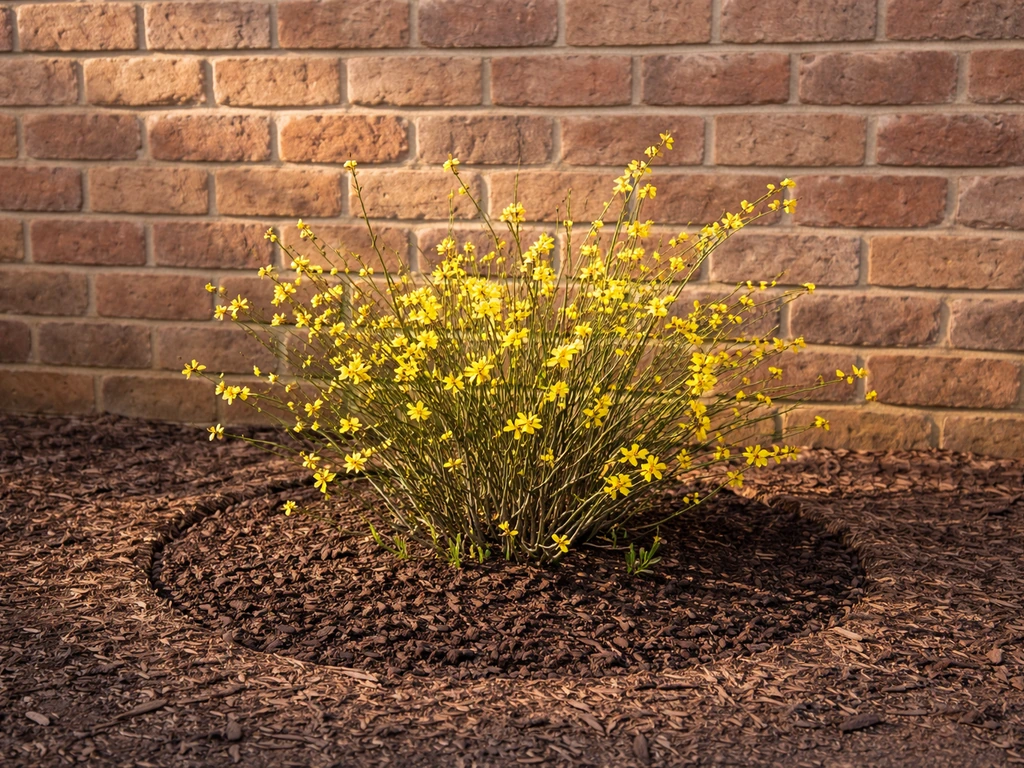
In-ground planting is only realistic for Jasminum nudiflorum in Zone 6 locations, or very marginally for Jasminum officinale in Zone 7 pockets. The advantage is that established in-ground plants grow larger, root deeper, and need less daily attention. The risk is that a severe winter, a late-season cold snap after warm weather fools the plant, or a stretch of freeze-thaw cycles can kill even a hardy plant if it's right at the edge of its tolerance. Mulching the root zone heavily in late fall (a 10-15 cm layer of shredded bark or straw) adds meaningful protection. For stems and top growth on marginally-hardy plants, burlap wrapping in November and removal in mid-April is worth doing.
Container growing and overwintering
Containers open up almost every jasmine species to Ontario gardeners, because you're controlling the winter environment. Jasminum sambac, Jasminum polyanthum, and star jasmine all do beautifully on patios and decks from late May through September. The key is timing the move indoors: bring containers inside before the first frost, typically late September to mid-October depending on your location. Indoors, jasmine needs a bright south-facing window or supplemental grow light, temperatures between 13-18°C for rest, and reduced but consistent watering. Avoid placing containers near heating vents, which dry them out quickly. In spring, harden the plants off gradually before putting them back outside, waiting until consistent overnight temperatures stay above 10°C, usually late May in most of southern Ontario.
One practical note on containers: use a large, heavy pot (at least 30-40 cm diameter) for any jasmine you plan to grow as a substantial plant. Larger pots hold moisture better, allow more root development, and are less prone to stress swings. Terracotta looks great but can crack when moved in and out seasonally. Resin or fibreglass pots are more forgiving for the Ontario indoor-outdoor cycle.
What success actually looks like in Ontario
Flowering expectations
Winter jasmine (Jasminum nudiflorum) blooms yellow from February through April, sometimes even while snow is still on the ground. It's a cheerful early-season plant but has no fragrance. If you're chasing the classic sweet jasmine scent, this is not the plant that delivers it, though it is the most reliably winter-hardy species for Ontario.
Common jasmine (Jasminum officinale), if it survives your winter, produces fragrant white flowers from June through September. In Ontario, even in Zone 6-7, it may not bloom as prolifically as it would in a warmer climate because the growing season is shorter and the plant expends energy on recovery after each winter rather than full growth.
Container jasmines like Jasminum sambac and Jasminum polyanthum bloom heavily indoors in late winter and early spring when kept in cool, bright conditions. Outdoors on a warm patio through summer, they continue blooming intermittently. These are the plants that give you the full sensory jasmine experience, fragrance included, just not permanently in the ground.
Common Ontario setbacks to plan for
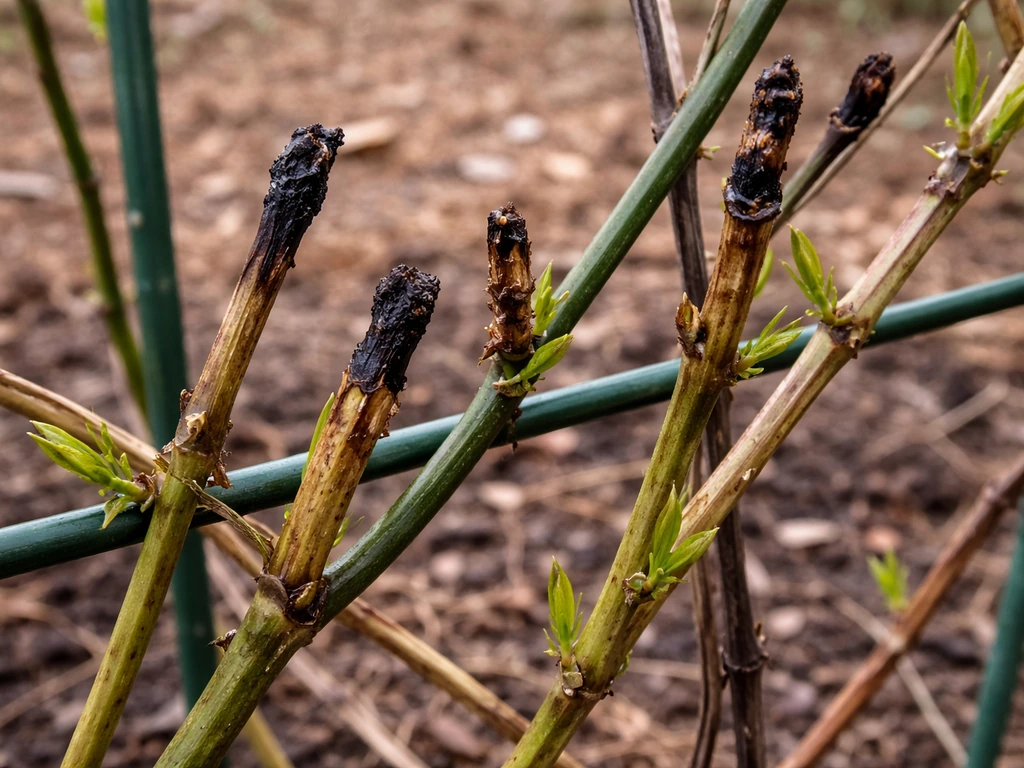
- Dieback from freeze-thaw cycles in late winter: Ontario's March weather is notoriously brutal for marginally-hardy plants. A warm spell in February followed by a hard freeze in March can kill top growth even on hardy plants. Don't remove dead-looking stems until mid-May to assess what's truly dead vs. dormant.
- Late spring frosts catching new growth: Jasmine that breaks dormancy early can have tender new shoots burned by a late frost. This is common in April in most of Ontario. Having burlap on hand for frost-protection nights in April is practical insurance.
- Short bloom season on outdoor plants: Ontario's effective warm growing season runs roughly May through September. Plants that need a long warm season to bloom well are always working against the calendar.
- Root rot from wet springs: Ontario spring soils stay wet and cold for a long time. Heavy clay soils are particularly problematic. Planting in raised beds or very well-amended soil mitigates this significantly.
Your checklist before you buy jasmine in Ontario
Before you spend money at a garden centre, run through these questions. They'll save you from a frustrating and expensive mistake.
- Look up your Ontario hardiness zone: Use Natural Resources Canada's plant hardiness zone lookup by municipality. Zone 6 or warmer gives you in-ground options. Zone 5 or colder means containers are your realistic path.
- Decide which jasmine you actually want: If you want fragrance, plan on a container plant (Jasminum sambac or polyanthum) and indoor overwintering. If you want something in-ground and low-maintenance, winter jasmine (Jasminum nudiflorum) in Zone 6 with a south-facing wall is your best bet.
- Check your planting site: Does it get 6 or more hours of direct sun? Is it sheltered from north and west winds? Is drainage good? All three matter. If you can't say yes to all three, fix the site before you plant.
- Decide on your overwintering commitment for containers: Can you bring a pot indoors to a bright, cool room from October through May? If not, container jasmine will be an annual expense, not a long-term plant.
- Manage your expectations on fragrance vs. hardiness: The hardiest jasmines are not the most fragrant. The most fragrant ones need indoor protection. Decide which trade-off fits your lifestyle.
- Buy from a reputable local source: Ask specifically for the Latin name on the label. A pot just labeled "jasmine" tells you nothing useful about its cold tolerance. If the seller can't give you a species name, that's a red flag.
- Plant in late spring, not fall: Give jasmine the full growing season to establish before it faces an Ontario winter. Late May to early June is the right timing for outdoor planting.
Jasmine in Ontario is genuinely possible, and for gardeners in the warmer parts of the province, winter jasmine can become a reliable, established part of the garden. For everyone else, a container-grown fragrant jasmine brought in for winter is a rewarding choice that lets you have the plant you actually want. The key is going in with the right species for your zone and a clear plan for the cold months. Get those two things right and jasmine is very much within reach.
FAQ
How can I tell which jasmine I’m buying, since “jasmine” can mean different plants?
If the plant label says Jasminum sambac, Jasminum polyanthum, or “star jasmine,” treat it as a container plant in Ontario. For true in-ground survival, winter jasmine (Jasminum nudiflorum) is the realistic option, and common jasmine (Jasminum officinale) is only a gamble in the mildest, most sheltered spots.
Can I improve my odds if my yard is colder or windier than my zone suggests? (microclimate help)
Yes, even in areas where winter jasmine might not be fully reliable. Use a wind-protected corner (south or west facing), add heavy late-fall mulching, and keep the root ball from cycling between frozen and thawed by insulating the pot or bed consistently through late fall and winter.
When should I bring jasmine indoors and put it back outside in Ontario?
For container jasmine, plan to bring it indoors before the first frost, then move it back out only after overnight temperatures stay consistently above 10°C. In practice, late September to mid-October is common for bringing in, and late May is common for outdoor return in southern Ontario, but your local weather and year-to-year swings matter.
What indoor conditions actually prevent container jasmine from failing in winter?
Yes, and the timing is a common failure point. Jasmine often needs a cool rest period indoors (about 13 to 18°C) to avoid weak growth. If you keep it warm all winter near heat vents, you can end up with leaf drop and fewer blooms.
Will winter jasmine give me the classic sweet jasmine fragrance? If not, what should I plant instead?
Do not rely on scent expectations to choose the species. Winter jasmine blooms early (often Feb to Apr) but it is not fragrant. If fragrance is your goal, you will almost certainly need a container jasmine like sambac or star jasmine, with winter overwintering indoors.
How large should my container be for jasmine in Ontario?
Use a pot big enough that the soil does not dry out or freeze too quickly, at least 30 to 40 cm in diameter for a substantial plant. Larger, heavier containers also reduce stress from repeated moving in and out for Ontario seasons.
Are there specific pot types that are better for Ontario’s freeze-thaw seasons?
Terracotta can work, but it is more likely to crack when moved seasonally because it expands and contracts with temperature swings. Resin or fiberglass tends to survive Ontario’s indoor-outdoor cycling more reliably.
Where should I apply winter protection for jasmine, roots or stems?
For in-ground winter jasmine, the main winter protection is around the root zone, not the whole plant. A heavy 10 to 15 cm layer of shredded bark or straw in late fall helps, and burlap wraps are only worth considering for marginal above-ground growth on less-hardy types.
Why did my jasmine die even though I thought it was hardy enough for my zone?
If your jasmine is near the edge of what can survive, freeze-thaw cycles and sudden cold snaps after a warm spell are often the real killers. Keeping the root zone insulated and avoiding disturbance around the base in late winter can reduce losses.
My jasmine grows leaves but won’t bloom in Ontario, what should I check first?
If the plant does not bloom, the cause is usually one of three things: wrong species for Ontario winters, insufficient winter protection or overwintering conditions, or too much stress (small pot, inconsistent watering, or heat-vent drying indoors). Check the species first, then verify your indoor temperature and light level during the cool season.
Does gardening in a city neighborhood like Toronto or Hamilton change jasmine’s chances?
Yes. Urban heat island areas and sheltered spots near brick or stone can raise effective conditions by a few degrees and reduce wind stress. This can be the difference between “barely survives” and “reliably blooms,” especially for jasmine types on the margin.