
Yes, jasmine can grow in cold climates, but the answer depends almost entirely on which jasmine you're planting and what your USDA hardiness zone is. Winter jasmine (Jasminum nudiflorum) is the real cold-climate workhorse, surviving down to Zone 6 with proper siting. Most other jasmine species, including the sweetly fragrant common jasmine and pink jasmine, start struggling below Zone 7 or 8 and often die outright in a harsh northern winter. If you're in Zone 5 or colder, you're mostly looking at container growing or choosing an alternative plant entirely.
Can Jasmine Grow in Cold Climates? Zone Guide to Varieties
Marcus Hartwell
11 May 2026
Which jasmine types actually tolerate cold
Not all jasmine is created equal when it comes to cold, and this is where a lot of gardeners go wrong. They pick up a jasmine at a big-box store, fall in love with the scent, plant it in the ground, and watch it die after the first real cold snap. Before anything else, you need to know which species you're dealing with.
| Jasmine Species | Common Name | Cold Hardiness (USDA Zone) | Evergreen or Deciduous | Fragrant? |
|---|---|---|---|---|
| Jasminum nudiflorum | Winter Jasmine | Zones 6–10 | Deciduous | No (but early yellow blooms) |
| Trachelospermum jasminoides | Star / Confederate Jasmine | Zones 7b–10 | Evergreen | Yes, strongly |
| Jasminum officinale | Common / Poet's Jasmine | Zones 7–10 | Semi-evergreen | Yes, strongly |
| Jasminum polyanthum | Pink / Many-flowered Jasmine | Zones 8–11 | Evergreen | Yes, strongly |
| Jasminum mesnyi | Primrose Jasmine | Zones 8–10 | Evergreen | Mild |
| Jasminum sambac | Arabian Jasmine | Zones 9–11 | Evergreen | Yes, intensely |
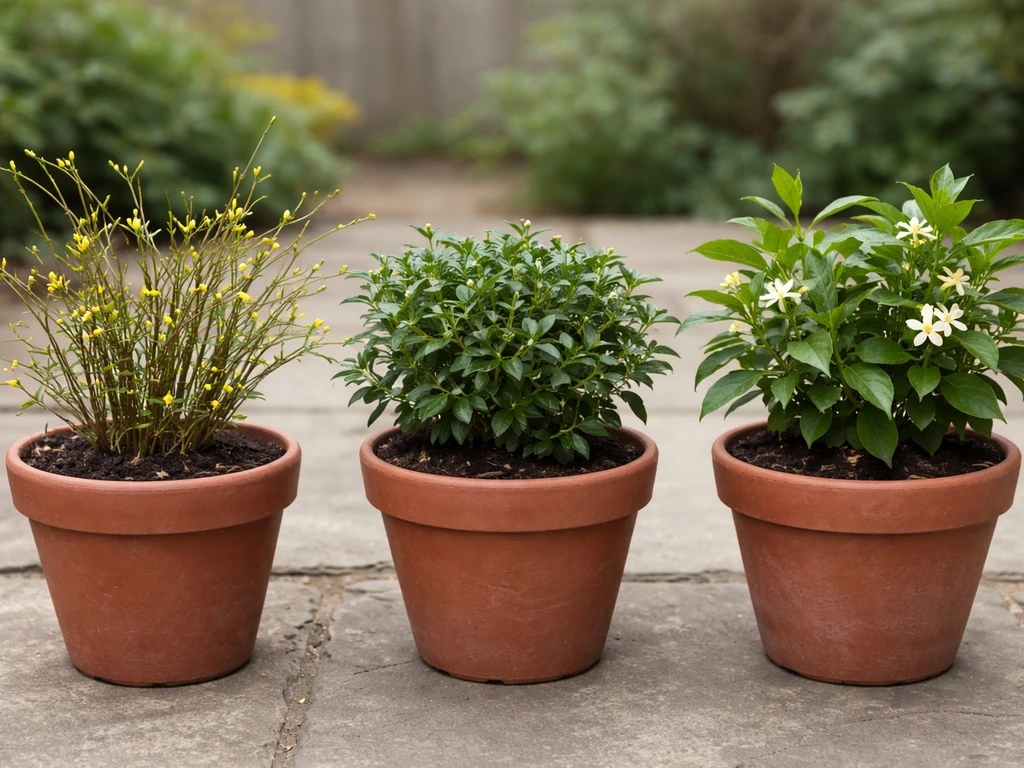
Winter jasmine (Jasminum nudiflorum) is by far the most cold-tolerant true jasmine. It blooms on bare stems in late winter or very early spring, producing cheerful yellow flowers before any leaves appear. It's not fragrant, which surprises people, but it's genuinely tough, tolerating temperatures down into the single digits Fahrenheit. If fragrance is your goal, you need to be in at least Zone 7 to grow star jasmine reliably in the ground.
One important note: star jasmine (Trachelospermum jasminoides) is technically not a true jasmine, though it smells just like one and most gardeners call it jasmine. Its blank" rel="noopener noreferrer">hardiness is rated at Zone 7b and warmer. It's a great choice for the mid-Atlantic and transition zones, but it won't survive a Zone 5 or 6 winter in the ground. If you're in Indiana, Iowa, Illinois, or similar Midwest states, star jasmine is typically a container plant at best.
Cold climate feasibility by USDA zone
The USDA Plant Hardiness Zone Map divides North America into zones based on the average annual extreme minimum winter temperature, using 10-degree increments with 5-degree half-zones. It's built on 30 years of temperature data and tells you how likely a plant is to survive winter at your location. It's a probability tool, not a guarantee, and one especially brutal winter can push plants beyond what their zone suggests they can handle.
| USDA Zone | Minimum Temp Range | Best Jasmine Option | Realistic Approach |
|---|---|---|---|
| Zone 4 and colder | Below -20°F | None hardy in-ground | Container only; bring indoors for winter |
| Zone 5 | -20°F to -10°F | None reliably in-ground | Container growing; J. nudiflorum worth trying in a very sheltered spot |
| Zone 6 | -10°F to 0°F | Winter jasmine (J. nudiflorum) | In-ground with protection; sheltered south-facing site essential |
| Zone 7 | 0°F to 10°F | Winter jasmine, star jasmine (marginal) | In-ground feasible; star jasmine needs a protected microclimate |
| Zone 8 | 10°F to 20°F | Most jasmines except J. sambac | In-ground with good success; common jasmine and star jasmine thrive |
| Zone 9–11 | 20°F and above | All jasmine types | Full range of options; fragrant jasmines perform at their best |
Zone 6 is really the practical frontier for in-ground jasmine. Winter jasmine can survive there, especially in a sheltered spot, but you're right at the edge of its range. In Zone 5 and below, the ground freezes deep enough and long enough that even winter jasmine will struggle without significant protection. I've seen Zone 5 gardeners successfully overwinter winter jasmine against a south-facing brick wall with heavy mulch, but it's a project, not a casual planting.
Regional breakdown: what to expect in your state
Zones are helpful, but they don't tell the whole story. A Zone 6 garden in New York can behave very differently from a Zone 6 garden in coastal Virginia because of wind exposure, humidity, and freeze-thaw patterns. Here's how cold-climate regions break down for jasmine. If you want, read more about which jasmine types tolerate cold and what to expect by your USDA zone.
Upper Midwest: Minnesota, Wisconsin, Iowa, northern Illinois, Indiana
This region sits mostly in Zones 4 through 6, with brutal wind chill and deep ground freezes. True in-ground jasmine success is rare. Winter jasmine is worth attempting in Zone 6 pockets, like southern Iowa or central Indiana, but most gardeners in this belt are better served by container growing or choosing a different plant. In most of northern Illinois, winter jasmine success is limited, and that is why does jasmine grow in illinois usually turns into a discussion about container growing or winter protection instead of planting in the open ground. If you’re wondering can you grow jasmine in Iowa, start by matching your jasmine type to your USDA zone and building around microclimates and winter protection. States like Iowa and Indiana have some Zone 6 territory in their southern halves where a sheltered planting of winter jasmine isn't crazy, but you have to accept some winter kill risk every year.
Great Lakes and Northeast: New York, Pennsylvania, Michigan, Ohio
These states have wide zone variation. Upstate New York and the Upper Peninsula of Michigan are Zone 4 to 5 territory, essentially a no-go for in-ground jasmine. But downstate New York, Long Island, and the New York City metro area hit Zone 7, where star jasmine becomes feasible in a protected spot. Pennsylvania similarly has a north-to-south gradient. If you're growing jasmine in New York, your specific county and microclimate matter more than the state average.
Mid-Atlantic and transition states: Virginia, Maryland, Delaware, New Jersey
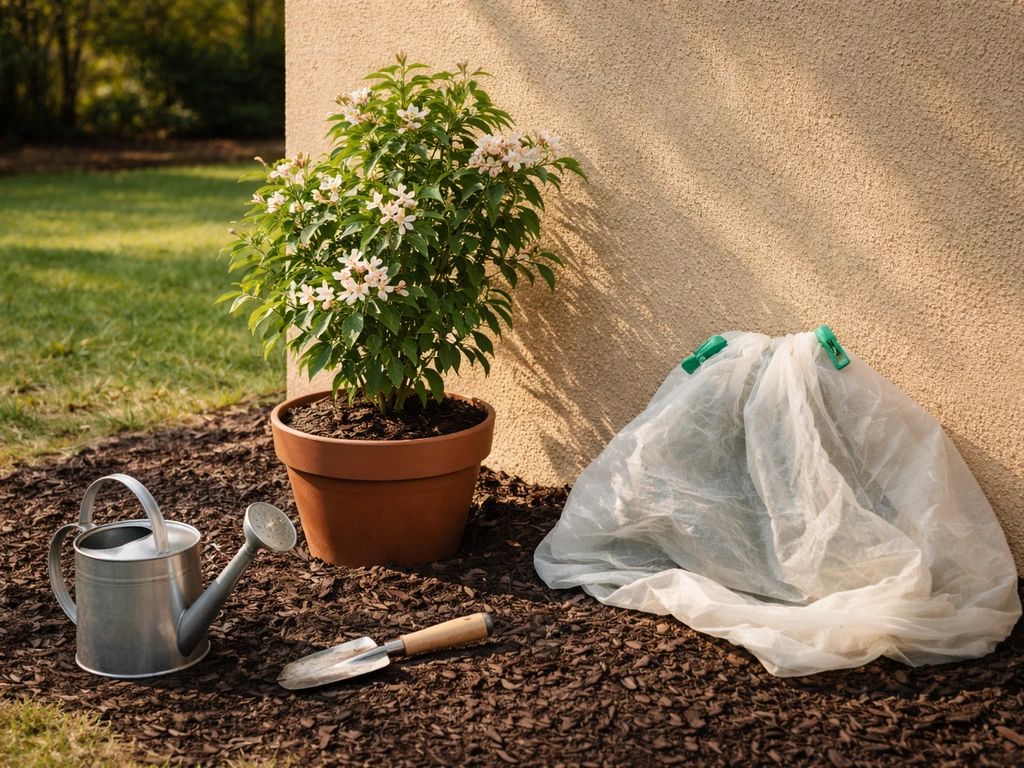
This is prime jasmine territory for cold climates. Much of this region sits in Zone 7, with coastal and urban areas reaching Zone 7b or even Zone 8. Star jasmine grows reliably here, winter jasmine thrives, and common jasmine does well with a bit of shelter. If you're looking for fragrant in-ground jasmine, the mid-Atlantic is about as far north as you can push it with confidence.
Canada and Ontario
Most of Ontario falls in the Canadian hardiness zone equivalent of USDA Zone 5 to 6. Winter jasmine's Canadian hardiness range is mapped to roughly 6b through 7b, which means even the warmest corners of southern Ontario (around Windsor and the Niagara Peninsula) are at the outer edge. Container growing is the most reliable strategy for Canadian gardeners who want jasmine. With the right jasmine type and winter protection, jasmine can grow in Ontario, especially with container-friendly planning.
Pacific Northwest: Oregon, Washington
The mild coastal climate along the Pacific makes this region surprisingly jasmine-friendly despite its latitude. Portland and Seattle sit in Zone 8 or even Zone 9 in sheltered spots. Common jasmine, star jasmine, and winter jasmine all do well here. The main challenge is cool summers rather than cold winters, which can limit bloom intensity on some fragrant varieties.
Planting tips that give jasmine the best shot in cold weather
Where and how you plant jasmine makes a real difference in whether it survives a Zone 6 or 7 winter. The biggest factor is microclimate. A south or southeast-facing wall absorbs heat during the day and radiates it back at night, keeping the air around your plant several degrees warmer than an open garden bed. That buffer can be the difference between a plant that comes back every spring and one that dies to the ground.
- Plant against a south-facing wall, fence, or structure to capture reflected heat and block north winds
- Choose a spot with good air drainage, meaning avoid low spots where cold air pools overnight
- Well-drained soil is non-negotiable: waterlogged roots in frozen ground are a death sentence for jasmine
- Winter jasmine does fine in full sun to part shade and tolerates a wide range of soils, but it establishes faster and handles cold better with loamy, well-draining soil
- Plant in spring, not fall, in cold climates, so the plant has a full growing season to establish before its first winter
- If planting a container-grown jasmine, loosen the root ball and water it in deeply so roots reach beyond the top few inches of soil before the ground freezes
Urban areas also have a heat island advantage. A garden in a city neighborhood can be a full half-zone warmer than the surrounding rural landscape. If you're right at the edge of feasibility for jasmine, being in a dense neighborhood with pavement and buildings nearby might just tip the scales in your favor.
How to get jasmine through winter without losing it
Getting jasmine established is only half the battle in cold climates. Winter protection is what separates the plants that come back looking good from the ones that are barely alive by spring.
For in-ground plants (Zones 6–7)
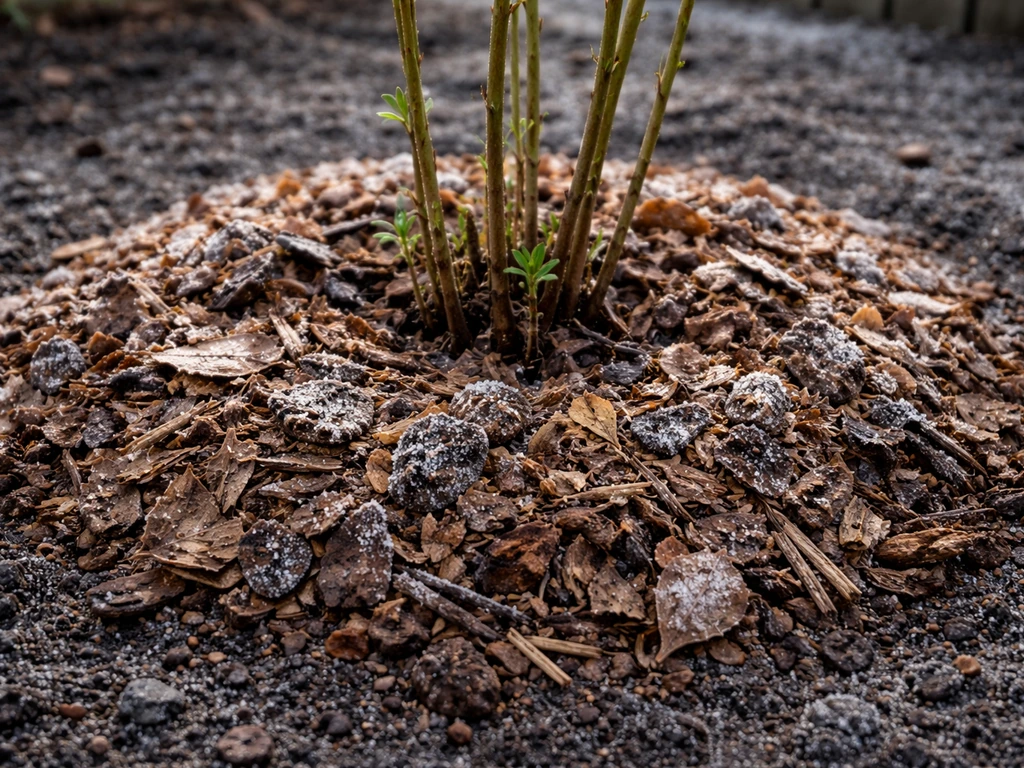
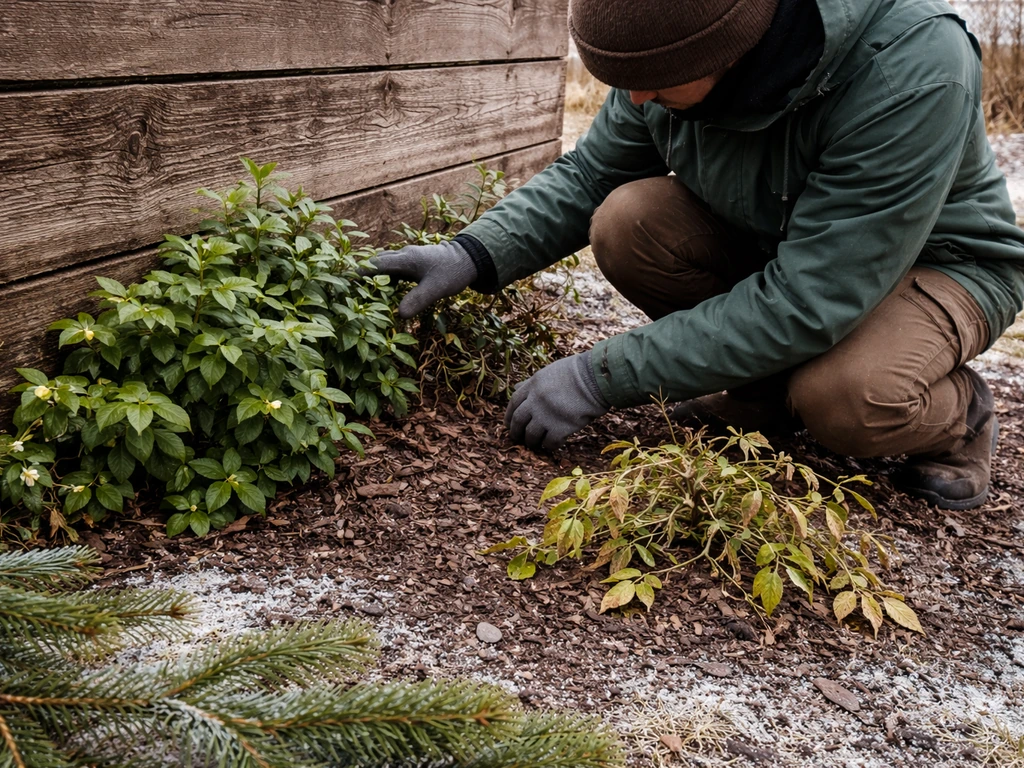
- In late fall, after the first hard frost but before the ground freezes solid, apply 3 to 4 inches of mulch around the base of the plant. Straw, shredded leaves, or wood chips all work. Keep mulch pulled back slightly from the main stem to avoid rot.
- Stop fertilizing in late summer, around August. Pushing new growth into fall produces soft, frost-vulnerable tissue. Let the plant harden off naturally.
- Water deeply in late fall before the ground freezes. A well-hydrated plant handles cold better than a dry one, and this matters especially for evergreen varieties prone to winter desiccation.
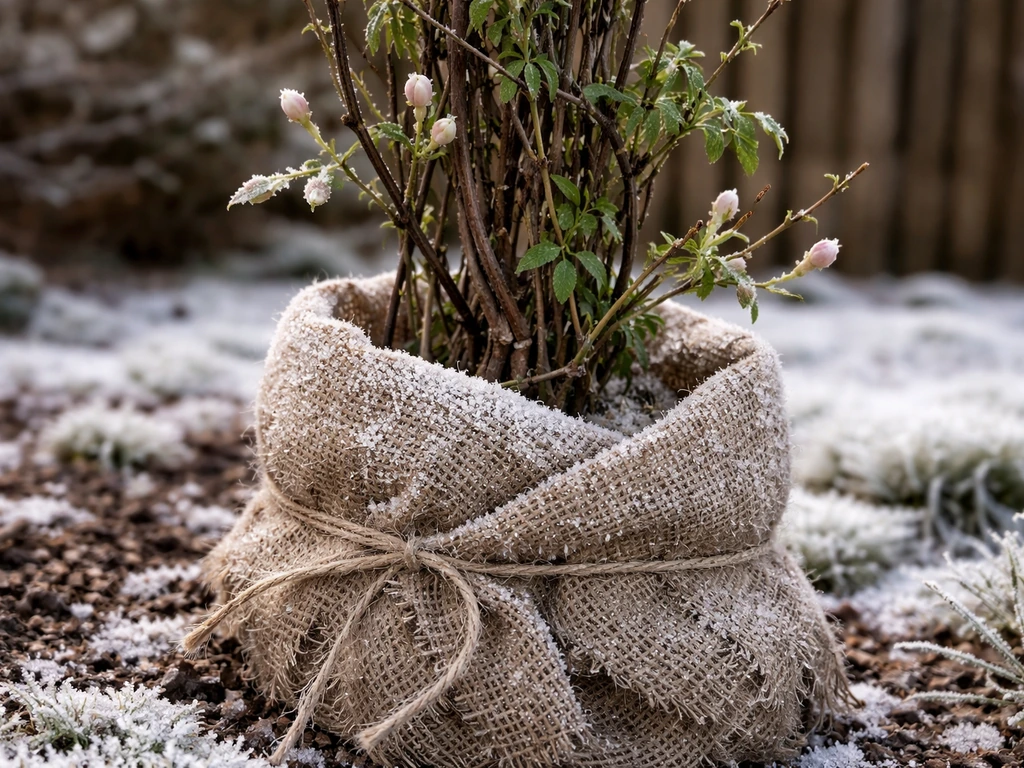
- For evergreen jasmines at the northern edge of their range, wrap the plant loosely with burlap to cut wind and reduce moisture loss. Don't use plastic, which traps heat and creates freeze-thaw damage.
- In late winter or early spring, remove the burlap and pull back mulch as temperatures reliably climb above freezing. Check for dead wood and prune it out once you can see where new growth is emerging.
For container-grown jasmine (Zones 5 and colder)
Container growing is the practical solution for anyone in Zone 5 or colder who wants jasmine. Keep the plant outdoors through the warm season, then bring it inside before your first frost, typically late September or October in most northern states. A cool, bright indoor spot (a sunroom, unheated garage with a window, or cool basement with a grow light) keeps it dormant without killing it. Don't let it freeze solid in the container, but don't keep it in a warm living room either, which encourages weak, leggy growth. Resume watering gradually in spring and move it back outside after frost risk has passed.
Cold-climate problems and how to fix them
Even when jasmine survives the winter, cold climates create specific problems that gardeners run into repeatedly. Here's what to watch for and what to do about it.
Winter kill (stems die but roots survive)
This is the most common cold-climate jasmine problem. The above-ground stems die back, but the root system is alive. Don't give up on the plant too fast. Wait until mid-spring before declaring it dead. Cut back the dead wood to where you see green tissue or living growth buds, which can be surprisingly low on the plant. New growth will emerge from the base. The plant will be smaller that year but can recover fully.
Legginess and weak growth after a hard winter
Cold stress often produces sparse, elongated growth the following spring. The plant is putting energy into recovery rather than full growth. Give it a light feeding with a balanced fertilizer in early spring, make sure it has good sun exposure, and resist the urge to over-prune. It usually fills back out by midsummer.
Poor or no blooming
Jasmine that survives winter but doesn't bloom is usually either getting too much shade, or the previous year's flowering wood was killed off and the plant needs a season to rebuild it. Timing also matters: winter jasmine blooms on old wood in late winter or early spring. If you pruned it at the wrong time (say, in late fall or winter), you cut off the flower buds. Always prune winter jasmine immediately after it finishes flowering, not before. For fragrant jasmines like common jasmine or star jasmine, bloom is heavily tied to summer heat, and cool summers in cold-climate zones often mean reduced flowering.
Winter desiccation on evergreen types
Star jasmine and other evergreen varieties can suffer from winter desiccation, where the leaves dry out and turn brown not from the cold itself but from wind pulling moisture out of the leaves faster than frozen roots can replace it. The fix is preventive: water deeply before the ground freezes, apply a burlap windscreen on exposed sides, and consider an anti-desiccant spray on the foliage in late fall. Brown, papery leaves after winter are the telltale sign.
If jasmine won't work in your zone, try these instead
If you're in Zone 5 or colder and don't want to deal with container growing, there are several flowering vines and shrubs that give you a similar aesthetic without the winter survival anxiety. The goal is to find something that captures the look or fragrance of jasmine without requiring the same level of cold-climate coddling.
- Honeysuckle (Lonicera sempervirens or L. japonica): Fragrant, fast-growing vine hardy to Zone 4. Native coral honeysuckle has great ornamental value without the invasive issues of Japanese honeysuckle.
- Climbing hydrangea (Hydrangea anomala ssp. petiolaris): Hardy to Zone 4, produces impressive white flower clusters, and tolerates partial shade far better than jasmine.
- Clematis (Clematis spp.): Many varieties are hardy to Zone 3 or 4, producing showy blooms in a wide range of colors. Jackmanii and Sweet Autumn clematis are especially tough.
- Carolina jessamine (Gelsemium sempervirens): Often confused with jasmine, hardy to Zone 6, produces fragrant yellow flowers in early spring, and is a better cold-climate substitute for true jasmine.
- Hardy gardenia varieties: If fragrance is the priority, newer cold-hardy gardenia cultivars like 'Kleim's Hardy' survive to Zone 6 and deliver genuine jasmine-like fragrance.
- Fragrant sumac (Rhus aromatica): Less showy but incredibly tough, hardy to Zone 3, with attractive fall color as a bonus.
Carolina jessamine is worth highlighting specifically because it fills exactly the niche most people are hoping jasmine will fill in cold climates: a fragrant, yellow-flowering climber that blooms early in the season. It's reliable in Zone 6, somewhat feasible in Zone 5 with protection, and doesn't require the same level of winter management that jasmine does. If you're in the mid-Atlantic or the Midwest transition zone and love what jasmine promises, Carolina jessamine is often the smarter first planting.
FAQ
What’s the easiest jasmine type to try if I’m in Zone 6 but worried about winter kill?
Start with winter jasmine in Zone 6. Plant it in the warmest available spot, ideally against a south or southeast-facing surface, and treat it like an edge-of-range plant (expect dieback some years). If you want fragrance, plan on a compromise, because the hardiest true jasmine options are not reliably fragrant.
Can I grow star jasmine in the ground in colder areas if I give it heavy protection?
In-ground star jasmine usually needs the equivalent of Zone 7b or warmer. Extra mulch, a windbreak, or wall heat can help with minor setbacks, but it often cannot fully “zone-proof” a Zone 5 or 6 winter. In those colder zones, container growing is the safer decision.
How do I know whether my jasmine is dead or just dormant after a cold winter?
Wait until mid to late spring before removing it. Stems may look dead after freezing, but the roots can survive, and new shoots can emerge from low on the plant. Cut back only the clearly dead, brown tissue once you see living buds or green growth.
Should I prune winter jasmine before winter to tidy it up?
Avoid late-fall or winter pruning. Winter jasmine flowers on old wood from late winter into early spring, so pruning at the wrong time removes flower buds. Prune immediately after it finishes flowering to keep the next season’s blooms.
My jasmine grows back but doesn’t bloom. What are the most common causes in cold climates?
The two usual culprits are excessive shade (not enough direct sun) and flower buds being lost, often from pruning at the wrong time. Also note that cool summers can reduce flowering for fragrant types, even when the plant survives winter.
What container size and soil approach works best for jasmine in Zone 5 or colder?
Use a pot large enough that roots do not freeze through quickly, and use a well-draining mix. The key is keeping the container from going solidly frozen, while still avoiding a warm indoor setup that triggers weak, leggy growth. If your winters are windy, prioritize container placement near sheltered walls to reduce desiccation.
When should I bring container jasmine indoors, and when should I move it back out?
Bring it in before your first frost, which is often late September or October depending on your location. Move it back outside after frost risk passes, then ramp up watering gradually in spring to avoid shock.
How can I prevent winter desiccation on evergreen jasmine-like types?
Water deeply before the ground freezes, then protect exposed sides from wind using burlap or a windscreen. In harsh, windy winters, brown, papery leaf tips after winter are a common sign. Anti-desiccant sprays applied in late fall can provide extra insurance, especially for plants on open, exposed trellises.
Do heat islands in cities really help jasmine survive colder zones?
Yes, they can. Dense neighborhoods with pavement and nearby buildings can create a noticeably warmer microclimate than nearby rural areas, sometimes enough to shift survival from “fails often” to “survives some years.” If you are choosing between locations, prefer the warmest, most sheltered micro-site rather than the average yard temperature.
If I’m in Zone 5 and want jasmine-like blooms, what are good alternatives that need less winter management?
Carolina jessamine is a common substitute worth considering. It offers a similar climber look and early yellow blooms, with far more reliable performance in Zone 6 and only moderate feasibility in Zone 5 when protection is provided.