Yes, jasmine can grow in New York, but which jasmine and how you grow it depends almost entirely on where in the state you are and which species you pick. Yes, you can grow jasmine in Iowa, but choosing the right species for your hardiness zone and protecting it in winter makes the difference. A few cold-hardy species can stay in the ground year-round in most of New York.
Can Jasmine Grow in New York? Best Types and How to Start
Marcus Hartwell
30 Apr 2026
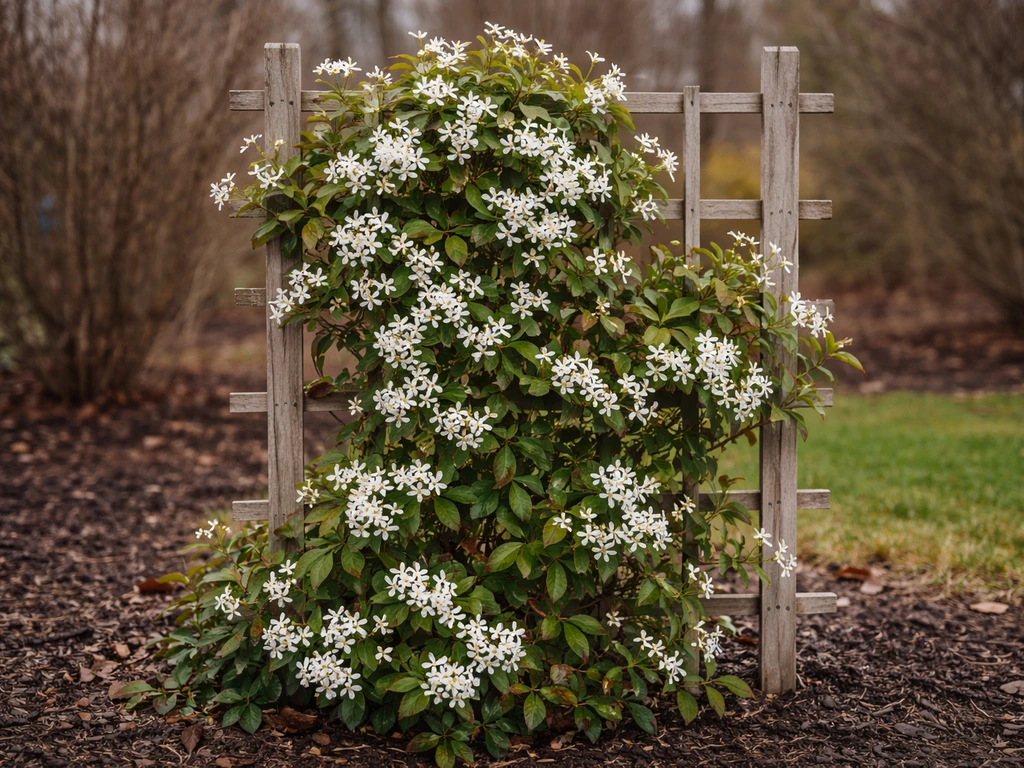
Others will die to the roots the first serious winter if you plant them outside without protection. Get the species right and you're in good shape. If you want a quick check beyond New York winters, see can jasmine grow in ontario for how hardiness and winter extremes translate to nearby regions. Get it wrong and you've wasted a plant and a season.
Not all jasmine is the same plant
This is the most important thing to sort out before you buy anything. "Jasmine" gets used as a catch-all name for plants that have wildly different cold tolerance. Some are tropical vines that start struggling below 40°F. Others are shrubby species that laugh at a New York winter. Lumping them together is how people end up killing expensive plants.
Here's how to think about the main types you'll actually encounter:
| Species / Common Name | Hardiness Zone | Outdoor in NY? | Best Use in NY |
|---|---|---|---|
| Jasminum nudiflorum (winter jasmine) | Zone 6–9 | Yes, most of NY | Ground-planted shrub/vine, full outdoor survival |
| Jasminum officinale (common jasmine) | Zone 7–10 | Yes in NYC/Long Island (Zone 7); risky upstate | Ground with sheltered spot; container elsewhere |
| Jasminum polyanthum (pink jasmine) | Zone 8–11 | No, too tender for NY winters outdoors | Indoor/container plant; bring in before frost |
| Jasminum sambac (Arabian jasmine) | Zone 9–11 | No | Houseplant or summer patio container only |
| Jasminum floridum (showy jasmine) | Zone 7–9 | Marginal; NYC metro and Long Island only | Sheltered ground or container |
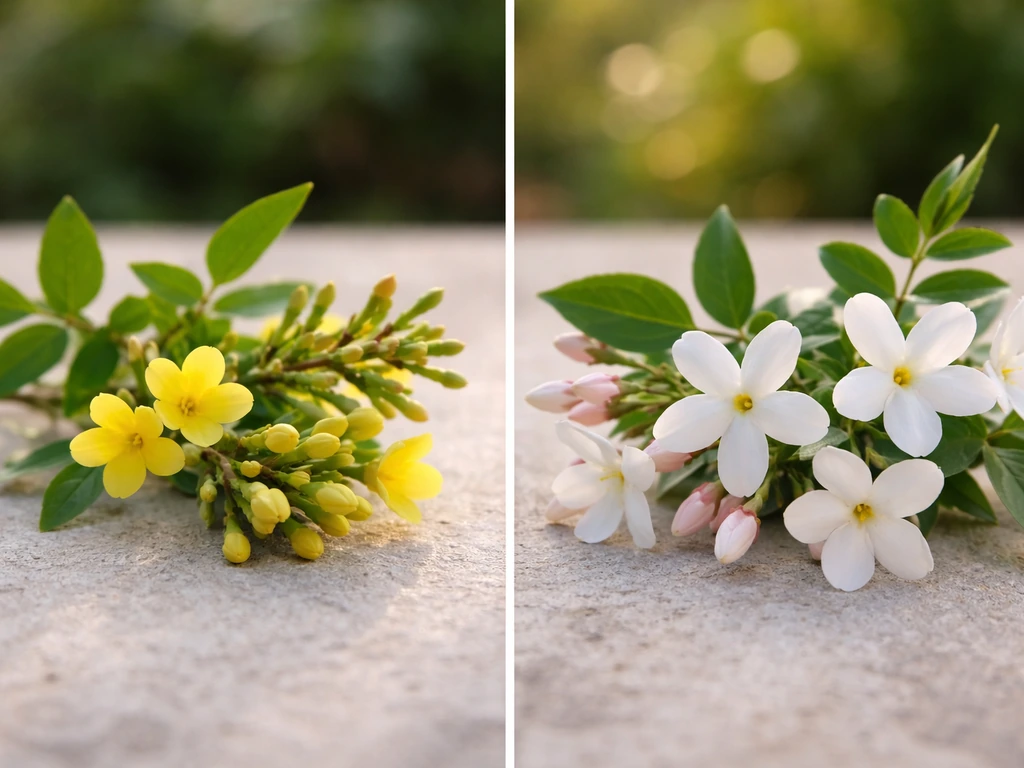
Winter jasmine (Jasminum nudiflorum) is the one to focus on if you want something in the ground that will reliably come back every year across most of New York. It blooms on bare stems in late winter or very early spring with bright yellow flowers, and it handles the cold that kills other jasmines without complaint. Common jasmine (Jasminum officinale) is also worth considering if you're in the warmer zones of the state and have a protected spot.
What New York's climate actually means for jasmine
New York spans a significant range of USDA hardiness zones. The zone system is based on the average annual extreme minimum winter temperature measured over 30 years, so it's the best tool available for predicting cold survival. Here's what that looks like across the state: Jasmine can grow in Illinois too, but your chances depend heavily on which type you choose and how cold your winters get does jasmine grow in illinois.
- Zone 4b–5a: Adirondacks and high-elevation areas. Winter lows can reach -20°F to -15°F. Only winter jasmine has any realistic shot outdoors here, and even then you'd want some protection.
- Zone 5b–6a: Much of upstate New York including Buffalo, Syracuse, and Albany areas. Winter lows around -10°F to -5°F. Winter jasmine is your best outdoor bet.
- Zone 6b: Hudson Valley, parts of western NY near the lake effect zone. Lows around -5°F to 0°F. Winter jasmine is reliable; common jasmine is worth trying with a sheltered location.
- Zone 7a–7b: New York City metro area, Long Island, Staten Island. Lows around 0°F to 10°F. Both winter jasmine and common jasmine work outdoors; even Jasminum floridum is possible in a protected spot.
One thing the zone map doesn't capture is how brutal the wind chill can be in exposed areas, or how a protected south-facing microclimate against a brick wall can effectively push your growing conditions a full zone warmer. Those microclimates matter enormously with jasmine. The USDA also notes that planting at the edge of a hardiness zone carries real risk because unusually cold winters do happen, so if you're in Zone 6 trying to grow a Zone 7 plant, you're gambling on the weather being average every year. That's rarely the case.
Summer conditions in New York are actually pretty favorable for jasmine. Warm, humid summers help most jasmine species push vigorous growth, which means more flowering potential and a stronger root system heading into winter. The challenge is always that first hard frost and what follows it through February.
How New Jersey compares
If you're gardening in New Jersey or comparing notes with someone who is, the news is a little better. Most of New Jersey sits in Zones 6a through 7b, and the southern tip pushes into Zone 7b. That means jasmine options open up more reliably across the state. Jasminum nudiflorum is specifically listed on New Jersey's Firewise plant list as a landscape-suitable species, which is a real-world endorsement that it performs in NJ conditions, not just in theory.
Common jasmine is more broadly viable across central and southern NJ than it is in most of New York. The key difference is that NY has a much larger cold interior, while NJ is smaller and benefits from more maritime influence from both the Atlantic coast and Delaware Bay. If you're in northern NJ near the NY border, your conditions closely mirror the Hudson Valley zone experience.
Move south toward Cape May and you're almost in Zone 7b territory, which is meaningfully milder. The practical takeaway: NJ gardeners have slightly more jasmine options available for outdoor planting, particularly with Jasminum officinale, than most New Yorkers outside the NYC metro.
Picking the right jasmine for your specific yard
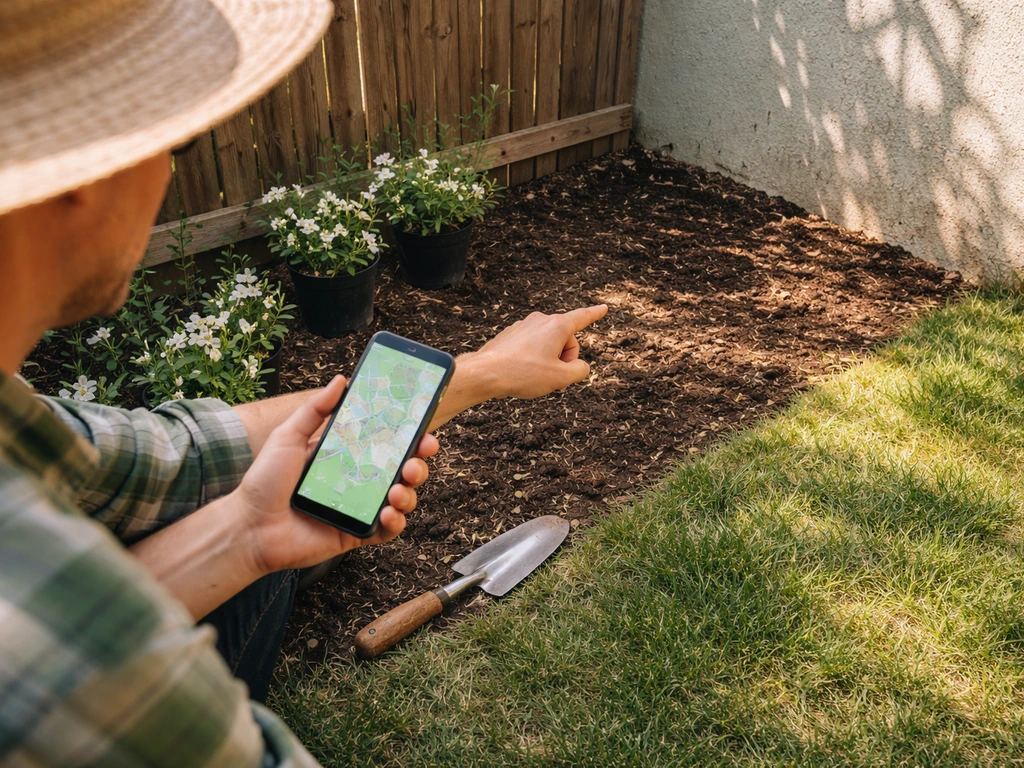
Before you buy a plant, do this first: look up your specific zip code on the USDA Plant Hardiness Zone Map (usda.gov) to confirm your zone. The same USDA zone check works for Indiana too, so you'll be able to see quickly whether your jasmine choice can survive your winters can you grow jasmine in indiana. Don't guess based on your general region. A few miles of elevation or proximity to a large body of water can shift your zone by a half step.
Once you know your zone, think about placement. Jasmine in New York does best with:
- Full sun to partial shade: Winter jasmine tolerates partial shade better than most; common jasmine wants at least 6 hours of direct sun for good flowering.
- A sheltered location: A south or southeast-facing wall is ideal. The wall absorbs heat during the day and radiates it at night, buffering against the worst cold snaps. This is the single most effective thing you can do to push a borderline-hardy jasmine through a NY winter.
- Well-drained soil: Jasmine roots sitting in waterlogged soil through a freeze-thaw cycle is a death sentence. If your soil stays wet, either amend it heavily or plant in a raised bed or container.
- Protection from wind: Cold desiccating wind does as much damage as the temperature itself. A fence, hedge, or building on the north or northwest side of the planting helps significantly.
Container growing as a practical workaround
If you love the fragrant types like Jasminum polyanthum or sambac but live in a colder part of NY, containers are genuinely a good solution. Oregon State University lists Jasminum polyanthum, also called pink jasmine, as hardy to USDA Zone 8. Grow them on a sunny patio from late spring through early fall, then bring them into a bright indoor space before the first frost. A sunny south-facing window or a heated garage with grow lights works. They won't bloom as prolifically indoors, but they'll survive and come back outside the following spring. This approach is common among NY gardeners who want the fragrance of tropical jasmine without pretending it's a Zone 7 plant.
Basic care that actually matters in NY
The site's focus is on whether jasmine will grow here, not on detailed cultivation, but a few care points are directly tied to winter survival and are worth knowing before you commit.
Winter protection
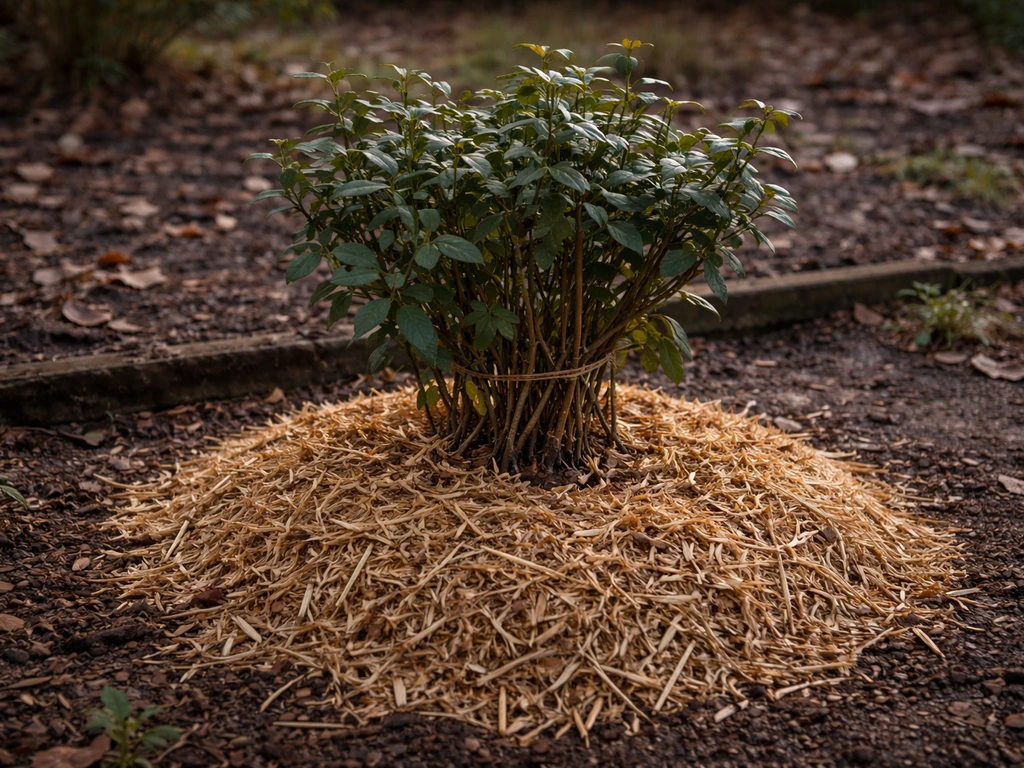
For ground-planted jasmine in Zone 6 and colder, mulch heavily around the root zone in late fall with 3 to 4 inches of wood chip mulch or straw. This insulates the roots even when the top growth gets damaged by cold. Winter jasmine is tough enough that it usually doesn't need much more than this. For common jasmine at the edge of its range, you can wrap the stems loosely with burlap or frost cloth in December and remove it in March. Avoid plastic covers, which trap moisture and cause rot.
Pruning
Winter jasmine blooms on the previous year's growth, so prune it right after it flowers in late winter or early spring. Pruning too late means cutting off next year's blooms. Common jasmine blooms on new growth, so you have more flexibility with timing and can prune in early spring before new growth starts. In colder NY zones, wait until after the last frost date to prune, since winter-killed tips need to be cut back to healthy wood anyway.
Watering
Jasmine needs consistent moisture during the growing season but doesn't like standing water. In New York's generally humid summers you may not need to water much at all during rainy stretches. The more important watering window is the fall: make sure plants go into winter well-hydrated but not waterlogged. A dry plant heading into a freeze is much more vulnerable to cold damage than a well-hydrated one.
How to confirm fit and buy confidently
Here's a practical process you can run through before spending money on a plant:
- Look up your zip code on the USDA Plant Hardiness Zone Map to confirm your specific zone, not just your general region.
- Match the zone to the jasmine species using the table above. If the species hardiness zone includes your zone with a buffer, it's a strong candidate for ground planting.
- Walk your yard and identify your most sheltered spots: south-facing walls, fence lines protected from north winds, spots that stay noticeably warmer in late fall. Those are your jasmine locations.
- If your zone is borderline for a species, ask at a local nursery or your county's Cooperative Extension office whether that species has performed reliably for other local gardeners. NY has Cornell Cooperative Extension offices in most counties, and they track exactly this kind of regional performance data.
- If you're in Zone 5 or colder, default to winter jasmine for outdoor planting and choose containers for any fragrant tropical jasmine you want for the patio.
- Buy from a local nursery rather than an online retailer if you can. Local stock is usually already acclimated to your regional conditions, and the staff can confirm what actually overwinters in your specific area.
The same decision framework applies whether you're in New York or comparing notes with gardeners in neighboring states facing similar cold winters. The core logic is the same: match the species hardiness zone to your actual zone, use your microclimate strategically, and don't assume one jasmine is like another just because they share a name.
FAQ
Can I grow tropical jasmine in New York if I keep it in a pot year-round?
Yes, but “year-round pot” only works if it stays warm enough indoors during winter and gets enough light to keep growth steady. For typical New York winters, plan to move it indoors before your first frost into a bright spot (often a sunny south-facing window). If your indoor light is weak, use a grow light for reliable survival and expect less flowering than outdoors.
What if my New York hardiness zone is borderline for the jasmine I want to buy?
Treat “borderline” as a risk level, not a yes or no. If you are trying to push a Zone 7 plant in a Zone 6 location, increase protection beyond mulch, use a sheltered planting spot (near a wall, away from prevailing wind), and consider a container strategy so you can relocate during the coldest spells.
Does winter jasmine (Jasminum nudiflorum) need winter cover in colder parts of New York?
Usually it is the most forgiving option, and heavy mulching is often enough. The exception is very exposed sites where wind dries stems and freezes tissue, in which case you can add light protection over the crown area while still avoiding plastic that traps moisture.
How do I know whether my jasmine died or is just dormant after winter?
Check for living tissue before removing everything. In spring, scratch-test small twigs for green under the surface, then look for new shoots near the base or along older stems. If growth only appears from lower nodes, cut back to healthy wood once frost risk passes, rather than pruning everything at the first sight of damage.
Can jasmine grow in New York without full sun?
Some jasmine will tolerate partial shade, but winter survival and flowering both improve with more sun. If you are in a cooler zone, prioritize at least several hours of direct sun, and use a warmer microclimate such as a south- or west-facing wall to offset cold and wind.
Is it safe to wrap common jasmine with plastic or a clear tarp during winter?
Avoid it. Plastic or airtight covers tend to trap moisture, increase rot risk, and can overheat during mild winter days. If you need additional protection, use breathable material like frost cloth or burlap, and keep it dry and loose enough for airflow.
When should I prune jasmine in New York if I am not sure which type I have?
Identify the species first if possible, because pruning timing determines whether you cut off next season’s buds. If you cannot confirm, a safer approach is to wait until you see whether the plant is leafing out from old stems versus producing new shoots from the base, then prune based on what is alive and actively growing.
How much mulch should I use for outdoor jasmine in Zone 6 and colder in New York?
Use enough to insulate the root zone, typically 3 to 4 inches of wood chips or straw applied in late fall. Keep mulch slightly away from direct contact with stems if you notice rot issues in your garden, and remove or thin it gradually in spring to prevent trapping excess moisture.
Do I need to water jasmine in New York during winter?
In most cases, you should not regularly water during frozen ground. The key is fall readiness: water so the soil is evenly moist before hard freezes, then let winter conditions take over. If you get an unusual midwinter thaw with dry, windy weather, you can provide a light soak only if the soil is not frozen.
Can I grow jasmine in New York in shade near a tree or large shrub?
It is usually difficult because tree roots compete for water and the area stays cooler and drier in winter. If you try it, choose a placement with sun, keep irrigation consistent during the growing season, and watch closely for weak growth. For best odds, plant jasmine where it can establish without direct root competition.