
Yes, you can grow jasmine in Indiana, but the answer really depends on which jasmine you're talking about. Winter jasmine (Jasminum nudiflorum) is the one type that survives Indiana winters reliably in the ground without any fuss. Common jasmine (Jasminum officinale) can work in the warmer southern corner of the state and with some protection elsewhere. Star jasmine and Arabian jasmine, the two types most commonly sold at big-box garden centers, are not reliably cold-hardy in Indiana and will die to the ground or outright freeze in a typical Indiana winter unless you grow them in containers and bring them inside.
Can You Grow Jasmine in Indiana? Types, Hardiness, Tips

Marcus Hartwell
9 Jun 2026
Which jasmine are you actually buying?
This is the most important question to answer before you spend a dime. The word 'jasmine' gets slapped on several totally different plants, and their cold tolerance ranges from 'thrives in Zone 6 Indiana winters' to 'dies at the first frost.' Here are the four you'll most commonly encounter:
| Common Name | Botanical Name | USDA Hardiness Zones | Indiana Realistic Use |
|---|---|---|---|
| Winter Jasmine | Jasminum nudiflorum | Zone 6+ | Reliable outdoor perennial across most of Indiana |
| Common / Poet's Jasmine | Jasminum officinale | Zone 7–10 | Marginal in far southern Indiana; container plant elsewhere |
| Star Jasmine (Confederate Jasmine) | Trachelospermum jasminoides | Zone 8–10 | Not outdoor-hardy in Indiana; container or houseplant only |
| Arabian Jasmine | Jasminum sambac | Zone 9–11 | Tropical houseplant; bring indoors before frost every year |
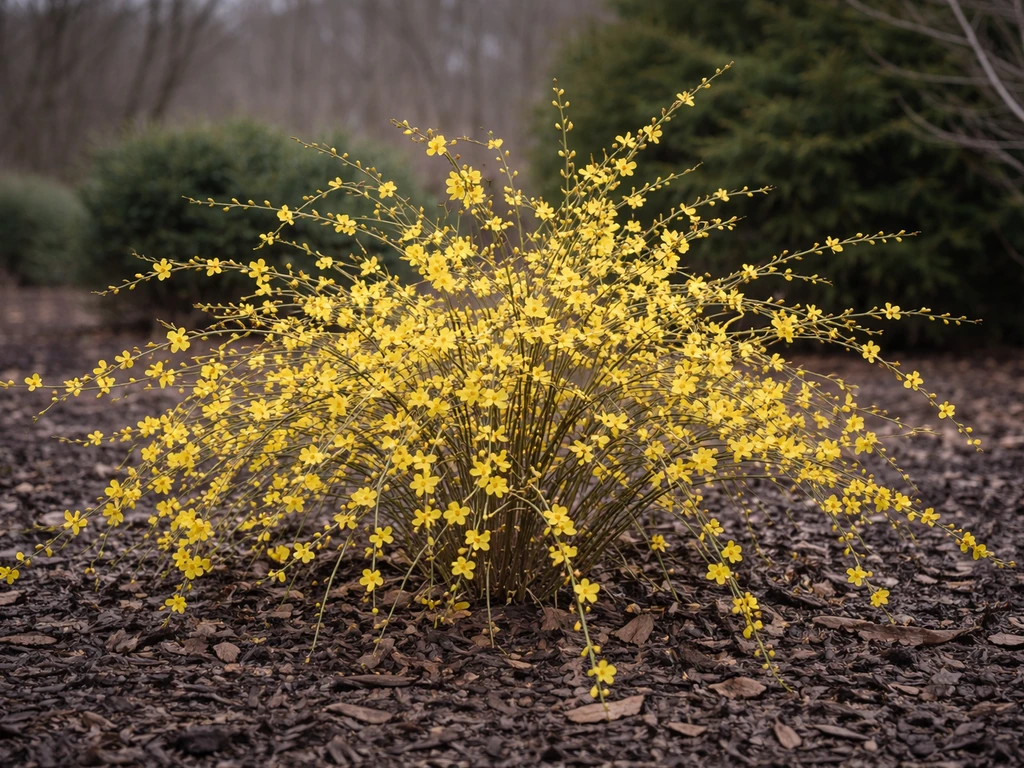
Winter jasmine is the scrappy one with yellow flowers that blooms in late winter before its leaves even appear. True common jasmine has the classic white, intensely fragrant flowers most people picture when they think of jasmine. Star jasmine (also called Confederate jasmine) is what you'll find trailing over fences and pergolas in Georgia or the Carolinas, and it's beautiful but completely wrong for Indiana winters. Arabian jasmine is the one used to scent jasmine tea, sold as a tropical houseplant with gorgeous fragrant blooms.
Indiana's climate in plain terms
Indiana spans USDA Hardiness Zones 5b in the far north (think South Bend, Gary) up through Zones 6a and 6b across the central and southern parts of the state, with the southernmost counties around Evansville touching Zone 7a after the 2023 USDA map update. USDA’s ARS hardiness-zone portal maintains the official, interactive USDA Plant Hardiness Zone Map and associated downloads blank" rel="noopener noreferrer">2023 USDA map update. Purdue Extension noted that the 2023 revision bumped some Indiana locations slightly warmer compared to older maps, which is useful context if you're working from an outdated reference. In practical terms, that means most of Indiana sees winter low temperatures between -10°F and 0°F in the north and 0°F to 10°F in the south. That temperature range is the dealbreaker for most jasmine species. If you want jasmine specifically for cold climates, winter jasmine is usually the safest bet because it is cold-hardy to most of Indiana.
On top of the cold winters, Indiana summers bring humidity and heat, which actually suits jasmine reasonably well once you get past the survival question. The issue is almost always winter cold, not summer conditions. If a jasmine variety can make it through January in Indiana, it will generally thrive during the growing season.
What grows outdoors in Indiana vs. what needs help
The outdoor-capable choice: winter jasmine
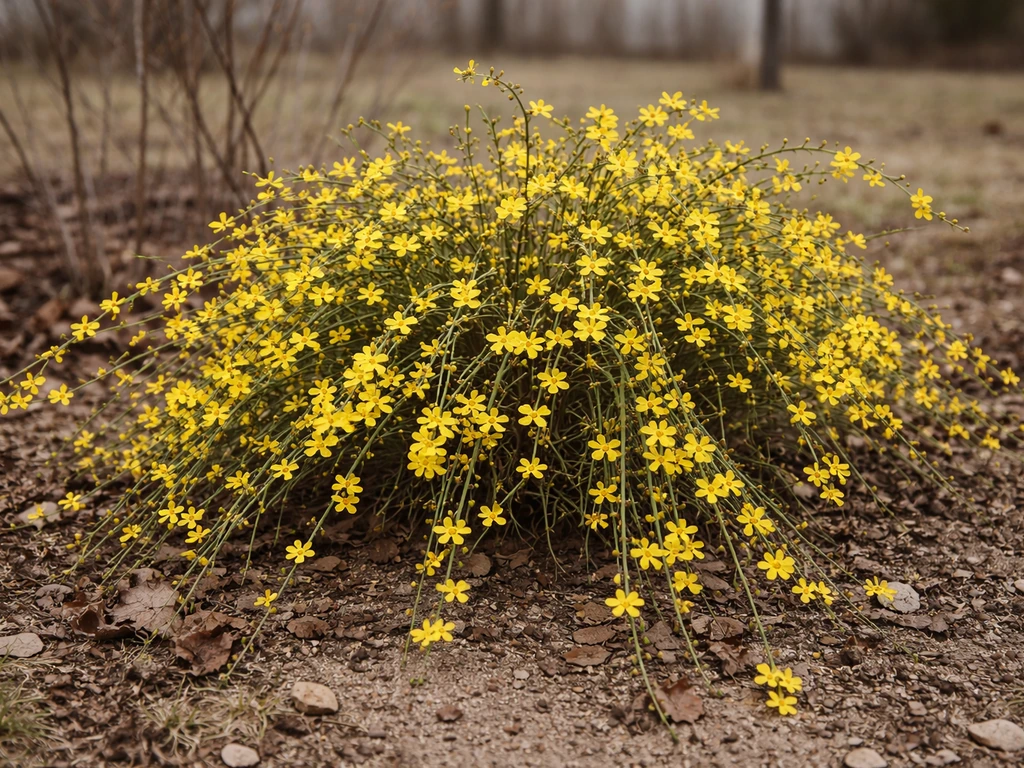
Winter jasmine (Jasminum nudiflorum) is rated to Zone 6, which means it handles the vast majority of Indiana without any special winter protection. It's a sprawling, arching shrub rather than a true twining vine, so it works best cascading over a retaining wall, draping down a bank, or trained loosely against a fence. The yellow flowers are cheerful and appear in late winter or very early spring, sometimes as early as February during a warm spell. It's not fragrant, which surprises people who buy it expecting the classic jasmine scent, but it's genuinely tough and rewarding. In northern Indiana (Zone 5b), give it a sheltered microclimate and it should still make it through most winters.
The marginal outdoor choice: common jasmine
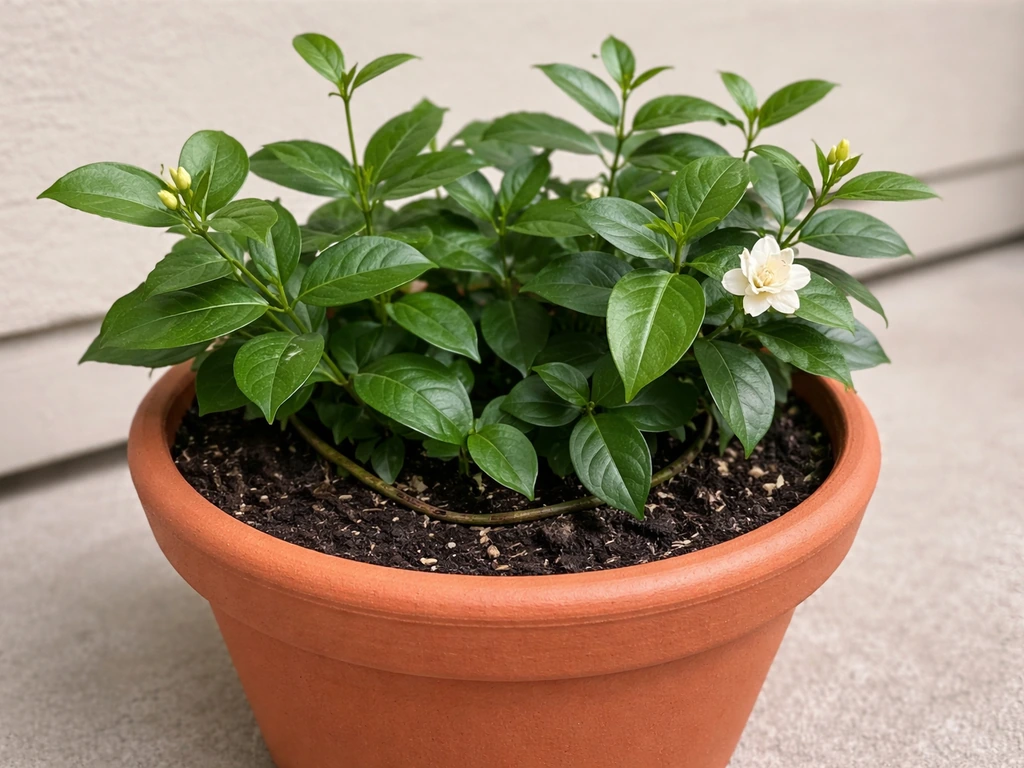
Common jasmine (Jasminum officinale) is rated Zone 7–10, which technically puts almost all of Indiana outside its comfort zone. Yes, jasmine can grow in New York, but which type you choose matters because winter cold varies a lot by region Common jasmine (Jasminum officinale) is rated Zone 7–10. However, the far southern counties around Evansville and the Ohio River valley are now touching Zone 7a on the updated map, so if you're in that area and you choose a protected planting spot, you have a reasonable shot at overwintering it in the ground. NC State Extension specifically notes that common jasmine is not reliably cold-tolerant beyond Zone 7, but it can be grown in a container and overwintered indoors, which is the smarter strategy for most Indiana gardeners. Expect dieback to the roots in a hard winter even in the warmest parts of the state.
Container or indoor only: star jasmine and Arabian jasmine
Star jasmine (Trachelospermum jasminoides) is rated Zone 8–10. It does not survive Indiana winters in the ground, full stop. If you've fallen for its glossy leaves and sweetly fragrant white flowers, grow it in a large container, enjoy it on your porch or patio from May through September, and bring it in before the first frost. Same goes for Arabian jasmine (Jasminum sambac), which is a Zone 9–11 tropical. It's a popular fragrant houseplant and does perfectly well in a bright indoor window all year, or outside during warm Indiana summers.
Best spots to plant jasmine in Indiana
Site selection can meaningfully extend what you're able to grow, especially if you're pushing the limits with common jasmine in Zone 6. The key principle is to find warm microclimates that buffer against the worst winter cold.
- South or west-facing walls: Brick or stone walls facing south or southwest absorb heat during the day and radiate it back at night, raising the effective temperature in that zone by several degrees. This is where to plant common jasmine in southern Indiana if you're trying it in the ground.
- Urban heat pockets: Indianapolis, Fort Wayne, and other city centers run a few degrees warmer than surrounding rural areas thanks to the urban heat island effect. Gardeners in urban neighborhoods have a slight advantage.
- Sheltered corners: Any spot protected from prevailing northwest winds by a fence, building, or dense evergreen hedge will stay meaningfully warmer in winter. Wind chill accelerates cold damage on marginally hardy plants.
- Well-drained soil: Jasmine roots sitting in soggy soil are far more prone to winter rot and cold damage. Raised beds or slopes with good drainage give you a real advantage.
- Full sun: All jasmine types want at least 6 hours of direct sun to bloom well. Shade reduces flowering and weakens the plant, making it less resilient going into winter.
Getting jasmine through an Indiana winter
Protecting in-ground plants
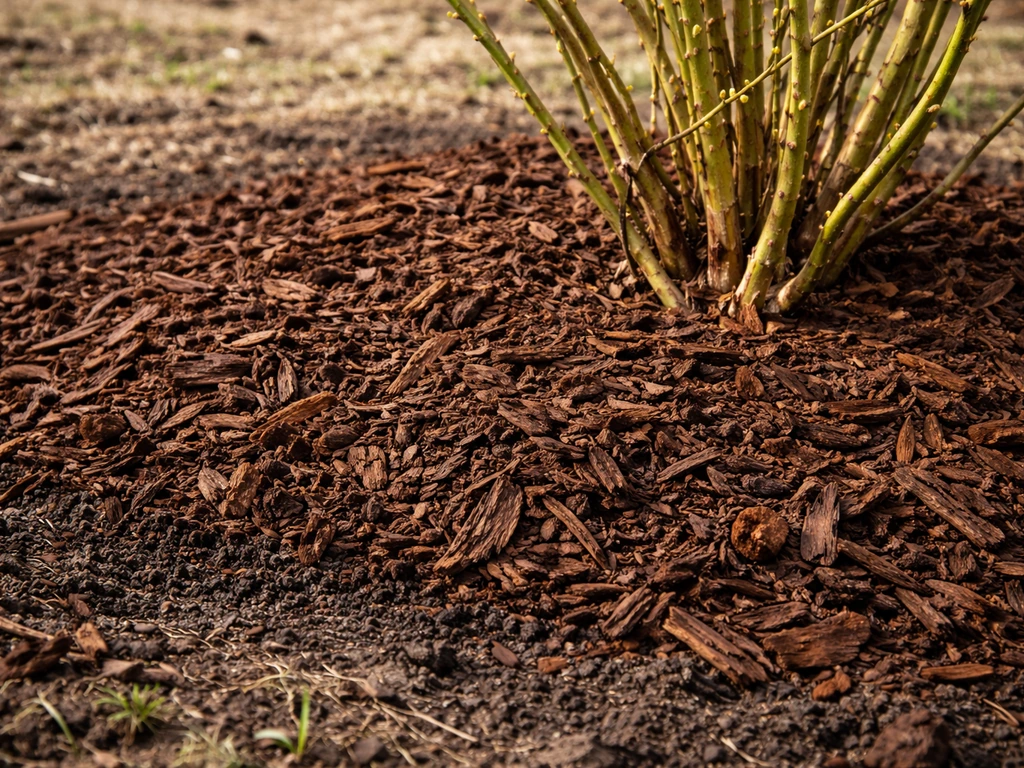
For winter jasmine planted in the ground, you honestly don't need to do much in most of Indiana. A 2 to 3 inch layer of mulch over the root zone is sufficient. If you're growing common jasmine in the ground in the warmest parts of the state, pile on 4 to 6 inches of straw or shredded leaves after a hard frost in November, and consider wrapping the stems loosely in burlap if a brutally cold winter is forecast. Don't wrap in plastic, which traps moisture and causes rot.
Managing container plants through winter
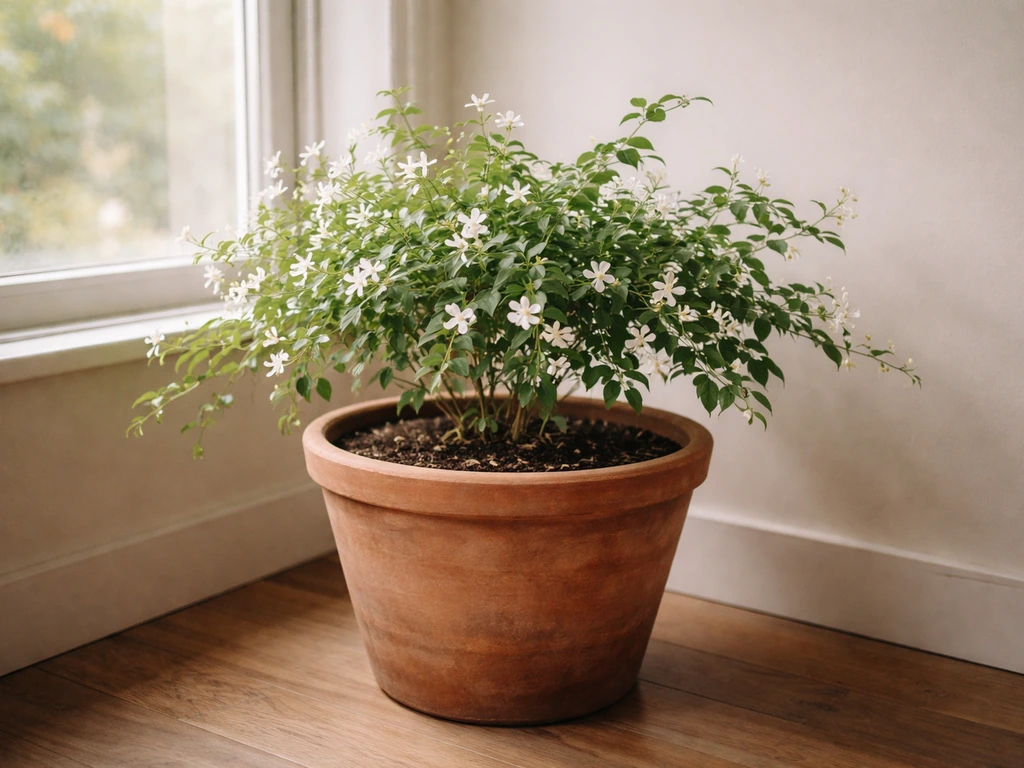
If you're growing star jasmine, common jasmine, or Arabian jasmine in containers (which is the right call for most Indiana gardeners), bring them inside before nighttime temperatures drop below 40°F consistently, usually by early to mid October. A cool, bright room works best for dormancy. You don't need a grow light if the plant is allowed to go somewhat dormant, but a south-facing window helps. Water sparingly over winter, just enough to keep the soil from completely drying out. Reduce fertilizer to nothing from November through February, then resume feeding in March as you see new growth. Move containers back outside gradually in spring after your last frost date, which is mid-April in the south and early May in northern Indiana.
Will it actually bloom in Indiana?
Winter jasmine blooms reliably in Indiana, typically in February through March depending on the year and your location. It needs the cold winter chill to trigger flowering, so Indiana's winters are actually an asset here. Common jasmine will bloom in summer if it's established and getting enough sun, typically June through August. The fragrance is excellent and worth the effort if you can keep it alive. Star jasmine and Arabian jasmine bloom well outdoors during Indiana summers when kept in containers in full sun, and Arabian jasmine continues to flower indoors if you give it a very bright, warm spot.
If your jasmine isn't blooming, the usual culprits are too much shade, too much nitrogen fertilizer (which pushes leafy growth at the expense of flowers), or for container plants, not enough warmth during the growing season. Make sure the plant gets six or more hours of direct sun. For common jasmine that survived winter but won't flower, give it the entire following growing season to establish before worrying, since transplant stress commonly delays first blooms by a year.
Indiana's situation is similar to neighboring states. Gardeners in Illinois face nearly identical zone conditions and the same jasmine feasibility calculus. Gardeners in Illinois can use the same general approach, choosing the right jasmine type and protecting it as needed for colder winter lows. The challenges are comparable to growing jasmine in Iowa to the west, though Iowa's winters tend to run even colder. If you're familiar with what works in those states, the guidance transfers almost directly to Indiana.
Your action checklist: what to buy and how to start right now
It's June, which is actually a great time to get started with jasmine in Indiana. Plants put in the ground now have the full growing season to establish roots before winter arrives.
- Look up your specific Indiana zip code on the USDA Plant Hardiness Zone Map (2023 edition) to confirm your zone before buying anything.
- If you want a guaranteed outdoor perennial: buy winter jasmine (Jasminum nudiflorum). Find it at local nurseries or order online. Plant it in a sunny spot with good drainage now and mulch in late fall.
- If you want fragrant white flowers outdoors: buy common jasmine (Jasminum officinale) in a container. In southern Indiana (Zone 7a), try it against a south-facing wall. Everywhere else, plan to bring the container indoors in October.
- If you want star jasmine's look and scent: buy it in a 3-gallon or larger container, place it in full sun on your porch or patio for the summer, and commit to bringing it inside before the first frost. Make sure you have a bright indoor space ready.
- For Arabian jasmine as a houseplant: buy it now and enjoy it on the patio all summer. It will bloom beautifully in the heat. Bring indoors before temperatures drop below 50°F.
- Amend your planting soil with compost for in-ground plants, and ensure containers have drainage holes to prevent root rot.
- Set a phone reminder for early October to bring tender jasmines indoors. Missing that window is the number one reason Indiana gardeners lose their container jasmine every fall.
- Wait until after your last frost to move outdoor containers back outside in spring (mid-April in the south, early May in the north).
FAQ
Can you grow common jasmine in Indiana if you live in Zone 6?
It’s possible only as a risk-managed project. In Zone 6, plan for winter dieback, choose the warmest site you can (south-facing wall, wind-sheltered), and use extra protection plus a container plan as a backup. Many gardeners do better growing it in a pot so you can overwinter indoors when temperatures start dropping.
What’s the best jasmine type for someone in northern Indiana (Zone 5b)?
Winter jasmine is the safest match because it’s the one reliably hardy across most of Indiana. If you really want white, fragrant jasmine flowers, plan on keeping star or Arabian jasmine in containers and treating them as seasonal or indoor plants.
How should I protect jasmine in Indiana without causing rot?
Use mulch, not plastic wrapping. For winter jasmine, a 2 to 3 inch mulch layer over the root zone is enough. For borderline in-ground plantings, use straw or shredded leaves after a hard frost. If you wrap stems with burlap, remove or loosen it during mild spells to prevent trapped moisture.
Do I need to bring container jasmine inside during Indiana winters?
Yes, for any jasmine that is not winter jasmine. Bring containers in before nighttime temperatures stay below about 40°F, typically early to mid October. Keep the plant in a bright, cool room and water lightly so the soil doesn’t fully dry out.
What kind of indoor conditions help Arabian and star jasmine overwinter?
A cool, bright location works best, even if the plant slows down or partially drops leaves. Keep fertilizer off during winter, then resume feeding once new growth begins in spring. A south-facing window generally provides enough light for continued health.
When is the best time to plant jasmine in Indiana?
If you can choose, spring is easiest for establishing roots before winter. Mid to late spring is ideal, but starting in June can also work since you get the full growing season. Avoid late fall planting for anything other than winter jasmine.
My jasmine survived but didn’t bloom. What should I check first?
Start with sun. Most jasmine needs at least six hours of direct sun to flower. Next check nitrogen, too much fertilizer can increase leaf growth and reduce blooms. For plants that were stressed or newly transplanted, give it an extra full growing season because first flowering can be delayed.
Why does my jasmine die back to the ground even though it’s alive?
That’s common with common jasmine in colder Indiana zones, and it can also happen during especially hard winters. The plant may regrow from the roots if they weren’t killed. In that case, focus on microclimates (warm, sheltered spots) and consider upgrading to container overwintering for better control.
Can I grow jasmine in Indiana from cuttings or should I buy plants?
Buying established plants is usually more reliable for flowering because jasmine can take time to mature. If you propagate, do it early in the growing season so new growth has time to harden before winter. For borderline types, propagation is safer if you can move containers indoors later.
Is there a workaround if I want fragrant jasmine but don’t want to overwinter indoors?
Winter jasmine won’t be fragrant, but it will bloom reliably. If fragrance is non-negotiable, star or Arabian jasmine in containers are the practical route, because in-ground survival is the limitation. Many people compromise by enjoying winter jasmine outdoors and keeping fragrant jasmine for patio-to-indoor seasonal cycles.