
Bougainvillea can grow in Utah, but not the way it does in Arizona or Southern California. In general, Chicago’s winters make it very difficult to keep bougainvillea alive outdoors year-round can bougainvillea grow in chicago. In North Carolina, it is usually grown in containers or protected microclimates because winters can be too cold for reliable in-ground survival can bougainvillea grow in north carolina.
Can Bougainvillea Grow in Utah? Heat-Safe Growing Guide
Marcus Hartwell
24 May 2026
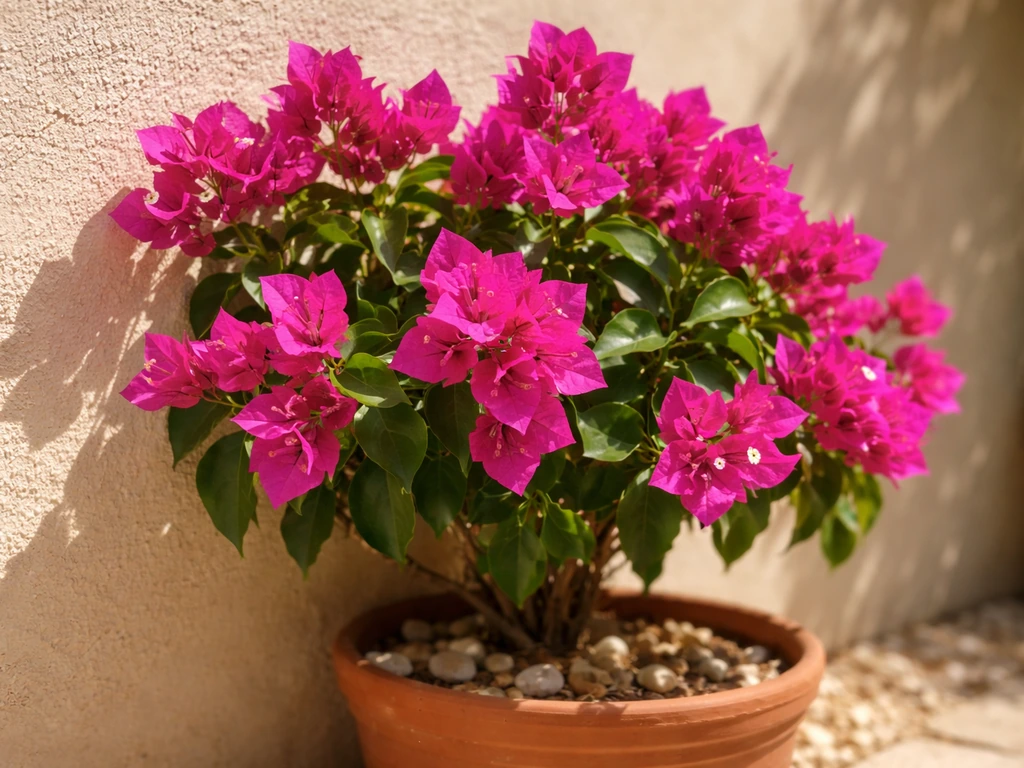
In most of the state, it is best treated as a seasonal container plant that spends summers outdoors and winters inside. If you are wondering can bougainvillea grow in New Mexico, the answer mainly depends on whether you can match its need for heat and avoid hard freezes. True in-ground success outdoors year-round is only realistic in the warmest, lowest-elevation pockets of southern Utah, and even there you will need to protect it during cold snaps. In Ohio, you would need similarly extreme warmth and careful winter protection, which is difficult in most areas in the warmest, lowest-elevation pockets of southern Utah.
If you go in with that expectation, bougainvillea can absolutely reward you with those vivid bracts all summer long. Even though bougainvillea can be rewarding in warmer places, its frost sensitivity means you should think carefully about whether it can grow in Ohio and how you will overwinter it.
Utah's climate and why it challenges bougainvillea
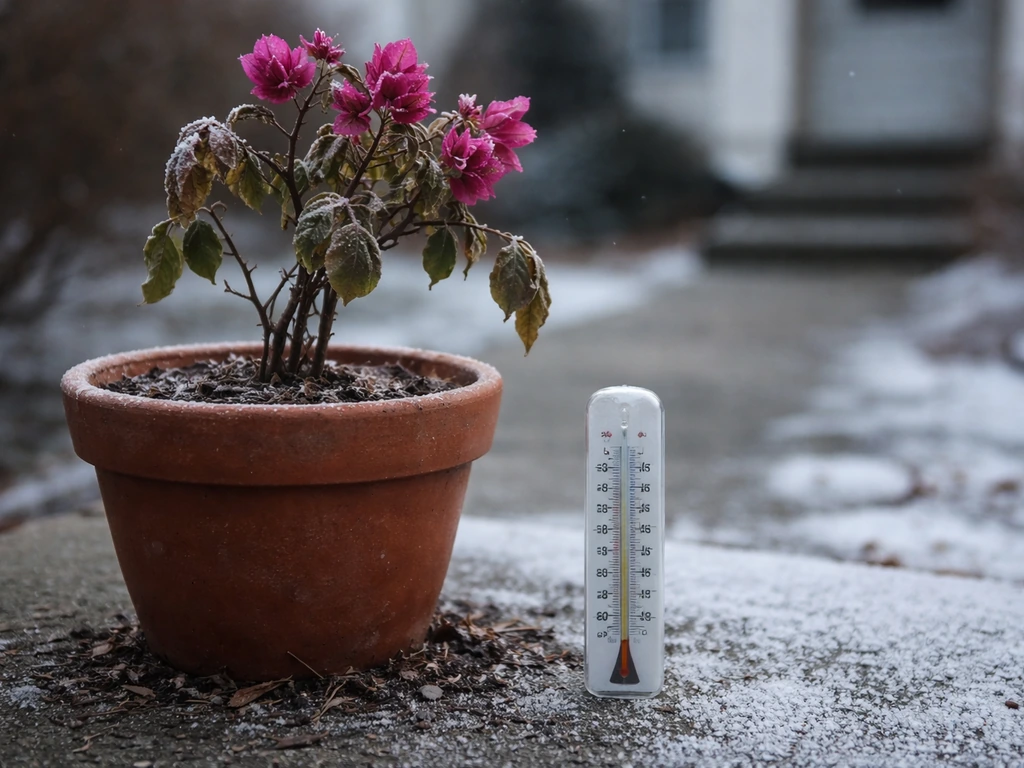
Bougainvillea is a heat-loving, frost-sensitive plant that is reliably hardy only in USDA Zones 9b through 11. Most of Utah sits in Zones 5 through 7, with the warmest corners of Washington County (St. George area) reaching Zone 8a or 8b. That gap matters a lot. Bougainvillea starts showing cold stress when temperatures approach 40°F and suffers real damage below 30°F. A hard or sustained freeze can kill it to the roots or outright.
Utah winters are the core problem. Salt Lake City's January lows average in the low 20s°F, and even mild years dip into the teens. The Wasatch Front also experiences temperature inversions, a phenomenon where cold air pools in the valley floor under a warmer lid above. That means low-lying garden spots can sit in a persistent cold-air bath for days at a time, even when forecast highs look reasonable. For a plant that can die back from a single night below 30°F, that is a serious risk.
Utah's elevation swings compound the issue. The state ranges from around 2,200 feet in the St. George area to well above 6,000 feet in communities like Cedar City or Park City. Higher elevation means earlier first frosts in fall, later last frosts in spring, and a much shorter frost-free window. The growing season that makes bougainvillea thrive simply does not exist at higher elevations.
Overwintering realities: what will actually happen each year
Let's be direct about what overwintering bougainvillea in Utah looks like, because this is where most Utah gardeners hit a wall. In containers, the practical move is to bring the plant indoors before your first frost date, which on the Wasatch Front typically falls in late October but can arrive earlier depending on your exact neighborhood. A cool garage can work if it stays above freezing, but bougainvillea will drop its leaves and go semi-dormant. Water it sparingly in that state, maybe every three to four weeks, and do not fertilize until spring.
If you want the plant to stay more active through winter, it needs a very bright indoor spot, ideally a south-facing window with maximum sun exposure. Without adequate light, it will sulk and drop foliage, which is fine for a dormant plant but frustrating if you were hoping for winter color. When you move it back outside in spring, acclimate it gradually over a week or two to prevent sunscald.
For in-ground plants, even in warmer Utah areas, the limiting factor is root survival. The vines can die back to the ground and sometimes recover if the roots stay alive, but a prolonged freeze below 28°F is often lethal to the root ball. If you do try an in-ground plant, heavily mulch the root zone before winter and consider wrapping the base with frost cloth. That said, plan on losses in colder years, and think of any in-ground bougainvillea as a high-risk experiment rather than a reliable landscape plant.
How your specific Utah location changes everything
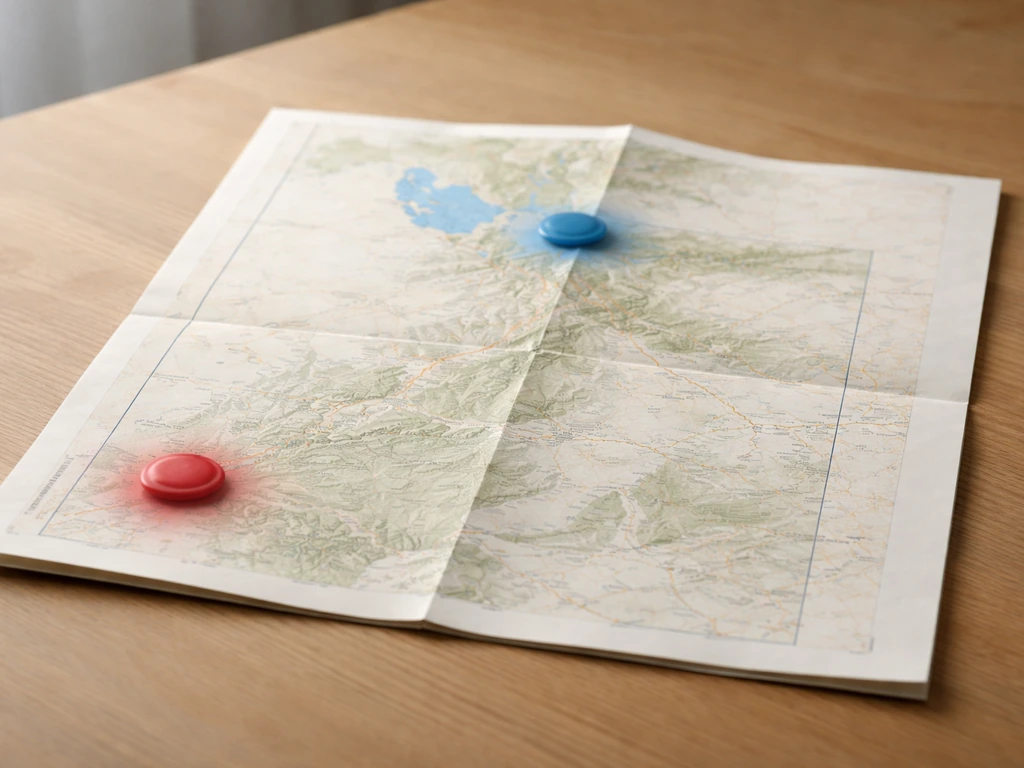
Utah is not one climate, and where you live in the state changes the feasibility picture considerably. Here is a practical breakdown by region:
| Utah Region | Typical USDA Zone | Frost-Free Season | Bougainvillea Feasibility |
|---|---|---|---|
| St. George / Washington County | 8a–8b | ~220+ days | Best odds in Utah; in-ground possible with protection |
| Moab / Grand County | 7a–7b | ~175–190 days | Container recommended; in-ground very risky |
| Salt Lake Valley (valley floor) | 6b–7a | ~150–170 days | Container only; inversions add cold-air risk |
| Provo / Utah Valley | 6b–7a | ~150–165 days | Container only |
| Cedar City area | 6a–6b | ~130–150 days | Container only; short season limits performance |
| Park City / higher elevations | 5a–6a | ~100–130 days | Not practical; growing season too short and cold |
Microclimates within any of these regions matter too. A south-facing wall in St. George that absorbs heat all day and radiates it at night can push your immediate planting zone a half-step warmer. That kind of spot is genuinely worth seeking out. Conversely, low-lying areas in any Utah valley, especially spots near drainage channels or open flat terrain, are more susceptible to cold-air pooling on still nights and will run colder than the official zone suggests.
Container vs. in-ground: which approach makes sense for you
For the vast majority of Utah gardeners, a container is the right call. It gives you total control: you can position the plant in your hottest, sunniest spot during summer and move it indoors the moment cold threatens. You are not gambling the whole plant on a single winter night. The trade-off is that containers require more attentive watering during summer heat, and you need to own the logistics of moving a potentially large, thorny plant.
Choose a container that is large enough to support vigorous growth (at least 12 to 16 inches in diameter to start, bigger is better as the plant matures) but that you can still physically handle. Use a fast-draining potting mix, ideally cut with 20 to 30 percent perlite or pumice, because bougainvillea hates sitting in wet soil. Utah's dry air and heat actually work in your favor here during summer, as the soil dries out between waterings rather than staying saturated.
In-ground planting is worth attempting only in St. George and similarly warm low-elevation pockets, and even there it is more of a calculated risk than a guarantee. If you try it, plant against a south or west-facing masonry wall, mulch heavily around the root zone every fall, and have frost cloth on hand. Accept that you may lose the plant in an unusually cold winter. Given that Utah occasionally gets hard cold snaps even in the warmest valleys, treat any in-ground bougainvillea as a bonus if it survives, not a cornerstone of your landscape.
What bougainvillea actually needs during Utah summers
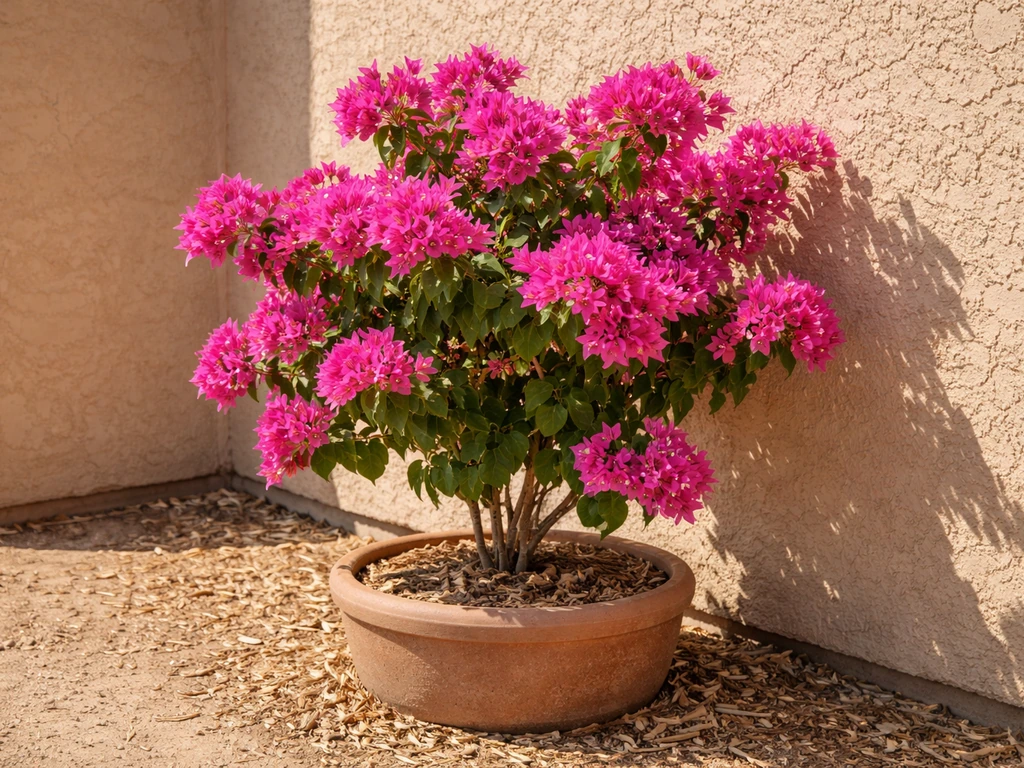
The good news: Utah summers are genuinely good for bougainvillea performance. The plant craves full sun (six or more hours minimum, eight or more is better), heat, and dry conditions between waterings. That describes most Utah summers perfectly. The hot, dry weather from June through September gives bougainvillea exactly the stress it needs to produce those vivid bracts. If you keep it too wet, it grows lush and green but does not bloom.
- Sun: Place in the hottest, sunniest spot you have. South or west-facing exposures against a wall are ideal.
- Watering: Water deeply, then let the soil dry out significantly before watering again. In peak summer heat, containers may need water every five to seven days. Do not let roots sit in standing water.
- Soil and drainage: Fast-draining mix is non-negotiable in containers. In-ground, amend heavy clay soils with coarse sand or grit.
- Fertilizer: Feed with a balanced or bloom-boosting fertilizer every two to four weeks during the growing season, but back off in late summer to discourage soft growth before the cold arrives.
- Wind protection: Utah's high desert wind can be brutal and desiccate foliage. A sheltered wall position helps during both summer and any marginal winter weather.
One thing to watch in Utah: if your bougainvillea is sitting in a container on a patio, the pot itself can overheat in intense summer sun and cook the roots. Light-colored containers or placing a pot sleeve around a dark pot helps keep root temperatures in a safer range during July and August.
How to test feasibility before spending money on a big plant
Before committing to an expensive or large specimen, do three things. First, look up your exact USDA hardiness zone and your local frost dates. NWS Salt Lake City’s Climate Book provides freeze timing resources, including earliest and latest freezes and counts of freezing days, based on local historical station data to help you run that feasibility test local frost dates. The USDA Plant Hardiness Zone Map is interactive and lets you zoom to your street. USU Extension also publishes frost date tables broken down by Wasatch Front stations and other Utah locations, so you can see exactly how many frost-free days you actually have in your part of the state.
Second, walk your property and identify your warmest microclimate. Look for spots with full southern exposure, heat-absorbing masonry or brick walls, and protection from north winds. These microclimates can meaningfully extend your effective growing season and reduce the risk of cold damage during shoulder months.
Third, start small and start in a container. Buy a one-gallon or two-gallon bougainvillea from a local nursery in late May or early June after your last frost date has passed. Place it in your identified microclimate and observe how it performs through one full Utah summer. This trial run tells you whether your chosen spot delivers enough heat and sun, and whether you can manage the winter logistics (indoor space, light, minimal watering) before you invest in a large specimen or attempt in-ground planting.
Your backup plan matters too. Decide before winter arrives exactly where the plant will go indoors. If you have a south-facing room or sunroom with bright light, that is your best option for keeping the plant semi-active. If all you have is a dim garage, it will survive dormant as long as the garage stays above freezing. Know which scenario applies to you before the first frost warning shows up in October, because scrambling to find indoor space while temperatures drop is how plants get lost.
If you find that managing a bougainvillea through Utah winters is more work than you want, you are not alone. Gardeners in similarly cold climates like Colorado face the same trade-offs, and the conclusion is often the same: the summer show is spectacular, but the annual overwintering commitment is real. If you are wondering can bougainvillea grow in Colorado, the key is whether you can keep it protected from frost or grow it as a container plant with winter indoor care. Some Utah gardeners treat bougainvillea as an annual, buying a fresh plant each May and discarding it in October, which removes the overwintering burden entirely. It costs more over time but simplifies the experience considerably.
FAQ
What’s the safest way to overwinter bougainvillea in Utah if I do not have a sunroom?
Use a bright indoor location if possible, but if you only have a dim area, plan for dormancy. Keep it above freezing, reduce watering to only when the mix is almost dry, and skip fertilizer until spring. Also expect leaf drop, that is normal for overwintering in low light.
Can bougainvillea survive Utah nights that briefly dip below freezing?
Brief dips below freezing are still risky, especially if they last several hours or repeat over multiple nights. The article notes damage below 30°F, so if you regularly see teens or low 20s, treat outdoor exposure as a loss risk and move containers under cover before a freeze.
How cold is “too cold” for the pot to be, even if the garage is slightly warmer?
What matters is the root ball temperature. A container sitting against a cold exterior wall or on a garage floor can cool much faster than the air. Elevate the pot (insulate under it), wrap the container to reduce direct cold contact, and check for cold spots after a freezing night.
Should I fertilize bougainvillea in winter while it’s indoors in Utah?
No. The plant needs no winter fertilizer because growth is limited. Start fertilizing again in spring only after you move it toward brighter conditions and it begins active growth, which reduces the chance of weak, light-starved growth.
What pot size should I use in Utah for best summer blooming?
Go larger than you think you need, at least 12 to 16 inches in diameter to start for a young plant, and bigger as it grows. A larger volume is more stable during Utah’s heat swings and gives the roots room to recover quickly after summer drying.
How often should I water bougainvillea during summer in Utah, and what’s the biggest mistake?
Water deeply, then wait until the mix dries significantly before watering again. The common mistake is keeping the mix constantly damp, which leads to lush growth but fewer blooms. Use a fast-draining mix and ensure the pot has good drainage holes.
Will bringing bougainvillea indoors cause it to bloom again in winter?
Usually no. In Utah, indoor conditions are typically not warm enough and may not provide enough light to trigger flowering. The best expectation is survival and reduced growth, then strong spring recovery and bloom from the next warm season.
How do I prevent sunscald when moving bougainvillea back outside in spring?
Acclimate over one to two weeks. Start with morning sun or partial shade, then gradually increase to full sun. This helps prevent leaf damage after indoor confinement, especially if your indoor spot was much dimmer than Utah outdoor sun.
Can I grow bougainvillea in-ground in Salt Lake City or higher elevations?
In-ground year-round survival is generally not reliable outside the warmest, lowest pockets of southern Utah. Even there, root survival is the limiting factor during hard freezes. If you are not in those warmest areas, containers plus indoor wintering are the practical approach.
What microclimate improvements help the most in Utah for a bougainvillea container?
Prioritize a south-facing wall or masonry that absorbs heat during the day and radiates it at night, and choose a spot sheltered from north winds. Also avoid low-lying areas where cold air pools, even if the USDA zone suggests it should be fine.
Are bougainvillea cuttings a better option than buying a full plant for Utah?
They can be a lower-cost trial, but they still need the same winter logistics. A small cutting in a container is easier to move indoors, so it can reduce overwintering risk while you confirm your summer performance and winter space constraints.