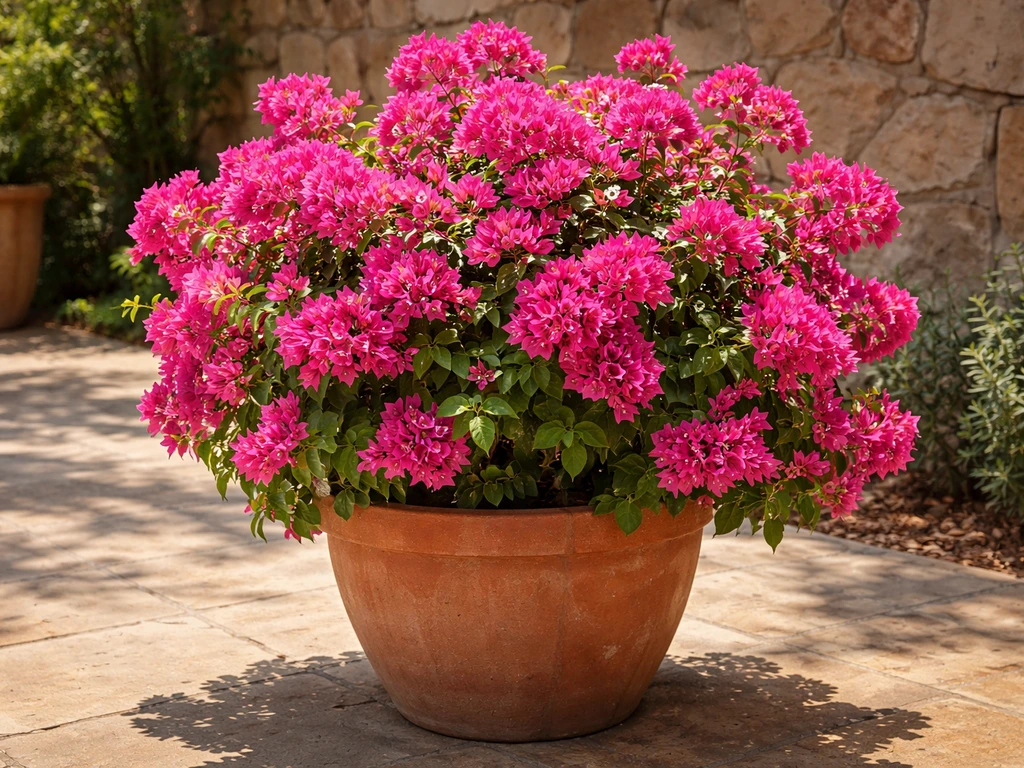
Even the warmest spots in the state, lower-elevation areas in the southwestern corners, barely nudge Zone 7. Bougainvillea simply cannot survive Colorado winters in the ground outdoors. What it can do is thrive as a container plant during your warm months, come back indoors before frost, and reward you with spectacular color every summer if you manage it right. That's the realistic path here.
Why cold and frost are the dealbreakers
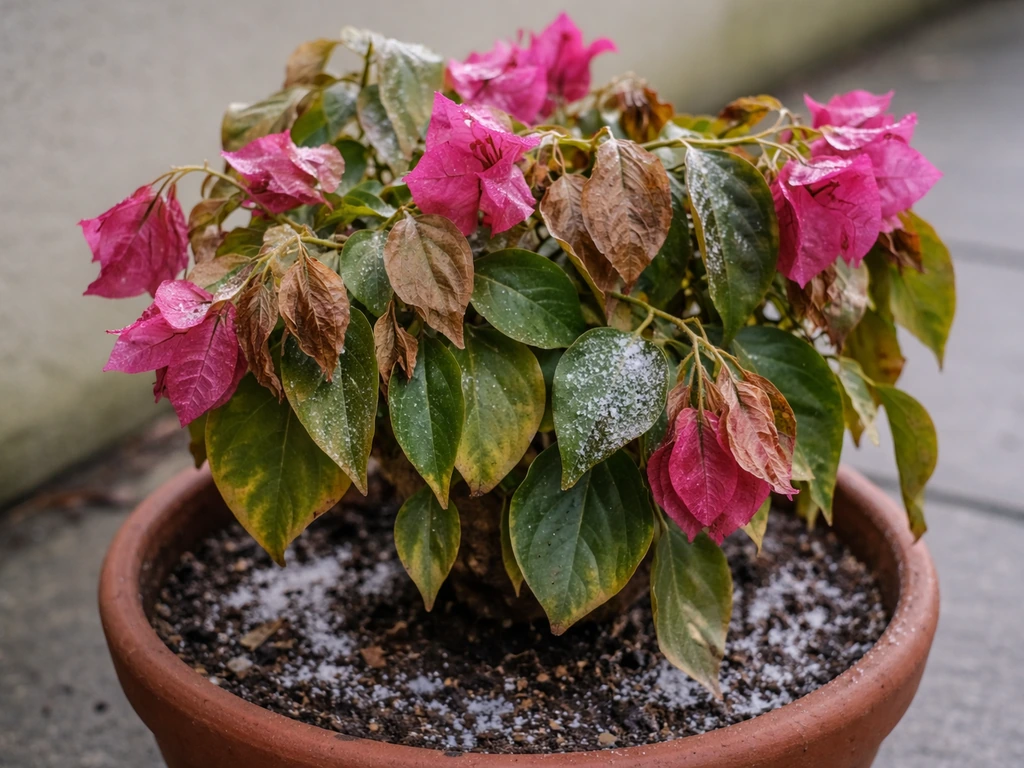
Bougainvillea's core weakness is cold. It won't tolerate freezing temperatures, and Colorado is defined by them. The USDA Plant Hardiness Zone system is built around average annual extreme minimum temperatures, and when you run Colorado's numbers, even the warmest corners of the Front Range regularly see single-digit and sub-zero Fahrenheit lows in a bad winter. Bougainvillea doesn't bounce back from that.
For the plant to flower well, it needs nighttime temperatures around 65°F and daytime highs between 75°F and 95°F. Colorado can deliver those daytime highs in July and August, but the nights cool off fast, especially at elevation. Even in Denver, summer nights regularly dip into the low 50s. That's not catastrophic, but it does slow flowering. Add to that the short frost-free window (Denver averages its last frost around mid-April and first fall frost in mid-October), and you're working with a tight window of roughly five to six months of usable warmth.
One common rule of thumb floating around gardening forums is that sustained freezing for even a few hours can kill bougainvillea tissue. While I'd treat that specific number cautiously compared to university extension data, the underlying point holds: prolonged exposure to freezing temperatures kills this plant. It's not a question of "if" in Colorado winters, it's a question of "how fast." Clemson extension puts it plainly too: bougainvillea thrives in Zone 10 and will survive Zone 9 only with protection. Colorado isn't either of those zones.
Zone-by-zone reality across Colorado
Colorado's geography is wildly varied, and that matters a lot when you're evaluating a frost-sensitive plant. Colorado State University Extension training materials confirm that most of the Front Range falls into Zone 5, with mountain areas dropping lower. Here's how that shakes out practically for bougainvillea growers:
| Colorado Region | Typical USDA Zone | Bougainvillea Feasibility | Best Approach |
|---|
| Denver / Front Range | Zone 5b–6a | Container only | Move indoors before first frost (mid-October) |
| Colorado Springs | Zone 5b–6a | Container only | Same as Denver; shorter summer window at elevation |
| Grand Junction area | Zone 6b–7a | Container only (warmest micro spots) | Best outdoor-season window in the state; still needs winter protection |
| Mountain communities (e.g., Aspen, Vail) | Zone 3–5a | Not practical | Too cold even for container overwintering outdoors |
| San Luis Valley | Zone 4–5a | Not practical outdoors | Cold nights even in summer limit flowering significantly |
| Southwest corner (Durango area) | Zone 5b–6a | Container only | Decent summer warmth but hard winters |
Grand Junction and the lower Western Slope get the most sun and warmest temperatures in the state, making them the best candidate zones for container bougainvillea. But even there, you're not planting it in the ground and walking away. The plant needs to come in before October. If you're in the mountains, I'd honestly steer you toward other plants entirely. The summer nights are just too cold for bougainvillea to flower reliably, and the logistics of overwintering a large plant in a small mountain cabin or condo aren't worth the headache.
How to actually grow bougainvillea in Colorado
Container growing is the right strategy
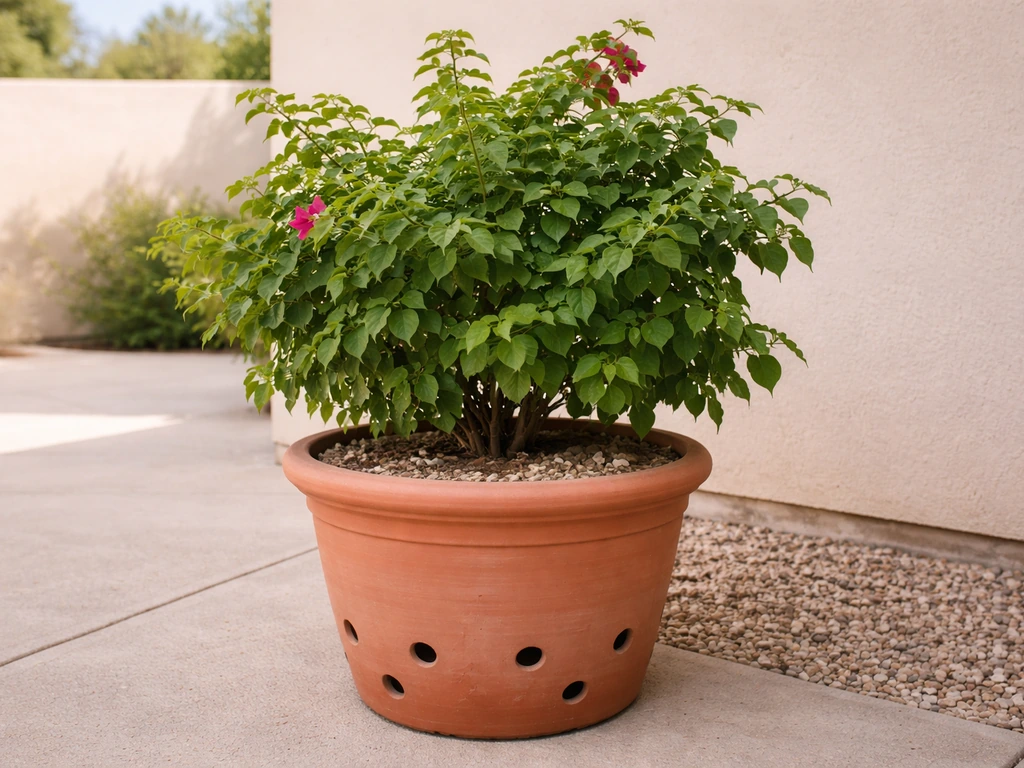
The only realistic approach for Colorado is growing bougainvillea in a large container that you can move. Plant it in a pot with excellent drainage (root rot from overwatering is a real risk), put it in your sunniest south- or west-facing outdoor spot after your last frost date, and let it bake through the summer. It needs at least full sun to bloom well, we're talking a minimum of around 4,000 foot-candles of light, which translates to a genuinely unshaded spot for most of the day. Colorado's intense high-altitude sun is actually an asset here.
Overwintering without killing it
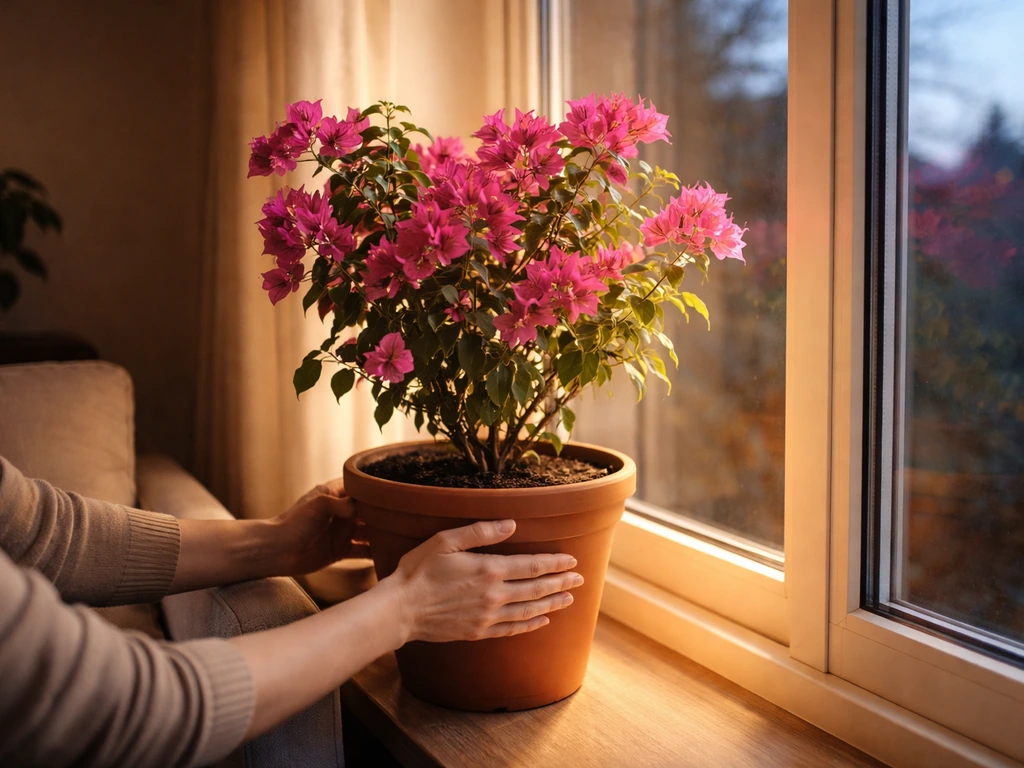
When nighttime temperatures start dipping toward 50°F in late September, start thinking about moving the plant in. Don't wait for the first frost warning. The goal for overwintering is dormancy storage, not keeping the plant actively growing indoors. Missouri Extension and the Old Farmer's Almanac both recommend the same approach: move it to a cool but non-freezing location, keep the soil barely moist, and let it go dormant. A cool garage, basement, or enclosed porch that stays above 35°F works well. You don't need to keep it in a sunny window all winter, that actually invites pests in the warm, dry conditions of a heated Colorado home.
One important caution: avoid repotting during this winter dormancy period. Disturbing the roots when the plant is stressed adds insult to injury. Keep it in the same container, water it sparingly (just enough to prevent the root ball from completely drying out), and resist the urge to fertilize. The plant needs rest, not encouragement.
Greenhouse and cold frame options
If you have a small greenhouse or a sunny, enclosed sunroom that holds above freezing, you can push the season a bit in both directions. Start bringing it out earlier in spring and extend it later into fall. An attached greenhouse that stays above 40°F overnight through winter is genuinely a game changer for Colorado bougainvillea growing. Just watch the moisture levels closely, cool, stagnant air and wet soil together invite root rot.
How to check your specific location and make the call today
Before buying a bougainvillea plant, do two quick checks. First, look up your USDA hardiness zone using the 2023 USDA Plant Hardiness Zone Map with your specific ZIP code. If you want to know whether can bougainvillea grow in north carolina, start by checking your local USDA hardiness zone and your area’s record low temperature. Don't go by your city name alone; microclimates in Colorado are dramatic.
A south-facing slope in Pueblo can be a full zone warmer than a north-facing neighborhood two miles away. Second, find out your area's average annual minimum temperature and, just as importantly, your absolute minimum on record. USU Extension's Colorado hardiness zone tables include both figures by county and weather station, and that absolute minimum number matters a lot for a frost-sensitive plant. If your area has ever hit 0°F, a bougainvillea planted in the ground won't survive.
Period.
It's also worth noting that planting zones have shifted slightly over recent decades due to warming minimum temperature trends, so if you're looking at older zone maps, the 2023 USDA update may show your location a half-zone warmer than you thought. That still doesn't change the fundamental math for bougainvillea in Colorado, but it's useful context when you're evaluating your site honestly.
Once you have your zone confirmed, the decision is straightforward. If you're in Zone 6 or lower and don't have a place to overwinter a large container plant indoors, bougainvillea probably isn't worth the investment. If you're in Grand Junction or a warm suburban Front Range microclimate and you have a garage or basement that stays above freezing, you have a real shot at making this work year after year.
What to realistically expect from bougainvillea in Colorado
Managed well, a container bougainvillea in Colorado can put on a genuinely impressive show from late June through September. The bracts (those colorful petal-like structures everyone loves) are triggered by warmth, strong light, and a slightly dry stress cycle. Colorado's sunny, low-humidity summers actually suit bougainvillea's preferences reasonably well during peak summer. Expect the most color in July and August when daytime highs are consistently above 80°F.
Don't expect the kind of sprawling, fence-covering, year-round display you'd see in Phoenix or San Diego. In Colorado, you're working with a potted plant that goes dormant in winter and needs time to wake up and re-establish each spring. Growth will be more compact, and you may lose some size each year depending on how hard you prune before bringing it in. That said, a well-managed plant can get quite large over multiple seasons. Many Colorado gardeners who have been doing this for years have bougainvilleas in 15 to 20 gallon containers that are genuinely beautiful. It just takes patience and consistency.
Common mistakes and how to fix them
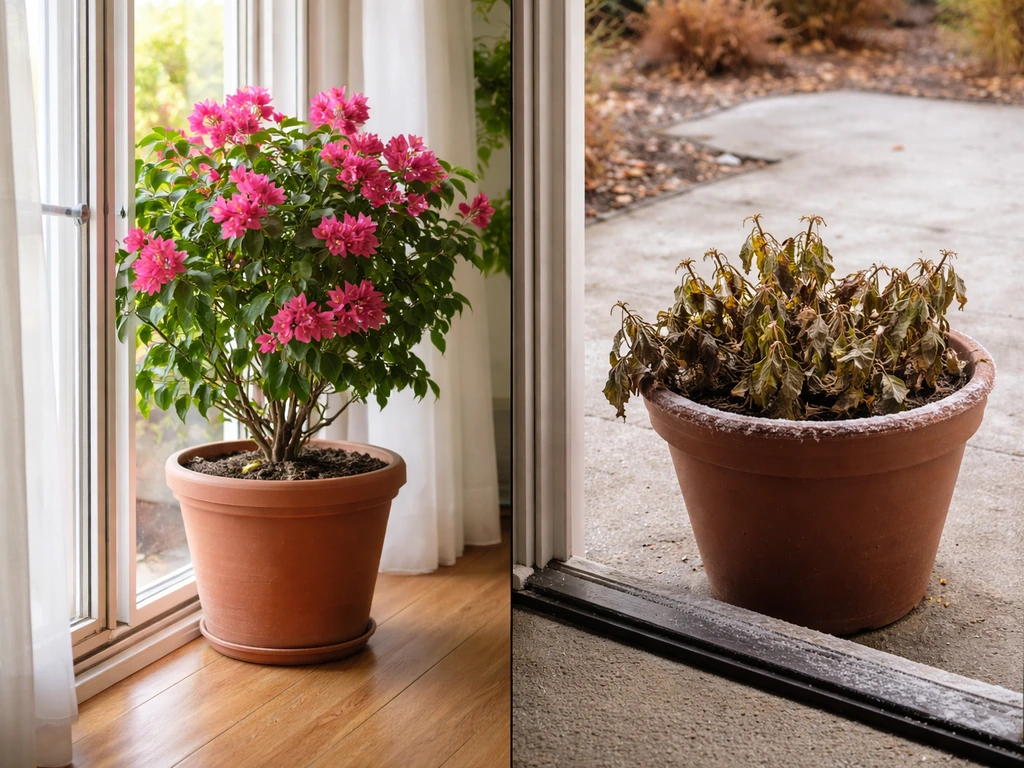
Here are the problems Colorado gardeners run into most often with bougainvillea, and what to do about each one:
- Leaving it outside too long in fall: Bougainvillea tissue damage happens fast once temperatures approach freezing. Don't wait for frost advisories — move the plant inside when consistent nighttime lows hit 50°F. By the time you see frost damage, the injury is already done.
- Overwatering during winter dormancy: This is the number one way people lose their bougainvillea over winter. The plant needs the soil barely moist, not wet. Water once every three to four weeks at most while it's dormant in a cool, dark space. If you see leaf drop during dormancy storage, that's normal; if you see mushy stems, you've got root rot.
- Not enough sun in summer: If your bougainvillea isn't blooming, the first suspect is light. Colorado has brilliant sun, but if your patio faces north or is shaded by a roof overhang for part of the day, the plant won't perform. Move it to the most exposed, sunniest spot you have.
- Planting it in the ground: Even in a warm Front Range microclimate, don't plant bougainvillea directly in Colorado soil expecting it to come back. It won't. Container growing is non-negotiable in this state.
- Bringing a cold-damaged plant back wrong: If your bougainvillea did get hit by an early frost before you could move it in, don't immediately prune off the damaged material. Wait until spring, when new growth shows you exactly where the plant is still alive. Cutting too early can remove viable tissue and stress the plant further.
- Pest problems after bringing it indoors: Warm, dry interior air (and Colorado homes are very dry in winter) encourages spider mites and scale on bougainvillea kept actively growing inside. The solution is cool dormancy storage, not a sunny living room window. Cool temperatures slow pest pressure dramatically.
How Colorado compares to neighboring states
If you're curious how Colorado stacks up against the region, the comparisons are instructive. Growing bougainvillea in Utah presents a nearly identical challenge, similar cold winters and zone limitations, though southern Utah's canyon country near St. George (Zone 8) gives gardeners there a meaningful edge. Bougainvillea in New Mexico is a genuinely different story in the southern part of that state, where Albuquerque and Las Cruces sit in warmer zones and can push the plant closer to borderline outdoor survival in protected microclimates. Colorado just doesn't have an equivalent warm-winter region.
For context on how the plant behaves in truly cold northern climates, bougainvillea in Chicago and bougainvillea in Ohio face the same container-only reality as Colorado, but with the benefit of more humid summers and slightly less dramatic temperature swings. On the warmer end of the spectrum, bougainvillea in North Carolina can actually grow in the ground in the coastal plain and piedmont, which illustrates just how far outside bougainvillea's natural range Colorado sits. That comparison should help calibrate your expectations.
Bottom line for Colorado: bougainvillea is a manageable container plant for committed gardeners, not a low-maintenance landscape shrub. If you're willing to treat it like the tender tropical it is, move it in and out with the seasons, and give it the best sun exposure your property offers, you can absolutely enjoy it. Just go in with clear eyes about what it takes.