
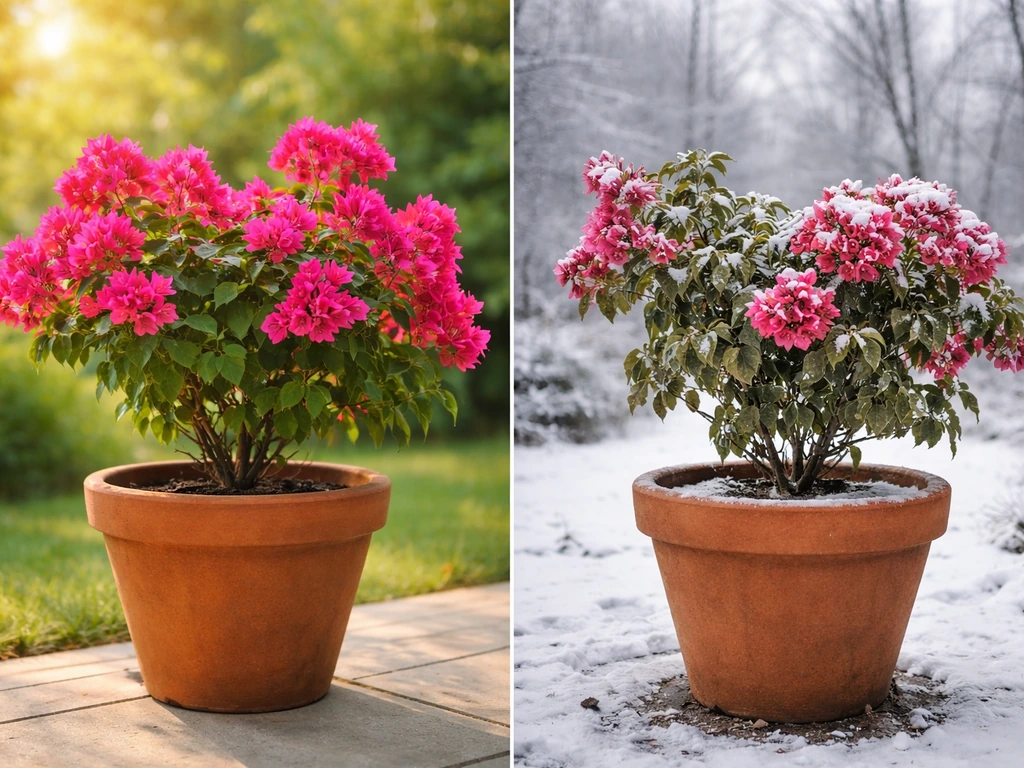
Bougainvillea cannot survive Ohio winters outdoors. It's a tropical plant rated for USDA Zones 9 to 11, and virtually all of Ohio falls in Zones 5b to 6b, where winter lows regularly drop to -10°F to 0°F. That kind of cold kills bougainvillea roots and all. But that doesn't mean you can't grow one in Ohio. Plenty of Ohio gardeners keep bougainvillea going year after year using containers they move outside in summer and bring indoors before frost. Done right, you can get real blooms from June through September.
Can Bougainvillea Grow in Ohio? Outdoor and Winter Options
Marcus Hartwell
21 May 2026
Ohio's climate and why bougainvillea struggles here
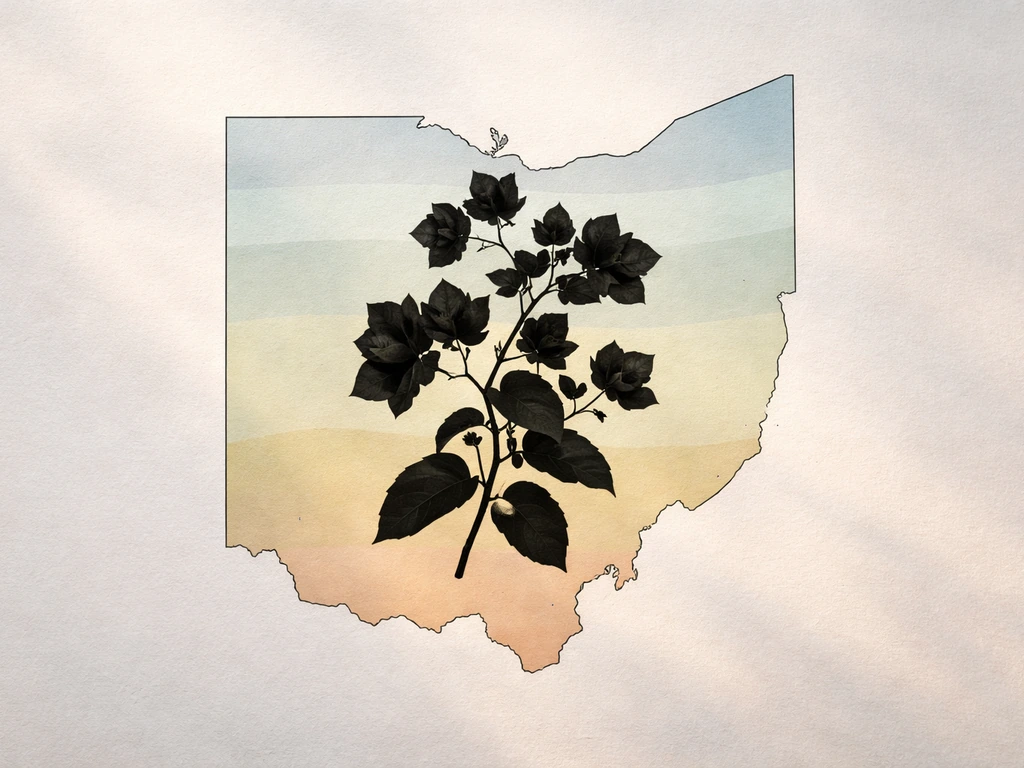
Ohio's USDA hardiness zones run roughly from Zone 5b in the northeast (think Youngstown and the snowbelt counties) up to Zone 6b in the southwest around Cincinnati. The USDA Plant Hardiness Zone Map is blank" rel="noopener noreferrer">based on the average annual extreme minimum temperature over a 30-year period, so these aren't worst-case scenarios. They're what you can reliably expect every year. Bougainvillea needs Zone 9 at minimum to survive a winter in the ground, which means it needs temperatures that rarely dip below 20°F. Ohio winters routinely push well below that, often hitting single digits or lower.
On the heat side, bougainvillea needs plenty of it to flower well. It wants long, hot summers with full sun for at least 6 hours a day. Ohio summers can deliver that, especially July and August, but the growing window is compressed. First frost in most of Ohio arrives in mid-October, and the last frost typically falls in late April or early May depending on your county. That gives you roughly 5 to 6 months of frost-free weather, which is workable but not ideal for a plant that really wants 9 to 10 months of warm conditions.
The one area where outdoor growing is almost possible
If there's a spot in Ohio where bougainvillea gets closest to working outdoors, it's the Cincinnati area and the broader southwest corner of the state. Hamilton County and a few surrounding counties sit in Zone 6b, which still isn't warm enough for outdoor survival, but the urban heat island effect in Cincinnati can push real-world winter lows slightly higher than the official zone average. South-facing walls, brick structures, and protected courtyards can create microclimates that shave a few degrees off winter minimums.
Even in the most favorable Cincinnati microclimate, though, you'd be gambling every winter. One hard freeze event below 25°F is enough to kill the plant at the roots. I wouldn't plant bougainvillea in the ground anywhere in Ohio and expect it back in spring. The risk just isn't worth it compared to the straightforward container strategy that actually works.
Container growing is the real answer for Ohio
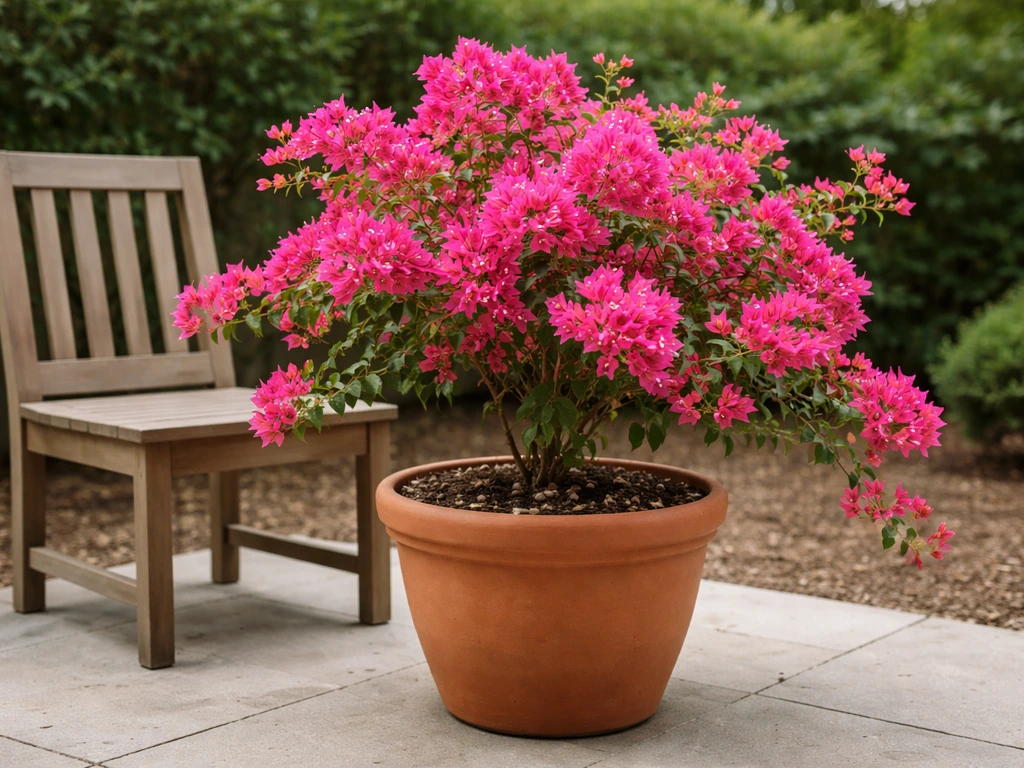
The practical move for Ohio gardeners is to grow bougainvillea in a large container, move it outside once night temperatures are consistently above 50°F (usually late May), and then bring it back inside before the first frost in October. This gives the plant a solid 4 to 5 months outdoors in full sun where it can grow aggressively and flower. Many Ohio gardeners who try this approach are surprised by how well bougainvillea performs during the warm months. The key is a container large enough to support a full-sized plant but light enough to actually move, and wheels or a plant dolly help a lot.
For the container itself, aim for at least a 10 to 15 gallon pot with excellent drainage. Bougainvillea is drought-tolerant once established but will rot quickly in waterlogged soil. A well-draining mix with perlite works better than standard potting soil alone. Place the pot in your sunniest south or west-facing spot for the summer, and don't be tempted to move it to partial shade because that's where flowering stops.
Getting it through an Ohio winter indoors
Overwintering bougainvillea in Ohio is the part most people get wrong, and it's usually what kills the plant. The goal indoors isn't to keep it actively growing. It's to let it go semi-dormant in a cool, bright spot. The Missouri Botanical Garden notes that a dormant period at low temperatures is actually essential to trigger flowering the following season, so a cool winter isn't the enemy if you manage it correctly.
Aim for an indoor overwintering space that stays between 50°F and 60°F at night, with as much bright light as possible. A south-facing window, a sunroom, or a heated but uninsulated garage with grow lights can all work. The plant will likely drop most of its leaves during this period, which is normal. Cut back on watering significantly but don't let it dry out completely. You're not trying to kill it with drought, just slow it down.
- Bring indoors before the first frost, typically mid-October in central Ohio and late September in northern Ohio
- Target nighttime temperatures of 50°F to 60°F indoors, not warmer
- Keep in the brightest available spot, a south-facing window is ideal
- Water sparingly, roughly every 2 to 3 weeks once the plant is dormant
- Expect leaf drop, it's normal and not a sign the plant is dying
- Move back outside in late May when nights stay above 50°F consistently
A common mistake is keeping bougainvillea in a warm, comfortable living room all winter. Temperatures above 65°F combined with the low light of an Ohio winter will confuse the plant and often prevent flowering the next season. A slightly uncomfortable, cool, bright spot does more for next summer's blooms than a warm cozy spot ever will.
What to realistically expect growing bougainvillea in Ohio
If you manage the container and overwintering routine well, here's what a realistic Ohio season looks like. You bring the plant outside in late May. It may look rough from winter and take 3 to 4 weeks to wake up and put on new growth. By late June or July, if it's getting 6 or more hours of direct sun, you should start seeing the colorful bracts (those vivid 'flowers' that are actually modified leaves) appear. Peak color usually runs July through early September. You won't get the massive sprawling bougainvillea you see on vacation in Florida or the Southwest, but a full, well-bloomed container plant in a hot sunny spot is genuinely impressive.
Growth in one Ohio season can be significant, often several feet of new growth if conditions are right. You can prune it back aggressively in fall before bringing it inside, which makes storage easier and actually encourages a fuller plant the following season. Don't expect year-round flowering or the endless color you'd get in Zone 10. Ohio's compressed season means you're working with a plant that has to sprint from June to October and then rest. That's the deal, and it's still worth it for most people who really want bougainvillea.
How Ohio compares to nearby states
Ohio's situation is similar to other Midwest and upper-South states where bougainvillea is technically a zone-pusher. If you're wondering can bougainvillea grow in utah, it helps to use the same zone-and-winter-risk logic that explains why Ohio is a container-focused zone-pusher. Gardeners in Chicago face even harsher winters in Zones 5 and 6a, making the container strategy essentially mandatory there too. In fact, the same container approach is what makes it possible to grow bougainvillea in Chicago too. North Carolina is a different story, where the warmer coastal and piedmont zones let gardeners get away with in-ground planting in some parts of the state. In many parts of North Carolina, bougainvillea can even be grown outdoors in the right microclimate. Colorado and Utah have their own challenges with cold and aridity. Ohio sits in a middle zone where the summers are warm enough to reward container bougainvillea but the winters are consistently too harsh for anything in the ground.
How to make your decision today
Start by looking up your specific county on the USDA Plant Hardiness Zone Map at planthardiness.ars.usda.gov. Type in your zip code and confirm your zone. Most of Ohio will come back as Zone 5b, 6a, or 6b. That tells you immediately that in-ground bougainvillea is not viable and the container route is your path.
- Look up your Ohio zip code on the USDA hardiness zone map to confirm your zone
- Identify your sunniest outdoor spot, ideally south or west-facing with at least 6 hours of direct sun in summer
- Decide now where the plant will spend winter indoors, a cool (50°F to 60°F) bright space is essential
- Buy or repurpose a 10 to 15 gallon container with drainage holes and a well-draining soil mix
- Purchase a bougainvillea from a nursery in late May once frost risk has passed, or start one indoors earlier
- Plan your move-in date for mid-October and have your indoor spot ready before then
If you check those boxes, bougainvillea is completely doable in Ohio. It just takes a little more planning than tossing it in the ground and forgetting it. The gardeners in Ohio who end up with dead bougainvillea aren't doing anything dramatically wrong, they're usually just caught off guard by how early that first frost arrives or they keep the plant too warm indoors and wonder why it won't bloom the next year. Plan for both ends of the season from day one, and you'll get years of color out of it.
| Factor | Ohio Reality | What It Means for You |
|---|---|---|
| USDA Hardiness Zone | 5b to 6b statewide | Too cold for in-ground bougainvillea anywhere in Ohio |
| Bougainvillea's minimum zone | Zone 9 (lows above 20°F) | Ohio winters regularly exceed this cold threshold |
| Frost-free season | Late April/May to mid-October | Roughly 5 to 6 months outdoors as a container plant |
| Summer heat and sun | Strong July and August sun | Enough heat for good flowering if placed correctly |
| Best Ohio location | Southwest Ohio (Cincinnati area) | Slightly warmer but still requires container management |
| Indoor overwintering temp | 50°F to 60°F nights | Cool and bright space is key to next season's blooms |
FAQ
What is the lowest temperature a bougainvillea in Ohio can handle before it dies back or kills the roots?
For an in-ground plant, anything sustained below about 25°F is a common death sentence. For container plants, a brief dip can be survivable if the pot stays mostly dry and you protect it quickly, but aim to bring the container inside before frost nights and do not wait for “survive this one cold snap” as your plan.
Should I bring my bougainvillea indoors as soon as nights hit 50°F, or wait for the first frost date?
Wait for your nights to stay consistently above 50°F before moving it outdoors, but for bringing it back in, use a frost-triggered schedule (for most Ohio areas, that means before mid-October lows and any forecasted freeze). The key is avoiding repeated cold stress, not just one first-frost date.
Can I grow bougainvillea in Ohio in a smaller pot to make it easier to move?
Smaller pots make mobility easier, but they dry out fast and are harder to keep stable during indoor overwintering, which increases leaf drop and can reduce flowering the next year. If you go smaller than 10 to 15 gallons, plan to water more carefully and expect weaker bracts and slower summer growth.
What soil mix works best for Ohio container bougainvillea to prevent root rot?
Use a gritty, fast-draining mix rather than standard potting soil alone, with perlite or pumice incorporated for airflow. Make sure the pot has multiple drainage holes and the container never sits in runoff water during saucer use.
How do I handle pruning if I want an easy overwintering storage size?
Prune back aggressively before you bring it inside, typically in early fall before temperatures drop too far. Cutting back reduces the total water demand indoors and makes it easier to fit in a bright, cool space, but avoid heavy pruning right after you bring it indoors so you do not shock it during the transition.
Will bougainvillea still bloom in Ohio if I keep it in partial shade outdoors?
Usually no, or at least not reliably. Flowering depends on strong sun, so keep it in your sunniest south or west-facing spot outdoors for the whole warm season, even if the plant looks stressed by heat. If you reduce light, bracts often stall or arrive much later.
Is leaf drop during winter normal, and when should I worry?
Leaf drop is common when you shift to cool, lower-light indoor conditions. Worry if you see mushy stems, foul smell from the soil, or persistent wilting despite cautious watering, those signs point to excess moisture or insufficient drainage rather than normal dormancy.
What watering approach should I use during the cool indoor overwintering period?
Water less than during summer, enough to prevent the pot from fully drying out, but avoid saturating the mix. A practical check is to water only when the top few inches feel dry, and always empty any saucer so roots are never sitting in water.
My bougainvillea won’t bloom the next summer, what is the most common cause?
The most common cause is winter conditions that are too warm or too dim. If it stays comfortable-room temperature and does not get strong light, it may not set up properly for bracts, even if it survives. Another frequent cause is insufficient outdoor sun during the warm season.
Can I overwinter bougainvillea in an unheated garage in Ohio?
Yes, if it stays bright and cool but not freezing the pot solid. If your garage drops near or below freezing, protect the container by insulating the pot with breathable wrap and moving it to the brightest spot available, then monitor soil dryness since cold plus wet can be risky.
How can I protect a container during an unexpected late cold snap?
Use temporary frost protection quickly, like bringing it indoors overnight or using a breathable cover and adding insulation around the pot. Avoid covering with plastic that can trap moisture and heat, and do not fertilize going into cold weather because soft new growth is more vulnerable.