
The short answer: no, bougainvillea cannot survive Chicago winters outdoors. But that does not mean you cannot grow it in Chicago at all. With the right setup, mostly containers and a reliable indoor overwintering plan, you can absolutely enjoy bougainvillea through the warm months. You just have to go in with realistic expectations and a clear plan before the first frost hits.
Can Bougainvillea Grow in Chicago? Winter Care Guide
Marcus Hartwell
21 Apr 2026
Chicago and Bougainvillea: The Quick Compatibility Answer
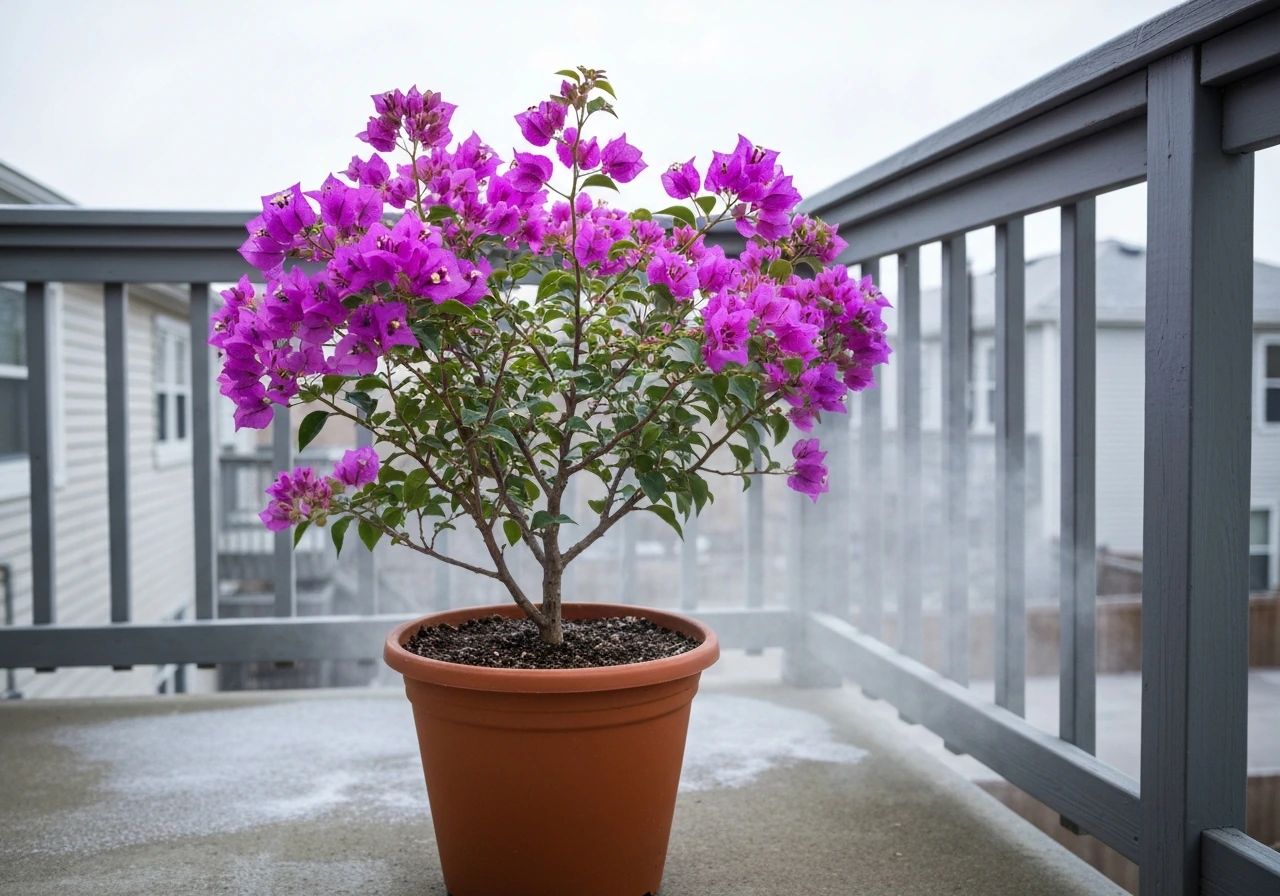
Bougainvillea is a tropical vine that thrives in warm, frost-free climates. Chicago is solidly in USDA Hardiness Zone 6a, sometimes nudging into 6b in warmer urban pockets close to Lake Michigan. That puts average winter lows somewhere between -10°F and 0°F (-23°C to -18°C). Bougainvillea starts struggling when temperatures approach 40°F (4°C) and cannot survive a hard freeze. The math is not in its favor for year-round outdoor life here. In Colorado, you will also need to think in terms of frost protection and likely container growing rather than year-round outdoor survival bougainvillea. For Indiana gardeners asking the same question, the answer is essentially the same: most of the state falls in Zones 5b through 6b, with warmer spots near Evansville reaching Zone 6b or 7a and colder northern zones near Fort Wayne sitting at 5b. Nowhere in Indiana or Illinois does the climate accommodate bougainvillea in the ground year-round.
That said, treating bougainvillea as a seasonal container plant is a completely workable strategy in Chicago and across Illinois and Indiana. People do it successfully every year. The key is knowing exactly what you are signing up for before you buy the plant.
Why Winter is the Whole Problem
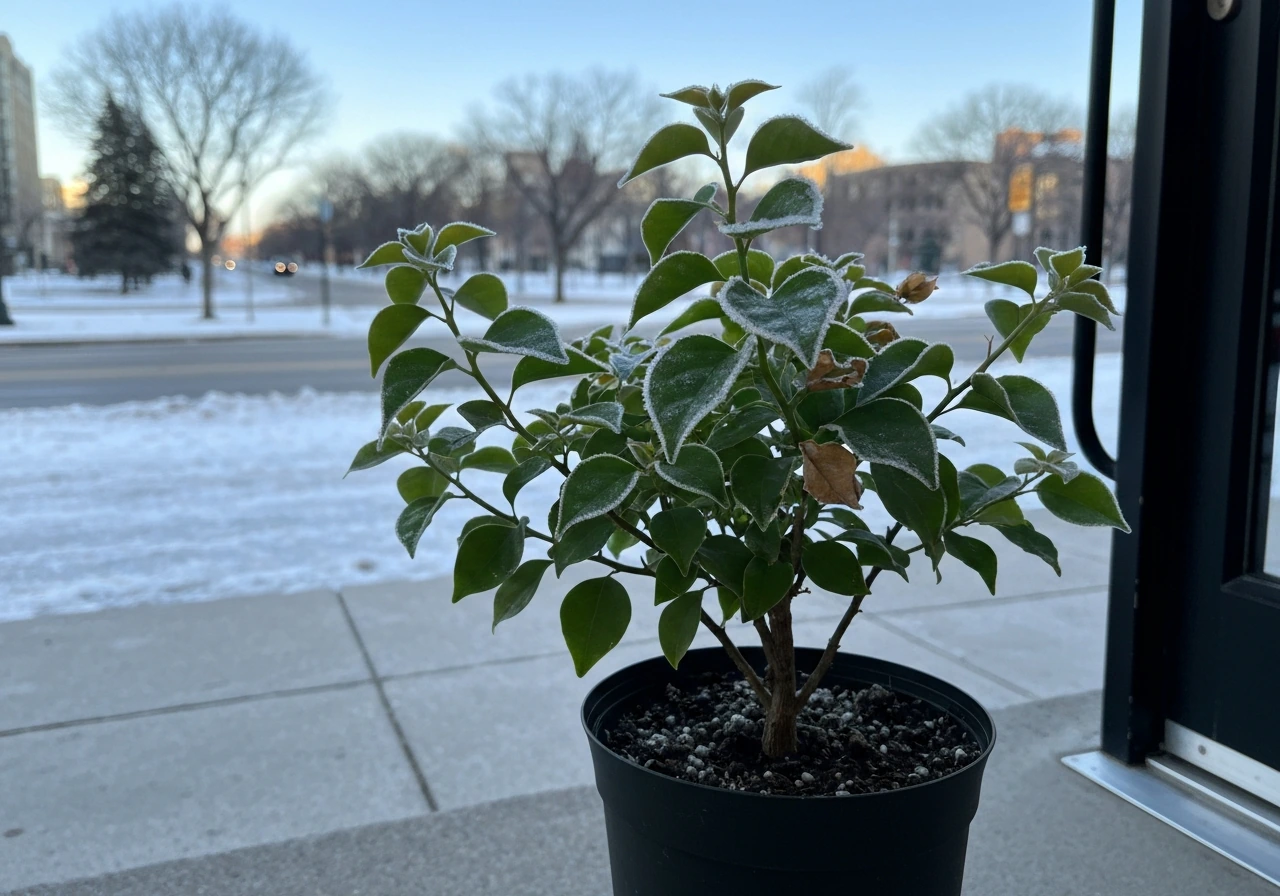
Bougainvillea does not have any meaningful frost tolerance. Once temperatures drop toward 40°F, the plant enters a kind of survival mode, slowing growth and dropping leaves. A hard, sustained freeze does not just damage the top growth, it can kill the roots entirely. Chicago winters are long and brutal: the O'Hare station climate normals (1991-2020) show average January lows well below freezing, and the city regularly records extreme cold events that would obliterate any bougainvillea left in the ground or in an unprotected outdoor container. Even in a mild winter, Chicago is simply too cold for this plant to survive outside.
The frost window makes the calendar tight, too. Chicago's last spring freeze typically falls in mid-April, and the first fall freeze can arrive in October. That gives you roughly five to six months of frost-free outdoor growing time, which is enough to get good summer color from bougainvillea if you manage the season well. But it means you are moving the plant in and out every single year without exception.
Indiana gardeners face a nearly identical situation. Indianapolis sits around Zone 5b to 6a, meaning winter lows can drop to -15°F to -5°F. Even warmer Evansville, which reaches Zone 6b to 7a, still sees hard freezes that would kill bougainvillea roots without protection. The difference between Indiana and Chicago is mostly a matter of degrees, not of feasibility.
Zone and Microclimate Reality Check for Chicagoland
Illinois statewide zones range from 5a in the far north to 7b in a few southernmost areas, but most of the Chicago metro area lands in Zone 6a. Oregon State University’s landscape plants database lists Campsis radicans as hardy to USDA Zone 4 (with protection). The lakefront neighborhoods and the urban core can benefit from the heat island effect and Lake Michigan's moderating influence, occasionally pushing conditions closer to Zone 6b. This means a gardener in a south-facing courtyard in Lincoln Park is working with a slightly warmer microclimate than someone in an exposed suburban yard in the northwest suburbs. That difference is real and matters for timing, but it does not change the fundamental incompatibility with year-round bougainvillea survival outdoors.
If you are in a warmer Chicago microclimate, you might be able to push your outdoor season a week or two earlier in spring and later into fall. A south-facing wall that absorbs and radiates heat, or a sheltered urban patio, can extend the usable window noticeably. Still, when November arrives, the plant needs to be inside regardless of where in the metro you live.
How to Actually Grow Bougainvillea in Chicago
Containers Are Non-Negotiable
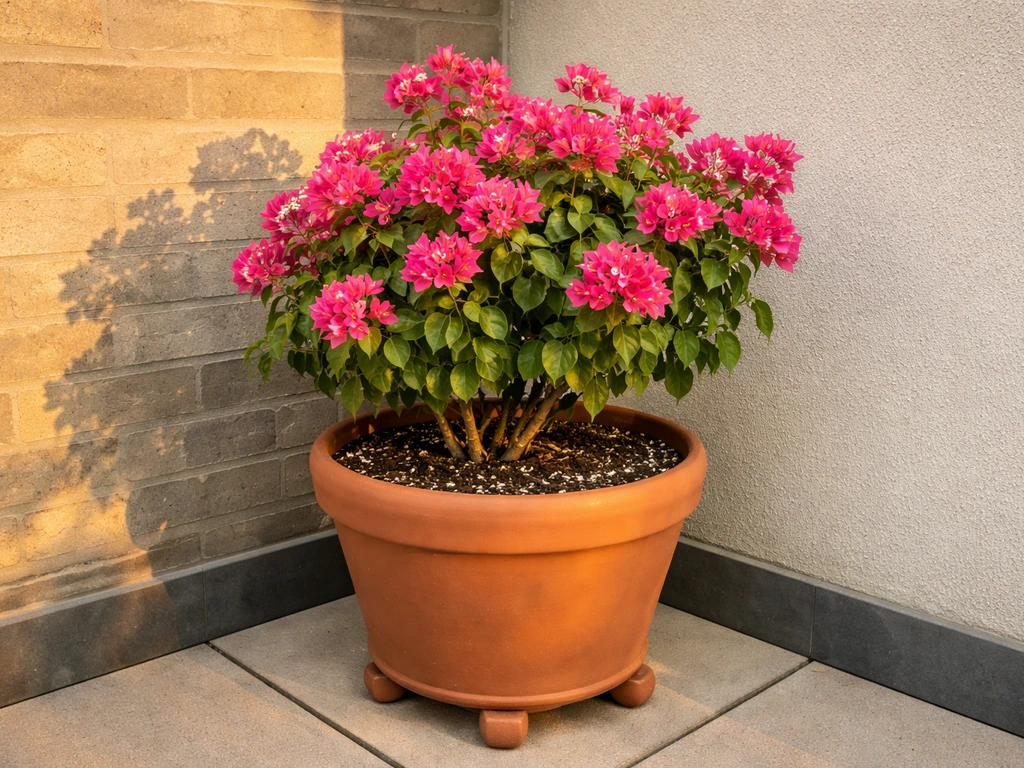
Skip the idea of planting bougainvillea in the ground entirely. Containers are the only practical approach in Chicago. A large pot gives you the ability to move the plant indoors before freezes arrive, which is the single most important thing you can do for its survival. Use a well-draining potting mix and make sure the container has adequate drainage holes. Bougainvillea is sensitive to waterlogged roots at any time of year, and that problem gets worse in cool, wet conditions.
Sun and Heat Placement Matter a Lot
Position your container where it gets a minimum of six hours of direct sun per day. South-facing walls, patios, or deck corners that reflect and concentrate heat are ideal. Bougainvillea loves heat, so a spot that gets radiant warmth from a brick wall or light-colored fence will reward you with better flowering than a partially shaded spot. In a Chicago summer, maximizing heat exposure is actually not hard, but placement still makes a real difference in how freely the plant blooms.
Overwintering: The Step Most People Get Wrong
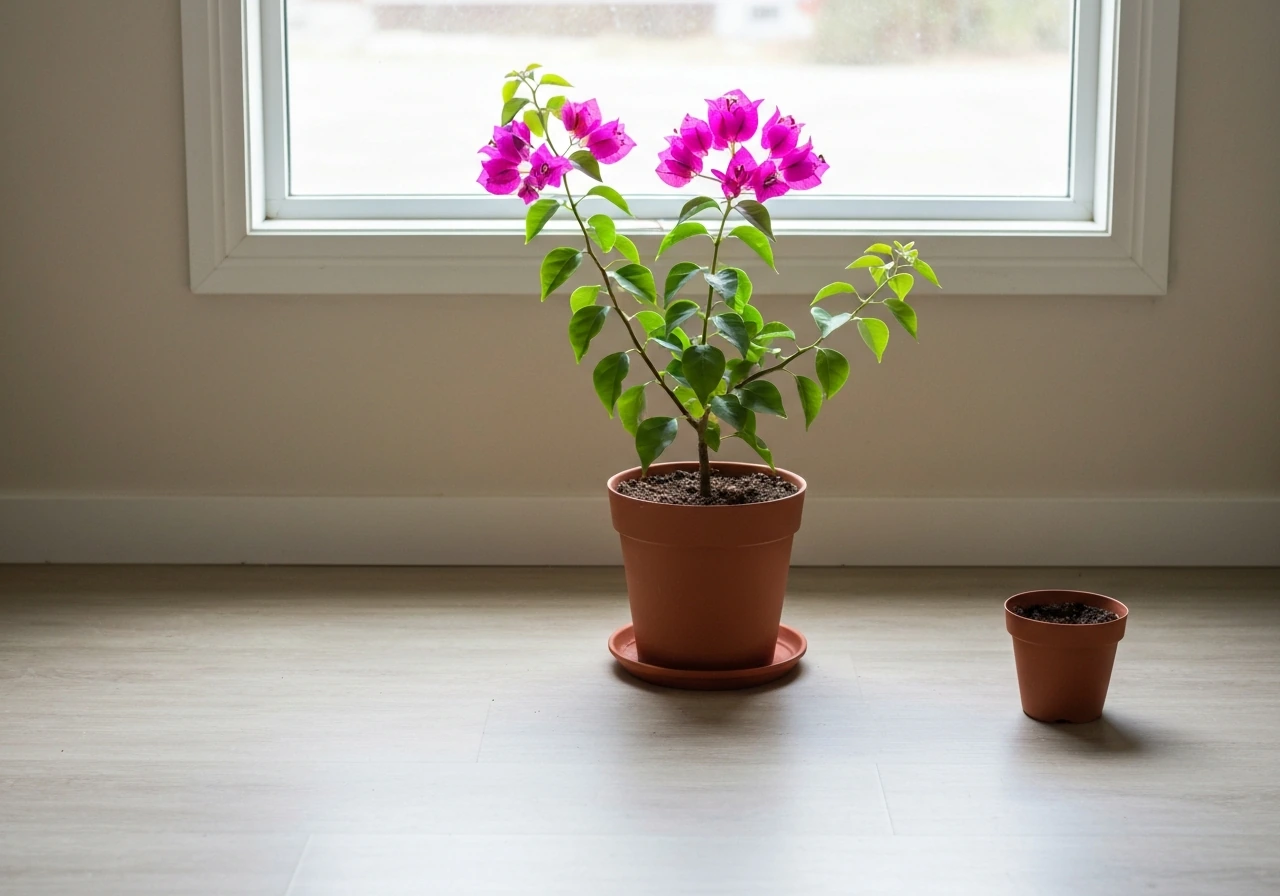
Move your bougainvillea indoors before overnight temperatures consistently drop below 50°F, which in Chicago typically means sometime in September to early October. Do not wait until the first frost warning to scramble. The cold stress from nights in the low 40s before any actual freeze can weaken the plant significantly.
Once inside, you have two options: keep it actively growing with warmth and light, or let it go dormant. Most Chicago gardeners find dormancy easier. For dormancy storage, University of Illinois Extension recommends a cool but frost-free location, ideally keeping temperatures between 32°F and 55°F, such as an attached garage, unheated basement, or cool mudroom. The plant will drop most of its leaves, which is normal. Critically, you need to keep the soil on the dry side, watering only enough to prevent the root ball from completely desiccating. Overwatering a dormant bougainvillea in a cool, dark location is the fastest way to kill it with root rot.
If you want to keep it actively growing through winter (perhaps in a sunny south-facing window or under grow lights), maintain temperatures above 50°F to 60°F and continue moderate watering. This approach takes more effort but means you start spring with a more established plant. Either way, resume normal watering and light fertilization when new growth appears in late winter or early spring, and wait until after Chicago's last frost date (typically mid-April to early May) before moving the plant back outside.
Getting It to Bloom in a Shorter Season
Bougainvillea blooms on new growth, so encouraging fresh lateral shoots is the key to color. A light pruning in late winter or early spring, just before you see new buds breaking, helps push that new growth. Do not cut it back hard right before moving it outdoors, since the tender new growth needs time to harden before full sun exposure.
To maximize blooming in Chicago's condensed warm season, follow these practices:
- Place the plant in the hottest, sunniest spot available, at least six hours of direct sun, with reflected heat from walls or fencing as a bonus.
- Let the soil dry out somewhat between waterings. Slight drought stress actually triggers more prolific flowering in bougainvillea.
- Use a low-nitrogen, high-phosphorus fertilizer during the growing season to encourage blooms over foliage growth.
- Avoid excessive repotting. Bougainvillea tends to bloom more when slightly root-bound, so do not size up the container more than necessary.
- Get the plant outside as early as safely possible after the last frost to maximize its outdoor season length.
With good sun exposure and proper watering discipline, a healthy container bougainvillea in Chicago can put on a genuine show from late May through September. The season is shorter than what growers in the South or Southwest experience, but it is real color and absolutely worth it if you enjoy the plant.
What to Grow Instead If the Setup Does Not Work for You
If annual container management and indoor storage feel like too much work, there are Chicago-hardy alternatives that deliver a similar bold, tropical look without any overwintering effort.
| Plant | Hardiness Zone | Bloom Time | What It Replaces |
|---|---|---|---|
| Rose of Sharon (Hibiscus syriacus) | Zone 5-9 | Mid-summer through first hard frost | Bougainvillea's showy late-summer color |
| Hardy Perennial Hibiscus | Zone 4-9 | Mid to late summer | Tropical-looking large blooms, comes back each year |
| Trumpet Vine (Campsis radicans) | Zone 4-9 | Summer | Vigorous climbing vine with bold orange-red flowers |
| Clematis (various varieties) | Zone 4-9 | Spring through fall depending on variety | Climbing vine with prolific flowering |
Rose of Sharon is probably the closest match in terms of late-summer garden presence. The Chicago Botanic Garden specifically highlights it as well-suited to Chicago-area winters, and it blooms continuously from mid-summer right up until hard frost. Hardy hibiscus, including varieties like Luna White Rose Mallow (highlighted by the Morton Arboretum), gives you those oversized tropical-looking blooms without any winter protection at all. Both are worth serious consideration if you want low-maintenance color in the same part of the season where bougainvillea would shine.
If you are coming to this question from a slightly warmer Midwest climate, it is worth knowing the situation shifts somewhat in places with milder winters. If you are wondering can bougainvillea grow in utah, the key comparison is whether your winters can be handled with a container-and-overwinter setup rather than year-round outdoor planting. States like North Carolina or New Mexico have zones where bougainvillea is a more natural fit outdoors, and the feasibility calculus there is quite different from what Chicago and Indiana gardeners face. In New Mexico, the warmer, longer growing season can make bougainvillea outdoors more realistic depending on your local zone and winter protection needs. For the Chicago region specifically, though, the container-and-overwinter approach is the only realistic path, and the alternatives above are genuinely excellent plants that deserve a spot in any Chicago-area garden. That same strategy is also what you would rely on when answering whether can bougainvillea grow in Colorado container-and-overwinter approach.
FAQ
Can bougainvillea survive Chicago winters if I wrap the pot or use a cold frame?
Only if you treat it like a container plant, bring it indoors before nights stay below about 50°F, and accept that you will be moving it every year. A thin cold-weather cover on an outdoor container usually is not enough because bougainvillea needs protection not just from air cold, but from roots freezing or staying wet during cool spells.
What happens if I plant bougainvillea in the ground in Chicago and hope it comes back?
In-ground planting is not realistic in most of Chicago, because a hard freeze can damage or kill the roots. Even if the top appears to recover, root damage can prevent spring growth. If you want a “set it and forget it” option, choose Chicago-hardy alternatives like rose of Sharon or hardy hibiscus instead.
Does the type of container (plastic vs terracotta) change how well bougainvillea handles Chicago weather?
Yes, but it is risky and rarely worth it in Chicago. Terracotta and very light pots dry faster, while plastic can stay too wet in cool conditions. Use a pot with reliable drainage, and for winter storage keep the soil barely moist, not wet. Many growers also tip the balance toward heavier containers so they are less likely to crack and less likely to swing between freezing and thawing.
How do I know if my bougainvillea is failing because of cold versus watering during the Chicago fall transition?
If you see browning at leaf tips or scattered leaf drop in late summer, it is often stress from cool nights or inconsistent watering rather than a true “winter” problem yet. Start transitioning earlier, before the plant experiences prolonged nights in the 40s, and check drainage. Waterlogged roots in a cool indoor space are a bigger threat during overwintering than cold air exposure.
Should I overwinter bougainvillea dormant or keep it growing indoors in Chicago?
For most Chicago growers, dormancy storage in a cool, frost-free area is easier than keeping it actively growing indoors. Dormancy reduces the plant’s demand for water and helps prevent weak, stretched growth. Active growth can work, but it requires strong light (a very sunny window may be enough, otherwise supplemental light) and careful temperature control to avoid cold drafts.
How often should I water a dormant bougainvillea in an unheated basement or garage?
Yes. When dormancy storage is cool and the plant has fewer leaves, watering too often can trigger root rot even if the plant looks “fine” above ground for a while. A practical rule is to water only after the surface has dried and to stop completely if the pot stays cool and wet for days. Make sure the container drains freely every time you water.
What size pot is best for bougainvillea in Chicago to maximize blooms?
If your container is too small, bougainvillea can go into stress mode quickly and flower less. Many Chicago growers find that a larger root space gives better flowering and makes it easier to keep the plant stable through indoor-outdoor moves. When you repot, go up gradually and use a mix that drains fast.
How much can microclimates in Chicago (lakefront vs suburbs, courtyard walls) really extend bougainvillea outdoors?
A south-facing courtyard can help, but it does not change the overall winter reality. The “win” is usually 1 to 2 weeks more usable outdoor time, not full outdoor survival. You still need a clear plan to bring it inside by early fall and to protect it from prolonged cold nights.
When and how should I prune bougainvillea in Chicago so it blooms all summer?
Bougainvillea blooms on new growth, so the best time to encourage flowering is when you get a flush of fresh shoots in late winter or early spring. A light pruning just before you see new bud break is the safe timing. Avoid heavy cutting right before you move it outdoors, since tender new growth can be damaged by sudden sun and temperature swings.
Can I fertilize bougainvillea in late winter, then move it outside in early spring in Chicago?
Yes, but watch the risk of bud drop. If you move it to a hot spot outdoors quickly, or if you fertilize too early when nights are still cool, you can trigger stress. Ease it back outdoors after the last frost period has passed, keep sun exposure gradual for a few days, and wait for visible new growth before starting regular feeding.
My bougainvillea dropped most of its leaves indoors, is it dead?
If the plant looks bare and you are storing it cool, leaf drop is normal. The key question is whether the stems and roots still have life. You can do a gentle “scratch test” on a stem for green underneath, and if the root ball stays firm and not sour-smelling, the plant is more likely alive. If the pot smells rotten or the stems turn mushy, root rot may have set in.