What cold actually does to bougainvillea
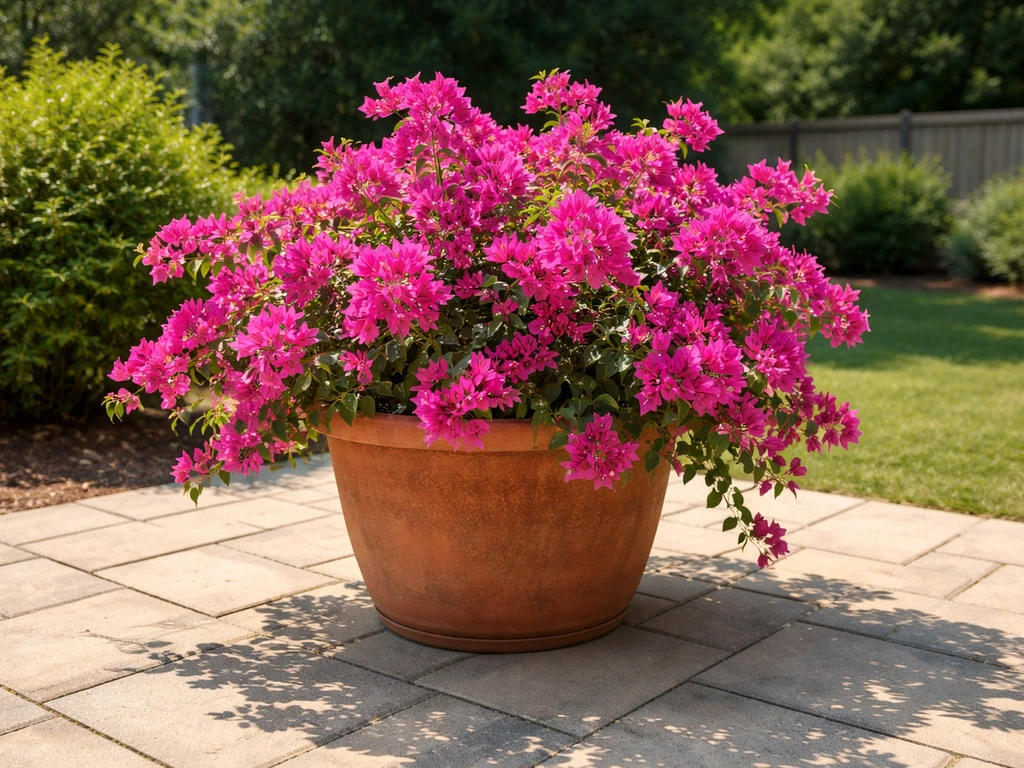
Bougainvillea is a tropical plant that originates from South America, and its cold tolerance reflects that. It starts getting stressed around 32°F, experiences significant leaf drop and stem dieback below 28°F, and takes serious structural damage below about 25°F. A hard freeze that dips into the low 20s or teens will kill it to the ground, and if the roots freeze, the plant is done entirely.
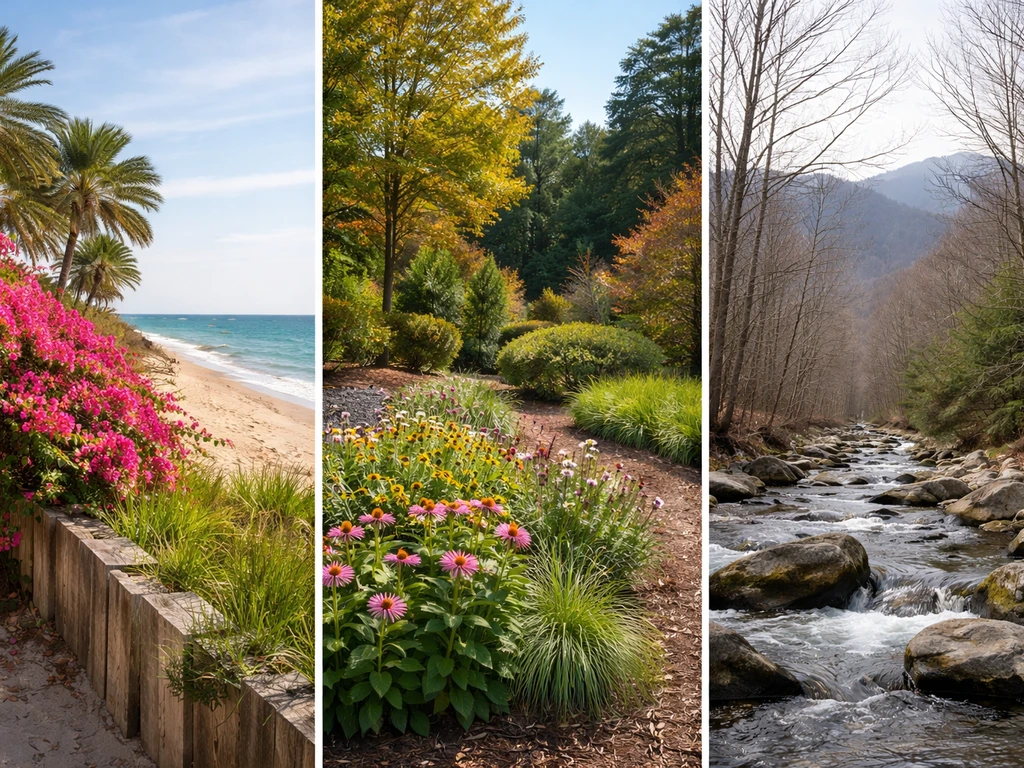
For context, North Carolina's mountain areas sit around USDA Zone 7a, meaning average winter minimum temperatures between 5°F and 10°F. That's far too cold for bougainvillea to survive outdoors. The Piedmont, including Raleigh, sits roughly in Zone 7b to 8a, where winter lows average in the mid-teens to low 20s. January low-temperature normals for Raleigh from long-term NOAA climate records show overnight lows regularly dipping into the upper teens during cold snaps. That's borderline for bougainvillea survival, even with protection. The coastal plain, particularly the southern coast around Wilmington, reaches Zone 8b, where average winter minimums run between 15°F and 20°F and hard freezes are shorter and less frequent. That's where bougainvillea has the best realistic chance of year-round outdoor survival in NC.
Coastal, Piedmont, or mountains: where it actually works
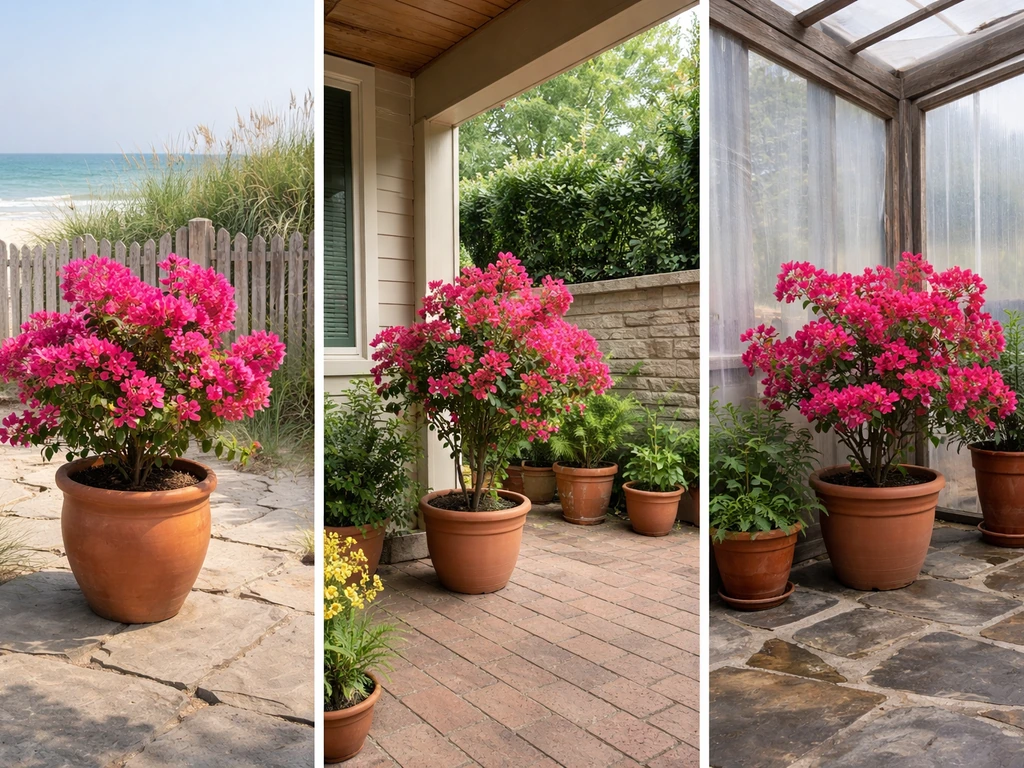
The coastal plain, especially the area south of New Bern down to Wilmington and the Outer Banks communities, gives bougainvillea the best fighting chance. Zone 8b means shorter freeze windows, rarely sustained multi-day hard freezes, and a longer growing season. Ground-planted bougainvillea with a south-facing wall, good drainage, and heavy mulching over the root zone can survive most winters here without being brought indoors. Will it get knocked back some years? Yes. But the roots survive, and the plant regrows vigorously from the base come spring.
The Piedmont, including cities like Raleigh, Durham, Charlotte, and Greensboro, is a tougher call. Charlotte edges into Zone 8a and has milder winters than Raleigh. In a typical year you might get away with outdoor planting against a protected south or west wall. But in a bad winter, you will lose the plant to the ground. Most Piedmont gardeners who grow bougainvillea successfully here either use large containers they haul inside, or they accept periodic losses and replant. If you're in the Piedmont and committed to ground planting, go for it in a very sheltered microclimate, but have a backup plan.
The mountains are genuinely too cold. Zone 7a lows of 5°F to 10°F will kill bougainvillea outright, roots and all. If you live in Asheville, Boone, or anywhere in the higher elevations of western NC, container growing with indoor overwintering is the only realistic path. It's not impossible to enjoy bougainvillea there, but you need to commit to treating it like a houseplant that summers outside.
Microclimates can change everything
One thing I always tell gardeners: your specific backyard microclimate can push you half a zone warmer than what the official map says. A south-facing brick wall that absorbs heat during the day and radiates it at night can keep the air around a bougainvillea 5°F to 10°F warmer than open ground. A covered patio, a sheltered courtyard, or the protected south side of a house in a Piedmont neighborhood can genuinely tip the scales. If you're on the fence about whether to plant in ground versus a container in a zone 7b or 8a location, scout for your warmest, most wind-sheltered spot first. That decision alone can be the difference between a plant that survives the winter and one that doesn't.
Container vs. ground: which approach fits your situation
This is the central decision for most NC gardeners, and it mostly comes down to your zone and how much effort you want to put in. Here's a straightforward breakdown:
| Region | USDA Zone | Best Approach | Winter Survival Odds |
|---|
| Coastal Plain (Wilmington area) | 8b | Ground planting with mulch and wall protection | Good in most years |
| Southern Piedmont (Charlotte) | 8a | Ground planting in best microclimate, or large container | Fair, with protection |
| Central Piedmont (Raleigh/Durham) | 7b | Large container, overwinter indoors | Poor without indoor overwintering |
| Mountain Region (Asheville/Boone) | 6b–7a | Container only, overwinter indoors | Will not survive outdoors |
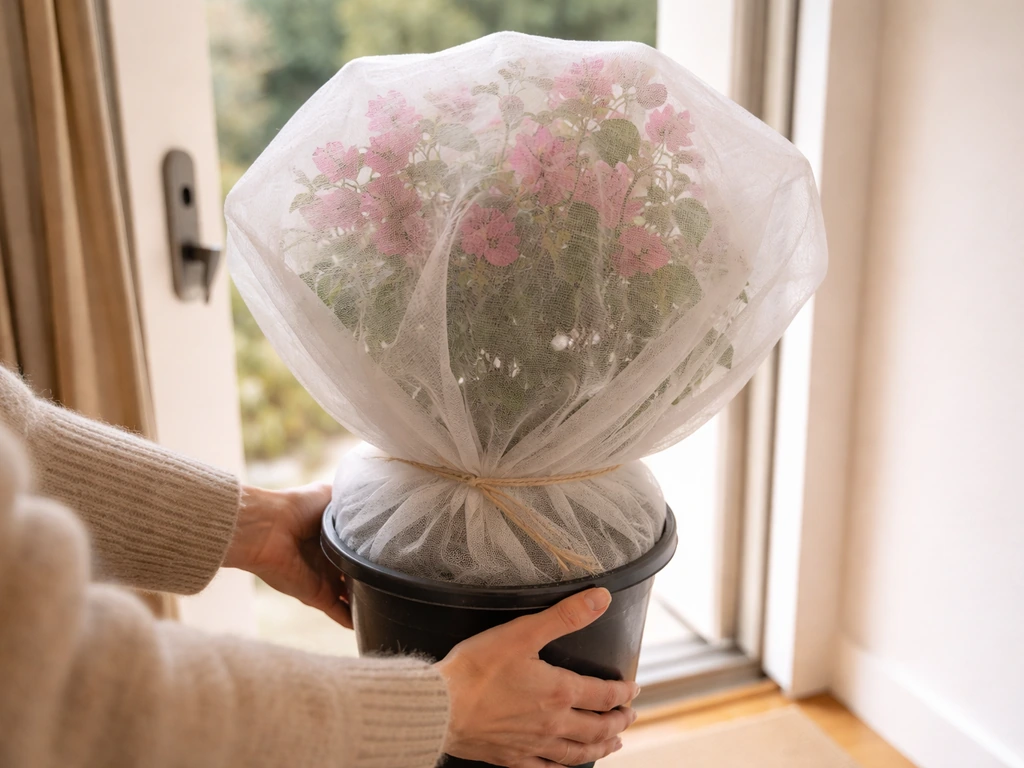
If you go the container route, use a large pot (at least 15 to 20 gallons) with excellent drainage. Bougainvillea roots dislike sitting in wet soil, and the extra soil volume acts as insulation. Before your first frost, move it to a cool but frost-free space, ideally a garage or basement that stays between 40°F and 55°F. The plant will go semi-dormant, drop most of its leaves, and need only minimal watering every few weeks. It's honestly not that much work once you get into the rhythm of it.
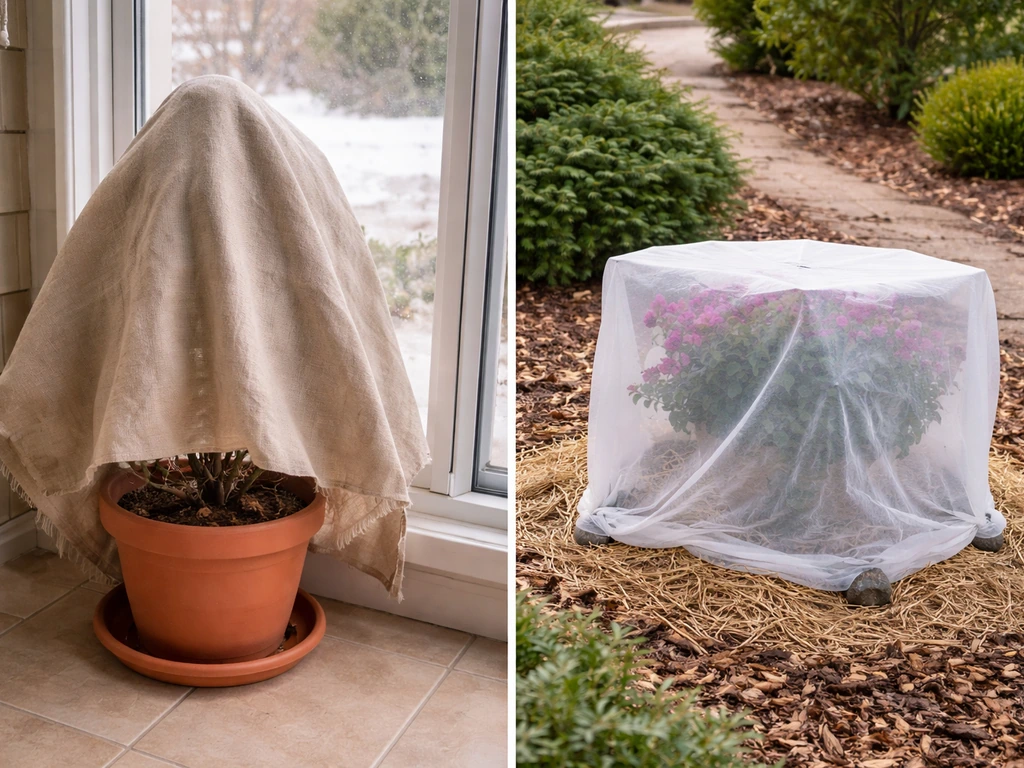
For ground planting in coastal NC, apply a 4 to 6 inch layer of mulch over the root zone before the first frost, and consider wrapping the lower stems with frost cloth during predicted hard freezes. If the tops die back, don't panic and don't cut them immediately. Wait until late spring when new growth confirms what's alive, then prune back to healthy wood.
Getting the growing conditions right in North Carolina
Sun is non-negotiable
Bougainvillea needs a minimum of 6 hours of direct sun daily, and honestly, 8 or more is what produces the spectacular flower displays everyone wants. In NC, this is usually achievable, but watch out for tree shade that creeps up as the season progresses. The more sun it gets, the more it blooms and the stronger the plant grows going into fall. A shaded bougainvillea produces mostly leaves, minimal color, and is weaker heading into winter.
Watering: less is more once established
One of the counterintuitive things about bougainvillea is that it actually blooms better when slightly stressed for water. North Carolina's summer humidity and sporadic heavy rains can cause overwatering problems if you're not careful, especially in containers. Water thoroughly, then let the top inch or two of soil dry out before watering again. In the ground during NC's humid summers, you often don't need to water at all unless there's a stretch of dry weeks. Too much water pushes leafy growth at the expense of the vivid bracts that make bougainvillea worth growing.
Fertilizing for NC's growing season
Use a balanced slow-release fertilizer or a bloom-boosting formula (high phosphorus, something like a 6-8-10 ratio) starting in spring and through summer. Feed every 4 to 6 weeks during active growth. Stop fertilizing by late August in NC so you don't push tender new growth that will get hit by the first frost. New growth that hasn't hardened off is exactly what gets damaged first in an early cold snap.
Pruning timing matters in NC
Prune lightly after each bloom cycle to encourage reblooming. Do any major shaping in late winter or very early spring, after the threat of hard frost has passed. In the coastal plain, that's typically late February to early March. In the Piedmont, wait until mid-March to be safe. Do not prune heavily in fall. Cutting stimulates new growth, and in NC's climate that new growth will be killed by cold. If your plant takes winter damage, hold off on cutting back the dead portions until you see green buds breaking in spring.
Picking the right variety for NC conditions
Not all bougainvillea varieties handle cold equally, and choosing a more cold-tolerant selection gives you a meaningful advantage in NC's marginal zones. A few worth knowing:
- Barbara Karst: One of the most cold-tolerant and vigorous varieties, producing deep red-magenta bracts. A solid first choice for Piedmont and coastal NC gardeners.
- James Walker: Another relatively cold-hardy selection with large reddish-orange bracts. Handles brief cold snaps better than many others.
- Torch Glow: A compact, columnar variety that works well in containers and is reported to tolerate slightly cooler conditions. Good for patio growing in the Piedmont.
- La Jolla: A smaller, mounding variety with bright red bracts, popular for container growing where you need something manageable to bring indoors.
- California Gold / Raspberry Ice: Beautiful but less cold-tolerant. Best reserved for the warmest coastal locations or committed container growers statewide.
For NC gardeners in zones 7b and below, the variety matters less than your overwintering strategy, but in the coastal plain where you're aiming for ground survival, leaning toward Barbara Karst or James Walker gives you a real edge. If you're curious how other cold-challenged states approach this same question, the experience of gardeners asking whether bougainvillea can grow in Ohio mirrors a lot of what Piedmont NC gardeners face in terms of zone limitations and overwintering decisions.
Testing viability and troubleshooting common failures
Test before you commit
Before you spend $50 to $100 on a mature bougainvillea and build a whole planting scheme around it, do a low-stakes test run. Buy a small nursery plant in a 1-gallon pot in late spring, grow it in a container through the summer on your porch or patio, and observe how it does in your specific light and microclimate. Then in fall, decide: does this spot get enough sun, is the plant thriving, do I have a realistic place to overwinter it? One summer of observation tells you more than any zone map about whether bougainvillea is going to work in your particular yard.
Why bougainvillea fails in NC and how to fix it
Cold dieback is the most obvious failure point, but it's not the only one. Here are the issues I see come up repeatedly with NC gardeners trying to grow bougainvillea:
- Bringing it in too late: Don't wait for frost warnings to move a container plant inside. Once temps drop consistently below 50°F at night, start thinking about moving it. Repeated chilling weakens the plant before you even get to the first frost.
- Too much shade: If your bougainvillea is blooming weakly or not at all, inadequate sun is almost always the reason. Reposition before you blame the plant.
- Overwatering during NC's humid summers: Yellowing leaves that aren't from cold stress are usually a sign of root rot from too much moisture. Make sure your container has drainage holes you'd notice a tennis ball through, not just small slits.
- Cutting back winter-damaged wood too early: Wait until you see new buds before deciding what's dead. Bougainvillea is surprisingly good at coming back from what looks like complete die-back, especially if the roots survived.
- Fertilizing too late in the season: New growth pushed in September or October in the Piedmont will get hit by first frost. Cut feeding off by late August.
- Planting in the wrong spot: A north-facing wall in Charlotte will never be as good as a south-facing wall with brick backing in Wilmington. Site selection is everything in marginal climates.
North Carolina's situation is genuinely similar to what gardeners face in other states with divided climates and cold winters. If you've been researching this topic broadly, you might have also looked at questions like whether bougainvillea can survive in Utah or growing bougainvillea in Colorado, where the same container-versus-ground calculus plays out. For truly cold climates with no mild coastal buffer at all, the challenges are even steeper, as anyone asking about bougainvillea in Chicago will quickly find out.
Your next steps right now
If you're in the NC coastal plain, especially Zone 8b, go ahead and plant in the ground. Pick a south-facing, wind-sheltered spot, choose a cold-tolerant variety like Barbara Karst, and plant after your last frost date (typically late March to mid-April for the coast). Mulch heavily in fall and have frost cloth ready for the worst nights.
If you're in the Piedmont, your best move right now in April is to buy a container plant, grow it outside through the season to evaluate your conditions, and decide in fall whether your microclimate is good enough to attempt ground planting or whether containers make more sense long-term. Charlotte gardeners with ideal south-facing walls can try ground planting, but go in with eyes open about occasional losses.
If you're in the mountains, skip the ground planting entirely. Get a large container, grow it on a sunny deck or patio all summer, and plan to bring it into a frost-free garage or basement by mid-October. It's still absolutely worth growing, you just need to commit to the indoor-outdoor routine. And if you want a comparison point for just how cold-challenged a location can be for bougainvillea, look at what gardeners deal with when asking about growing bougainvillea in New Mexico, where cold nights and aridity create a different but equally tricky set of constraints.
The bottom line: bougainvillea in North Carolina is doable for most of the state with the right approach. Know your zone, pick your microclimate carefully, match your strategy to your location, and don't fight the climate by planting in the ground somewhere it won't survive. Work with what your specific corner of NC actually offers, and bougainvillea can be one of the most dramatic plants in your summer garden.