
Yes, bougainvillea can grow in New Mexico, but where you live in the state makes all the difference. If you're wondering can bougainvillea grow in North Carolina, the answer depends largely on your winter lows and how well you can protect the root zone from freezes. In the warm southern zones around Las Cruces and the lower Rio Grande Valley (USDA zones 8a–8b), you have a real shot at keeping bougainvillea in the ground year-round with some cold protection.
Can Bougainvillea Grow in New Mexico? Feasibility Guide
Marcus Hartwell
10 Jun 2026
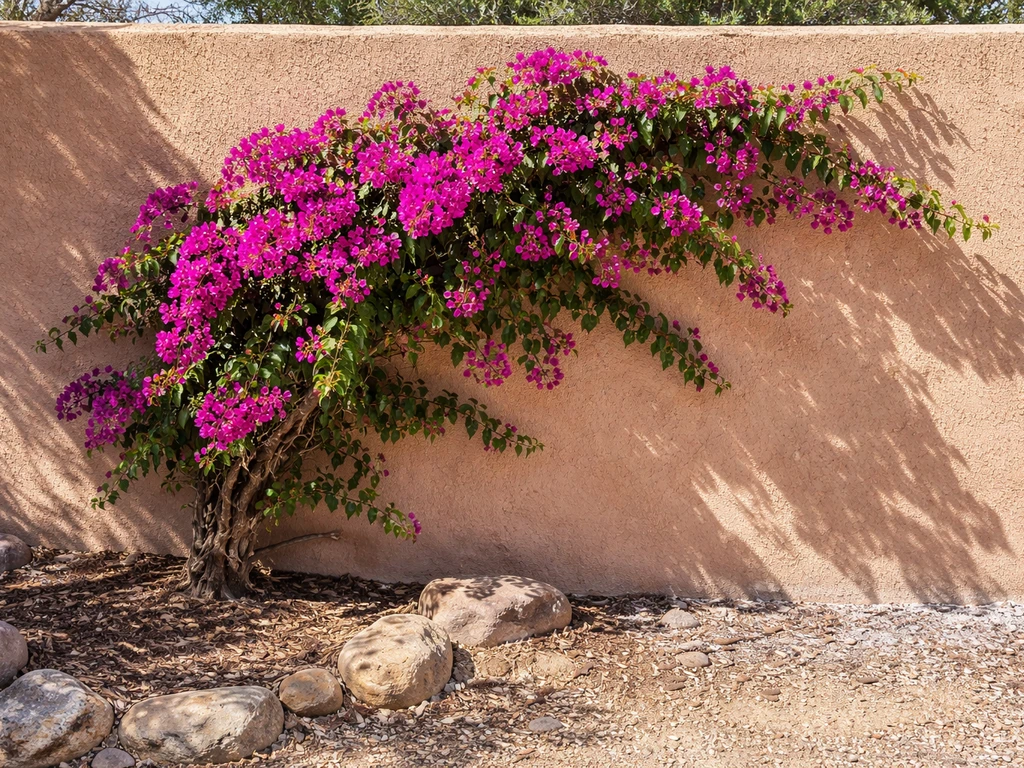
Move north to Albuquerque (zone 7b) or higher-elevation spots like Santa Fe, and the plant becomes a container project or a calculated gamble at best. The honest answer is: southern New Mexico is bougainvillea country with effort; central and northern New Mexico is container-only territory.
Where in New Mexico bougainvillea actually has a chance
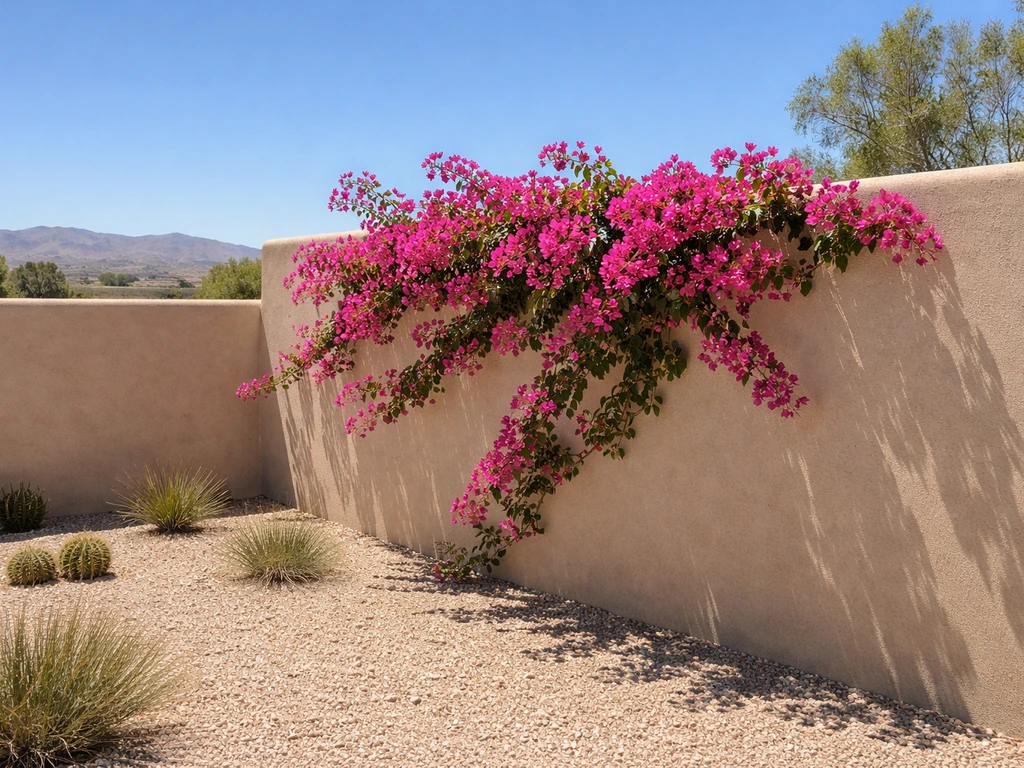
New Mexico spans a wide range of USDA hardiness zones, and bougainvillea's cold tolerance is the limiting factor. USDA’s Plant Hardiness Zone Map defines zone suitability based on average annual extreme minimum temperatures, which is why cold limits matter so much for bougainvillea’s survival blank" rel="noopener noreferrer">USDA hardiness zones. USU Extension’s New Mexico hardiness information includes a county-by-county table with calculated average annual minimum temperature and the “absolute minimum” that can help translate USDA zones into specific winter lows blank" rel="noopener noreferrer">New Mexico spans a wide range of USDA hardiness zones. The plant generally can't handle prolonged temperatures below about 25°F without root damage, and anything consistently in the mid-teens or lower will kill it outright. That narrows your realistic geography considerably.
| Region | USDA Zone (approx.) | Typical Winter Low | In-Ground Feasibility |
|---|---|---|---|
| Las Cruces / Lower Rio Grande Valley | 8a–8b | 10–20°F (with warm spells) | Possible with protection |
| Albuquerque / Middle Rio Grande | 7b | 5–10°F | Risky; container recommended |
| Santa Fe / High Desert Plateau | 6b–7a | 0°F and below possible | Not recommended in-ground |
| Northern NM (Taos, Los Alamos) | 5b–6b | Well below 0°F | Container or skip it |
Las Cruces sits in roughly zone 8a–8b, which puts average annual extreme winter lows somewhere between 10 and 20°F. That's right on the edge of bougainvillea's survival range. The plant can bounce back after a few nights in the 26–29°F range, but sustained hard freezes that drive root-zone temperatures into the mid-20s or lower can kill the crown entirely.
Las Cruces does average around 69 frost nights per year, so it's not frost-free, but the warm days, high sun angle, and relatively short cold spells give bougainvillea a fighting chance with the right setup. Albuquerque, by contrast, sees around 93 days per year at or below freezing, with daily lows below freezing through much of December and into mid-February. That's a very different situation, and most bougainvillea planted in the ground in Albuquerque will not come back reliably.
The real cold risk and how to think about it
Bougainvillea is famously dramatic about cold. The top growth starts dying back when temperatures approach 30°F, and the plant can be reduced to bare stems after a single hard frost. That part is recoverable if the roots are still alive. The roots are what you're protecting. Prolonged exposure below 25°F can damage the root system, and once the root crown freezes deeply, the plant is gone. So the question isn't really 'will there be frost?' (there will be, everywhere in New Mexico) but 'how often and how long will temperatures stay below 25°F, and will they reach the root zone?'
In southern New Mexico, hard freezes below 25°F are relatively short-lived. The soil doesn't freeze deeply, and a thick mulch layer can buffer the root zone through a bad night or two. In Albuquerque and northward, you get more consecutive nights below freezing, higher wind exposure, and lows that regularly push into the single digits during cold snaps. That's the difference between a plant that comes back in spring and one that rots in place.
If you're in a zone 7b area or colder, plan on treating bougainvillea as a container plant that comes indoors for winter, not a landscape shrub. In Ohio, you can only grow bougainvillea successfully if you treat it as a container plant and protect it from freezing winter temperatures can bougainvillea grow in ohio.
Container vs. in-ground: which setup makes more sense for you
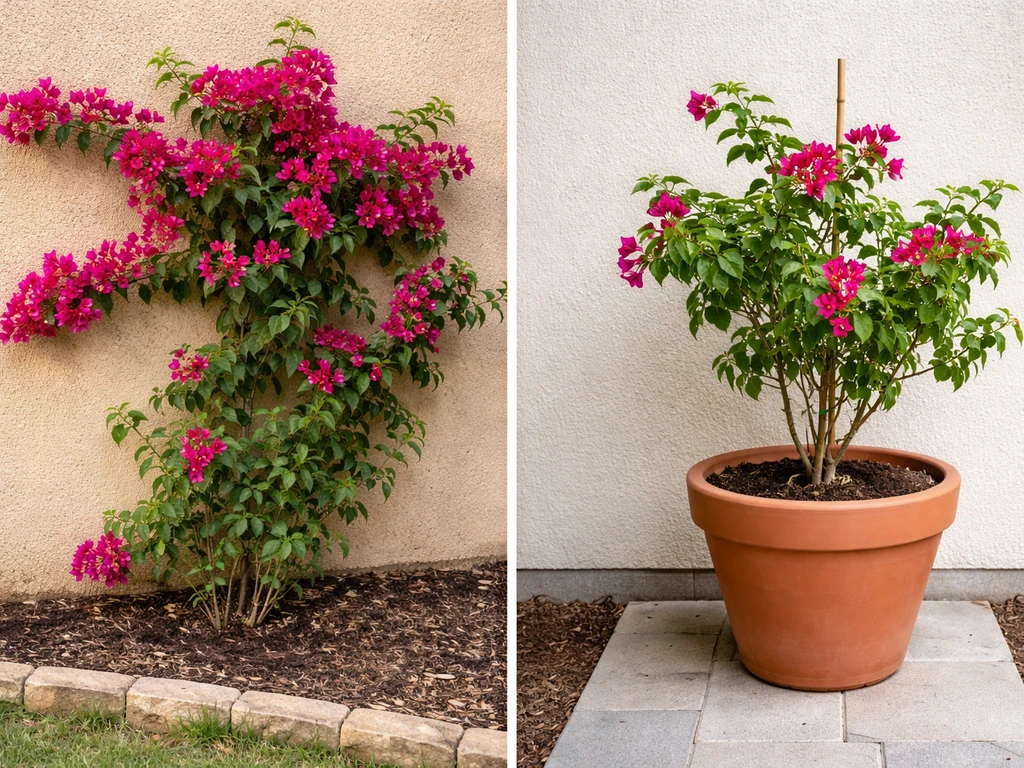
This is one of the most practical decisions you'll make, and it depends almost entirely on your winter lows. Here's how to think about it:
- In-ground planting (Las Cruces and similar zone 8a–8b areas): Gives the plant space to grow large and bloom heavily. You're betting that your specific spot won't get a sustained hard freeze below 20–25°F. You'll need deep mulch and possibly frost cloth in a bad winter, but the root system has the ground's thermal mass working in its favor.
- Container growing (Albuquerque, Santa Fe, and everything north): Lets you move the plant to safety before the worst freezes. Bougainvillea actually does well in containers when roots are slightly restricted, which can encourage blooming during the growing season. The tradeoff is that containers freeze faster than in-ground soil, so you need to move them before the first frost, not after.
- Hybrid approach (zone 7b borderline areas): Some gardeners in Albuquerque plant in large containers and park them against a south-facing wall during the growing season, then move them to an unheated garage or greenhouse for winter. This is a lot of work but it's the only reliable way to keep bougainvillea alive in that zone.
One thing worth knowing: a container sitting exposed on a patio will see its root zone drop to ambient air temperature much faster than in-ground soil. If you're container-growing in a colder part of the state, move the plant indoors before nighttime temps hit around 40°F consistently. Don't wait for a freeze warning.
Best varieties and where to put them for maximum success
Cold-tolerant varieties to look for
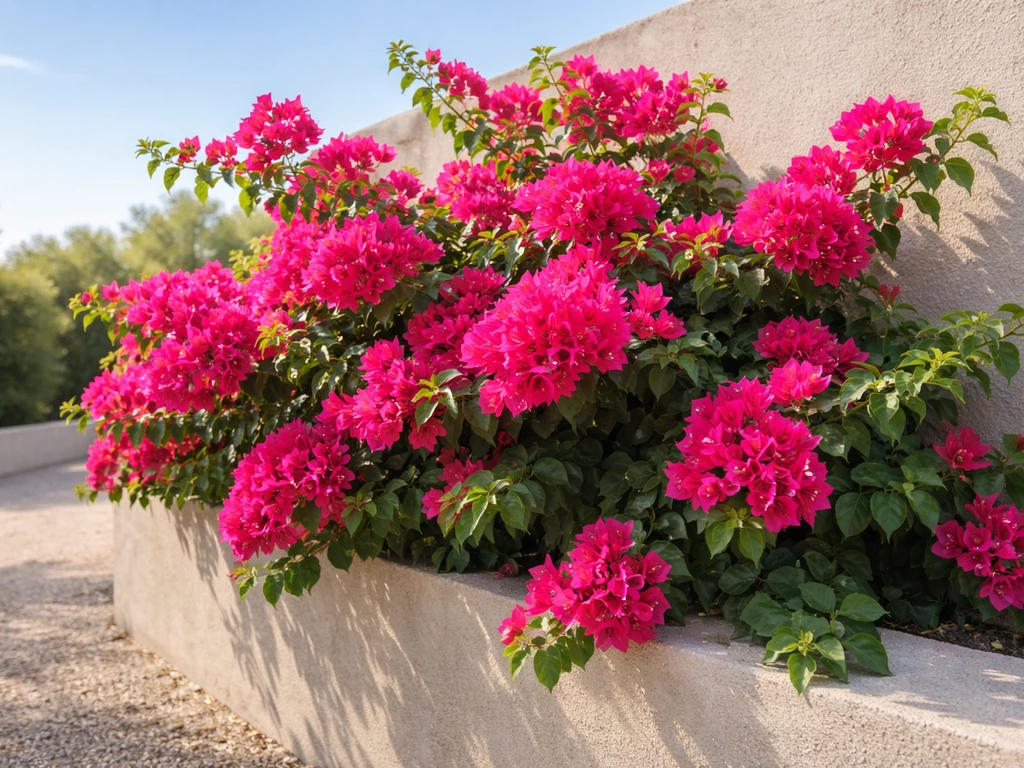
Not all bougainvillea cultivars are equal when it comes to cold. For New Mexico, 'Barbara Karst' is the go-to recommendation for borderline climates. It's rated to tolerate lows around 20–25°F, making it more suitable for zone 8 conditions than many other cultivars. You'll commonly see it listed as hardy to 25°F, with some sources citing 20°F as a survivable low under good conditions. If you're in Las Cruces or a warm microclimate nearby, 'Barbara Karst' is worth the investment. For colder zones where you're doing container growing, the variety matters less since you're bringing it indoors anyway, but 'Barbara Karst' remains a reliable bloomer.
Site placement: this is where most people go wrong
Bougainvillea needs full sun, and in New Mexico that's easy to provide. What people underestimate is the importance of thermal mass and wind protection. The ideal planting spot is against a south- or west-facing masonry wall, which absorbs daytime heat and radiates it back at night. That wall effect can keep the microclimate around the plant 5–10°F warmer than open air during a cold snap, which is the margin between survival and loss in a zone 8a location. Avoid north-facing walls, exposed corners, or low-lying frost pockets where cold air drains and settles overnight. A spot under a roof overhang also provides a few degrees of overhead protection on the coldest nights.
- South or west-facing masonry wall (best choice): radiates stored heat at night
- Under a roof overhang: reduces radiative heat loss from the plant on clear, cold nights
- Raised beds or elevated ground: cold air drains away rather than pooling around the plant
- Avoid: north-facing exposures, low spots in the yard, exposed windy corners, and areas with overhead irrigation that can keep the soil wet in winter
Overwintering strategies that actually work in New Mexico
For in-ground plants in southern NM
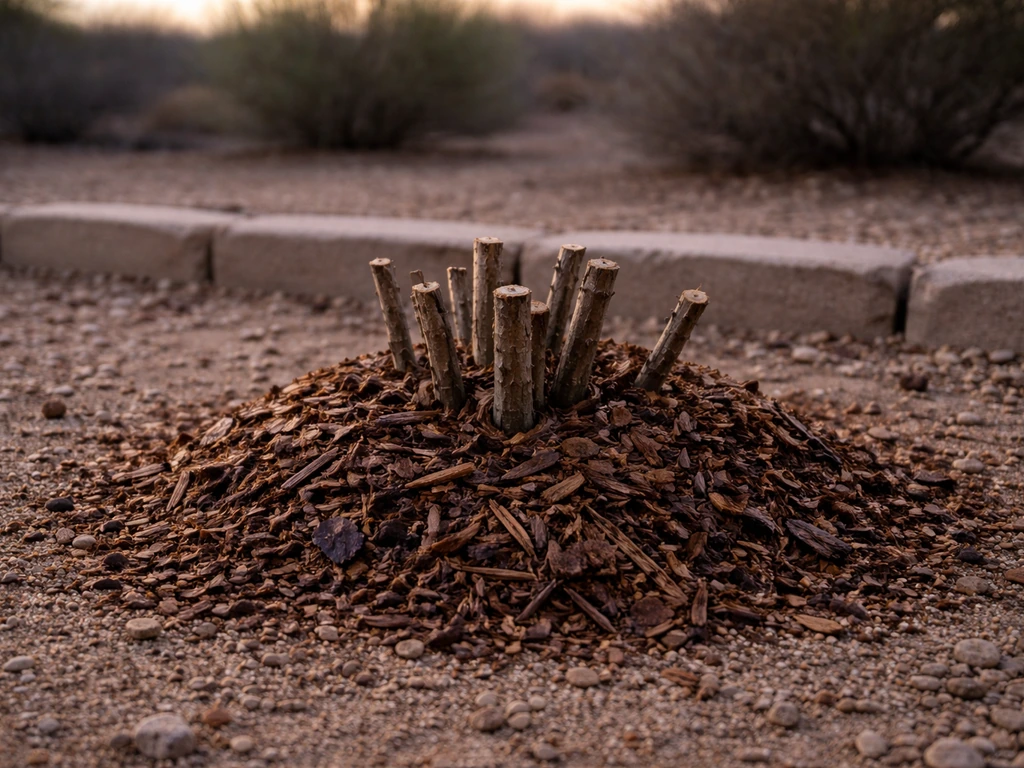
The goal is to protect the root crown and lower stem through the coldest nights. After the first frost kills back the top growth, cut the dead material down but leave the lower stems intact as some insulation. Pile 3–5 inches of mulch over the root zone and base of the plant, extending out to the drip line. On nights when temperatures are forecast below 25°F, drape frost cloth or an old blanket over the plant and anchor it down.
Remove it once temperatures warm back above freezing the next morning so the plant gets sunlight and air circulation. Keeping the soil on the dry side going into winter also matters: wet root zones combined with freezing temperatures dramatically increase damage risk.
For container plants in colder zones
Bring containers indoors before the first frost, ideally when nighttime lows are consistently approaching 40°F. The best indoor location is a cool but frost-free space with some light, like an unheated garage with a window, a greenhouse, or a bright sunroom. The plant will likely drop its leaves and look half-dead over winter. That's normal. Keep it barely moist (not dry, not wet) and don't fertilize. In late winter or early spring, as night temperatures start climbing back above 50°F consistently, you can move it back outside gradually, starting with a sheltered, partly sunny spot before transitioning to full sun. Expect it to come back aggressively once outdoor temperatures and light levels increase.
The indoor light problem
One honest caveat about indoor overwintering: it's hard to provide enough light indoors to get reliable blooming. Most homes and garages simply don't have the light intensity bougainvillea needs to produce bracts. The plant will survive indoors but may not bloom until it's back outside in full New Mexico sun. Think of indoor overwintering as keeping the plant alive, not as a way to get winter flowers. The blooms will come back once it's outdoors and has consistent direct sun.
What to realistically expect from bougainvillea in New Mexico
When things go well, bougainvillea in New Mexico can be spectacular. The intense sunlight, low humidity, and hot summers are exactly what this plant loves. It needs at least 4 hours of direct sun daily to bloom, and in New Mexico's climate, it often gets significantly more. Individual bracts can last 3 weeks or longer under good conditions. In a warm, sheltered location in Las Cruces, a well-established plant can bloom from spring through fall with relatively little attention beyond watering and watching the forecast.
The reality in colder parts of the state looks different. In Albuquerque, a container bougainvillea brought in and out each season will likely stay smaller since it spends several months in low-light dormancy. It will still bloom during the outdoor season, but you're not going to get the massive sprawling vine that you see in Phoenix or Tucson. Expect more of a large flowering shrub or manageable container specimen.
Common reasons bougainvillea fails in New Mexico
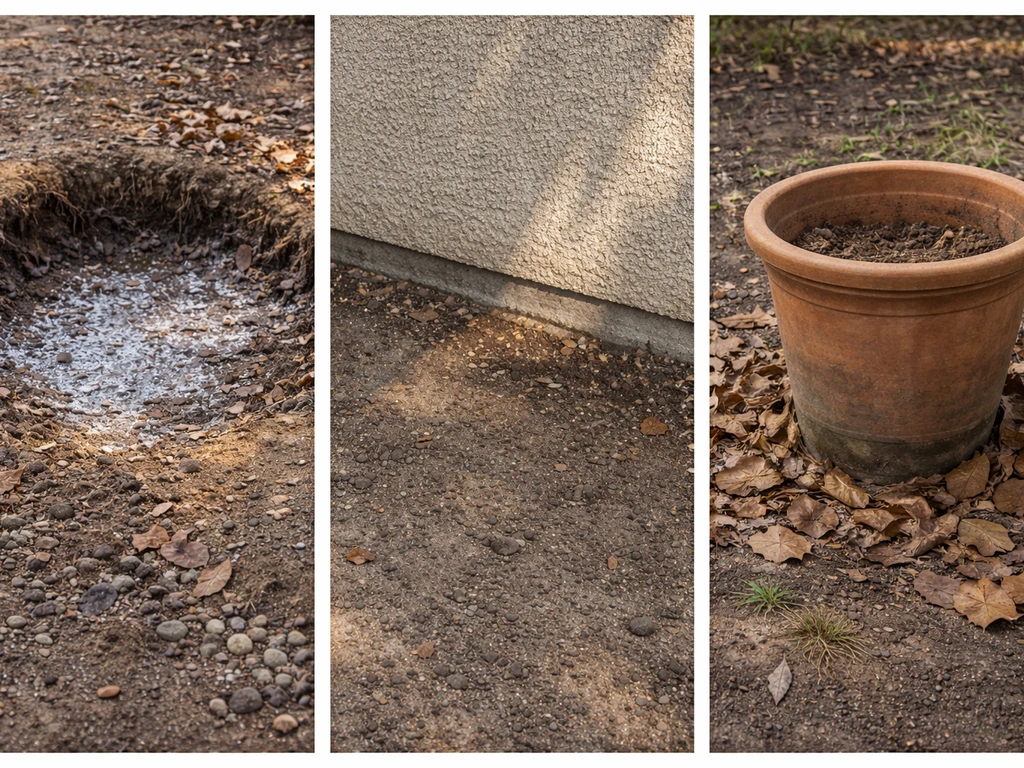
- Planted in the wrong location: north-facing walls, frost pockets, or exposed sites with no thermal mass protection
- Left in containers outside too long in fall: container root zones freeze fast and hard; waiting until after the first frost to bring it in often means root damage
- Overwatered, especially going into winter: wet roots plus cold equals rapid decline; bougainvillea needs dry, fast-draining soil and even drier conditions heading into cold weather
- Trying to grow it in-ground north of Albuquerque: zone 7a and colder is simply too cold for reliable in-ground survival, no matter how good the location
- Giving up on a frozen plant too early: bougainvillea can look completely dead after a freeze and still come back from the roots in spring; give it until late spring before writing it off
How New Mexico compares to nearby states
New Mexico sits in a more favorable position than several neighboring states for bougainvillea. Colorado and Utah have shorter warm seasons, colder winters, and less consistent sun in the southern part of their zones, making bougainvillea even more of a challenge there. Because Utah has shorter warm seasons and colder winters than New Mexico, bougainvillea is usually best handled as a container plant that you bring indoors during winter bougainvillea in Utah.
Colorado and Utah are even tougher for bougainvillea because of the colder winters and shorter warm seasons. New Mexico's southern corridor genuinely rivals parts of Arizona and West Texas for bougainvillea-friendly conditions. If you've been searching around for whether this plant works in the broader Southwest, New Mexico's warm south is one of the more realistic places outside of Arizona to try it in the ground.
Your next step based on where you live
If you're in Las Cruces or the lower Rio Grande Valley: buy a 'Barbara Karst' or similar cold-tolerant cultivar now (early summer is a great planting window), put it against a south-facing masonry wall in full sun, and plan to mulch heavily and use frost cloth in winter. You have a real chance at a long-lived landscape plant.
If you're in Albuquerque: go container from the start, pick a spot against a warm wall for summer, and commit to moving it indoors before your first frost (typically late October). If you're in Santa Fe or further north: bougainvillea is a container plant at best and a seasonal annual at worst. If you're trying to answer can bougainvillea grow in Chicago, assume you'll need to treat it as a container and bring it indoors for winter.
Decide if that level of work is worth it for you, because the plant itself will reward the effort when it's growing in New Mexico's heat and sun.
FAQ
What’s the biggest reason bougainvillea dies in New Mexico, cold or watering mistakes?
Cold stress is usually the killer, but watering mistakes make it worse. Wet soil plus freezing temperatures can freeze the crown and roots, so in fall cut back watering and let the root zone dry down before cold snaps.
Can bougainvillea survive a single cold night in Albuquerque if I cover it?
Sometimes, but the risk is deeper than the air temperature. Covers help with wind and surface frost, yet if the cold extends for many nights, root-zone temperatures can still drop too far. Treat it as survival odds, not reliability, in zone 7b and colder.
Is there a safe way to estimate whether my yard’s microclimate is warm enough?
Look for places that stay warm and dry at night, not just places that get sun. Avoid low spots where cold air settles, and prioritize south- or west-facing walls. If you can, track overnight lows at the plant location with a cheap outdoor thermometer during winter.
Should I prune bougainvillea before winter in New Mexico?
After a frost kills the top growth, you can remove dead material, but don’t hard-prune to bare stems. Leave some lower stems as insulation and keep mulch covering the root crown area.
How thick should mulch be, and can it trap too much moisture?
Use about 3 to 5 inches over the root zone and base, and extend it outward toward the drip line. The goal is insulation, not a waterlogged “blanket,” so apply it when the soil is already on the dry side and avoid heavy watering once temps drop.
Does frost cloth work the same way as a blanket for bougainvillea?
Frost cloth is usually better because it’s breathable and reduces moisture buildup under the cover. Whatever you use, anchor it so wind doesn’t loosen it, and remove it after temperatures rise above freezing to prevent damp, low-light conditions.
What should I do if my container bougainvillea freezes while I’m asleep?
If the crown or main stems freeze solid, recovery may be limited even if the plant is alive. In spring, wait and watch for new growth rather than cutting immediately. If you see no green from the base after outdoor warmth stabilizes, assume it didn’t make it.
When is the best time to bring containers indoors in New Mexico?
Move indoors before nighttime lows routinely hit around the mid- to high-30s°F, not just when frost is forecast. Patio containers lose heat faster than in-ground soil, so early protection lowers the chance of partial root damage.
How do I water indoors during winter overwintering?
Keep it barely moist. Let the top layer dry slightly between waterings, and avoid fertilizing. Overwatering indoors is a common problem because growth is slow and evaporation is low.
Will bougainvillea bloom the same winter if I keep it indoors?
Usually no. Indoor light in most homes and garages is too weak for reliable bract production, so treat indoor time as survival and plan to expect the main bloom once it’s back outside in strong direct sun.
Which bougainvillea cultivar should I choose if I’m on the borderline in southern New Mexico?
For borderline in-ground attempts, 'Barbara Karst' is the go-to option for colder-tolerant performance. Even with that cultivar, plan for heavy mulch and additional protection during nights forecast below about 25°F.
Can I grow bougainvillea in New Mexico using a raised bed to reduce freeze damage?
A raised bed can help with drainage, which reduces freeze-plus-soggy-root risk. However, it does not fully solve the core issue of prolonged low root-zone temperatures, so you still need a warm microclimate and winter protection.
How much sun does bougainvillea need in New Mexico, and will winter sun matter?
For flowering, plan for at least 4 hours of direct sun daily during the outdoor growing season. Winter light matters for survival quality, but the key limitation indoors is intensity, not just hours.