Forsythia grows best in USDA Hardiness Zones 5 through 8, though the shrub itself can survive in Zone 4. It thrives across a wide swath of the continental United States, particularly throughout the mid-Atlantic, Midwest, New England, and parts of the South and Pacific Northwest. If you're in that Zone 5–8 band and get at least a modest winter chill, you can almost certainly grow forsythia. The real question isn't whether the plant will survive in your yard, but whether it will actually bloom reliably every spring, and that's a more specific answer that depends on your exact zone, your site, and even the cultivar you pick.
Where Does Forsythia Grow Best By Zone and Climate
Marcus Hartwell
16 Apr 2026
The climate and hardiness range where forsythia actually thrives
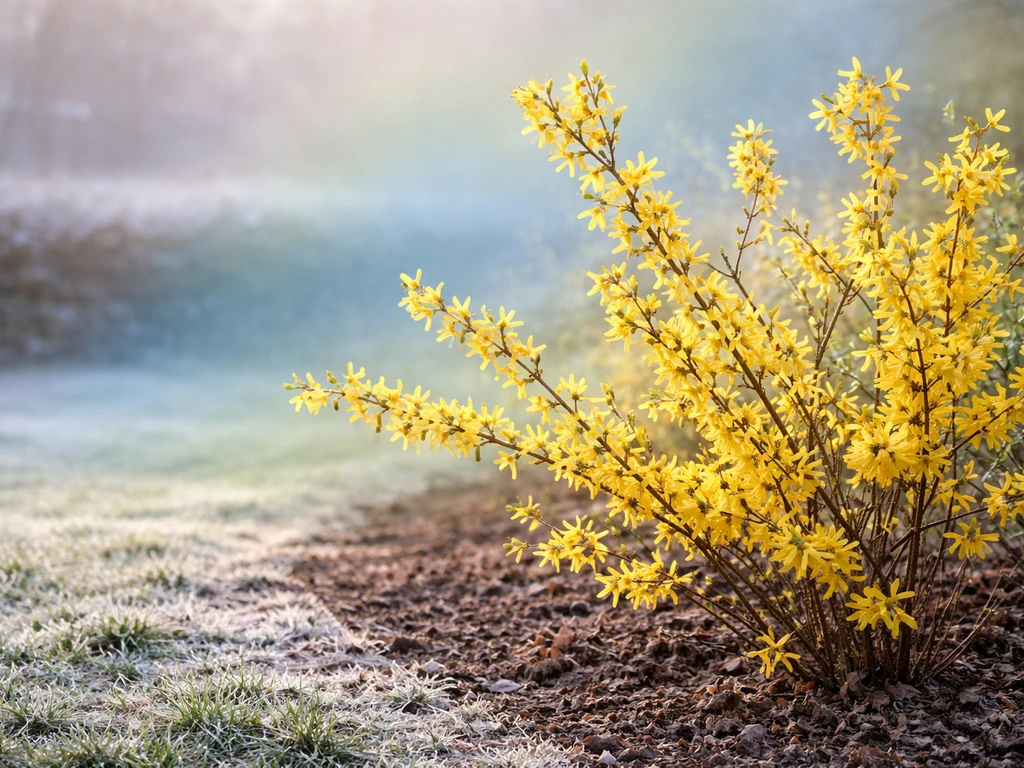
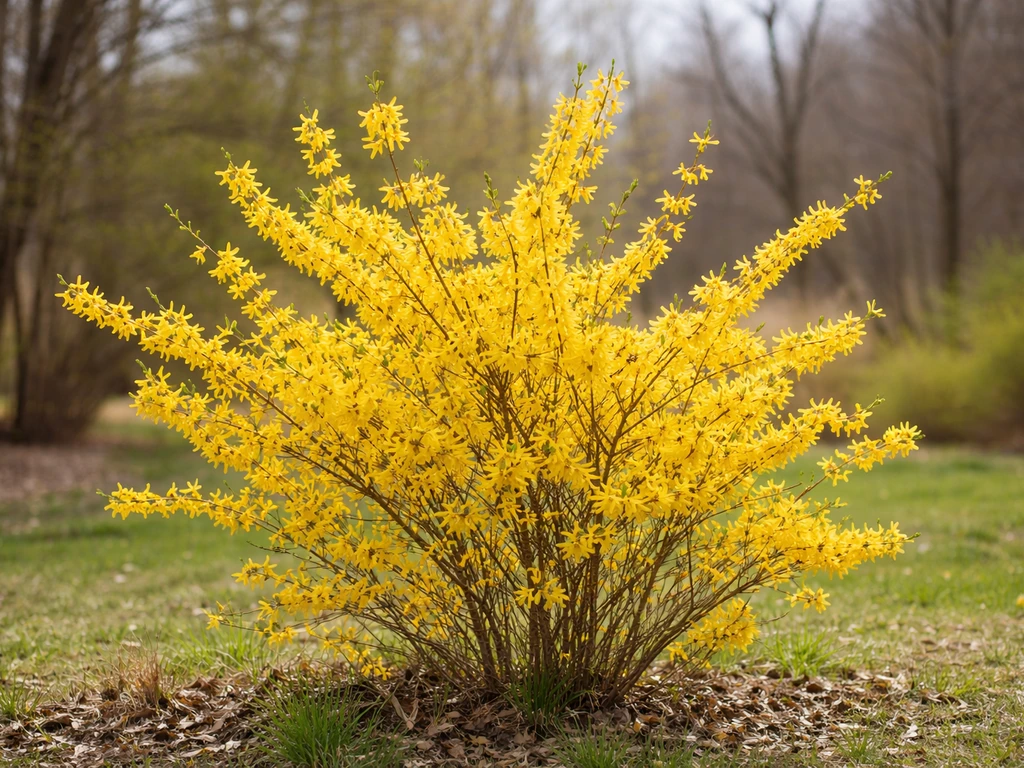
Forsythia (Forsythia × intermedia, the most commonly sold border forsythia) is a hybrid that traces its roots back to East Asia, with parent species native to China and Korea. It was introduced to continental Europe around 1880 and quickly spread to North America, where it naturalized well across temperate climates. The plant itself is rated hardy from Zones 4 through 9, which sounds like a huge range, but there's an important catch that most plant tags at the garden center don't explain clearly.
The stems and roots can handle temperatures down to roughly -20°F (the lower edge of Zone 5 and into Zone 4). The flower buds, though, are a different story. They start losing viability around -5°F, and many commonly sold cultivars like 'Lynwood Gold' and 'Spring Glory' have buds that die back when temps drop to -10°F.
So a plant in Zone 4 might look perfectly healthy in April and give you zero flowers, because the buds quietly died during a hard January freeze. Penn State's arboretum puts it plainly: forsythia is often listed as hardy in Zones 4–9, but flower buds frequently don't survive Zone 4 temperatures. That's the critical distinction between surviving and actually blooming.
Purdue’s plant profile notes that forsythia flower buds are often damaged by cold temperatures around -10 to 15 °F, even when the shrub can survive flower buds frequently don't survive Zone 4 temperatures.
Where forsythia grows best by region
If you live in the mid-Atlantic states, the upper South, the Midwest from roughly Ohio through Iowa, the lower Great Lakes region, and much of the mid-elevation Pacific Northwest, forsythia is almost a sure thing. These areas sit solidly in Zones 5b through 7b, deliver a reliable winter chill without extreme cold events, and provide the spring warmth forsythia needs to put on its iconic yellow display.
New England gardeners in Zones 5 and 6 generally do well, though northern Maine and other Zone 4 pockets will see inconsistent flowering. The Midwest is a mixed bag: Iowa State University Extension specifically recommends cold-hardy cultivars like 'Meadowlark,' 'Northern Sun,' and 'Sunrise' for Iowa because of extreme cold events that can knock out the buds on standard varieties. If you're in the Deep South (Zones 8b–9), forsythia can grow but often underperforms on blooms because it needs a significant amount of winter cold to trigger bud break, and mild winters don't deliver enough of it. The research suggests forsythia needs at least around 1,000 chilling hours for reliable bud break, which many deep Southern winters simply can't provide.
California is a special case worth calling out. Whether forsythia grows in California depends entirely on which part of the state you're in. Gardeners in the Central Valley and coastal Southern California often struggle with bloom reliability because winters aren't cold enough. Higher-elevation areas and Northern California's inland regions have much better luck.
How to check your zone today and interpret what it means for forsythia
The fastest way to check your USDA Plant Hardiness Zone is to go to the USDA's interactive zone map and type in your zip code. You'll get a zone down to the half-zone level (like 6a or 6b), which actually matters for a cold-sensitive bloomer like forsythia. Once you have that number, here's how to read it for forsythia specifically:
| USDA Zone | Winter Low (°F) | Stem Survival | Bloom Reliability |
|---|---|---|---|
| Zone 4 | -30 to -20°F | Usually survives | Poor to unreliable; buds frequently killed |
| Zone 5a | -20 to -15°F | Good | Marginal; bud hardiness is the limiting factor |
| Zone 5b | -15 to -10°F | Good | Moderate; choose cold-hardy cultivars |
| Zones 6–7 | -10 to +10°F | Excellent | Reliable; this is the sweet spot |
| Zone 8 | +10 to +20°F | Excellent | Good but chill-hours can be borderline |
| Zone 9+ | +20°F and above | Excellent | Often poor; insufficient winter chill for bud break |
The big takeaway from that table: don't just look at whether forsythia is listed as "hardy" in your zone. Look at whether your zone's typical winter low will kill the flower buds. Zones 6 and 7 are where forsythia blooms like the textbooks show. Zones 5 and 8 are workable with the right cultivar and right site. Zones 4 and 9+ are marginal, and you'll need to adjust expectations or strategy.
Sun, soil, and moisture: what forsythia actually needs at your site
Sunlight
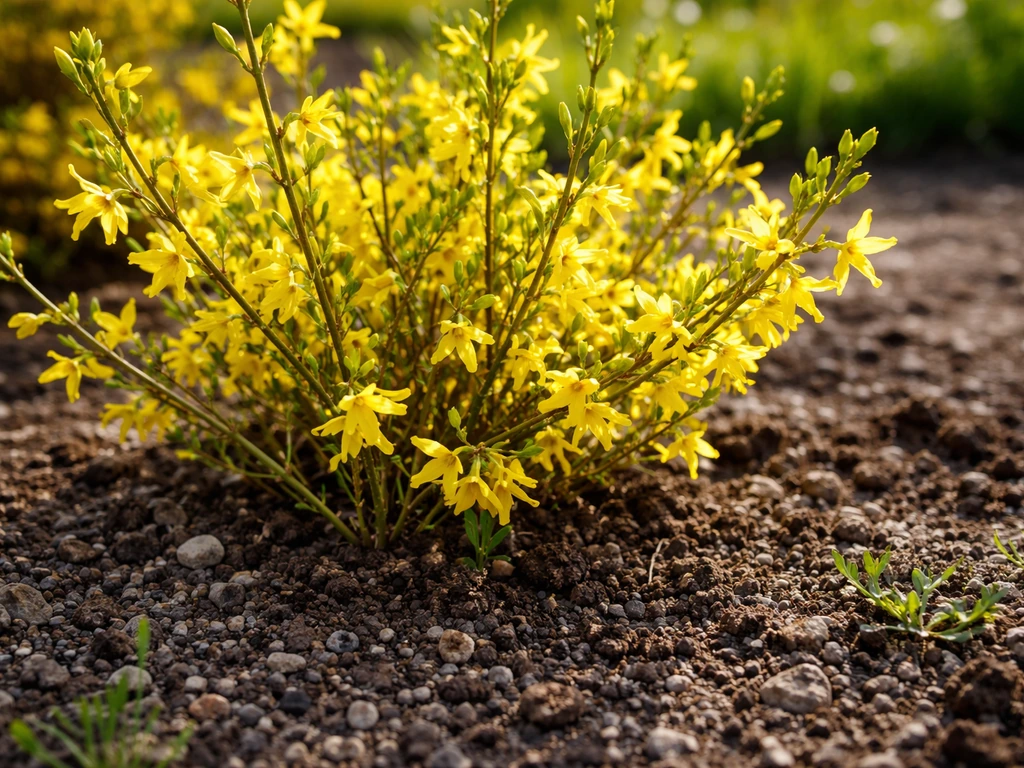
This is where most gardeners leave blooms on the table. Forsythia will tolerate partial shade, but every extension source I've seen says the same thing: full sun means more flowers, bigger flowers, and earlier flowers. NC State Extension, Purdue Extension, and Penn State's arboretum all link directly more sun to better bloom performance. Full sun means at least 6 hours of direct sunlight per day. If your only open spot gets 3 to 4 hours, the plant will survive, but your spring flower show will be noticeably thinner.
Soil and drainage
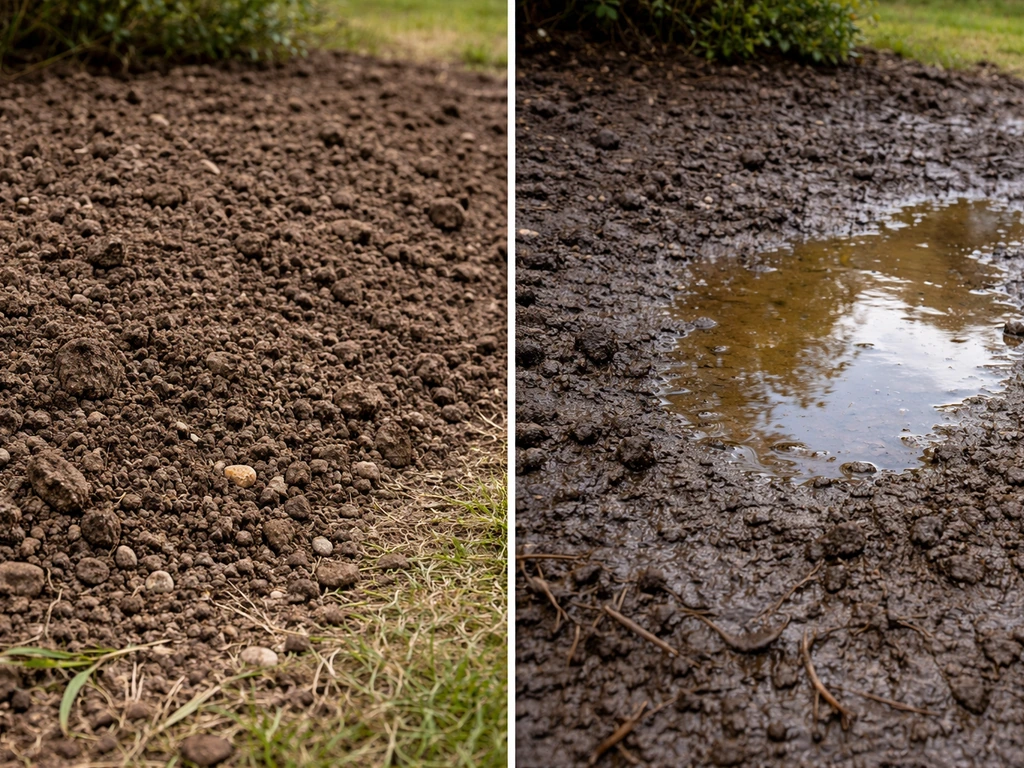
Forsythia is not picky about soil type, but it is picky about drainage. NC State Extension describes the ideal as "loose, medium-moisture, well-drained soils," and consistently soggy or waterlogged ground is a problem. Forsythia is actually reasonably drought-tolerant once established, which makes it forgiving in dry summers, but standing water around the root zone is a different matter. If your yard has heavy clay that holds water after rain, either amend the soil before planting, build up a slightly raised bed, or choose a different spot. Poor drainage is one of those slow-kill problems that isn't obvious until the plant starts declining a few years in.
Space and air circulation
Border forsythia is a big shrub, often reaching 8 to 10 feet tall and wide at maturity. Give it room. Overcrowded plantings invite disease, reduce light penetration to the interior, and create the conditions where poor drainage becomes worse. Most experienced gardeners who've planted forsythia in tight spots end up either removing it or fighting it constantly.
Where forsythia produces the most blooms (the winter chill factor)
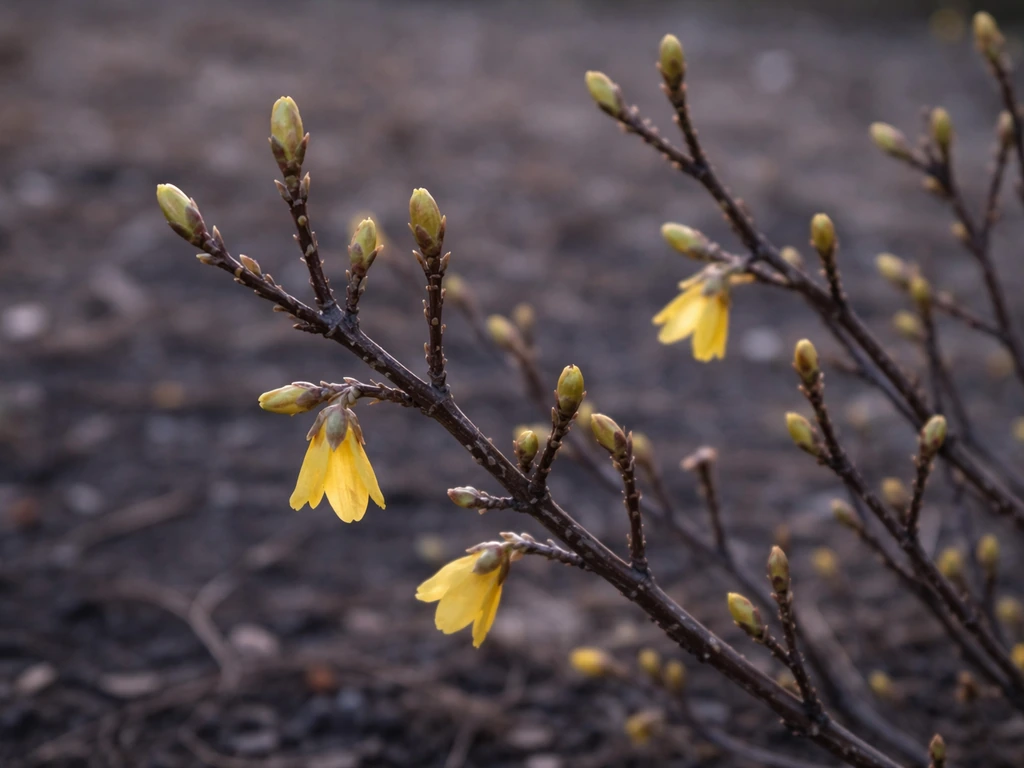
The reason forsythia explodes with yellow flowers every March and April in Zone 6 gardens but sometimes barely flowers in Zone 8 gardens isn't a watering issue or a soil issue. It's a chilling-hours issue. Forsythia sets its flower buds in late summer and early fall on that year's new growth (it blooms on "old wood"), then those buds need a sufficient period of cold dormancy before they're triggered to open in spring. Research points to roughly 1,000 chilling hours as the threshold for reliable bud break. That's hours with temperatures in the 32–45°F range during winter.
Zones 5 through 7 across most of the eastern half of the country easily rack up that many chilling hours. The same is broadly true for the Pacific Northwest and mid-elevation areas of the Mountain West. Where it gets complicated is the Deep South (Zone 8b and Zone 9), warm coastal California zones, and parts of the Southwest desert. If your winters are consistently mild and brief, your forsythia may leaf out just fine but flower sparsely or not at all, because the buds never got the cold signal they needed.
This is actually a similar dynamic to what gardeners face when choosing spring-flowering shrubs in arid or mild-winter states. If you've ever looked into how azaleas perform in Texas, you'll recognize this same pattern: the plant survives just fine in the heat and mild winters of southern Texas but the bloom performance can be unpredictable depending on whether winter provided enough chill.
Forsythia vs. similar flowering shrubs: is it the right call for your region?
If you're on the edge of forsythia's reliable range, it's worth comparing it to alternatives before committing. Here's an honest look at how forsythia stacks up against two popular spring-flowering shrubs in marginal climates.
| Shrub | Best Zones | Bloom Reliability in Zone 4 | Bloom Reliability in Zone 8–9 | Chill Hours Needed | Sun Requirement |
|---|---|---|---|---|---|
| Forsythia × intermedia | 5–7 (sweet spot) | Poor (bud kill) | Often poor (low chill) | ~1,000 hrs | Full sun ideal |
| Azalea (deciduous types) | 4–8 depending on cultivar | Moderate with right cultivar | Moderate in milder areas | Lower requirement | Partial shade tolerant |
| Spirea (Spiraea japonica) | 3–8 | Good | Good | Lower requirement | Full sun to part shade |
If you're in Zone 4 and love yellow spring color, forsythia is a gamble on blooms. Spirea may be a better bet for reliable flowering. If you're in an arid inland location like Utah or Colorado, both forsythia and azaleas present challenges. Azaleas in Colorado face tough odds due to alkaline soils and dry air, and forsythia would face similar cold extremes in Colorado's Zone 4–5 mountain communities, though it does better in Colorado's Front Range cities that sit in Zones 5b–6a.
Why forsythia fails to bloom and how to fix it in marginal spots
If you're already growing forsythia and it's not blooming, or if you're in a marginal zone and want to give it the best shot, here are the most common reasons for failure and the direct fix for each. UMD Extension notes that forsythia flower buds develop on the prior growing season, so fall or winter pruning (and even spring pruning) can reduce the next spring’s flowering fall/winter pruning (and spring pruning) can reduce the next spring’s flowering display.
- Flower buds were killed by cold: This is the single most common reason for a forsythia that looks green and healthy but produces no flowers in spring. If your winters regularly hit -10°F or colder, switch to a cold-hardy cultivar like 'Meadowlark' or 'Northern Sun,' which are bred for exactly this scenario.
- Not enough winter chill (warm climates): If you're in Zone 8b or 9 and your forsythia barely blooms, insufficient chilling hours is likely the culprit. There's no easy fix for this on a warm site. You can try a different location or accept that forsythia may not be the right plant for your specific garden.
- Late spring freeze killed swelling buds: Forsythia blooms early, which means an unexpected hard freeze in late February or March can wipe out an otherwise healthy bud set. University of Maryland Extension notes this happens when buds have already begun swelling and then get hit by a late cold snap. Planting forsythia on a north-facing or slightly protected slope slows bud break by a few days and can sometimes mean the difference between flowers and bare branches.
- Too much shade: If your forsythia is tucked under a tree canopy or beside a building that blocks morning sun, reduced flowering is the predictable result. Move it or prune back competing shade sources if possible.
- Wrong pruning timing: Because forsythia blooms on old wood (buds are set in late summer on that year's growth), pruning in fall or winter removes next spring's buds. The only correct time to prune is right after it finishes blooming in spring. Colorado State University Extension specifically warns that fall and winter pruning eliminates the following spring's bloom on shrubs like forsythia.
- Waterlogged or compacted soil: Forsythia in soggy ground will slowly weaken, become less vigorous, and produce fewer flowers. Improve drainage before planting, not after.
Picking the right cultivar makes a real difference in marginal zones
Not all forsythias sold at garden centers have the same cold tolerance in their buds. 'Lynwood Gold' is one of the most popular and widely sold varieties, often listed as hardy in Zones 4b–8b by retailers, but its flower buds are only rated to about -10°F. If you're in Zone 5a where temps can occasionally dip to -15°F, you'll have years with no bloom at all. Iowa State University Extension recommends 'Meadowlark' and 'Northern Sun' specifically for colder Midwest climates because those cultivars have better bud hardiness. If you're in a milder zone (6–7), 'Lynwood Gold,' 'Spring Glory,' or 'New Hampshire Gold' all perform reliably.
The cultivar question matters less in warm zones (7b–8), where the issue isn't cold hardiness but chill-hours. In those areas, forsythia sometimes performs better in microclimates that accumulate more cold, like a north-facing hillside or a lower elevation that experiences cold air drainage. It's the same reason gardeners in mild-winter states sometimes find it easier to grow plants with specific cold requirements in valley pockets rather than on exposed hillsides.
What about gardeners in Utah, Arizona, and the desert Southwest?
These regions are tricky for forsythia in different ways. The higher-elevation cities in Utah (Salt Lake City is Zone 7a, but many surrounding communities are Zone 5–6) actually have the cold to harden buds well. The problem there can be alkaline soil and low humidity, which aren't ideal for forsythia but aren't dealbreakers if you amend the soil and water consistently during the first couple of years. Lower-elevation desert areas of Arizona (Zone 9–10) are too warm in winter for reliable forsythia blooms and too harsh in summer for the plant to thrive long-term.
If you're in Utah and debating between forsythia and other flowering shrubs for spring color, it's worth checking what other spring bloomers actually do in your specific microclimate. The same logic applies to growing azaleas in Utah: both forsythia and azaleas face the alkaline soil challenge there, though forsythia is generally more forgiving of soil pH extremes than azaleas are.
Your next steps before you buy
Before you head to the nursery, do three quick things. First, look up your USDA zone by zip code so you know exactly what cold minimums you're working with. Second, check the bud hardiness on the specific cultivar you're considering, not just the general "hardiness zone" listed on the tag. Third, identify where in your yard you have at least 6 hours of direct sun and well-drained soil. If those three things line up well for your location, forsythia is one of the easiest, most rewarding spring-flowering shrubs you can plant. If one or more of those factors is marginal, you'll now know exactly why and what to adjust before spending money on a plant.
For gardeners in California's warmer zones, the climate check matters most. Just as azaleas in California do well in some parts of the state and struggle in others, forsythia follows a similar regional pattern there: Northern California inland gardens and higher-elevation areas offer better results than warm coastal Southern California. And if you're in a zone where forsythia is borderline, leaning into cold-hardy cultivars and a south or west-facing sunny location will give you the best realistic shot at that classic yellow spring explosion.
FAQ
My tag says forsythia is hardy in my zone, why does it sometimes not bloom?
Look at the cultivar’s bud kill temperature (not just the plant hardiness rating). If your area ever reaches the bud-kill range in midwinter, you can get leaves but little or no flowering.
When should I prune forsythia if I want maximum spring flowers?
Forsythia buds form on the previous season’s growth, so avoid heavy pruning right after flowering. If you prune in late summer or early fall, you can reduce next spring’s blooms.
What should I do if my forsythia gets hit by a hard winter and blooms poorly?
Yes, but only to a point. After a freeze-damaged spring, wait until flowering is finished and then remove dead, unflowered shoots, so you do not cut off next season’s budded wood.
How can I tell if my yard’s drainage is good enough before planting forsythia?
Plant it so the soil drains well in winter, not just during summer. A simple test is to dig a hole, fill it with water, and if it takes most of the day to drain, you are likely to get root-zone problems.
What strategies help forsythia bloom in borderline warm-winter areas (for example Zone 8 and 9)?
In warm, mild-winter climates where chill is lacking, choose the sunniest, most exposed microclimate you can find for cold air exposure, and be selective about cultivars with stronger bud hardiness. Even then, expect fewer flowers some years.
Will forsythia still bloom if I only have partial shade?
Avoid planting under deep shade or on the north side of dense buildings. Poor light reduces flower bud performance, and it also keeps the interior damp longer, which raises disease risk.
Is forsythia worth planting in Zone 9 or 10, or is it only ornamental foliage there?
Yes, it can still grow, but it is often used for texture and early spring foliage more than dependable blooms. In the hottest, mildest parts of the range, you may see repeated “leaf out, then sparse flowers” years.
What are the top two site factors that most often limit forsythia’s blooms?
Use a container-free rule of thumb: if you cannot provide at least about 6 hours of direct sun, or you get winter waterlogging, those are the two most common reasons it underperforms. Chilling hours matter most only in warm zones.
Can over-fertilizing or too much new growth reduce forsythia flowering?
Yes, because “old wood” matters. If you remove too much annually, you can shift the plant toward vegetative growth and reduce flower production, even if it survives the winter.
Should I switch cultivars, or choose a different spring-flowering shrub if forsythia struggles in my climate?
Compare spring bloom timing and bud survival side by side. If your goal is reliable yellow color, pick a cultivar recommended for your colder region, or consider an alternative spring shrub for your specific zone edge.