Quick answer: can azaleas grow in Utah?
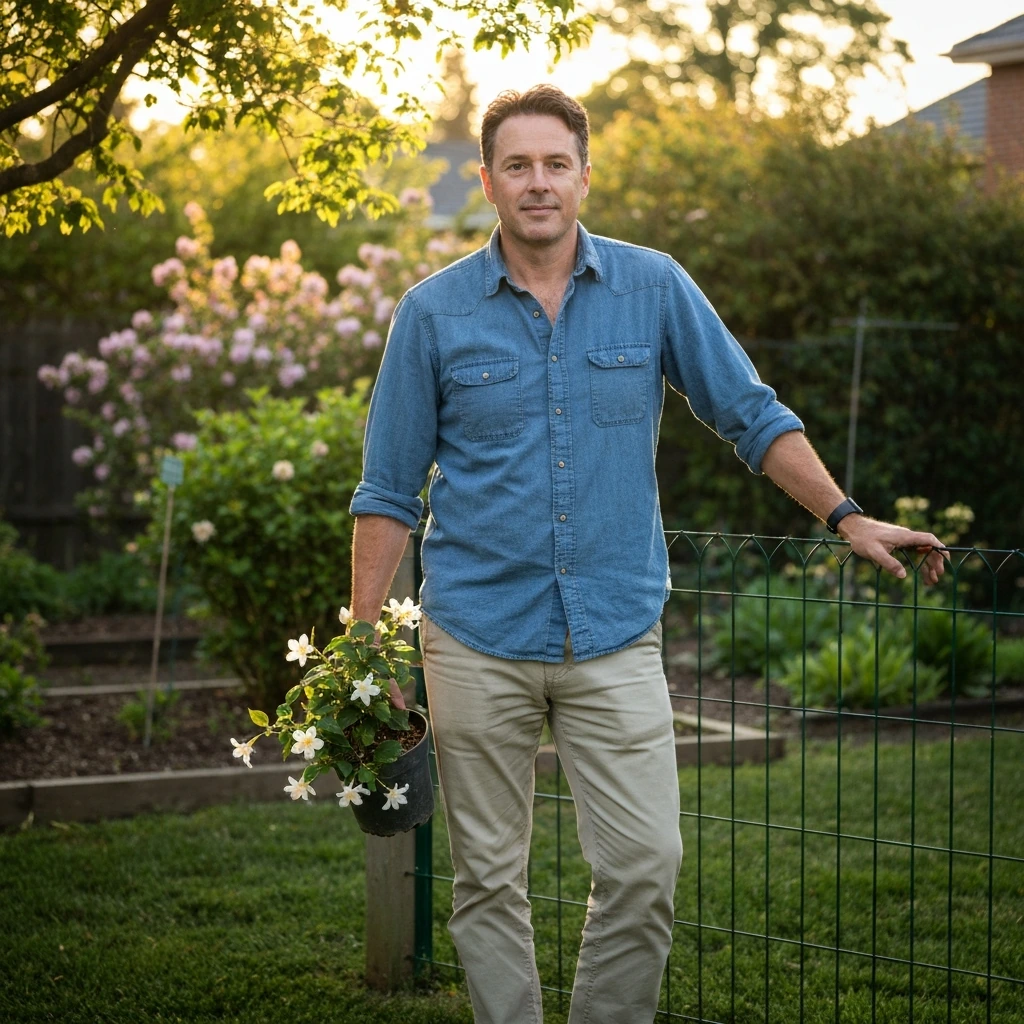
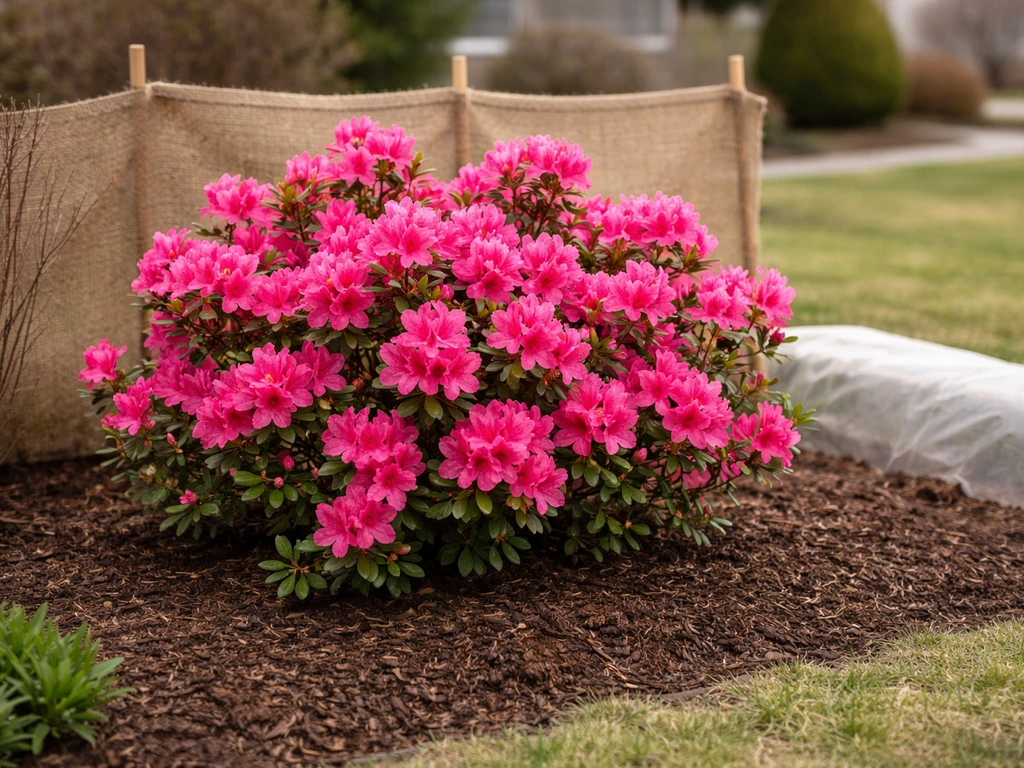
Yes, azaleas can grow in Utah, but with some real asterisks attached. Utah is not the easiest state for azaleas, and if you plant the wrong variety in the wrong spot without addressing the soil, you will likely lose the plant within a season or two. That said, gardeners in Salt Lake City, the Wasatch Front, and even parts of southern Utah have made azaleas work by choosing cold-hardy, alkaline-tolerant varieties and putting in a little upfront effort on soil prep. The short version: it is doable, but it is not plug-and-play the way it might be in the Pacific Northwest or the Southeast.
Utah conditions that affect azaleas
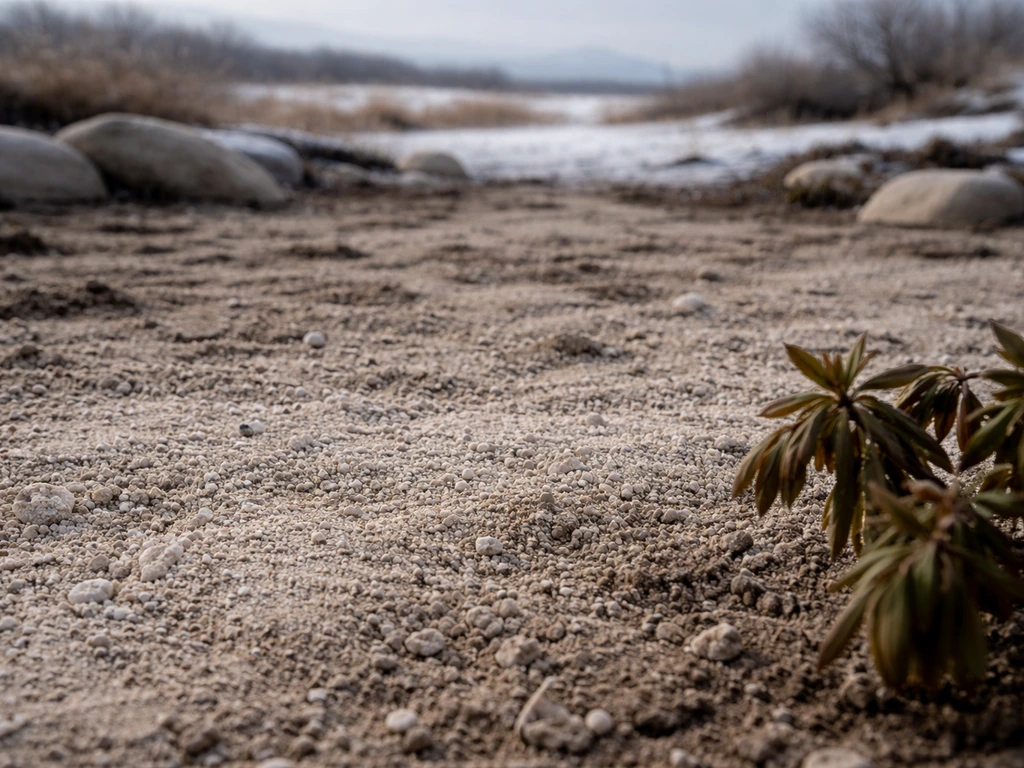
Utah is genuinely tough for azaleas for three overlapping reasons: alkaline soil, cold winters, and dry air. Most of the state sits at elevation, which means hard freezes happen earlier and later than many gardeners expect. Summers can be brutally hot and dry, especially in the lower-elevation valleys, which is the opposite of what azaleas prefer. Then there is the soil issue, which is arguably the biggest hurdle of all.
Utah soils are famously alkaline. The average soil pH across the state hovers around 8.0, largely because Utah soils commonly contain substantial calcium carbonate, sometimes 15 to 40 percent by weight. Azaleas are acid-loving plants that perform best in soil with a pH between 4.5 and 6.0. Planting an azalea directly into Utah's native soil without any amendment is essentially setting it up to slowly starve, because at high pH, the iron and other micronutrients it needs become chemically unavailable to its roots. You will see the leaves yellow out (chlorosis), growth stall, and the plant decline even if you water it perfectly.
Cold hardiness is the other big factor. Utah spans a wide range of USDA Hardiness Zones, from Zone 4 in high-elevation mountain areas to Zone 8 in parts of St. George and the southwest corner of the state. Most of the Wasatch Front and Salt Lake Valley fall in Zones 5b through 7a. That matters a lot for azalea selection, because many popular azalea varieties are only rated to Zone 7 or 8, meaning they will not survive a typical Salt Lake winter without serious protection or the right microclimate.
Match the right azalea to your Utah zone and microclimate
The single most important decision you can make before buying an azalea in Utah is figuring out your specific hardiness zone. Utah's zones vary dramatically by elevation, valley position, and proximity to the Wasatch Mountains. A garden in Murray might sit in Zone 6b, while a property up a canyon road at higher elevation could be Zone 5b. Those are very different growing environments. USU Extension maintains a hardiness zone table by location and elevation that is worth checking before you walk into a nursery. USU Extension’s Utah hardiness zone table can help you pinpoint the zone for your exact location and elevation before choosing an azalea variety.
Once you know your zone, you can match varieties much more confidently. For Zone 5b through 6 areas (think higher-elevation valleys, mountain communities), you want deciduous azaleas rated to Zone 4 or 5. The Northern Lights series, developed by the University of Minnesota, is the go-to group here. Varieties like Rosy Lights, White Lights, and Lemon Lights are hardy to minus 30 to 40 degrees Fahrenheit and have proven track records in cold, interior-west climates. They bloom reliably, handle temperature swings reasonably well, and are more forgiving of occasional soil pH challenges than their evergreen cousins.
For Zone 6b through 7a areas (much of the Salt Lake Valley and warmer valley floors), you have more options. Encore Azaleas, which are reblooming evergreen hybrids, have worked for some Utah gardeners in protected spots, but they are really pushing their cold hardiness in most of the Wasatch Front. PJM rhododendrons, which are often grouped with azaleas and have a similar look, are actually a better bet in this zone and handle Utah's cold and alkalinity slightly better. If you are in Zone 7b or warmer (St. George area), the range of evergreen azaleas opens up considerably, though the summer heat and drought stress become your main management challenge instead.
| Azalea Type | Hardy to Zone | Best Utah Use Case | Soil Flexibility | Risk Level |
|---|
| Northern Lights Series (deciduous) | Zone 4 | High-elevation valleys, mountain communities | Moderate | Low to medium |
| PJM Rhododendron (semi-evergreen) | Zone 4 | Salt Lake Valley, Wasatch Front | Moderate | Low to medium |
| Encore Azalea (evergreen, reblooming) | Zone 6b | Protected spots in warmer valley floors | Low | Medium to high |
| Native Deciduous Azaleas (e.g., Exbury) | Zone 5 | Zone 5b–6b locations with good microclimate | Moderate | Medium |
| Standard Evergreen Azaleas (Southern varieties) | Zone 7–8 | St. George area only | Low | High in most of Utah |
For Zone 5 and colder gardeners who find azaleas too risky, forsythia is one alternative worth knowing about since it handles cold winters well and delivers a similar burst of spring color, even if the flower form is different.
Site selection: sun, shade, and wind protection
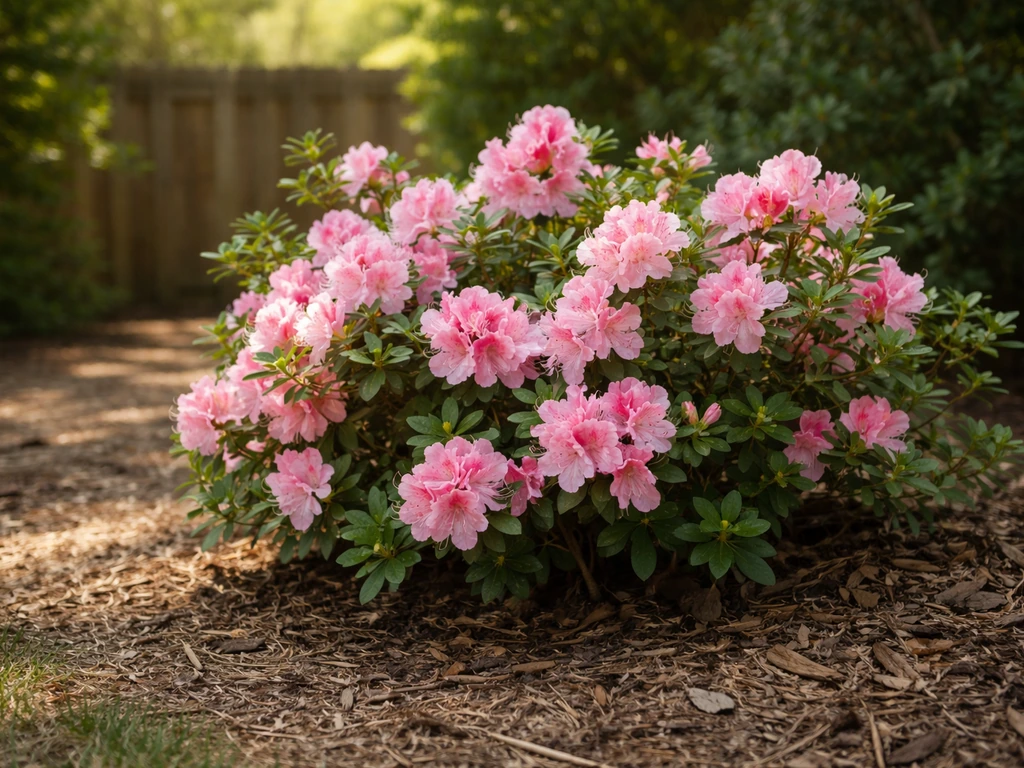
Where you put an azalea on your Utah property matters almost as much as which variety you choose. Azaleas want filtered or dappled light, not full blazing afternoon sun, and Utah's intense summer sun is particularly hard on them. An east-facing exposure is often ideal: the plant gets gentle morning light but is shaded from the harsh afternoon heat. West-facing or south-facing beds in the open are risky, especially in the hotter valley areas. If you have a mature tree that casts afternoon shade, that is genuinely prime azalea real estate.
Wind protection is another factor Utah gardeners tend to underestimate. The Wasatch Front is notorious for strong canyon winds, particularly in late fall and early spring. Those winds desiccate azalea foliage and can damage or kill flower buds right before they open. Placing your azalea on the sheltered side of a fence, wall, or dense shrub row cuts down on that wind stress significantly and effectively extends the microclimate warmth by a degree or two, which can be the difference between a plant that makes it through winter and one that dies back to the roots.
Urban heat islands also work in your favor in some cases. A raised planter against a south-facing brick or concrete wall in Salt Lake City might actually be half a zone warmer in practice than a nearby open garden bed. Savvy gardeners exploit these microclimates to push plants that would otherwise be borderline.
Soil and moisture requirements for Utah gardens
Getting the soil right is non-negotiable for azaleas in Utah. One practical tip echoed in Reddit troubleshooting for azaleas is to prioritize acidic soil, often discussed in the roughly 4.
5, 6 pH range. You cannot just amend a few inches of your native alkaline soil and call it done. The most practical approach is to either build a raised bed with acidic planting mix, or excavate a dedicated planting area at least 18 to 24 inches deep and replace the native soil entirely with a mix of pine bark, peat moss or sulfur-acidified compost, and a small amount of sandy loam.
This gives the roots an acidic pocket to grow in. The challenge is that Utah's high-carbonate native soil will slowly leach back in from the sides and bottom, so you will need to periodically retest and re-acidify.
Before you invest in any of this, get a soil test. USU's Analytical Laboratories offer home soil testing that gives you an accurate pH reading along with other key parameters. This is the step most people skip, and it is exactly why so many Utah azalea attempts fail. Once you know your baseline pH, you can calculate how much elemental sulfur or acidifying amendment you actually need rather than guessing. Elemental sulfur works well but is slow, taking months to meaningfully drop pH, so starting that process well before planting is smart.
Moisture is the other piece. Azaleas like consistently moist but well-drained soil. Utah's dry climate and low humidity mean you will need to water more frequently than you would in a wetter state, but you also cannot let the roots sit in standing water. Drip irrigation on a consistent schedule works well. Mulching with pine bark or wood chips helps retain moisture and, as a bonus, contributes to mild soil acidification as the organic matter breaks down. A 2 to 3 inch mulch layer around (but not piled against) the base of the plant makes a real difference in summer survival.
How Utah compares to neighboring states
It helps to put Utah in regional context. Azaleas in Colorado face very similar challenges to Utah: alkaline soil, cold winters, and low humidity. Colorado gardeners in Denver or the Front Range have found workable approaches using the same Northern Lights varieties and raised-bed soil strategies, so research from that state translates well to Utah.
On the other end of the spectrum, azaleas in California grow with far less effort in many coastal and Bay Area gardens because of milder winters and naturally more acidic soils in some regions. And azaleas in Texas have their own set of trade-offs centered on summer heat and specific soil conditions, though the acidic East Texas piney woods regions are genuinely good azalea territory.
Utah sits in a challenging middle ground, more workable than high-altitude Colorado mountain towns but harder than the mild-climate states. The same overall principles also apply when you ask, do azaleas grow well in Texas, including matching varieties to local conditions and managing soil pH.
Next steps: how to decide and what to do before you buy
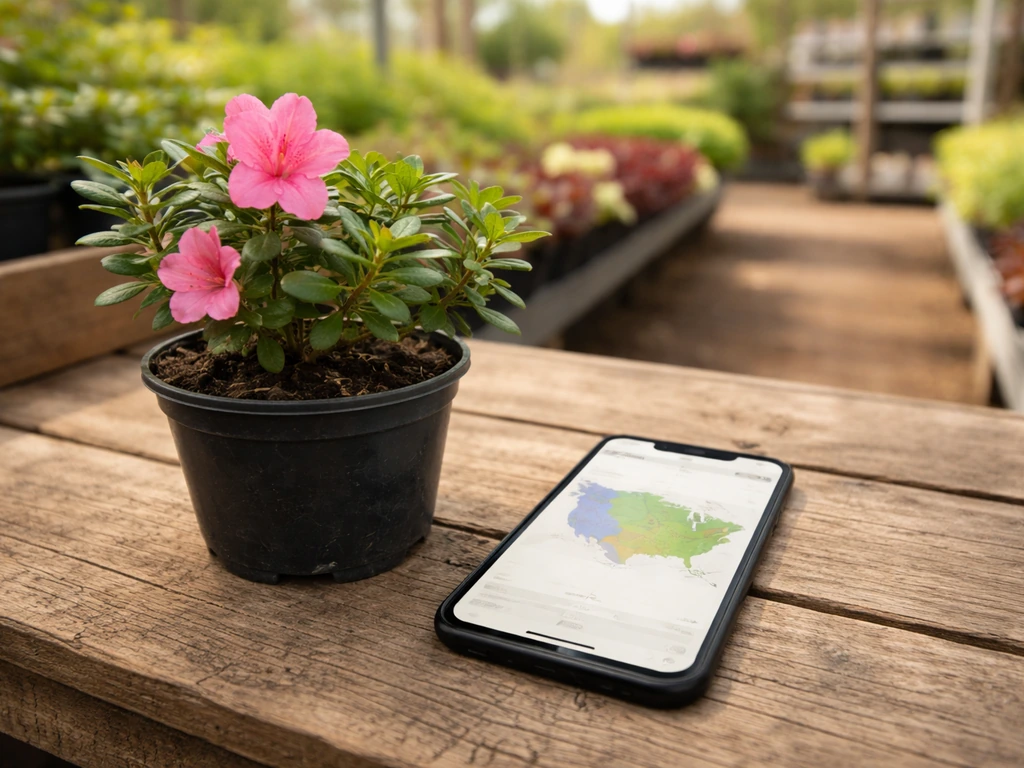
If you are standing in a Utah garden center right now trying to decide, here is a practical decision checklist you can work through quickly.
- Find your exact USDA Hardiness Zone using the USU Extension zone table for Utah, or the USDA's online zone finder by zip code. Do not assume you know your zone based on a neighboring city.
- If you are in Zone 5b or 6a, commit to the Northern Lights deciduous series and nothing else until you have a year of experience with the site.
- If you are in Zone 6b or 7a, you have more choices, but still prioritize cold-hardy reblooming varieties over standard southern evergreen types.
- Order a soil test through USU's Analytical Laboratories before amending anything. It costs very little and removes all the guesswork from how much acidifier you need.
- Scout your yard for the best microclimate: east-facing exposure, afternoon shade from a tree or structure, and protection from prevailing winds.
- Plan a raised bed or deep soil-replacement area rather than trying to amend the native ground in place.
- Budget for ongoing soil maintenance including annual pH testing, top-dressed sulfur or acidic fertilizer, and pine bark mulch replenishment each spring.
- If after going through this list the effort feels like too much for your situation, consider how forsythia performs in California-adjacent climates for context on a lower-maintenance flowering shrub, or look into native Utah shrubs like Apache plume or Gambel oak that will thrive without soil amendments.
The honest takeaway is this: azaleas in Utah are a conditional yes. The conditions are not impossible, but they do require intention. Gardeners who go in with realistic expectations, choose the right cold-hardy variety for their specific zone, and tackle the soil pH issue upfront tend to end up with beautiful, rewarding plants. Gardeners who grab whatever is on the nursery shelf and drop it into unamended Utah soil are setting themselves up for frustration. Know your zone, test your soil, pick the right variety, and give it a sheltered spot. Do those four things and you have a real shot.