
Yes, azaleas do grow in California, but whether they thrive in your specific yard depends heavily on where in the state you live. The coastal zones, Bay Area, and cooler mountain foothill areas give you the best shot. Inland valleys and desert-adjacent regions are genuinely tough, and planting azaleas there without some serious adjustments usually ends in disappointment. Forsythia can also be grown successfully in California, but whether it thrives depends on your region and the local growing conditions. The good news: California is geographically diverse enough that most gardeners can find a workable spot or a variety that fits their conditions.
Do Azaleas Grow in California? Best Areas and Tips
Marcus Hartwell
29 Apr 2026
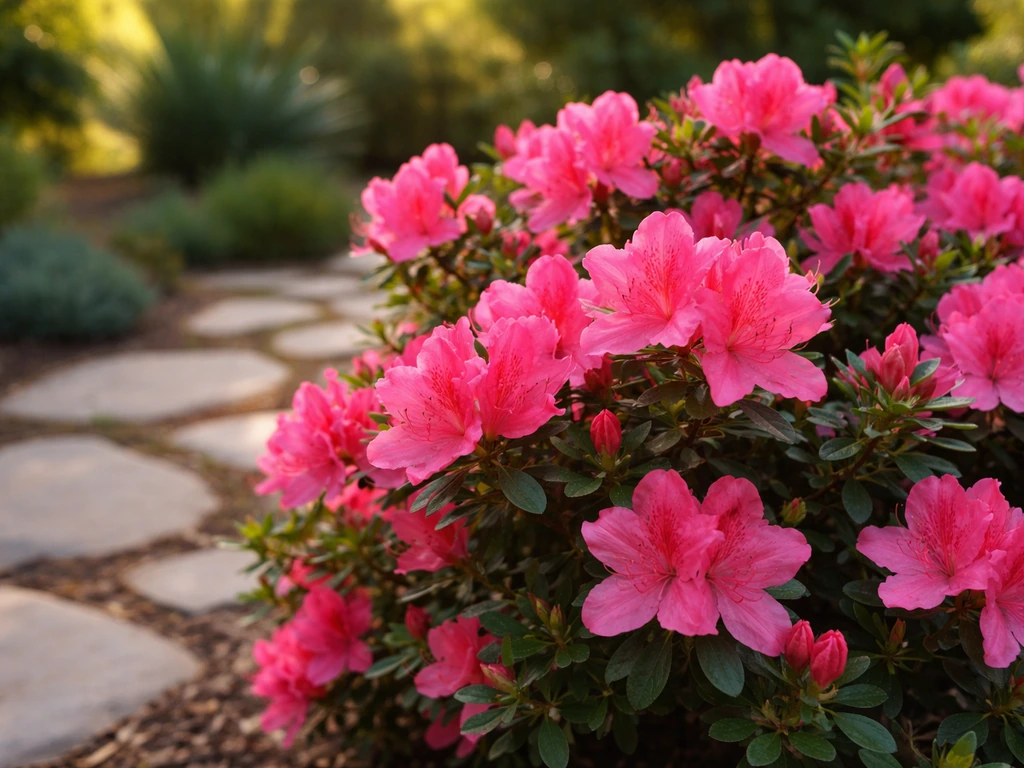
Which parts of California are actually good for azaleas?
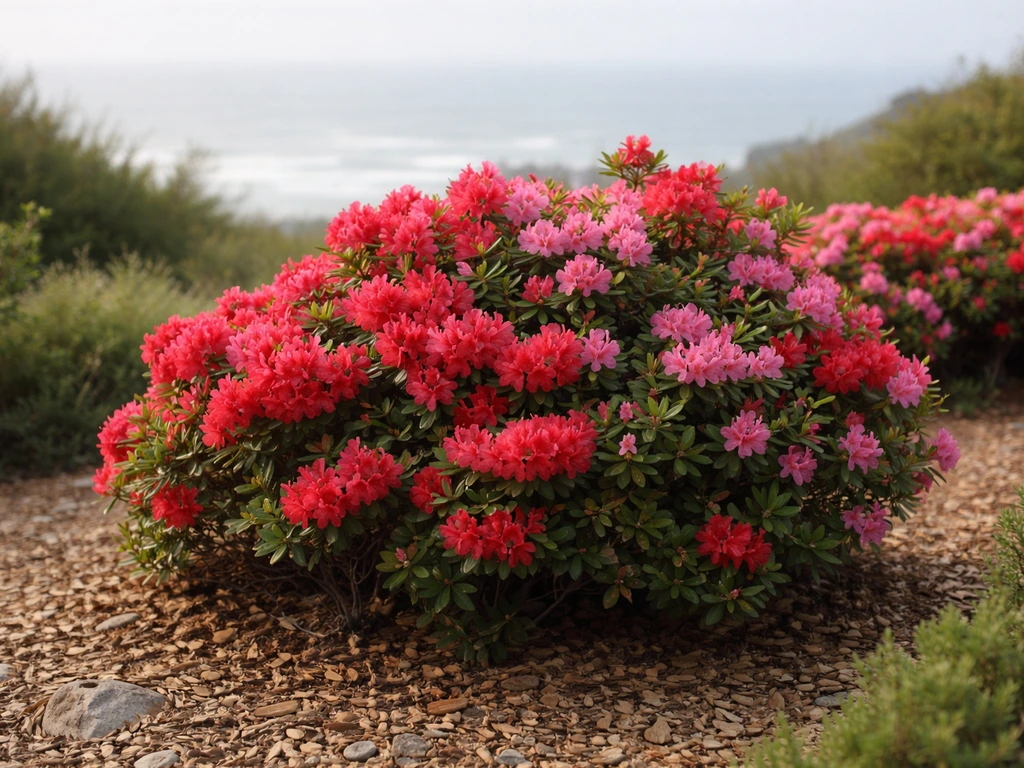
Here's a quick region-by-region reality check. Coastal California (think Santa Cruz down through the San Diego coastline) is close to ideal. The mild temperatures, natural humidity from marine air, and the lack of extreme heat swings mimic the conditions azaleas evolved in. The Bay Area is similarly well-suited, especially in foggy microclimates like the inner East Bay, Marin, and the Peninsula. Northern California's foothill and mountain communities, including parts of the Sierra Nevada foothills, work well too, with enough winter chill and cooler summer temps.
The Central Valley, the Inland Empire, and the high-desert edges of Southern California are where things get hard. In Colorado, azaleas are much more likely to succeed only in protected microclimates and with careful soil and moisture management azaleas in Colorado. Summer heat regularly hits 100°F or more in the Central Valley, and that kind of sustained heat is rough on azaleas. The low humidity accelerates moisture stress, and alkaline soils make proper nutrition nearly impossible without ongoing amendments. Desert-adjacent areas like the Antelope Valley or Coachella Valley are the hardest of all. Growing azaleas there is possible in containers with strict microclimate management, but it's a constant fight.
| California Region | Suitability | Main Challenge |
|---|---|---|
| Coastal (Santa Barbara to San Diego coast) | High | Watch for root rot if drainage is poor |
| Bay Area and Northern Coast | High | Very few issues in the right microclimate |
| Sierra Foothills and Mountain Communities | Moderate to High | Frost timing and drainage |
| Central Valley (Sacramento, Fresno, Bakersfield) | Low to Moderate | Extreme summer heat, alkaline soil |
| Inland Empire and SoCal Inland Valleys | Low to Moderate | Heat, low humidity, hard water |
| High Desert and Desert-Adjacent Areas | Low | Heat, alkalinity, low humidity, cold winters |
Picking the right azalea type for your climate
Not all azaleas are created equal, and matching the right type to your California climate is half the battle. There are two broad groups to know: evergreen azaleas (mostly derived from Japanese and Southern Indica varieties) and deciduous azaleas (native American species like Western azalea, Rhododendron occidentale, which actually grows wild in California). Each group behaves differently in our climate.
Evergreen azaleas
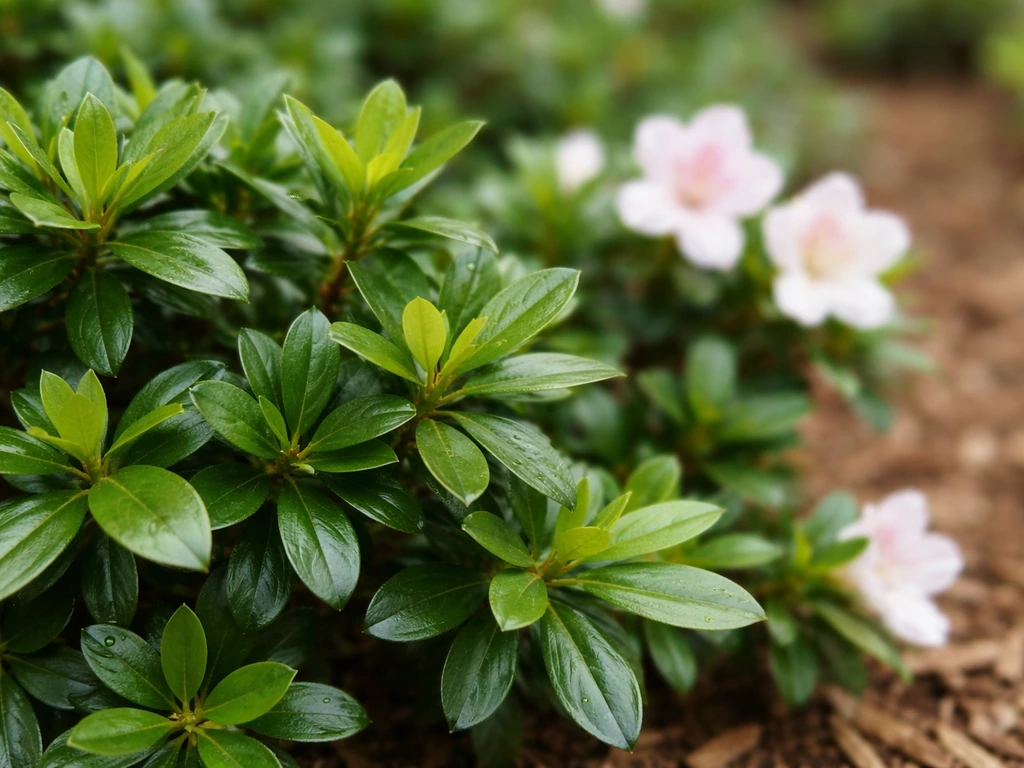
For most California gardeners in mild coastal or Bay Area climates, Southern Indica hybrids like 'George L. Taber', 'Formosa', and 'Pride of Mobile' are the workhorses. Valdosta State University’s campus plant page lists the Formosa azalea USDA hardiness zones as 8, 9. They handle more heat than the delicate Belgian Indica types, bloom heavily, and grow vigorously in Zones 8 to 10. If you're in a cooler coastal spot, Belgian Indicas are gorgeous and worth trying, but they need more protection from heat and cold. Kurume azaleas are compact and cold-tolerant, making them a solid pick for foothill gardens that get a real winter.
Deciduous azaleas
Western azalea (Rhododendron occidentale) is California's own native azalea and deserves far more attention from local gardeners. It's naturally adapted to foothill and mountain streamsides from the Sierra Nevada to the Coast Ranges. It handles California's dry summers better than most azaleas and blooms in late spring with fragrant white to pink flowers. If you're in a foothill zone or want something that won't require constant coddling, this is genuinely the smartest pick. Deciduous hybrid azaleas like Exbury and Knap Hill types also handle winter cold well and work in northern California gardens with real chill hours.
Sun, shade, heat, and frost: where azaleas actually succeed
Azaleas are not full-sun plants in California's climate. UC IPM specifically notes they grow best in filtered shade with consistently moist soil, and that guidance becomes even more critical the warmer your region is. In coastal climates with mild summers, azaleas can handle morning sun with afternoon shade, or dappled light through high tree canopies all day. In the Bay Area's warmer inland pockets, afternoon shade is non-negotiable. In the Central Valley or Inland Empire, you're looking at a north-facing wall, deep shade from a large tree, or a covered patio situation.
Frost is less of a problem for most California azalea growers than heat is. Most evergreen azalea varieties are rated to Zone 7 or 8, which covers the vast majority of populated California. The exception is higher-elevation foothill communities that drop below 10°F in hard winters. For those areas, Kurume types or deciduous species azaleas with documented cold hardiness below 0°F are the safer bet. The Southern California coast rarely sees frost at all, so evergreen Indicas thrive there year-round.
Soil and water needs across California's different climates
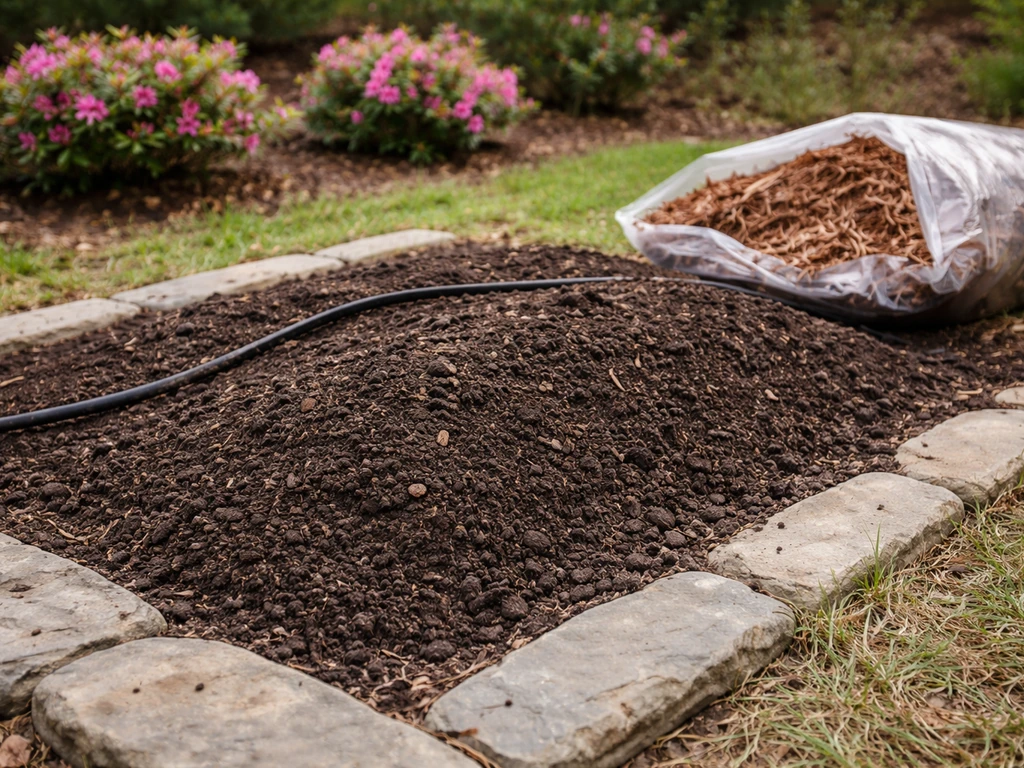
Azaleas need acidic soil, ideally with a pH between 4.5 and 6.0. Most of California's native soils don't naturally hit that range, especially in the Central Valley and Southern California interior where alkaline soils and high-pH water are the norm. Before you plant, get a soil test. UGA Cooperative Extension also advises using soil tests (through the Extension) to determine pH and nutrient needs before planting azaleas get a soil test. It's cheap, takes about a week, and tells you exactly how much amending you're in for. Soil acidifiers like elemental sulfur can lower pH over time, and planting in a mix of native soil and acidic compost (fir bark or pine bark-based) gets you a better starting point.
Coastal and Bay Area gardens
Coastal soils tend to be sandier and drain well, which helps prevent root rot. The main water concern in coastal areas is consistency. Azaleas want even moisture year-round, and California's dry summers mean you need to supplement irrigation from about May through October. Drip irrigation works perfectly for this. Water stress in late summer is one of the leading causes of poor bloom the following spring. Mulching with 2 to 3 inches of pine bark or wood chips keeps soil moisture stable and gradually lowers the surface pH as it decomposes.
Inland valleys and Central Valley gardens
In the Central Valley or Inland Empire, your municipal water is often alkaline (pH 7. 5 to 8. 5), and irrigating with it repeatedly raises soil pH over time, even if you started with amended acidic soil. This is a real, ongoing problem.
Some gardeners use citric acid or a small amount of sulfuric acid to acidify irrigation water, but that's a maintenance commitment. Raised beds with a purpose-built acidic soil mix are honestly the most reliable workaround. A 12 to 18 inch raised bed filled with a quality rhododendron mix or a blend of 50% quality compost and 50% pine bark fines gives you control over the root environment in a way you just can't get from in-ground planting in alkaline clay.
When to plant and how to pick your spot
In California, the best planting windows for azaleas are fall (October through November) and late winter to early spring (February through March). Fall planting takes advantage of cooler soil temperatures and reliable rain in many regions, giving roots time to establish before summer heat. Spring planting works well too, but you'll need to water carefully through that first summer. Avoid planting during the heat of summer, especially in inland areas. A newly planted azalea trying to establish roots in 95°F heat in a Central Valley August is fighting an uphill battle.
When selecting a site, think about where the hot afternoon sun hits your yard. East-facing exposures that get morning sun and afternoon shade are gold for azaleas almost anywhere in California. North-facing spots under mature trees work well in warmer inland areas. Avoid planting in low spots where water pools after rain. Azaleas are highly susceptible to Phytophthora root rot, which thrives in waterlogged soil. Good drainage isn't optional. If your yard drains slowly, raise the planting area by mounding or building a raised bed.
Common problems California gardeners run into
Heat stress and sunburn
This is the number one killer of azaleas in California's warmer inland regions. Symptoms include pale, bleached-looking leaves, leaf drop in midsummer, and failure to bloom the following season. If your azalea looks tired and washed out by July, it's heat stress. The fix is more shade, deeper mulching, and more consistent watering. Sometimes the only real solution is moving the plant to a shadier spot in fall.
Chlorosis from alkaline soil
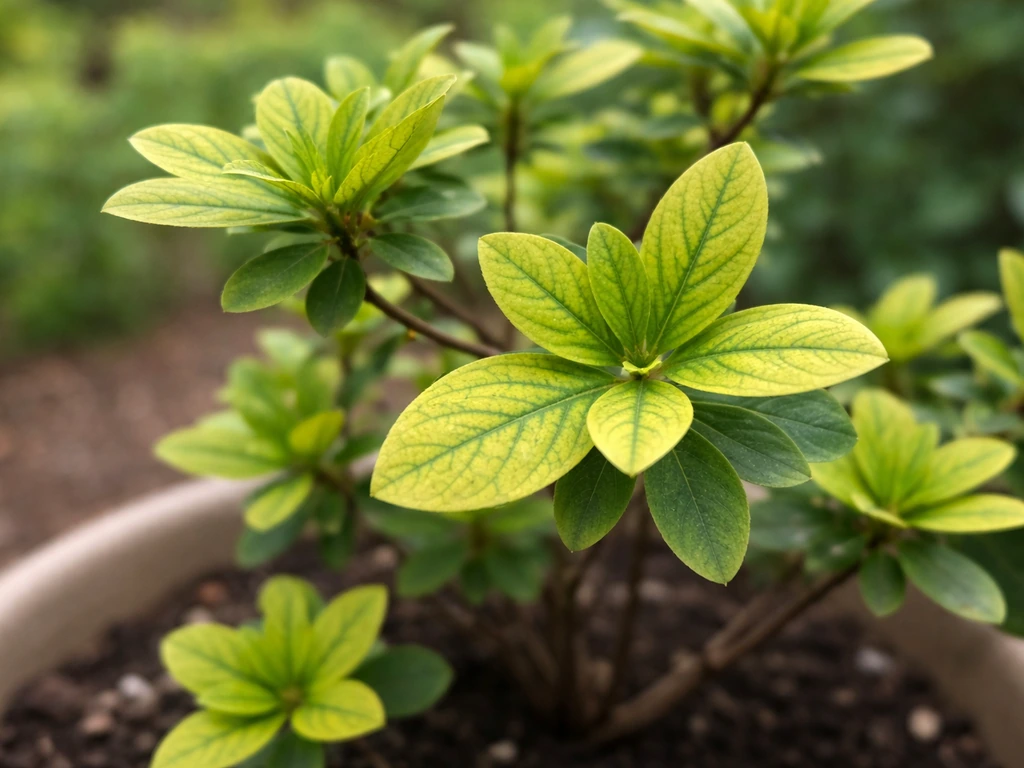
Iron chlorosis is extremely common in California azaleas. You'll see it as yellowing leaves with green veins, usually starting on younger growth first. It's not an iron deficiency in the soil. It's that alkaline soil chemistry locks up the iron so the plant can't absorb it. Chelated iron fertilizer applied as a foliar spray gives quick cosmetic relief, but the real fix is acidifying the soil over time or switching to a raised bed setup where you control the pH. Feeding with an acidic fertilizer formulated for azaleas and rhododendrons (look for ammonium sulfate-based products) helps maintain soil acidity with regular use.
Azalea lace bugs
Lace bugs are the most common insect pest on California azaleas, and UC IPM research confirms they do significantly less damage on plants grown in partial shade than on plants in full sun and higher temperatures. The insects feed on leaf undersides, leaving a stippled, grayish appearance on the top surface. If your azalea is already in too much sun and getting lace bug damage, moving it to a shadier location solves two problems at once. For established plants that can't be moved, horticultural oil or insecticidal soap applied to the undersides of leaves in spring when nymphs are active is an effective control.
Root rot
Phytophthora root rot hits azaleas hard in California soils with poor drainage, especially in clay-heavy areas that hold water after winter rains. A plant with root rot often looks like it's wilting even when the soil is wet. Leaves turn yellow or brown and the plant declines quickly. There's no cure once it's established. Prevention is everything: plant in well-draining soil or raised beds, avoid overwatering, and never let water pool around the root zone.
If your yard isn't a good fit, here's what to do
If you're in a hot inland area, a desert-adjacent climate, or dealing with heavily alkaline soil that's not practical to amend, you have a few realistic options. The first is container growing. A large (15 to 25 gallon) container with a quality acidic potting mix gives you complete control over soil pH and drainage, and you can move the container to shelter it from the worst summer heat. Water management in containers requires more attention, but the results can be excellent.
The second option is to look at similar plants that genuinely thrive where azaleas struggle. Indian Hawthorn (Rhaphiolepis indica) blooms prolifically in full California sun, handles alkaline soil and heat, and needs almost no fuss. Loropetalum (Chinese fringe flower) is another excellent azalea alternative for warm, drier climates. It has the same shrubby form and produces striking pink flowers in spring and again in fall. For gardeners who specifically love the spring flower show that azaleas put on, camellias are the closest true alternative in mild coastal and Bay Area climates. They share the same acid soil preference, love shade, and bloom spectacularly from fall through spring.
It's worth noting that gardeners in other western states face similar regional challenges. If you’re wondering do azaleas grow well in Texas, the answer is usually only in parts of the state where you can consistently provide acidic soil, shade, and steady moisture other western states. Those gardening in Colorado or Utah deal with cold hardiness and alkalinity issues that parallel California's inland struggles, and the decision-making process for azalea suitability follows many of the same lines. In Utah, azaleas can be challenging because winters and alkaline conditions vary widely by location Colorado or Utah. If you’re wondering do azaleas grow in Colorado, the answer is yes, but it usually depends on cold hardiness and managing alkaline soil.
Your practical next steps
- Figure out your specific California climate zone. Coastal, Bay Area, foothill, valley, or desert-adjacent each have different success rates, and knowing which you're in narrows your plant selection immediately.
- Test your soil pH before you buy a single plant. A simple test kit or mail-in soil test will tell you how much work you're in for.
- Choose your azalea type based on your region: Southern Indica hybrids for warm coastal and mild-winter areas, Kurumes for foothill and cooler climates, and Western azalea if you want a California native that's naturally adapted.
- Pick a site with morning sun and afternoon shade, good drainage, and protection from hot reflected heat off walls or pavement.
- Plan to plant in fall or late winter, not summer. Give roots a cool season to establish.
- Mulch heavily, set up drip irrigation, and commit to keeping soil consistently moist through the dry season.
- If the site or soil isn't workable, go to containers with an acidic potting mix, or consider loropetalum, Indian hawthorn, or camellias as genuine alternatives.
FAQ
Can I grow azaleas in a hot inland California yard if I use containers?
Yes, but only if you can control roots and pH and keep foliage from baking. Use containers at least 15 to 25 gallons, fill with an acidic potting mix, and plan on more frequent watering in summer because containers dry out faster than ground soil. Also, avoid placing the pot in full afternoon sun on hot pavements, use pot feet, and consider an insulated pot wrap if nights stay mild.
What should I do if my azalea shows iron chlorosis even though I fertilized?
Treat it as a hard water issue rather than a fertilizer problem. If you see iron chlorosis (yellow leaves with green veins) even after feeding, test your soil pH and also consider whether your irrigation water is raising it. In alkaline-water areas, repeat applications of chelated iron only hide symptoms, the lasting fix is lowering/maintaining root-zone acidity (often easiest in raised beds or controlled containers).
When is the best time to prune azaleas in California?
Most azaleas should be pruned right after the main bloom, typically late spring to early summer. Waiting too long can remove next season’s buds, and heavy pruning during midsummer heat can worsen stress. If you need shape control, do light trimming, remove only dead or crossing branches, and avoid cutting into bare wood.
How can I tell if lace bugs are the problem, and how do I prevent them?
Lace bugs tend to be worst when plants are stressed by heat and bright sun, so the first “control” is better placement. If you cannot move the shrub, apply targeted treatments to leaf undersides when nymphs are active in spring, and recheck plants after hot spells. Sticky traps usually do not solve this pest, because the adults and nymphs feed on specific leaf areas.
Is it better to transplant a failing azalea or replace it?
Yes, transplanting can work, but timing and aftercare matter. Do it in fall or late winter to early spring, water thoroughly before and after, and keep the root ball intact. After transplanting, provide deeper shade than you think you need for 4 to 8 weeks and watch for root stress, wilting in cool wet soil is more suspicious of root problems than thirst.
How do I decide between amending my soil and using a raised bed for azaleas?
In-ground planting often fails in California because of two issues, drainage and pH. If your yard is heavy clay or you see water pooling after rain, mounding or a raised bed is a must before you plant. If your soil test is far above pH 6, mixing acidic amendments alone usually fades over time, raised beds or a rhododendron soil mix give you longer-lasting results.
What pH adjustment method works best in different parts of California (sulfur vs acidic soil mix)?
Use a soil test first, then choose an amendment strategy. Elemental sulfur can gradually lower pH, but it takes time and may not fully correct alkaline soils in the short term. For quick improvement, a purpose-built acidic mix (pine bark-based and composted ingredients) plus ongoing mulching is more predictable than relying only on acidifying amendments.
How can I distinguish heat stress, overwatering, and root rot in azaleas?
Do not assume “more water” is the cure for yellowing. Overwatering in poorly drained soil can trigger Phytophthora root rot, which can look like wilting even when soil is wet. Check drainage by digging a small test hole and observing how quickly water drains, then verify you are watering deeply but allowing the root zone to breathe.
How often should I fertilize azaleas in California?
Usually, less is more. In established gardens, you should focus on steady moisture and soil acidity, not frequent heavy feeding. Use an azalea or rhododendron fertilizer formulated for that purpose, follow label rates, and avoid late-summer feeding that can push tender growth susceptible to heat and cold swings.
Can I propagate azaleas in California, and is starting from seed practical?
Yes, but it depends on whether you can hit the plant’s soil needs. Azaleas generally perform poorly in full, unfiltered sun in most of California, and growing them from seed is unpredictable. If you want to propagate, many gardeners have better luck with cuttings taken and rooted under controlled humidity and then moved carefully into a shaded, acidic environment.