
Yes, azaleas can grow well in Texas, but how well depends heavily on where in Texas you are. Forsythia does grow in California, but the best results depend on your local hardiness zone and the amount of sun and drainage your yard gets. Forsythia does grow in California, but the best results depend on your local hardiness zone and the amount of sun and drainage your yard gets.
Do Azaleas Grow Well in Texas? How to Succeed in North
Marcus Hartwell
27 Apr 2026
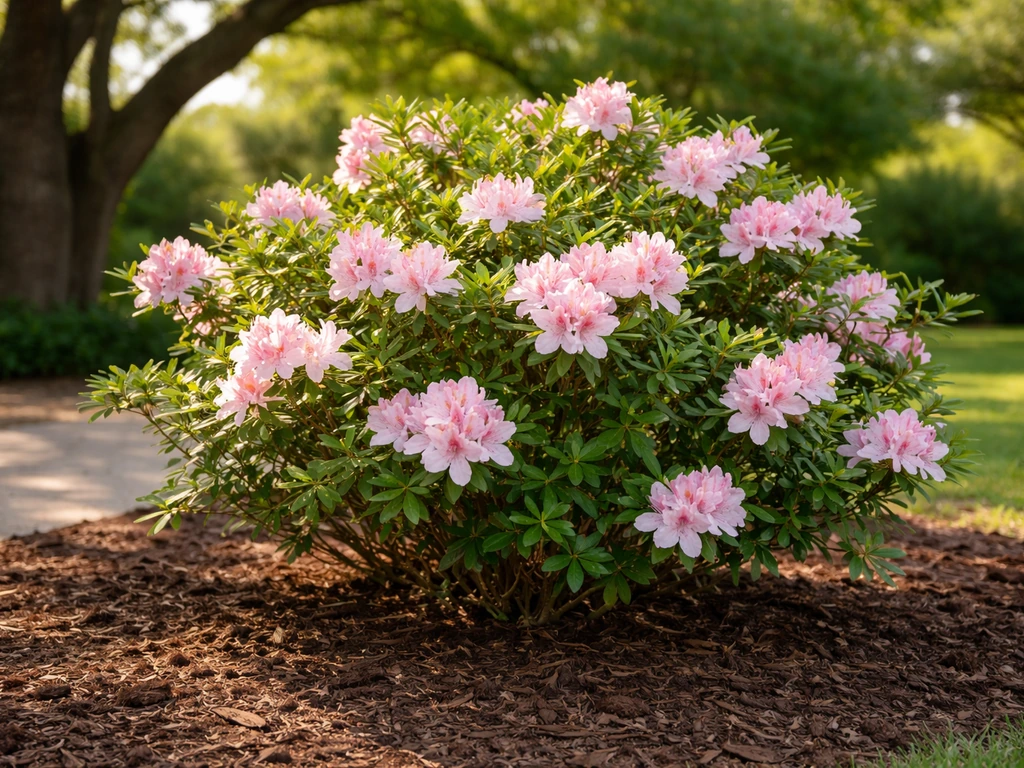
Forsythia is a hardy shrub in many parts of California, but local conditions like sun exposure and drainage make a big difference. do azaleas grow in california can also vary by zone and site conditions. In Houston and Southeast Texas, azaleas are practically a backyard staple. In North Texas, you can still grow them, but you have to fight the alkaline clay soil and occasional hard freezes to make it happen.
Get the right variety, fix the soil, give them some afternoon shade, and Texas azaleas can put on a show every spring.
How your part of Texas changes everything
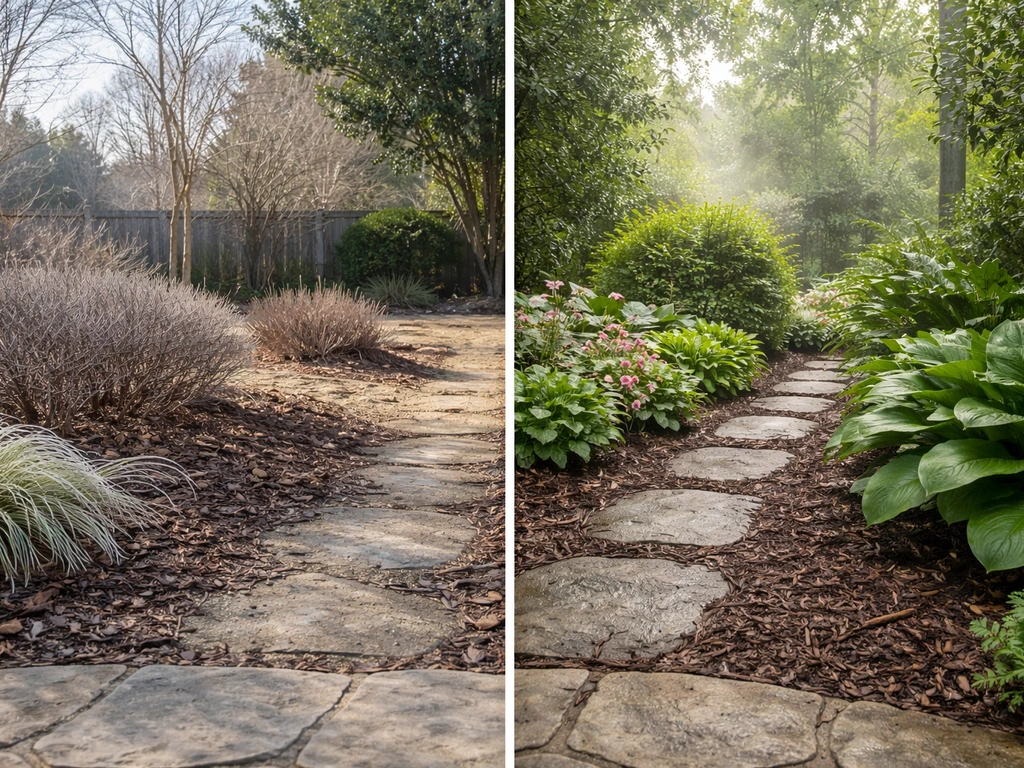
Texas is a big state with wildly different climates, and azalea success looks very different depending on which end of the state you're gardening in. The two biggest contrasts are the Houston and Southeast Texas region versus North Texas, and they present almost opposite challenges.
Houston and Southeast Texas
Houston sits in USDA hardiness zones 9a to 9b, which means mild winters, high humidity, and acidic sandy loam soils in many neighborhoods. That's actually close to ideal azalea territory. The main challenge here isn't cold, it's summer heat, humidity-related fungal issues, and drainage. Houston's heavy clay in some areas can waterlog roots if you're not careful. The good news is that the naturally lower soil pH in Southeast Texas means you're starting with a base that azaleas already like, and the long bloom seasons and mild winters mean established plants rarely face serious cold damage.
North Texas (Dallas, Fort Worth, and surrounding areas)
North Texas is the harder case. Dallas and Fort Worth sit in zones 7b to 8a, so winters are cold enough to damage or kill azaleas that aren't hardy enough. More importantly, North Texas soils are typically heavy clay with a high alkaline pH, which is basically the opposite of what azaleas want. You can absolutely grow azaleas in North Texas, but you're not working with the soil you've got. You're building the soil you need. That means raised beds, amended backfill, and acid-loving fertilizers from day one. Skip that step and you'll watch your azaleas slowly yellow and stall out no matter how much you water them.
Picking the right azalea variety for your Texas climate
Variety choice is where a lot of Texas gardeners go wrong. Not all azaleas handle Texas heat, alkaline soil stress, or cold snaps equally. Here's a practical breakdown of what tends to work where.
| Azalea Type | Best For | Cold Hardiness | Heat Tolerance | Notes |
|---|---|---|---|---|
| Encore Azaleas (reblooming) | North Texas and Houston | Zones 6b–10 | High | Repeat bloom in spring, summer, fall; bred for Southern heat and more soil flexibility |
| Southern Indica Azaleas | Houston/SE Texas | Zones 8–10 | High | Classic large-flowering types (e.g., 'Formosa', 'George Taber'); not reliable in North TX cold |
| Kurume Azaleas | Houston/SE Texas | Zones 7–9 | Moderate | Smaller, denser plants; some cold tolerance but less heat-tough than Encores |
| Native azaleas (e.g., R. canescens) | East Texas/Hill Country | Zones 6–9 | High | Excellent for naturalized settings; more forgiving of Texas soil variation |
For North Texas specifically, Encore Azaleas are the variety most consistently recommended by local extension services because they were bred with the Southern climate in mind and handle both the heat and the cold better than traditional types. If you're in Houston and want that classic spring azalea explosion, Southern Indica varieties like 'George Taber' or 'Formosa' are tried-and-true performers that have grown in Houston yards for generations.
What azaleas actually need from your site
Sun and shade
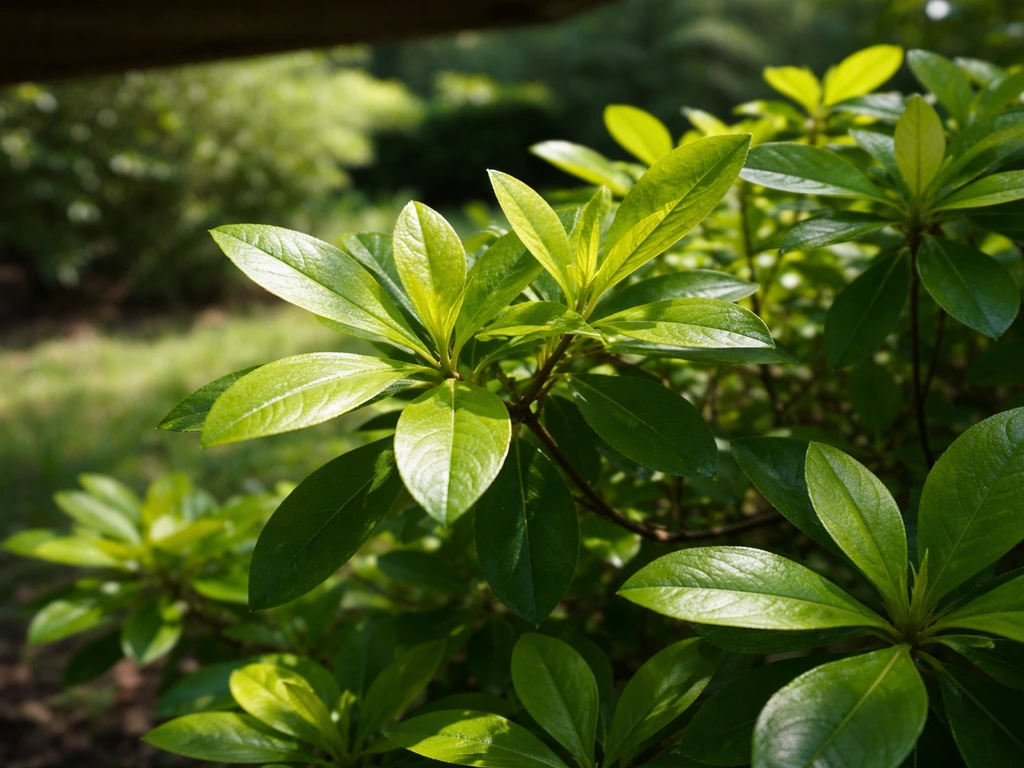
In Texas, afternoon shade is not optional, it's protective. Full sun in a Texas July will scorch azalea leaves and stress the plant to the point where it won't bloom well the following year. The sweet spot is morning sun with afternoon shade, either from a mature tree canopy, a fence, or the north or east side of your house. Light to moderate shade works well for most varieties. Deep, dense shade will reduce blooming, so don't tuck them under a thick pine canopy with zero light.
Soil pH and organic matter
Azaleas need acidic soil, ideally in the pH range of 4.5 to 6.0. In Houston, your native soil is often already in that range or close to it. In North Texas, the pH can run well above 7.0, which locks out iron and other nutrients the plant needs. Before you plant, get a soil test. If your pH is off, you'll need to amend heavily with sulfur, acidic compost, or pine bark before planting, and you'll need to maintain that acidity over time with acid-forming fertilizers and mulch. Good drainage and high organic matter content are equally important. Azaleas have shallow, fibrous root systems that rot fast in waterlogged soil.
Drainage
If your planting area holds water after rain, build a raised bed. This is particularly important in Houston neighborhoods with heavy clay and in North Texas clay soils. A raised bed of 8 to 12 inches filled with acidic, well-draining mix (pine bark, compost, peat moss) gives azalea roots the environment they need and eliminates the waterlogging problem entirely. The Harris County extension office specifically recommends adjusting beds to ensure good drainage for Houston-area plantings.
How to plant azaleas in Texas, step by step
Timing matters. If you are also wondering where does forsythia grow, the best match is usually based on your local hardiness zone, sunlight, and soil drainage. Fall planting (October through November) is generally the least stressful option because plants can establish roots before the heat of summer hits. Spring planting works too, but you'll need to stay on top of watering through that first summer.
- Test your soil pH first and amend to reach the 4.5–6.0 range before planting if needed.
- Choose a site with morning sun and afternoon shade, protected from harsh west-facing sun.
- Dig a hole the same depth as the root ball and 2 to 3 times wider than the spread of the plant's branches.
- If drainage is poor, build a raised bed or plant the root ball slightly elevated above grade rather than sunk into a hole.
- Backfill with a mix of your existing soil (if pH is acceptable) and organic matter like pine bark or compost.
- Set the top of the root ball even with or just slightly above the surrounding soil surface. Never bury it deeper.
- Water thoroughly right after planting.
- Apply a 2 to 3 inch layer of organic mulch (pine bark or pine needles work well) around the plant, keeping it a few inches away from the base of the stem to avoid rot.
One thing a lot of first-time azalea planters get wrong is planting too deep. Azaleas planted even an inch or two too deep struggle, especially in Texas heat. When in doubt, plant high.
Keeping azaleas alive and blooming through the Texas heat
Watering
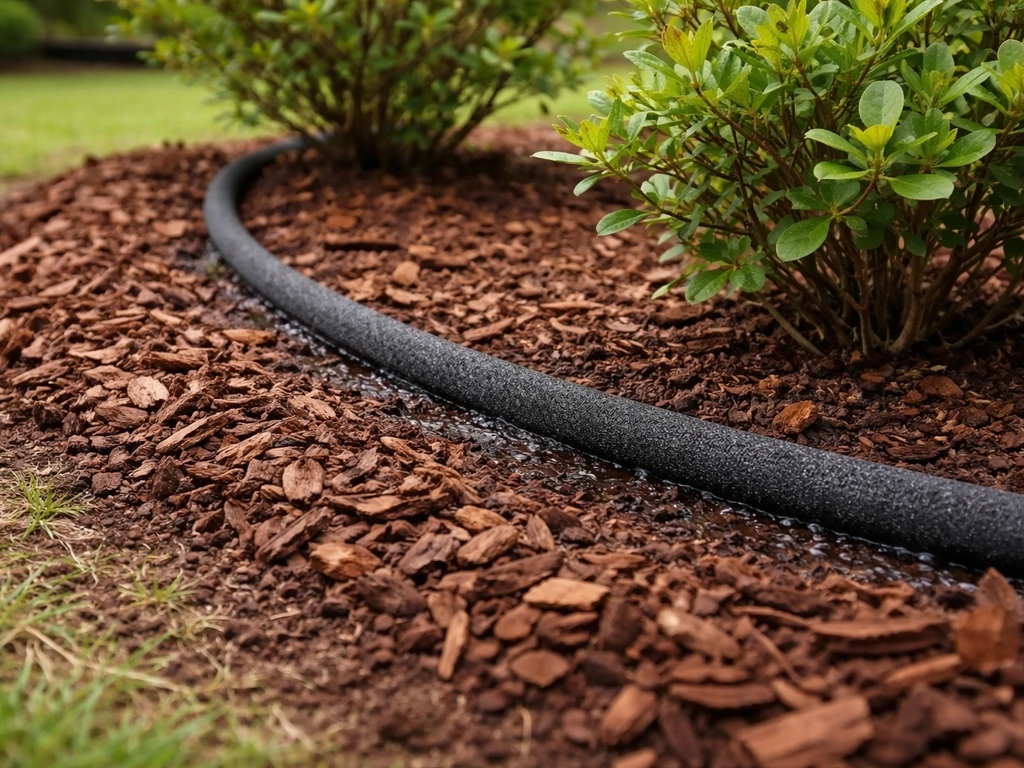
During the hot, dry months of June through August, azaleas need about an inch of water every two weeks if there's no rainfall. In East Texas, the Smith County Master Gardeners use that guideline consistently. In practice, that means checking your soil moisture about an inch down and watering when it's dry rather than sticking to a rigid schedule. Young plants in their first summer need more attention than established ones. Drip irrigation or soaker hoses at the root zone are far better than overhead sprinklers, which can promote fungal problems.
Mulching
Keep that 2 to 3 inch mulch layer topped up year-round. In Texas, mulch does double duty: it holds moisture during summer heat and helps maintain the soil acidity that azaleas need. Pine bark and pine needle mulch are especially good choices because they break down acidically. Pull the mulch back a few inches from the stem to avoid rot and fungal issues at the crown.
Fertilizing
Fertilize after bloom, not before. The Harris County extension service is clear on this: the best time to fertilize azaleas is after the blooming season ends in spring. Use a fertilizer formulated for acid-loving plants (look for azalea, camellia, or rhododendron blends). You can repeat a feeding a few weeks later. Avoid fertilizing in late summer or fall because you don't want to push new growth that will be vulnerable to fall or winter cold snaps. In North Texas, where alkaline soil is constantly fighting your pH levels, regular use of an acidifying fertilizer is part of the long-term maintenance plan.
Pruning
Prune right after flowering, before late summer. Azaleas set next year's flower buds in late summer, so if you prune in August or September you're cutting off next spring's blooms. The window is generally right after the spring bloom fades through early summer. A light shaping is usually all you need, since most modern varieties like Encores have a naturally tidy growth habit.
Troubleshooting common Texas azalea problems
Yellow leaves with green veins (iron chlorosis)
This is the most common complaint from North Texas azalea growers, and it's a direct result of high soil pH locking out iron. Purdue Extension notes that North Texas soil is often alkaline or high-pH, which can contribute to iron deficiency chlorosis in azaleas. If you see yellow leaves with the veins staying green, that's iron chlorosis. The fix is iron sulfate (also called copperas) or a chelated iron product applied to the soil. Long-term, you need to correct the underlying pH problem with sulfur and acidifying fertilizers, or you'll be treating symptoms indefinitely. In Houston, chlorosis still happens but is less common unless you're dealing with poorly drained soil or have overly alkaline fill dirt.
Lace bugs
Azalea lace bugs are the most common insect pest in Texas and are flagged consistently by Texas A&M AgriLife extension resources. They feed on the undersides of leaves and cause a stippled, silvery or bleached look on the upper leaf surface. Check the undersides of leaves if your plant looks off-color but it's not chlorosis. Azaleas planted in too much sun are more susceptible, which is another reason to get the shade situation right. Insecticidal soap, horticultural oil, or systemic insecticides can control them.
Heat stress
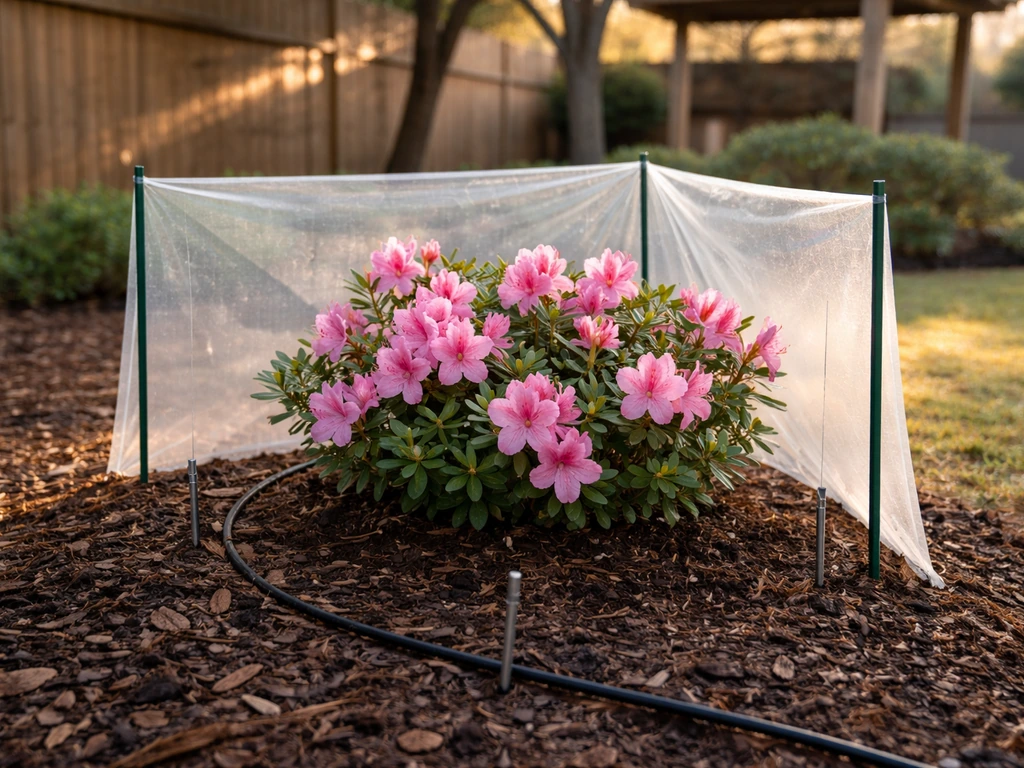
During prolonged Texas heat waves, azaleas can wilt, drop leaves, or fail to bloom the following spring if they're too stressed. The answer is usually more shade, consistent moisture, and mulch. If a plant is struggling through its first summer, shade cloth can help as a temporary fix while roots establish. An azalea that's properly sited and mulched handles Texas summers reasonably well. One that's planted in afternoon sun with dry, compacted soil will struggle every year.
Winter and freeze damage
In North Texas and occasionally even in Houston after an unusual cold event (think the 2021 winter storm), azaleas can show serious freeze damage. Brown, wilted, or mushy stems and leaves after a hard freeze can look devastating. The important thing is to wait before you start cutting. Texas A&M strongly advises resisting the urge to prune immediately after a freeze because early aggressive pruning can stimulate new growth that gets hit by another frost.
Wait until you see where new growth is emerging, then prune back to just above those live buds. Check the base and crown of the plant by lightly scraping the bark. Green underneath means it's alive. If the entire plant is brown to the ground with no sign of life by late spring, it's gone and needs to be replaced, ideally with a more cold-hardy variety like an Encore.
If you've been researching azaleas for other tough climates, it's worth knowing that growing them in places like Colorado or Utah presents even steeper challenges due to extreme cold and dry air. So if you're wondering do azaleas grow in Colorado, the answer is yes, but only with extra protection and careful site prep to handle the cold and dryness Colorado or Utah. If you are specifically asking do azaleas grow in Utah, the answer is usually yes, but only with extra protection and careful attention to site conditions. Texas, especially the southern half of the state, is genuinely good azalea territory when you match the variety to the region and do the soil prep upfront.
FAQ
If I’m in North Texas, what kind of azalea should I buy so it actually survives?
In North Texas, look for azaleas labeled for Southern heat and cold tolerance (Encore-style hybrids are the most reliable). Avoid basing the purchase on color or bloom time alone, because the same variety that thrives in Houston can struggle in Dallas/Fort Worth if it is not cold-hardy for your specific microclimate.
Can I plant azaleas under a mature tree?
Yes, but only if the tree provides filtered light most of the day. Azaleas typically need morning sun and afternoon shade, if the canopy blocks nearly all light, expect fewer blooms and slower growth. Also keep mulch away from the trunk so crown rot does not spread.
My azalea leaves droop in summer, should I water more?
Do not rely on “more water” as the fix, especially in clay. If the plant stays wet or the area drains slowly, roots can rot even when you water correctly. The best test is to dig 6 to 8 inches down after rain and feel for soggy soil, if it stays wet too long, switch to a raised bed or improve drainage.
How do I maintain acidic soil in North Texas without overdoing amendments?
Start with a soil test, then amend to reach the target pH rather than guessing. If you add sulfur or acidic materials, recheck pH after several months because over-amending can swing the pH too far and stress roots. For ongoing maintenance, use acid-formulated fertilizer and refresh acidic mulch, especially after heavy rains.
How can I tell if yellow leaves are iron chlorosis or something else?
Iron chlorosis can look similar to other issues, such as root stress from poor drainage or nutrient imbalance. If new growth is pale and veins stay greener, suspect iron first, then confirm with a soil/plant check. Apply chelated iron for quicker relief, but also correct pH so the problem does not return.
What should I do if my yard has unavoidable afternoon sun?
If your azalea is in a spot that gets afternoon sun and you cannot move it, increase protection with a temporary shade cloth during peak heat (roughly June through August) and keep mulch consistently moist. Long-term, relocation to a north or east exposure usually performs better than trying to “rescue” a poor site every year.
Is overhead sprinkling okay for azaleas in Texas?
Yes, but drip irrigation is typically more forgiving. Overhead sprinklers increase leaf wetness, which can worsen fungal problems in humid areas like Houston. If you must use sprinklers, water early in the morning and avoid wetting foliage, then switch to drip when you can.
When is it safe to prune azaleas after a freeze in Texas?
Not immediately. After a hard freeze, wait until you see where new green growth starts, then prune only back to above live buds. Pruning too soon can force tender new growth that another cold snap can damage, making the plant look worse.
Should I fertilize my azaleas in fall to prepare for winter?
For most Texas yards, fertilize after spring bloom, then possibly again a few weeks later, but avoid late-season feeding. If you fertilize too late, azaleas can push soft growth that gets injured by winter cold snaps or fall freezes, especially in North Texas.
My azalea looks “bleached” on the leaves, how do I know if it’s lace bugs?
Take a quick look for stippling or silvery leaf patches, and check the undersides of leaves for lace bugs. Treat early, because once damage progresses, recovery takes longer and the next bloom cycle can be reduced. Insecticidal soap or horticultural oil works best on active pests, systemic options can be used when infestations are persistent.