
Yes, azaleas can grow in Colorado, but with a big asterisk: most of the azaleas sold at big-box stores across the country will not survive a Colorado winter. The ones that do thrive here require the right cultivar, the right planting spot, and a few extra steps that you simply don't need in milder climates. Get those three things right and you can absolutely have azaleas blooming in your Colorado yard. Get them wrong and you'll be replacing dead shrubs every spring.
Do Azaleas Grow in Colorado? What Works and What Fails
Marcus Hartwell
8 Apr 2026
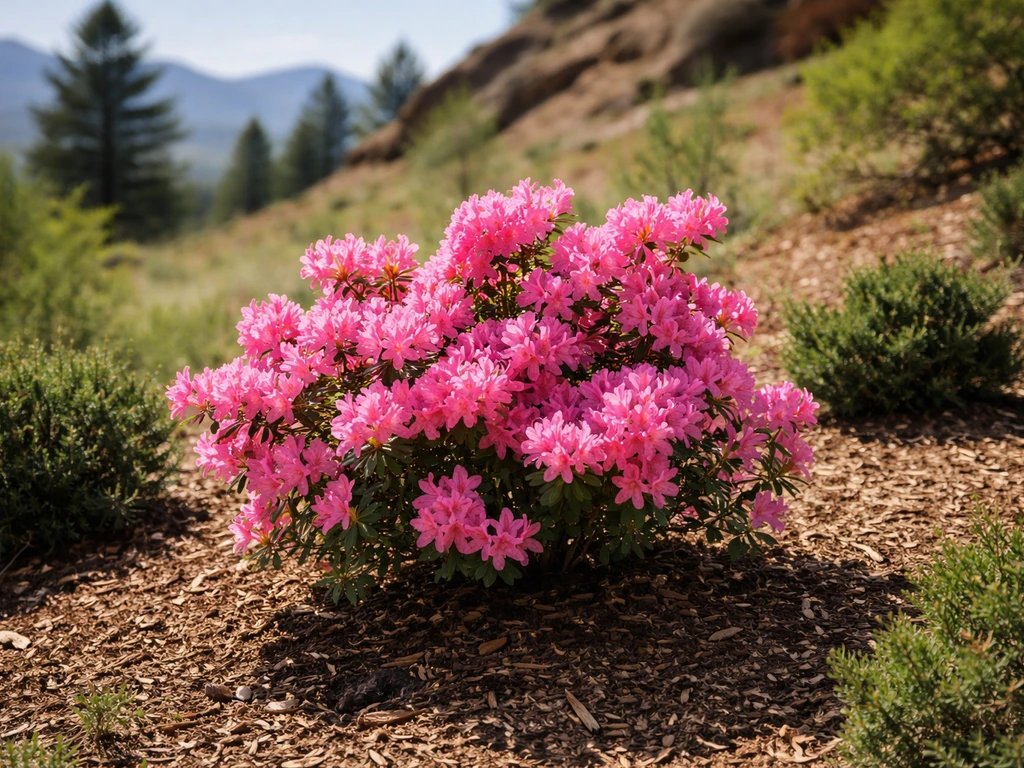
Colorado's climate and what it means for your plants
Colorado is one of the trickiest states to garden in because it isn't just cold, it's erratic. The state spans USDA Hardiness Zones 3b through 7b depending on elevation and location. Denver and the Front Range generally land in Zones 5b to 6b. Mountain communities can sit at Zone 3 or 4. The San Luis Valley and some western slope areas reach Zone 6 or warmer. That range matters enormously when you're choosing a shrub with specific cold-tolerance limits.
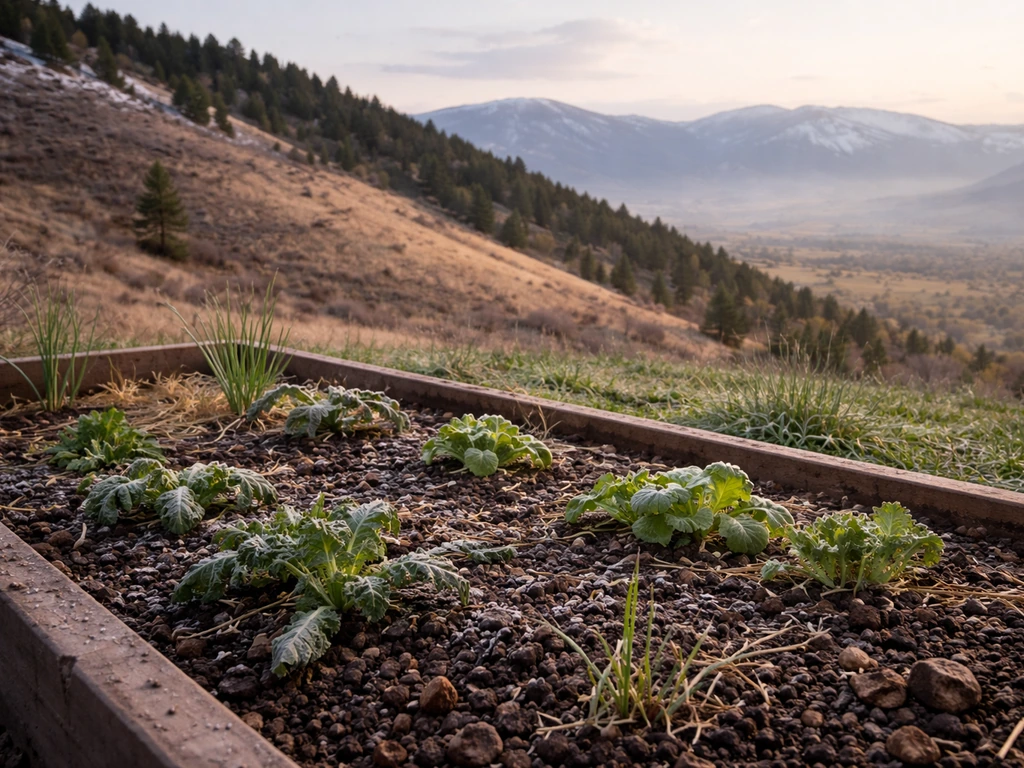
Beyond raw cold, Colorado throws a few extra challenges at plants. First, there are chinooks, those warm dry winds that roll in during late winter and can push temperatures up 40 degrees in a matter of hours before crashing back down. That freeze-thaw cycle is genuinely brutal on woody plants and causes more dieback than the coldest nights alone.
Second, Colorado winters are dry and sunny, not wet and overcast like winters in the Pacific Northwest where azaleas love to live. The combination of frozen soil, dry air, and wind pulls moisture out of plant tissue faster than roots can replace it, a process called winter desiccation. Third, the growing season at higher elevations is surprisingly short, with killing frosts interrupting growth at both ends of the calendar.
Azalea basics: types and which ones can handle Colorado
Not all azaleas are created equal when it comes to cold hardiness. There are two broad camps you need to know about: evergreen azaleas and deciduous azaleas. Most of the showy, glossy-leafed azaleas sold in garden centers in spring are evergreen types, including Kurume hybrids, Satsuki types, and the popular reblooming Encore series. These are bred for Zone 6 or warmer, with Encore azaleas officially rated cold hardy to Zone 6A at best. In most of Colorado, that means they're borderline at most and likely to die in a hard winter or a particularly nasty chinook cycle.
The real stars for Colorado are the deciduous azaleas, and specifically the Northern Lights series developed at the University of Minnesota. These are hybrids bred specifically for brutal winters, and the series covers Zones 3 through 7. The cultivar 'Rosy Lights,' for example, is rated to Zone 5 and has demonstrated hardiness down to -35°F in testing. Deciduous azaleas drop their leaves in fall, which actually helps them avoid winter desiccation since there's no foliage to lose moisture through. If you're gardening in Colorado, deciduous azaleas in the Northern Lights series are your most reliable starting point.
If you're curious how Colorado's situation compares to neighboring states, the calculus is quite similar to what gardeners face when asking do azaleas grow in Utah, another intermountain western state with alkaline soils and cold, dry winters. The same cultivar rules largely apply.
Can azaleas grow (and grow well) by Colorado zone
Here's an honest zone-by-zone breakdown of what you can realistically expect.
| Colorado Zone | Winter Low | Azalea Feasibility | Best Bets |
|---|---|---|---|
| Zone 3b–4b | -30°F to -20°F | Very difficult; only the hardiest deciduous types | Northern Lights series (e.g., 'Rosy Lights', 'White Lights') |
| Zone 5a–5b | -20°F to -10°F | Deciduous types grow well with good siting | Northern Lights series; select hardy deciduous cultivars |
| Zone 6a–6b | -10°F to 0°F | Good for deciduous types; evergreens possible with protection | Northern Lights series; Encore azaleas in sheltered spots |
| Zone 7a–7b | 0°F to 10°F | Broader range viable; still need wind/desiccation protection | Encore series, evergreen hybrids, Northern Lights series |
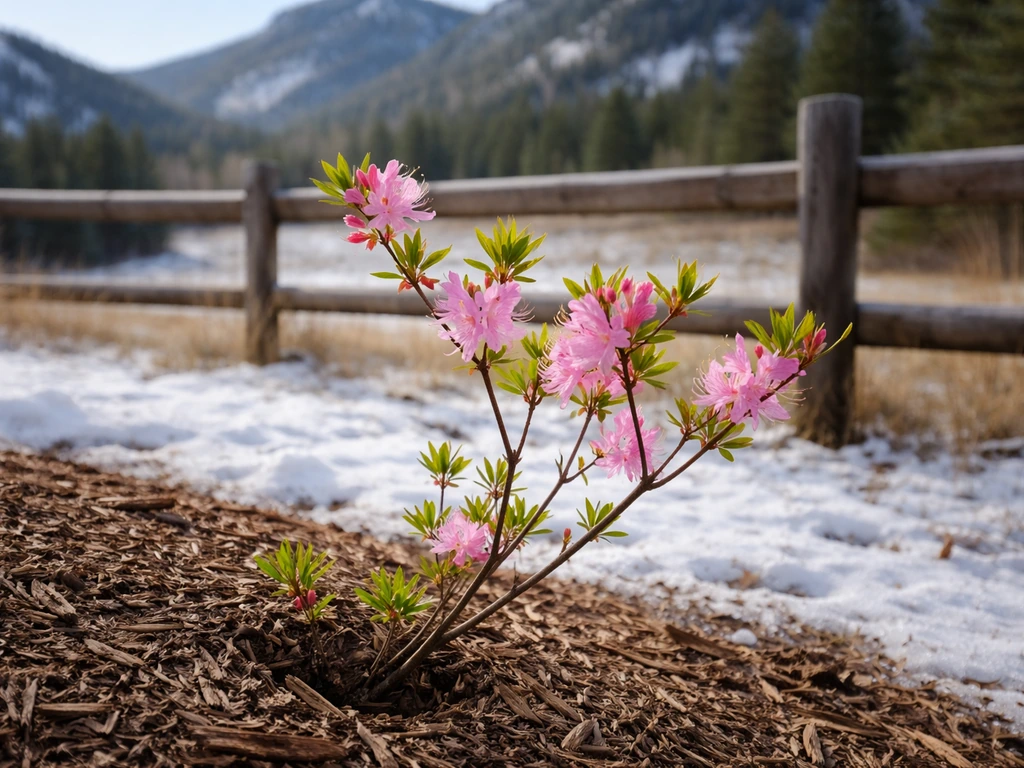
Zones 3 and 4 are rough. Mountain communities in the Rockies at these elevations can pull off the Northern Lights series with careful siting, but blooms may be inconsistent if late spring frosts hit buds right before they open. Zone 5 is where things get genuinely encouraging: with a good site, Northern Lights azaleas will bloom reliably most years. Zones 6 and 7 on the Front Range or western slope give you the most options and the best shot at getting evergreen types to overwinter if you put in the extra work.
Compare that to states where azaleas have an easier time: gardeners wondering do azaleas grow well in Texas are usually asking about the opposite problem, heat and humidity rather than cold and dryness. Colorado gardeners face a fundamentally different set of constraints.
Best planting locations and microclimates in Colorado
Where you plant an azalea in Colorado can matter as much as which cultivar you choose. Azaleas want partial shade, ideally morning sun with protection from hot afternoon sun. In Colorado, that west and southwest afternoon exposure is especially brutal because it combines intense high-altitude UV, heat, and drying wind all at once. An east-facing bed near a fence or building wall is often ideal.
Wind protection is not optional here. Colorado's dry, sustained winds pull moisture from leaves and stems continuously, and this is especially damaging in winter when roots can't replenish that lost moisture. Planting on the protected (leeward) side of a fence, hedge, or building makes a measurable difference. CSU Extension research on windbreak placement indicates that a good windbreak can provide meaningful protection at a distance of up to roughly six times the height of the barrier, so even a six-foot privacy fence can shelter a bed that extends 30 to 36 feet out from it.
Avoid low spots where cold air pools on still winter nights, those frost pockets can push temperatures several degrees colder than surrounding areas and tip a marginally hardy plant over the edge. Also avoid planting directly under roof overhangs, which can create a dry dead zone where rain and snow never reach the root zone.
It's worth noting that other shrubs like forsythia face similar siting challenges in dry western climates. If you're building out a mixed shrub border, it helps to know where does forsythia grow well so you can pair it with azaleas in spots that suit both plants.
Soil, watering, and pH needs for Colorado gardeners
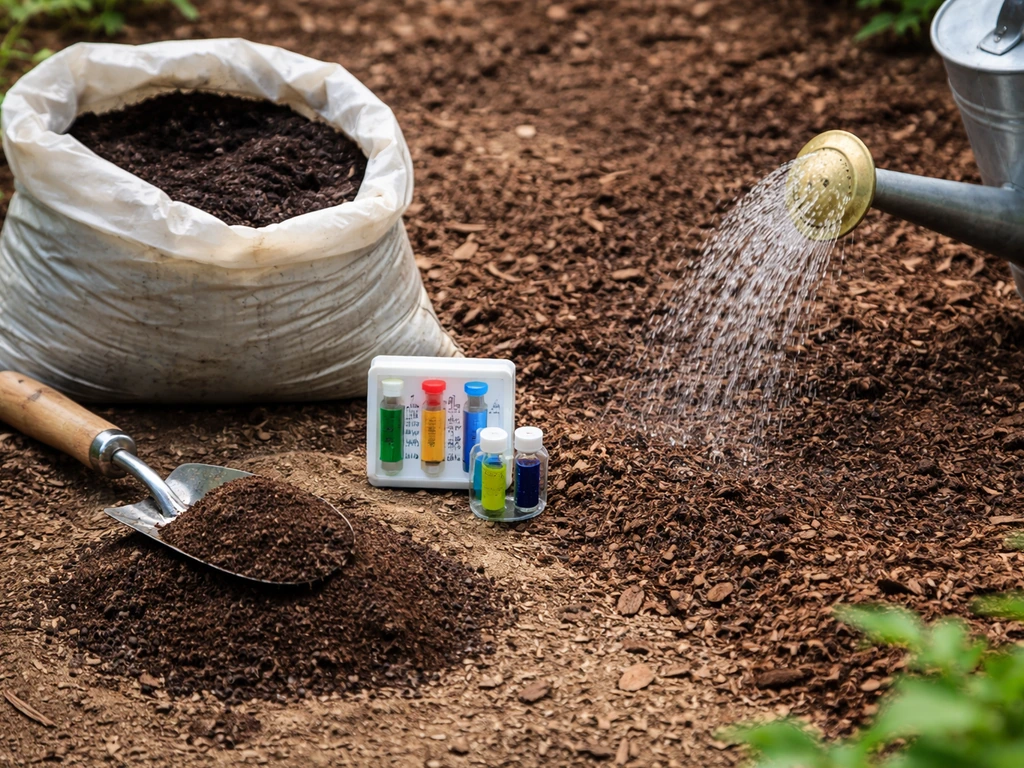
This is the section where a lot of Colorado azalea attempts fall apart, and it's entirely fixable if you go in with your eyes open. Azaleas are acid-loving plants that need a soil pH between 4.5 and 6.0. Below pH 7.0 is neutral. The problem is that most Colorado soils are decidedly alkaline, with surface soil pH commonly ranging from 7.0 to 8.2 across much of the state. Planting an azalea directly into unmodified Colorado soil is essentially planting it in a slow death trap because the plant cannot access the iron and other micronutrients it needs at high pH levels.
The good news is you can fix this, but you need to do it before you plant, not as an afterthought. The practical approach most recommended for alkaline soils is to work elemental sulfur into the planting area and backfill with a mix that includes a generous proportion of moistened sphagnum peat moss. Aluminum sulfate is a faster-acting alternative but requires more careful application to avoid overdoing it. Test your soil pH before you start so you know how far you need to move it. A soil that reads 7.5 needs substantially more amendment than one that reads 7.0.
Mulch heavily after planting, 3 to 4 inches of pine bark or pine needle mulch, both to conserve moisture and to continue slowly acidifying the soil over time. Keep the mulch a few inches away from the crown of the plant to prevent rot.
On watering: azaleas in Colorado need more attention than in humid climates because the air and soil dry out much faster. During the growing season, water deeply and consistently rather than frequently and shallowly. The goal is to keep the root zone consistently moist but never waterlogged, which is a tricky balance in fast-draining amended soils. Don't let plants go into fall dry.
Colorado's fall and winter periods are notoriously dry and often sunny, and root desiccation during winter is a primary cause of plant death here. The Azalea Society of America recommends watering azaleas after hard frosts so warm days won’t dry the plant out root desiccation during winter is a primary cause of plant death here.
Keep watering through fall until the ground freezes, then water again during any winter warm spells when temperatures stay above 40°F and there's been no significant snow.
Winter protection and season-long care to prevent failure
For deciduous azaleas in appropriate zones, winter care is mostly about moisture and mulch. Water well going into fall, apply a 4-inch mulch layer over the root zone before the ground freezes, and continue occasional winter watering during dry, warm spells. That's genuinely enough in Zones 5 and 6 with a well-sited Northern Lights cultivar.
For evergreen azaleas in Zone 6 or borderline Zone 5, add anti-desiccant spray (like Wilt-Pruf) to the leaf surfaces in late fall before the ground freezes. This reduces the moisture loss through foliage that causes winter burn. You can also wrap plants loosely in burlap, which cuts wind and reduces desiccation without trapping heat and causing early bud break. Use breathable materials only, not plastic, which can cook plants on warm winter days.
Watch for chinook windows in late winter, those warm stretches that can push temperatures into the 50s or 60s. Plants may start to come out of dormancy and then get hammered by a return to hard freezing temps. There's not much you can do to prevent this, but avoiding south-facing exposures (which warm up fastest) helps slow the process. If flower buds are swelling during a warm spell, a light frost cloth draped over the plant on nights when temperatures are forecast to drop can save the bloom.
One important seasonal care note: don't prune azaleas in late summer or fall in Colorado. Azaleas set their flower buds in summer for the following spring. Pruning after July removes those buds and you lose your bloom. Prune only right after flowering in spring if you need to shape the plant.
The same desiccation and wind challenges that affect azaleas in dry western climates show up when gardeners ask does forsythia grow in California, another state where aridity and soil conditions demand attention before planting acid-loving or moisture-sensitive shrubs.
How to choose the right azalea cultivar and where to buy locally
The single most important step you can take is to buy from a local Colorado nursery rather than ordering online or grabbing whatever is on the rack at a big-box store in spring. Local independent nurseries stock plants that have been selected for regional viability, and staff can tell you which cultivars have actually overwintered well in your community. Ask specifically for Northern Lights series azaleas by name: 'Rosy Lights,' 'White Lights,' 'Lemon Lights,' 'Mandarin Lights,' and 'Orchid Lights' are all commonly available in the series and cover a range of flower colors.
When evaluating any azalea at a nursery, look at the tag and confirm the hardiness zone explicitly. If it just says 'azalea' without zone information, pass on it. You want a tag that states Zone 5 or colder for mountain communities, or Zone 6 with winter protection for Front Range gardeners. Be especially skeptical of Encore azaleas in any location colder than Zone 6A, because that's the edge of their reliable hardiness. In a r/gardening thread about Encore azaleas, commenters also describe winter damage and uneven performance around Zone 6a, echoing how marginal they can be in colder areas Reddit users in r/gardening discuss Encore azalea winter damage and Zone 6a survivability.
If you're in Zone 6b or 7 on the western slope or in sheltered Front Range locations, you have more latitude to experiment with Encore types, but treat them as a test plant the first year rather than a cornerstone of your landscape. Plant one, see how it does through a full winter, and expand from there. Gardeners in milder western states like California have a very different experience with these plants, which is why the guidance for do azaleas grow in California reads so differently from the advice here.
Here's a quick checklist for buying right:
- Confirm the hardiness zone on the tag matches your USDA zone or colder
- Prioritize Northern Lights series deciduous azaleas for Zones 3 to 6
- Buy from a local Colorado nursery that sources regionally appropriate plants
- Ask whether the nursery has overwintered the cultivar successfully in your area
- Avoid purchasing azaleas in full bloom at big-box stores in March or April without checking zone information
- Plan to amend soil before the plant goes in the ground, not after
Bottom line: azaleas can grow in Colorado, but you have to be strategic about it. Pick a cold-hardy deciduous cultivar from the Northern Lights series, put it in a sheltered spot with morning sun and afternoon shade, fix your soil pH before planting, keep the roots watered through fall, and mulch heavily. Do those things and you'll have a flowering azalea that comes back year after year. Skip any one of those steps in the wrong zone and you'll be starting over in spring.
FAQ
Can I grow azaleas in containers in Colorado?
Yes, but only if you can meet the soil and moisture requirements quickly. In-ground azaleas benefit from prepped, amended planting areas, so plan to create an acid zone at the depth of the root ball. Use a container mix that stays airy but not bone-dry, and move the pot to a protected spot from west winds. Also note that containers freeze more than beds, so in Zone 5b or colder you may need extra insulation around the pot to prevent winter dieback.
What happens if I plant azaleas directly in native Colorado soil without testing pH?
Avoid it. The most common failure is using a premixed bag “for azaleas” without correcting native pH, then relying on occasional rainfall. In Colorado you still need a soil pH test and an intentional amendment strategy (elemental sulfur and an acidifying backfill, or an aluminum sulfate approach with care). If you plant into untreated alkaline soil, the roots often stay locked out of iron and micronutrients even if the plant survives the first season.
If my azalea dies back after winter, can it recover?
“Dead” above ground can still mean the plant will regrow if the crown and main roots survived. Wait until consistent spring growth, then scratch test small twigs near the base for green tissue. If the crown is alive but stems are dead, prune back to living wood after flowering to remove damage and reduce wind stress. If the crown is brown and mushy, the plant is usually beyond saving.
When is the best time to prune azaleas in Colorado?
For Colorado, the safest strategy is to treat pruning as a job done right after spring bloom, not a fall cleanup. Buds form in summer for next year’s flowers, so pruning in late summer or fall can remove next year’s buds. If you must shape for size, limit it to minimal corrective pruning immediately after bloom.
How often should I water azaleas during Colorado winter?
If you have a Northern Lights deciduous azalea, keep winter watering focused on desiccation prevention, not constant soggy soil. Deep water before the ground freezes, then water only during dry winter warm spells when temperatures are above about 40°F and the soil surface has started to dry. The goal is moist root conditions, not waterlogged roots that can rot in poorly draining spots.
How should I mulch an azalea so it survives Colorado winters?
A good rule is to place the mulch so it covers the root zone but stays off the crown. Pine bark or pine needle mulch 3 to 4 inches deep helps conserve moisture and slowly supports lower pH, but piling it right against the stem base can promote rot and fungal issues. Leave a visible ring around the crown when mulching.
Can I save azalea blooms from late-spring frosts in Colorado?
Use frost protection only as a targeted rescue, not a blanket solution. If buds are swelling during a chinook-warm period and forecasts call for a sharp dip, a light frost cloth over the plant overnight can protect flowers, but it must be removed during mild daytime to avoid trapped heat and premature bud stress. Avoid plastic sheeting since it can overheat on sunny days.
How do I choose the right azalea cultivar when shopping in Colorado?
For buying, the zone on the tag matters more than the flower name. If a tag does not list a hardiness zone or lists a warmer zone than your area, skip it. Also be cautious with reblooming types, like Encore, in colder Colorado locations because their reliable hardiness is narrower. Your best bet is specifically labeled Northern Lights series cultivars for your zone and local winter reliability.
My azalea has yellow leaves, is it a fertilizer problem or a soil pH problem?
Yes, and it changes what you should do next. If the leaves yellow but veins stay darker, that often signals iron deficiency from alkaline soil, which means pH correction needs to be addressed rather than just adding fertilizer. Use a soil test to confirm pH, then amend before planting or adjust the planting area in place. Fertilizing without fixing pH usually does not solve the micronutrient access problem.
If a nursery plant survived last winter, will it definitely come back in Colorado?
Not reliably, especially for evergreen types. Even if an azalea survives one winter, repeated freeze-thaw plus winter desiccation can kill gradually, so the first full winter is your real test. Treat new plants as “establishment year” specimens, watch them through spring bloom and summer growth, then decide whether to expand. If it struggled in the first hard winter, focus on improving siting and wind protection before adding more.