
Forsythia can grow in parts of Texas, but whether it actually blooms for you depends almost entirely on where in the state you live. In North Texas and the Panhandle, forsythia has a real shot at consistent flowering. In Central Texas it's hit-or-miss. Along the Gulf Coast and in South Texas, you'll most likely end up with a leafy green shrub that stubbornly refuses to flower, and honestly, there are better plants for your money in those areas.
Does Forsythia Grow in Texas? Zones, Cold, and Best Match
Marcus Hartwell
30 May 2026
What forsythia actually needs to thrive
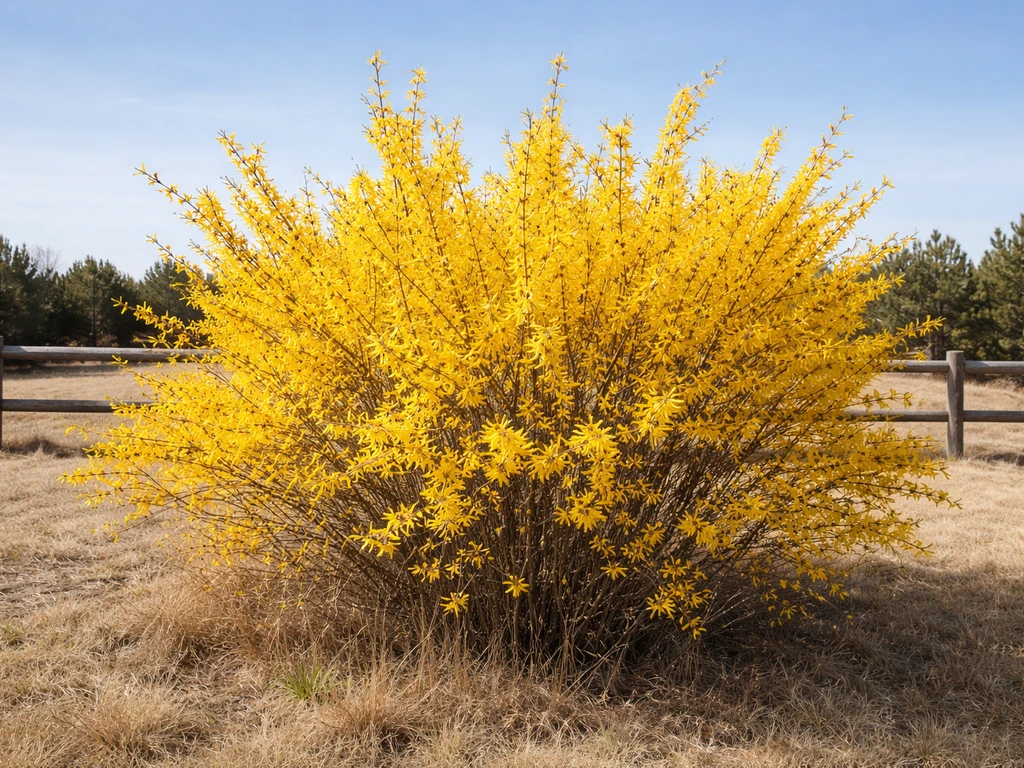
Forsythia (Forsythia × intermedia, commonly called border forsythia) is a fast-growing deciduous shrub that explodes into bright yellow flowers in late winter or early spring before the leaves emerge. It's a tough, adaptable plant in the right climate, tolerating clay, loam, and slightly alkaline soils as long as drainage is decent. It absolutely cannot sit in wet, waterlogged soil. For maximum flowering, it needs full sun, at least six hours of direct light per day. Partial shade noticeably reduces the flower show.
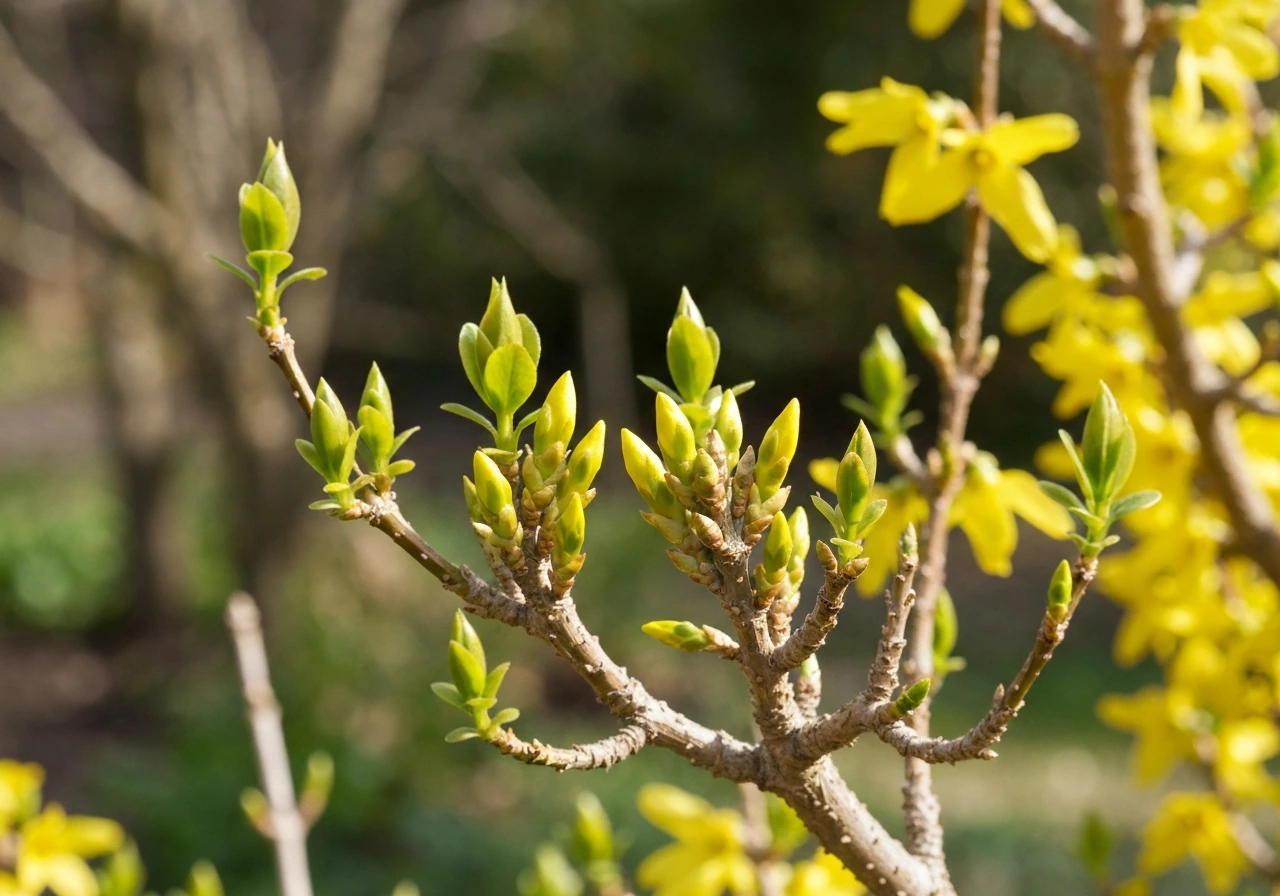
The single biggest requirement that trips up Texas gardeners is winter chill. Forsythia sets its flower buds on the previous season's growth over summer, but those buds need a cold dormancy period to actually open in spring. This is measured in chill hours, the number of hours the temperature sits between roughly 32°F and 45°F during winter. Most forsythia cultivars need somewhere in the range of 300 to 500 chill hours, which sounds modest until you look at what coastal and southern Texas actually delivers.
Texas winters and the chill-hour problem
Texas is a massive state, and its winters range from genuinely cold in the Panhandle to barely-there along the lower Gulf Coast. Texas A&M AgriLife tracks chill hours by location, and the numbers tell a stark story. The Panhandle and far North Texas regularly accumulate 900 to 1,000 chill hours in a typical winter, plenty for forsythia. The Dallas-Fort Worth area lands around 700 to 800, still workable. Drop down to the Hill Country and Austin metro and you're looking at 500 to 600 in a good year, which is right at the edge. Head to Houston or the Coastal Bend and you're lucky to see 300 chill hours, and even that isn't guaranteed every winter.
A study by Texas Master Gardeners in the Rockport and Sinton area found that only about 40 to 50 percent of years hit even 300 chill hours in those coastal cities. That kind of variability means forsythia planted there might bloom once every two or three years on a lucky winter, which is not a reliable landscape shrub. South of San Antonio, the chill-hour situation only gets worse.
There's also a flip side to Texas winters that hurts forsythia in a different way. Even in North Texas, late-winter temperature swings are common. Forsythia buds can break dormancy during a warm spell in February, then get hammered by a late freeze that wipes out all the open flowers. This is exactly what happened across North Texas in the winter of 2021. The plant itself usually survives, but the bloom show disappears for that year.
Which parts of Texas actually work for forsythia
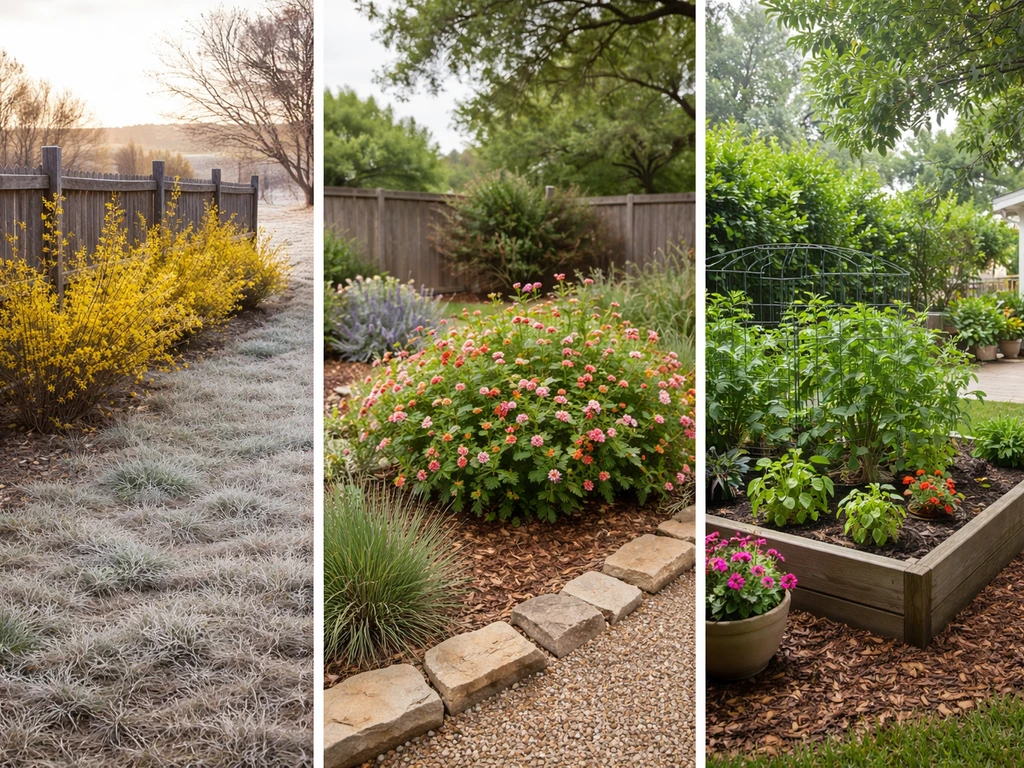
Texas spans USDA hardiness zones 6a in the northern Panhandle all the way down to zone 10a along the lower Rio Grande Valley. Here's a practical breakdown of where forsythia stands a real chance:
| Texas Region | USDA Zone | Avg. Chill Hours | Forsythia Feasibility |
|---|---|---|---|
| Panhandle (Amarillo area) | 6a–6b | 900–1,000+ | Very good, consistent bloom likely |
| North Texas (DFW, Wichita Falls) | 7a–7b | 700–800 | Good, most cultivars perform well |
| East Texas (Tyler, Texarkana) | 7b–8a | 600–750 | Good to fair, choose cold-hardy types |
| Central Texas (Austin, San Antonio) | 8a–8b | 500–600 | Marginal, low-chill cultivars only |
| Houston and Gulf Coast | 8b–9a | 200–400 | Poor, unreliable bloom most years |
| Rio Grande Valley and Deep South Texas | 9b–10a | Under 200 | Not recommended |
Wichita County's Texas Master Gardener program has included forsythia on its recommended shrub list for that region, which lines up with the chill-hour data for North Texas. In Kansas, the question is similar, since whether azaleas can grow well depends heavily on local winter temperatures and summer heat Wichita County. If you're in that northern tier, forsythia is a legitimate, proven option.
Picking the right forsythia variety for your area
Cultivar choice matters a lot in Texas, especially once you get into zones 7b and warmer. Not all forsythias are created equal, and the differences come down to two things: how cold their flower buds can handle, and how few chill hours they need to bloom.
For North Texas and the Panhandle, the standard border forsythia cultivars like 'Lynwood Gold' and 'Spring Glory' work well. These are the ones you'll commonly find at garden centers, and they're reliably hardy through zone 6. 'Lynwood Gold' is vegetatively hardy to zone 5 but performs best where it gets enough chill to satisfy its dormancy needs.
If you're in Central Texas or the warmer parts of East Texas (zones 8a to 8b), you want to look specifically for lower-chill or earlier-blooming selections. Texas A&M AgriLife Extension has listed Forsythia intermedia among recommended ornamentals for Texas, so look for what your local AgriLife Extension office suggests for your specific county. For colder zones where late freezes are the bigger concern, cultivars bred for cold-hardy flower buds like 'Northern Sun' (buds survive to about -30°F) give you some insurance, but remember: in Texas the problem is more often warm spells breaking dormancy early than true deep cold killing the buds.
| Cultivar | Flower Bud Hardiness | Best For in Texas | Notes |
|---|---|---|---|
| Lynwood Gold | Zone 5–8 vegetative, buds less hardy | North Texas, Panhandle | Classic choice, widely available |
| Spring Glory | Zone 5–8 | North Texas, Panhandle | White-yellow flowers, reliable performer |
| Northern Sun | Buds to about -30°F | Panhandle, far North Texas | Overkill for most of TX but excellent insurance |
| Meadowlark | Buds to about -35°F | Panhandle only | Best for the very coldest Texas winters |
| Sunrise | Zone 5–8 | North and East Texas | Compact size, good bud hardiness |
Avoid spending money on the ultra-cold-hardy varieties like 'Meadowlark' for Central Texas. Their bud hardiness is irrelevant there; the real problem is not enough chill hours, and no cultivar completely overcomes a warm winter.
When to plant and where to put it in your yard
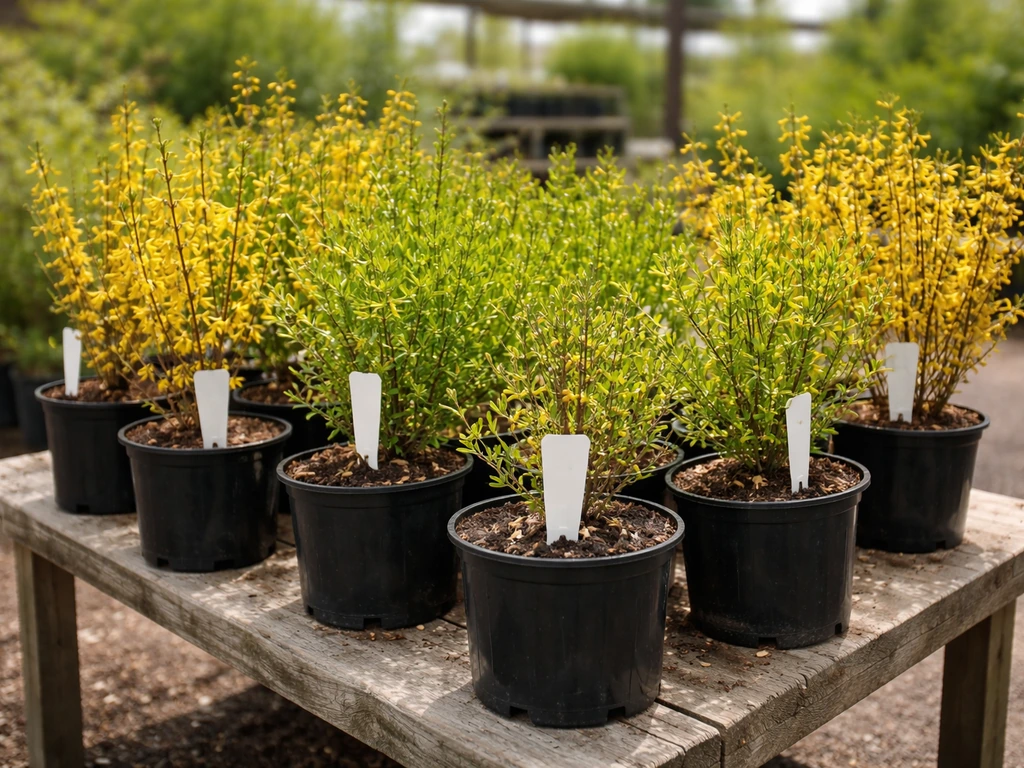
In North Texas and the Panhandle, plant forsythia in fall (October through November) or early spring before new growth starts. Fall planting gives roots a chance to establish before summer heat arrives, which makes a real difference in survival through that first brutal Texas summer. In Central Texas, spring planting is generally safer so the shrub can establish before winter temperature swings stress it.
Site selection is straightforward but important. Put forsythia in full sun, minimum six hours, and ideally in a spot with some wind protection from the north or northwest in the Panhandle where harsh winter winds are common. Avoid low spots where cold air pools on clear nights, as these microclimates can tip early-emerging flower buds over the edge during a late freeze. Well-drained soil is non-negotiable. If your yard has heavy clay that holds water after rain, amend the planting area or build up slightly to improve drainage before you plant.
One pruning note worth keeping in mind: forsythia sets next spring's flower buds on the current season's wood over summer. If you prune in fall or winter, you're cutting off the buds for the following spring. The right time to prune is right after flowering, in spring. Get this wrong once and you'll wonder why your shrub leafs out but never blooms, which is a common Texas complaint that has nothing to do with climate.
The three Texas problems that give forsythia gardeners headaches
Insufficient chill hours (the most common failure)
If your forsythia is healthy, leafing out fine, growing well, but simply not blooming in spring, insufficient chill hours are almost certainly the cause. The plant is not broken. The buds formed last summer and are present, but they didn't get the cold signal they needed to open. This is the defining problem for gardeners in Central Texas and points south. There's no fix for this other than moving to a colder location or switching plants.
Late freezes after early bud break
In zones 7 and 8, forsythia can start to open flower buds during a warm February stretch, then get caught by a late hard freeze. The plant survives but the blooms are gone for the year. This is frustrating but not fatal. If it happens to you repeatedly, try positioning the shrub on the north or east side of a structure so it warms up more slowly in late winter, delaying bud break slightly and reducing the odds of a frost hit. You can also look at cold-hardy bud cultivars if you're in North Texas, though the real problem there is the temperature swing, not extreme cold.
Summer heat and drought stress
Forsythia is genuinely tough, but a Texas summer in Zones 8 and 9 is brutal. Extended heat above 95°F combined with drought will stress forsythia, potentially causing leaf scorch, premature leaf drop, and weakened plants heading into winter. Deep watering every one to two weeks during summer dry spells and a two to three inch layer of mulch around the base will help significantly. Plants in the hottest zones (8b and above) need this routine care consistently to stay healthy.
Better options if forsythia won't work in your spot
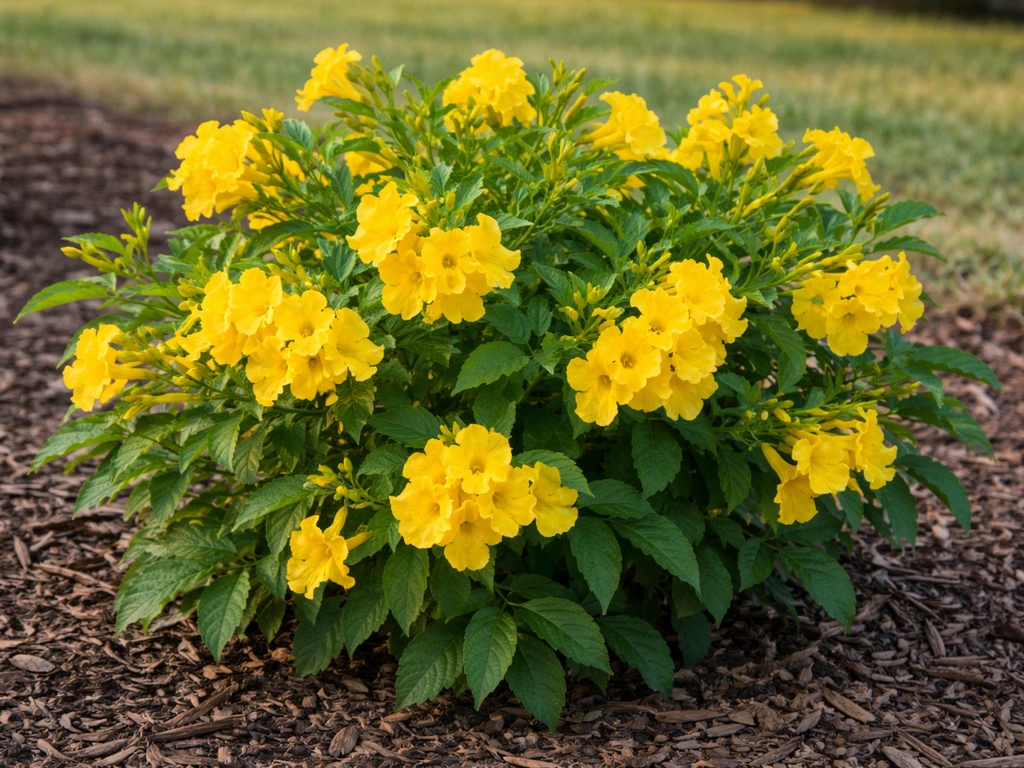
If you're in Central or South Texas and want that bright flowering shrub effect in late winter or spring, there are plants that genuinely thrive in your conditions instead of just surviving. In Tennessee, azalea growth depends on local conditions like sunlight and well-drained soil, so it's worth checking what your specific region can support azaleas in Tennessee. These alternatives are worth considering before investing in forsythia that may never reliably bloom:
- Texas Esperanza (Tecoma stans): Brilliant yellow trumpet flowers, thrives in heat and drought, suited for zones 8 to 10, blooms summer through fall
- Spirea (Spiraea japonica or S. thunbergii): Spring blooms, handles Texas heat better than forsythia, reliable in zones 6 through 9
- Knockout Rose: Low maintenance, long bloom season, excellent performer across most of Texas from zone 6 southward
- Agarita (Mahonia trifoliolata): Native Texas shrub, yellow spring flowers, extremely drought-tolerant, perfect for Central and West Texas
- Flowering Quince (Chaenomeles speciosa): Early spring bloomer with less dependence on heavy chill hours, cold hardy to zone 5 and heat tolerant to zone 9, works well where forsythia struggles
- Carolina Jessamine (Gelsemium sempervirens): Bright yellow late-winter flowers, native-friendly, performs well through zones 7 to 9
Flowering quince is probably the closest substitute to forsythia for Central Texas gardeners. It blooms early, has that same burst-of-color effect in late winter, and handles heat and variable winters far better. If you're gardening in the Houston area or the Coastal Bend and had your heart set on forsythia, quince or Esperanza will actually reward your investment rather than leave you wondering what went wrong.
The bottom line: if you're in North Texas or the Panhandle, go ahead and plant forsythia, just pick a proven cultivar, give it full sun, and protect it from late-spring pruning mistakes. If you're in Austin, San Antonio, or south and east of there, the chill-hour math is working against you, and you'll get more satisfaction from plants that genuinely suit your climate.
If you are wondering about a different flowering shrub like azaleas, you might also be asking, do azaleas grow in Missouri? Do azaleas grow in Indiana depends on your local conditions, since azaleas have specific needs for winter cold and spring temperatures Austin, San Antonio, or south and east of there. Gardening is always about matching the plant to the place, not the other way around.
If you are wondering does forsythia grow in colorado, keep in mind that success usually comes down to enough winter chill plus well-drained soil.
FAQ
Why does my forsythia grow leaves but never bloom in Texas?
Most Texas gardens that get “leafing but no flowers” should not fertilize more or prune harder. If the plant is healthy and leafs out, the buds likely did not receive enough winter chill to open. The practical remedy is to switch to a lower-chill, early-blooming selection appropriate for your county or replace with a better early bloomer for your zone (like flowering quince) rather than trying to force bloom with extra feeding.
Can I force forsythia to bloom in Central or South Texas if it never does?
Yes, but only in limited ways. You can protect early-burst buds by slowing warming in late winter, for example by placing the shrub on the north or east side of a structure (warms up more slowly). However, there is no reliable DIY method to add the missing winter chill hours, so you cannot truly “cheat” the chill requirement in Central and South Texas.
When is the wrong time to prune forsythia in Texas, and why does it stop flowering?
Forsythia buds are made on the previous season’s growth, so any pruning after late summer and into fall or winter removes next spring’s flower buds. The safe rule is to prune right after flowering, then leave the shrub alone until the next spring bloom cycle is complete.
How can I tell whether late freezes or low chill hours are the reason my forsythia fails to bloom?
Look for healthy new growth and a full bud set coming out of dormancy, then compare bloom timing to local late-frost patterns. If blooms appear and then turn to mush or disappear after a freeze, the issue is a late-winter temperature swing that kills flowers but usually not the plant. If buds never open across multiple winters, it is almost always insufficient chill hours.
Does growing forsythia in a container improve its chances of blooming in Texas?
For container growing in hot Texas areas (especially zones 8b and warmer), choose a large pot with excellent drainage and be consistent with deep summer watering. Still, container plants will not solve low-chill problems, because the buds need winter cold, not root restriction. Containers can help with poor drainage, but they will not guarantee blooming in coastal and South Texas.
What should I do if my yard has wet clay soil, can forsythia still work?
In yards with heavy clay, drainage is the make-or-break factor. Plant slightly higher than the surrounding grade (a modest mound) and avoid places where water sits after rain. If you must amend, focus on improving the planting hole drainage and not just mixing in compost, because long-lasting wet roots are a fast track to decline.
When is the best time to plant forsythia in Texas depending on region?
For Texas, the timing matters, but the key is establishment before the harsh part of the year. Fall planting (October through November) helps North Texas and the Panhandle build roots before summer heat, while spring planting is generally safer in Central Texas because winter swings can stress a newly planted shrub.
My forsythia looks stressed after summer heat, what maintenance changes actually help?
If you consistently see scorch or leaf drop during summer, respond by checking watering depth and mulching, not by pruning in mid-summer. Use deep watering during dry spells, and keep a 2 to 3 inch mulch layer around the base (not touching the stems) to reduce heat stress. After stress, avoid pruning late in the season so you do not remove next year’s buds.
If forsythia is unlikely to bloom where I live, what is a better early-blooming alternative in Texas?
If your goal is early yellow color but you are in Houston area, Coastal Bend, or farther south, consider flowering quince as a more reliable substitute for the “early burst” effect. It handles heat and variable winters better, so you are less likely to spend money on a shrub that only blooms every few years.