
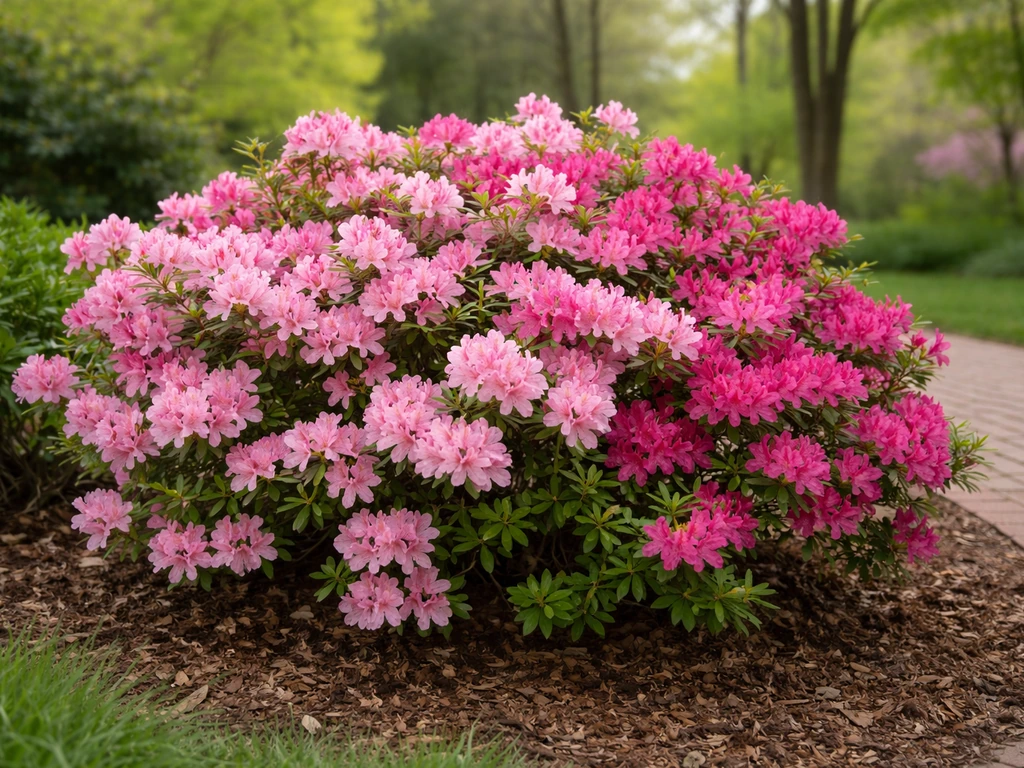
Yes, azaleas can grow in Indiana, but your success depends heavily on which part of the state you're in and which varieties you choose. Most of Indiana falls in USDA Hardiness Zones 5b through 6b, and while the southern tier is genuinely azalea-friendly, gardeners in the colder northern reaches need to be more selective. Pick the right variety for your zone, give them acidic soil and some afternoon shade, and azaleas will absolutely reward you with a stunning spring display.
Do Azaleas Grow in Indiana? Best Varieties and Tips

Marcus Hartwell
14 May 2026
Indiana's climate and what it means for azaleas
The two biggest climate challenges for azaleas in Indiana are winter cold and summer heat combined with humidity. Winters in northern Indiana can push temperatures well below zero, which rules out most of the tender, southern-bred azalea varieties that look gorgeous at the garden center but won't survive January in Fort Wayne or South Bend. Southern Indiana, around Evansville and the Ohio River corridor, is comparatively mild and much closer to azalea country in terms of winter temperatures.
Summer heat and humidity are a secondary concern. Azaleas don't love baking in full afternoon sun, and Indiana's humid summers can intensify that stress. The good news is that Indiana's humidity also keeps the air from getting as desiccating as, say, the Great Plains, so azaleas don't struggle with drought stress the way they might if you were trying to grow them in Kansas.
In warm states like Texas, azaleas can work well too, but you still need the right variety and protection from harsh heat Great Plains. Kansas winters and soil conditions can make it much harder for azaleas to establish than in Indiana. The challenge here is more about finding a site with afternoon shade and good airflow rather than fighting an outright hostile climate.
Which azalea types work where in Indiana
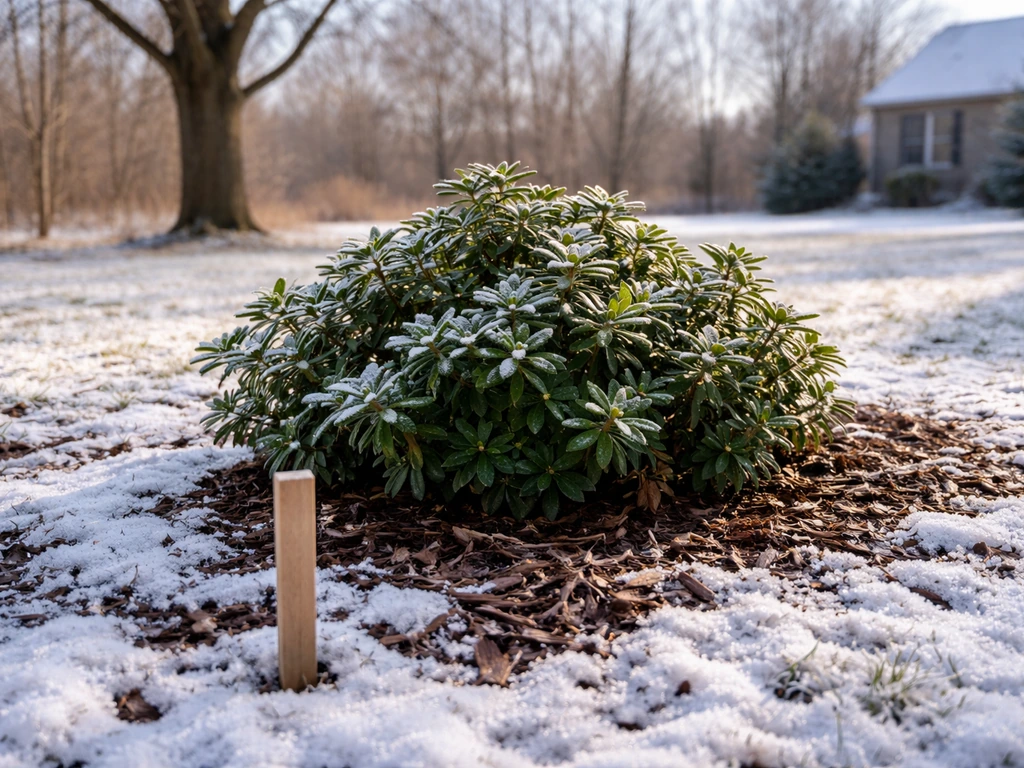
Indiana is not one single growing environment. Zone 5b gardeners in the north are working with average annual extreme minimum temperatures in the range of negative 15 to negative 10 degrees Fahrenheit, while Zone 6b gardeners in southern Indiana might only see 0 to 5 degrees on the coldest nights. That gap matters a lot when you're picking azaleas.
| Indiana Region | Typical USDA Zone | Best Azalea Choices | Notes |
|---|---|---|---|
| Northern Indiana (Gary, Fort Wayne, South Bend) | 5b–6a | Native cold-hardy species (e.g., Rhododendron prinophyllum), PJM hybrids | Stick to varieties rated Zone 5 or colder; avoid Encore series here |
| Central Indiana (Indianapolis) | 6a–6b | Encore azaleas (Zone 6A+), Northern Lights hybrids, native azaleas | Good range of options; check specific cultivar rating |
| Southern Indiana (Evansville, Bloomington) | 6b | Encore azaleas, most deciduous hybrid azaleas, evergreen varieties | Most reliable region in Indiana for azaleas |
Native azaleas are your safest bet across most of the state. Rhododendron prinophyllum, the roseshell azalea, is rated to Zone 4, meaning it handles Indiana winters without breaking a sweat. For something showier and more garden-ready, the Encore series is a popular reblooming option marketed as hardy to Zone 6A, which makes them viable for central and southern Indiana but risky for the northern tier. Encore Azaleas also state they perform best in USDA Zones 6, 9, which supports their common marketing as suitable for Zone 6 USDA Zones 6–9. If you're in Indianapolis, Encore azaleas are worth a try, especially in a protected spot. If you're in Elkhart, focus on the cold-hardy natives or Northern Lights hybrids instead.
Sun, shade, airflow, and winter protection
Azaleas want bright light but not brutal direct sun. Partial shade, particularly protection from hot afternoon sun, is the sweet spot in Indiana. Full sun can bleach out flowers quickly and stress the plant during summer. A location that gets morning sun and dappled or open shade from about 1 p.m. onward is close to ideal. The north or east side of the house, or beneath high-canopied trees that let filtered light through, tends to work well.
Airflow matters more than most people realize. Good air circulation around the plants reduces disease pressure and helps dry out foliage after rain. At the same time, you don't want to put azaleas in a wind tunnel, especially in winter. Cold, drying winter wind can pull moisture out of evergreen azalea leaves even when the ground is frozen and the plant can't replace that moisture through its roots. Planting near a building or fence that buffers prevailing northwest winter winds, or using a simple burlap windscreen for the first couple of winters, makes a real difference in survival rates for marginal-zone plants.
After a hard frost, water your azaleas deeply if there's a warm spell. The Azalea Society of America specifically recommends this because warm winter days can increase transpiration from the leaves, and frozen ground means the roots can't supply replacement moisture. This one practice has saved plenty of azaleas from winter dieback.
Soil is the biggest make-or-break factor in Indiana
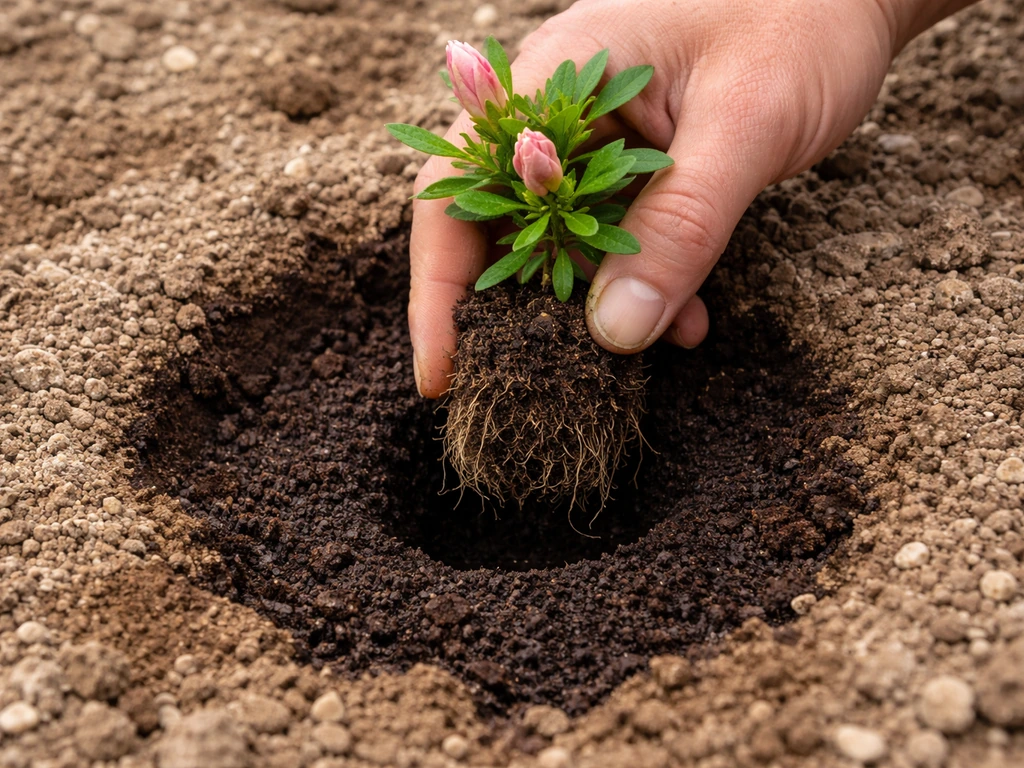
Here's the honest truth about growing azaleas in Indiana: the climate is workable, but the soil is where most people run into trouble. Indiana soils tend to be alkaline or only slightly acidic, and azaleas demand a soil pH of 4.5 to 5.5 to thrive. Purdue Extension specifically flags interveinal chlorosis, where leaves turn yellow between the veins while the veins stay green, as a common problem in Indiana azalea plantings. It happens when the soil is too alkaline for the plant to absorb iron and manganese, even if those nutrients are technically present.
If your soil pH is above 5.5, you'll need to bring it down before planting. Purdue recommends elemental sulfur, iron sulfate, acidifying nitrogen fertilizers, peat moss, and organic matter as tools for lowering pH. One thing to avoid: aluminum sulfate. The Azalea Society of America explicitly warns against it because aluminum is toxic to azalea roots, even though it's sometimes marketed for acid-loving plants.
Drainage is equally non-negotiable. Azaleas hate wet feet. A simple test before you plant: dig the hole, fill it with water, and see how fast it drains. If it's still sitting there four hours later, you have a drainage problem. The fix is either installing drainage tile or building a raised bed. Many successful Indiana azalea growers use raised beds precisely because it sidesteps the native soil issues entirely, giving them control over both pH and drainage from the start.
How to amend Indiana soil for azaleas
- Test your soil pH through your county extension office or with a reliable home test kit before buying any plants.
- If pH is above 5.5, apply elemental sulfur or iron sulfate and retest after 6 to 8 weeks; do not use aluminum sulfate.
- Work in generous amounts of peat moss, pine bark fines, or composted leaf litter to improve both acidity and drainage.
- If you have chlorotic plants showing yellow leaves with green veins, apply chelated iron or manganese directly to bypass soil alkalinity constraints.
- Avoid over-fertilizing with nitrogen, which pushes leafy growth at the expense of flowers.
How to confirm your garden is a good fit before you spend any money
Before you walk into a nursery and fall in love with a plant, do three quick things. First, look up your specific USDA Hardiness Zone using the 2023 USDA Plant Hardiness Zone Map at planthardiness.ars.usda.gov. Enter your zip code and you'll get your exact zone, which is the single most important number when choosing azalea varieties. Indiana gardeners often find they're right on a zone boundary, and that detail matters.
Second, get a soil test. Your local Purdue Extension office can point you to testing services. Knowing your pH before you plant saves you from the heartbreak of watching a beautiful azalea slowly yellow and decline because the soil chemistry was never right. It's a small investment that pays off immediately.
Third, walk your yard in the afternoon and honestly assess your light and drainage. Find the spot that gets morning sun, afternoon shade, and where water doesn't pool after a rain. That's where your azalea goes. Once you've checked those three boxes, you're not guessing anymore. You're making an informed choice, and the odds of success go up dramatically.
Indiana sits in an interesting middle ground for azaleas. It's more feasible than growing them in Kansas, where winter and soil conditions are even more challenging, and it doesn't have the natural advantage of a state like Tennessee, where milder winters and naturally acidic soils make azaleas much more straightforward. Indiana gardeners who do the groundwork, right variety for their zone, tested and amended soil, sheltered site with good drainage, consistently pull off beautiful azalea plantings.
It just takes a little more intention than it does further south. If you're wondering does forsythia grow in Colorado, the key is choosing the right variety for your local conditions and giving it good sun and drainage. If you’re wondering do azaleas grow in Missouri, the same basics apply, but your best results depend on your local hardiness zone and whether you can provide acidic, well-drained soil further south.
FAQ
What azalea types should I avoid in northern Indiana if I want plants to survive winter?
If you live in the northern part of Indiana, skip most tender southern “garden center” types that are marketed only for warmer zones. Instead, prioritize cold-hardy natives or Northern Lights-type hybrids, and treat Encore azaleas as a higher-risk choice unless your site is especially sheltered from northwest winter winds.
Can I grow azaleas in containers in Indiana, and will that make winter easier?
Yes, containers can help because you can manage drainage and soil pH more precisely. Use an acidic, rhododendron-friendly mix, ensure excess water drains quickly, and protect the pot itself from freezing, for example by burying the container in the ground or insulating it through the coldest months.
How do I tell if my azalea problem is winter damage versus iron or manganese deficiency?
Winter dieback usually shows up as browning or loss of outer twigs and buds after cold events. Interveinal chlorosis is more gradual, with leaves turning yellow between veins while the veins stay greener, and it typically worsens in alkaline soil or after soil pH drifts upward.
Is fall planting okay for azaleas in Indiana, or should I plant only in spring?
Spring planting is the safer default in colder Indiana zones because it gives roots time to establish before winter. If you plant in fall, do it early enough that new growth can harden off and avoid planting right before a hard freeze.
How much watering do Indiana azaleas need after establishment?
During hot stretches, water when the top layer of soil begins to dry, but avoid keeping the root zone constantly wet. The key is consistent moisture with excellent drainage, since “wet feet” can be worse than brief dryness for azaleas.
What mulch works best for azaleas in Indiana, and how thick should I apply it?
Use an acidic or neutral-to-slightly-acidic mulch like pine bark fines or shredded pine, and keep it loose rather than compacted. Apply a moderate layer (often a few inches), and leave a small gap around the trunk or stems so the plant base doesn’t stay damp and rot.
How can I improve drainage without building a raised bed?
You can amend the planting area with coarse, well-draining organic matter and create a slightly raised mound so water moves away from the roots. However, if your in-ground drainage test shows water still present hours later, raised beds or drainage tile are usually the most reliable fixes.
Should I prune azaleas in Indiana, and when is the safest time?
For most azaleas, avoid heavy pruning in late summer or fall because new growth may not harden before winter. If shaping is needed, do it soon after the main spring bloom, then stop so the plant can set buds for next year.
What is the best way to lower soil pH in Indiana without overcorrecting?
Lowering pH is easier to manage when you apply amendments in response to a soil test, then recheck results after changes. Use elemental sulfur or iron-based acidifiers carefully, incorporate organic matter, and avoid chasing acidity with repeated applications, since soil chemistry can swing too far.