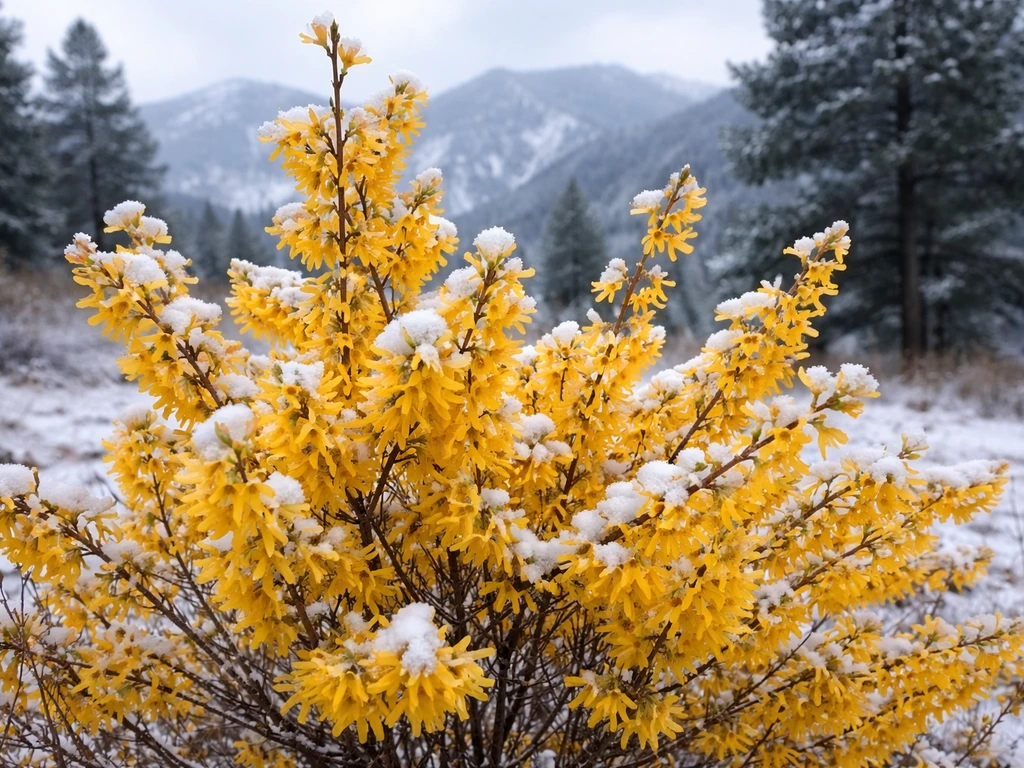
Yes, forsythia can grow in Colorado, but whether it actually blooms for you depends heavily on where in the state you live and which cultivar you plant. On the Front Range and in urban areas like Denver, Colorado Springs, and Fort Collins (mostly USDA Zone 5b–6a), forsythia is a reasonable choice and will typically survive winters without dying back to the ground. Get into the mountains, high valleys, or colder pockets of the state (Zone 4 and below), and you're fighting an uphill battle mostly with bloom failure even when the plant itself survives. The short version: forsythia can work in Colorado, but you need the right zone, the right spot, and the right cultivar.
Does Forsythia Grow in Colorado? Zones, Locations, and Tips
Marcus Hartwell
6 May 2026
How forsythia performs across Colorado's regions
Colorado is not one climate. The difference between Denver at 5,280 feet and a mountain town at 8,000 feet is enormous in terms of winter severity, and forsythia feels every degree of that difference. Here's a practical breakdown by region and zone:
| Region | Typical USDA Zone | Forsythia Verdict |
|---|---|---|
| Denver Metro / Front Range urban corridors | 5b–6a | Good candidate. Plant survives winters and blooms most years with the right cultivar and site. |
| Fort Collins, Colorado Springs, Pueblo | 5a–6a | Generally workable. Cold snaps can still kill flower buds in harsh winters, especially in exposed sites. |
| High plains / eastern Colorado | 5a–5b | Often fine for plant survival; late-winter temperature swings can hurt bloom reliability. |
| Foothills (5,000–7,000 ft) | 4b–5b | More risky. Use cold-hardy cultivars and choose sheltered, south-facing sites. |
| Mountain towns, high valleys (above 7,000 ft) | 3b–4b | Difficult. Plants may survive but flower buds die most winters. Not a practical choice. |
| Western Slope (Grand Junction area) | 6a–7a | Forsythia works well here. Milder winters and warm summers favor consistent bloom. |
The big takeaway: most of Colorado's populated areas along the Front Range fall in Zone 5, which is right at the edge of reliable forsythia performance. The plants themselves are generally hardy to Zone 5 (and some cultivars to Zone 4), but flower buds are another story. Flower buds can die at temperatures around -5°F or lower, even when the woody stems survive just fine. In a warm winter like many Denver-area winters, forsythia puts on a great show. In a harsh one with extended cold snaps, you might get a few blooms at the base of the plant (protected by snow) and nothing else.
Why bud kill is the real issue in Colorado, not just hardiness
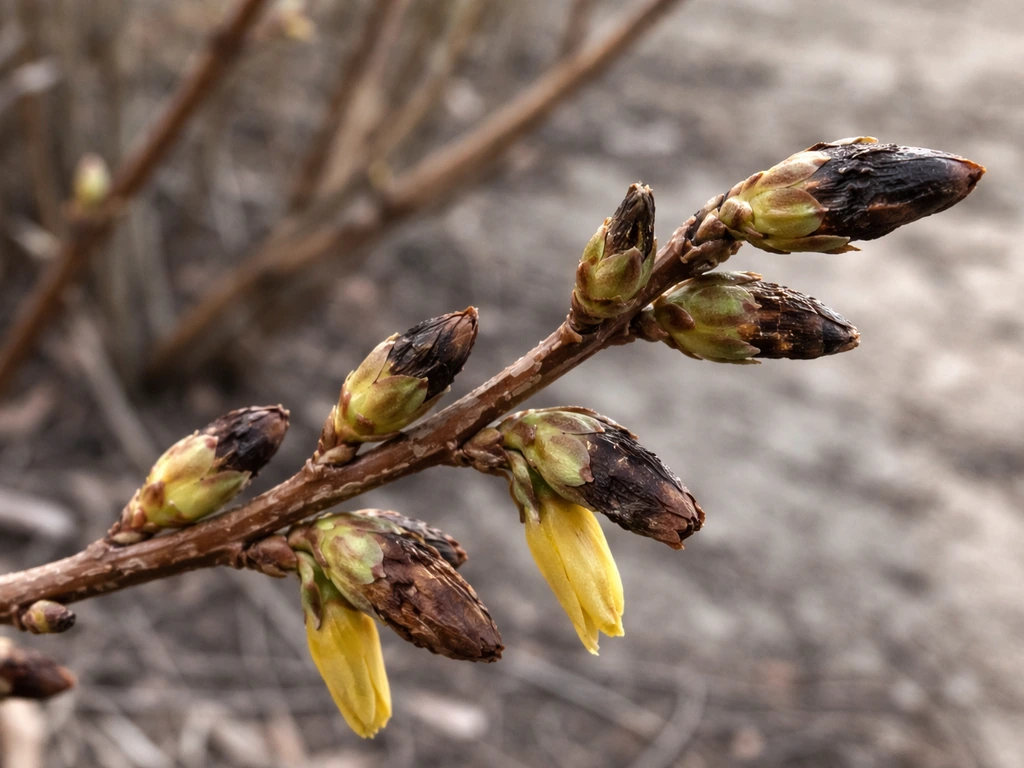
Here's something that trips up a lot of Colorado gardeners: forsythia is rated hardy to Zone 5, so they buy it, it survives the winter, and then it doesn't bloom. The plant is alive but the flower buds are dead. That's because forsythia blooms on old wood, meaning the flower buds that will open in spring actually form during the previous summer and early fall. Those buds then have to survive the entire Colorado winter exposed on the branches.
Colorado winters are particularly tough on flower buds because of the combination of hard freezes and wild temperature swings. A warm spell in January or February can cause buds to begin breaking dormancy, and then a plunge back to single digits or below finishes them off. Buds that have started to open are far less cold-tolerant than fully dormant buds. This is exactly the pattern that makes forsythia bloom unreliable in Zone 5 even though the shrub itself handles those temperatures. On the Western Slope around Grand Junction (Zone 6a–7a), this is much less of a problem because winters are milder and more stable.
There's also a flip side to Colorado's cold: forsythia actually needs a period of winter chilling (roughly eight weeks below 40°F) to set its blooms properly. Most of Colorado easily delivers that, so chilling requirements are not the limiting factor here. The problem is too much cold, not too little.
Sun, soil, and moisture: what forsythia needs in Colorado
Forsythia is not a picky shrub when it comes to soil, which works in Colorado's favor. It tolerates a wide range of soil pH and actually prefers slightly alkaline conditions, which is common in Colorado soils. It does need good drainage, so if your yard has heavy clay that stays wet, amend it or find a different spot. Forsythia does not tolerate waterlogged roots.
Sun is non-negotiable. Forsythia needs full sun (at least six hours of direct sunlight daily) to bloom well. Partial shade will keep it alive but produces sparse, straggly growth and far fewer flowers. In Colorado, a south or southeast-facing exposure does double duty: it maximizes sunlight and also provides some protection from the worst northwest winds and cold snaps. A wall or fence behind the shrub can act as a heat sink and microclimate buffer, which genuinely helps with bud survival in borderline zones.
Colorado's dry air and low precipitation add one consideration you don't hear about as much: forsythia prefers moist soil and can struggle in very dry conditions, especially when getting established. Once established it has decent drought tolerance, but for the first two or three years, consistent watering through the growing season matters. In Denver-area clay soils, be careful not to overwater either. The goal is consistently moist but not soggy.
Choosing the right cultivar: this decision really matters in Colorado
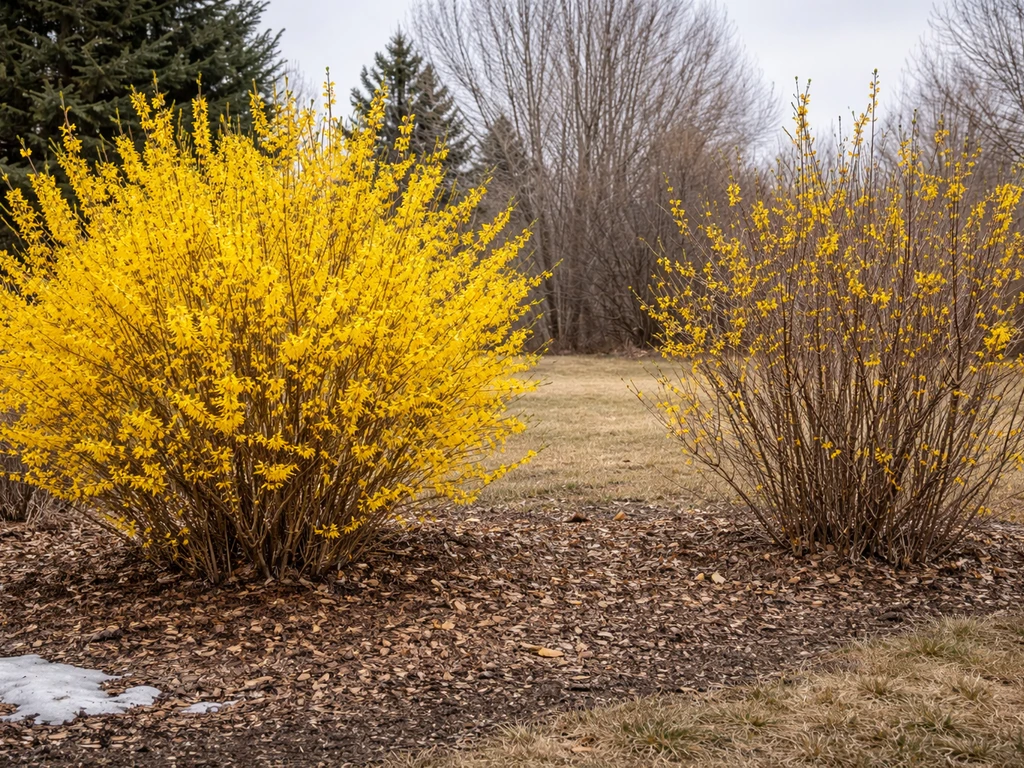
Not all forsythia is created equal when it comes to cold hardiness, and in Colorado this distinction can be the difference between a plant that blooms every spring and one that never does. The most commonly sold varieties like 'Lynwood Gold' and 'Spring Glory' are beautiful but their flower buds are not particularly cold-hardy. They're rated for Zone 5–8 but flowering in Zone 5 is described as inconsistent in harsh winters, and Colorado Zone 5 often qualifies as harsh.
If you're in a colder part of the Front Range, in the foothills, or anywhere that sees extended sub-zero temperatures, look specifically for cultivars bred for bud hardiness. 'Northern Sun' is the standout recommendation for Colorado gardeners in colder areas. It's been noted for flower bud hardiness down to around -30°F, which is far beyond what even the coldest Colorado Front Range locations typically see. Utah State University's extension program highlights it for cold-adapted landscapes, and it blooms in March to April with classic yellow flowers. For the mountains and foothills, 'Northern Sun' is genuinely the cultivar to seek out.
| Cultivar | Bud Hardiness | Size | Best For in Colorado |
|---|---|---|---|
| Lynwood Gold / Lynwood Variety | Zone 5–8 (buds vulnerable below -5°F) | Large (8–10 ft) | Denver Metro, Western Slope, protected urban sites |
| Spring Glory | Zone 5–8 (buds vulnerable in hard winters) | Medium (6–8 ft) | Protected Front Range sites, Western Slope |
| Northern Sun | Buds hardy to about -30°F | Large (8–10 ft) | Foothills, colder Front Range areas, Zone 4b–5b |
| Show Off (compact types) | Zone 5–8 | Small (3–5 ft) | Small yards, containers, urban microclimates with wind protection |
| Forsythia ovata (Early Forsythia) | Zone 4–8 | Medium (5–6 ft) | Foothills and colder spots where standard cultivars fail |
Dwarf and compact cultivars like the 'Show Off' series are popular for smaller Colorado yards and work well in urban microclimates where buildings and pavement keep temperatures a bit warmer. They won't perform any better at cold hardiness than their larger cousins, but their compact size makes it easier to site them in a sheltered spot or even protect them if needed. If your primary goal is reliable bloom in a colder location, prioritize bud cold hardiness over size.
Common problems Colorado gardeners run into with forsythia
Plant survives but never blooms
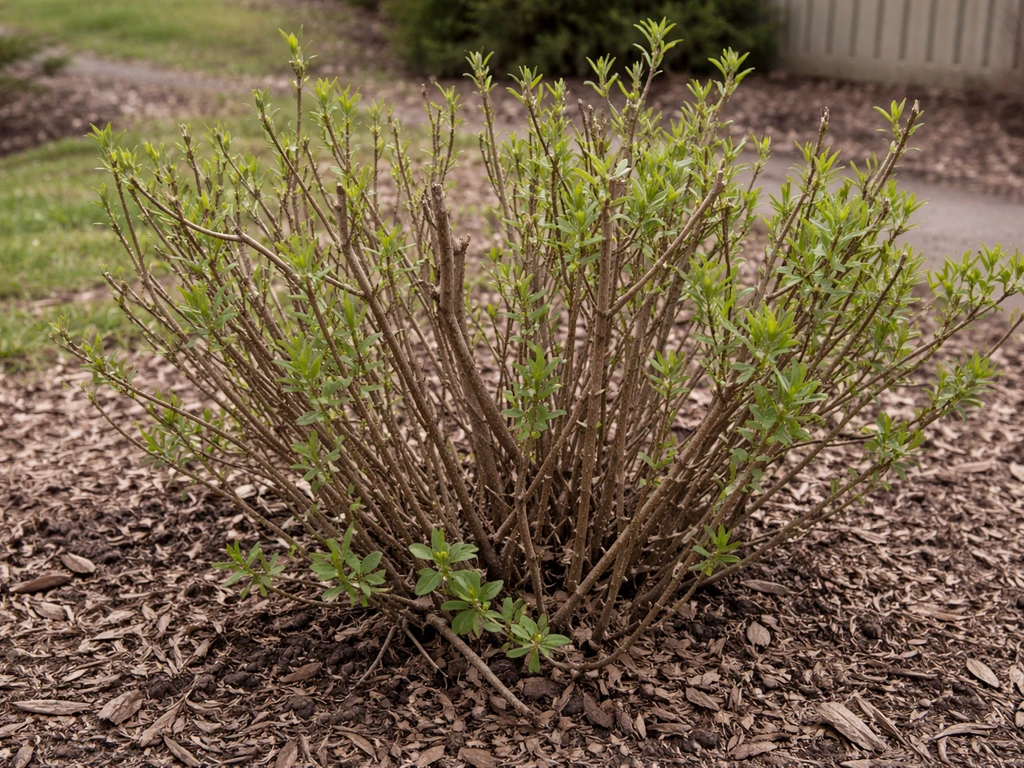
This is the most common complaint, and it almost always comes down to one of two things: bud kill from winter cold or fall/winter pruning. If you're pruning forsythia in fall or winter to tidy it up, you're cutting off next spring's flowers. Forsythia blooms on one-year-old wood, so the buds that will open in April are sitting on the branches you're removing. CSU Extension specifically calls this out as a primary reason spring-flowering shrubs don't bloom in Colorado. Always prune forsythia right after it finishes blooming in spring, never in fall or winter.
Only blooms near the ground
If you see flowers only on the lower portion of the shrub (typically the parts that were buried under snow all winter) and bare branches above, that's classic winter bud kill. The snow acted as insulation and protected the lower buds while the exposed upper branches got hit by cold. This tells you your cultivar's bud hardiness isn't quite matched to your local temperatures. Switching to 'Northern Sun' or another cold-hardy cultivar, or relocating the plant to a more sheltered microclimate, will help.
Winter dieback on stems
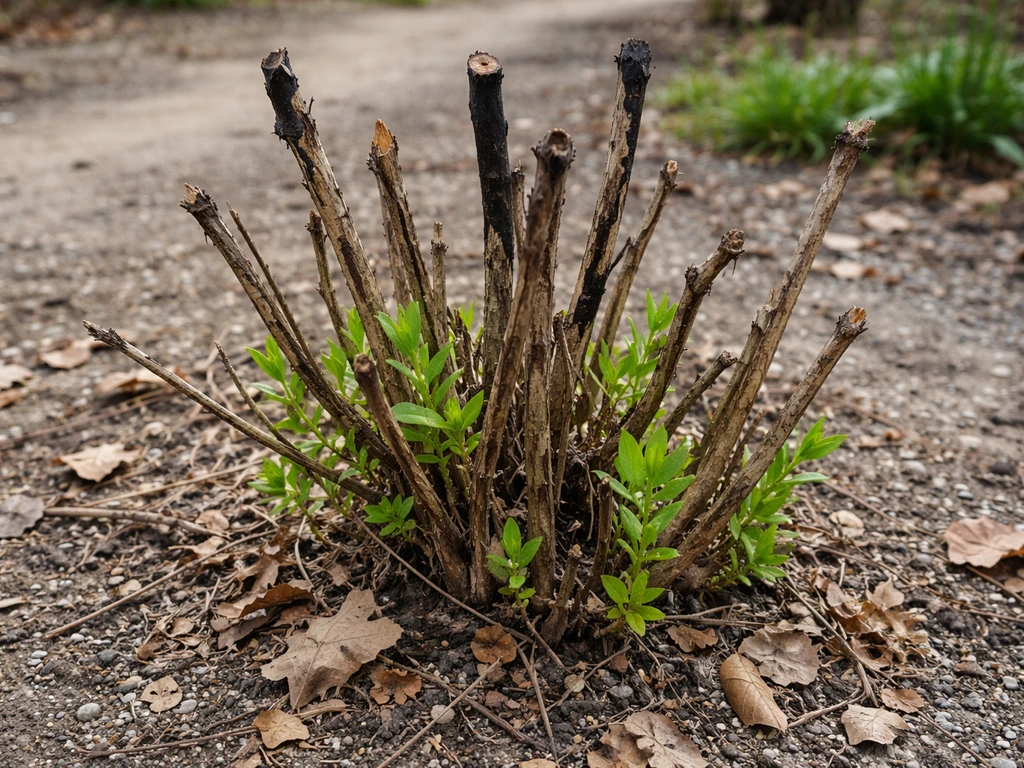
In exceptionally cold winters at higher elevations or in exposed sites, even the woody stems can die back. The roots may survive and push up new growth, but you'll lose the flowering wood. This is a sign the plant is simply out of its zone, and no amount of good care will fully overcome that. If this happens repeatedly, consider whether the location is really suited for forsythia at all.
Leggy, open growth with sparse blooms
Forsythia planted in too much shade gets leggy and flowers poorly. If you're wondering whether you can grow azaleas in Kansas, the answer depends on your local winter lows and choosing hardy varieties grow in Kansas. In Colorado's intense sunshine this is less common than in other states, but shaded north-facing yards or spots under large trees can produce this result. Move the plant or relocate it to a sunnier site.
Check your exact zone before you buy anything
Colorado's hardiness zones are not evenly distributed across the state, and a single city can have multiple microclimates within it. Before you spend money on forsythia, take five minutes to look up your exact address on the USDA's interactive hardiness zone map. It uses high-resolution climate modeling that accounts for elevation and local topography, so it's much more accurate than a general 'Denver is Zone 5' label. A south-facing slope in a Denver suburb might be 6a while a frost pocket two blocks away is solidly 5a.
Once you know your zone, think about your specific site within your yard. Key questions to answer before selecting a spot:
- Does the spot get at least six hours of direct sun? A south or southeast-facing location is ideal.
- Is there a wall, fence, or building nearby that could buffer cold northwest winds and retain some heat?
- Does water drain away from the area, or does it pool after rain or snowmelt?
- Is the spot exposed to late-winter temperature swings, or is it more thermally stable?
- Is it near a paved surface or south-facing masonry that adds warmth (an urban heat island effect helps forsythia)?
A sheltered microclimate can effectively bump your site one half-zone warmer in practical terms, which can make the difference between reliable bloom and annual disappointment. This site selection step is honestly more important than most care decisions you'll make after planting.
Planting and care tips to actually get those blooms in Colorado
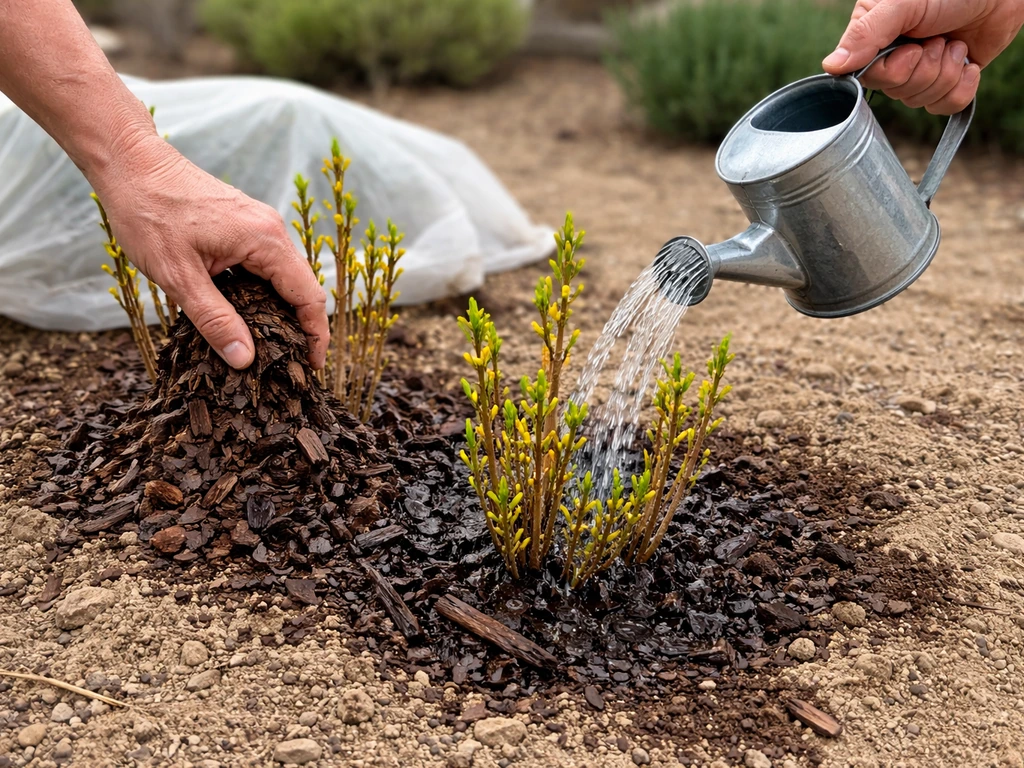
Once you've picked a cold-hardy cultivar and a well-sited spot, the rest is fairly straightforward. Forsythia is not a high-maintenance shrub, but a few Colorado-specific habits will help it perform.
- Plant in spring after the last frost date for your area, or in early fall at least six weeks before the ground freezes. This gives roots time to establish before winter stress.
- Water consistently through the first two growing seasons, especially during Colorado's dry stretches. Aim for about an inch of water per week during active growth, adjusted for rainfall.
- Taper off watering in fall to help the plant harden off and enter dormancy properly. Plants that are still actively growing when cold hits are more susceptible to bud and stem damage.
- Mulch around the base (2–3 inches of wood chips or bark) to moderate soil temperature and retain moisture, but keep mulch away from the crown of the plant.
- Prune only after blooming in spring, never in summer, fall, or winter. Cut out the oldest, thickest stems at the base to encourage new growth that will carry next year's flowers.
- Do not fertilize heavily with nitrogen in late summer or fall. It pushes tender new growth that won't harden off before frost and can increase winter damage.
- In the foothills or colder Zone 4b–5a sites, consider wrapping young plants or covering with burlap in their first winter while roots establish, then let them fend for themselves once settled.
Forsythia is not a guarantee in every Colorado yard, but it's far from a long shot on the Front Range and Western Slope. In Indiana, the main question is whether your location’s winters and temperature swings line up with a bud-hardy cultivar. In Texas, the same idea applies: forsythia will only bloom reliably if you choose a cultivar suited to your local winter conditions and plant it in a sheltered, sunny spot forsythia grow in Texas.
In warmer regions like Tennessee, azaleas have their own growing requirements, so it helps to check local conditions before planting Forsythia is not a guarantee in every Colorado yard. The gardeners who get consistent spring blooms are the ones who matched their cultivar to their zone (particularly using bud-hardy types in colder spots), chose a sunny and sheltered site, and resisted the urge to prune in fall.
Do those three things and forsythia will likely reward you with a reliable burst of yellow every spring, often while there's still snow on the ground. That's hard to beat in a Colorado landscape. If you're wondering about azaleas instead, you can compare how they do in Missouri with your local climate and growing conditions Forsythia.
FAQ
Why does forsythia survive my Colorado winter but not bloom?
If you want the best chance of blooms in Colorado, shop by bud hardiness, not just plant hardiness. Ask for or look for cultivars described as cold-adapted for flower buds (for example, ‘Northern Sun’), because Zone 5 plant survival does not guarantee flower-bud survival.
When is the latest I can prune forsythia in Colorado without losing next spring’s blooms?
Use the bloom timing as your guide: cut after spring flowering, when the shrub has finished showing flowers. If you prune any time in fall, winter, or early spring, you are likely removing next year’s flower buds because forsythia flowers form on previous-year wood.
My forsythia flowers only near the base, why is that?
Yes, that pattern is common in Colorado when flower buds are killed on exposed branches. If only the lower portion flowers and the upper branches stay bare, it often means the cultivar’s bud hardiness is marginal for your microclimate, and relocating to a warmer protected spot or switching cultivars is usually more effective than trying to “baby” the existing plant.
How often should I water forsythia in Colorado during establishment?
Colorado gardeners often overcorrect for drought by watering more, but the first 2 to 3 years still need consistent moisture. Aim for evenly moist soil while avoiding soggy conditions, especially in heavier Denver-area clay. A simple check is whether the top couple inches dry before watering again, not whether the plant looks wilted that day.
Can I grow forsythia in Colorado if my yard only gets morning sun or partial shade?
Full sun is the key. If your shrub is in partial shade, it may still live but tends to get leggy and produce fewer, weaker flowers. If you are unsure, observe winter and early spring light, then choose a spot with at least six hours of direct sun for reliable blooming.
Why is forsythia blooming less reliably during mild-winter years in Colorado?
If your area regularly gets deep cold plus big warm-ups, your buds can break dormancy, then die when cold returns. This is why bloom reliability in borderline Zone 5 can swing dramatically year to year. The practical fix is a more stable microclimate, like a south or southeast wall, fence, or sheltered planting spot.
Could insufficient winter chilling be why my forsythia won’t bloom in Colorado?
Forsythia generally needs chilling to set blooms, and most of Colorado provides enough. If it fails to bloom despite good cold exposure, the more common culprits are bud kill from hard freezes, temperature swings, or incorrect pruning. Focus on site protection and cultivar choice before assuming a lack of chilling.
Will wrapping or covering forsythia help in colder Colorado locations?
You can, and it can help, but it should be targeted. For exposed sites, protective microclimates are more reliable than blanket approaches, like planting near a heat-retaining wall or using windbreaks. If you try to cover it, do so with the main goal of protecting flower buds, and avoid long periods of trapping moisture.
Do I really need to check my exact USDA hardiness zone in Colorado, or is “Denver Zone 5” good enough?
Yes. A single city can contain multiple microclimates, and elevation shifts plus nearby slopes and cold-air drainage can change your effective zone. Check the USDA map for your exact address, then also consider whether your yard is a frost pocket, especially in low spots at night.
What should I do if my forsythia keeps dying back all the way to the ground?
If the shrub is dying back to the ground repeatedly, it likely means the woody stems are getting beyond their limits, not just the buds. In that case, even perfect care may not restore flowering consistently. Consider moving it to a sheltered spot or choosing a more bud-hard area-appropriate cultivar if you want to keep forsythia.