
Yes, azaleas can and do grow in Missouri, but the type you choose and where you plant them makes all the difference between a thriving shrub and a dead one by spring. Most of Missouri falls in USDA zones 5b through 7a, which means hardy native deciduous azaleas will succeed statewide, evergreen azaleas can work in the southern and central parts of the state with the right site, and some of the more tender evergreen varieties are a gamble in the colder northern corners unless you're willing to protect them every winter.
Do Azaleas Grow in Missouri? Varieties, Zones, and Tips
Marcus Hartwell
2 May 2026
Missouri's climate and what it actually means for azaleas
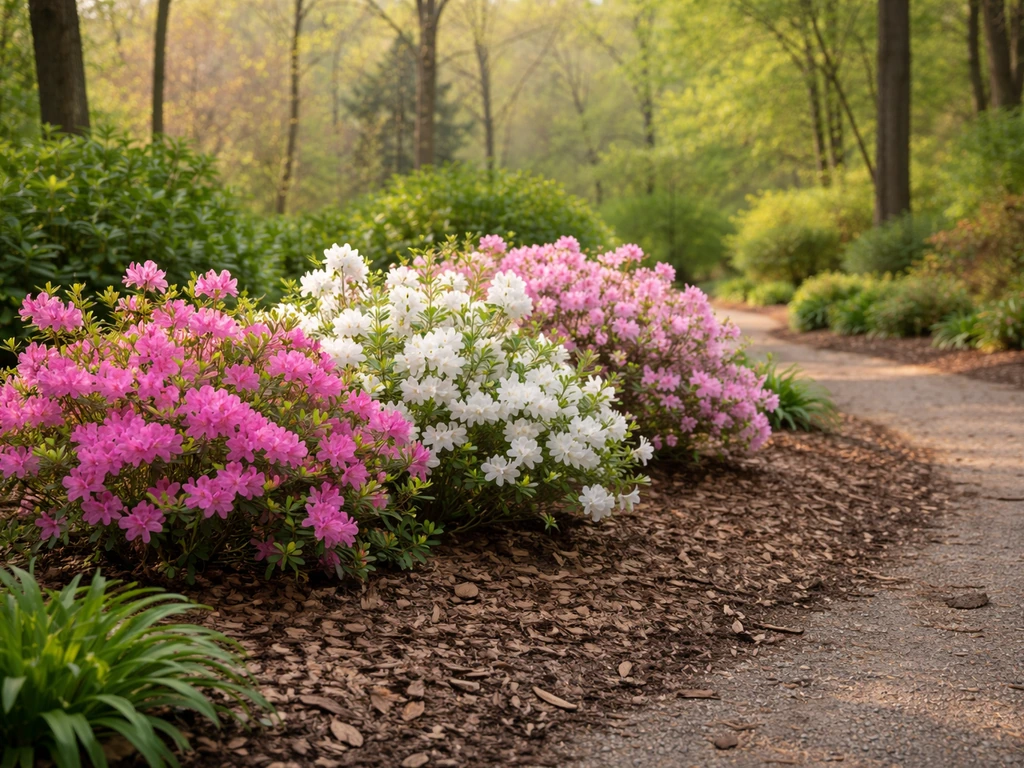
Missouri covers a wide range of growing conditions. The northern tier sits mostly in zones 5b and 6a, the central corridor (including the Kansas City and Columbia areas) lands around 6a to 6b, and the southeastern Bootheel and Ozarks edge into zones 6b and 7a. A city like Affton near St. Louis is mapped at zone 7a on the 2023 USDA hardiness zone map, while parts of the northwestern corner can dip a full zone colder. This spread matters enormously when you're buying azaleas, because the difference between zones 5b and 7a is roughly 20 degrees Fahrenheit in terms of the coldest winter temperatures a plant needs to survive.
Beyond winter cold, Missouri throws two other curveballs at azaleas: summer heat and humidity, and erratic freeze-thaw cycles in late winter and early spring. The Missouri Botanical Garden is candid that Missouri's climate is not ideal for azaleas and rhododendrons because of the heat. Spring arrives with warm days followed by a hard freeze, which can damage early buds and tender new growth. Wind is a serious issue too, especially in the open, flat-to-rolling landscapes of northern and western Missouri.
All of that said, gardeners across the state grow azaleas successfully every year by picking the right variety and the right spot. If you're wondering about growing azaleas in Indiana specifically, the key is matching the variety to your local USDA zone and giving it the right site conditions grow azaleas successfully every year.
Choosing the right azalea type for your part of Missouri
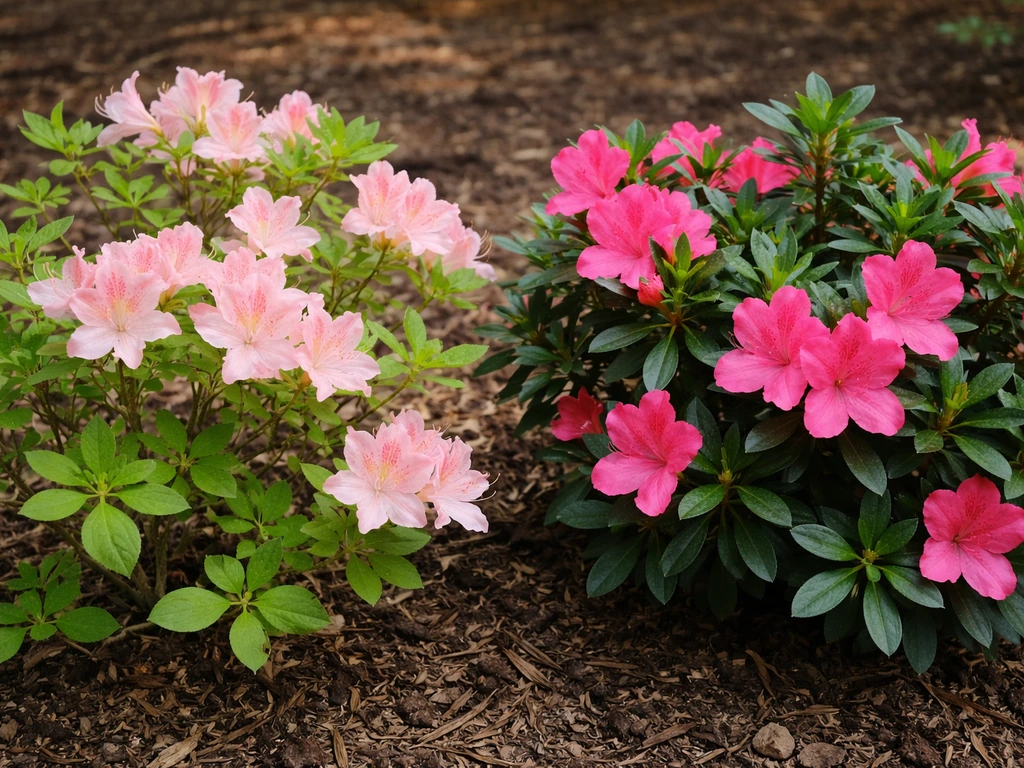
The single most important decision you'll make is which type of azalea to buy. MU Extension distinguishes two broad groups that matter most to Missouri gardeners: native deciduous azaleas and evergreen Asian types. Understanding the difference saves you from a frustrating and expensive mistake.
Native deciduous azaleas: the safest bet statewide
These are the ones that lose their leaves in fall, and they're the most cold-tolerant of the group. Rhododendron viscosum (swamp azalea) is a good example: the Missouri Botanical Garden rates it hardy to zone 4, and some sources push that to zone 3. That means it will handle the coldest Missouri winters without flinching. Native deciduous azaleas generally have fragrant flowers, support native pollinators well, and adapt more readily to Missouri's soil conditions. If you're in northern Missouri or anywhere that sees brutal late-winter cold, start here.
Evergreen azaleas: possible in much of Missouri, but picky about site
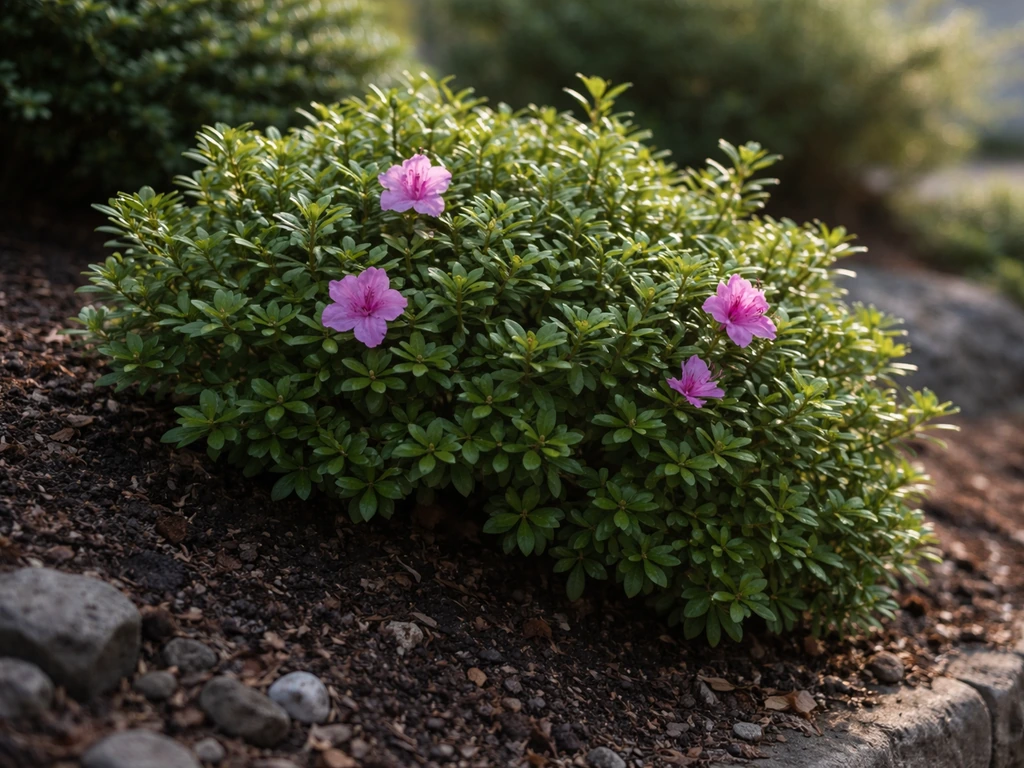
Evergreen azaleas, mostly of Asian origin, are what most people picture when they think of azaleas: dense, glossy-leaved shrubs covered in spring blooms. These are more tender. MU Extension is clear that they need protected sites and that winter protection is necessary in many areas of Missouri. Glenn Dale hybrids, for example, have not been adequately tested for hardiness across Missouri and are risky outside of zones 6b and 7a.
Encore series and Candy Lights are more sun-tolerant options that MU Extension mentions by name, and they can handle four to six hours of sun with afternoon shade. In southern Missouri and the St. Louis metro area, a well-sited evergreen azalea has a good chance. In Kansas City and northward, you'll need to be more careful about variety selection and winter protection.
A quick comparison of azalea types for Missouri
| Type | Cold Hardiness | Best Missouri Zones | Winter Protection Needed | Notes |
|---|---|---|---|---|
| Native deciduous (e.g., swamp azalea) | Zone 3–4 | All of Missouri (5b–7a) | No | Most cold-tolerant; fragrant flowers; pollinator-friendly |
| Hardy evergreen hybrids (e.g., Encore, Candy Lights) | Zone 6a–6b | Central to southern MO | Sometimes in zone 6a and colder | More sun-tolerant; test hardiness ratings before buying |
| Glenn Dale and tender evergreen hybrids | Zone 6b–7a | Southern MO and St. Louis metro | Yes, in most of MO | Not well-tested in MO; risky north of I-70 |
| PJM rhododendron group | Zone 4 | All of Missouri | No | Technically a rhododendron but often planted as an azalea alternative; very cold-hardy |
Where to plant azaleas in Missouri
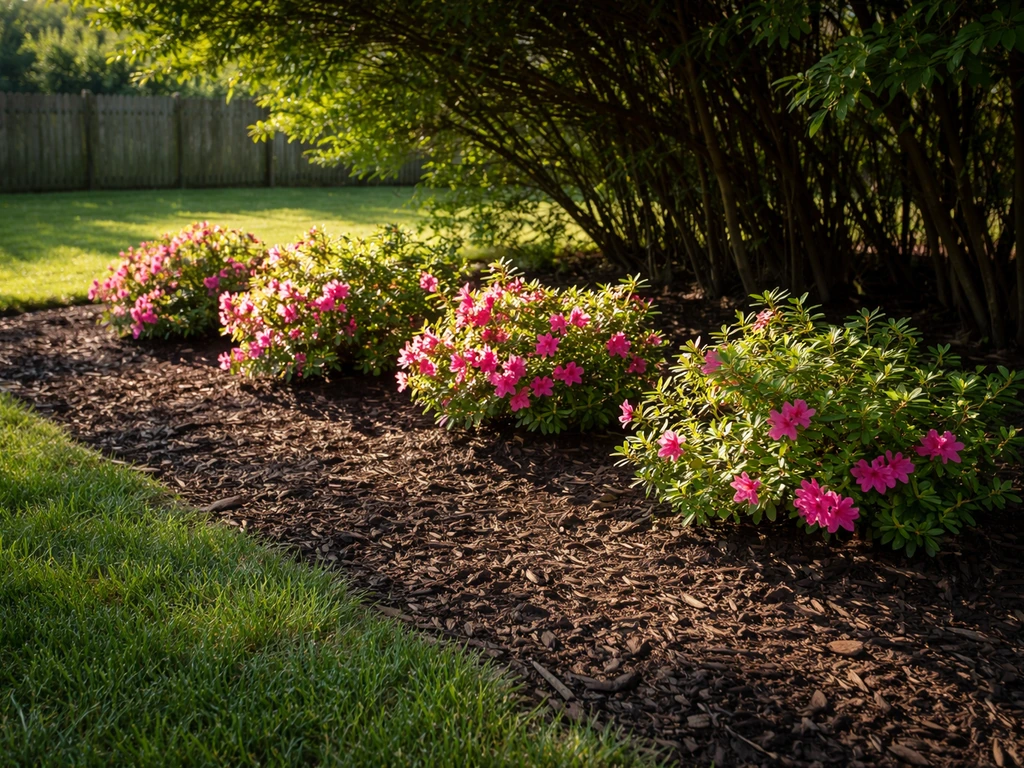
Site selection is arguably more important than variety selection for Missouri success. Get the location wrong and even the hardiest azalea will struggle.
Sun and shade
Azaleas want partial shade, specifically filtered morning sun with afternoon shade. In Missouri, afternoon sun combined with summer heat causes serious stress. That said, Clemson Extension cautions against planting in heavy shade, which weakens growth and reduces flowering. The sweet spot is dappled light under tall trees, or the east or north side of a structure. MU Extension notes that some series like Encore can handle four to six hours of direct sun as long as afternoon exposure is limited.
Soil requirements
Azaleas need acidic, well-drained soil with plenty of organic matter. The target pH range is 4. The American Rhododendron Society also advises avoiding [planting rhododendrons and azaleas](https://www. rhododendron.
org/planting. htm) near concrete foundations because concrete can create more alkaline conditions that harm them. 5 to 6. 0.
Fortunately, MU Extension notes that most native Missouri soils already have an acidic reaction, which is good news. If your soil is closer to neutral or alkaline, as some lawn soils can be after years of lime application, you'll need to amend with sulfur or iron sulfate and work in organic matter. A fall treatment of iron sulfate is actually recommended by MU Extension both to acidify the soil and to help harden growth heading into winter.
Before amending anything, take a soil sample to your local MU Extension center for testing. Don't guess on pH because soil that's too acidic (below 4. 5) can also cause problems.
Drainage and bed preparation
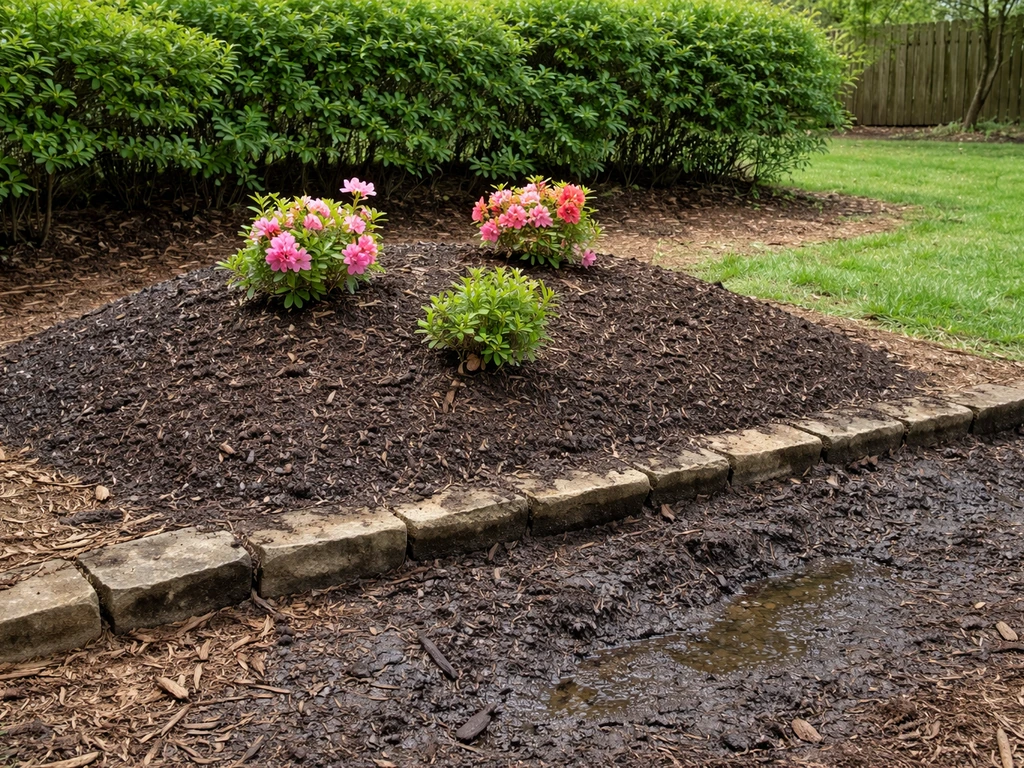
Poor drainage is one of the fastest ways to kill an azalea in Missouri. Wet soil encourages Phytophthora root rot, and symptoms can look deceptively like drought stress: drooping leaves, dull color, and permanent wilting. If your site doesn't drain well, raise the bed. Iowa State Extension recommends beds raised 12 inches or more above ground level when drainage can't be improved. MU Extension also advises setting plants slightly high in the hole, so the root ball sits a bit above the surrounding soil line, and then mounding amended soil around it. This small detail dramatically improves drainage around the root zone and is particularly smart in Missouri's clay-heavy soils.
Wind protection
MU Extension emphasizes wind protection repeatedly for Missouri azaleas, and this is especially relevant in central and northern parts of the state. Winter wind pulls moisture from evergreen leaves faster than frozen roots can replace it, causing winter burn and dieback. Plant azaleas on the leeward side of a fence, building, or grouping of evergreen trees. A north or east-facing wall that blocks prevailing winter winds is ideal for more tender evergreen types.
Missouri winter problems and how to head them off
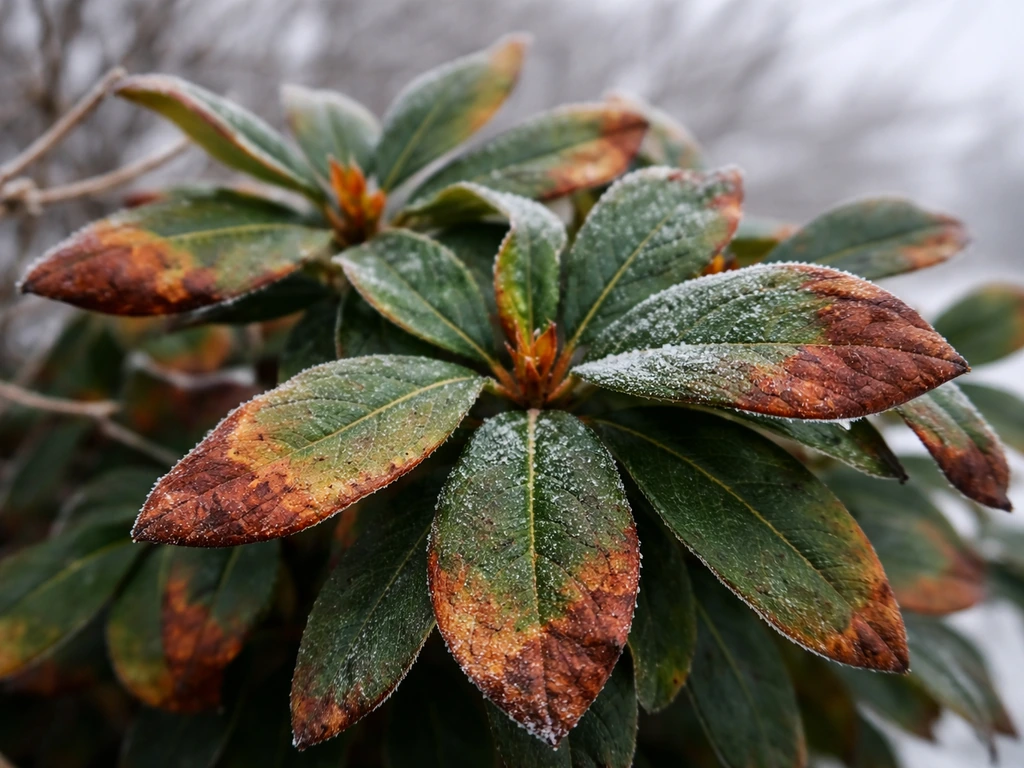
Winter and the transition into and out of it are the toughest seasons for Missouri azaleas. Here are the specific problems to watch for and what to do about them.
- Winter burn: Brown, scorched-looking leaves on evergreen azaleas are caused by wind and sun pulling moisture from foliage when the ground is frozen. Prevent it with a sheltered site, and consider burlap screening (not wrapping) for tender varieties in exposed spots.
- Dieback: Cold-damaged stems appear dead by early spring. Scratch the bark before cutting anything back; green tissue underneath means the branch may recover. Wait until new growth confirms what's dead.
- Iron chlorosis: Yellowing leaves with green veins signal that soil pH is too high, making iron unavailable to the plant. The fix is acidifying the soil and, in acute cases, a foliar iron treatment. This is common in Missouri when azaleas are planted near foundations where lime from concrete can raise pH.
- Freeze-thaw heaving: Missouri's late-winter temperature swings can literally push shallow-rooted azaleas out of the ground. A 3- to 4-inch mulch layer stabilizes soil temperature and reduces this risk.
- Phytophthora root rot: Persistent wet soil causes root rot that looks like drought. Improve drainage before planting; once established in soggy ground, recovery is difficult.
- Poor flowering: Often caused by late freezes hitting buds, heavy shade reducing bud set, or pruning at the wrong time. Prune only right after spring bloom, never in fall.
Getting azaleas established in Missouri
The establishment phase, roughly the first one to two growing seasons, is when azaleas in Missouri are most vulnerable. Give them the right start and they'll reward you for decades.
Timing
Fall planting is generally the best choice. UGA Extension recommends fall as less stressful than spring or summer because the plant can focus on root development without also managing heat stress. In Missouri, planting in September or October gives roots time to establish before hard freezes arrive. Spring planting works too, but you'll need to water more carefully through the first summer. Avoid planting in mid-summer heat.
Simple care checklist for Missouri
- Test your soil pH before planting and amend to reach 4.5–6.0 if needed. Contact your local MU Extension center for a soil test kit.
- Prepare the planting area as a group bed rather than individual holes. MU Extension recommends amending the whole area for more consistent results.
- Plant slightly high with the top of the root ball just above surrounding soil level, then mound amended soil around it.
- Water deeply right after planting and firm the soil around the root ball to eliminate air pockets.
- Apply 3 to 4 inches of mulch (wood chips, bark, or pine needles) immediately, keeping it a few inches away from the stem.
- Water well in late fall before the ground freezes. MU Extension notes that fall watering does not reduce hardiness and actually prepares the plant for winter.
- Replenish mulch before the first hard freeze to insulate the shallow root system.
- Apply iron sulfate in fall to support winter hardening and help prevent chlorosis if your soil pH tends to creep upward.
- Do not prune in fall. Prune only right after spring bloom ends.
- Check soil moisture under the mulch before watering in summer. Azaleas need consistent moisture but not soggy soil.
Where to buy and what to try if azaleas won't work for your spot
When buying azaleas in Missouri, look for plants from regional nurseries that stock varieties actually suited to Missouri winters. Ask specifically about cold hardiness ratings and whether the variety has been tested in zones 5b or 6a if you're in northern or central Missouri. Big-box store azaleas are often sourced from the South and may be rated only to zone 7 or 8, which is a recipe for disappointment in Kansas City or Columbia. The Azalea Society of America also recommends mounding amended soil around the root ball when drainage or pH is difficult to fix at the outset, which is a practical trick for challenging Missouri sites.
If your site is too exposed, too dry, or in zone 5b where even careful siting feels like a gamble, there are excellent alternatives that give you similar visual appeal. PJM rhododendrons are hardy to zone 4, hold their small evergreen leaves through winter, and produce lavender-pink blooms in early spring. They're a much safer choice for northern Missouri or any site with full winter wind exposure.
Forsythia is another early-spring bloomer that thrives in Missouri's tougher spots without any of the soil or drainage fussing. If you are wondering about other early-spring shrubs, you may also be asking does forsythia grow in colorado, which depends on your local conditions. Forsythia can also grow in Texas, but success depends on matching the variety to your Texas hardiness zone and giving it the right sun and drainage.
Mountain laurel (Kalmia latifolia) is a native evergreen shrub that handles Missouri conditions better than most evergreen azaleas. And if you're willing to go fully deciduous, native viburnums and native spicebush give you spring interest with zero winter drama.
Gardeners in neighboring states face similar decisions. If you’re asking do azaleas grow in Tennessee, the same logic applies: choose varieties suited to the local zone and plant them in the right sun and well-drained, acidic soil Gardens in neighboring states face similar decisions. The azalea question in Missouri is very close to what gardeners in Kansas, Indiana, and Tennessee work through, though Tennessee's warmer zones give more evergreen azalea options across a larger part of the state. If you're on a Missouri-Kansas or Missouri-Indiana border, the zone maps and plant recommendations are nearly interchangeable for most of the shared region.
The bottom line: Missouri is absolutely azalea territory if you match the plant to the zone and site. Native deciduous azaleas are a confident choice anywhere in the state. Evergreen types need more care and a sheltered spot, but they're rewarding in the right location. Know your zone, test your soil, and plant in fall. Do those three things and you're well ahead of most Missouri gardeners who buy on impulse in spring and wonder why their azaleas never quite thrived.
FAQ
Can I plant azaleas in spring in Missouri, or is fall the only good option?
They can, but expect more risk than with established plants. In Missouri, newly planted azaleas usually need consistent moisture during their first summer, and they are most vulnerable in that establishment window (roughly the first 1 to 2 growing seasons). If you do spring planting, focus on even watering, mulching, and wind protection immediately after planting, not just in the weeks right after you buy them.
What’s the right way to mulch azaleas in Missouri (and what should I avoid)?
Avoid mulch that traps water against the crown. Keep mulch 2 to 3 inches away from the main stems and do not pile it in a thick mound over the root ball, especially in clay soils where moisture can linger. Use an acidic-friendly, organic mulch (like pine bark fines) and recheck the crown area after heavy rains.
Do azaleas do better in the ground or in containers in Missouri?
Yes, container-grown azaleas can work, but the hard part is winter protection. In Missouri, pots freeze and thaw faster than ground soil, which stresses tender evergreen azaleas. Use a larger pot for insulation, keep it in partial shade, and protect the container (wrap or bury the pot in leaves) so the root ball does not repeatedly cycle from freeze to thaw.
My azalea looks wilted in summer, how can I tell drought stress from root rot?
Watch for issues that mimic drought stress. Drooping leaves with dull color can be either underwatering or root rot, so check drainage and feel the soil 2 to 3 inches down. If soil stays soggy after rain, improve drainage and do not simply water more, because wet roots encourage Phytophthora root rot.
How much sun is too much for azaleas in Missouri, especially evergreen types?
Too much sun is a common mistake with evergreens, but too little light also reduces bloom. Aim for filtered morning light and afternoon shade, and if you have evergreen azaleas, prioritize a site that blocks harsh winter wind. If growth looks weak and blooms are sparse, first adjust light exposure before changing fertilizer.
What fertilizer approach works best for azaleas in Missouri, and what should I avoid?
Fertilize according to what your soil test shows, not a calendar routine. Because azaleas prefer acidic conditions, avoid high-phosphorus lawn fertilizers and products that raise pH. If your soil is already acidic, a light, slow-release azalea fertilizer in spring is usually safer than heavy feeding, and you should skip late-season feeding that can promote tender growth.
When should I prune azaleas in Missouri, and how much is safe after planting?
You generally should not prune hard right away after planting, because Missouri’s establishment period is already stressful. Remove only dead or broken wood and shape lightly once flowering is finished for most varieties. For evergreen azaleas, avoid late-season pruning, since you want time for new growth to harden before winter.
How do I prevent winter burn and dieback on evergreen azaleas in Missouri?
Winter burn is often tied to wind and dry conditions, not only cold temperatures. If you are in a windy spot, add wind protection (fence, plant groupings, or a sheltered wall), use a mulch layer to reduce soil moisture swings, and consider watering in fall before the ground fully freezes. For evergreens, the goal is to keep foliage from drying out when roots are frozen.
What should I do if late freezes kill my azalea buds in spring?
If buds are killed by freeze-thaw swings, you will often still get growth and some later blooms, but first-flush flowers may fail. The practical fix is prevention: choose hardier varieties, prioritize sheltered sites, and avoid nitrogen-heavy feeding that encourages early tender growth. After a hard freeze, remove dead bud portions once you can see what survived, rather than cutting everything blindly.
Can azaleas grow in Missouri if my soil is not naturally acidic?
Yes. If your soil is neutral or alkaline, you can still grow azaleas, but you must actively manage pH and drainage long-term. Plan on soil testing every few years and amendments that keep pH in the target range, because Missouri clay and lawn-application history can make pH drift back toward alkaline over time.