
Yes, azaleas can grow in Kansas, but you have to be selective about which type you plant and where you put them. The state's wide-ranging climate, brutal summer heat, drying winds, and occasional deep freezes make Kansas a tougher environment than azaleas prefer. That said, cold-hardy deciduous azaleas and a handful of tough evergreen cultivars have a real track record of surviving and blooming in Kansas yards, especially in the eastern and south-central parts of the state. If you pick the right variety, choose a sheltered planting spot, and sort out your soil before you plant, you can absolutely have blooming azaleas in Kansas.
Do Azaleas Grow in Kansas? Conditions to Succeed
Marcus Hartwell
8 Jun 2026
Kansas climate reality check
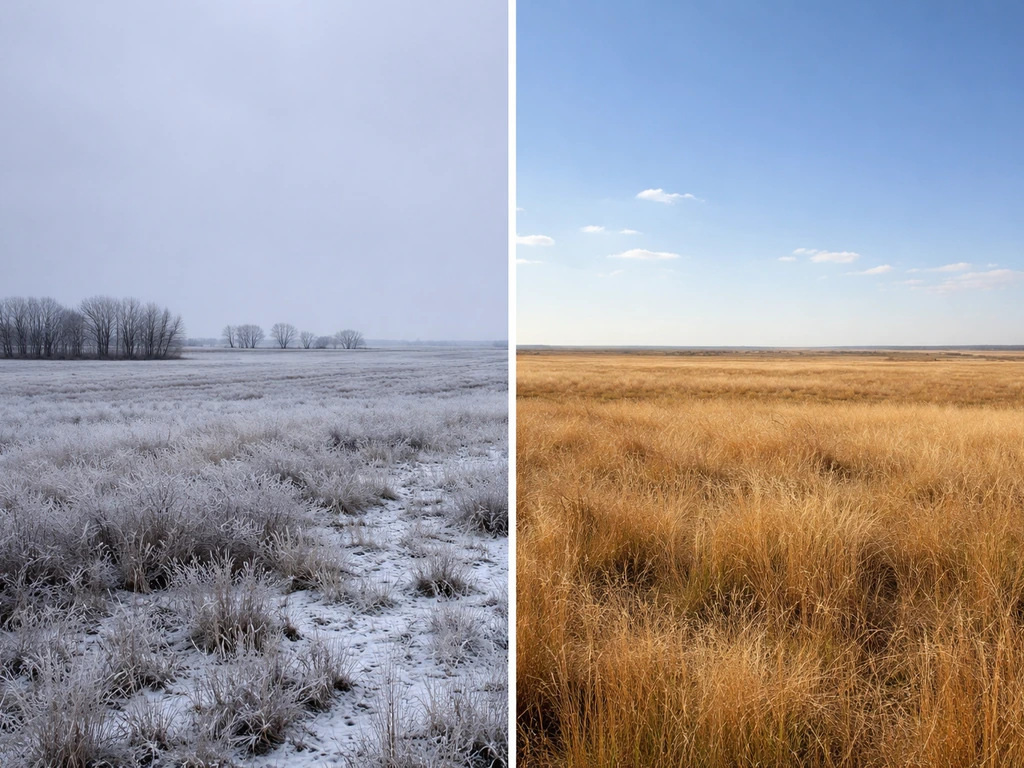
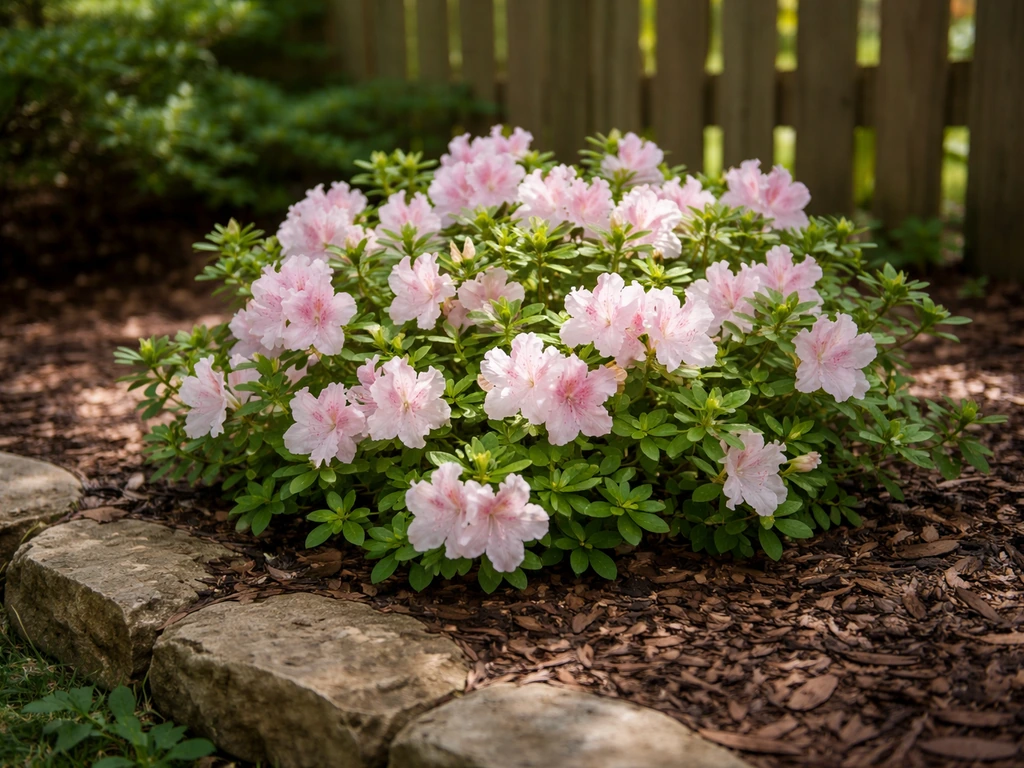
Kansas spans USDA Plant Hardiness Zones 5b through 7a, which is a big range. The northwest corner and high plains sit in Zone 5b, where winter lows can drop to around -15°F. As you move toward the south and southeast, things warm up: Wichita and Dodge City are generally in Zone 6b (typical winter minimums of about -5°F to 0°F), and parts of far southeast Kansas brush Zone 7a. That range matters a lot when you're shopping for azaleas.
Beyond the cold numbers, Kansas dishes out a rough combination of challenges that azaleas simply don't love. Summers regularly hit the 95°F to 100°F range with dry heat and persistent wind, which is about as far from an azalea's natural woodland habitat as you can get.
The growing season varies too: Wichita's first fall frost typically arrives in the October 21 to 31 window, while spots farther north and west freeze out earlier, sometimes in the October 11 to 20 range. Wichita’s average first fall frost is typically late October, which aligns with Plantmaps’ first-frost-date mapping for Kansas [Wichita's first fall frost typically arrives in the October 21 to 31 window](https://www. plantmaps. com/www.
plantmaps. com/www. plantmaps. com/en/us/ff/state/kansas/average-first-frost-dates-map).
That wind is often the most underrated factor. It desiccates evergreen azalea foliage all winter long, which is one of the main reasons azaleas die in Kansas yards even when the temperature alone wouldn't have killed them.
Which azaleas actually work in Kansas
The classic Southern evergreen azaleas you see blanketing yards in Tennessee or the Carolinas are largely a non-starter for most of Kansas. If you are wondering about Tennessee specifically, the growing conditions there are generally easier for many azalea types than in drier, harsher climates in Tennessee. They're rated for Zones 6 to 8, but they want mild winters and high humidity, neither of which Kansas reliably delivers. The better options for most Kansas gardeners fall into two categories: cold-hardy deciduous azaleas and specific tough evergreen cultivars.
Deciduous azaleas: the safer bet
Deciduous azaleas drop their leaves in fall, which eliminates the winter desiccation problem entirely. The Northern Lights series, developed by the University of Minnesota, is the gold standard for Kansas. Cultivars like 'Rosy Lights', 'White Lights', 'Orchid Lights', and 'Mandarin Lights' are rated to Zone 4 or 5, meaning they can handle the coldest parts of Kansas and almost certainly survive central and eastern zones without issue. They bloom in mid-spring with fragrant flowers and reach 4 to 6 feet tall. If you want something that reliably comes back year after year in Kansas without extra protection, start here.
Evergreen azaleas worth trying
If you really want evergreen azaleas, focus on Zone 5 and Zone 6-rated cultivars rather than standard Southern types. The PJM azalea and its relatives are compact, lavender-pink bloomers rated to Zone 4 that hold up well in the Kansas City area and eastern Kansas. The 'Karen' azalea (a Kaempferi hybrid) and some of the Encore Azalea series (specifically those rated to Zone 6) have worked for gardeners in Wichita and Topeka, though they need a sheltered microclimate and consistent moisture to stay healthy through summer. Treat evergreen azaleas in Kansas as a moderate-risk plant, not a sure thing, especially west of Wichita.
| Type | Zone Rating | Kansas Suitability | Best Use |
|---|---|---|---|
| Northern Lights series (deciduous) | Zone 4-5 | Excellent statewide | Primary recommendation for all regions |
| PJM azalea (evergreen) | Zone 4-5 | Very good in eastern Kansas | Lower-risk evergreen option |
| Encore Azalea series (evergreen) | Zone 6+ | Moderate; needs shelter | Southeast/south-central Kansas only |
| Standard Southern evergreen azaleas | Zone 6-8 | Poor to fair; high-risk | Not recommended for most of Kansas |
Where to plant azaleas in a Kansas yard
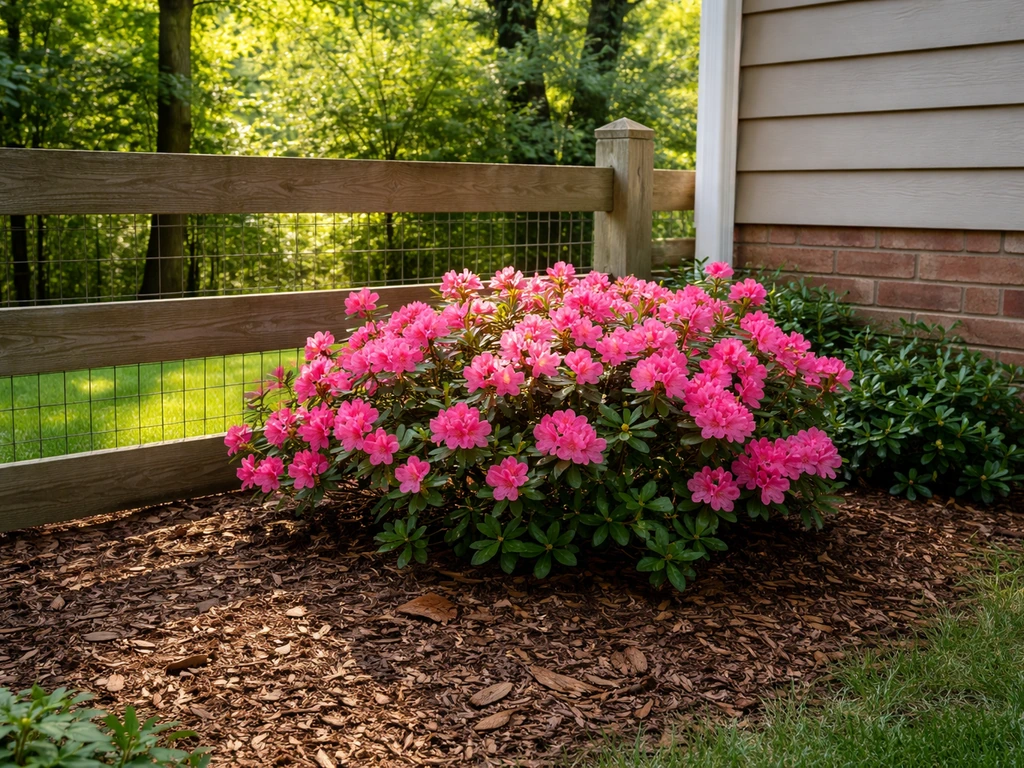
Placement is probably the single biggest factor separating Kansas azalea success stories from dead plants. Azaleas want dappled shade or morning sun with afternoon shade, and in Kansas that afternoon shade is critical. Full sun exposure in July and August will stress even tough cultivars to the point of failure. The north or east side of your house, under high-canopied trees, or along a fence that blocks the harsh west wind are all good starting points.
Wind protection is not optional in Kansas. A location sheltered from the prevailing south and west winds makes a measurable difference in winter survival for evergreen types and reduces summer moisture stress for all varieties. Avoid open, exposed spots in the middle of the yard or along a windswept western fence line.
Soil pH is where a lot of Kansas gardeners run into trouble without knowing it. Most Kansas soils are alkaline or neutral, hovering in the 7.0 to 8.0 range, sometimes higher. Azaleas need acidic soil with a pH of 4.5 to 6.0 to absorb nutrients properly. Planting in unamended Kansas soil almost guarantees yellowing leaves (chlorosis) and a struggling plant. Test your soil before you plant, and plan to amend.
Buying and planting for Kansas success
Spring planting, from late March through mid-May depending on your location in Kansas, gives azaleas the best chance. They get a full growing season to establish roots before facing their first Kansas winter. Fall planting can work too, but give them at least six to eight weeks before the first hard freeze so roots can settle in. NWS local office “First/Last Freeze” materials publish Topeka’s average first freeze dates as part of its Kansas State Weather Data Library graphics. Avoid planting in summer heat.
When you're at the nursery, look specifically for cultivar names rather than just buying any azalea in a pot. Confirm the plant is rated to at least one zone colder than your Kansas location (Zone 5 for most of the state, Zone 4 for the northwest). If the tag just says 'azalea' with no cultivar name and no zone rating, pass on it.
Soil prep is non-negotiable. Dig a wide planting hole, roughly twice the width of the root ball, and mix in generous amounts of peat moss, pine bark fines, or sulfur to lower the pH. A soil test from your local K-State Research and Extension office will tell you exactly how much amendment you need. Azaleas are shallow-rooted, so plant them at or very slightly above the surrounding soil grade to prevent root rot. Water thoroughly at planting and every few days for the first few weeks.
Ongoing care through Kansas seasons
Mulching is one of the highest-impact things you can do for a Kansas azalea. Apply 3 to 4 inches of pine bark, pine needles, or shredded wood mulch over the root zone every year. This moderates soil temperature, holds moisture through dry spells, and gradually acidifies the soil as it breaks down. Keep mulch a few inches away from the stem.
Watering during Kansas summers needs to be consistent. Azaleas don't like wet feet but they also can't handle drought, and Kansas can swing between both within the same season. Deep watering once or twice a week during dry stretches, rather than frequent shallow watering, encourages deeper root growth and better drought resilience. A soaker hose works well.
Fertilize with an acid-forming fertilizer formulated for azaleas and rhododendrons once in early spring before bloom, and again lightly after bloom. Avoid high-nitrogen fertilizers in late summer, which push tender new growth that will get damaged by early fall cold. Prune only right after flowering, since azaleas set next year's buds within a month or two of bloom. Pruning in late summer or fall removes next spring's flower buds.
Common Kansas problems and how to head them off
Winter damage and dieback
Winter kill is the most common azalea failure in Kansas. It usually shows up as dead branch tips or complete stem dieback in spring. For evergreen types, wind desiccation through winter is often the culprit rather than cold alone. Wrapping plants loosely with burlap after the ground freezes, or using an anti-desiccant spray in late fall, helps reduce moisture loss from foliage. Choosing deciduous Northern Lights varieties sidesteps this problem almost entirely.
Summer drought stress
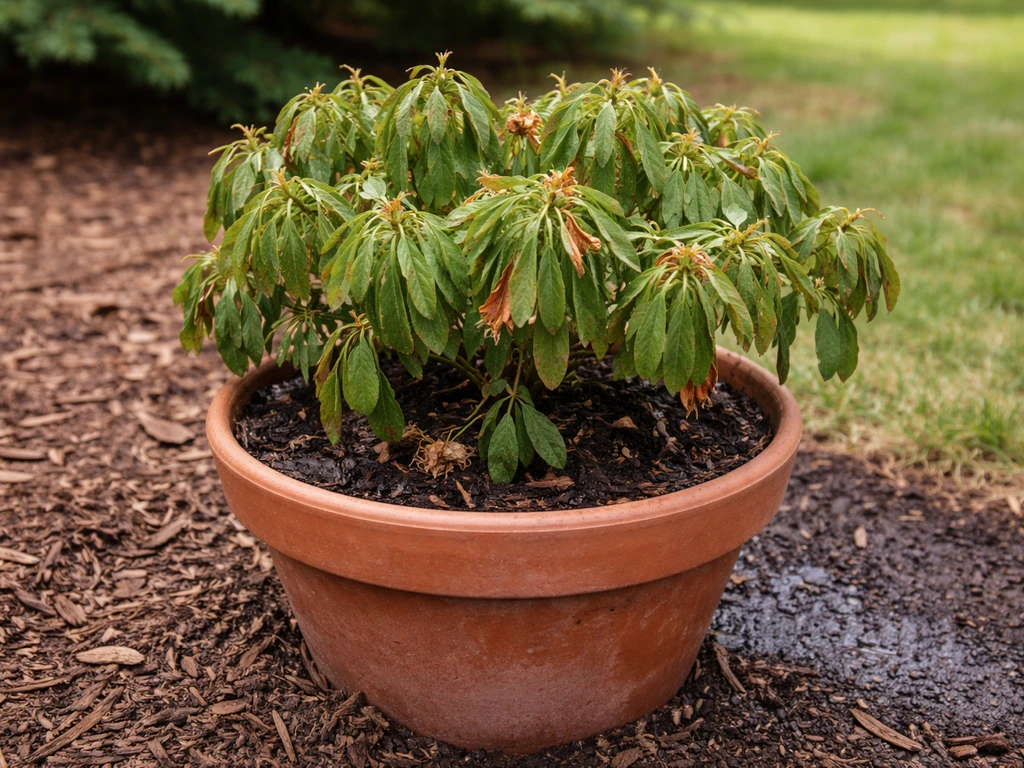
Drooping leaves, scorched leaf edges, and bud drop in summer are classic signs of drought stress in Kansas. Consistent mulching and deep watering prevent most of this. If you see wilting early in the morning (not just midday wilt, which is normal in heat), the plant needs water. Established plants handle drought better, so the first two summers after planting require the most attention.
Chlorosis from alkaline soil
Yellow leaves with green veins on a Kansas azalea almost always signal iron chlorosis caused by high soil pH. The plant can't absorb iron when the pH is too high, even if iron is present in the soil. Treat with chelated iron or acidifying fertilizer as a short-term fix, and address the underlying soil pH through ongoing sulfur applications and acidic mulch over time.
Pests and diseases
Azalea lace bugs are a common nuisance in Kansas, causing stippled, bleached-looking foliage, especially on plants in too much sun. Moving plants to shadier conditions reduces lace bug pressure. Spider mites can flare up during hot, dry Kansas summers. Root rot from overwatering or poor drainage is also a real risk in Kansas clay soils, which is why planting slightly elevated and using well-amended soil matters so much from the start.
Quick buying checklist before you plant
- Confirm the cultivar is rated to Zone 5 or colder for most Kansas locations, or Zone 4 for northwest Kansas
- Prioritize Northern Lights series deciduous azaleas for lowest risk statewide
- Test your soil pH before planting and plan to amend to reach 4.5 to 6.0
- Choose a site with morning sun and afternoon shade, sheltered from west and south winds
- Plan to mulch 3 to 4 inches deep with pine bark or pine needles at planting
- Plant in spring or early fall, not summer
- Set up a consistent deep-watering schedule for the first two growing seasons
Kansas is not the easiest state for azaleas, but it's far from impossible. If you’re wondering does forsythia grow in Colorado, the answer depends on your location and how much winter cold your site gets Kansas is not the easiest state for azaleas. If you're also wondering about forsythia, the next step is to check whether it can grow in Texas based on your local conditions does forsythia grow in texas.
Gardeners in Missouri, Indiana, and Tennessee have their own regional quirks to navigate with azaleas, and Kansas sits at the tougher end of that spectrum, mainly because of the wind, alkaline soils, and climate swings. If you’re wondering do azaleas grow in Missouri, the answer is often yes, but it depends on choosing the right hardy cultivars and giving them the right site conditions.
If you're wondering, do azaleas grow in Indiana, the answer depends largely on choosing cold-hardy varieties and matching their sunlight and soil needs. But with the right cultivar choice, a sheltered spot, and some soil preparation up front, you can have reliable spring blooms from azaleas in most Kansas yards. The Northern Lights series in particular has surprised a lot of skeptical Kansas gardeners who planted them and then watched them come back year after year without fuss.
FAQ
What azalea types should I avoid if I want the highest chance of success in Kansas?
Skip standard Southern evergreen azaleas marketed for Zones 6 to 8, especially if they are sold without a specific cultivar name or zone rating. Those plants often look fine in spring, then decline from winter wind desiccation and summer dryness, even when temperatures are survivable.
If I only have full sun in my yard, can I still grow azaleas in Kansas?
Usually not reliably. Even cold-hardy types can struggle in July and August full sun, showing bud drop, scorched edges, and early leaf stress. If your only option is sun, create afternoon shade with a temporary shade cloth for the first year, or consider relocating to a north or east exposure.
How do I know whether my planting spot gets the right wind protection?
Watch where the winter wind funnels. If your evergreen foliage looks battered or the plant winter-kills in the same direction every year, that suggests persistent exposure. A location buffered by a fence, shrubs, or the side of a building that blocks south and west winds usually performs better.
Should I plant evergreen azaleas deeper or at the same level as the nursery pot?
Plant them at or slightly above the surrounding soil grade. Azaleas are shallow-rooted, so burying too deeply increases risk of root rot, especially in Kansas clay or when water collects around the base.
Can I fix azalea soil pH without completely replacing the ground?
Yes, in many cases, but you need to amend the actual planting area and commit to ongoing maintenance. A common approach is widening the hole and thoroughly mixing in acidic amendments, then using pine bark mulch every year. Plan on rechecking pH after the first season because Kansas soils can drift back toward alkaline.
How often should I water azaleas after the first few months of planting?
In Kansas, the goal shifts from establishment to consistency. After the first growing season, water during dry stretches with deep soaking once or twice per week, rather than frequent light watering. The clearest signal is drooping leaves, and wilting early in the morning means the plant needs water then.
Why do my azalea leaves turn yellow even though I fertilized?
Yellow leaves with green veins in Kansas commonly means iron chlorosis from high soil pH, not a lack of fertilizer. Chelated iron can help short-term, but you also need to keep soil acidic through acid-forming amendments and acidic mulch so the new growth stays green.
Do azaleas in Kansas need special fertilizer schedules?
Yes. Feed once in early spring before bloom and again lightly after bloom using an azalea or rhododendron formula. Avoid high-nitrogen feeding in late summer because it can trigger tender growth that winter cold will damage.
What is the best time to prune azaleas in Kansas to avoid losing next year’s flowers?
Prune right after flowering. Azaleas form buds soon after bloom, so pruning later in the season often removes the flowers you would have had next spring.
My azalea dies back in spring, but the plant seems alive. What should I do?
Check whether the dieback is limited to branch tips or whether stems collapse. For evergreens, winter desiccation is often the cause, so add wind protection and wrap loosely after the ground freezes. For overall decline, review drainage, soil pH, and winter exposure before assuming the plant is fully dead.
How can I reduce lace bug or spider mite problems without over-treating?
Start with site correction. Move plants to dappled shade or morning sun with afternoon shade, since too much sun increases lace bug pressure. For mites, consistent moisture and mulching help during hot, dry spells, and harsh late-season spraying can miss the real stress trigger.