
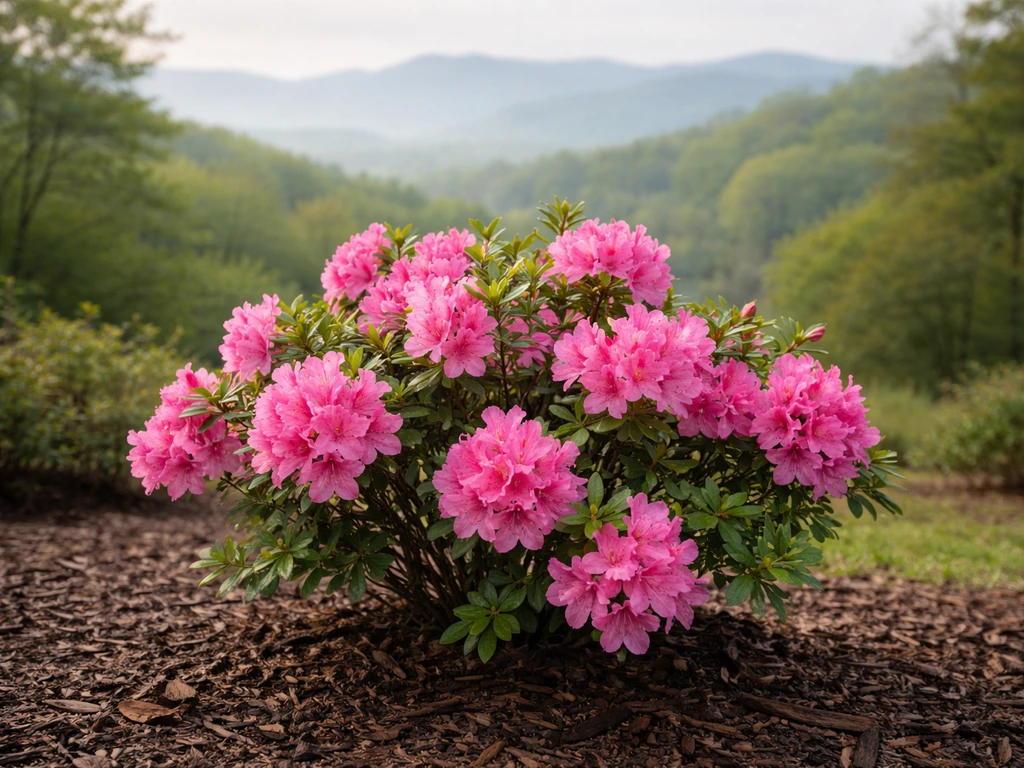
Yes, azaleas absolutely grow in Tennessee, and they can thrive beautifully across most of the state if you match the right variety to your specific region and yard conditions. Tennessee sits within USDA hardiness zones 5b through 8a depending on where you live, and azaleas as a group are hardy from zones 5 to 9, so the climate compatibility is genuinely solid. The key is choosing the right type for your corner of the state and setting it up with acidic, well-drained soil and the right amount of shade. If you are wondering about Missouri specifically, focus on matching azaleas to your local USDA hardiness zone and providing acidic, well-drained soil right amount of shade.
Do Azaleas Grow in Tennessee? Best Zones, Types, and Tips

Marcus Hartwell
10 Jun 2026
Where in Tennessee azaleas do best
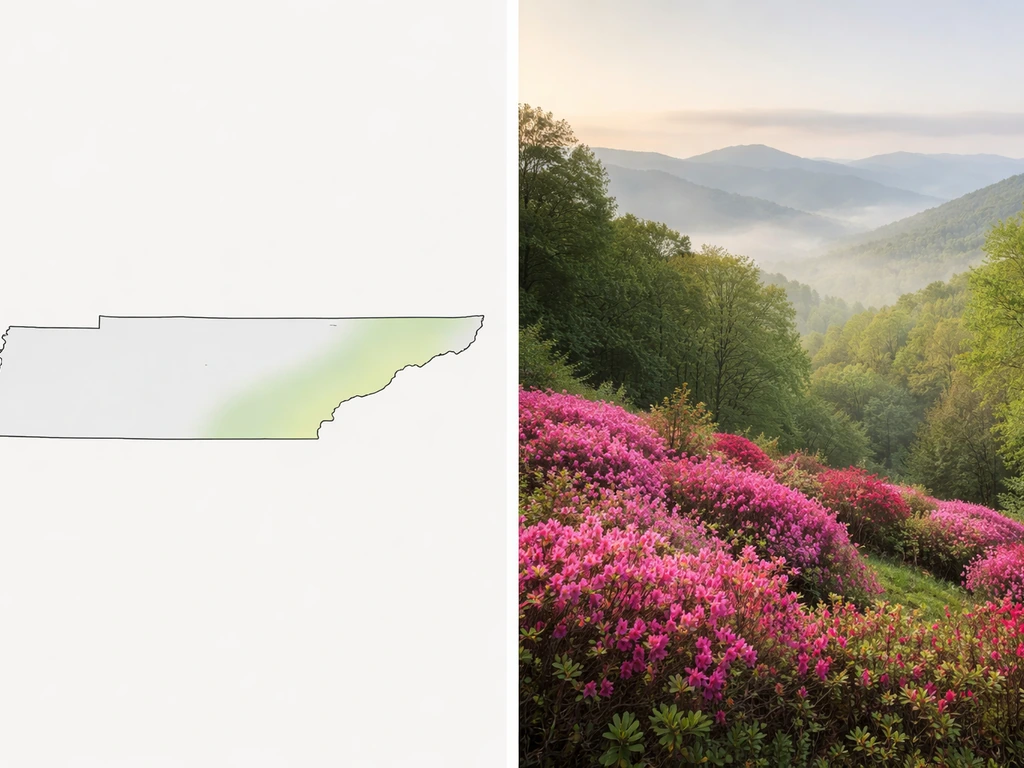
East Tennessee (Knoxville, Chattanooga, the Great Smoky Mountains foothills) is arguably the sweet spot for azaleas in the state. The cooler, more humid climate of the eastern mountains sits mostly in zones 6b to 7a, and that range suits a huge range of both native and ornamental azaleas. Middle Tennessee (Nashville, Murfreesboro, Columbia) runs warmer at zones 7a to 7b, which gives you even more variety options but also more summer heat stress to manage. West Tennessee (Memphis, Jackson) reaches into zone 7b and edges toward 8a near the Mississippi River, which is warm enough for heat-tolerant evergreen azaleas and reblooming types like Encore, but you'll want to be thoughtful about afternoon sun and summer irrigation.
The bottom line by region: East Tennessee is the easiest place to grow the widest selection. Middle Tennessee works well with proper siting. West Tennessee can absolutely support azaleas, but summer heat and drier spells mean you need to lean on heat-tolerant varieties and stay on top of watering.
Tennessee's climate and USDA zones
USDA hardiness zones are based on the average annual extreme minimum winter temperature over a 30-year period, not a record cold snap. Each zone covers a 10-degree Fahrenheit band, split into 5-degree half-zones (like 6a and 6b). For Tennessee, that plays out like this:
| Region | Approximate USDA Zone | Typical Winter Low |
|---|---|---|
| Northeast/Mountain TN (e.g., high elevations) | 5b–6a | -15°F to -5°F |
| East TN (Knoxville, Chattanooga) | 6b–7a | -5°F to 5°F |
| Middle TN (Nashville metro) | 7a–7b | 0°F to 10°F |
| West TN (Memphis area) | 7b–8a | 5°F to 15°F |
Azaleas as a group are rated hardy from zone 5 through zone 9, so every region of Tennessee falls within that window. However, zone hardiness is just one piece. Tennessee summers bring significant heat and humidity, especially in Middle and West Tennessee, which can stress plants that prefer cooler conditions. Choosing varieties bred or proven in the Southeast (rather than those bred for the Pacific Northwest, for example) makes a real difference in long-term performance.
Which azaleas to plant in Tennessee
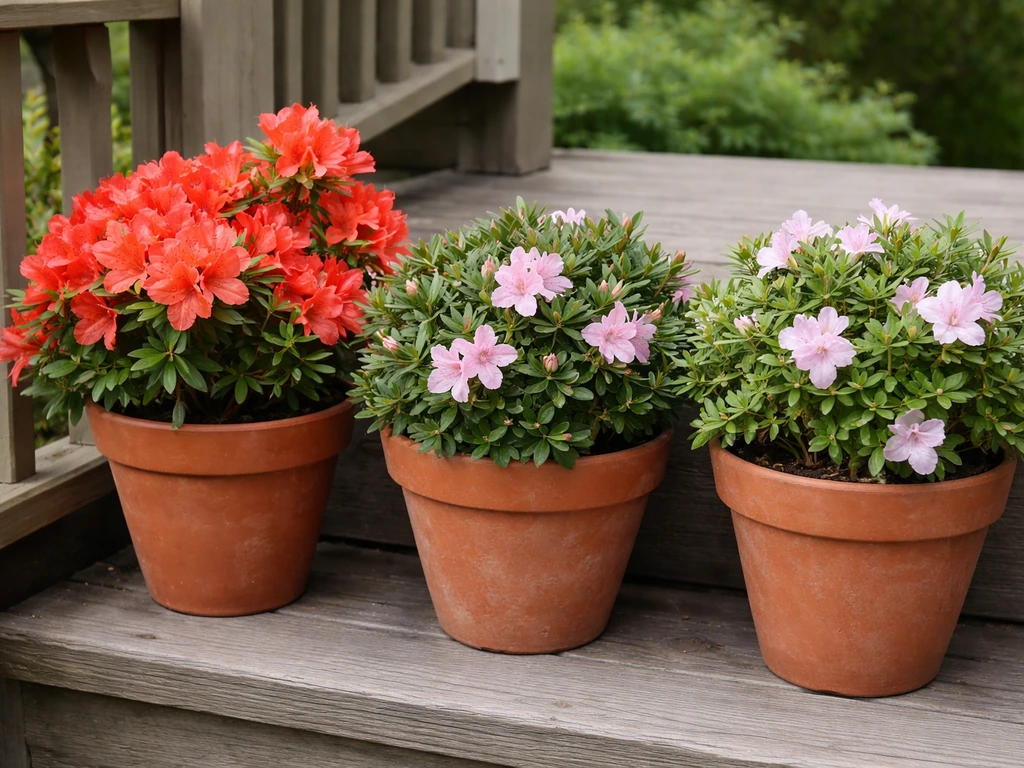
Not all azaleas are the same, and picking the right category is probably the single most important decision you'll make. Here's how the main groups break down for Tennessee:
Native azaleas
Tennessee has native azalea species that evolved right here in the Southeast, including the Florida azalea (Rhododendron austrinum), the Pinxterbloom (R. periclymenoides), and the beautiful Flame azalea (R. calendulaceum) found in the Appalachian highlands. These are deciduous, lose their leaves in winter, and are exceptionally tough across all Tennessee zones. If you want a near-bulletproof plant that also supports native pollinators, start here. They're especially well-suited to naturalized areas, woodland gardens, and East Tennessee properties near the mountains.
Evergreen azaleas (Southern Indian hybrids and Kurume types)
These are the classic spring-blooming, dense-growing azaleas most people picture. Southern Indian hybrids like 'Formosa' and 'George Lindley Taber' are better suited to Middle and West Tennessee's warmer zones (7a–8a). Kurume types, which are more compact and slightly hardier, perform reliably through much of East and Middle Tennessee. If you're in zone 6b or colder, look specifically for varieties rated to zone 6 or below.
Encore Azaleas (reblooming)
Encore Azaleas are a popular choice in Tennessee because they bloom in spring, summer, and fall rather than just once in spring. They're rated cold hardy to zone 6a, which covers most of Tennessee outside the highest mountain elevations. One honest caveat: foliage can show some winter burn in a typical zone 7 winter, so don't expect them to look perfect year-round in cold snaps. But they bounce back, and the extended bloom season is hard to beat for Middle and West Tennessee gardens.
Cold-hardy deciduous hybrids (Exbury/Knap Hill)
For anyone in the colder parts of East Tennessee or higher elevations (zones 5b–6a), Exbury and Knap Hill azaleas are excellent. They're deciduous and offer stunning fall color on top of spectacular spring blooms. They handle colder winters reliably and don't need the warmth that Southern Indian hybrids prefer.
Site requirements checklist before you plant
Before you buy a single plant, walk your yard and check these boxes. Getting this right upfront is what separates azaleas that thrive for decades from ones that struggle and die in year two.
- Light: Azaleas prefer partial shade, ideally with morning sun and afternoon shade. Full shade produces leggy plants with fewer blooms. Full afternoon sun in Tennessee's summer heat stresses them badly, especially in Middle and West TN.
- Soil pH: Azaleas need acidic soil, specifically a pH of 4.5 to 6.0. Tennessee soils can trend more neutral or alkaline in some areas, especially in limestone-heavy Middle Tennessee. Get a soil test before planting (your county extension office can help).
- Drainage: This is non-negotiable. Azaleas will not tolerate waterlogged roots. Tennessee's clay-heavy soils and periodic heavy rains make drainage a real concern. If water pools in a spot for more than an hour after rain, that location will kill azaleas.
- Organic matter: Azaleas thrive in soil rich in organic matter. Tennessee's native forest soils in East TN often have this naturally; compacted suburban soils in Nashville or Memphis typically need amendment.
- Moisture: Azaleas need consistent moisture, especially in their first two years. They're shallow-rooted and dry out faster than deep-rooted shrubs, so mulching heavily (3 to 4 inches of pine bark or pine straw) is essential in Tennessee's summers.
- Frost pockets: In East Tennessee's valleys and low-lying areas, cold air drains downhill and can create frost pockets that expose azaleas to harder freezes than the zone average suggests. Avoid planting in low spots.
How to plant azaleas in Tennessee for the best results
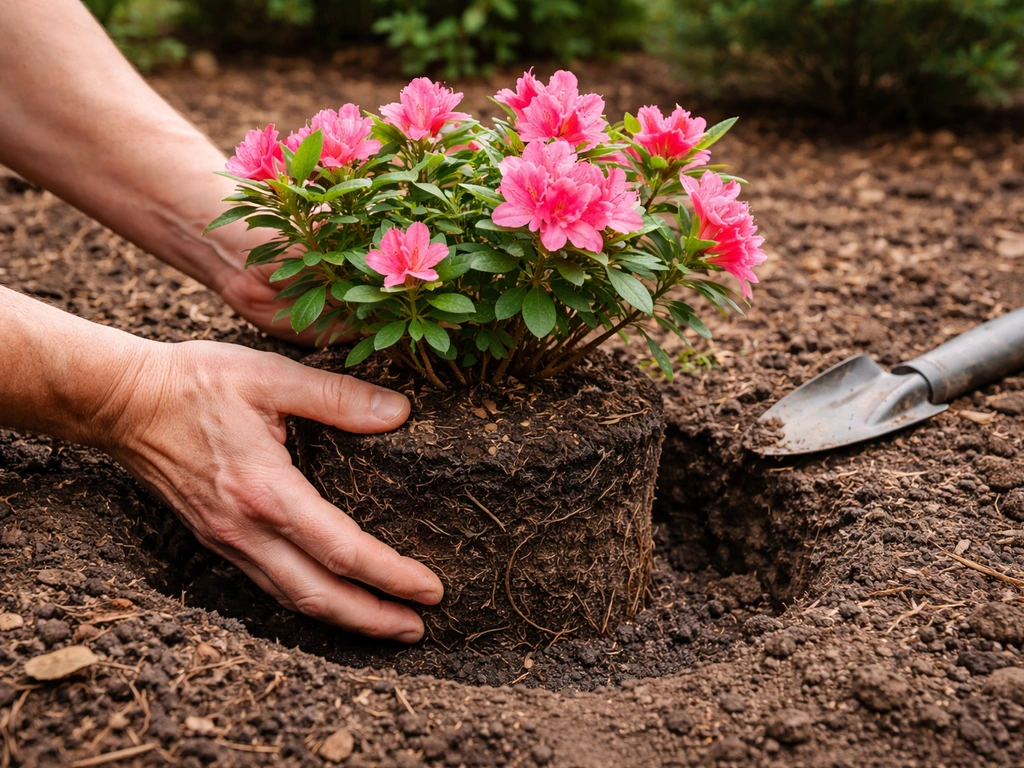
Timing matters. In Tennessee, fall planting (September through October) is excellent because roots get to establish during mild weather before summer heat arrives. Spring planting works too, but you'll need to water more consistently through the first summer.
Plant high, not deep. Azaleas have shallow roots that need oxygen just as much as moisture. The top of the root ball should sit slightly above the surrounding soil level (about an inch), not buried. In Tennessee's clay soils, a common mistake is digging a hole that acts like a bowl and traps water around the crown. If your soil drains slowly, build a raised mound of amended soil (mix native soil with compost and pine bark fines) and plant into that rather than directly into the clay. Space plants according to their mature width, not their size at planting. Evergreen azaleas can spread 4 to 6 feet or more, so give them room from the start.
Mulch immediately after planting with 3 to 4 inches of pine straw or pine bark mulch, keeping it a couple inches away from the main stem. Pine straw is a classic choice in the South because it's acidic, lightweight, and easy to refresh each year. This mulch layer does double duty in Tennessee: it conserves soil moisture in summer and insulates roots against winter temperature swings.
If you're working with a container-grown azalea as a patio plant rather than planting in the ground, be aware that containers expose roots to temperature extremes that in-ground plants don't face. In Middle and East Tennessee winters, unprotected container azaleas can suffer root damage even from a brief cold snap that an in-ground plant would shrug off. If you go the container route, move pots to an unheated garage or shed when hard freezes are forecast.
Common problems Tennessee gardeners run into
Wrong soil pH (alkaline soil chlorosis)
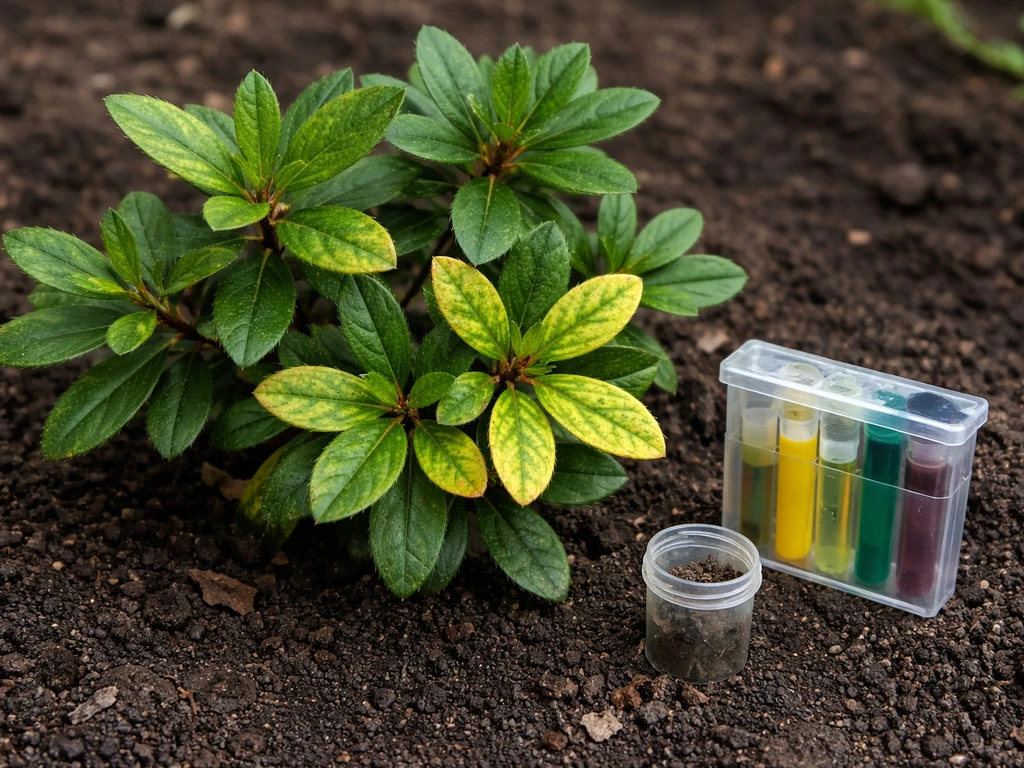
This is the most common reason azaleas fail in Tennessee, particularly in Middle Tennessee where underlying limestone geology pushes soil pH higher. When soil pH climbs above 6. USU IPM notes that many iron-chlorosis treatments and chemicals may be less effective in highly buffered alkaline soils because the pH problem is the root cause blank" rel="noopener noreferrer">Utah State University. 5, iron becomes chemically unavailable to the plant even if iron is physically present in the soil. The result is yellowing leaves with green veins (interveinal chlorosis). If you see this, get a soil test immediately. Lowering pH with elemental sulfur takes time but is the real fix. Avoid alkaline materials near azaleas: concrete foundations, limestone gravel paths, and certain municipal water sources can all gradually raise pH.
Root rot from poor drainage
Phytophthora root rot is a genuine threat to azaleas in Tennessee, especially in clay soils that stay wet after heavy rain. The plant slowly wilts, declines, and dies despite regular watering because the roots have rotted. There's no effective cure once it's advanced, so prevention through proper planting technique and site selection is everything. If you've lost azaleas in a particular spot before, suspect drainage before replanting.
Azalea lace bug
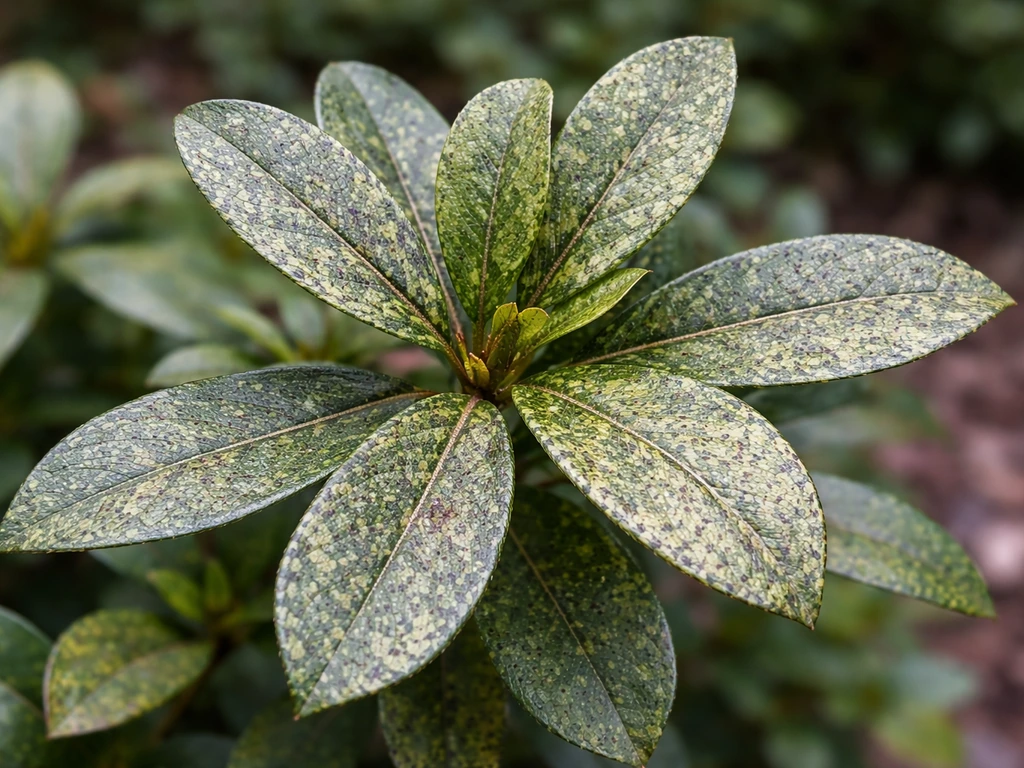
Lace bug is a well-documented pest problem in Tennessee (the blank" rel="noopener noreferrer">University of Tennessee Extension has published specific guidance on it). Evergreen azaleas are more susceptible than deciduous types. The insects feed on the undersides of leaves, causing a stippled, bleached appearance on the top surface. Plants in full sun are hit harder than those in partial shade, which is another reason proper siting matters. Inspect the undersides of leaves in late spring and summer, and treat early with insecticidal soap or horticultural oil if populations are building.
Winter bud damage
Azaleas set their flower buds in late summer and early fall, and a hard late-season cold snap or early freeze can damage those buds even when the plant itself survives. This shows up as no bloom the following spring despite a healthy-looking plant. It's more of an issue in East Tennessee's colder zones and high elevations, and with varieties that aren't rated for your zone. Choosing locally adapted varieties and avoiding low frost-pocket planting sites is the best prevention.
Summer heat and sun stress
West and Middle Tennessee summers are hot and can be dry. Azaleas planted in full afternoon sun in Memphis or Nashville without consistent irrigation often show leaf scorch, early leaf drop, and reduced bloom the following year. The fix is simple: site them where they get morning sun and afternoon shade, and mulch heavily to retain soil moisture.
How to pick the right azalea for your Tennessee yard
Work through this decision path before you buy anything:
- Find your USDA zone: Look up your specific address on the USDA Plant Hardiness Zone Map. Tennessee spans zones 5b through 8a, so your exact location matters more than just knowing you're 'in Tennessee.'
- Match variety to zone: If you're in zone 6a or colder (parts of East TN highlands), focus on native deciduous azaleas and cold-hardy hybrid types like Exbury or Knap Hill. Zones 6b–7b across East and Middle TN open up Encore Azaleas, Kurume types, and many Southern hybrids. Zone 7b–8a in West TN gives you the widest selection of evergreen types plus heat-tolerant reblooming varieties.
- Test your soil: Before buying anything, take a soil sample to your local county extension office or use a mail-in test. Confirm your pH is in the 4.5 to 6.0 range. If it's above 6.5, plan to amend with elemental sulfur well before planting.
- Evaluate your site's drainage: Dig a 12-inch hole, fill it with water, and see how long it takes to drain. If it's still sitting after an hour, you need raised planting mounds or a different location entirely.
- Check your light: Mark where the sun falls in the spot you're considering. Morning sun with afternoon shade is ideal. Adjust your site choice or use tree canopy to filter intense afternoon rays.
- Choose your type: If you want low-maintenance native charm, go deciduous natives. If you want traditional spring color, choose an evergreen variety rated one zone colder than yours for insurance. If you want the longest bloom season, try Encore types (rated to zone 6a).
- Consider your neighbors' experience: Ask neighbors or local nurseries which specific varieties they've seen perform well in your part of Tennessee. Local success stories are worth more than any catalog description.
Gardeners in neighboring states like Indiana and Missouri face similar questions about cold-hardiness limits and variety selection, and the same core logic applies: zone matching and soil prep are what separate success from failure. If you're also wondering does forsythia grow in Texas, the answer depends on heat tolerance, chill requirements, and giving it the right sun and well-drained soil. Tennessee gardeners have a real advantage because the state's climate suits azaleas better than most, so as long as you do the soil and site homework first, you're setting yourself up for a plant that can reward you for decades. If you're wondering does forsythia grow in Colorado, the answer depends on picking hardy varieties and giving plants the right sun and well-drained soil.
FAQ
What azalea varieties should I avoid if I live in Tennessee?
Avoid azaleas that are only rated for much colder climates if you are in Middle or West Tennessee, and avoid varieties known to be sensitive to heat unless they are specifically proven for the Southeast. When in doubt, buy plants labeled with a USDA hardiness rating that matches your local zone and look for notes about performance in hot, humid summers.
Can azaleas grow in full sun in Tennessee?
They can survive full sun in some West and Middle Tennessee yards, but consistent stress is common. For best flowering, aim for morning sun with afternoon shade, especially for evergreen types that are more prone to lace bug and leaf scorch. If you must do sun, increase irrigation consistency and keep mulch fresh to stabilize soil moisture.
How much should I water azaleas in Tennessee during summer?
Water deeply enough that the root zone is evenly moist, not just lightly damp on the surface. A reliable approach is to water when the top inch of soil dries, then water thoroughly until moisture penetrates several inches. Stop frequent shallow watering, because it can keep clay pockets wet and raise risk of root rot.
Do azaleas need acidic fertilizer in Tennessee?
They need acidic conditions, but fertilizer alone is not a substitute for correcting soil pH. After you soil-test, use an azalea fertilizer formulated for acid-loving plants if your pH is already in range, and avoid heavy applications right before winter cold. If leaves are yellow with green veins, treat pH first because the problem is usually nutrient availability.
What pH range works best for azaleas in Tennessee?
Azaleas generally do best in distinctly acidic soil. If your soil test shows pH trending toward alkaline, prioritize bringing it down rather than adding iron supplements. Elemental sulfur takes weeks to months to change pH, so expect a gradual turnaround rather than an immediate green-up.
How do I know if my azalea problem is pH-related or root rot?
Interveinal chlorosis, where leaves yellow but veins stay green, points toward high pH or iron unavailability. Wilting plus a decline despite consistent watering, especially after wet weather in clay, suggests root rot or other root issues. If you can, gently check the roots, healthy roots should feel firm rather than brown and mushy.
Should I mulch with pine straw or pine bark, and how thick?
Pine straw or pine bark both work well, the key is the thickness and keeping it off the stem. A 3 to 4 inch layer is a good target, and you should leave a small air gap around the main stem so moisture does not sit against the crown. Replenish mulch as it decomposes, especially in Middle and West Tennessee summers.
When is the best time to prune azaleas in Tennessee?
Prune right after flowering for most types, because buds are set in late summer and early fall. If you prune in late fall or winter, you can reduce next spring’s blooms even if the plant survives the cold. For rejuvenation, limit major cuts to portions of the plant rather than removing all growth at once.
Will container-grown azaleas survive Tennessee winters outdoors?
Often they struggle compared with in-ground plants because roots freeze and thaw more quickly in pots. If you keep azaleas on a patio, group pots together and insulate with an insulating wrap and mulch around the base, and move them to a protected spot such as an unheated garage or shed when hard freezes are forecast.
How do I handle frost pockets and low spots in East Tennessee?
Avoid planting in areas where cold air settles, like dips, near slopes that funnel wind, or low spots that stay damp after rain. Even zone-hardy varieties can skip bloom if flower buds are damaged in a localized cold pocket. If you cannot avoid the site, choose the hardiest varieties rated for your exact zone and consider raised mounding to improve drainage and reduce wet-cold stress.
What can I do if my azalea has lace bugs?
Inspect leaf undersides in late spring and summer, then treat early before populations explode. In small plantings, horticultural oil or insecticidal soap can help, but you must get coverage on the underside. If infestations repeat, shift the plant toward partial shade if possible, because full afternoon sun typically worsens lace bug pressure.
How far apart should I plant azaleas so they do not struggle later?
Space plants according to their mature width, not their size at purchase. Evergreen azaleas can spread several feet, and crowding creates thicker shade and poorer airflow which can make foliage pests and disease more likely. If you are unsure of mature width, leave extra spacing and plan to thin later rather than planting too tight up front.