Jasmine grows successfully across a wide swath of the US, from the Southeast and Gulf Coast up through the Mid-Atlantic and into parts of the Pacific Coast, but the exact range depends heavily on which jasmine you're actually talking about. Most jasmine varieties are comfortable in USDA zones 7 through 10 outdoors year-round, with some cold-tolerant types pushing into zone 6. If you're in Florida, Texas, California, the Gulf States, or anywhere with mild winters, you're almost certainly in jasmine territory. If you're in the Upper Midwest, New England, or anywhere that regularly dips below 0°F, outdoor jasmine is a tough sell and you'll want to look at containers or cold-hardier alternatives.
Where Does Jasmine Grow in the US by Hardiness Zone
Marcus Hartwell
23 Apr 2026
First, which jasmine are you actually shopping for?
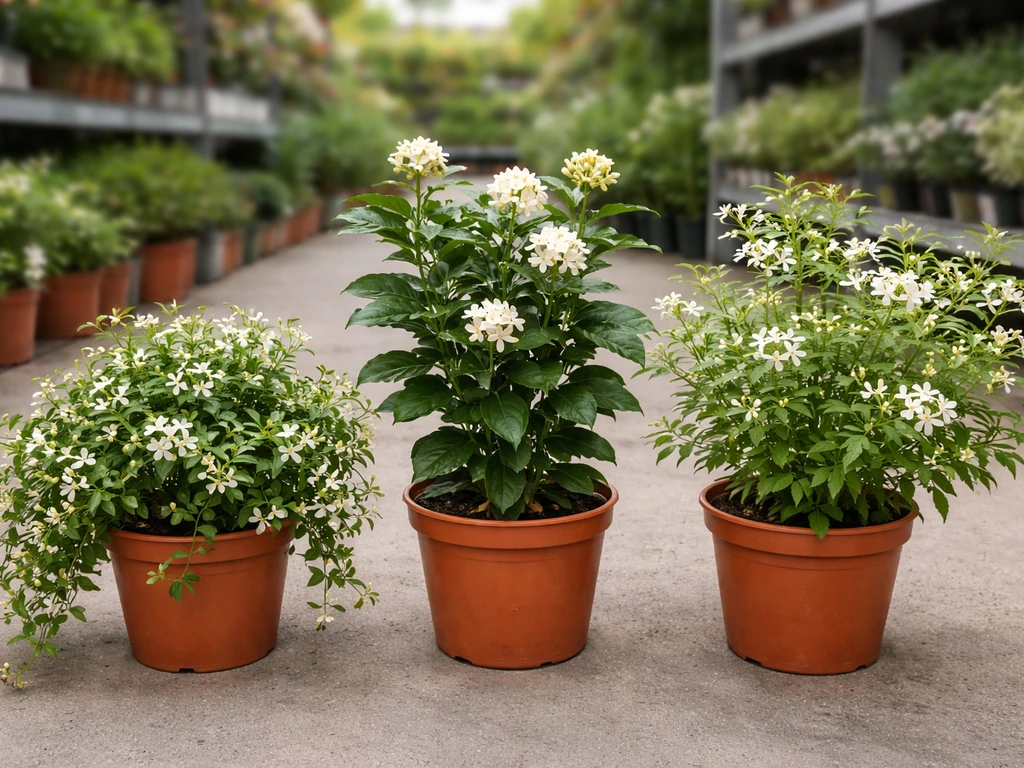
This is genuinely the most important question to answer before anything else, because the name "jasmine" gets applied to several very different plants at the garden center, and their growing ranges don't all overlap. If you just grab a plant labeled "jasmine" without knowing the species, you could end up with something that won't survive your first winter.
Here are the main players you'll encounter in US nurseries and garden centers:
- True jasmine (Jasminum spp.) — this is the classic fragrant genus. Common landscape species include Jasminum sambac (Arabian jasmine), Jasminum officinale (common jasmine), and Jasminum polyanthum (pink jasmine). These are what most people picture when they say "jasmine."
- Star jasmine / Confederate jasmine (Trachelospermum jasminoides) — not technically a true jasmine at all, but sold under the jasmine name everywhere. It's actually native to eastern and southeastern Asia (Japan, Korea, China, Vietnam) and is one of the most popular landscape vines in the South.
- Carolina jasmine (Gelsemium sempervirens) — a native Southeast US vine often confused with jasmine. Toxic if ingested, but beautiful and very cold-hardy by jasmine standards.
- Night-blooming jasmine (Cestrum nocturnum) — another plant that uses the jasmine name but belongs to an entirely different genus. It's tropical and very frost-sensitive.
- Asian star jasmine (Trachelospermum asiaticum) — a lower-growing relative of T. jasminoides, sometimes sold as Asian jasmine or dwarf jasmine, used heavily as a ground cover in warm climates.
When you're reading zone information or asking "can I grow jasmine here," the answer is only useful if you know which plant you mean. Star jasmine and Carolina jasmine can push into zone 7 or even zone 6 in sheltered spots. Night-blooming jasmine struggles below zone 9. Night-blooming jasmine typically grows best in warm, subtropical regions, especially in the southern US and other frost-free areas. True jasmines fall somewhere in between depending on the species. The rest of this article covers the most commonly grown types, but if you're specifically interested in star jasmine or night-blooming jasmine, those varieties have their own detailed regional breakdowns worth checking.
US climates where jasmine actually thrives
Jasmine as a category loves warmth, high humidity, and winters that stay relatively mild. The ideal climate in the US is the kind you find in the Deep South, Florida, coastal California, Hawaii, and the Gulf Coast region of Texas and Louisiana. In those areas, most jasmine varieties will grow vigorously, bloom reliably every year, and overwinter without any protection.
What jasmine doesn't like is prolonged freezing temperatures, hard frosts that penetrate the ground, and cold dry winds. A zone 7 garden in a humid area like coastal Georgia or the Carolinas will support more jasmine varieties than a technically similar zone 7 garden in the dry, windy Southern Plains, simply because the humidity and wind protection matter almost as much as the temperature floor.
Warm, subtropical regions (zones 9-11)
This is jasmine's sweet spot. In Florida, Hawaii, coastal Southern California, the Rio Grande Valley of Texas, and Arizona's low desert, you can grow nearly every jasmine variety outdoors year-round. Jasminum sambac (Arabian jasmine) thrives here and is even the state flower of the Philippines, so its comfort zone tells you a lot. Star jasmine grows so well in Florida that UF/IFAS recommends it as a landscape vine that can be planted throughout the state. In these zones, the bigger concern is giving jasmine enough water and well-drained soil, not protecting it from cold.
Warm temperate regions (zones 7B-8)
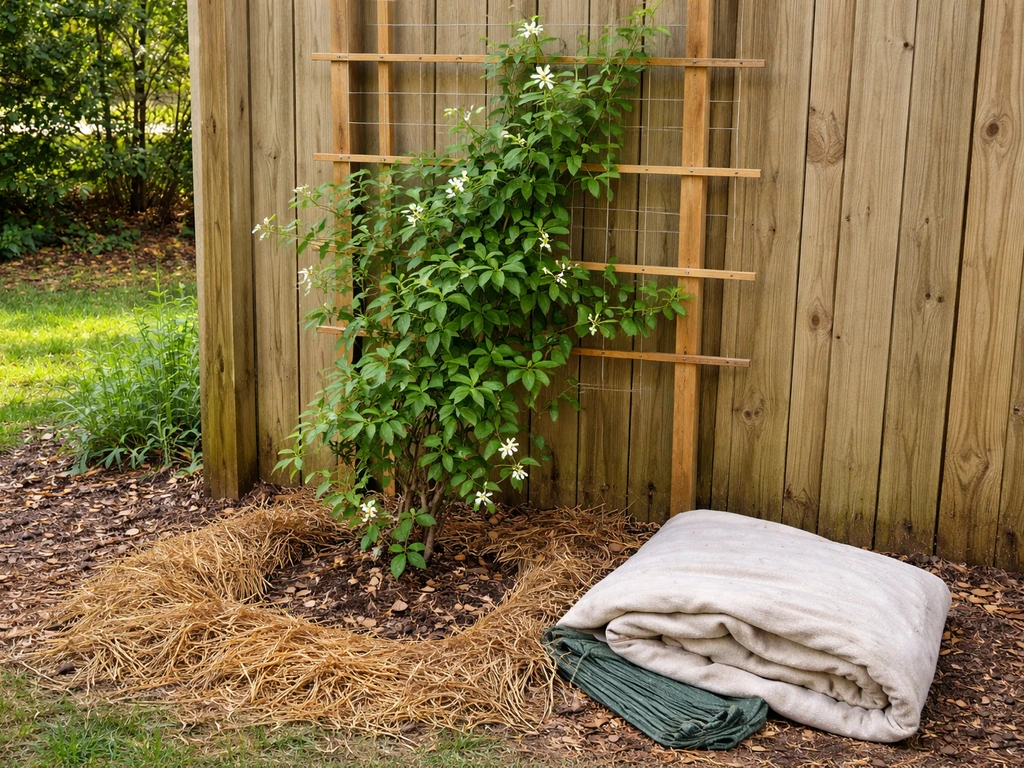
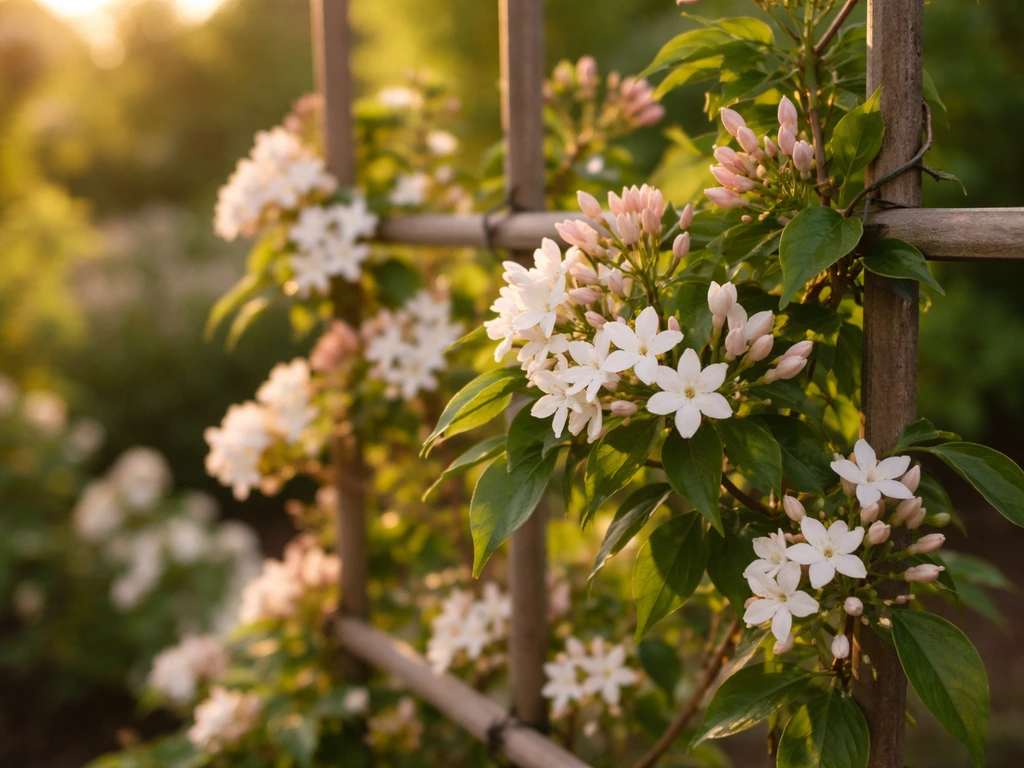
This is where most of the interesting decisions happen. The Mid-South, much of Texas, the Southeast (Georgia, Alabama, Mississippi, the Carolinas), and the Pacific Northwest coast fall in this range. Star jasmine (Trachelospermum jasminoides) does particularly well here and is considered reliably hardy down to zone 7B. True jasmine species like Jasminum officinale can handle zone 7 with some protection. If you're in Atlanta, Charlotte, Dallas, or Portland, you're in viable jasmine territory for most common varieties.
Cooler climates (zones 5-6)
Most outdoor jasmine becomes a significant gamble in zones 5 and 6. You might luck out with a protected spot, a mild winter, and the right microclimate, but you're not gardening with jasmine reliably here. Carolina jasmine is the main exception and can survive into zone 6. For most true jasmines, below-zero nights will kill the plant outright. This is container territory, which I'll cover below.
USDA hardiness zones for common jasmine types
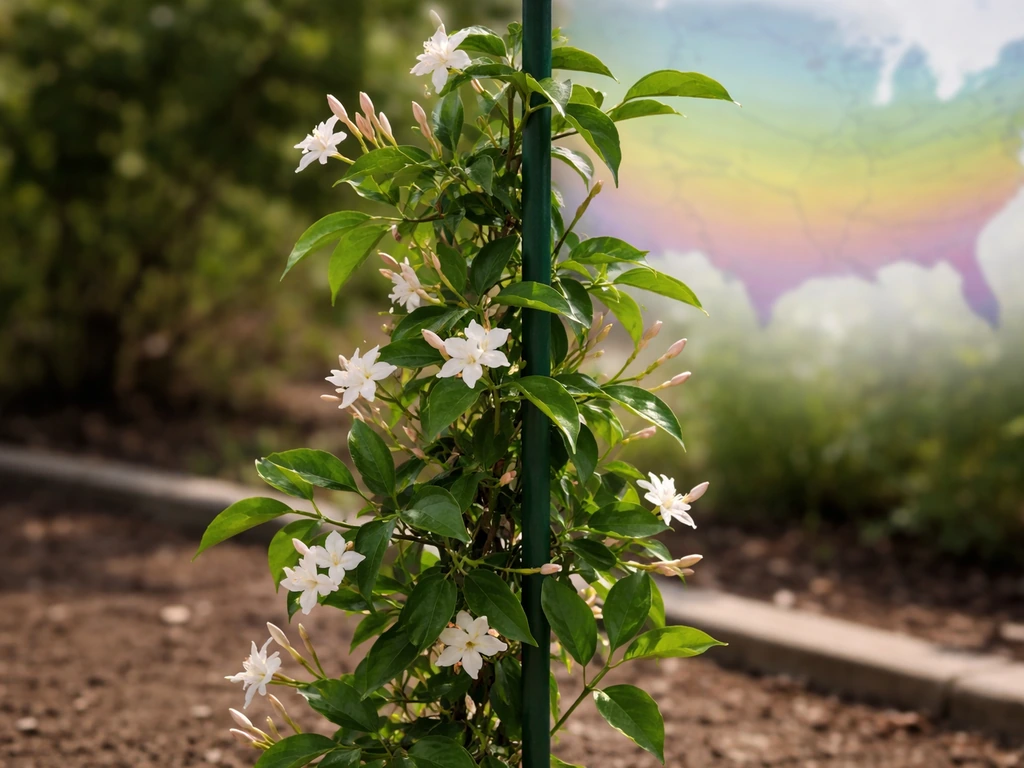
Here's a practical zone reference for the jasmine varieties you're most likely to encounter at a US garden center. These ranges assume outdoor, year-round planting. Anything at the colder edge of the range should be planted with microclimate protection in mind.
| Jasmine Type | Species | USDA Hardiness Zones | Winter Low Tolerance |
|---|---|---|---|
| Star / Confederate Jasmine | Trachelospermum jasminoides | 7B–10 | Around 5–10°F |
| Asian Jasmine (ground cover) | Trachelospermum asiaticum | 7–10 | Around 5°F |
| Common / Poet's Jasmine | Jasminum officinale | 7–10 | Around 10°F |
| Arabian Jasmine | Jasminum sambac | 9–11 | Above 25°F |
| Pink Jasmine | Jasminum polyanthum | 8–11 | Around 20°F |
| Carolina Jasmine (not true jasmine) | Gelsemium sempervirens | 6–9 | Around -10°F |
| Night-Blooming Jasmine | Cestrum nocturnum | 9–11 | Above 25°F |
If you don't know your USDA hardiness zone yet, the USDA Plant Hardiness Zone Map is the fastest way to find out. Just enter your zip code and you'll get your zone in seconds. That zone number is the single most useful piece of information you can have before buying any jasmine plant.
Where jasmine grows best by US region and state
Here's a state-by-state and region-by-region breakdown of where you can realistically expect jasmine to perform outdoors, and which types make the most sense to try. For a quick answer, see which jasmine varieties can grow in your USDA zone and typical conditions USDA hardiness zones. If you’re wondering where jasmine grows best, the region-by-region guidance below breaks it down by state so you can match the right type to your climate. If you are trying to pin down where jasmine grows best in your state, use the region-by-region section below as a related guide so you can match the right type to your climate.
Florida
About as jasmine-friendly as it gets. Star jasmine, Arabian jasmine, night-blooming jasmine, and pink jasmine all grow here without drama. UF/IFAS specifically endorses star jasmine (T. jasminoides) as suitable for planting throughout Florida. North Florida gardens in zone 8 should stick to the hardier types like star jasmine and common jasmine, while South Florida and the Keys can grow the most heat-loving and frost-sensitive varieties.
Texas
East Texas and the Gulf Coast (zones 8-9) are excellent jasmine territory. Central Texas (Austin, San Antonio) in zone 8B works well for star jasmine and common jasmine. The Hill Country can be tricky because of occasional hard freezes, so established plants in sheltered spots usually survive but young plantings might not. West Texas and the Panhandle are too cold and dry for most jasmine varieties planted in the ground.
Southeast (Georgia, Alabama, Mississippi, Louisiana, South Carolina, North Carolina)
The coastal and southern portions of these states (zones 8-9) are strong jasmine growing areas. Star jasmine is practically a staple vine in Atlanta and Charlotte gardens at this point, growing on fences, trellises, and mailboxes throughout the region. North Carolina and northern Georgia in zone 7 can reliably grow star jasmine with some wind protection. The humidity and mild winters here are very much in jasmine's favor compared to drier regions at similar latitudes.
Mid-Atlantic (Virginia, Maryland, Delaware)
Zone 7 covers a lot of Virginia and parts of Maryland, and star jasmine can work here in a good year with good placement. It's not as carefree as it is in the South, and you'll want to plant it against a south-facing wall or fence to catch reflected heat and stay out of cold north winds. Coastal Virginia and the Tidewater region are your best bets. Moving north toward DC and Baltimore, success becomes more site-dependent.
California
Much of California is a great jasmine state because of the warm, dry summers and mild winters. Southern California from San Diego to Los Angeles (zones 9-11) is ideal for nearly all jasmine types. The Bay Area (zones 9-10) grows jasmine very well, especially star jasmine and pink jasmine. Central Valley summers can be brutally hot and dry, so jasmine there needs consistent irrigation. Northern California above Sacramento gets frostier in winter, so stick to the hardier zone 7-8 varieties.
Pacific Northwest (Oregon, Washington)
The coast and the Willamette Valley in Oregon (zones 8-9) can support star jasmine and common jasmine, especially in the Portland area. Seattle is technically zone 8B-9A along the coast but gets cold snaps that can damage jasmine. If you're in the Pacific Northwest, choose the hardiest varieties and plant in the most sheltered microclimate you have. Inland areas and higher elevations are too cold.
Southwest (Arizona, New Mexico, Nevada)
Phoenix and Tucson (zones 9-10) are fine for star jasmine and common jasmine, though the extreme summer heat means afternoon shade and consistent watering are non-negotiable. Jasmine in the desert Southwest grows well in the cooler months but can struggle in peak summer. Higher elevation areas in Arizona and New Mexico drop into zones 6-7 and get cold winters, making outdoor jasmine much less reliable.
Hawaii
Hawaii is as close to perfect jasmine territory as exists in the US. Jasminum sambac (Arabian jasmine) grows here with great vigor and is widely cultivated. Essentially all jasmine varieties will grow in Hawaii's warm, humid climate.
Midwest, Northeast, and Mountain states
Most of these regions fall in zones 3-6, which is below the outdoor viability threshold for almost every jasmine type. Chicago, Minneapolis, Denver, Boston, and New York City gardeners are looking at container growing or indoor overwintering if they want jasmine. The exception is Carolina jasmine (Gelsemium sempervirens), which can handle zone 6, but that's not a true jasmine.
Growing jasmine in containers if your winters are too cold
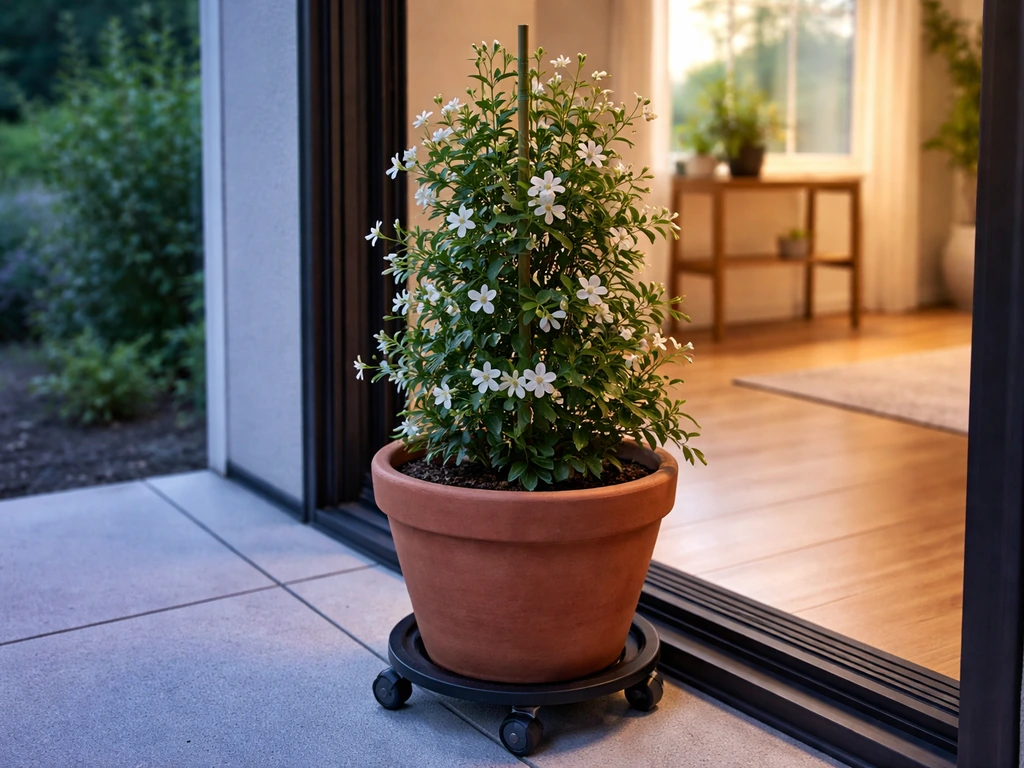
If you live in zone 6 or colder, containers are your best and most practical path to growing jasmine. The approach works surprisingly well because most jasmine species are naturally vine-like and adapt to container life if you give them something to climb and keep them consistently watered. The key is that you bring the plant indoors before your first hard frost (usually when nighttime temps start consistently dropping toward 35-40°F) and move it back outside once your last frost date has passed in spring.
For indoor overwintering, jasmines need as much bright light as you can give them. A south-facing window works well, and a grow light can fill the gap during short winter days. Keep temperatures above 50°F and reduce watering since the plant is in a slow or dormant phase. Don't expect heavy blooming indoors during winter, but the plant will come back strong once it returns to outdoor conditions in spring.
Jasminum polyanthum (pink jasmine) is often sold specifically as a houseplant in colder regions because it can actually bloom indoors in winter when given good light. Jasminum sambac is another one that adapts reasonably well to container and indoor life. These are the two to consider if you're in a colder zone and want jasmine as a seasonal or indoor plant.
Choose a container with good drainage, use a quality potting mix, and keep the pot manageable enough to actually move. Jasmine roots fill containers quickly, so plan on stepping up to the next size pot every couple of years. A 10-12 inch pot is a practical starting size for a young plant; mature plants doing well will need something 14-18 inches or larger.
How to pick the right jasmine variety for your specific yard
Once you know your zone, the next step is thinking about microclimates, which are the small-scale climate variations in your own yard that can make a plant one full zone hardier or more tender than your official zone suggests. A south-facing brick wall that absorbs and radiates heat can let you grow zone 8 plants in a zone 7 garden. A low-lying frost pocket in your yard can kill plants that should technically survive your zone. These details matter as much as the zone number itself.
For zones 9-11: You have the full menu available. Go with whatever fragrance or growth habit appeals to you most. Star jasmine makes an excellent trellis or fence vine. Arabian jasmine is unbeatable for fragrance. Night-blooming jasmine will fill your garden with scent on warm evenings.
For zones 7B-8: Star jasmine (T. jasminoides) is your most reliable choice and the most forgiving. It's widely available, well-documented in these zones, and proven across millions of southeastern US landscapes. Common jasmine (J. officinale) is also a good pick. Plant in a sheltered spot with good sun and you'll have reliable results.
For zones 6-7A: Look carefully at your specific location before buying. If you have a warm, sheltered south-facing spot with good drainage, star jasmine might work at the cold edge of its range. Carolina jasmine is the safer outdoor bet in zone 6 and honestly does a good job filling the ornamental vine role. Consider container growing for true jasmine species.
For zones 5 and below: Container growing with indoor overwintering is the realistic path. Pink jasmine and Arabian jasmine both adapt to this approach. You won't get the same exuberant growth you would in a warm-climate garden, but you can absolutely enjoy jasmine's fragrance and bloom in colder climates with the right approach.
The most common mistake I see gardeners make with jasmine is buying whatever is labeled "jasmine" at the nursery without checking the species or the zone rating on the tag. A plant sold as "jasmine" in a zone 5 garden center might be a tropical variety that will die in October. Always check the botanical name and the zone range on the label before you buy, then cross-reference with your own zone. That two-minute check will save you a lot of frustration and money.
FAQ
If a plant is sold as “jasmine,” how can I tell whether it will actually survive my winters in the US?
Start by confirming the botanical name on the tag (examples include Trachelospermum jasminoides or Jasminum officinale). Garden centers often label multiple unrelated plants as “jasmine,” and their cold limits differ a lot, so the zone range on the label should match your USDA zone before you buy.
Why do jasmine plants sometimes fail even when my USDA zone says it should work?
USDA hardiness zones are based on cold, not on the heat or humidity jasmine prefers, so some locations in the same zone can behave very differently. If you are in a dry or windy zone, prioritize a sheltered site (against a south-facing wall, behind a fence) because wind and winter desiccation can reduce survival even when the temperature floor looks acceptable.
What is the most reliable way to grow jasmine outdoors in zone 6 or colder?
If your zone is 6 or colder, choose a container plan that lets you move the plant before hard frost consistently arrives. Bring it indoors when nighttime temps begin staying around the mid 30s to low 40s, keep it near bright light (south window or grow light), and plan on reduced winter blooming rather than expecting full fragrance indoors.
What microclimate tricks actually help jasmine survive at the cold edge of its zone?
For cold-edge plants, microclimate protection can matter more than you think. Use a south-facing wall or fence for reflected warmth, add mulch to reduce ground-level temperature swings, and avoid low spots where cold air pools, because frost pockets can drop below what the official zone map predicts.
How big should a jasmine container be, and why does container size matter?
Don’t size your container just for convenience, jasmine roots fill space quickly. A small pot dries too fast and stresses the plant, so start around a 10 to 12 inch container for young plants, and expect to step up to roughly 14 to 18 inches as the vine matures.
Can night-blooming jasmine grow outdoors in most of the US like star jasmine does?
Night-blooming jasmine typically does poorly in colder climates because it is more frost sensitive, so in the US focus on warm zones or indoor overwintering. In colder areas, treat it as a seasonal indoor plant rather than a true outdoor perennial unless your site stays frost-free most winters.
Does jasmine need different watering by region, even if the zone is the same?
Yes, irrigation needs change dramatically by region. In hot, dry summers (like inland Central Valley or parts of the Southwest), jasmine often needs consistent watering and some afternoon shade, while in humid coastal areas you can usually focus more on drainage and not letting the soil turn soggy.
What should I do if the label only says “jasmine” and no botanical name is provided?
If you can’t identify the jasmine type on the tag, don’t rely on common names. Look for the botanical name and verify whether it is a true jasmine (Jasminum) or star jasmine (Trachelospermum), because their cold tolerance and growth form habits are not identical.