Jasmine grows naturally across a wide belt of tropical and subtropical Asia, but in American gardens it can thrive anywhere from the mild Pacific Coast to the deep South, and even in parts of the mid-Atlantic, depending entirely on which jasmine you choose. That last part is the key most people miss: "jasmine" is not one plant. It's a loose label covering several species, some that can handle a light frost, others that collapse the moment temperatures dip below freezing. Get the species right for your zone and jasmine is one of the most rewarding vines or shrubs you can plant. Get it wrong and you'll be replacing it every spring.
Where Does Jasmine Grow Best By Climate and Zone
Marcus Hartwell
2 Apr 2026
Where jasmine comes from originally
The species most people think of when they picture jasmine come from Asia. Jasminum officinale (common jasmine, sometimes called poet's jasmine) is native to the Caucasus region and parts of south and central Asia, where it twines up through hedgerows as a vigorous deciduous climber and produces those famously fragrant white summer flowers. Jasminum polyanthum, the pink or many-flowered jasmine often sold in pots at grocery stores in early spring, originates from south-central China and Myanmar. Jasminum sambac, known as Arabian jasmine, is a tropical species whose exact origin is debated but it's been cultivated across South and Southeast Asia for centuries as a temple and garland flower.
Two plants that carry the jasmine name but technically belong to different genera round out the most popular options in U.S. gardens. Trachelospermum jasminoides (star jasmine or Confederate jasmine) is native to eastern and southeastern Asia including Japan, Korea, southern China, and Vietnam. Cestrum nocturnum, sold in nurseries as night-blooming jasmine, is actually a native of Mexico, Central America, and northern South America. Both earned the jasmine label purely because of their fragrance, not their botany. That distinction matters for where they'll survive outdoors.
The climate jasmine actually needs
The honest answer is that most jasmine species are warm-climate plants. They want mild winters, reasonable humidity, and long, warm summers. The threshold question for any gardener is how cold it gets in your yard in January and February, because that single number determines whether your jasmine comes back next year or dies in the ground.
Jasminum officinale is the cold-hardiest of the true jasmines, managing down to USDA Zone 7, which means it can handle minimum winter temperatures around 0°F to 5°F before struggling. Trachelospermum jasminoides (star jasmine) is close behind, rated hardy to Zone 7B by UF/IFAS, making it viable in much of the South and parts of the mid-Atlantic with some protection. The rest of the common jasmine types are more tender: Jasminum polyanthum cannot tolerate freezing temperatures at all and is rated for zones 8 through 11, while Jasminum sambac is strictly tropical, rated by Cornell Botanic Gardens at Zone 9A and by Monrovia at zones 9 through 10. Night-blooming jasmine (Cestrum nocturnum) sits at Zone 8 hardiness, meaning it needs reliably mild winters to survive outdoors. Chicago Botanic Garden lists Cestrum nocturnum (night-blooming jasmine) as hardy across USDA hardiness zones 8, 11 USDA hardiness zones 8–11.
Humidity matters too, though it's secondary to cold tolerance. Most jasmine species evolved in humid Asian climates and perform noticeably better where summers are moist. In hot, dry climates like the Desert Southwest, jasmine can struggle even in the right zone unless it gets supplemental water and some afternoon shade. On the opposite end, constantly waterlogged soil is a problem, especially for star jasmine, which is prone to fungal issues if roots stay wet.
Where jasmine grows in the U.S., region by region
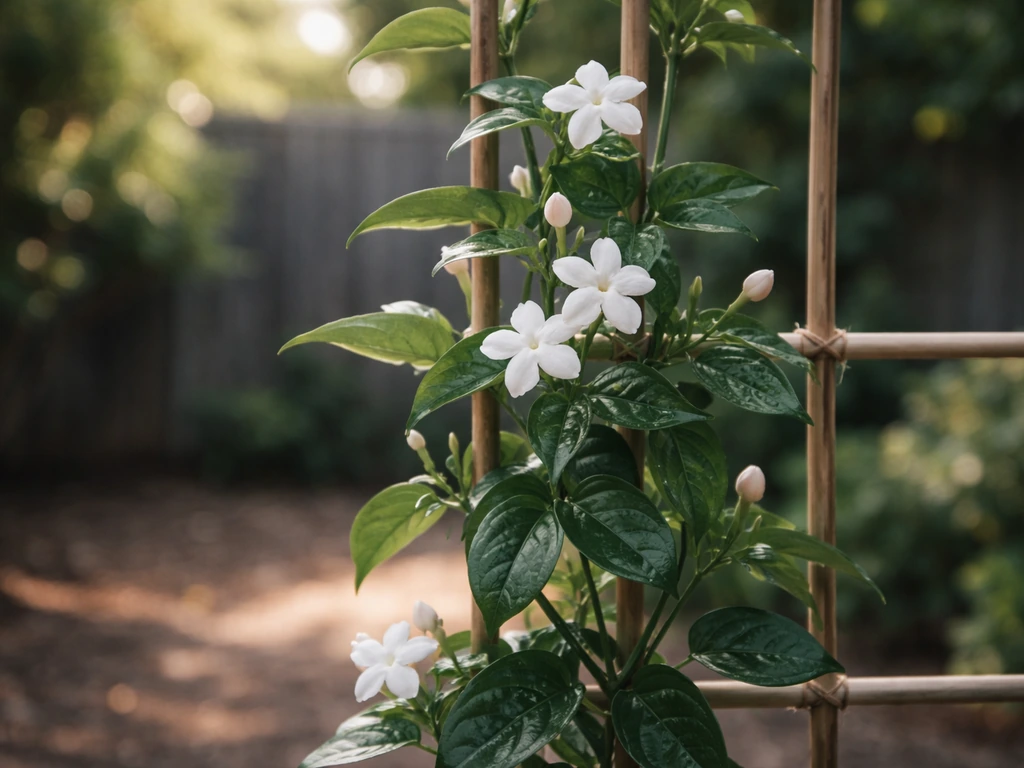
If you want to understand where jasmine grows in the U.S. across different states and zones, the short version is this: the Southeast and California are the sweet spots, the mid-Atlantic and Pacific Northwest work for the hardier types, and anywhere north of Zone 7 is container-or-inside territory for most species.
| U.S. Region | States / Zones | Which Jasmine Works Outdoors |
|---|---|---|
| Deep South / Gulf Coast | FL, LA, MS, AL, GA, SC (Zones 8–10) | All types including J. sambac, Cestrum nocturnum, J. polyanthum, star jasmine |
| Southeast (mid) | NC, TN, AR, parts of VA, TX (Zones 7B–8) | Star jasmine, J. officinale; J. polyanthum with protection |
| California Coast / Central Valley | Zones 8–10 | Star jasmine, J. officinale, J. polyanthum, J. sambac in warmest spots |
| Southwest / Desert | AZ, NM, NV (Zones 7–10 varies) | Star jasmine and J. officinale in cooler elevations; sambac in low desert Zone 9+ |
| Pacific Northwest | OR, WA coast (Zones 8–9) | Star jasmine, J. officinale in sheltered spots |
| Mid-Atlantic | DC, MD, southern NJ (Zone 7) | J. officinale; star jasmine in protected microclimates |
| Midwest / Northeast | Zones 5–6 | None reliably outdoors; grow in containers, overwinter indoors |
Star jasmine in particular has become a landscape staple across California and the Southeast, used as a ground cover, trellis vine, and fence plant. In Florida, Louisiana, and coastal Georgia, you'll see it everywhere. North of Zone 8, the picture gets more complicated and more species-specific, which is why it's worth knowing your exact zone before you buy anything at the nursery.
Sun, soil, and site: what your specific yard needs to offer
Being in the right zone gets you through winter. But whether jasmine actually thrives in your yard comes down to three site factors: sunlight, drainage, and microclimate.
Sunlight is straightforward. Most jasmine types want full sun to partial shade. Star jasmine is one of the more flexible options and tolerates quite a bit of shade, though it flowers more heavily in good light. If your planting spot gets fewer than four hours of direct sun, expect reduced blooming across all species.
Drainage is non-negotiable, especially for star jasmine and J. officinale. Star jasmine needs well-drained soil because sitting in constant moisture invites fungal problems. Night-blooming jasmine (Cestrum nocturnum) is a bit more tolerant of moisture, doing well in average to moist soil with a light, sandy texture and a near-neutral pH of 6.6 to 7.5. But even there, standing water is the enemy. If your yard has heavy clay that holds water, amend it before planting or build up a raised bed.
Microclimate is the factor most gardeners overlook, and it can swing your effective hardiness by a full zone in either direction. Cold air is heavier than warm air and drains downhill, pooling in low spots, valleys, and against north-facing walls, creating what are called frost pockets. If you plant jasmine at the bottom of a slope or in a bowl-shaped area of your yard, you may lose it in a cold snap even if your zip code technically falls in a safe zone. Conversely, a south-facing wall that radiates heat overnight can push a borderline Zone 7 yard to effectively Zone 8 conditions, making J. polyanthum possible where it otherwise wouldn't be.
The main jasmine types and where each one fits
Because the word "jasmine" gets applied to so many plants, here is a straight breakdown of the five most common types and their geographic sweet spots.
Common jasmine (Jasminum officinale)
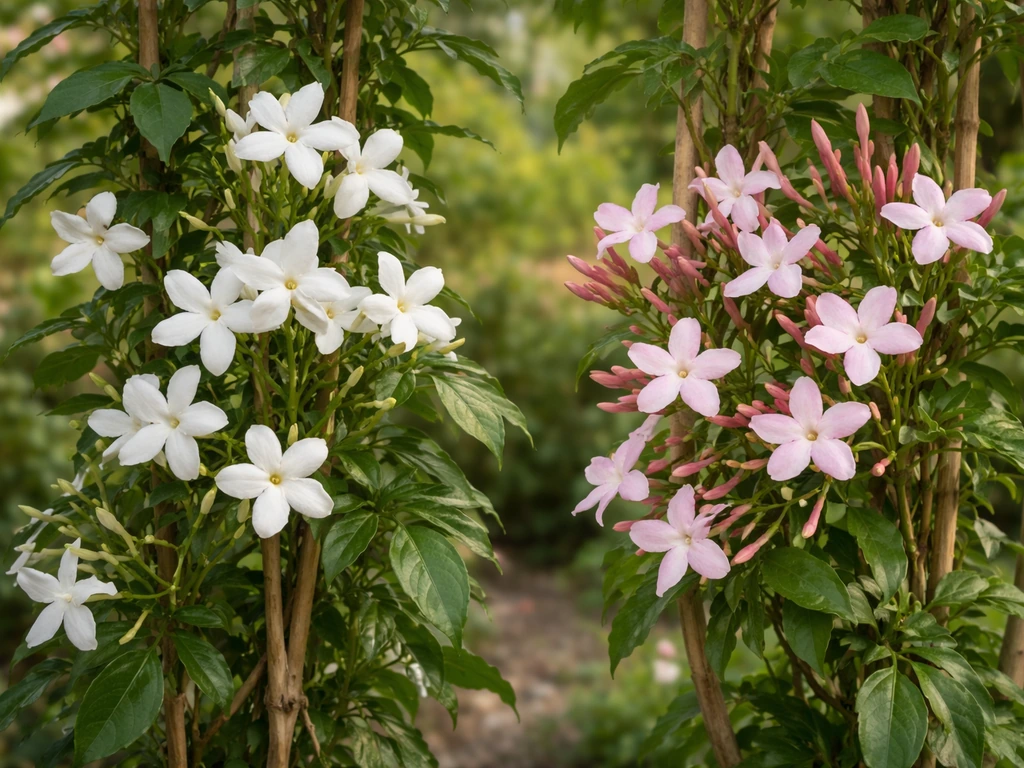
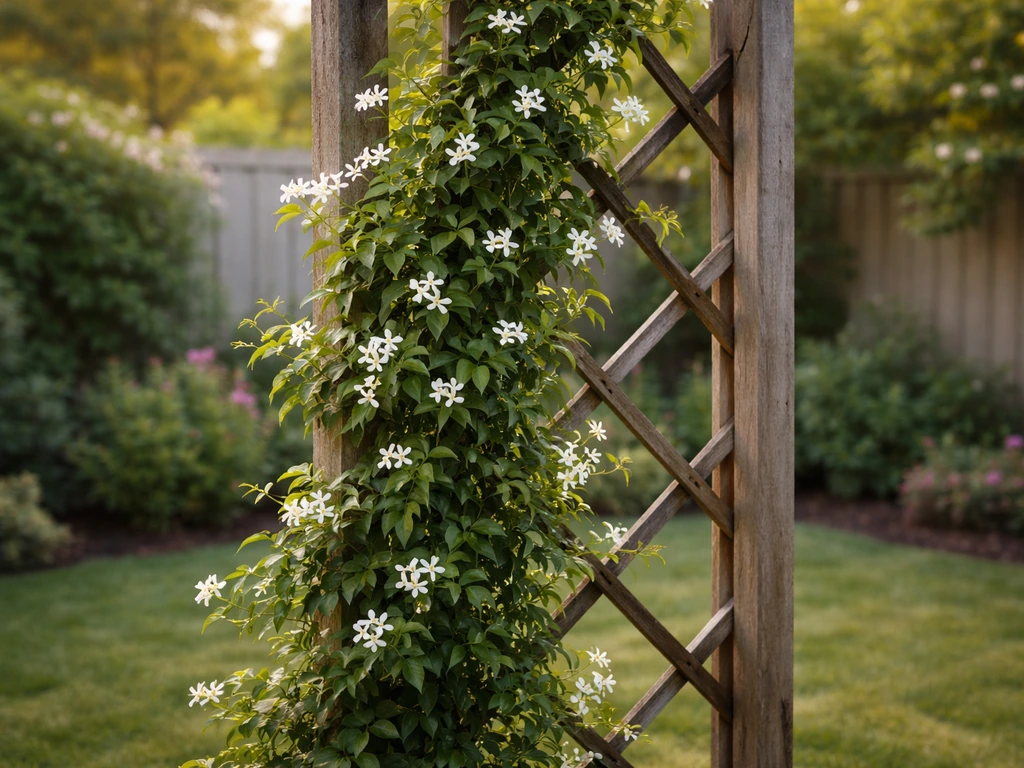
This is the classic white-flowered vine of cottage gardens, hardy to Zone 7 per Missouri Botanical Garden. It's deciduous, vigorous, and the most cold-tolerant of the true jasmines. Gardeners in the mid-Atlantic, mid-South, and Pacific Northwest with sheltered spots can grow this one successfully. It's also the jasmine that grows best in temperate climates where the other species would freeze out.
Pink jasmine (Jasminum polyanthum)
Rated for zones 8 to 11, this species cannot handle freezing temperatures at all. It's a great choice for California, coastal Oregon in mild spots, and the warmer parts of the South. In zones 6 and 7 it makes an excellent container plant that you bring inside before first frost. Its heavy late-winter to spring bloom is one of the most spectacular of any jasmine, so it's worth the container effort if you're outside its range.
Star jasmine (Trachelospermum jasminoides)
Despite not being a true Jasminum at all, star jasmine is the most widely grown jasmine-like plant in U.S. landscapes. It's evergreen, handles full sun to partial shade, and is hardy from Zone 7B through Zone 10. It's the go-to choice for anyone in the Southeast or California who wants year-round coverage and that sweet summer fragrance. Its bronze winter foliage color is a bonus most people don't expect.
Arabian jasmine (Jasminum sambac)
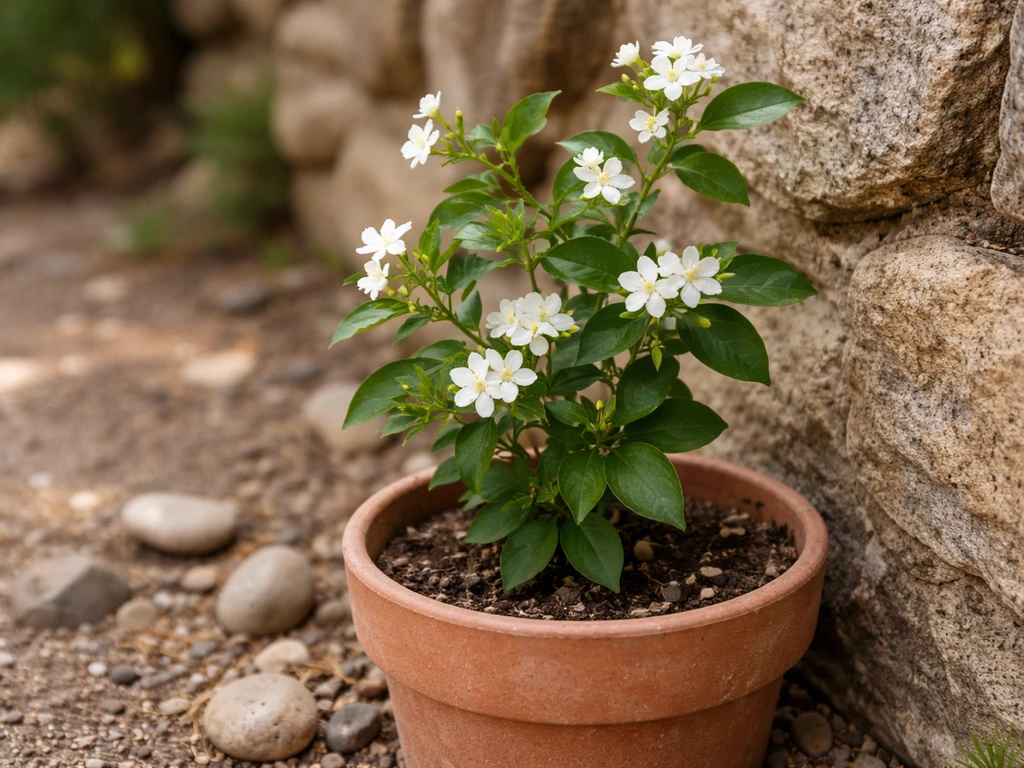
This is a strictly tropical plant rated for zones 9 to 10. It grows outdoors reliably only in South Florida, Hawaii, coastal Southern California, and similar frost-free climates. Everywhere else it's a container plant that needs a warm, bright indoor spot for winter. The flowers are intensely fragrant and it's the species used to make jasmine tea, so it's a popular choice even for indoor gardeners in colder zones.
Night-blooming jasmine (Cestrum nocturnum)
Night-blooming jasmine is technically a Cestrum, not a Jasminum, but it's sold and marketed as jasmine everywhere, so it's worth including here. Hardy to Zone 8, it grows outdoors across the Gulf Coast, Florida, and warmer parts of the Southeast and California. It prefers light, sandy, well-drained soil with a neutral pH and does best with consistent moisture. Its nighttime fragrance is famously powerful, sometimes described as almost overwhelming near an open window.
How to figure out if jasmine will work in your specific yard
Here is a practical sequence to follow before you buy anything.
- Look up your USDA hardiness zone using the official USDA Plant Hardiness Zone Map interactive tool at the USDA ARS website. Enter your zip code and you'll get your exact zone, including the half-zone designation (like 7A vs. 7B), which matters when you're borderline.
- Cross-reference that zone against the species table in this article. If your zone matches a species range, you have a viable candidate. If you're one zone short, a protected south-facing microclimate may bridge the gap.
- Walk your planting site and answer three questions: Does it get at least 4 to 6 hours of sun? Does it drain within an hour or two after heavy rain? Is it in a low spot where frost might pool? If you answered yes to the drainage question and no to the frost pocket question, you're in good shape.
- Check plant tags at the nursery against these zone numbers. A tag that says 'zones 8–11' on a plant you're buying for Zone 6 is a red flag, no matter how tempting it looks in bloom.
- If you're in Zone 6 or colder, plan for containers from the start. Use a pot large enough to give roots room, plant in well-draining mix, and have a plan to move the container to a bright, cool (but frost-free) indoor space before your first frost date.
One more thing worth knowing: the USDA hardiness zone map was updated in 2023 and some zip codes shifted by half a zone warmer. The USDA hardiness map uses half-zones (A/B subdivisions) to provide finer temperature ranges within each numbered zone half-zones (A/B subdivisions) within each numbered zone. The USDA itself cautions that this doesn't mean you should immediately change what you're growing, but if you've always felt your yard ran slightly warmer than your old zone suggested, the new map may finally confirm what you already suspected. Use that as an opportunity to try a species you previously wrote off.
If you're in a cold-zone location that falls outside jasmine's outdoor range entirely, the two best moves are choosing J. officinale as your hardiest outdoor option with good microclimate placement, or committing to a container-grown J. polyanthum or J. sambac that you treat as a seasonal plant. Either approach gets you the fragrance and the flowers. You just have to match your expectations to your climate instead of fighting it.
FAQ
If my zip code is in the right USDA zone, will jasmine definitely grow outside year-round?
In the U.S., jasmine “where it grows” depends on the exact type, not the zip code alone. A reliable way to choose is to match the plant to the coldest spot’s January and February nighttime lows (the frost risk window), then confirm your yard isn’t forming a frost pocket (low areas, north walls, or poorly exposed corners).
What should I check at the nursery so I don’t buy the wrong jasmine?
Avoid buying “jasmine” based on a scent description. Ask the nursery for the botanical name (Jasminum officinale, J. polyanthum, J. sambac, Trachelospermum jasminoides, or Cestrum nocturnum), because each has a different cold tolerance and different soil needs. Name confusion is one of the most common reasons people lose plants in winter.
Can I grow jasmine in a colder zone using a container?
Yes, containers can work even when outdoor hardiness is marginal. For colder zones, use a large pot with drainage (not a decorative sleeve), keep it near a wall or in a sheltered spot, and protect the crown before hard freezes. Bring the pot fully inside only when nighttime lows drop well below that jasmine’s minimum tolerance.
Why does my jasmine decline even though I’m watering it correctly?
Heavy clay and constant moisture can shorten a jasmine’s lifespan by increasing root rot and fungal leaf issues, especially for star jasmine (Trachelospermum) and common jasmine (Jasminum officinale). The practical fix is to improve drainage before planting, such as amending with coarse material or using a raised bed, then water deeply but less frequently once established.
How much sun does jasmine really need to flower?
Shade affects both survival and performance differently by type. Most jasmine flowers best with at least 4 hours of direct sun, and deeper shade usually reduces blooms even if the plant stays alive. Star jasmine can tolerate more shade than many, but expect fewer flowers if the site is too dim.
When should I prune jasmine so I don’t remove next season’s flowers?
Pruning timing matters because some jasmines bloom on newer growth while others set buds on older wood. If you prune right before bud formation, you can lose the season’s flowers. A safer approach is to lightly tidy in early spring after you see new growth, then do any heavier shaping right after the main bloom period for your specific jasmine type.
How do I adjust jasmine care if I live in a hot, dry climate versus a humid one?
Watering strategy changes by climate. In hot, dry regions, jasmine can struggle even in a theoretically “correct” zone because humidity is low, so add supplemental water and some afternoon shade. In humid areas, the goal is avoiding soggy soil, so prioritize drainage and don’t water on a fixed schedule during rainy periods.
How do frost pockets and microclimates change where jasmine can grow?
Microclimates can override the label on your plant tag. Cold air pooling in low spots can effectively drop your risk by about a zone, even if your overall neighborhood map looks safe. To reduce risk, plant on a slope or in an area that gets morning sun, and avoid placing vines against surfaces that trap cold (like uninsulated north walls).
Which jasmine-type is the best pick if I want the highest chance of outdoor survival?
If your goal is outdoor jasmine fragrance with the highest odds of surviving winter, common jasmine (Jasminum officinale) is typically the safest true-jasmine choice for colder climates. If you want the most reliable “jasmine-like” option, star jasmine (Trachelospermum jasminoides) covers more areas outdoors and is often easier to keep evergreen and showy, as long as drainage is good.
Is the jasmine used for jasmine tea the same plant I should buy for outdoor hardiness?
Yes, some jasmine is marketed as jasmine tea or “Arabian jasmine,” but those are usually Jasminum sambac. It is best treated as a warm, frost-free plant in most of the U.S., meaning you’ll need indoor winter conditions or a frost-free microclimate to keep it outdoors reliably.