Jasmine grows best in warm, humid climates with mild winters, plenty of sunlight, and well-drained soil. In the U.S., that translates to zones 7 through 11 for most varieties, with the Southeast, Gulf Coast, California, and the Southwest being the sweet spots. But here's the catch: what most people call 'jasmine' is actually several completely different plants, and each one has its own preferred territory. Get that part wrong and you could be setting up a plant that's borderline incompatible with your winters before you even dig the hole.
Where Does Jasmine Grow Best? Zones, Sun, and Type Guide
Marcus Hartwell
10 Apr 2026
Which jasmine are you actually growing?
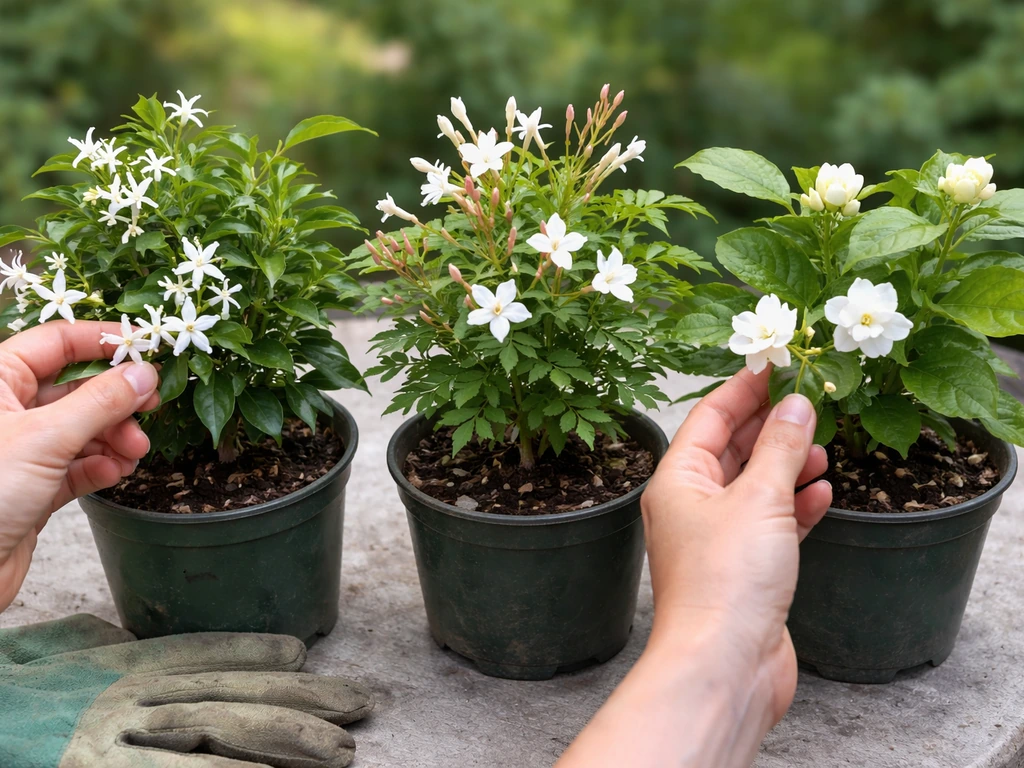
This is the most important question to answer before anything else, because the plants sold under the 'jasmine' label at most garden centers belong to at least three completely different botanical families. Knowing which one you have determines your entire growing strategy.
Common jasmine (also called poet's jasmine) is Jasminum officinale, a true jasmine in the Oleaceae (olive) family. It's the classic fragrant climber with white flowers and a sweet scent that's been in gardens for centuries. If someone says 'jasmine' without any qualifier, this is usually what they mean.
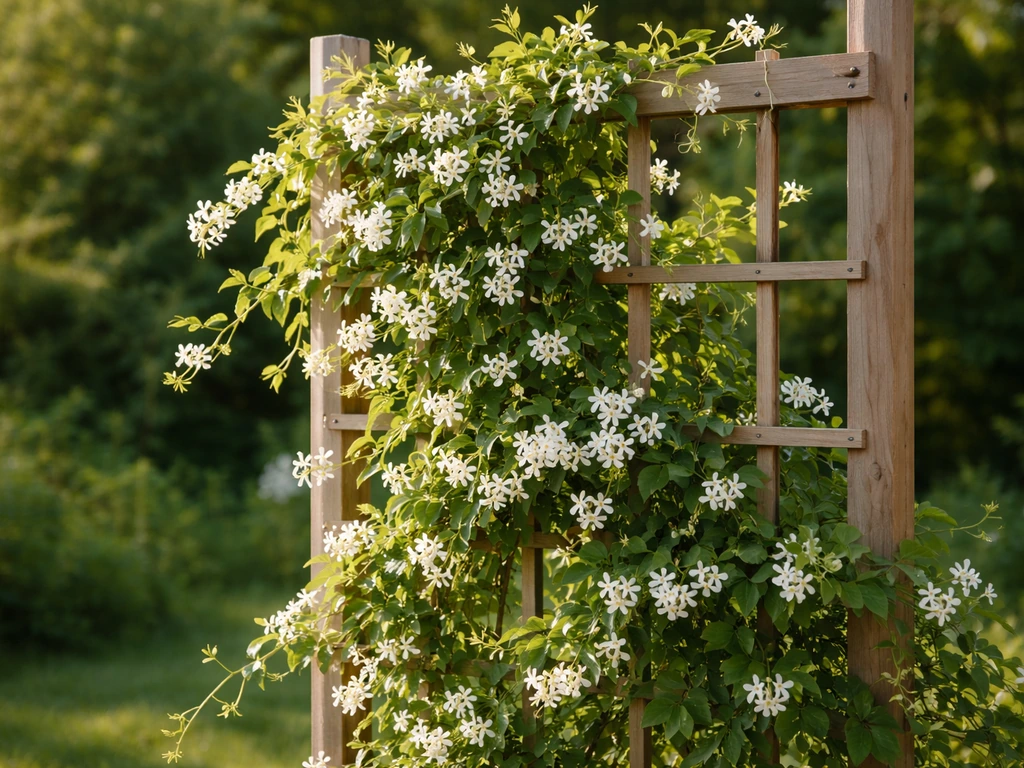
Star jasmine is Trachelospermum jasminoides, not a true Jasminum at all. It's also sold as Chinese star jasmine or Confederate jasmine. Despite the name, it belongs to a completely different plant family. It's an evergreen woody vine and one of the most popular landscape plants in warm-climate states precisely because it's tough, fragrant, and holds its leaves year-round. If you want to know more about where star jasmine grows and how it differs from the others, that guide goes deeper on its specific regional range.
Night-blooming jasmine is Cestrum nocturnum, which belongs to the Solanaceae (nightshade) family. People buy it specifically for its intense nighttime fragrance, but it's not a jasmine at all botanically. Its cold hardiness and growing needs differ enough from the others that it deserves its own category. If that's the plant you're chasing, a dedicated guide on where night-blooming jasmine grows will give you the full picture on its range.
For the rest of this guide, I'll focus primarily on common jasmine and star jasmine since those are the two most widely planted across the U.S. and the ones most people are actually trying to establish in their landscapes.
The climate conditions jasmine actually needs
Jasmine is a warm-climate plant at heart. It evolved in subtropical and Mediterranean-type environments, and that origin story tells you a lot about where it thrives and where it struggles. The key variables are winter lows, humidity, and the length of the warm season.
Temperature ranges and cold tolerance
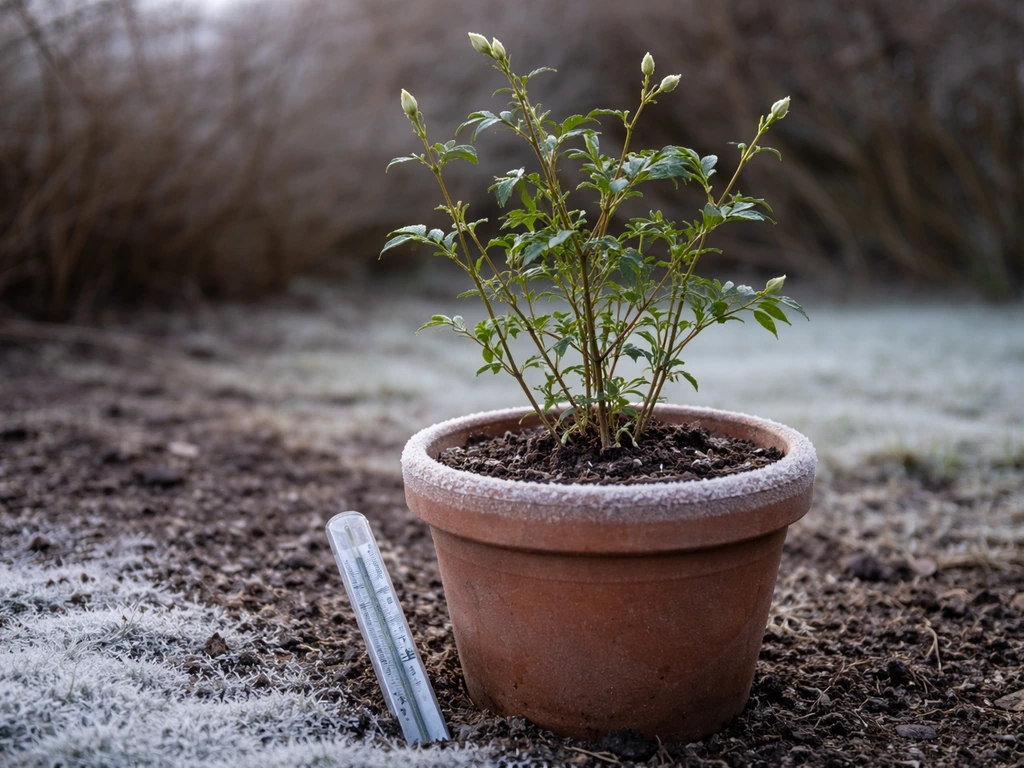
| Jasmine Type | Cold Hardiness (USDA Zone) | Winter Low Tolerance | Growth Habit |
|---|---|---|---|
| Common jasmine (J. officinale) | Zones 7–10 | Down to 0°F (zone 7 minimum) | Semi-evergreen to deciduous in colder zones |
| Star jasmine (T. jasminoides) | Zones 8–11 | Down to 10°F (zone 8 minimum) | Evergreen woody vine; may defoliate below 20°F |
| Night-blooming jasmine (C. nocturnum) | Zones 9–11 | Cannot tolerate sustained frost | Tropical shrub; dies back below 32°F |
blank" rel="noopener noreferrer">Common jasmine is the hardiest of the three and can handle zone 7 winters where lows occasionally dip to 0°F. Portland Nursery also notes common jasmine (Jasminum officinale) is “not reliable if left outdoors,” recommending bringing it indoors during cold months (mid-October to mid-May) bring common jasmine indoors during cold months (mid-October to mid-May). It may drop its leaves and look rough in February, but it comes back. Star jasmine is a zone 8 plant at its northern limit, meaning sustained temperatures below 10°F will kill it or seriously damage it. Night-blooming jasmine is the most cold-sensitive and really only works outdoors year-round in zones 9 through 11.
Humidity matters too. Jasmine generally prefers moderate to high humidity. It can adapt to drier conditions (especially common jasmine, which is noted for drought tolerance), but plants in arid low-humidity areas often look stressed and produce fewer flowers. The Pacific Coast's marine layer and the Southeast's humidity are part of why jasmine does so well in those regions.
Sun, shade, and picking the right spot
Common jasmine does well in full sun to partial shade, and it's notably drought and pollution tolerant once established, which makes it a solid choice for suburban landscapes near roads and fences. In hotter inland climates, afternoon shade actually helps it perform better and prolongs flowering. In cooler or coastal zones, full sun is preferable because the plant needs the warmth to flower reliably.
Star jasmine is similarly flexible. It will grow in full sun or part shade, but flowering is heavier in sunnier spots. One of its best uses in warm climates is as a ground cover on slopes or under trees where other plants struggle, so it handles filtered light well. In zone 8 where winters are marginal, a south- or west-facing wall that radiates heat provides a microclimate that can make the difference between a plant that survives and one that thrives.
- Full sun (6+ hours): Best for maximum flowering in all jasmine types
- Part sun (3–6 hours): Works well, especially in hot climates; may reduce bloom count slightly
- Deep shade (under 3 hours): Not recommended; plants get leggy, bloom poorly, and are more susceptible to disease
- South or west-facing walls: Ideal microclimate for borderline zones 7–8 where reflected heat extends hardiness
- Avoid low frost pockets: Cold air settles in low-lying areas; planting on a slight slope or elevated bed protects from radiation frost
Where jasmine grows best in the U.S. by region and zone
To get a broad understanding of where jasmine grows across different environments, it helps to think in terms of regional climate clusters rather than just zone numbers, because zones only tell you about winter lows, not summer heat, humidity, or rainfall.
Southeast and Gulf Coast (Zones 8–9)
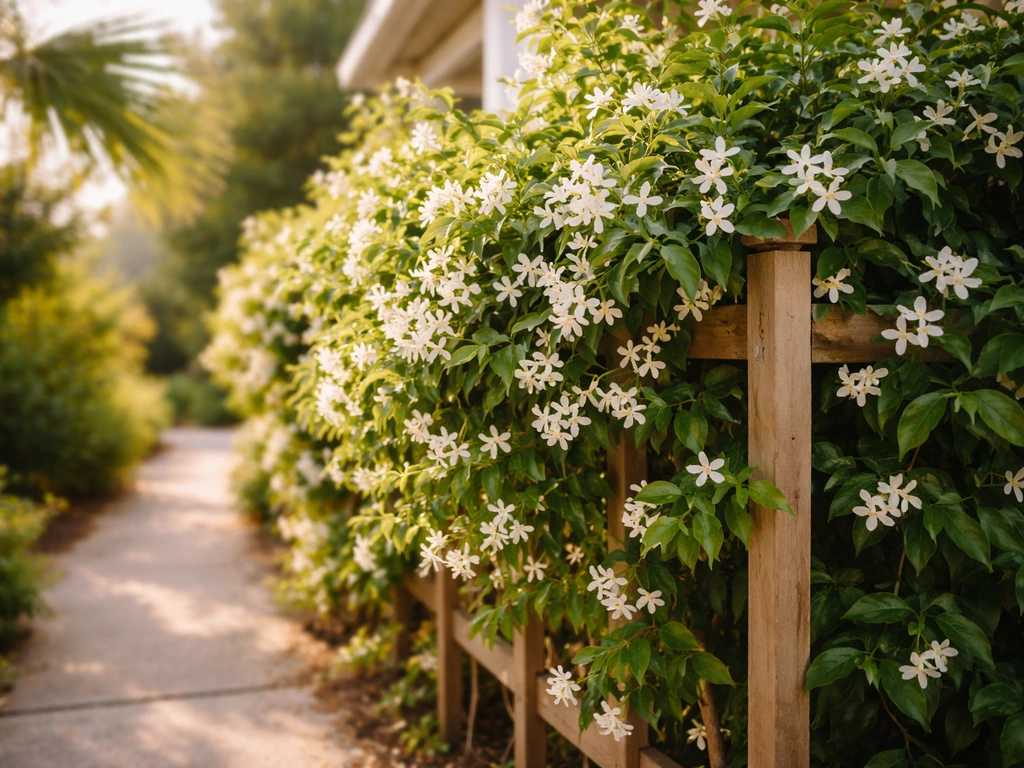
This is arguably the best jasmine territory in the country. States like Georgia, Alabama, Mississippi, Louisiana, Florida (north and central), and the Carolinas offer warm summers, mild winters, and enough humidity to keep jasmine happy. Star jasmine is used extensively as a ground cover and fence vine throughout this region. Common jasmine grows vigorously here and blooms for extended periods. Night-blooming jasmine does well in zone 9 areas like central and south Florida. If you live here, jasmine of some type almost certainly belongs in your landscape.
California and the Pacific Coast (Zones 9–11 coastal, 7–9 inland)
Southern California is one of the most reliable places in the U.S. to grow all three jasmine types. The combination of mild winters, long warm seasons, and low frost frequency is nearly ideal. Star jasmine is planted everywhere here, from San Diego to the Bay Area, both as a vine and a ground cover. Common jasmine handles the slightly cooler Northern California winters in zones 8–9 with ease. Even the Central Valley, which sees occasional frost, can grow jasmine successfully with a bit of winter protection. For a detailed look at where jasmine grows in the U.S. by state and zone, that breakdown covers California's regional variations thoroughly.
Southwest and Desert Southwest (Zones 8–10)
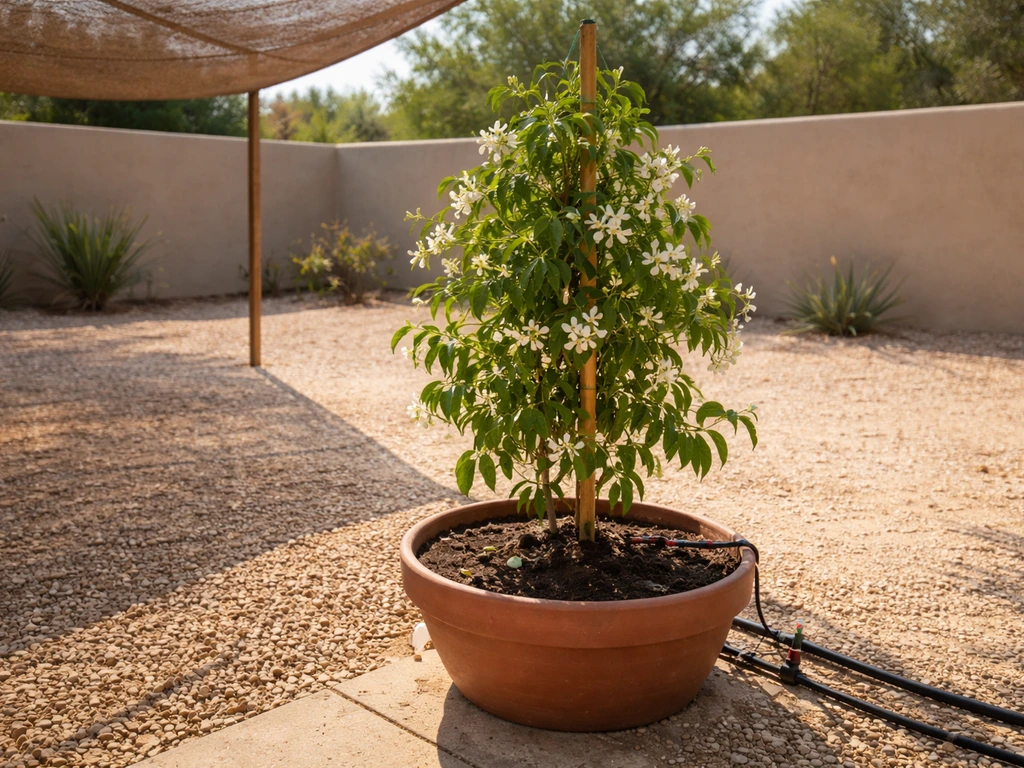
Arizona, New Mexico, and Nevada present a mixed picture. The low humidity and hot summers can stress jasmine, particularly in Phoenix or Tucson where summer temps regularly exceed 110°F. That said, star jasmine is planted in shaded, irrigated landscapes in these areas with reasonable success. The key is supplemental irrigation and afternoon shade. Common jasmine handles the heat better if it gets consistent moisture. Night-blooming jasmine can work in zone 9b and above in this region but needs reliable irrigation.
Mid-Atlantic and Upper South (Zones 7–7b)
This is marginal territory for star jasmine but workable for common jasmine. In Virginia, Maryland, Tennessee, Arkansas, and similar zone 7 climates, common jasmine can overwinter with some dieback and return in spring. Star jasmine is riskier here and will likely suffer in a hard winter. If you're in this zone and committed to jasmine, common jasmine is the better bet, and a protected south-facing microclimate helps significantly.
Pacific Northwest (Zones 7–9)
Western Oregon and Washington, particularly coastal areas, offer mild enough winters for both common and star jasmine, though the short warm seasons mean flowering can be less prolific than in California. Inland areas like Spokane or eastern Oregon fall into colder zone 6 territory where jasmine is not a reliable outdoor perennial.
Midwest, Northeast, and Mountain West (Zones 3–6)
These regions are outside the realistic outdoor growing range for any true jasmine or jasmine-like plant. If you're in Chicago, Denver, Boston, or Minneapolis, outdoor jasmine simply won't survive winter unprotected. Container growing with indoor overwintering is the only practical route, which I'll cover below.
Soil, drainage, and moisture: what works for each type
All three jasmine types share one non-negotiable: they will not tolerate waterlogged soil. Root rot is the most common way people kill jasmine, and it almost always traces back to poor drainage. Beyond that, each type has slightly different preferences.
| Jasmine Type | Preferred Soil | pH Range | Moisture Needs | Drought Tolerance |
|---|---|---|---|---|
| Common jasmine (J. officinale) | Loamy, well-drained; tolerates a range | 6.0–7.5 | Moderate; drought tolerant once established | Good — noted drought tolerant |
| Star jasmine (T. jasminoides) | Well-drained loam or sandy loam | 6.0–7.0 | Moderate; allow to dry slightly between waterings | Moderate once established |
| Night-blooming jasmine (C. nocturnum) | Rich, well-drained soil | 6.0–7.5 | Regular moisture; less drought tolerant | Low — needs consistent irrigation |
If your native soil is heavy clay, the fix is simple: raise the bed or amend with compost and coarse sand before planting. Planting jasmine in a low spot that collects water after rain is one of the most reliable ways to lose it over a wet winter. Even in warm climates, a plant sitting in saturated soil through a rainy season will develop root problems. Good drainage isn't optional, it's foundational.
In terms of fertility, jasmine is not a heavy feeder. A light application of balanced fertilizer in early spring and once mid-summer is sufficient for established plants. Over-fertilizing with nitrogen pushes leafy growth at the expense of flowers, which defeats the purpose of growing it.
Cold-climate options: containers, indoors, and overwintering
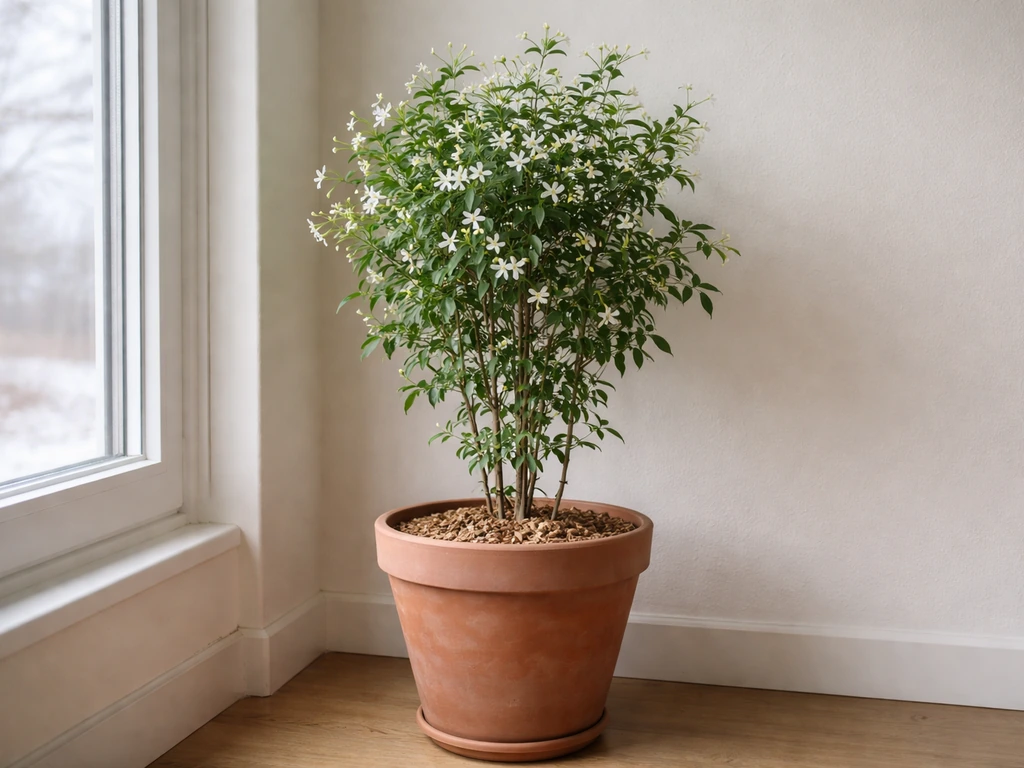
If you're in zone 6 or colder, outdoor jasmine is not going to work long-term as a landscape plant. But that doesn't mean you can't grow it at all. Container growing with indoor overwintering is a practical workaround, especially for common jasmine and night-blooming jasmine, which actually adapt reasonably well to pot culture.
The approach is straightforward: grow the plant in a large container (at least 12–15 inches in diameter with drainage holes) outdoors from late spring through early fall. When nighttime temps start dropping toward 40°F, bring it inside to a bright south-facing window or under grow lights. Jasmine in winter indoors needs at least 4–6 hours of direct light per day and cooler temperatures (55–65°F) to set flower buds for the following season. A consistently warm and dark indoor spot will keep the plant alive but reduce flowering significantly.
- Use a well-draining potting mix, not native garden soil, in containers
- Choose terra cotta or fabric grow bags for better drainage and aeration
- Bring indoors before first frost, typically when nights hit 40°F consistently
- Place in the brightest window available or supplement with a full-spectrum grow light
- Water less frequently in winter but don't let the root ball dry out completely
- Move back outside gradually in spring after last frost date once nights stay above 45°F
- Repot every 2–3 years as the plant becomes root-bound
Star jasmine is generally less suited to indoor container culture long-term because it's a vigorous woody vine that wants to sprawl. You can manage it with aggressive pruning, but common jasmine is the more practical indoor candidate. Night-blooming jasmine, being a tropical shrub, actually adapts reasonably well to container life and can be maintained as a potted specimen indoors in colder climates.
Before you buy: a quick yes/no checklist
Run through this before buying any jasmine plant. If you can answer yes to the key questions for your chosen type, you're in good shape. If you're hitting multiple 'no' answers, either adjust your site conditions or reconsider the variety.
- Identify your USDA hardiness zone first (use the USDA zone map with your zip code). Common jasmine needs zone 7+, star jasmine needs zone 8+, night-blooming jasmine needs zone 9+.
- Check your average winter low. If you regularly see temperatures below 10°F, star jasmine will not survive outdoors. If you see temps below 0°F, even common jasmine will struggle without protection.
- Assess your sun exposure. Do you have a spot with at least 4–6 hours of direct sun? Less than that and flowering will disappoint regardless of climate.
- Check your drainage. Pour a bucket of water in the planting spot. If it's still pooled after an hour, fix drainage before planting or choose a raised bed.
- Decide indoor vs outdoor early. If you're in zone 6 or colder, commit to container growing from the start rather than trying to overwinter in-ground plants.
- Match the type to your climate. In zones 7–8, go with common jasmine as your safer bet. In zones 8b–11, star jasmine is often the more practical and versatile landscape choice.
- Account for your microclimate. A south-facing wall or fence in zone 7b can effectively push you into zone 8 conditions for frost-sensitive plants. Use it.
The bottom line is this: jasmine is not a difficult plant where it's suited, and it's genuinely rewarding in the right climate. The Southeast, Southern California, the Gulf Coast, and Hawaii are where jasmine of all types grows best without any fuss. If you're in a marginal zone 7–8 area, common jasmine is a solid choice with smart siting. And if you're north of zone 7, containers are your friend. Start with the right type for your zone, get the drainage right, give it sun, and jasmine will likely exceed your expectations.
FAQ
If my USDA zone matches, will jasmine still fail sometimes?
It depends on which plant you have. True jasmine (Jasminum officinale) is far more likely to survive outdoors in zone 7, while star jasmine (Trachelospermum jasminoides) is usually only reliable closer to zone 8’s warmer winters. If you do not know the species on the tag, do not assume all “jasmine” labels share the same winter limit.
How do I improve jasmine survival in marginal winter conditions?
Yes, if your microclimate is off. A single unusually cold night combined with wind exposure can kill buds and roots even in a “good” zone. Choose a sheltered spot (near a wall, fence, or dense evergreen) and keep winter water minimal to prevent cold, wet stress.
Why doesn’t jasmine bloom well in hot, dry climates even if it survives?
Jasmine’s “sweet spot” is not just winter cold, it is also summer heat plus humidity. In very hot, dry inland summers, jasmine often blooms less. For best results, prioritize afternoon shade and consistent, not excessive, irrigation, and consider heavier mulch to stabilize soil moisture.
What drainage test should I do before planting jasmine in heavy soil?
Use drainage as your deciding factor, not just container or raised bed. If you have clay that holds water for more than a day after rain, jasmine is at high risk of root rot. Raised beds, coarse soil amendments, and avoiding low spots that collect runoff are the most effective fixes.
Why is my jasmine putting out leaves but hardly any flowers?
Yes, nitrogen-heavy feeding can reduce flowering. For established plants, a light balanced fertilizer in early spring and again mid-summer is usually enough, then stop. If you see vigorous leaf growth but few blooms, pause fertilizing and reassess sunlight and watering first.
Should I plant jasmine in full sun or partial shade based on my location?
Most jasmine does best with sun or bright light, but “full sun” can be too harsh in extreme heat. In very hot areas, afternoon shade often improves bloom consistency. In cooler coastal or northern zones, prioritize more direct sun to ensure enough warmth to flower.
What winter behavior is normal for each jasmine type?
It is normal for common jasmine to look ragged or lose leaves after winter stress, then regrow. Star jasmine typically keeps more foliage but may show cold injury in marginal years. For any type, avoid heavy pruning right after a cold snap, instead wait until new growth shows where it recovered.
What conditions do indoor overwintering jasmine need to bloom again?
Container overwintering works best when you can provide both light and cool conditions. Aim for a bright south-facing window or grow lights, and keep temperatures roughly in the mid-50s to mid-60s, not warm and dark. This supports bud formation for the next season.
Can I grow jasmine long-term in a container in a cold climate?
Yes, and it can be a common mistake because all three are sold as “jasmine.” Star jasmine is generally harder to manage long-term in pots because it becomes a woody, spreading vine. If you need a long-term indoor pot option in colder climates, common or night-blooming jasmine is more practical.
When is the safest time to prune jasmine so it flowers more?
Yes, but it depends on variety and timing. For star jasmine, pruning after the main flowering period helps maintain shape and encourages new growth. Avoid late-season heavy cuts that stimulate tender growth that may not harden before cold weather.