
For most jasmine types, the best time to plant outdoors is spring, after your last frost date has passed and nighttime temperatures are consistently staying above 40°F. That covers the majority of gardeners in zones 6 through 10. But the honest answer is more nuanced than that, because 'jasmine' is actually a handful of different plants with meaningfully different cold tolerances, heat needs, and ideal planting windows. Get the type right first, then match it to your zone, and the timing basically sorts itself out.
When to Grow Jasmine by Zone and Type: Planting Dates
Marcus Hartwell
15 May 2026
Jasmine types and why the timing changes
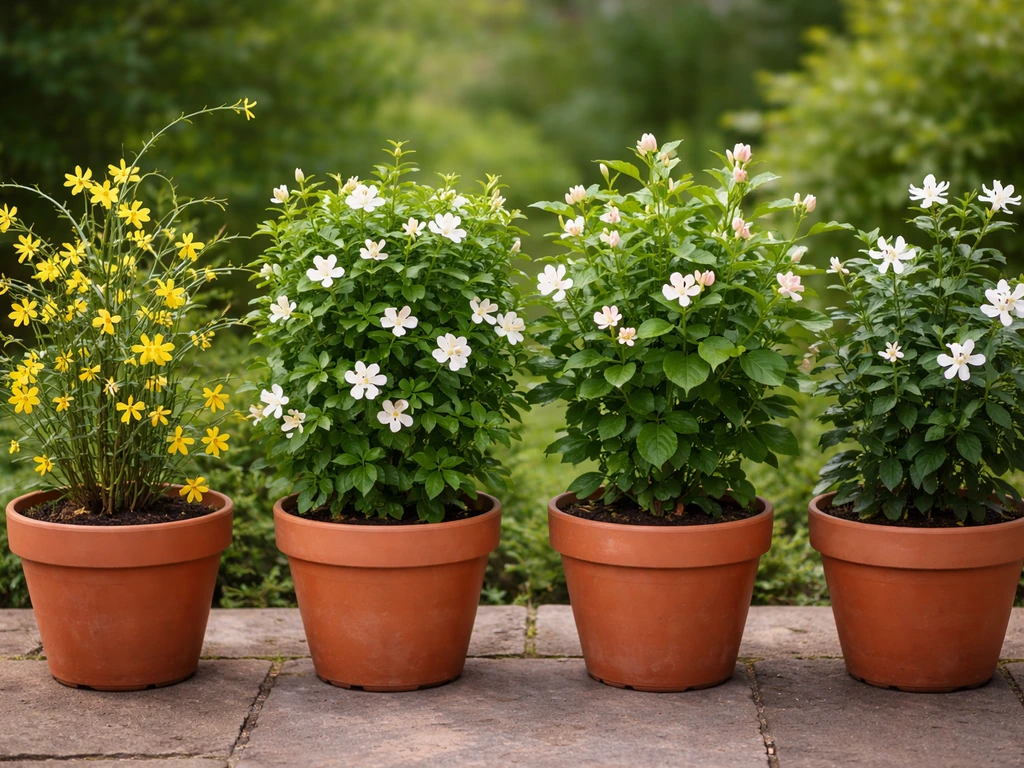
Most people searching 'when to grow jasmine' are picturing one of four or five plants that all share the jasmine name but behave very differently in the garden. Knowing which one you have (or want) changes everything about when and where you plant it.
| Type | Botanical Name | Hardy Zones | Key Timing Note |
|---|---|---|---|
| Winter Jasmine | Jasminum nudiflorum | Zones 6–10 (Heat Zones 6–9) | Blooms in late winter/early spring; plant in spring or fall |
| Common Jasmine | Jasminum officinale | Zones 7–10 | Plant in spring after last frost; needs cool nights to perform well |
| Star Jasmine (Confederate) | Trachelospermum jasminoides | Zones (7) 8–10 | Plant in spring; needs a warm wall or microclimate in zone 7 |
| Arabian Jasmine | Jasminum sambac | Zones 10–12 | Plant only when temps stay above 55°F; best as a container plant in most of the US |
| Primrose Jasmine | Jasminum mesnyi | Zones (7) 8–10 | Plant in spring; similar timing to star jasmine |
Winter jasmine (Jasminum nudiflorum) is the cold-toughest of the bunch. North Carolina Extension Gardener Plant Toolbox notes that winter jasmine (Jasminum nudiflorum) has a USDA hardiness zone rating listed for the plant. It can push out yellow flowers on a warm January day, then get knocked back by the next freeze and recover just fine. Common jasmine (Jasminum officinale) is the classic fragrant climber most people have in mind, and it's reliably hardy down to zone 7. Star jasmine is technically not a true Jasminum at all, but it's widely sold and searched under the jasmine umbrella, and it wants at least zone 8 to overwinter outdoors reliably. Arabian jasmine (Jasminum sambac) is a tropical species that genuinely needs temperatures above 55°F (13–15°C) at minimum, which rules it out as a landscape plant for most of the continental US.
Zone- and frost-based planting dates: how to pick your window
The simplest rule from the Old Farmer's Almanac holds up well in practice: plant jasmine in spring, after the danger of frost has passed. But your specific last frost date and USDA zone do a lot of the heavy lifting here, so let's break it down by region.
| USDA Zone | Typical Last Frost | Spring Planting Window | Fall Planting Option |
|---|---|---|---|
| Zone 6 | Mid-April to early May | May to early June | Early September (6–8 weeks before first hard freeze) |
| Zone 7 | Late March to mid-April | April to mid-May | Late September to early October |
| Zone 8 | Mid-February to mid-March | March to April | October |
| Zone 9 | Late January to February | February to March | October to November |
| Zone 10–12 | No frost risk | Year-round; avoid peak summer heat | Fall or winter planting preferred |
Fall planting is a genuinely underused option for gardeners in zones 7 and warmer. Planting 6 to 8 weeks before your first hard freeze gives roots time to settle in before dormancy, and the plant hits the ground running in spring. For zone 6 gardeners growing winter jasmine specifically, a fall planting in September can work well precisely because that species handles cold so much better than its relatives.
If you're in zone 6 or colder and eyeing common jasmine or star jasmine, be realistic: common jasmine is borderline in zone 6 and will need a sheltered spot, and star jasmine really doesn't want to be in the ground below zone 7 without serious winter protection. In colder climates like Ireland, choosing the most cold-tough jasmine type and using a sheltered spot can make growing it much more realistic growing jasmine in Ireland. That's not a reason to give up, but it does mean timing and location matter even more for you.
Best time to plant from seed vs transplant vs cuttings
Starting from seed
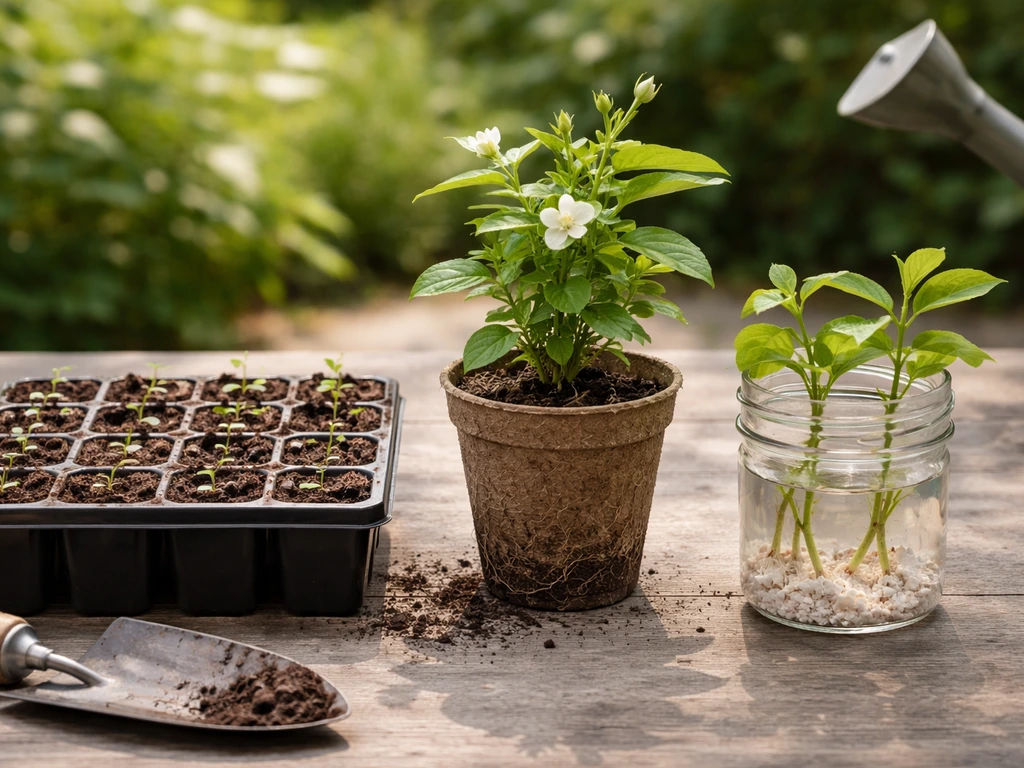
Seed propagation is rarely the go-to method for jasmine, and for some species it's essentially off the table. Arabian jasmine (Jasminum sambac), for instance, is cultivated almost entirely through cuttings and layering because it generally doesn't produce viable seed. For species that do set seed, germination often benefits from cold stratification (a period of cold, moist conditions that mimics winter) before the seed will sprout reliably. If you're going the seed route for a hardy species, sow indoors 10 to 12 weeks before your last frost date so seedlings are ready to go out in spring.
Planting transplants (nursery stock)
This is the approach most gardeners take, and it's the most forgiving. Buy a potted jasmine from a nursery and plant it out in spring once frost risk is done, or in early fall if you're in zone 7 or warmer. If you want to grow jasmine in a hanging basket, choose a trailing type and keep the potting mix evenly moist while you follow the same frost-and-temperature timing rules. Spring transplants have the whole growing season to get established before facing their first winter. Transplants are also your best bet if you want fragrance or blooms in the first year.
Growing from cuttings
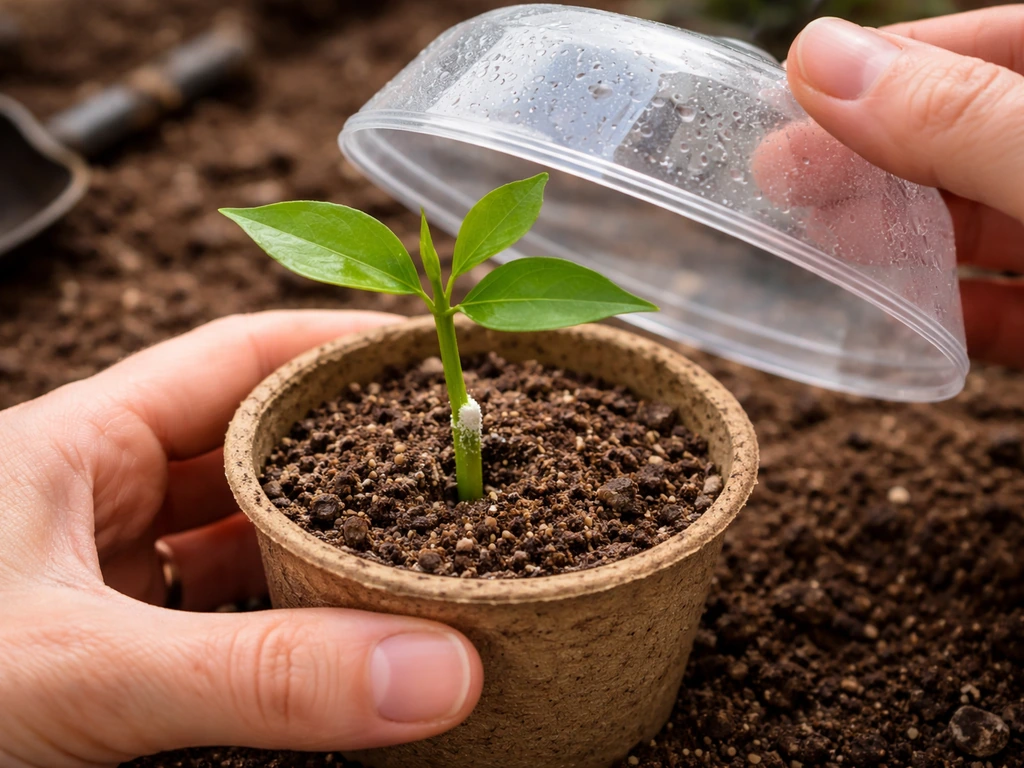
Cuttings are a great way to propagate jasmine, especially if you're expanding an existing plant or getting a start from a neighbor. The timing depends on which type of cutting you take. Semi-ripe cuttings (taken in summer when this year's new growth has started to firm up a bit) are the standard approach for most jasmine species, including Jasminum sambac per RHS guidance. Rooting takes roughly 6 to 10 weeks under warm conditions, so a cutting taken in July or August in most zones will be rooted and ready to pot up by September or October. Plan to overwinter rooted cuttings indoors in zones 7 and colder before planting out the following spring.
Indoor starting vs outdoor planting timing
In zones 6 and 7, starting jasmine indoors gives you a meaningful head start. Start seeds or root cuttings inside 6 to 10 weeks before your expected last frost date. Keep them in a warm spot (a heated propagation box or a warm windowsill works) and harden them off for 7 to 10 days before moving them outside permanently. WSU Extension also notes that stem cuttings root best under warm propagation conditions, such as in a greenhouse or propagation box Propagating Shrubs, Vines, and Trees from Stem Cuttings. The goal is to put a robust young plant in the ground once soil temperatures are reliably above 50°F, not a fragile seedling that will stall in cold soil.
In zones 9 and 10, indoor starting isn't necessary for timing reasons, though it's still a perfectly reasonable way to propagate cuttings year-round. For Arabian jasmine and other tropical types in those zones, the bigger concern is avoiding extreme summer heat for young plants rather than frost. Starting them in late winter or very early spring gives them a chance to establish before the hottest months hit.
Gardeners growing jasmine on a balcony or in containers have more flexibility here, since pots can be moved in and out. This is one reason container growing is such a practical option for jasmine in marginal climates.
Temperature thresholds jasmine needs to establish
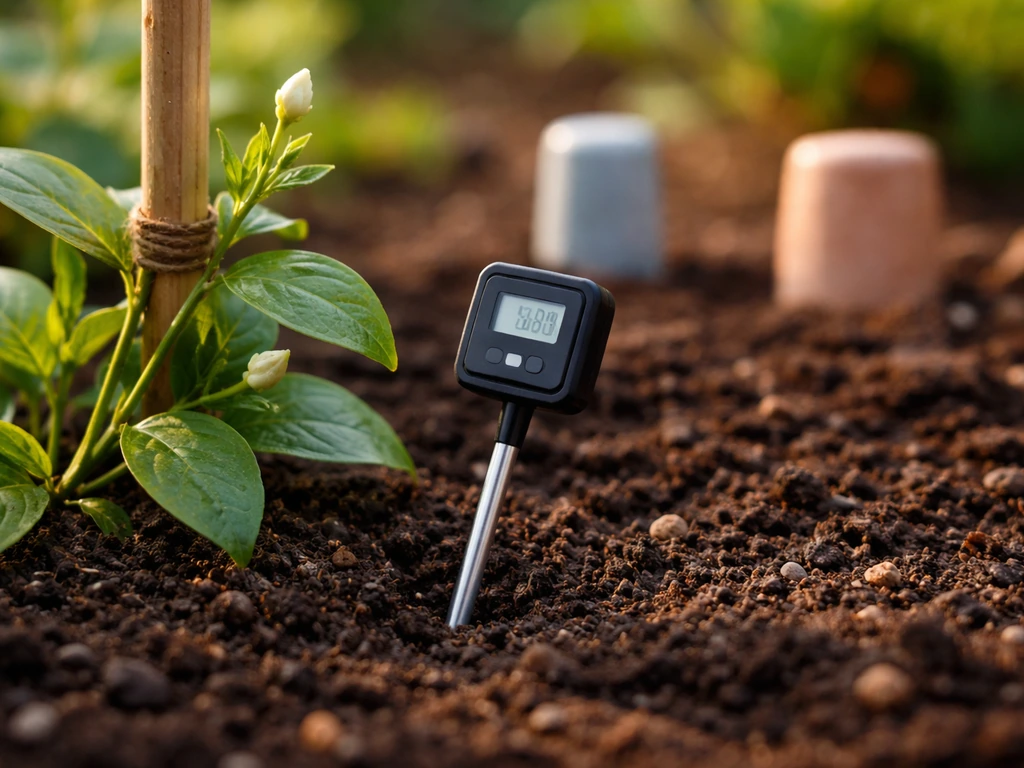
Temperature drives nearly every planting decision with jasmine, so here are the numbers that actually matter:
- Minimum nighttime temperature for outdoor planting: consistently above 40°F for hardy types (common jasmine, winter jasmine), and above 55°F (13°C) for tropical types like Arabian jasmine
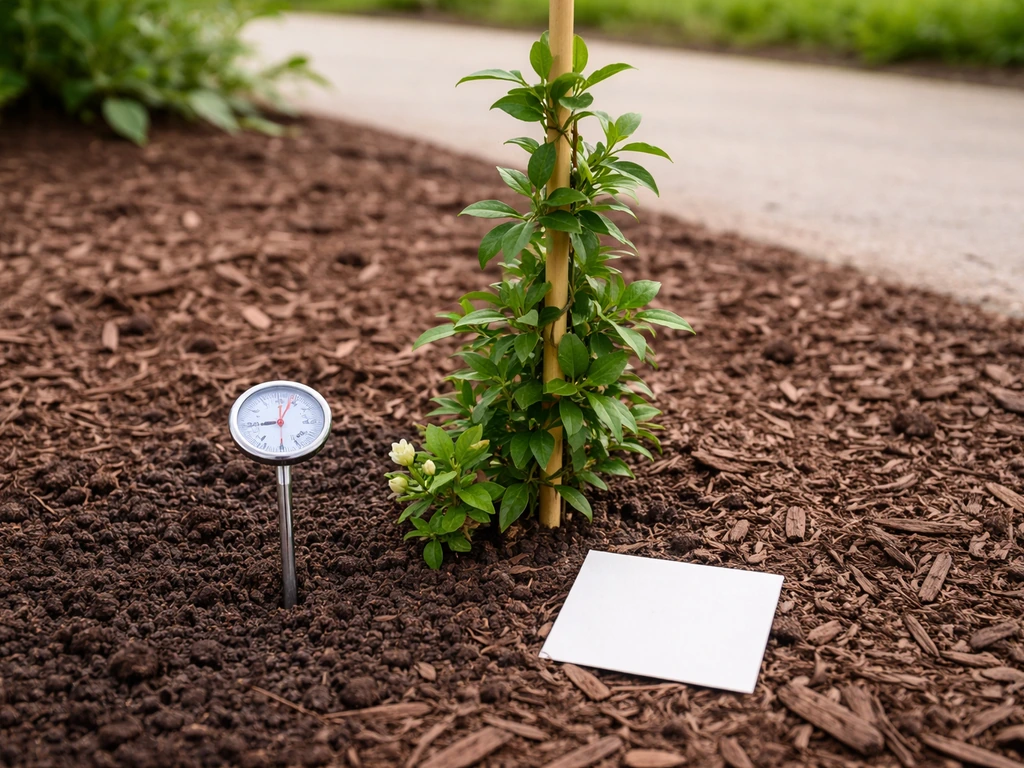
- Soil temperature for root establishment: at least 50°F; roots won't grow meaningfully in colder soil
- Cool-night requirement for winter jasmine blooming: needs several weeks of temperatures at or below 60°F to trigger flower production
- Common jasmine and Jasminum officinale also prefer cool nights and will often perform better in areas with some seasonal temperature swing rather than constant heat
- Frost damage threshold: even 'hardy' jasmines like common jasmine can suffer tip damage below 10–15°F; winter jasmine is the most frost-tolerant and can push through light snow
- Arabian jasmine cold limit: temperatures below about 55°F (13°C) stress the plant; anything near freezing is damaging
The practical takeaway is this: if your last spring frost has passed and nighttime temps are holding above 45°F, you're in the planting window for most hardy jasmine types. If you're trying to establish Arabian jasmine or another tropical species, wait until nights are reliably above 55°F, which in most of the continental US means late May or June unless you're in southern Florida, Hawaii, or similar climates. If you are wondering can daisy grow in India, focus first on matching the plant to your local temperatures and giving it protection when nights are cool.
If you miss the window: salvage options and protection
Missed the ideal spring window and it's now June or July? You can still plant, but you'll need to compensate for the heat stress young plants face when they go into the ground in summer. Water more frequently for the first few weeks, mulch heavily around the base to keep roots cool, and avoid planting during a heat wave. Most jasmine species are more resilient than people give them credit for, and a plant that goes in a bit late will often still get enough root establishment time before fall.
If you're already into fall and worried about the plant establishing before the first freeze, containers are your best option. Pot the jasmine up, keep it in a sheltered spot through winter, and plant it out next spring. This is a particularly good approach for star jasmine in zone 7, where the plant can survive outdoors but benefits from an extra full season of root development in a pot first.
For plants already in the ground going into a hard winter, a few practical protective steps help a lot: apply a 3 to 4 inch layer of mulch over the root zone before the ground freezes, use burlap wrapping on the above-ground stems for the most cold-sensitive types, and consider a temporary cold frame or frost cloth during any late-spring cold snaps. Winter jasmine is hardy enough to need very little of this, but common jasmine and star jasmine in their marginal zones will thank you for it. If your jasmine is in a spot that gets a north-facing wall without much sun, that's worth reconsidering, as a south or west-facing wall gives significantly more warmth and cold protection.
Quick zone-based checklist to plan your jasmine planting
Use this as your planning workflow before you buy anything. It takes about five minutes and saves you from planting the wrong jasmine at the wrong time.
- Find your USDA hardiness zone: enter your zip code at the USDA zone finder or check your state's extension service website
- Match your zone to a compatible jasmine type: zone 6 means winter jasmine is your safest bet; zone 7 opens up common jasmine; zone 8 and up adds star jasmine and primrose jasmine; zones 10–12 can grow Arabian jasmine outdoors
- Look up your average last spring frost date: your local extension office or almanac site will have this for your county
- Set your planting target: plan to put transplants in the ground 1 to 2 weeks after your last frost date, once nighttime temps are reliably above 40–45°F
- If starting from cuttings: count backward 6 to 10 weeks from your target planting date to know when to take and root cuttings indoors
- If in a marginal zone (e.g., zone 6 for common jasmine or zone 7 for star jasmine): choose a sheltered microclimate, plant in spring only, and plan to mulch heavily before winter
- If you're in zones 10–12 or growing in containers: focus on avoiding summer heat stress instead of frost, and consider a fall or late-winter planting schedule instead of spring
The zone-first approach is really the right way to think about this. A lot of jasmine disappointments come from gardeners buying a plant that looked beautiful at the nursery without checking whether it can actually survive a winter in their region. Get the feasibility question answered first, pick the right type for your climate, and then the timing decisions become much more straightforward.
FAQ
What nighttime temperature should I use if my weather app reports averages instead of lows?
For jasmine timing, go by the coldest nighttime readings (the “low” temperature) rather than a daily average. If you want a simple trigger, wait until lows are staying above about 45°F for most hardy types, and above about 55°F for Arabian jasmine, for at least a full week, not just one warm night.
Can I grow jasmine from a nursery pot outdoors immediately, even if it is spring?
Usually not right away. Even in spring, bring the plant up gradually because jasmine hates sudden temperature swings. Start by keeping it in its pot outdoors in a protected spot for 3 to 7 days, then plant once nighttime temperatures are reliably in the target range and the plant is not stressed by wind or cold snaps.
If I miss the spring window, is it better to wait until fall or plant in summer?
In most zones for hardy jasmine, summer planting can still work if you avoid heat waves and manage water and root cooling, but it is higher effort. If you can, early fall in zones 7 and warmer is often easier because you get cooler weather and longer time for roots before dormancy.
Does the recommended “plant 6 to 8 weeks before the first hard freeze” change for container-grown jasmine?
Yes. Containers can cool faster than in-ground soil, so the real goal is to prevent roots from freezing solid soon after planting. In practice, if you pot in fall, plan for a sheltered overwintering location (like a protected patio or unheated garage with some insulation) so the root ball stays from repeatedly freezing and thawing.
How do I know whether I should harden off jasmine before planting outside?
If the plant started indoors, from a greenhouse, or you bought it early in the season, hardening off matters. Move it to brighter conditions gradually for about 7 to 10 days, increasing sun exposure and outdoor time each day. This reduces leaf scorch and helps the plant handle outdoor wind.
Can I plant jasmine too deep, and does that affect when it grows?
Yes, planting too deep is a common reason jasmine stalls. Set the plant so the root ball sits at the same depth it did in the nursery container, then water in thoroughly. Extra-deep planting can keep the crown cooler than the plant wants and delay early establishment, especially for borderline hardiness types.
What’s the best time of day to plant jasmine when it is warm outside?
Plant in the cool part of the day, early morning or late afternoon, and keep the root ball shaded during transplanting. Jasmine seedlings and young transplants are more likely to wilt if you plant in mid-day heat, even if temperatures later drop to acceptable night lows.
Do cuttings need the same planting schedule as potted plants?
Not exactly. Cuttings primarily need warm rooting conditions first, typically about 6 to 10 weeks, then you pot up and treat them as young plants. In zones 7 and colder, rooted cuttings should usually overwinter indoors until spring planting conditions are met.
Is it safe to assume winter jasmine can go in earlier than common or star jasmine?
Usually, yes. Winter jasmine is more cold-tolerant and can handle colder spells better, but it still should not be planted when the soil is frozen or when you expect prolonged hard freezes right after planting. For winter jasmine, early planting in fall or slightly earlier spring is often more forgiving than for common jasmine.
What should I do if my soil temperature is still below 50°F in spring?
Timing by air temperature alone can be misleading. If the soil stays under about 50°F, young plants may sit still. Wait a bit longer or use a warming aid for containers (like placing pots against a warm wall, or using light insulation for the pot), but avoid forcing tropical types into cool soil.
Does jasmine placement change the best “when to grow jasmine” window?
It can, especially in marginal climates. A south or west-facing wall can add warmth and reduce wind, effectively making borderline types more successful within the same general planting dates. Still follow temperature triggers for the specific jasmine type, but expect placement to reduce stress if nights dip a little.