
Yes, you can grow jasmine in Ireland, but the type you choose makes all the difference. Winter jasmine (Jasminum nudiflorum) and common jasmine (Jasminum officinale) are both genuinely hardy enough for Irish conditions and can live outdoors year-round. Star jasmine (Trachelospermum jasminoides) is borderline, survivable in sheltered spots but risky in exposed or colder parts of the country. And tender types like Jasminum sambac? Those belong indoors or in a heated greenhouse. Pick the right one and jasmine is absolutely doable in Ireland. Pick the wrong one and you'll be pulling out dead stems every spring. Daisy is a completely different plant, so if you want to grow it in India, you should check the local climate and sunlight needs can daisy grow in india.
Can You Grow Jasmine in Ireland? Hardy Options and Tips

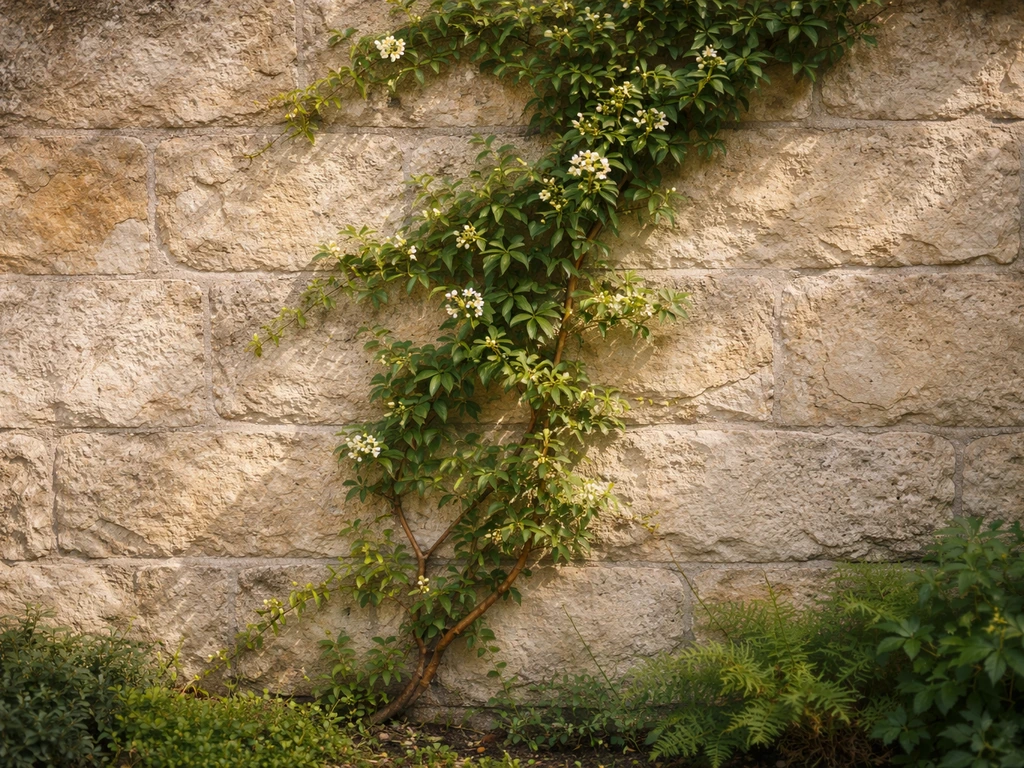
Which jasmine are we actually talking about?
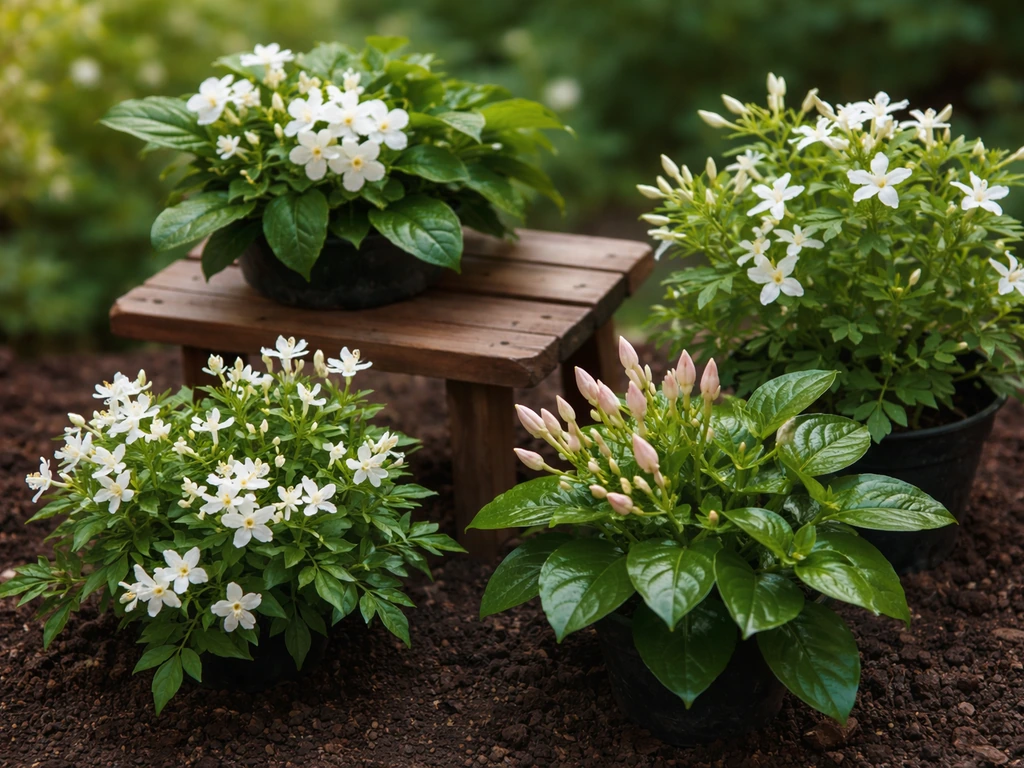
This is where a lot of confusion starts. Garden centres and online shops sell several completely different plants under the name 'jasmine', and they have very different levels of hardiness. Before you buy anything, you need to know exactly what you're getting.
| Common Name | Latin Name | Hardy in Ireland? | Scented? | Flowers When? |
|---|---|---|---|---|
| Common / True Jasmine | Jasminum officinale | Yes, reliably outdoor hardy | Strongly | Summer (June–September) |
| Winter Jasmine | Jasminum nudiflorum | Yes, very tough | Not really | Winter (December–March) |
| Star Jasmine | Trachelospermum jasminoides | Borderline – sheltered spots only | Strongly | Summer (June–August) |
| Arabian / Sambac Jasmine | Jasminum sambac | No – indoor/greenhouse only | Very strongly | Year-round indoors |
Common jasmine (Jasminum officinale) is what most people picture: a vigorous twining climber covered in small white, intensely fragrant flowers through summer. Winter jasmine (Jasminum nudiflorum) is a sprawling, yellow-flowered shrub that blooms on bare stems from December to March, which is a genuinely remarkable thing to have in the garden. Star jasmine (Trachelospermum jasminoides) is actually not a true jasmine at all, it's a different genus entirely native to eastern and southeastern Asia, but it has the scent and look people love. Jasminum sambac, sold in supermarkets as a houseplant, is a tropical species that simply won't survive an Irish winter outdoors.
The straight answer for Ireland: outdoor, container, or greenhouse?
Ireland's climate is mild and oceanic, which is genuinely good news for some jasmines. Winters rarely get brutally cold, but they are wet, frequently windy, and frost is common especially from November through March. Here's how each type stacks up.
- Jasminum officinale (common jasmine): Grow outdoors, no problem. It's rated fully hardy and handles typical Irish winters without any special fuss. This is the one to go for if you want fragrant white flowers on a climbing wall or fence.
- Jasminum nudiflorum (winter jasmine): Even tougher than common jasmine. Grows outdoors anywhere in Ireland, tolerates exposed positions, poor soil, and cold. Perfect for a north or east-facing wall if you want winter colour.
- Trachelospermum jasminoides (star jasmine): Possible outdoors in sheltered, warm microclimates, particularly in coastal areas of Cork, Kerry, Waterford, or Dublin's sheltered city gardens. In colder inland or elevated spots it needs container growing and winter protection, or a sheltered wall with south or west aspect. It's an evergreen, which makes frost damage more visible and painful.
- Jasminum sambac: Keep this one indoors as a houseplant or in a frost-free greenhouse. It is not outdoor-viable in Ireland at all.
Finding the best spot in your Irish garden
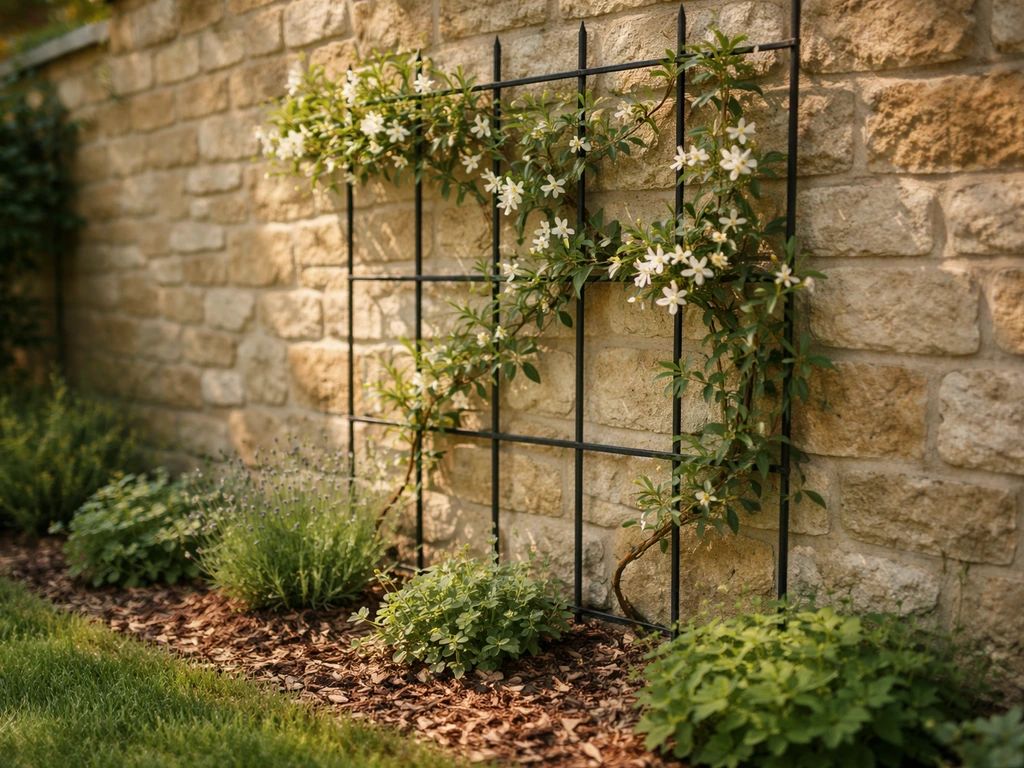
Location within your garden matters enormously in Ireland, probably more than which county you're in. A south-facing wall in Dublin can act like a different climate zone compared to an open bed five metres away. For common jasmine, a sunny south or west-facing wall, fence, or trellis is ideal. It needs at least four to six hours of direct sun a day to flower well. Shelter from the prevailing westerly winds is a huge bonus because wind strips moisture and can cause dieback on young growth.
Star jasmine needs the most careful positioning. A warm, sheltered, south-facing wall that absorbs heat through the day and radiates it at night is what you're after. Urban gardens, walled gardens, and coastal gardens in the south and west of Ireland are where star jasmine has the best chance of thriving outdoors. If you're in the midlands, the north, or at any altitude above 150 metres or so, container growing is more realistic for star jasmine. Yes, container jasmine is ideal for hanging baskets when you choose the right variety and give it consistent watering container growing is more realistic for star jasmine.
Winter jasmine is the most forgiving of all. It grows on north-facing walls, in partial shade, and in exposed spots where other climbers would struggle. Native to parts of China with cold winters, it's genuinely tough. Winter jasmine is also reported as native to China and is valued for flowering in winter blank" rel="noopener noreferrer">Native to parts of China. If you have a challenging, less sunny spot in the garden and want something that flowers in January and February when very little else does, this is your plant.
Hardiness and winter protection: what Irish conditions actually throw at jasmine
Ireland's winters are wetter than they are cold, which is a different challenge than the dry cold that hardiness ratings are primarily designed for. Waterlogged roots are just as likely to kill jasmine as frost. The RHS confirms that Jasminum officinale and Jasminum nudiflorum are both hardy outdoors in the UK and Ireland without protection. Trachelospermum jasminoides is the one to watch.
For star jasmine growing outdoors in a sheltered spot, protect it during its first two or three winters while it establishes. A layer of horticultural fleece over the foliage on forecast frost nights, and a thick mulch of bark chips over the root zone in November, will significantly improve its survival odds. Once it's established and well rooted into a warm wall, it becomes more resilient, but it may still show browning and leaf drop after a hard frost. This is not necessarily fatal, and new growth often pushes through in spring.
For container-grown star jasmine, the advantage is that you can move the pot into a frost-free shed, garage, or unheated greenhouse from November to March. The plant goes semi-dormant and doesn't need much light or water in that period. Jasminum sambac grown as a houseplant is simply kept in a warm, bright indoor space year-round.
Planting and care essentials to make jasmine succeed
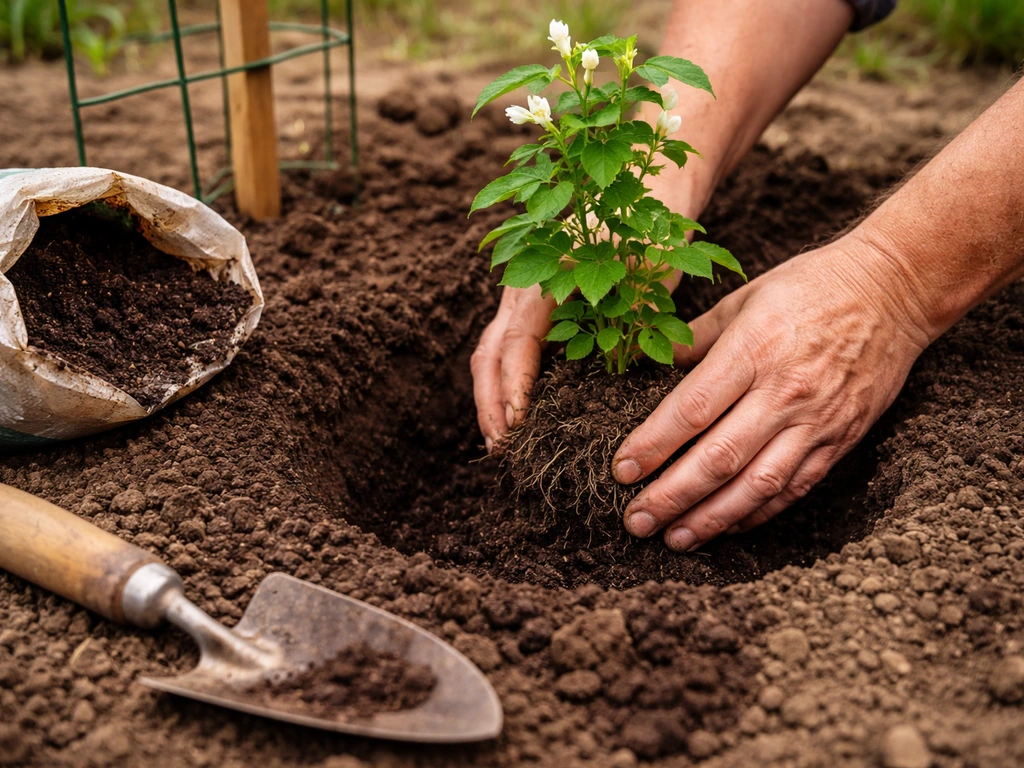
Jasmine isn't high maintenance, but getting a few fundamentals right at planting time saves a lot of frustration later. The biggest killers in Ireland aren't frost, they're waterlogged soil and shade.
- Plant in free-draining soil. If your garden has heavy clay (very common across Ireland), add grit and compost to the planting hole or build up a raised bed. Jasmine sitting in waterlogged soil through an Irish winter will rot at the roots.
- Position against a support immediately. Common jasmine and star jasmine both need trellis, wires, or a fence to climb. Winter jasmine is a sprawling shrub that can be trained as a climber but doesn't twine on its own, so tie shoots in as you go.
- Water well through the first summer. Even in Ireland's frequently rainy climate, newly planted jasmine against a wall can dry out in summer because walls and fences create a rain shadow.
- Feed in spring and early summer. A balanced granular fertiliser in April and a liquid tomato feed monthly through June and July encourages flowering.
- Prune after flowering. Common jasmine is pruned after its summer flush. Winter jasmine is pruned right after flowering ends in late February or March. Star jasmine rarely needs hard pruning but can be trimmed to shape in late spring.
One thing worth knowing: jasmine grown in a container, whether on a balcony, patio, or for winter protection, needs more consistent watering and feeding than one planted in the ground. Containers dry out faster in summer and need repotting every two to three years to keep the plant vigorous. If you're exploring jasmine for a balcony or patio setup, the approach is slightly different from wall-growing, and worth thinking through separately.
What to expect: when does jasmine actually flower in Ireland?
Be realistic in your expectations, especially in the first year or two. Jasmine, like most climbers, focuses energy on root and stem establishment before flowering heavily. 'Sleep, creep, leap' is an old gardening saying that applies well here. Year one: minimal flowers. Year two: noticeably more. Year three onwards: the full show.
- Common jasmine (Jasminum officinale) flowers from around June through to September in Ireland. The scent is strongest in the evening. A mature plant on a sunny wall can produce hundreds of small white flower clusters.
- Winter jasmine (Jasminum nudiflorum) flowers from December through to March, with bright yellow blooms appearing on bare, arching green stems. It has little to no fragrance, but the timing makes it extraordinary.
- Star jasmine (Trachelospermum jasminoides) flowers from June to August when grown in a warm enough position. The flowers are white, pinwheel-shaped, and very fragrant. In a borderline Irish climate it may flower less prolifically than it would in warmer regions.
- Jasminum sambac flowers almost year-round indoors in warm, bright conditions.
Poor flowering is the most common disappointment. In Ireland, the culprits are nearly always insufficient sunlight, too much nitrogen (which drives leafy growth at the expense of flowers), or a plant that hasn't had time to mature yet. A jasmine on a shaded or north-facing wall won't flower well, full stop. Winter jasmine is the exception, and it actually handles north or east aspects better than most.
Buying tips and the most common reasons jasmine fails in Ireland
When buying jasmine in Ireland, always check the label for the Latin name, not just the common name. A plant sold simply as 'jasmine' at a market or supermarket could be any of the species above, and if you don't know which you're buying, you can't plan for it properly. Garden centres with knowledgeable staff are worth seeking out for this reason. Look for Jasminum officinale or Jasminum nudiflorum for reliable outdoor planting. If you specifically want star jasmine, look for Trachelospermum jasminoides on the label.
Buy in late spring (May or early June) so the plant has the whole growing season to establish before its first winter. Avoid planting in autumn if you can, especially for star jasmine, as it gives the plant almost no time to settle in before cold weather arrives.
The most common reasons jasmine fails in Irish gardens, beyond buying the wrong type, are planting in heavy wet soil without improving drainage, putting it in too shaded a spot in hopes it will manage, not providing a proper climbing support from day one, and not protecting borderline-hardy types (especially star jasmine) through their first winter or two. None of these are difficult to avoid once you know to look out for them.
If you're working with a tricky aspect, it's worth knowing that winter jasmine is actually one of the best plants for a north-facing wall in the UK and Ireland, a challenge that trips up many gardeners looking for flowering climbers. And if you're planning around a specific structure like a balcony or a wall with limited sun, those factors shape which jasmine and which approach will actually work for you. If you want to time it right, the key point is knowing when to grow jasmine so it can establish before Ireland’s wet winters.
FAQ
Can you grow jasmine outdoors in Ireland without a wall or fence?
Yes, but only if you can give shelter and sun. A freestanding bed usually means more wind exposure and wetter soil. If you cannot place it on a south or west-facing wall, choose winter jasmine (Jasminum nudiflorum) and plant in a spot that gets at least a few hours of direct sun plus protection from the prevailing winds.
What’s the biggest reason jasmine fails in Ireland, is it frost or something else?
Waterlogged soil is often more damaging than cold. In wet, heavy ground, roots can rot before the plant shows obvious winter damage. Improve drainage at planting (add compost sparingly, consider grit or planting in a raised mound) and avoid planting where water sits after rain.
How much direct sun do I really need for flowering, and what if my garden is mostly shade?
For summer-flowering common jasmine (Jasminum officinale), plan on four to six hours of direct sun to get reliable blooms. If you are in mostly shade or only have north/east light, expect poor flowering and consider winter jasmine instead, since it is the most shade-tolerant option for Ireland.
Should I fertilize jasmine in Ireland, or does feeding make it worse?
Avoid heavy nitrogen feeding. Too much nitrogen can increase leaf growth while reducing flowers. Use a balanced feed sparingly in spring for containers, and in the ground focus more on drainage and sunlight than on rich feeding.
What’s the best planting time in Ireland for jasmine?
Late spring, roughly May to early June, is the safest bet because it lets the plant establish roots before the first winter. Planting in autumn can leave you with an under-rooted plant when wet, cold conditions arrive, which is especially risky for star jasmine.
Do I need to prune jasmine in Ireland, and when?
You usually prune to shape and to remove dead or damaged stems in late winter or early spring, after the worst frosts. For common and star jasmine, avoid aggressive pruning in autumn, because you can remove next season’s flowering wood and also encourage tender new growth before winter.
How do I train jasmine onto a trellis in a windy Irish garden?
Train new shoots early and secure them with soft ties, so the stems do not whip in strong winds. If the plant is not stable, dieback can start from broken young growth. Install the support before planting so you do not disturb the roots later.
Can I grow star jasmine in Ireland if I’m near the coast?
Often yes, but it depends on shelter and temperatures where you are. Star jasmine (Trachelospermum jasminoides) tends to do best in warm, sheltered south or west locations. If your site is exposed or you are at higher altitude, containers or extra winter protection for the first two to three years are the safer approach.
How should I protect jasmine during its first winter in Ireland?
Focus on star jasmine first. For outdoor plants, add a thick mulch over the root zone in November, and use horticultural fleece over the foliage on forecast frost nights during the first two or three winters. This is about reducing stress from cold and wet combined, not just from frost.
If I grow jasmine in a container, how should watering and feeding differ from planting in the ground?
Containers dry out faster, so keep watering consistent, especially in summer and during windy spells. Container jasmine also needs more regular nutrition to stay vigorous, and you generally should plan on repotting every two to three years to maintain good growth and flowering.
Why does my jasmine have lots of leaves but no flowers?
The two most common causes are too little direct sun and excessive nitrogen. Also, immature plants often do not bloom heavily until the second or third growing season, because they prioritize building roots and stems first.