
Yes, daisies can grow in India, but the answer really depends on which daisy you mean and where in India you live. Gerbera daisies do well across most of India's cooler months and in hill stations year-round. African daisies (Osteospermum) thrive in drier, cooler climates like the Deccan plateau and northern plains in winter. Shasta daisies are more limited, preferring the cooler hills of the north and south. If you pick the right type for your region and plant at the right time, you have a genuinely good shot at a healthy, flowering plant.
Can Daisy Grow in India? Best Types and Region Guide

Marcus Hartwell
20 May 2026
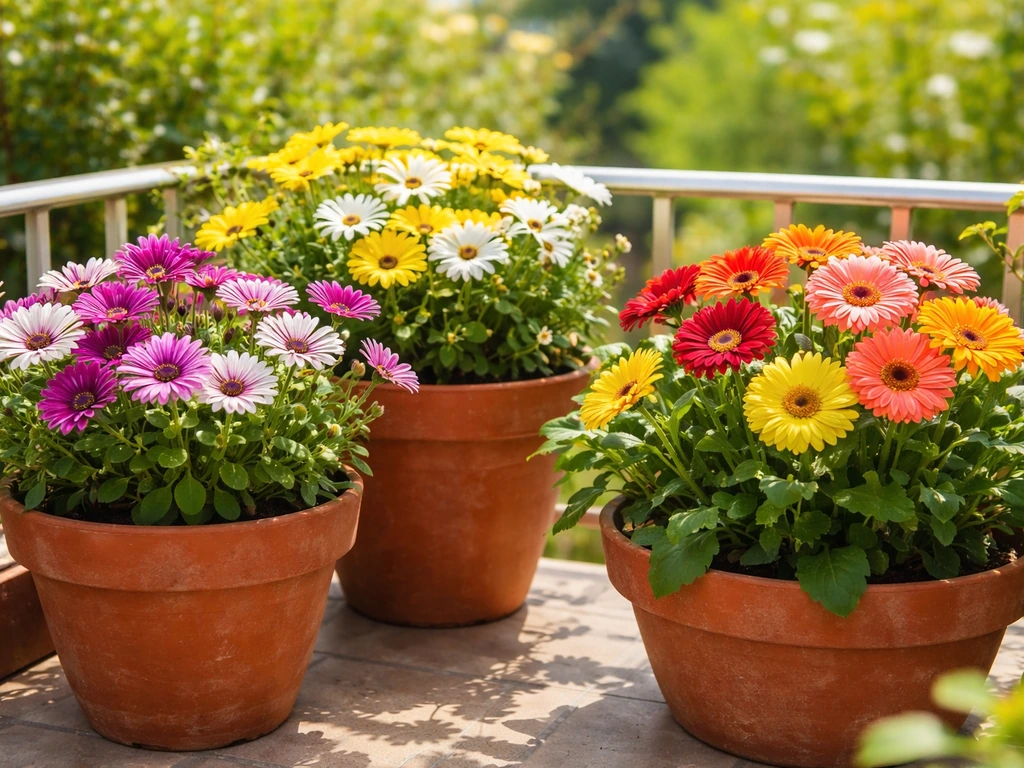
Which daisy type should you actually grow in India?
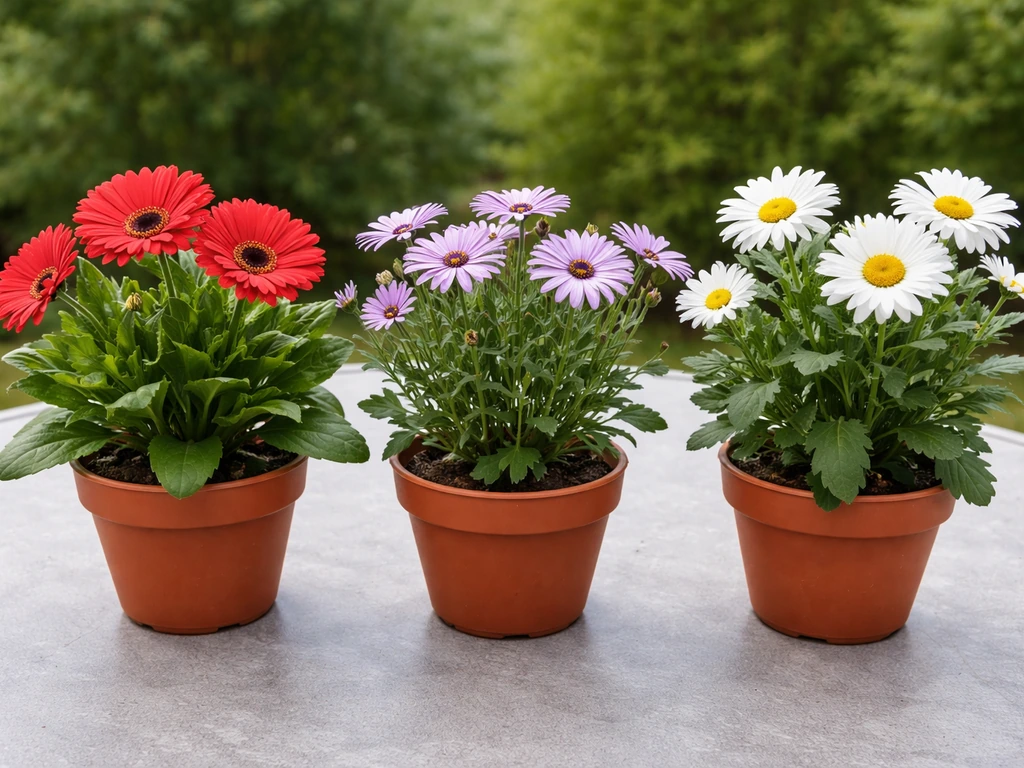
The word 'daisy' covers several completely different plants, and that matters a lot in India because they have very different climate needs. Here are the three types most commonly found in Indian nurseries and garden centers:
| Daisy Type | Botanical Name | Best Suited For | Hardest Part in India |
|---|---|---|---|
| Gerbera Daisy | Gerbera jamesonii | Most of India in cool season; hill stations year-round | Heat stress above 30°C, high humidity |
| African Daisy | Osteospermum spp. | Dry, cooler zones: Deccan plateau, northern plains in winter | Closes flowers in heat; dislikes humidity |
| Shasta Daisy | Leucanthemum × superbum | Cool hill stations: Himachal, Uttarakhand, Nilgiris | Will not survive tropical summers or coastal humidity |
Gerbera is by far the most forgiving and widely grown daisy across India. You'll find it commercially cultivated in Karnataka, Tamil Nadu, Himachal Pradesh, and Maharashtra. African daisy is a solid choice if you're in Pune, parts of Rajasthan, or the Indo-Gangetic plains between October and March. Shasta daisy is beautiful but genuinely difficult outside the hills. If you're in coastal Kerala, coastal Karnataka, or the deep south in summer, start with Gerbera and skip Shasta entirely.
Where in India daisies actually work: region by region
India's climate is anything but uniform, so let's be direct about what works where. Think of it in four broad zones:
- Northern plains (Delhi, UP, Punjab, Haryana): Gerbera and African daisy both work well as winter-to-spring crops, planted October through November and flowering through March. Summers are too brutal for any daisy outdoors.
- North and south hill stations (Himachal, Uttarakhand, Coorg, Ooty, Kodaikanal): Best daisy territory in India. Gerbera, African daisy, and Shasta daisy can all be grown here. Temperatures stay within ideal ranges much longer, and some spots allow near year-round cultivation.
- Deccan Plateau (Pune, Nashik, Bengaluru, Hyderabad): Gerbera is king here and is commercially grown in large polyhouses near Pune and Bengaluru. Mild winters and moderate summers mean a longer growing window than most of India. African daisy also does well from November to February.
- Coastal and tropical zones (Mumbai coast, Kerala, coastal Tamil Nadu, coastal Andhra): Gerbera can work in the cooler months (November to February) if drainage is excellent, but the combination of heat and humidity makes it challenging. African daisy and Shasta daisy struggle here. Focus on Gerbera in pots where you control the environment.
- Arid zones (Rajasthan, parts of Gujarat): African daisy tolerates drier air well. Gerbera works in winter. Extreme summer heat rules out all daisies from April through September.
Temperature, sunlight, and getting the season right
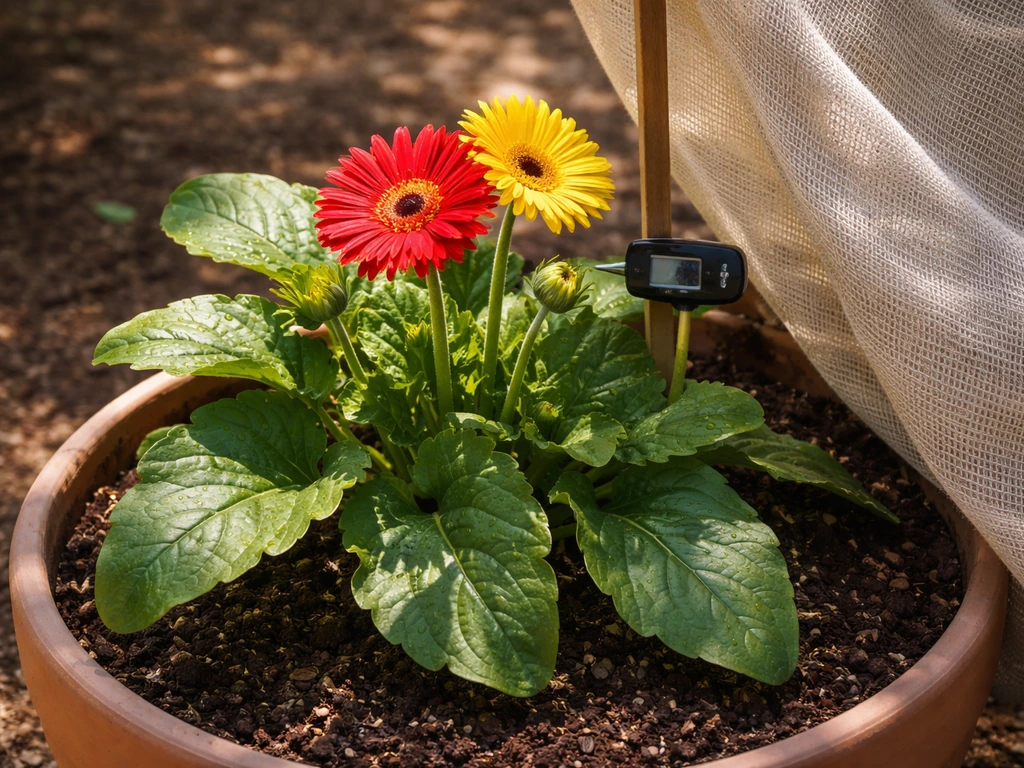
Gerbera hits its stride between 22 and 25°C during the day and prefers nights around 12 to 16°C. That's the sweet spot for flowering. Once daytime temperatures push past 30°C regularly, you'll see heat stress, wilting, and poor bloom set. African daisy is a bit tougher in the heat, but it actually closes its flowers during hot midday hours and needs cool nights below around 13°C to trigger good bud formation. Shasta daisy is the most cold-tolerant, thriving in USDA hardiness zones 5a to 9a, which broadly matches the cooler Himalayan foothills and southern hill stations.
All three types want full sun: at least 6 hours of direct sunlight daily. This is rarely the limiting factor in India. In fact, the opposite problem is more common: intense afternoon sun in summer causes scorch and stress. In hot, humid climates, a spot with morning sun and dappled afternoon shade actually works better, especially for Shasta daisy. For African daisy, higher light levels accelerate growth and flowering, so don't shade it out unnecessarily in cooler months.
The planting window is the single most important thing to get right. For most of lowland India, plant daisies between mid-October and late November. They'll establish during the coolest months, flower from December through March, and will decline naturally as heat builds in April. In hill stations above 1,500 meters, you can plant in spring (March to April) for summer flowering, or again in September for a winter flush.
Soil and drainage: the thing most Indian gardeners underestimate
Every daisy type is extremely sensitive to waterlogging. Root rot and crown rot are the top killers of daisies in India, and both happen because of poor drainage. Gerbera's soil pH should sit between 5.5 and 6.5 and the mix must be highly porous. In practical terms, this means you should not plant daisies directly into standard Indian garden soil (red laterite or heavy black cotton soil) without amending it. Mix in coarse sand, perlite, or well-composted organic matter to open up the structure. For pots, use a good commercial potting mix and add a handful of perlite per pot to keep it draining freely.
One common mistake is putting a layer of gravel at the bottom of a pot thinking it improves drainage. It actually doesn't work that way: water perches above the gravel layer and keeps roots wet for longer. What matters is drainage holes in the pot and genuinely well-draining media throughout. Make sure every pot you use has at least one large drainage hole, and elevate pots slightly if you're on a terrace that pools water during rain.
Watering, feeding, and basic care across Indian regions
Water consistently but let the top inch of soil dry out between waterings. In Indian winters, this often means watering every 2 to 3 days for pot-grown plants and every 4 to 5 days for in-ground plants depending on your location. In cooler hill stations, once a week may be enough. Avoid watering over the leaves and crown: wet foliage in humid conditions invites fungal disease fast. Water at the base of the plant, ideally in the morning so any splash dries off quickly.
For feeding, a water-soluble balanced fertilizer applied every 2 to 3 weeks during the active growing and flowering period works well for both Gerbera and African daisy. For Shasta daisy in the hills, a slow-release balanced fertilizer applied at the start of the growing season is simpler and effective. Don't overfeed with nitrogen-heavy fertilizers: you'll get lots of leaves and very few flowers. Back off on feeding as temperatures start to rise and the plant approaches the end of its season.
Deadheading (removing spent flowers) is one of the best things you can do to extend flowering. For African daisy and Shasta daisy especially, cutting off faded blooms encourages a second and even third flush. Gerbera flowers have longer stems, so snip them right down to the base of the stem rather than just the flower head.
Pots on the balcony vs planting in the ground: which is smarter in India?
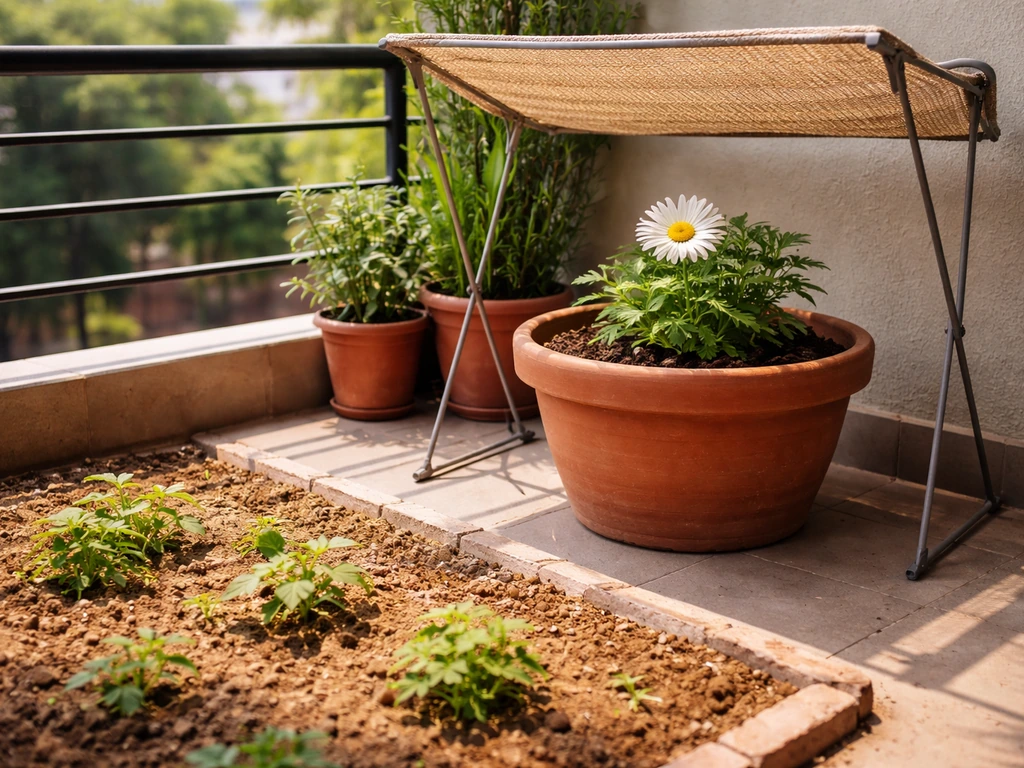
For most Indian gardeners outside the hill stations, growing daisies in pots is the smarter, more flexible option. Here's why: pots let you move the plant to shade when summer heat spikes, give you full control over soil drainage and quality, and make it easier to manage watering precisely. On a balcony or terrace in cities like Mumbai, Chennai, or Delhi, a pot with good potting mix and drainage is genuinely your best bet. Use pots at least 8 to 10 inches in diameter for a single Gerbera plant, and 10 to 12 inches for African daisy or Shasta daisy which spread a bit more.
In-ground planting makes sense in the Deccan plateau garden cities like Bengaluru and Pune, and in northern and southern hill stations where conditions stay hospitable long enough to justify a permanent bed. Raised beds are an excellent compromise: they give you better drainage than flat ground and the flexibility to amend the soil thoroughly without fighting whatever the natural soil is like in your area. If you're planting in-ground, choose a spot with slightly elevated ground so water doesn't pool at the crown after rain.
Problems you'll actually run into in India (and what to do)
Heat stress and wilting
The most common issue in lowland India is heat stress as temperatures climb past 28 to 30°C. Leaves go limp in the afternoon, flowers stop appearing, and the plant looks generally miserable. The fix is to move pot plants to a shadier spot, increase watering frequency slightly (but don't waterlog), and accept that the daisy's season is ending. There's no keeping a Gerbera blooming through a Delhi or Chennai summer outdoors. Work with the season, not against it.
Root rot and crown rot
If your plant suddenly collapses at the base or the lower stem turns brown and mushy, root rot or crown rot has set in, usually from overwatering or poor drainage. Pathogens like Phytophthora, Pythium, and Rhizoctonia are the culprits. At that point, the plant is usually lost. Prevention is everything: well-draining soil, drainage holes, and not watering before the top inch dries out. In high-humidity coastal areas during the monsoon, stop watering almost entirely for outdoor plants and rely on rainfall drainage.
Fungal diseases: Botrytis and powdery mildew
Botrytis (gray mold) shows up as fuzzy gray patches on leaves and flowers, especially in humid, poorly ventilated spots. Powdery mildew appears as a white powdery coating, more common during cool nights followed by warm days. Both are triggered by poor air circulation and wet foliage. Space your plants out so air moves between them, avoid overhead watering, and if you're growing in an enclosed balcony, make sure there's airflow. Remove affected leaves immediately and, if it's widespread, apply a copper-based fungicide or neem oil spray.
Aphids, whitefly, and other pests
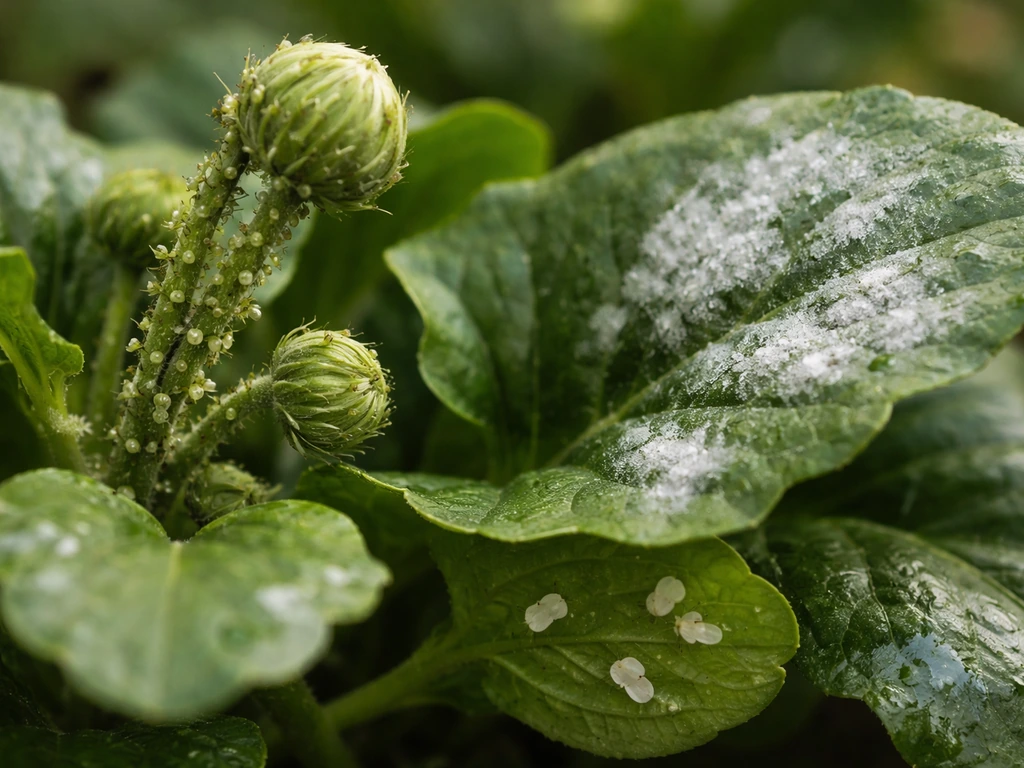
Aphids cluster on new growth and flower buds, and whitefly is common on Gerbera in warmer conditions. Horticulture. co. uk also advises improving air circulation and keeping foliage dry to help prevent problems, and notes that aphids can be an issue [Aphids cluster on new growth and flower buds](https://horticulture.
co. uk/blogs/growing/osteospermum-problems). Both are manageable with a strong spray of water to knock them off, followed by neem oil or insecticidal soap spray every few days until the population drops. Check the undersides of leaves regularly: that's where most pest colonies start.
In India, spider mites can also appear during hot, dry stretches, showing up as fine webbing and stippled leaves. Increase humidity around the plant slightly (misting the surrounding air, not the leaves) and use neem oil.
Not flowering: the light and season mismatch
If your daisy has plenty of leaves but no flowers, the two most common culprits are not enough direct sun and being planted too late in the season. Daisies need a minimum of 6 hours of genuine direct sunlight, not just bright shade. If your balcony or terrace faces north or gets blocked by a building for part of the day, flowering will be sparse.
If you are also wondering will jasmine grow on a north facing wall, the same idea applies: north light can limit flowering, so you need the right jasmine type and sun exposure balcony or terrace faces north. The second issue is timing: plants put in the ground in January or February in the plains don't have enough cool weeks ahead of them to establish and bloom well before summer hits.
Stick to the October to November planting window for best results.
Your planting checklist and next steps
- Identify your region: hill station, Deccan plateau, northern plains, coastal, or arid zone. This tells you which daisy type is realistic and how long your growing window is.
- Choose the right daisy: Gerbera for most of India in the cool season; African daisy for drier cooler zones; Shasta daisy only in true hill station climates above about 1,200 meters.
- Time your planting: Aim for mid-October to late November in lowland India. Hill station gardeners can plant in March to April or September.
- Pick your container or plot: Use pots (8 to 12 inches diameter with drainage holes) for balcony, terrace, or any area with heavy summer heat. Use in-ground raised beds in Bengaluru, Pune, and hill stations.
- Prepare your soil: Mix coarse sand or perlite into garden soil or commercial potting mix to ensure fast drainage. Target a slightly acidic pH of 5.5 to 6.5 for Gerbera.
- Place in full sun: Find a spot with at least 6 hours of direct morning sun. In hot, dry zones, some afternoon shade is a bonus, not a problem.
- Water at the base, not over the crown: Allow the top inch of soil to dry between waterings. More daisies die from overwatering than underwatering in India.
- Feed every 2 to 3 weeks: Use a balanced water-soluble fertilizer during the growing and flowering period. Skip heavy nitrogen feeds.
- Deadhead spent flowers: Cut faded blooms back to encourage continuous flowering through the season.
- Watch for pests and disease weekly: Check leaf undersides for aphids and whitefly. Act at first sign with neem oil spray. Ensure air circulation to prevent fungal issues.
- Accept the season: When temperatures reliably cross 32°C, let the plant wind down. Save energy for next October's planting rather than fighting the Indian summer.
If you're still narrowing down your garden plan, it's worth knowing that jasmine is another popular flowering plant with its own set of climate considerations across different growing environments, from balconies to garden walls, and comparing how it handles Indian-adjacent climates can help you think through what else to plant alongside your daisies for a longer seasonal display.
If you're also wondering when to grow jasmine, the timing and climate fit can make a big difference in how well it flowers. You can also grow jasmine in a hanging basket if you choose the right light, potting mix, and watering routine for your conditions jasmine is another popular flowering plant. Jasmine can be grown on a balcony too, but you will need to match its light and watering needs to your exact spot.
In Ireland, jasmine growth depends heavily on choosing the right variety and giving it enough sun and shelter from cold winds jasmine is another popular flowering plant.
FAQ
Can daisy grow in India if my city has very hot summers, like Delhi or Chennai?
Yes, but expect a seasonal run. Use Gerbera as the safest option, plant in the Oct to Nov window, and switch to pot-growing so you can move plants to a brighter morning-sun spot with some afternoon dappled shade when heat spikes past 30°C.
Which “daisy” should I buy in India, Gerbera, African daisy, or Shasta daisy?
If you want the easiest success across most of India, choose Gerbera. African daisy is more reliable in winter-cool regions, and Shasta should be treated as a hill-station specialty. If your nursery labels it just “daisy,” confirm it is Gerbera (common in local commerce) before buying.
Is it better to grow daisies in pots or directly in the ground in India?
For most non-hill locations, pots are easier because drainage and watering can be controlled. In-ground can work in areas where winter stays cool and you can build a raised bed with amended, porous soil. If your local soil is heavy black cotton, in-ground without raised-bed amendment usually fails.
Do daisies in India need full sun all day?
They need at least 6 hours of direct sun, but “full sun” at noon in summer can scorch. A practical setup is morning sun plus afternoon partial shade in hot climates, while keeping African daisy in brighter conditions during cool months.
Why did my daisy stop blooming even though the plant looks healthy?
Two common causes are insufficient direct light or late planting. If you planted in January or February in the plains, the plant often does not get enough cool weeks to establish and bloom before heat builds. Also check that it truly receives direct sun, not only bright shade.
How often should I water daisies in India during monsoon season?
In humid monsoon periods, watering usually becomes less frequent, especially outdoors. If the soil stays wet, keep the schedule flexible, let the top inch dry, and ensure strong drainage. For coastal high-humidity areas, many growers pause watering entirely and rely on rainfall draining away from the crown.
What is the biggest cause of daisy death in India?
Waterlogging leading to crown rot or root rot is the most common. Focus on drainage holes plus porous media. Also avoid “invisible” overwatering, where you water on a fixed calendar even as humidity stays high and temperatures are cool.
Does adding gravel at the bottom of the pot actually improve drainage?
Usually not. Water can remain perched above the gravel layer, keeping the root zone too wet. The real fix is a pot with large drainage holes and a consistently porous potting mix, optionally amended with perlite throughout.
What soil pH and mix should I aim for, especially for Gerbera?
For Gerbera, target roughly pH 5.5 to 6.5 and a highly porous mix. If you are mixing at home, include coarse sand or perlite plus well-composted organic matter, and avoid straight garden soil because it compacts and holds water.
How can I prevent fungal problems like botrytis or powdery mildew in Indian humidity?
Preventative spacing and airflow matter. Avoid wetting leaves and flowers, water at the base, and remove affected parts early. In enclosed balconies, you may need to run a fan or position plants where air movement is consistent.
My daisy has lots of buds but they turn brown and fall off. What should I check?
First check crown moisture and drainage. Then check light exposure, because weak direct sun can prevent proper bud development. Finally, inspect for sap-sucking pests like aphids or whitefly on the underside of leaves, since bud damage often follows pest feeding.
When is the best planting time for daisies in different parts of India?
In most lowland areas, mid-October to late November is the prime window. In hill stations above about 1,500 meters, spring planting (March to April) can work for summer bloom, and September planting can set up a winter flush. Avoid relying on January or February planting in the plains if you want early winter flowering.