Honeysuckle grows across virtually the entire contiguous United States, but that one-sentence answer hides a lot of nuance. Whether you're spotting it scrambling over a roadside fence in Georgia, sniffing it along a Michigan trail, or trying to figure out if it'll survive a Texas summer, the story depends heavily on which honeysuckle you're talking about. There are native species, ornamental cultivars, and flat-out invasive types, and they each have different range maps, different behaviors, and different implications for your garden.
Where Does Honeysuckle Grow in the US by State and Zone
Marcus Hartwell
9 Apr 2026
Honeysuckle's big-picture range in North America
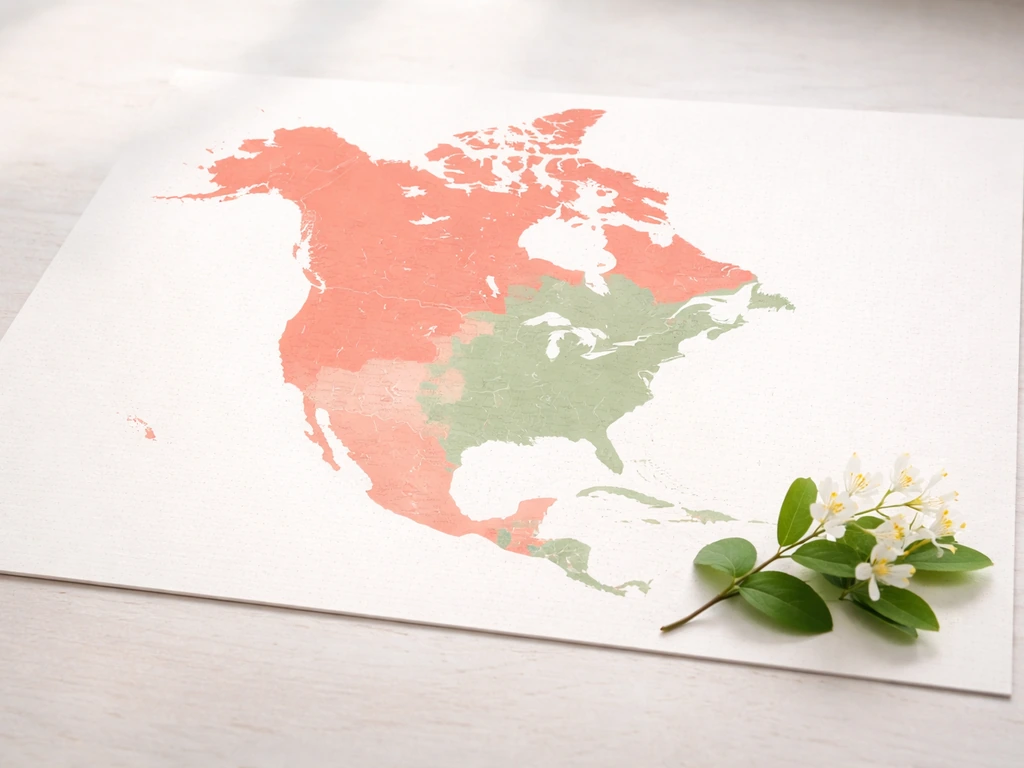
The genus Lonicera includes over 180 species worldwide, and North America has both native representatives and a handful of introduced species that have gone rogue. The native North American honeysuckles evolved here, mostly in the eastern half of the continent and in mountain corridors out west. The plants most people recognize, especially the fragrant, twining vines draped along fence rows and woodland edges, are often non-native species brought in from Asia and Europe as ornamentals that later escaped cultivation.
Japanese honeysuckle (Lonicera japonica), which originated in temperate China and East Asia, is now documented from Maine to Florida and west to Wisconsin and Texas, with scattered occurrences even in parts of the Southwest. Amur honeysuckle (Lonicera maackii), a shrub form, has spread heavily through the mid-Atlantic and much of the eastern US. And Morrow's honeysuckle (Lonicera morrowii) is another invasive shrub managed as a problem plant in places like national parks. These aren't rare edge cases, they're often the dominant honeysuckle you'll encounter in the wild east of the Mississippi.
Where honeysuckle grows by US region
If you want a regional breakdown, here's the honest picture of what's actually growing where, combining wild occurrence and garden viability.
Southeast and Mid-Atlantic
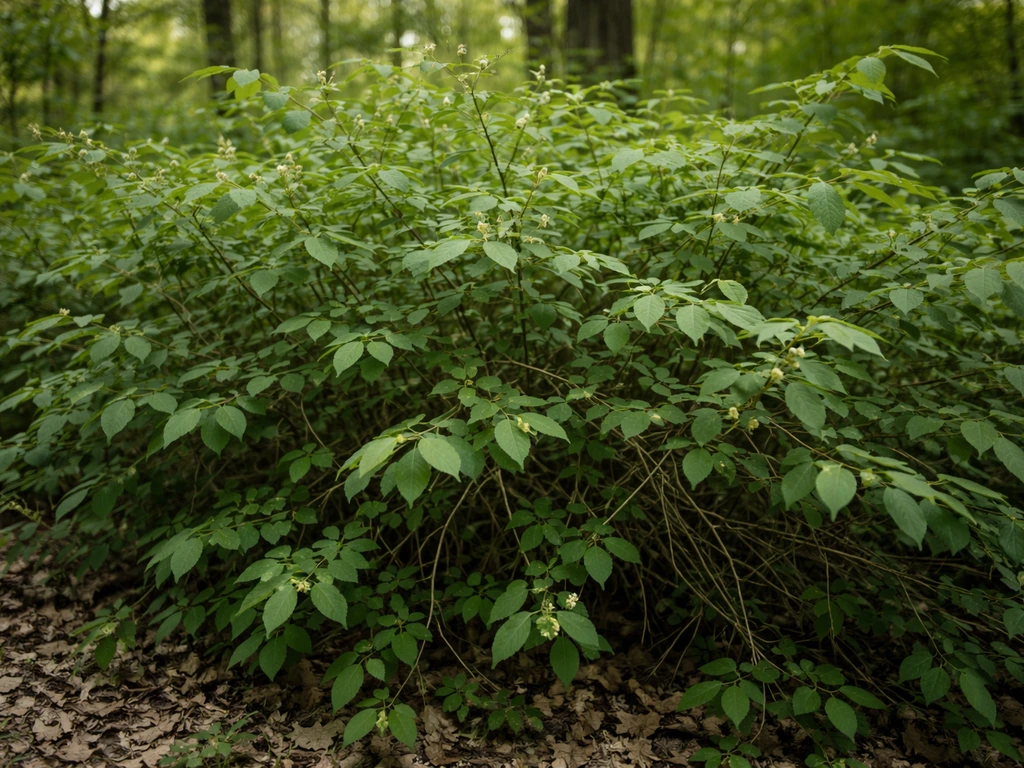
This is honeysuckle country. Both native and invasive species thrive in the warm, humid climates of states like Virginia, North Carolina, Georgia, Alabama, and Florida. Japanese honeysuckle is especially dominant here, blanketing roadsides, old fields, and forest edges. Native coral honeysuckle (Lonicera sempervirens) is equally at home and is genuinely the better choice for gardeners since it supports local hummingbirds without becoming a weed problem.
Midwest and Great Lakes
Honeysuckle, particularly invasive bush forms like Amur and Morrow's, has taken over woodland understories across Ohio, Indiana, Illinois, and into Missouri. If you're gardening in this belt and wondering about viability, yes, honeysuckle will grow, possibly better than you want it to. Growing honeysuckle in Michigan is very much possible, with both native species and ornamental cultivars performing well in the state's varied zones.
Northeast
From New England down through New York and Pennsylvania, honeysuckle is ubiquitous. Japanese honeysuckle reaches as far north as Maine, though its vigor slows in the coldest zones. Native species like Lonicera canadensis (fly honeysuckle) are actually more at home in colder northeastern forests. Ornamental cultivars selected for cold hardiness will perform fine in zones 4 and 5.
Texas and the South-Central US
Texas sits right at the southern edge of Japanese honeysuckle's documented invasive range. Native species like Lonicera albiflora (western white honeysuckle) appear in the Hill Country and western regions. If you're in the eastern half of Texas, invasive vining honeysuckle is likely already in your neighborhood. Honeysuckle in Texas spans a wide range of conditions from humid East Texas pines to dry West Texas scrub, so species selection matters a lot.
West Coast and California
California has scattered documented occurrences of Japanese honeysuckle, mostly in coastal and northern areas where moisture supports it. Native western species like Lonicera hispidula and Lonicera interrupta grow in chaparral and mixed woodland habitats. Ornamental honeysuckles do well in coastal gardens with moderate temperatures, but inland desert climates are tough without irrigation. Whether honeysuckle will grow in California really depends on which part of the state you're in and whether you're working with a native or cultivated variety.
Mountain West and Northern Plains
Cold hardiness becomes the limiting factor here. Honeysuckle species rated to zones 3 and 4 do exist, but the dry conditions in states like Montana, Wyoming, and the Dakotas add another challenge. Native shrubby honeysuckles found in mountain zones can handle the cold, but the fragrant twining vines most people picture need more moisture and milder winters than much of this region provides.
The USDA hardiness zones honeysuckle actually prefers
Most honeysuckle species are comfortable in zones 4 through 9, which covers a huge swath of the country. Japanese honeysuckle specifically is documented as hardy in zones 4 to 9, meaning it handles minimum winter temperatures down to around -30°F (-34°C) on the cold end and regular summer heat on the warm end. Native coral honeysuckle leans toward zones 4 to 9 as well. Some ornamental cultivars have been bred to push into zone 3. Beyond zone 9 (think southern Florida or desert Southwest), heat stress, drought, and the absence of a proper dormancy period can limit performance.
Moisture matters just as much as temperature. Japanese honeysuckle is notably sensitive to dry conditions. It thrives in humid eastern climates, grows in disturbed areas and bottomlands, and does best in full sun, but it tolerates partial shade reasonably well. For drier western climates, you'll need a more drought-adapted species or be prepared to irrigate consistently.
| Honeysuckle Type | USDA Zones | Best Regions | Growth Form | Invasive Risk |
|---|---|---|---|---|
| Japanese honeysuckle (L. japonica) | 4–9 | Eastern US, Mid-Atlantic, Southeast | Twining vine | High in eastern US |
| Coral honeysuckle (L. sempervirens) | 4–9 | Eastern and Central US | Twining vine | Low (native) |
| Amur honeysuckle (L. maackii) | 4–8 | Mid-Atlantic, Midwest, Northeast | Upright shrub | High in eastern US |
| Morrow's honeysuckle (L. morrowii) | 3–8 | Northeast, Midwest | Mounded shrub | High, NPS-managed |
| Western white honeysuckle (L. albiflora) | 5–8 | Texas Hill Country, Southwest | Twining vine | Low (native) |
| Lonicera hispidula / interrupta | 7–10 | California, Pacific Coast | Twining vine | Low (native) |
Native, invasive, or ornamental: how to tell what you've got
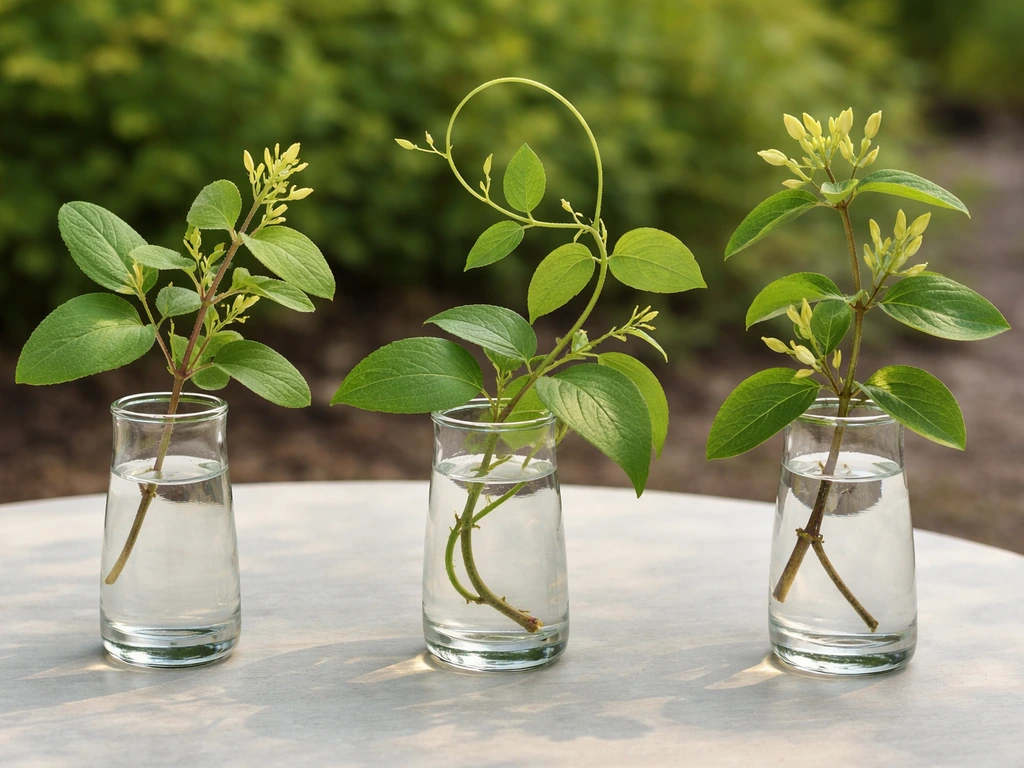
This is probably the most practically important part of the whole article, because a lot of honeysuckle advice online conflates these three categories. Treating them as interchangeable will either get you a garden weed problem or lead you to reject honeysuckle entirely when a native species would have been perfect.
Start with growth form. Is it a vine twining around other plants, or is it a freestanding shrub? Invasive vine types (mostly Japanese honeysuckle) spiral up and over everything in their path. Invasive shrub types (Amur, Morrow's, Belle honeysuckle) form dense rounded bushes 6 to 15 feet tall and shade out native understory plants. Native coral honeysuckle is also a vine, but it's well-behaved and doesn't smother everything around it.
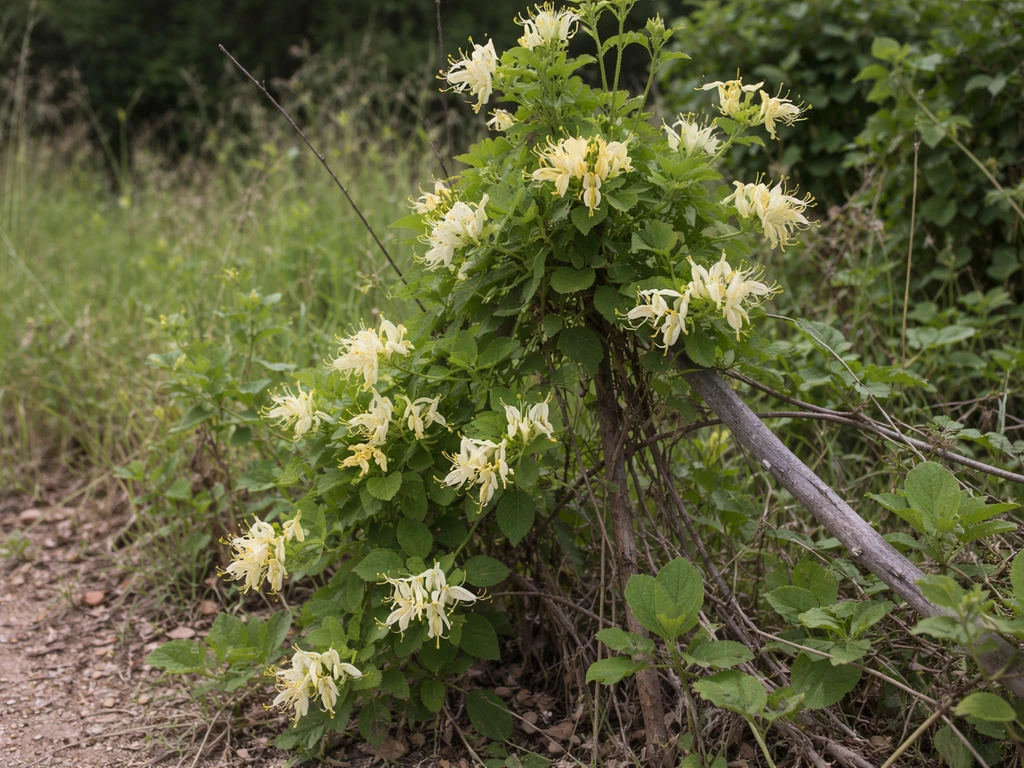
Look at the flowers and fruit. Japanese honeysuckle has white or yellow tubular flowers that are highly fragrant, often with paired blooms. Coral honeysuckle has narrow red-to-orange tubes with yellow interiors and is far less fragrant. Invasive bush honeysuckles (Amur and Morrow's) have white or pink flowers and produce masses of red berries in fall. If you see an arching shrub covered in red berries along a trail in Ohio, it's almost certainly an invasive bush type.
Check your hollow stems. blank" rel="noopener noreferrer">Invasive Asian bush honeysuckles have hollow stems. Native American bush honeysuckles (like Diervilla species, which are sometimes called bush honeysuckle but are a different genus) have solid stems. This is a quick field test when you're trying to ID a shrub. If you're working with understanding where honeysuckle typically grows in its natural habitat, knowing whether the plant is native or invasive will shape how you manage or use it.
Where to find honeysuckle growing near you
The best way to confirm honeysuckle can survive in your area is to look for it growing there already. Here's where to look by region and type.
- Eastern US roadsides and forest edges: Japanese honeysuckle is almost guaranteed along fence rows, utility corridors, and any disturbed woodland margin from spring through fall.
- Midwest woodland understories: Look for Amur and Morrow's honeysuckle as dense multi-stemmed shrubs along hiking trails, especially in state parks and forest preserves. They tend to leaf out earlier than native plants in spring, which is a good visual cue.
- Southeast and Gulf Coast: Native coral honeysuckle turns up in open woodlands and along stream banks. It's often planted on garden fences and pergolas in the region, so neighborhood landscapes are a good reference point.
- Mountain West and Pacific Coast: Look for native species in chaparral scrub, mixed conifer forest edges, and canyon walls. Botanical garden displays in your region are usually the fastest way to see what's locally appropriate.
- Northern states and Canada border zones: Ornamental cultivars sold at nurseries in zones 3–4 are your best evidence of what survives. Ask nursery staff which varieties they see come back reliably year after year. That's real-world zone testing you can trust.
How to figure out if honeysuckle will actually work in your yard
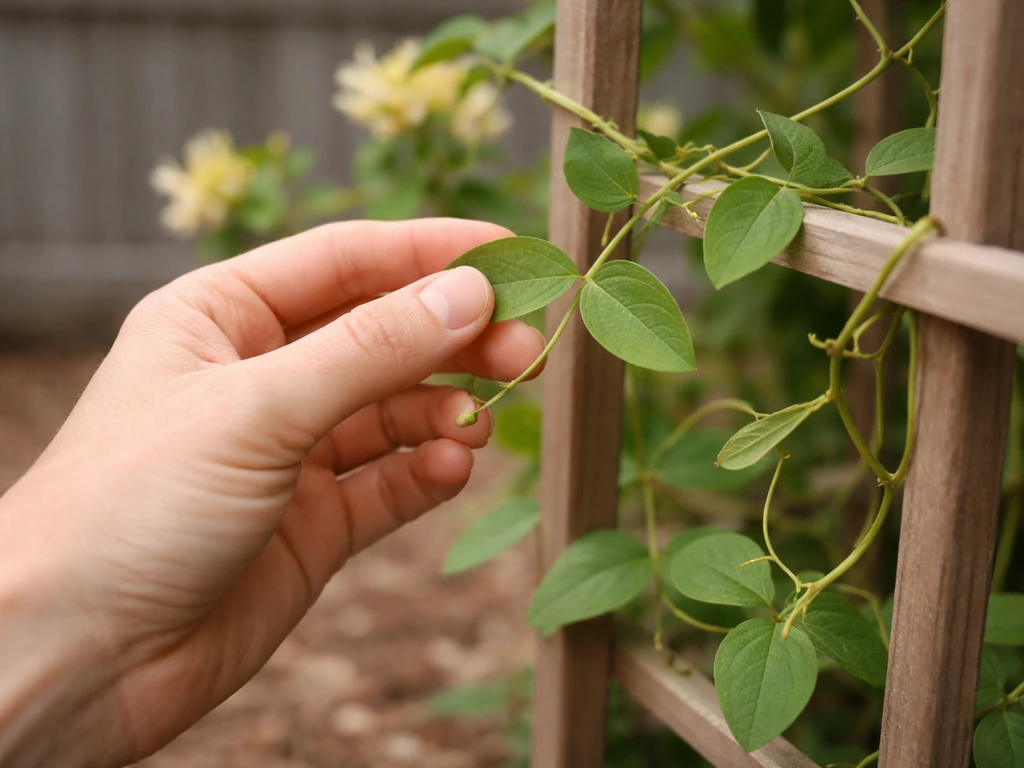
Here's a straightforward process for making the call before you spend money or effort on a plant.
- Find your USDA hardiness zone first. The USDA plant hardiness zone map is free online. Type in your zip code, get your zone, and use that as your baseline. If you're in zones 4 through 9, most commonly available honeysuckle types will survive your winters.
- Identify your moisture situation. If you're in an arid or semi-arid climate west of the 100th meridian, Japanese honeysuckle and other humidity-dependent types won't thrive without consistent irrigation. Look at native western species or drought-tolerant ornamental cultivars instead.
- Decide: native or ornamental? If you're in the eastern US, skip invasive types entirely and go straight to native coral honeysuckle or one of the well-behaved ornamental cultivars. You'll get the same fragrance and hummingbird attraction without the weeding nightmare.
- Check your county's invasive species list. Before planting any honeysuckle, confirm it's not a regulated or listed invasive in your state. Many midwestern and northeastern states have restricted or discourage planting Lonicera japonica, L. maackii, and related species.
- Look for it locally growing wild or in established landscapes. Drive or walk a nearby road edge, trail, or botanical garden in your region. If honeysuckle is already thriving nearby, your yard can support it. If you've never seen it and you live in a dry inland climate, take that as a signal to research further before planting.
The bottom line is this: honeysuckle is one of the most geographically widespread plant groups in the US. If you're in zones 4 through 9 with reasonable moisture, there's a honeysuckle that works for you. The real work is choosing the right species for your specific region rather than assuming one type fits everywhere. Get that part right, and you'll have a plant that almost takes care of itself.
FAQ
If honeysuckle is “everywhere,” why do I never see it growing in my neighborhood?
Sometimes it shows up in a region and still fails for you, especially if you are right at a climate edge. Japanese honeysuckle is hardy down to about zone 4, but in very dry zone 4 sites it can thin out unless you irrigate during establishment. Use the USDA zone plus your typical summer humidity, not temperature alone.
How can I tell whether the honeysuckle I find is invasive or native?
The fastest way is to use the growth form and fall fruit. A twining vine with red berries that supports along fences can be different from a dense shrub that drops clusters of berries. In the wild east of the Mississippi, red-berried shrub honeysuckles (often Amur or Morrow’s) are more likely than a “coral honeysuckle” vine.
Does “honeysuckle” mean the same thing at plant nurseries as it does in the wild?
It matters what you mean by “honeysuckle.” The article’s examples focus on Lonicera species, but people also use the word “honeysuckle” for other genera sometimes. If you are buying plants, check the Latin name on the tag (for example Lonicera japonica vs Lonicera sempervirens) before relying on zone labels.
Can invasive honeysuckle grow in my state and still be a bad idea to plant in my yard?
Yes, but the direction depends on which species. Japanese honeysuckle often spreads from disturbed habitats, forest edges, and roadsides, while native coral honeysuckle tends to behave more like a managed garden climber and supports wildlife without taking over as aggressively. If you want wildlife value without weediness, prioritize native coral honeysuckle and control volunteers.
Will honeysuckle grow in hot states like Arizona or southern California without special care?
Before planting, check for dormancy and moisture fit. In hotter zone 9 and especially near the desert Southwest, even hardy honeysuckle may struggle because it cannot get the cooler rest period it evolved with and it can’t maintain growth without steady water. For those climates, choose a drought-tolerant native species or plan on deep, regular irrigation.
What’s the biggest practical mistake people make when growing honeysuckle?
If you are trying to grow the vine-type honeysuckle, provide a structure early, because twining types scramble and can get tangled in shrubs and fences. Invasive vines like Japanese honeysuckle can quickly overtop other plants, so install a trellis where you want the plant to stay and prune back hard any shoots that escape.
In a new region, where should I look if I’m trying to spot honeysuckle in the wild?
For the “where does it grow” question, look for it in disturbed sunny areas first: road shoulders, old fields, woodland edges, and bottomlands in humid climates. In drier regions, honeysuckle is more likely along irrigation lines, stream corridors, or naturally wetter pockets rather than in open dry lots.
How do I choose a honeysuckle that will survive winter where I live?
Zone 4 to 9 is a broad window, but the species-specific minimum is what governs your success. Japanese honeysuckle is documented for roughly zones 4 to 9, while many “ornamental honeysuckles” vary widely in hardiness. Match the exact species to your zone and also consider wind exposure, because drying winds can mimic drought stress for vines.
If I plant honeysuckle, what ongoing steps should I expect?
Plan for different maintenance depending on growth form. Dense shrub types (commonly the invasive bush honeysuckles) can require repeated cutting or removal to prevent regrowth and shade-out. Vine types may be easier to train initially, but they still need pruning to stop them from wrapping around trees or turning into an uncontrolled runner.