Yes, honeysuckle absolutely grows in Michigan. In fact, it grows so well here that the bigger question isn't whether it will survive your winters, it's which type you plant. Michigan spans USDA hardiness zones 3a through 6b, and there are honeysuckle species that thrive across every one of those zones. If you want to compare Michigan’s zone range to the bigger picture, see where does honeysuckle grow in the us for a state-by-state view.
Does Honeysuckle Grow in Michigan? Best Types by Zone

Marcus Hartwell
24 Apr 2026
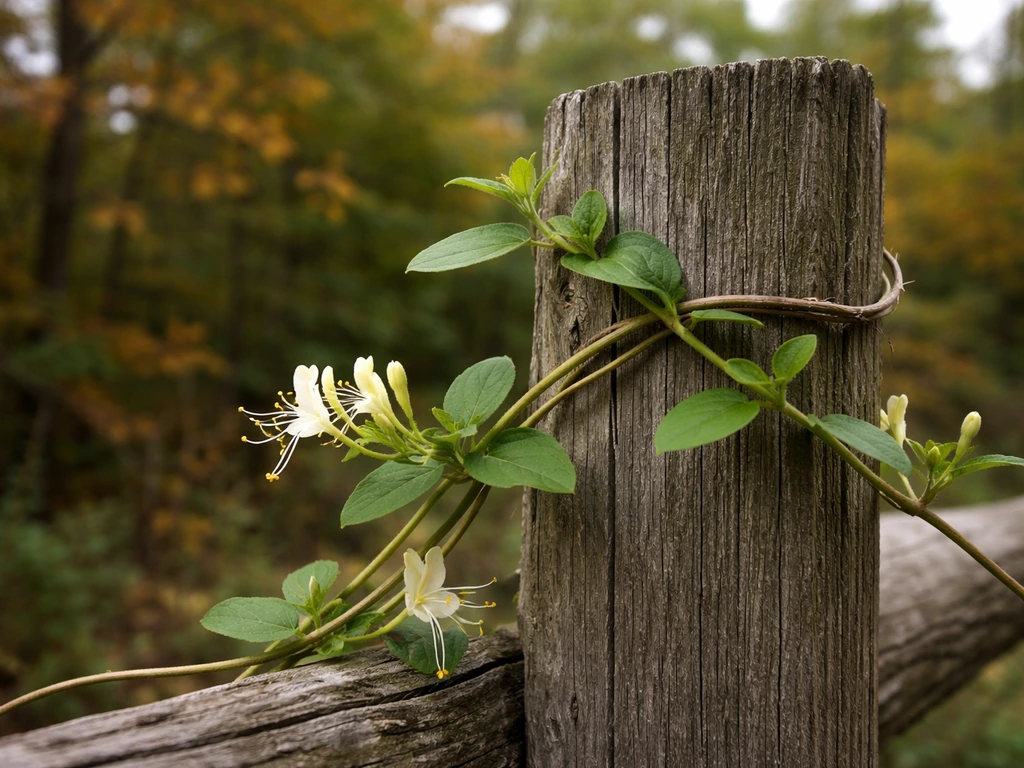
The challenge is that some of the most cold-hardy and vigorous honeysuckles are invasive in Michigan, and planting them can do real damage to local ecosystems. Choose the right species and you'll have a beautiful, fragrant vine or shrub. Choose the wrong one and you might be fighting it for years.
Yes, honeysuckle grows in Michigan (with one big caveat)
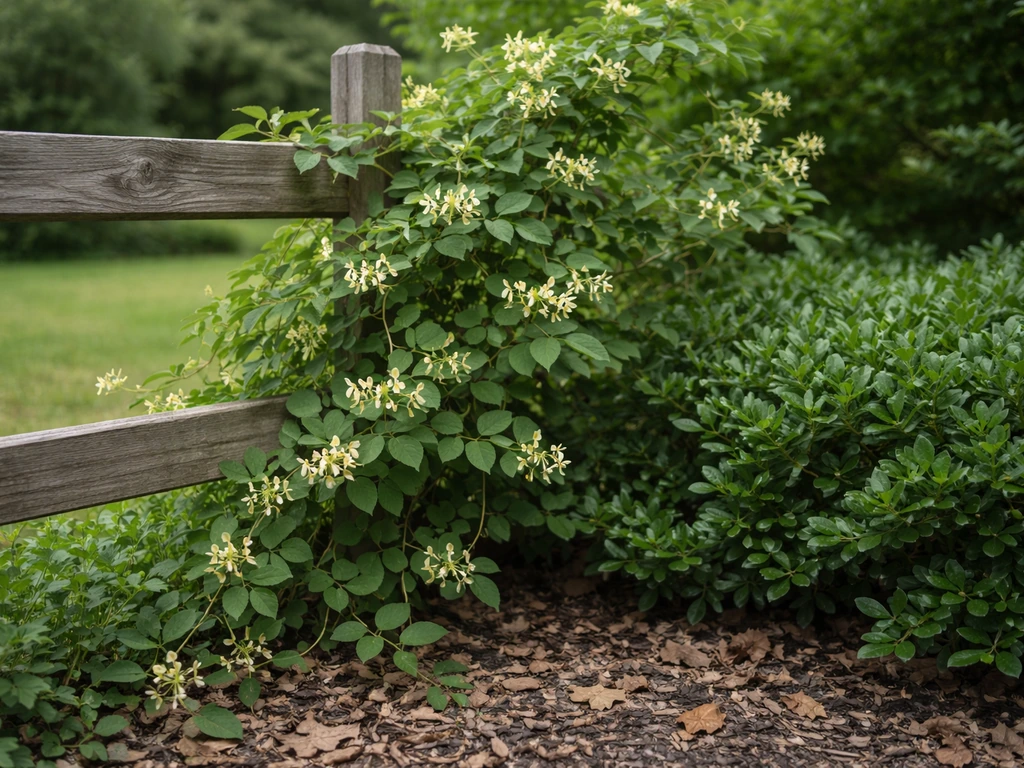
The short version: honeysuckle is not just possible in Michigan, it's practically everywhere here already. If you want the bigger picture of where do honeysuckle grow beyond Michigan, that regional context can help you compare climates and pick varieties with the right hardiness. The University of Michigan has documented 18 Lonicera species occurring in the state, a mix of native plants and introduced ornamentals that have since gone wild. MSU's invasive species tracking program (MISIN) has documented multiple honeysuckle species across the state, and Michigan Tech's KISMA program lists invasive honeysuckle as one of the region's most pressing weed problems. So the growing conditions are clearly right. The issue is choosing wisely.
Which honeysuckle types actually do well in Michigan
There are two broad categories to think about: native honeysuckles and commonly planted ornamentals. Both will grow here. But they behave very differently in the landscape.
Native honeysuckles (the safe, ecologically sound choice)
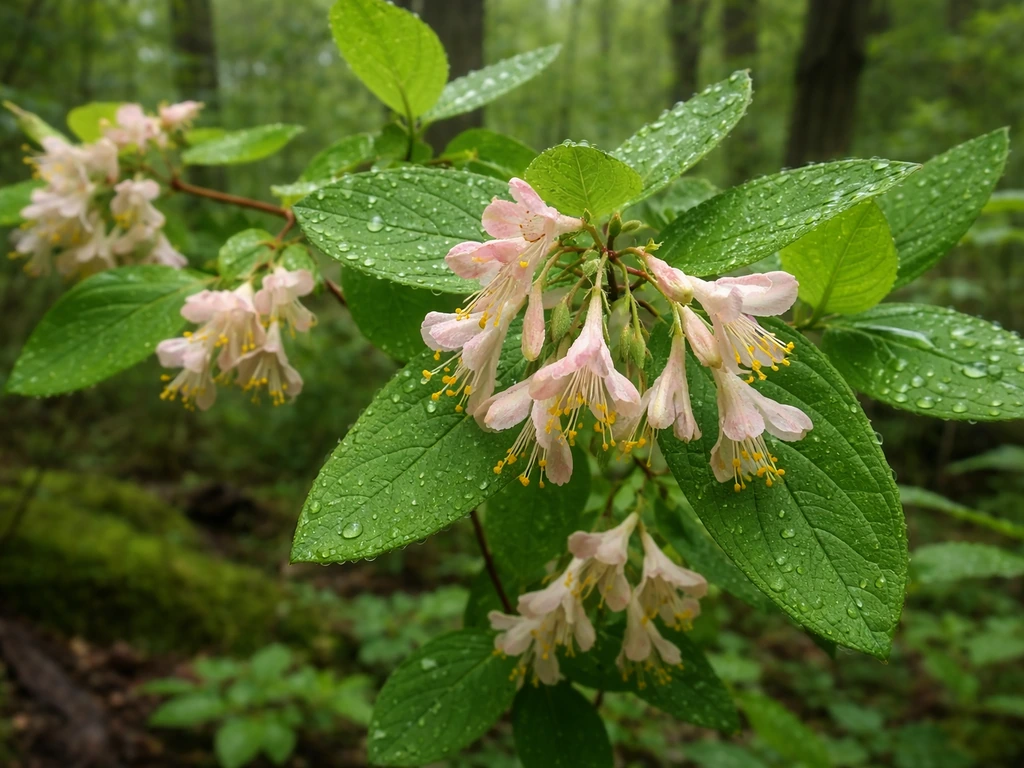
Michigan has several native honeysuckle species that fit naturally into local landscapes. Fly honeysuckle (Lonicera canadensis), bog honeysuckle (Lonicera villosa), swamp fly honeysuckle (Lonicera oblongifolia), and limber or wild honeysuckle (Lonicera dioica) are all documented Michigan natives. These are not showy in the same way as the ornamentals you'll find at a garden center, but they support native birds and pollinators, stay where you plant them, and don't require removal by your county conservation district. If you're planting near a wooded edge, a natural area, or anywhere with native plant communities nearby, a native honeysuckle is the smarter move.
Recommended ornamental honeysuckles for Michigan yards
For gardeners who want the classic flowering vine look, two ornamental honeysuckles stand out as Michigan-appropriate and non-invasive. Trumpet honeysuckle (Lonicera sempervirens) is hardy from zones 4 through 10a, which covers nearly all of Michigan except the coldest corners of the Upper Peninsula. It's listed by MSU Extension as a recommended landscape plant for Michigan and tolerates full sun to part shade with soil pH anywhere from 5.0 to 8.0. Goldflame honeysuckle (Lonicera x heckrottii), a hybrid vine with pink and yellow flowers, is also recommended by MSU Extension for Michigan landscapes. Both give you the fragrant, hummingbird-attracting blooms without the invasive spread risk.
Honeysuckles to avoid in Michigan
Morrow's honeysuckle (Lonicera morrowii), Tatarian honeysuckle (Lonicera tatarica), Bell's honeysuckle (Lonicera x bella), and Amur honeysuckle (Lonicera maackii) are all invasive in Michigan according to MSU Extension and multiple local conservation programs. Penn State Extension describes these invasive shrub honeysuckles as several Lonicera species introduced from Europe and East Asia in the 1800s, including L. maackii, L. morrowii, L.
tatarica, L. × bella, and L. standishii [Morrow's honeysuckle (Lonicera morrowii), Tatarian honeysuckle (Lonicera tatarica), Bell's honeysuckle (Lonicera x bella), and Amur honeysuckle (Lonicera maackii)](https://extension. psu.
edu/shrub-honeysuckles). These shrub honeysuckles were originally planted as ornamentals and privacy hedges. The problem is they produce enormous quantities of fruit that birds disperse widely, they leaf out earlier in spring and hold leaves later in fall than native plants, and they tolerate low light conditions well enough to crowd out native understory plants. Once established, they're genuinely difficult to remove.
Michigan's climate and hardiness zones: what you need to know
Michigan's zone range is broader than most people realize. The Upper Peninsula and northern inland areas of the Lower Peninsula can reach zone 3a or 4a, with average minimum winter temperatures as low as -40°F in the coldest spots. Southern Michigan, especially along the Lake Michigan shoreline, benefits from the moderating effect of the lake and often sits in zone 6a or 6b. Most of the Lower Peninsula falls somewhere in zones 5a through 6a.
The practical takeaway: trumpet honeysuckle (hardy to zone 4) will grow across almost all of the Lower Peninsula and much of the UP without issue. If you're gardening in zone 3b or 4a in the far north, native species like Lonicera canadensis or Lonicera villosa are going to be more reliable because they evolved here. The USDA updated their hardiness zone map in 2023 using 1991-2020 climate data, so if you haven't looked up your specific location recently, it's worth checking because some Michigan zones shifted slightly warmer.
Site fit checks before you plant
Zone hardiness is just the starting point. Run through these quick checks before you commit to a specific plant:
- Sun exposure: Trumpet honeysuckle and Goldflame honeysuckle both do well in full sun to part shade. If your site gets fewer than 4 hours of direct sun, stick with native species like Lonicera oblongifolia, which naturally grows in shadier, wetter conditions.
- Soil moisture: Most ornamental honeysuckle vines prefer well-drained soil. Native bog and swamp honeysuckles (L. villosa and L. oblongifolia) are the right call for wet or poorly drained spots.
- Soil pH: Trumpet honeysuckle tolerates a wide range, pH 5.0 to 8.0, which covers most Michigan soils without any amendment needed.
- Microclimate: A south-facing wall in Kalamazoo creates noticeably warmer conditions than an open field in Marquette. If you're in a colder zone but have a sheltered, sunny microsite, you may be able to push into the lower end of a more tender plant's hardiness range.
- Proximity to natural areas: If you're near a woodland, wetland, or conservation area, the invasiveness question matters more. Stick to natives or non-invasive ornamentals regardless of what's available at the garden center.
Invasiveness in Michigan: this is the part that actually matters
This is worth spending a moment on because it affects every Michigan gardener's decision. Invasive bush honeysuckles are a documented, active problem in Michigan natural areas. The City of Ann Arbor's Natural Area Preservation program specifically calls out bush honeysuckles (Lonicera spp.) as one of the most problematic invasive plants in local natural areas. These shrubs were deliberately introduced as ornamentals decades ago, and they now compete directly with native plants by leafing out earlier in spring, producing fruit that birds distribute across the landscape, and tolerating shade conditions that most invasive plants can't handle.
The identification challenge is real: invasive bush honeysuckles look similar enough to native fly honeysuckle and mountain honeysuckle that MSU's invasive species program specifically lists the native look-alikes on their identification pages to help people avoid confusing them. If you're buying a shrub honeysuckle at a garden center or getting a division from a neighbor's plant, make absolutely sure you know the species name.
| Species | Type | Michigan Status | Safe to Plant? |
|---|---|---|---|
| Lonicera sempervirens (Trumpet honeysuckle) | Ornamental vine | Non-invasive, MSU-recommended | Yes |
| Lonicera x heckrottii (Goldflame honeysuckle) | Ornamental vine | Non-invasive, MSU-recommended | Yes |
| Lonicera canadensis (Fly honeysuckle) | Native shrub | Michigan native | Yes |
| Lonicera villosa (Bog honeysuckle) | Native shrub | Michigan native | Yes |
| Lonicera dioica (Wild/Limber honeysuckle) | Native vine | Michigan native | Yes |
| Lonicera morrowii (Morrow's honeysuckle) | Ornamental shrub | Invasive in Michigan | No |
| Lonicera tatarica (Tatarian honeysuckle) | Ornamental shrub | Invasive in Michigan | No |
| Lonicera x bella (Bell's honeysuckle) | Ornamental shrub | Invasive in Michigan | No |
| Lonicera maackii (Amur honeysuckle) | Ornamental shrub | Invasive in Michigan | No |
How to confirm what you're actually buying
The label on the plant at the garden center is your first check. It should list the full Latin species name, not just 'honeysuckle vine' or 'honeysuckle shrub.' If the tag only gives a common name, ask staff to confirm the species or skip it entirely. A reputable nursery will know. Here's a reliable verification path before you purchase:
- Get the full Latin species name from the plant tag or nursery staff.
- Search that exact name on MSU's MISIN database (misin.msu.edu) to see if it's listed as invasive or tracked as a problem species in Michigan.
- Cross-check on EDDMapS, which tracks invasive species distribution and can show you whether the plant is already widely documented as invasive in your region.
- Look up the hardiness zone range on a reliable horticulture database (Cornell's Woody Plants Database or UF/IFAS EDIS are both solid) and compare it to your specific Michigan zone.
- If the species is on Michigan's invasive list or you can't confirm the species name, choose trumpet honeysuckle (Lonicera sempervirens) or a native alternative instead.
Your next steps for planting honeysuckle in Michigan
Here's how to move from 'yes it grows here' to 'I'm confident in what I'm planting.' First, look up your exact USDA hardiness zone using the 2023 USDA Plant Hardiness Zone Map at planthardiness.ars.usda.gov by entering your zip code. Michigan varies enough across the state that zone generalizations can steer you wrong. Once you know your zone, match it against the hardiness range on any plant you're considering.
If you're in the southern Lower Peninsula (zones 5b to 6b), trumpet honeysuckle and Goldflame honeysuckle are both easy, confident choices. If you're in the northern Lower Peninsula or the UP (zones 4a to 5a), lean toward native honeysuckle species or confirm that any ornamental variety is rated to at least zone 4.
If you want to dig deeper into where honeysuckle grows across the broader US, or how Michigan compares to other states like California or Texas, there's a lot of useful regional context worth exploring. Texas has its own climate and hardiness conditions, so honeysuckle growth there depends on the species and local environment. If you are wondering whether honeysuckle in California will thrive, the climate and plant type matter just as much as they do in Michigan.
If you want to dig deeper into where honeysuckle grows across the broader US, that can help you compare Michigan to places with different climates and conditions.
- Look up your zip code on the 2023 USDA Plant Hardiness Zone Map to confirm your exact zone.
- Choose trumpet honeysuckle (Lonicera sempervirens) or Goldflame honeysuckle (Lonicera x heckrottii) for a reliable, non-invasive ornamental vine in most of Michigan.
- For native plant gardens or sites near natural areas, choose Lonicera canadensis, Lonicera villosa, or Lonicera dioica.
- Always verify the Latin species name before purchasing any shrub honeysuckle and run it through MSU MISIN or EDDMapS.
- Check your site for sun exposure, drainage, and proximity to natural areas before finalizing your plant selection.
- If you're near a conservation area or woodland edge, contact your local MSU Extension office for native plant sourcing recommendations specific to your county.
FAQ
Can I grow honeysuckle in Michigan without it becoming invasive?
Yes, but your risk depends on the exact species. Stick to native honeysuckles suited to your zone, or to non-invasive ornamental choices like trumpet honeysuckle (Lonicera sempervirens) or Goldflame (Lonicera x heckrottii). Also check that the plant you buy is specifically these Latin names, not a similar-looking “bush honeysuckle” sold without a clear species.
What is the safest honeysuckle to plant if I’m near woods or a natural area?
Choose native species that belong in local habitats, especially if your property borders woodland, wetlands, or other established plant communities. Native fly honeysuckle and bog or swamp fly honeysuckle are good examples, because they are less likely to spread into nearby understory compared with common invasive bush honeysuckles.
Is trumpet honeysuckle actually hardy in the Upper Peninsula, including the coldest spots?
It’s typically reliable where your site is at least zone 4, which covers a lot of the Lower Peninsula and much of the UP. For the far northern UP and microclimates that sit closer to zone 3, trumpet may struggle, so native honeysuckle species rated for colder conditions are usually the better bet.
How do I tell whether a honeysuckle is the invasive type versus a native look-alike?
Don’t rely on common names or overall appearance alone. Use the full tag Latin species name first, then cross-check against authoritative ID images for that species group. Native fly honeysuckle can be confused with invasive bush honeysuckles, so confirming the species name matters most when you buy a shrub or take a division.
Do honeysuckle vines and shrub honeysuckles grow differently in Michigan?
Yes. Vine types are often managed as climbing plants and spread mainly through growth and occasional seed, while shrub bush honeysuckles form dense thickets and can tolerate shade well enough to crowd out native plants. That difference affects both maintenance and the level of ecological risk.
What’s the easiest way to pick honeysuckle for my exact location in Michigan?
Start by entering your zip code on the 2023 USDA Plant Hardiness Zone Map to get your specific zone, then match that zone to the plant’s rated hardiness range. If you are between zones (for example, around the 5b to 6a boundary), lean toward the plant whose cold tolerance comfortably covers your zone rather than the minimum listed.
If a honeysuckle is labeled “recommended for Michigan,” does that guarantee it is non-invasive?
Not automatically. A plant can be recommended for landscaping and still be invasive in some regions or under certain conditions. Use the species Latin name to verify it is not one of the known invasive Michigan bush honeysuckles, and pay attention to how it sets seed and spreads in your nearby habitat types.
Where can honeysuckle fail even if the hardiness zone is correct?
Soil and light conditions can limit performance. In Michigan, invasive shrub types often succeed in low light, but your chosen ornamental or native may need full sun to part shade depending on the species. Also consider moisture, because plants like bog or swamp-associated natives are better suited to wetter sites than to dry gardens.
What should I do if I already have an invasive honeysuckle on my property?
Treat it as a removal and containment problem, not just a pruning project. Plan for repeated control attempts, and avoid spreading berries or roots during cleanup. If you can, contact your local conservation or invasive plant program for guidance on safe removal timing and disposal.