
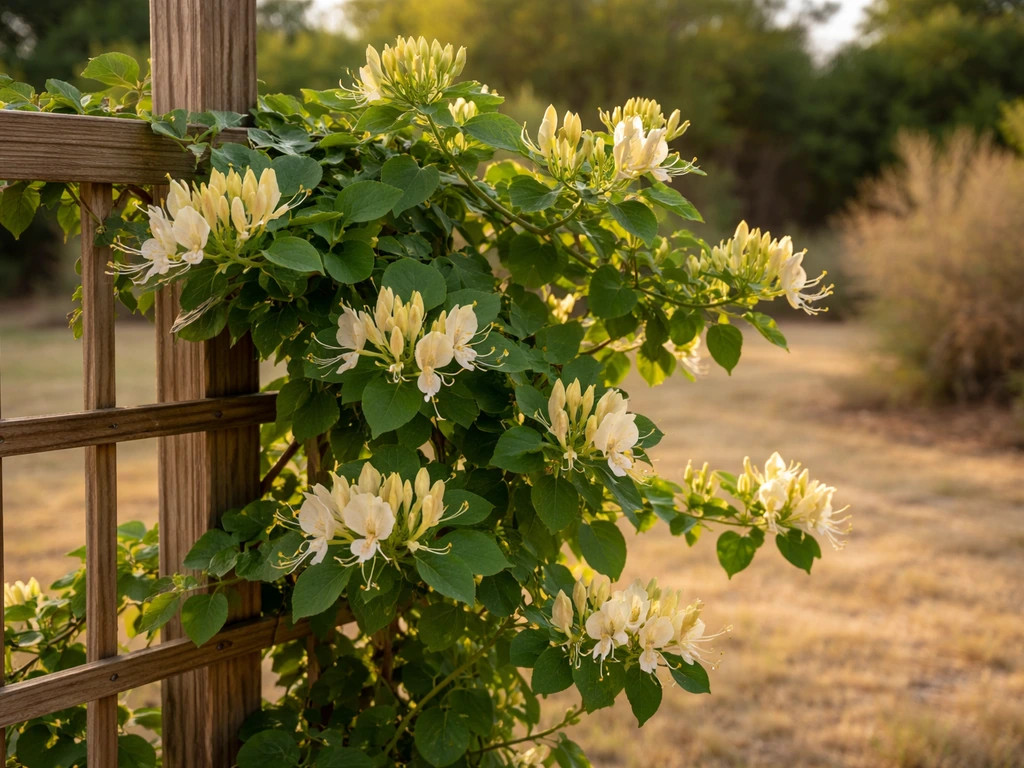
Yes, honeysuckle grows in Texas, and it actually grows very well across most of the state, but the species you pick matters a lot. Texas spans USDA hardiness zones 6b up through 10a, covering everything from the cold Panhandle to the subtropical Gulf Coast, and not every honeysuckle handles that range equally. The short answer: coral honeysuckle (Lonicera sempervirens) is your safest, most reliable bet across most of Texas. Japanese honeysuckle (Lonicera japonica) will grow almost anywhere in the state but is classified as invasive. Shrub types like Tatarian or Amur honeysuckle can survive Texas winters but come with their own baggage. Let's break it down by region and type so you can make the right call before you buy.
Does Honeysuckle Grow in Texas? Types, Zones, and Tips
Marcus Hartwell
14 Apr 2026
Quick Texas answer: which honeysuckles grow where
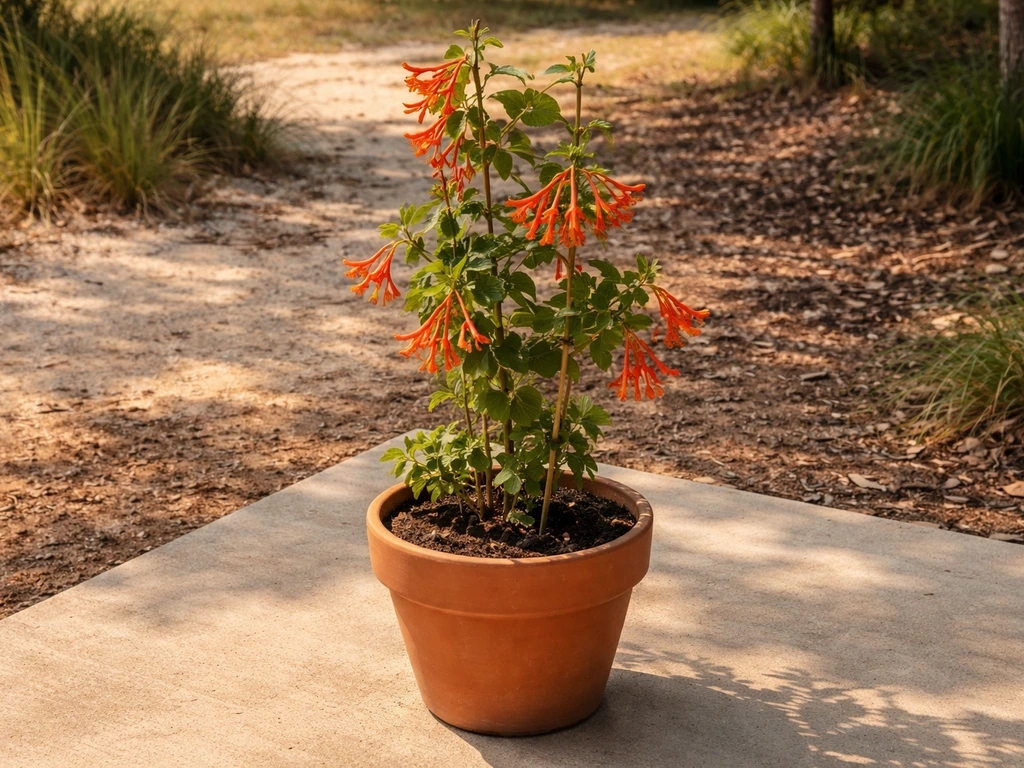
If you're in East, Central, or Gulf Coast Texas, coral honeysuckle is a native plant that will thrive with minimal fuss. Its native range runs from Connecticut down through Florida and across to Texas, so it's genuinely adapted to this climate, not just tolerating it. Native Plant Society of Texas maintains a dedicated coral honeysuckle page for Lonicera sempervirens, placing this plant in a Texas-native context for readers [coral honeysuckle is genuinely adapted to this climate](https://www. npsot.
org/posts/native-plant/lonicera-sempervirens/). If you're in North Texas (Dallas and surrounding areas, roughly zone 7b-8a), it still performs well but may behave more deciduously in hard winters. Out in West Texas and the Panhandle (zones 6b-7a, drier and hotter in summer with colder winters), honeysuckle gets more challenging, and you'll need to be more deliberate about site selection and irrigation during establishment.
Japanese honeysuckle will grow virtually everywhere in Texas, zones 4 through 10a by most accounts, but Texas A&M AgriLife and the Native Plant Society of Texas both flag it as an aggressive invasive that out-competes native vegetation, so planting it near natural areas or waterways is a problem worth taking seriously.
Identify the exact honeysuckle type you're asking about
The word "honeysuckle" covers a surprisingly wide group of plants, and which one you mean changes everything about how it will perform in Texas. There are two main forms: vining honeysuckles that climb trellises, fences, and arbors, and shrub or bush honeysuckles that grow as freestanding plants. Within those, you've got native vs. non-native and evergreen vs. deciduous behavior. Here are the main types you'll encounter:
- Lonicera sempervirens (Coral or Trumpet Honeysuckle): A Texas native vine, semi-evergreen to evergreen depending on winter severity, and the top recommendation for Texas landscapes.
- Lonicera japonica (Japanese Honeysuckle): A non-native vine, evergreen in mild winters, extremely aggressive, and listed as invasive by Texas authorities. It grows fast, spreads by seed, and is hard to contain.
- Lonicera tatarica (Tatarian Honeysuckle): A shrub type, very cold-hardy to zone 3b, but also considered invasive or problematic in many regions and not a typical Texas garden choice.
- Lonicera maackii (Amur Honeysuckle): Another shrub type, hardy to zone 3, tolerates dry soil and full sun to partial shade, but similarly flagged as invasive in some areas.
- Other native Lonicera species: A few other native options exist for specific Texas microclimates, but Lonicera sempervirens is by far the most widely available and recommended.
If you're picturing a fast-growing, fragrant vine covering a fence, you're probably thinking of either coral honeysuckle or Japanese honeysuckle. If you want a native that supports hummingbirds and pollinators without becoming a landscape liability, coral honeysuckle is the one. If you're curious where honeysuckle naturally grows in the wild, coral honeysuckle shows up across the eastern and central parts of the country, including much of Texas's eastern half.
Texas zones and climate fit (North/Central/East/Gulf/West)
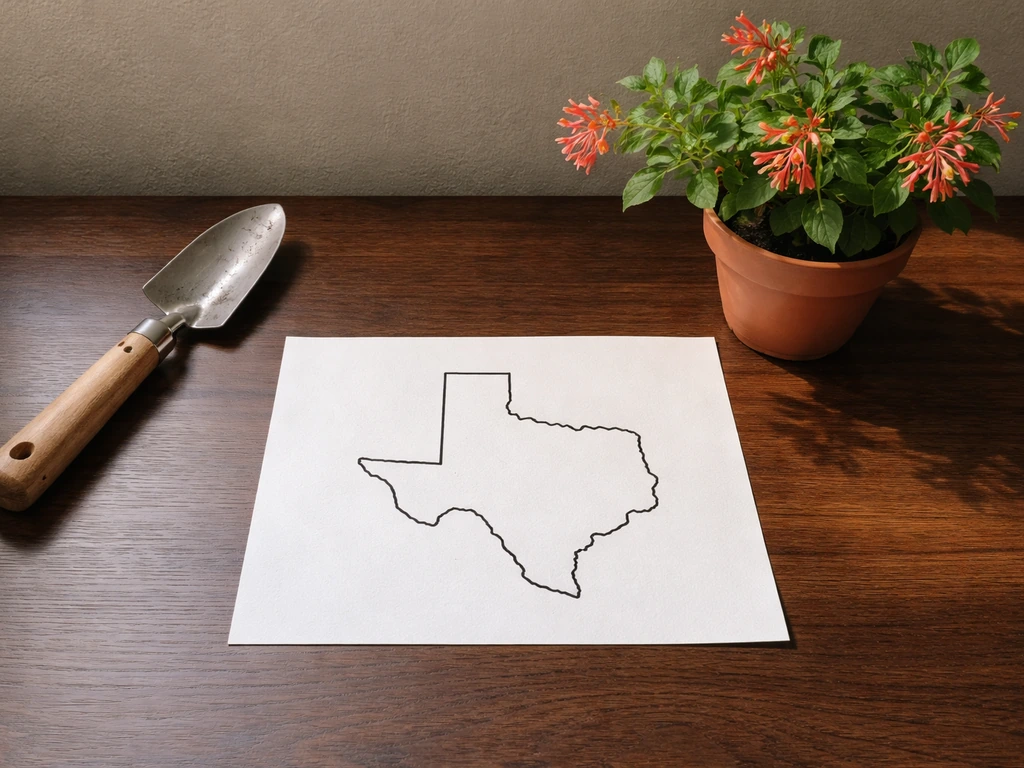
Texas is enormous, and its climate variation is real. The USDA hardiness zones across the state run from 6b in the Panhandle up to 10a along the lower Rio Grande Valley and parts of the Gulf Coast. Coral honeysuckle is rated hardy from zone 5a down to about -28°C (-20°F), which means it can handle almost every Texas winter without issue. Here's how that plays out region by region:
| Texas Region | Typical USDA Zones | Coral Honeysuckle Fit | Notes |
|---|---|---|---|
| East Texas | 7b–8b | Excellent | Native habitat; semi-evergreen to evergreen; thrives with moderate moisture |
| Central Texas (Austin area) | 8a–8b | Very good | City of Austin recommends it; note it's less suited to the Blackland Prairie/Edwards Plateau extremes |
| Gulf Coast (Houston area) | 9a–9b | Very good | Stays more evergreen in mild winters; watch for salt spray near the coast |
| North Texas (Dallas/Fort Worth) | 7b–8a | Good | May drop leaves in hard winters; behaves semi-evergreen |
| West Texas / Panhandle | 6b–7b | Fair to challenging | Colder winters and very dry summers; irrigation and wind protection needed during establishment |
| Lower Rio Grande Valley | 9b–10a | Good overall | Heat is manageable; ensure moisture since coral honeysuckle is only somewhat drought tolerant once established |
One thing worth knowing if you're in the Austin area: the City of Austin's native plant guide notes that coral honeysuckle is native to Texas but specifies it's not ideally suited to the Edwards Plateau or Blackland Prairie subregions specifically. That doesn't mean it won't grow there, just that it won't be as effortless as it is in East Texas or along the Gulf Coast. If your yard sits in those areas, expect to put a little more effort into soil prep and watering during establishment.
If you want to see how Texas honeysuckle performance compares to other states with very different climates, it's instructive to look at a state on the opposite end of the spectrum. Growing honeysuckle in Michigan involves dealing with zone 5 and 6 winters that are far more severe than anything most of Texas sees, which puts coral honeysuckle's zone 5a hardiness rating in useful perspective: if it works in Michigan, your Texas winters are generally not the limiting factor.
Sun, shade, and heat/drought tolerance in Texas
Coral honeysuckle prefers full sun but tolerates partial shade, rated for full sun to part sun/shade across multiple university and extension sources. In Texas heat, this flexibility is genuinely useful. In Central and North Texas, afternoon shade can actually reduce stress during the hottest part of summer. In East Texas, full sun is fine as long as moisture is available.
In terms of drought tolerance, coral honeysuckle is described as "somewhat drought tolerant" once established, with water needs that shift from moderate during planting and the first growing season down to low after the plant has rooted in.
This makes it a reasonable fit for most of Texas as long as you give it proper establishment support, but it's not a full xeriscape plant and won't thrive on pure neglect in a dry, sandy, or rocky site without at least occasional deep watering.
Japanese honeysuckle handles moderate drought and does fine in part shade to part sun, but here's a real-world observation: in eastern Texas, documented research shows it struggles under very low light conditions (showing stress signs after two years at just 8% of ambient light), so deep shade under large tree canopies is not ideal for any honeysuckle. If your fence line or trellis gets at least 4 to 6 hours of direct sun, you're in good shape for coral honeysuckle. Less than that, and you should temper your expectations, or pick a different vine entirely.
Shrub types like Amur honeysuckle (Lonicera maackii) actually handle dry soil and full sun well once established, which makes them tempting for hotter, drier parts of Texas. But their invasive status in many parts of the country should give you pause before planting them in a landscape near natural areas or drainage corridors.
Planting and site setup for success (feasibility-focused)
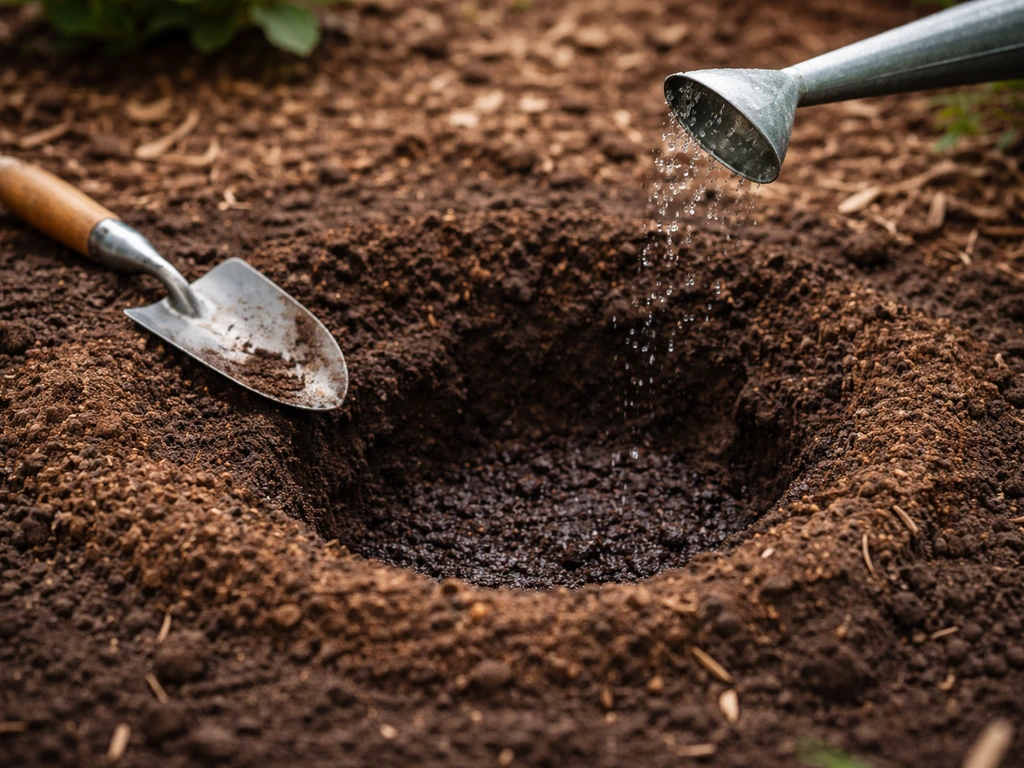
Getting the site right is the most important step. Coral honeysuckle is described by Texas Master Gardeners as easily grown in average, medium-moisture, well-drained soils in full sun, which matches most suburban Texas garden conditions. The plant grows as a high-climbing twining vine ranging from 3 to 20 feet, so you need a trellis, fence, arbor, or some kind of vertical structure from day one. Don't plant it expecting it to figure out a support situation on its own.
Soil pH should be in the 5.5 to 6.5 range, which is mildly acidic. East Texas soils often fall naturally in this range. Central Texas soils tend to be more alkaline (especially in limestone-heavy areas), so a soil test before planting is worth doing. If your pH is too high, amending with sulfur or using acidifying fertilizers can help, though coral honeysuckle has shown some tolerance even in less-than-ideal pH as long as drainage is good. Well-drained soil is non-negotiable: this plant does not like sitting in soggy ground, and it won't tolerate clay soils that hold water after heavy rain without some amendment or raised planting.
During the first season, water moderately and consistently, especially if you're planting in spring or summer when Texas heat is already stressing the plant. Once established, deep but infrequent watering is the right approach: you want the roots to chase moisture deep into the soil rather than staying shallow. In West Texas, plan on irrigating through dry spells even after establishment, because the "somewhat drought tolerant" rating doesn't account for extended Chihuahuan Desert-adjacent summers.
One more thing to check: if you're near a creek, bayou, or natural area in Texas, the Texas Parks and Wildlife Department actively advises against planting Japanese honeysuckle around waterways specifically because of how fast it spreads by seed in warm climates. Texas Parks and Wildlife Department notes that invasive aquatic species are a major concern, and it advises avoiding Japanese honeysuckle near waterways because it can spread rapidly in warm climates advises against planting Japanese honeysuckle around waterways. Stick with coral honeysuckle in those situations, and you sidestep that problem entirely while also getting a plant that's genuinely native to the region.
Container or alternative options for marginal zones
If you're in West Texas or the Panhandle and worried about summer drought stress or cold snaps, growing coral honeysuckle in a large container is a legitimate option. A 15- to 20-gallon container gives the roots enough room to establish, and you can position it where it gets morning sun and afternoon shade during the hottest months, then move it if a hard freeze threatens. The trade-off is that container plants need more frequent watering than in-ground plants, and you'll need to fertilize periodically since nutrients leach out faster. Use a well-draining potting mix, not straight garden soil, and make sure the container has adequate drainage holes.
For gardeners in the Edwards Plateau or other areas where coral honeysuckle isn't the most natural fit, native alternatives worth considering include crossvine (Bignonia capreolata) and native trumpet creeper (Campsis radicans), both of which handle Texas heat and drought more aggressively and are well-adapted to alkaline limestone soils. They won't give you the exact same flower or fragrance as honeysuckle, but they'll cover a trellis and attract hummingbirds with a lot less coaxing.
It's also worth knowing that Texas is far from the toughest climate for honeysuckle in the US. If you're curious about where honeysuckle grows across the country, it covers a massive swath of the eastern and central US, and Texas sits comfortably within that range for the coral variety specifically.
How to choose the right variety for your location
Before you buy anything, look up your specific USDA hardiness zone. Texas A&M AgriLife hosts hardiness zone maps that break the state down county by county, and knowing whether you're in zone 7b versus 8b versus 9a genuinely changes what you should plant and what level of establishment care you'll need. Once you know your zone, cross-reference it with the varieties below:
| Variety | Type | Texas Hardiness Zones | Invasive Risk | Best Use in Texas |
|---|---|---|---|---|
| Lonicera sempervirens (Coral/Trumpet) | Vine, semi-evergreen | 6b–10a (native to state) | None | Best all-around choice for most Texas landscapes |
| Lonicera japonica (Japanese) | Vine, evergreen in mild winters | 6b–10a | High (listed invasive in TX) | Avoid near natural areas; not recommended |
| Lonicera tatarica (Tatarian shrub) | Shrub, deciduous | Zone 3b and up (very cold-hardy) | Moderate to high | Not a typical Texas landscape choice |
| Lonicera maackii (Amur shrub) | Shrub, deciduous | Zone 3 and up | Moderate | Handles dry/full sun but invasive concerns remain |
Once you've confirmed coral honeysuckle as your pick, look for named cultivars at local nurseries. 'Major Wheeler' and 'John Clayton' are popular selections with heavier bloom production than the straight species, and both handle Texas summers well. Buy from a Texas native plant nursery if you can: plants grown from regional seed stock tend to establish faster and perform better than those shipped from out-of-state growing operations.
If your plant struggles in its first season, the most common culprits in Texas are poor drainage (especially in clay-heavy North Texas soils), insufficient sun (less than 4 hours in a heavily shaded yard), or inconsistent watering during the heat of summer. Adjust those three factors before assuming the plant isn't suited to your yard. Coral honeysuckle is described by every Texas extension source as "easily grown" when the basics are right, and in most of the state, the basics are achievable without major effort.
One useful comparison: California gardeners deal with many of the same Mediterranean-style drought and heat questions when choosing honeysuckle. If you want to see how those tradeoffs play out in a different warm-climate context, the article on growing honeysuckle in California covers similar ground and highlights how the semi-evergreen vs. evergreen behavior shifts depending on how mild the winters are, which applies directly to the Gulf Coast vs. North Texas comparison here.
Bottom line: if you're in Texas and want honeysuckle, plant coral honeysuckle (Lonicera sempervirens). Confirm your zone, pick a sunny to partially shaded spot with well-drained soil, give it consistent water through its first summer, and get a trellis or fence ready. That's genuinely all it takes for most of the state. Skip Japanese honeysuckle unless you're prepared to manage it aggressively, and if you're in West Texas, give yourself a little extra lead time on establishment before expecting the plant to perform on minimal irrigation.
FAQ
Will coral honeysuckle survive Texas freezes, or do I need protection in North Texas?
Coral honeysuckle is hardy to about USDA zone 5a, so most of Texas should be fine. In North Texas, if a freeze hits right after planting or the vine is still bare-root or newly rooted, add a light layer of mulch around the base and avoid fertilizing late in the season, since that can push fragile growth that freezes back.
How much direct sun does honeysuckle need in Texas to flower well?
For reliable blooming, aim for at least 4 to 6 hours of direct sun daily. If the plant gets more shade, it may grow but produce fewer blooms and look leggier, especially for any honeysuckle type, so it is worth relocating or trimming nearby trees rather than assuming more water will fix it.
Can I plant honeysuckle in clay soil in Texas?
It can be challenging if water pools after rain. The key is raised mounding or improving drainage, for example planting on a slight berm and mixing in organic matter only where drainage improves. Avoid planting in low spots near downspouts or where irrigation runoff collects, because chronic wet feet is one of the fastest ways for honeysuckle to decline.
What watering schedule should I follow after planting coral honeysuckle in Texas?
During the first growing season, keep the soil evenly moist but not soggy, with deeper watering when the top layer starts to dry. After establishment, switch to deep, infrequent watering (so the roots seek moisture), and in West Texas consider supplemental irrigation through long dry stretches, because heat stress can override the plant’s “somewhat drought tolerant” label.
Does honeysuckle need fertilizer in Texas?
Often it does not in the first year if your soil is reasonably fertile. If growth is weak, use a balanced, slow-release fertilizer in spring, then stop before late summer so you do not encourage tender growth. Overfertilizing can also reduce flowering and increase pest pressure.
How do I keep honeysuckle from getting out of control, especially vining types?
Train it to a trellis or fence and prune back wandering shoots after the main flush of growth. For vining honeysuckle, tying stems early prevents tangling, and regular thinning keeps airflow up, which helps reduce leaf issues. This is especially important for Japanese honeysuckle, which can spread aggressively by seed.
Is Japanese honeysuckle really a problem around waterways in Texas?
Yes, because it can spread quickly by seed in warm, moist conditions. Even if you intend to control it, birds and water movement can move seeds beyond your yard, so if you live near creeks, bayous, or drainage corridors, coral honeysuckle or another native vine is the safer choice.
Can honeysuckle grow without a trellis or fence in Texas?
Not well. Coral honeysuckle is a twining vine that needs a vertical support system from day one. Without a trellis or arbor, it tends to sprawl on the ground, which reduces air circulation, makes it harder to train, and can make it more disease-prone.
What are the most common reasons honeysuckle fails in the first year in Texas?
The top culprits are poor drainage, too little sun (especially under dense tree canopy), and inconsistent watering during hot months. Also check that you planted at the correct depth and that the roots are not staying wet, because correcting drainage and sun usually fixes more issues than changing the plant itself.
What is the best way to choose coral honeysuckle for my exact area in Texas?
Start with your county USDA hardiness zone, then buy a named coral honeysuckle cultivar from a Texas native plant nursery when possible. Locally produced plants often establish faster because they are adapted to regional conditions, and cultivars like ‘Major Wheeler’ and ‘John Clayton’ can give more consistent bloom than straight species in Texas heat.