Yes, honeysuckle can grow in Utah, but the species you pick makes all the difference. While honeysuckle can grow in parts of the country, Minnesota gardeners should check specific species and local conditions to see what will thrive there does honeysuckle grow in minnesota. If you're wondering does honeysuckle grow in Canada, the answer depends on the species and your local hardiness zone, but many types can do well with the right conditions.
Does Honeysuckle Grow in Utah? Best Varieties by Zone
Marcus Hartwell
28 May 2026
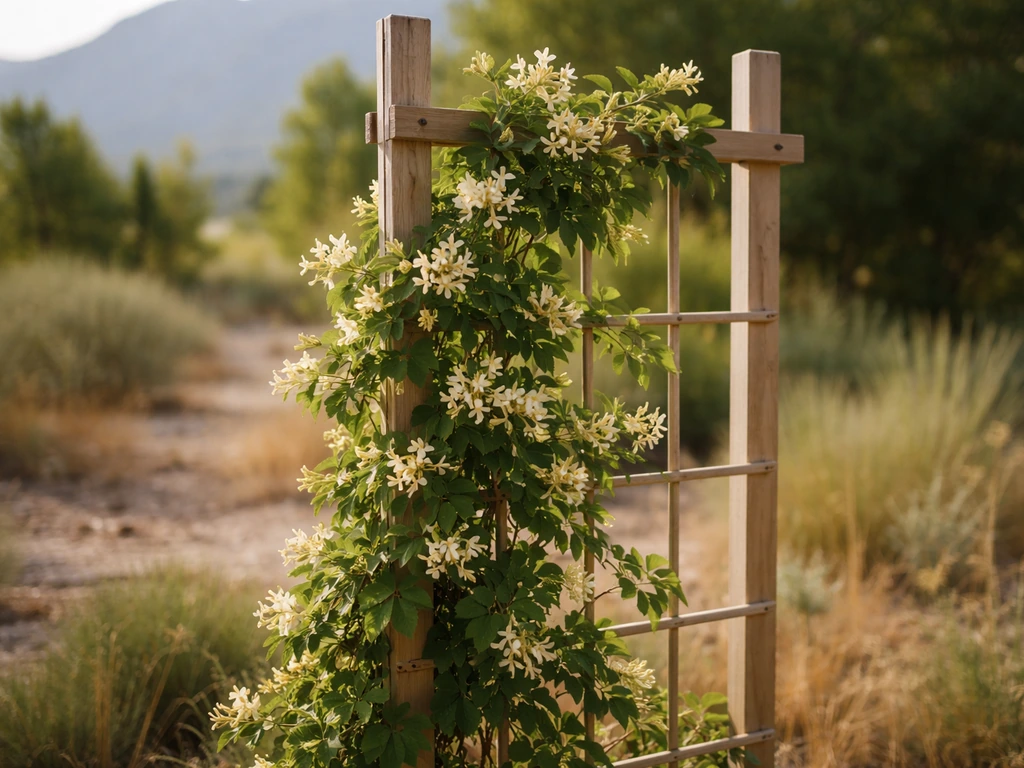
Utah State University Extension specifically recommends Goldflame honeysuckle (Lonicera × heckrottii 'Goldflame') as a non-invasive, fragrant vine that performs well across most of Utah's populated zones. The native Utah honeysuckle (Lonicera utahensis) is another solid option, especially for shadier, cooler spots. What you want to avoid are Japanese honeysuckle and the invasive bush types like Tartarian and Amur, which are aggressive spreaders and a headache you really don't need.
First, let's clear up what "honeysuckle" actually means
When people search for honeysuckle, they're often picturing different plants entirely. There are several distinct groups worth knowing about before you buy anything.
- Ornamental vining honeysuckles: These are the fragrant climbers most Utah gardeners actually want. Goldflame honeysuckle (Lonicera × heckrottii 'Goldflame') is the standout here and is actively studied by USU Extension for Utah landscape use.
- Native Utah honeysuckle (Lonicera utahensis): A deciduous shrub native to the Intermountain West that grows 3 to 7 feet tall, blooms in late spring with creamy yellow to white tubular flowers, and is perfectly adapted to Utah's forests and mountain slopes.
- Invasive bush honeysuckles: Tartarian (Lonicera tatarica), Amur (Lonicera maackii), Morrow's (L. morrowii), and Bell's honeysuckle (Lonicera × bella) are non-native shrubs treated as invasive across much of the U.S. because they form dense thickets that crowd out native vegetation.
- Japanese honeysuckle (Lonicera japonica): A vigorous twining vine that is considered invasive due to its aggressive spread and documented suppression of native plant communities. It's widely flagged by the USDA Forest Service as a problem species.
The Utah Department of Agriculture and Food blank" rel="noopener noreferrer">publishes an official Noxious Weed List, and that's the first thing you should check before planting any honeysuckle species you're unsure about. Don't just rely on a generic national invasive plant list, because Utah's regulatory status for specific species may differ from neighboring states. If you're gardening in Montana, Washington, or Minnesota, the invasive species picture looks somewhat different, so always go local with your research.
How Utah's climate matches up with honeysuckle's needs
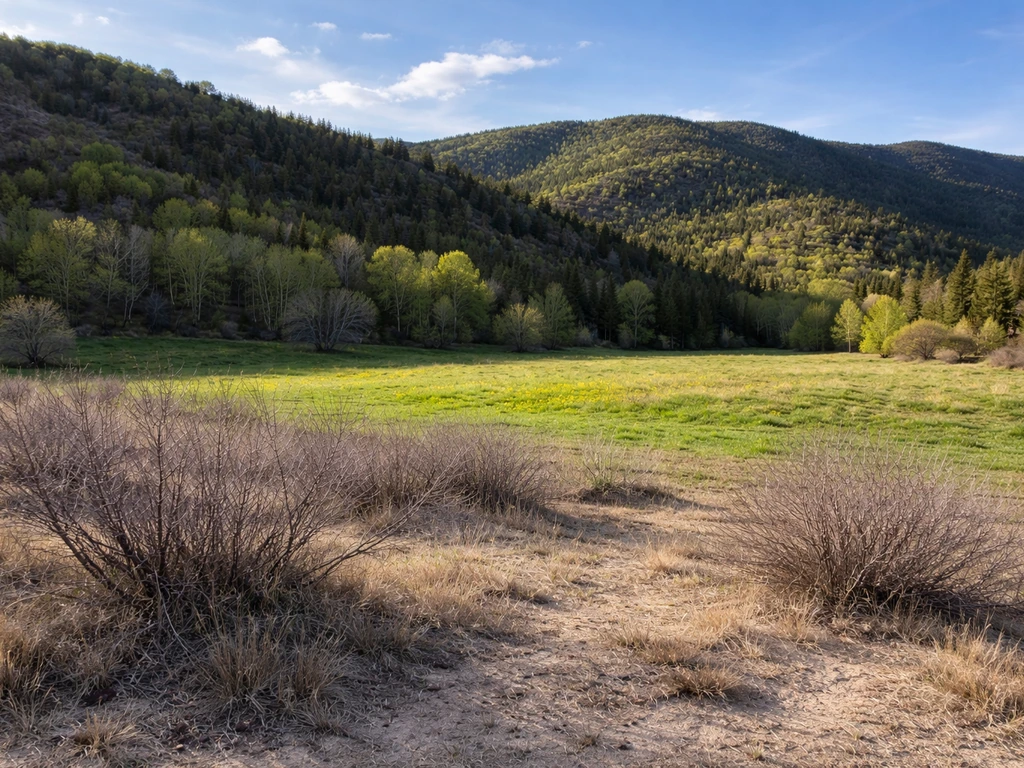
Utah is not a single climate. The state spans USDA Hardiness Zones 4a through 9a, which is a genuinely huge range. The Wasatch Front corridor, including Salt Lake City and Provo, sits mostly in zones 6b to 7b. St. George and Washington County in the southwest are zones 8a to 9a, making them the warmest and driest part of the state. Logan and Cache Valley run cooler at zones 5b to 6a. The Uinta Basin and rural eastern Utah hit zones 4a to 5b, with cold winters that can catch gardeners off guard.
Most ornamental honeysuckles are rated for zones 4 through 9, so on paper they fit across most of Utah. The harder challenge is the combination of hot, dry summers, alkaline soil, and dramatic temperature swings between day and night. Goldflame honeysuckle can tolerate some drought once established, but USU Extension research shows that irrigation level during July through October materially affects how well it blooms and grows in Utah conditions. Skimping on water during that stretch means fewer flowers and weaker vines.
The best honeysuckle types for Utah gardens
Goldflame honeysuckle (Lonicera × heckrottii 'Goldflame')
This is the one USU Extension specifically calls out for Utah landscapes, and it's a good pick for most of the state. It's a twining vine that blooms from summer into late fall, giving you fragrant flower clusters in pink and yellow for months, not just a brief spring flush. It does best in fertile, moist, well-drained soil in full sun, but it tolerates some drought once its root system is established. Importantly, USU confirms it is not invasive, so you won't be fighting it in five years. It may need occasional pruning to stay in bounds, but that's a minor trade-off for a plant that actually delivers in Utah's conditions.
Utah honeysuckle (Lonicera utahensis)
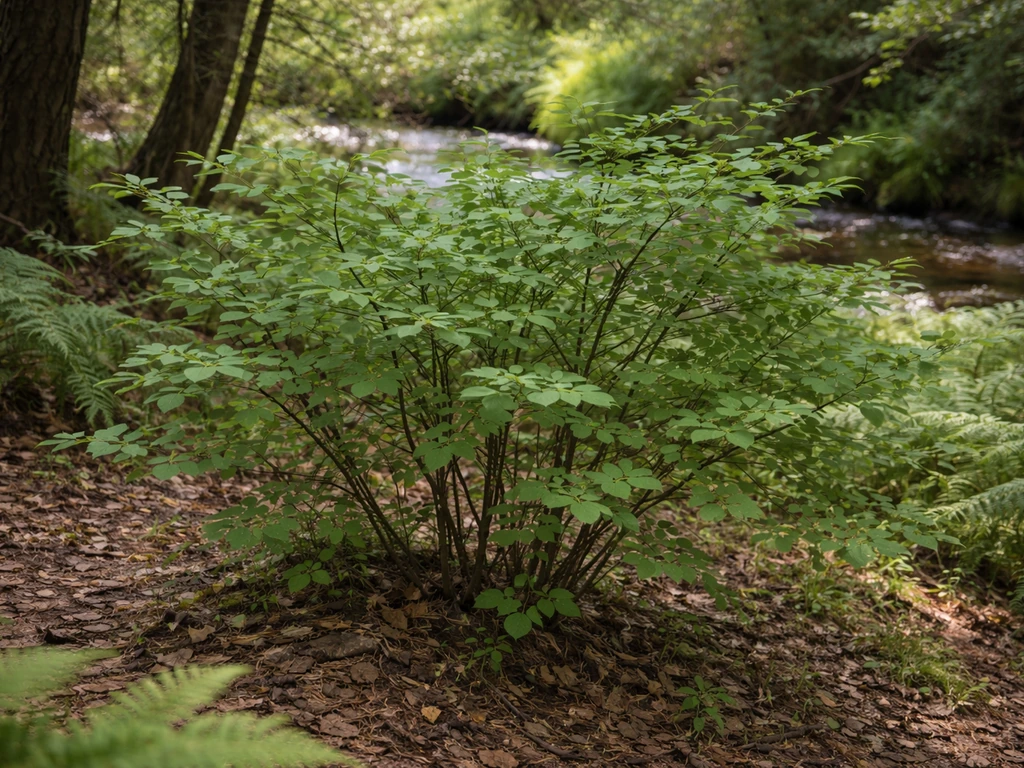
If you're working with a shadier spot, a woodland edge, or a streamside planting, Utah's native honeysuckle is the smart call. It's a widely branching shrub reaching about 3 to 7 feet tall, and it blooms in late spring to early summer with paired creamy white to yellow tubular flowers. It evolved here, which means it handles the cold, dry winters and the alkaline soils that trip up imported species. Salt Lake County's stream care resources even list Lonicera utahensis as a recommended native plant for riparian plantings. If you want something that just works without a lot of fussing, this one earns its place.
Honeysuckles to skip in Utah
Japanese honeysuckle and the invasive bush types (Tartarian, Amur, Morrow's, Bell's) should be avoided. The USDA Forest Service documents cases where these species form dense thickets with near-absence of groundcover plants beneath them. In Utah's already stressed native plant communities, that kind of competition matters. Beyond the ecological issues, these plants can become a maintenance nightmare on your own property once they get going.
| Variety | Type | Utah Zones | Invasive Risk | Best Use |
|---|---|---|---|---|
| Goldflame (L. × heckrottii) | Twining vine | 5–9 | None | Trellis, fence, arbor |
| Utah honeysuckle (L. utahensis) | Deciduous shrub | 4–8 | None | Woodland edge, native garden, streamside |
| Japanese honeysuckle (L. japonica) | Twining vine | 4–9 | High | Avoid |
| Tartarian honeysuckle (L. tatarica) | Shrub | 3–8 | High | Avoid |
| Amur honeysuckle (L. maackii) | Shrub | 3–8 | High | Avoid |
Where in Utah honeysuckle grows best
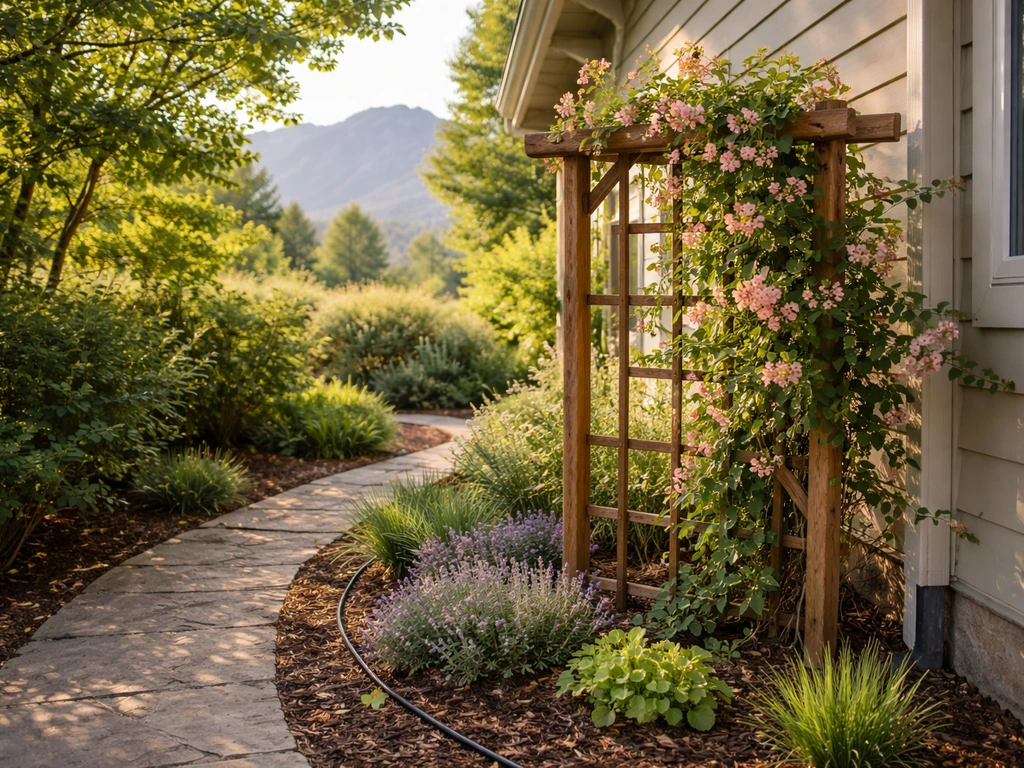
The Wasatch Front is the sweet spot. Zones 6 to 7b in Salt Lake, Utah, and Davis counties offer enough winter chill, reasonable moisture access, and long enough growing seasons for Goldflame to really perform. Logan and Cache Valley work well for the native Utah honeysuckle and for hardier ornamental types that can handle zone 5 winters. St. George gardeners in zones 8 to 9 can grow honeysuckle too, but summer heat stress is real, and you'll want afternoon shade and consistent irrigation to prevent flower drop and scorching.
Within any zone, microclimates matter more than most gardeners realize. The USDA's own guidance on using the hardiness zone map notes that a south-facing wall can bump effective warmth by a full zone, while a low frost pocket where cold air settles can make your yard act like a colder zone than the map shows. A vine planted against a south-facing brick wall in Salt Lake City has a very different experience than the same vine planted on a north slope in the same neighborhood. Pay attention to where frost lingers in spring and where snow melts first, and plant accordingly.
Why honeysuckle sometimes fails in Utah
The most common problems I see come down to a few predictable issues, and most of them are avoidable if you know what to watch for.
- Underwatering during summer: Utah summers are dry, and urban irrigation accounts for 50 to 65 percent of municipal water use according to USU Extension data. Honeysuckle planted in full sun needs consistent moisture from July through October, the exact window USU research identified as critical for bloom and growth quality.
- Alkaline soil: Utah soils are typically alkaline, often with high pH. Goldflame honeysuckle prefers fertile, well-drained soil and may show chlorosis (yellowing leaves) in highly alkaline conditions. Amending with sulfur or using acidifying fertilizers can help.
- Wrong variety for the zone: Planting a zone 6 vine in a zone 4b location in the Uinta Basin or high-elevation rural areas leads to winter dieback or outright plant death. Match the variety's rated hardiness to your actual zone.
- No support structure for vining types: Goldflame honeysuckle is a twining vine and needs a trellis, fence, or arbor to grow properly. Without one, it sprawls on the ground and performs poorly.
- Frost pocket planting: Planting in a low spot where cold air pools can expose vines to harder freezes than the general zone rating suggests. A couple of degrees matters when you're near the edge of a variety's hardiness range.
- Planting invasive varieties: Even if they grow vigorously at first, invasive types create long-term removal and management problems that outweigh any short-term benefit.
Your quick checklist before buying honeysuckle in Utah
- Look up your exact USDA zone using the 2023 USDA Plant Hardiness Zone Map at planthardiness.ars.usda.gov. Enter your zip code for the most accurate result.
- Check the Utah Department of Agriculture and Food Noxious Weed List to confirm which honeysuckle species are regulated or prohibited in your county.
- Choose Goldflame honeysuckle for a fragrant ornamental vine, or Utah honeysuckle (Lonicera utahensis) for a native shrub that needs less intervention.
- Identify your microclimate: note where cold air pools in winter, where frost lingers in spring, and whether you have south-facing walls that add warmth.
- Plan your irrigation: Goldflame needs consistent moisture through summer to bloom well. Set up drip irrigation or a consistent watering schedule before the vine goes in the ground.
- Install a support structure (trellis, fence, arbor) before planting vining types so you're not disturbing the root zone later.
- Amend soil if needed: test your soil pH and amend if it's above 7.5, using sulfur to bring it down incrementally.
If honeysuckle isn't the right fit, try these instead
If your spot is too hot, too dry, too alkaline, or your zone is too cold for reliable honeysuckle performance, you have good options that give you similar visual payoff without the stress.
- Trumpet vine (Campsis radicans): A vigorous native-range vine with bright orange-red tubular flowers loved by hummingbirds. Very heat and drought tolerant once established. Zones 4–9, making it a reliable choice across most of Utah. Note that it can be aggressive, so give it room.
- Virgin's bower / Western clematis (Clematis ligusticifolia): A Utah-native vine that handles alkaline soils and dry conditions extremely well. Covered in small white flowers in summer, followed by feathery seed heads. It's already adapted to the Intermountain West.
- Trumpet honeysuckle (Lonicera sempervirens): A less aggressive, non-invasive native vine with red tubular flowers. More drought tolerant than Goldflame and well-suited to zones 4–9. A good pick if you want the honeysuckle feel without the invasive-species concerns.
- Desert willow (Chilopsis linearis): For St. George and other warmer Utah zones (8–9), this small tree produces orchid-like pink and white flowers from spring through fall and thrives on minimal water.
- Apache plume (Fallugia paradoxa): A native flowering shrub that handles Utah's alkaline soils, dry heat, and cold winters. White rose-like flowers followed by feathery pink seed heads make it a four-season plant.
The bottom line is that Utah is genuinely good honeysuckle territory as long as you pick the right type. Washington state gardeners can also grow honeysuckle, but the best choice depends on your location and hardiness zone does honeysuckle grow in Washington state. Goldflame honeysuckle and the native Utah honeysuckle are both proven performers here, and neither will turn into an ecological problem. Stick to those two, match your variety to your zone, water consistently through summer, and you'll have a fragrant, flowering vine or shrub that earns its spot in the landscape.
FAQ
Can I grow honeysuckle in Utah without irrigation once it’s established?
Sometimes, but only if you match the plant to the site. Goldflame can handle some drought after the roots settle, yet Utah’s July through October watering strongly affects bloom, so expect reduced flowers if you skip deep watering during that stretch. For the native Utah honeysuckle, plan on regular watering the first season and then taper based on how fast your soil dries.
Which honeysuckle type is safest to plant near rivers, creeks, or irrigation ditches in Utah?
Choose the native Utah honeysuckle for riparian or woodland-edge areas when possible. It is naturally adapted to Utah’s alkaline tendencies and seasonal moisture swings, and it typically creates less ecological pressure than aggressive exotics. Even then, water schedules should respect local streamside rules and avoid overwatering that keeps roots constantly saturated.
How can I tell whether my honeysuckle is the invasive type before it spreads?
In Utah, don’t rely on “looks similar” at the nursery. Confirm the Latin name on the tag, and specifically avoid Japanese and invasive bush types like Tartarian and Amur. If you already planted something, compare mature growth habit, whether it forms dense thickets, and whether it’s producing abundant suckers or runners beyond the planting area.
Will honeysuckle bloom in Utah if it only gets morning sun?
Often, yes, but it depends on the variety and the microclimate. Goldflame performs best in full sun, while the native Utah honeysuckle is a better fit for shadier spots. If you notice fewer flowers, the fix is usually not more fertilizer, it’s adjusting sun exposure or improving drainage and watering timing during the bloom-relevant summer window.
What’s the best planting time in Utah for honeysuckle?
For most Utah gardeners, late spring through early summer is safer than planting in the depths of winter, because roots need time to establish before the hottest months. In hot southwest areas, consider planting closer to the cooler part of the season and provide consistent watering through the first summer to reduce flower drop.
Do I need to prune honeysuckle in Utah, and when should I do it?
Expect occasional pruning to keep vines or shrubs from taking over, but timing matters. A practical approach is to do light shaping after the main spring growth and then remove any problem stems before the plant fully densifies. Avoid heavy cutting during peak flowering if you’re trying to maximize blooms for the season.
How much space should I plan for honeysuckle in a Utah yard?
Plan more than you think, especially with twining types. Goldflame can expand as it climbs, so provide a trellis, fence line, or training structure from day one. For Utah native honeysuckle, treat it as a branching shrub that can reach roughly 3 to 7 feet wide, and give it clearance so pruning stays manageable.
My honeysuckle leaves look pale or yellowing, what’s the likely cause in Utah?
In Utah’s alkaline soils, yellowing is often related to nutrient uptake, not necessarily a watering issue. Before adding fertilizer, check whether you’re overwatering or keeping soil soggy, then consider a targeted approach like soil testing and adjusting nutrients rather than guessing. Improving drainage and using an appropriate, low-risk soil amendment is usually more effective than repeated heavy feeding.
Is there a non-invasive alternative if I want a similar look to honeysuckle in Utah?
Yes, but the best substitute depends on whether you want a climbing vine (fragrant flowers) or a shrub for woodland edges. If your main goal is long-lasting summer to fall color, use variety selection first (like Goldflame), and if your goal is habitat-friendly planting, lean toward native Utah-appropriate options rather than any vine that forms dense thickets.