Yes, honeysuckle absolutely grows in Canada, and it grows well across most of the country. The catch is that Canada spans hardiness zones 0a through 8a, so the species you choose matters a lot. Native honeysuckles like Lonicera dioica survive from zone 1a all the way to 7b, making them reliable from the Yukon to southern Ontario. Non-native ornamental types vary, and a few invasive ones have caused real problems in Canadian landscapes. Pick the right species for your zone and you'll have a tough, flowering vine or shrub that handles Canadian winters without any fuss. Pick the wrong one and you could end up with a dead plant or, worse, a plant that takes over your yard and spreads into natural areas nearby.
Does Honeysuckle Grow in Canada? Types, Zones, and Tips

Marcus Hartwell
7 Jun 2026
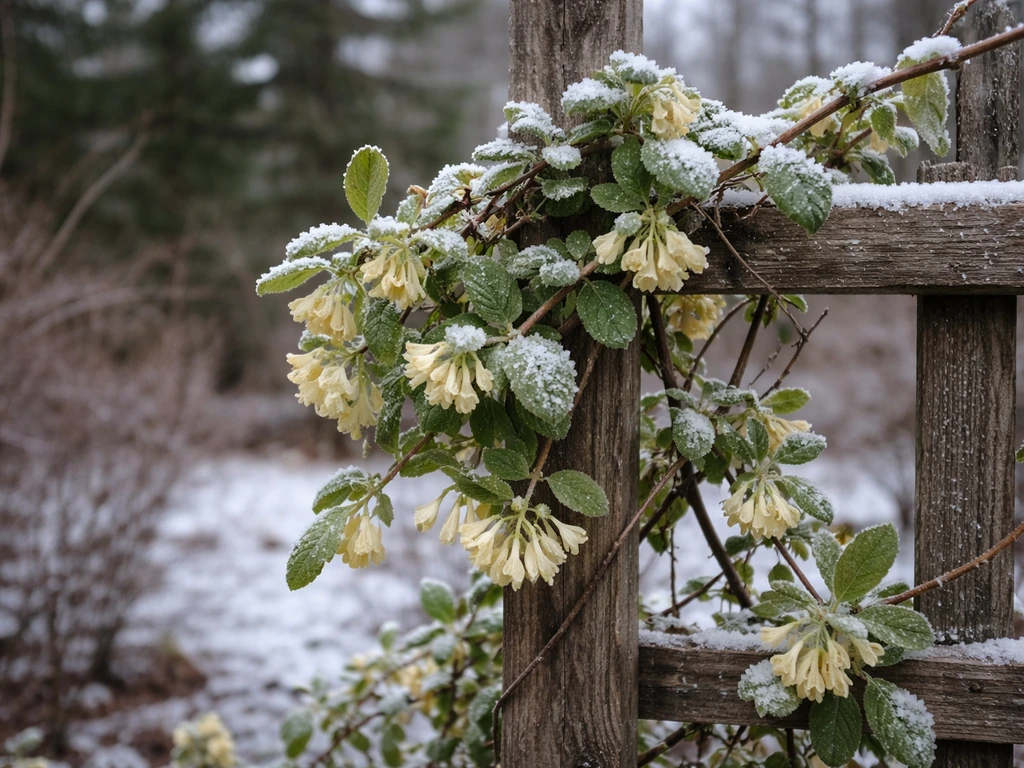
Which honeysuckle types can actually grow in Canada
There are over 180 honeysuckle species in the Northern Hemisphere, and nine of them are native to Canada. Those native species are your safest, most frost-tolerant options. Beyond the natives, several non-native ornamental honeysuckles have been planted widely across Canadian gardens for decades and perform well in the right zones. The challenge is separating the good performers from the invasive troublemakers.
| Species | Type | Canada Hardiness Zone | Growth Habit | Notes |
|---|---|---|---|---|
| Lonicera dioica (Wild Honeysuckle) | Native | 1a – 7b | Twining vine | Excellent cold tolerance; safe for naturalizing |
| Lonicera sempervirens (Trumpet Honeysuckle) | Native to North America | 4a – 8a | Vine | Great for southern Ontario and BC; hummingbird magnet |
| Lonicera hirsuta (Hairy Honeysuckle) | Native | 2a – 6b | Vine | Handles colder prairie zones well |
| Lonicera x brownii (Scarlet Honeysuckle) | Hybrid | 3a – 7b | Vine | Popular ornamental; non-invasive hybrid |
| Lonicera tatarica (Tatarian Honeysuckle) | Invasive non-native | 2a – 8a | Shrub | Very cold-hardy but invasive across Canada; avoid planting |
| Lonicera japonica (Japanese Honeysuckle) | Invasive non-native | 5a – 8a | Vine | Aggressive spreader; problematic in milder regions |
If you want a reliable ornamental vine, Lonicera x brownii is one of the most commonly planted non-invasive options at Canadian garden centres and it handles zone 3 winters well. For the prairies and northern gardens, native species like Lonicera dioica or Lonicera hirsuta are genuinely your best bet. They've been growing in those conditions for thousands of years.
Understanding Canada's growing zones and finding yours
Canada uses its own plant hardiness zone system, managed by Agriculture and Agri-Food Canada and Natural Resources Canada. It runs from zone 0a (extreme northern and subarctic areas) up to zone 8a (parts of coastal British Columbia). This is different from the USDA zone system used in the United States, so if you're looking up plants at a US nursery website, the zone numbers won't translate directly. A zone 5 in Canada is colder than a zone 5 in the USDA system.
The most current approach uses average extreme minimum temperatures from 1991 to 2020. Open Government Portal’s Plant Hardiness Zones of Canada dataset notes that the original hardiness zone map was based on average climate values from 1930, 1960, and that an alternative approach uses average extreme minimum temperatures for 1991, 2020 average extreme minimum temperatures from 1991 to 2020. To find your specific zone, use the interactive lookup tool on Canada's Plant Hardiness Site run by Natural Resources Canada. Enter your location and it will tell you your zone. You can also look up individual plant species, including honeysuckle, to see exactly which Canadian zones a given plant is rated for. That tool is the single most useful thing you can do before buying any plant in Canada.
As a rough guide by region: coastal BC sits in zones 6a to 8a, southern Ontario is mostly zones 5b to 7a, the Prairies range from zones 2b to 4b, Quebec varies from 2a in the north to 5b around Montreal, and Atlantic Canada runs from about 4a to 6b depending on coastal influence. Northern territories are typically zones 0a through 2b.
Sun, soil, and site: setting honeysuckle up for success in Canada
Honeysuckle isn't picky, but matching the site to Canadian conditions makes a real difference for winter survival and flowering performance. Most species want at least six hours of direct sun daily for the best bloom. They'll survive in part shade, especially in hotter southern regions like the Niagara Peninsula or coastal BC, but flowering will be reduced. In colder prairie zones, a south or southeast-facing wall gives the plant warmth and wind protection that can mean the difference between it thriving and barely surviving.
- Soil: well-drained loam is ideal; honeysuckle tolerates clay and sandy soils but will struggle in waterlogged conditions, especially over winter when standing water causes root rot
- pH: slightly acidic to neutral (around 6.0 to 7.0) works best, though most honeysuckles are tolerant of a fairly wide range
- Moisture: consistent moisture during the first growing season is critical; established plants are reasonably drought-tolerant
- Wind exposure: in zones 3 and colder, shelter from prevailing winter winds is important, particularly for vine species trained on a fence or trellis
- Microclimates: a south-facing wall, a sheltered corner, or the east side of a building can push your effective zone up by half a zone or more, which matters in marginal areas
Getting honeysuckle through Canadian winters
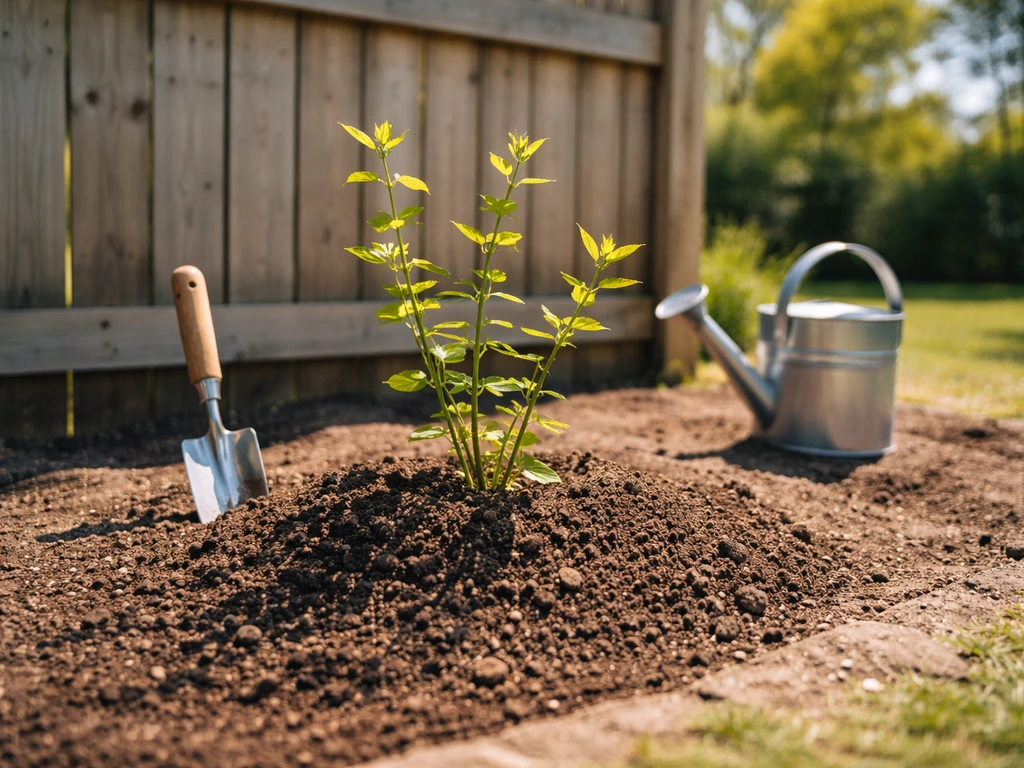
Planting timing makes a big difference. Get honeysuckle in the ground in late spring or early summer, not fall. This gives roots a full growing season to establish before the first hard freeze hits. A plant that goes into the ground in September in zone 4 has almost no chance of making it through January. The same plant put in the ground in May or June has months to develop a strong root system and will handle that same January cold without issue.
- Choose a species rated at least one zone colder than your actual zone for extra insurance (e.g., if you're in zone 4b, choose a species rated to zone 3)
- Plant in late May or June after last frost has passed, giving maximum root establishment time before winter
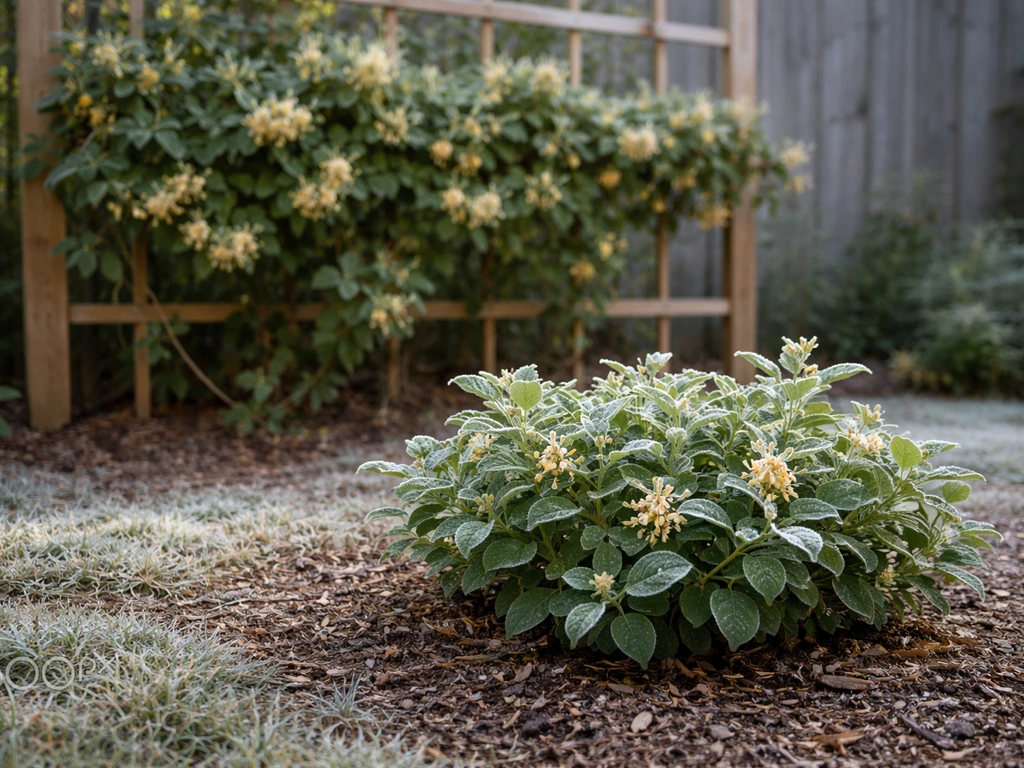
- Mulch the root zone with 3 to 4 inches of wood chips or shredded bark in late October to insulate roots against freeze-thaw cycles
- For vine types on a trellis in zones 3 and colder, leave the dead-looking top growth in place over winter as it protects lower stems and root crowns; cut it back in spring
- In very exposed sites in zones 2 to 3, a burlap wrap around the lower 12 inches of the plant through January and February can prevent winter desiccation and stem kill
- Water deeply in October before the ground freezes; drought-stressed plants are far more susceptible to winter damage than well-hydrated ones
Most established native honeysuckles don't need any of this fuss. The extra steps are mainly for ornamental non-native varieties planted at the colder edge of their hardiness range, which is a common situation in Canadian gardens where people push zone limits.
Invasiveness, pests, and when honeysuckle might not be the right plant
The invasiveness problem is real in Canada
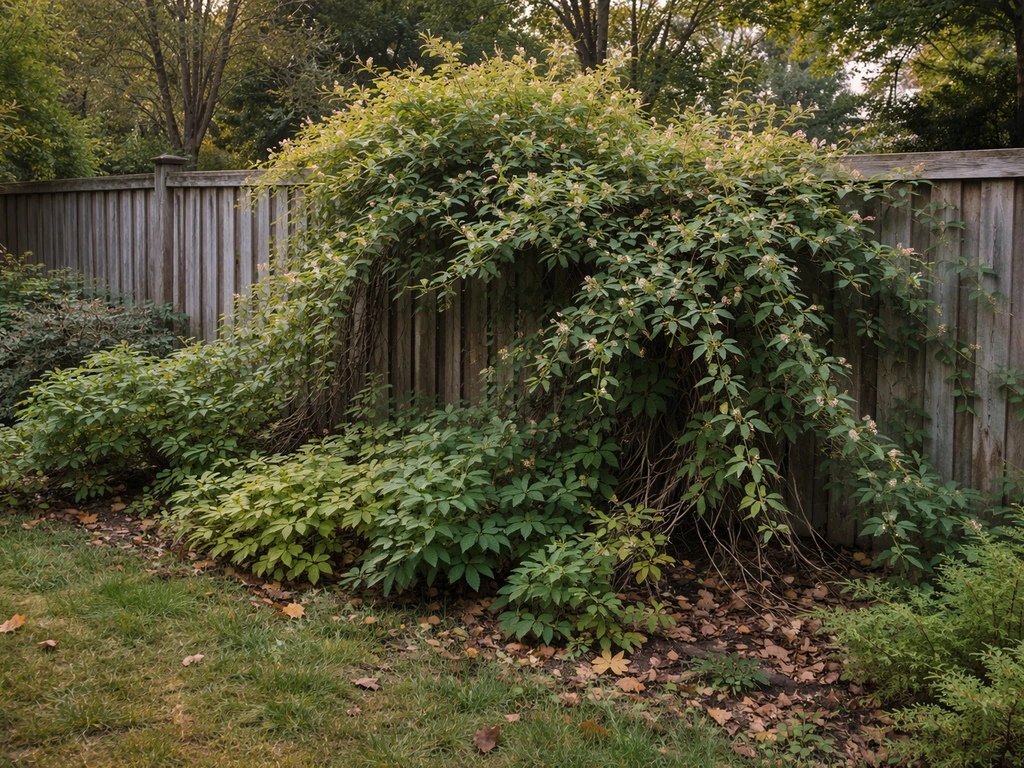
This is the most important planning consideration for Canadian gardeners. Tatarian honeysuckle (Lonicera tatarica) has been widely planted in Canada for decades because it's incredibly cold-hardy and easy to grow. It's also considered invasive across much of the country. Researchers at the University of Toronto Scarborough have documented its invasive spread, and it's recognized as a problem species in Ontario and beyond. Japanese honeysuckle (Lonicera japonica) is similarly aggressive in milder zones. These plants produce berries that birds spread into natural areas, and they outcompete native vegetation. In Canada, invasive species management falls under both federal and provincial legislation, so regulations can vary by province. Some provinces have restrictions on selling or planting known invasive species. Before buying any honeysuckle at a garden centre, check the name. If you're in BC, Ontario, or Quebec and considering a shrub honeysuckle, look it up on your provincial invasive species list first.
Pests and diseases to watch for
- Powdery mildew: extremely common on honeysuckle in humid regions like southern Ontario and coastal BC; choose mildew-resistant varieties and ensure good air circulation around the plant
- Honeysuckle aphids: a specialized aphid (Hyadaphis tataricae) actually arrived in North America on Tatarian honeysuckle and has since spread to affect native species too; another reason to avoid the invasive shrub types
- Leaf roller moths and leaf miners: occasionally cause cosmetic damage but rarely threaten plant survival
- Deer browsing: a significant issue in rural and suburban Canada; honeysuckle is moderately palatable to deer and young plants especially need protection in deer-heavy areas
When honeysuckle might not be the right choice
If your yard backs onto a woodlot, ravine, or natural area, think carefully before planting any non-native honeysuckle. The bird-dispersed berries will reach that natural area regardless of how contained your garden looks. In that situation, stick strictly to native species or the non-invasive hybrid Lonicera x brownii. If you're in zone 0 or 1 in the territories or far northern Quebec, even the hardiest ornamental varieties may not survive reliably and you might be better served by native shrubs like Saskatoon or wild rose that are genuinely adapted to those extremes.
Your next steps before you buy
If you're gardening in comparable cold-climate regions, the same zone-checking logic applies whether you're in Montana, Washington State, Utah, or Minnesota. Honeysuckle species can do well in Minnesota, especially if you choose ones that match your hardiness zone honeysuckle grow in minnesota. If you’re wondering whether honeysuckle can grow in Utah, you’ll usually have the best results by matching the variety to your local hardiness zone and sun conditions. In Washington State, honeysuckle can also grow well when you pick a variety matched to your local hardiness zone. If you’re wondering whether honeysuckle grows in Montana, the answer is yes, as long as you choose a species that matches your local hardiness zone. The species overlap and the invasiveness concerns cross the border in both directions, so the same rules apply on both sides.
- Look up your specific Canadian hardiness zone using the Natural Resources Canada Plant Hardiness Site before buying anything
- Cross-reference your zone with the honeysuckle species table above and choose a species rated at least one full zone colder than your zone
- Check your provincial invasive species list and avoid Lonicera tatarica and Lonicera japonica regardless of how cold-hardy they are
- Pick a planting site with full sun, good drainage, and wind shelter if you're in zones 3 or colder
- Plant in late spring, mulch well in fall, and let the plant establish for a full season before expecting significant winter hardiness
- If your property borders natural areas, use only native honeysuckle species like Lonicera dioica or the sterile hybrid Lonicera x brownii
FAQ
If the honeysuckle is hardy in the label, will it definitely grow in my part of Canada?
Yes, but you need to use Canada’s zone rating (0a to 8a), not the USDA numbers. Many Canadian nurseries also list the “minimum winter hardiness” in the tag or in the product page, so confirm the plant is rated for your exact Canadian zone before you buy.
Why does honeysuckle grow but not flower well in Canada?
If you get little or no flowering, the two most common causes are too little direct sun (many honeysuckles need at least 6 hours) and planting too far north or in a windy, exposed spot. Try adding a windbreak, warming microclimate (south or southeast wall), and avoid heavy shade from nearby trees.
Can I plant honeysuckle if my yard has a fence, but it backs onto natural areas?
Use caution with “berry” honeysuckles. Ornamental honeysuckles can form wildlife food and spread through bird-dispersed seeds, even when the plant itself stays “contained” in a garden bed. If you live near woods, ravines, or unmanaged edges, stick with native species or Lonicera x brownii.
Should I grow honeysuckle from seed or buy a plant in Canada?
In Canada, the safest approach is to start with native or non-invasive varieties already established locally, because they also tend to handle late frosts better. If you are starting from seed, be prepared for variable results, since seedlings may not match the hardiness or growth habit of the parent plant.
How and when should I prune honeysuckle for healthy growth in Canadian climates?
Yes, but timing and crowding matter. Prune right after the main bloom period so you do not remove next season’s buds, and avoid letting vines or shrubs strangle each other. Also, keep good airflow because dense growth can increase leaf disease pressure during humid summers.
How much watering does honeysuckle need after planting in Canada?
Most honeysuckles can handle some drought once established, but new plants should not be allowed to dry out completely during the first growing season. A deep watering routine (less frequent, longer watering) supports stronger roots before winter.
What’s the best way to prevent honeysuckle from spreading in my yard?
In many Canadian gardens, controlling spread is easier with natives or non-invasive hybrids, but you should still plan routine maintenance. Pull or cut back volunteer seedlings early, and for non-native shrubs manage regrowth from suckers or layered stems before they take root.
I live in the far north, what should I do if honeysuckle keeps dying back?
If you’re in very cold zones like the territories or far northern Quebec, even “hardy” ornamentals can fail in some winters because of freeze-thaw cycles and winter wind. Consider choosing native cold-adapted shrubs first, since they are already selected for local extremes.
If my honeysuckle is rated for my zone, how close to the edge can I still expect good results?
The label’s “zone” is about survival, not performance. A plant rated near the top or bottom of your zone may survive but flower sparsely, especially if you also have part shade or cold wind exposure. If you want reliable blooms, choose varieties rated for your zone and your sun conditions.
Where can I check Canadian rules about planting invasive honeysuckle?
Regulations vary by province, and some honeysuckles are restricted or discouraged depending on whether they’re listed as invasive. Before buying, check your provincial invasive species list and also verify whether you can plant, propagate, or even possess certain varieties.