
Yes, honeysuckle can absolutely grow in Minnesota, but which type you plant makes a huge difference. The native northern bush honeysuckle (Diervilla lonicera) thrives across the entire state and is hardy to zone 3. Some ornamental vining honeysuckles like Dropmore Scarlet also perform well here. The catch is that several of the most commonly sold honeysuckle shrubs are actually invasive in Minnesota and restricted or regulated by the state, so you need to know exactly what you're buying before you put anything in the ground.
Does Honeysuckle Grow in Minnesota? What to Plant

Marcus Hartwell
18 May 2026
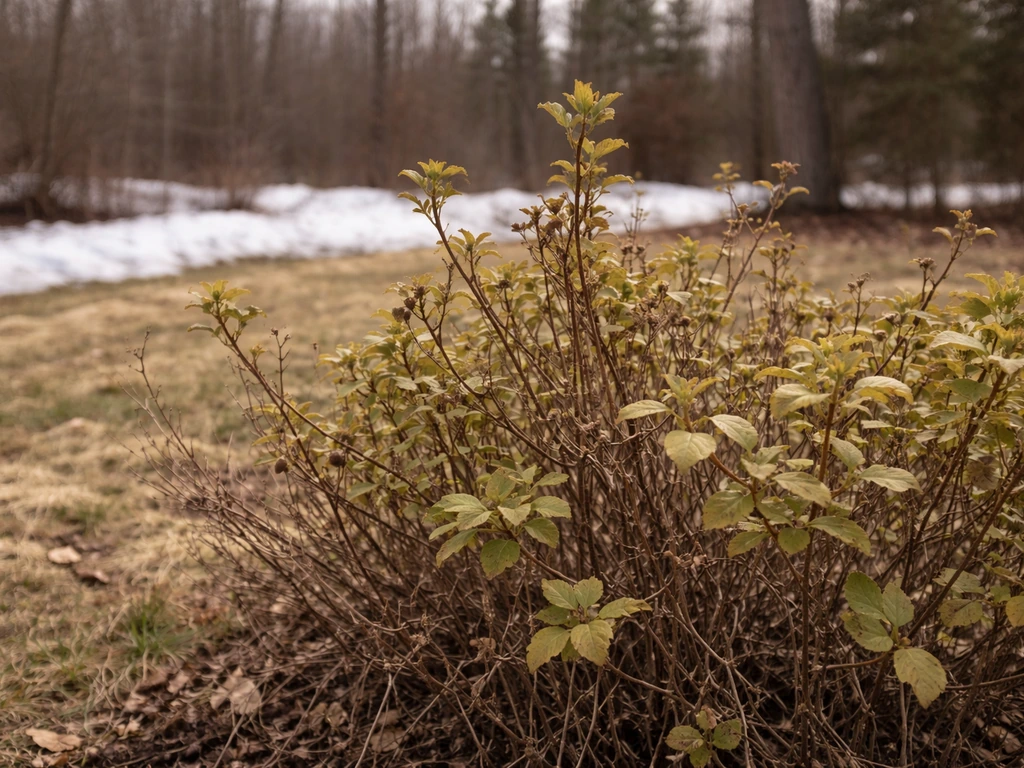
Which honeysuckle types actually work in Minnesota
This is where Minnesota gets a little complicated compared to neighboring states. The honeysuckle landscape here is split pretty clearly between plants you should grow, plants you legally shouldn't plant, and one vine that falls somewhere in between depending on your location.
The native picks (safe, hardy, and recommended)
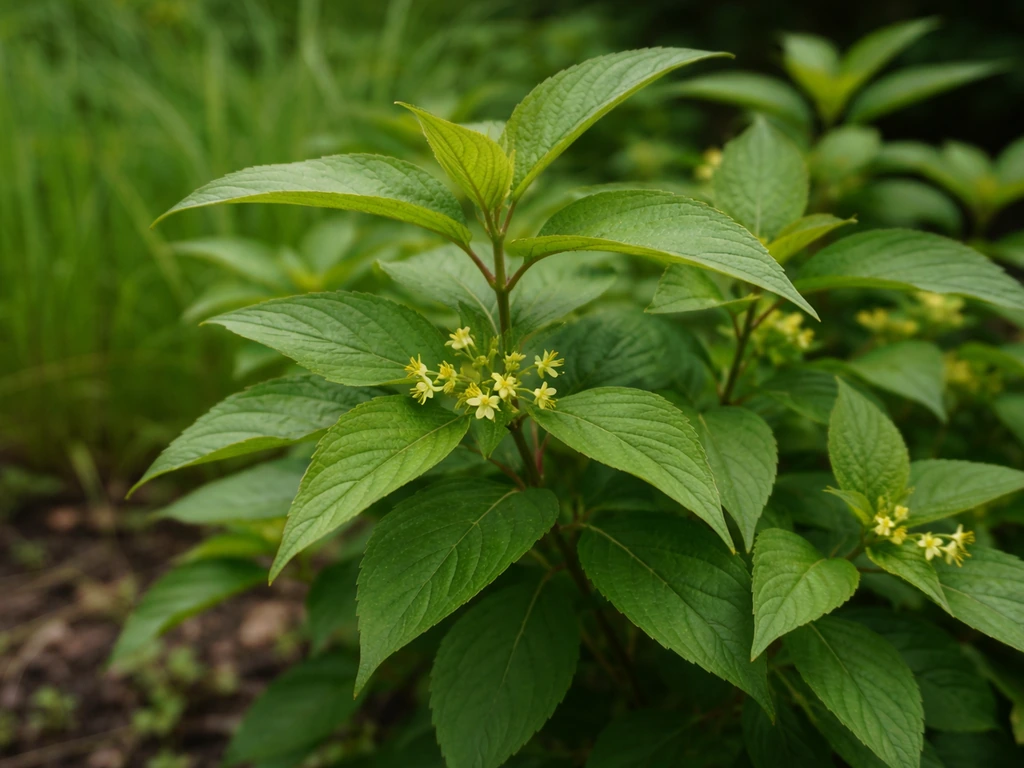
Northern bush honeysuckle (Diervilla lonicera) is native to Minnesota and is the go-to recommendation from both UMN Extension and the Minnesota DNR. It's hardy to USDA zone 3, which covers even the coldest parts of the state near the Canadian border. Its close relative, southern bush honeysuckle (Diervilla sessilifolia), is also cultivated here. Both are on UMN Extension's recommended list specifically as substitutes for the invasive exotic bush honeysuckles that have spread throughout the state. If you want a shrubby honeysuckle-type plant with zero legal or ecological baggage, Diervilla is your answer.
Hardy ornamental vines worth trying
For a climbing vine with the classic honeysuckle look and pollinator appeal, Dropmore Scarlet Honeysuckle (Lonicera x brownii 'Dropmore Scarlet') is specifically referenced in UMN Extension's pollinator plant guidance for Minnesota landscapes. It's a well-regarded ornamental vine developed partly for cold-climate performance. The MDA's Cold Hardiness List also includes honeysuckle cultivars like 'Freedom' and 'Honeyrose' rated to zones 3 and 4, which confirms that select Lonicera cultivars are considered viable for Minnesota conditions when sourced correctly. The Minnesota Department of Agriculture’s Cold Hardiness List uses hardiness-zone-specific labeling and includes honeysuckle cultivars rated for minimum zones, such as the example entries shown on the list.
The invasive ones to avoid
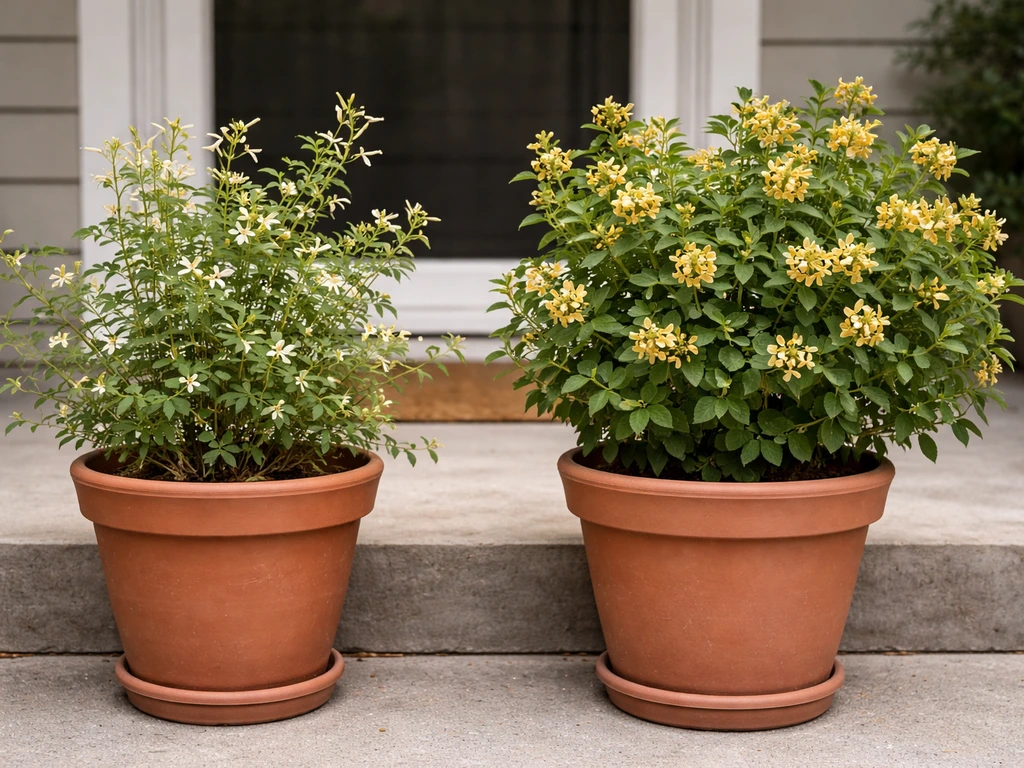
Several honeysuckle species that are widely sold in other parts of the country are regulated or listed as invasive in Minnesota. These include Tatarian honeysuckle (Lonicera tatarica), Morrow's honeysuckle (L. morrowii), Bell's honeysuckle (L. x bella), and Amur honeysuckle (L. maackii), which is classified as a restricted noxious weed in Minnesota. Golden honeysuckle vine (Lonicera japonica, now officially called golden honeysuckle vine per the MDA as of December 2025) is flagged as an early detection invasive. These aren't banned everywhere, but in Minnesota the state actively works to prevent their spread, and planting them in your yard can contribute to larger ecological problems in natural areas.
Minnesota's climate: what the zones actually mean for honeysuckle
Minnesota spans USDA hardiness zones 3 through 5, roughly speaking. The northern and northwestern parts of the state sit in zone 3, where winter lows can drop to -40°F in extreme years. The Twin Cities metro area is generally zone 4b to 5a, with average winter lows more commonly in the -10°F to -20°F range. Even in the milder Twin Cities zone, UMN Extension warns that roots of woody plants can die at temperatures at or below 0°F, which is a real and recurring risk in most Minnesota winters.
Your specific microclimate matters here too. A south-facing wall in Minneapolis creates a noticeably warmer pocket than an exposed north-facing slope in Duluth. Sheltered spots in urban and suburban yards can push your effective growing zone slightly warmer, which is why UMN Extension specifically recommends sheltered planting locations for bush honeysuckle. Before committing to a plant that's rated at the edge of your zone, look at where you're actually planting it.
What to check on the label before you buy
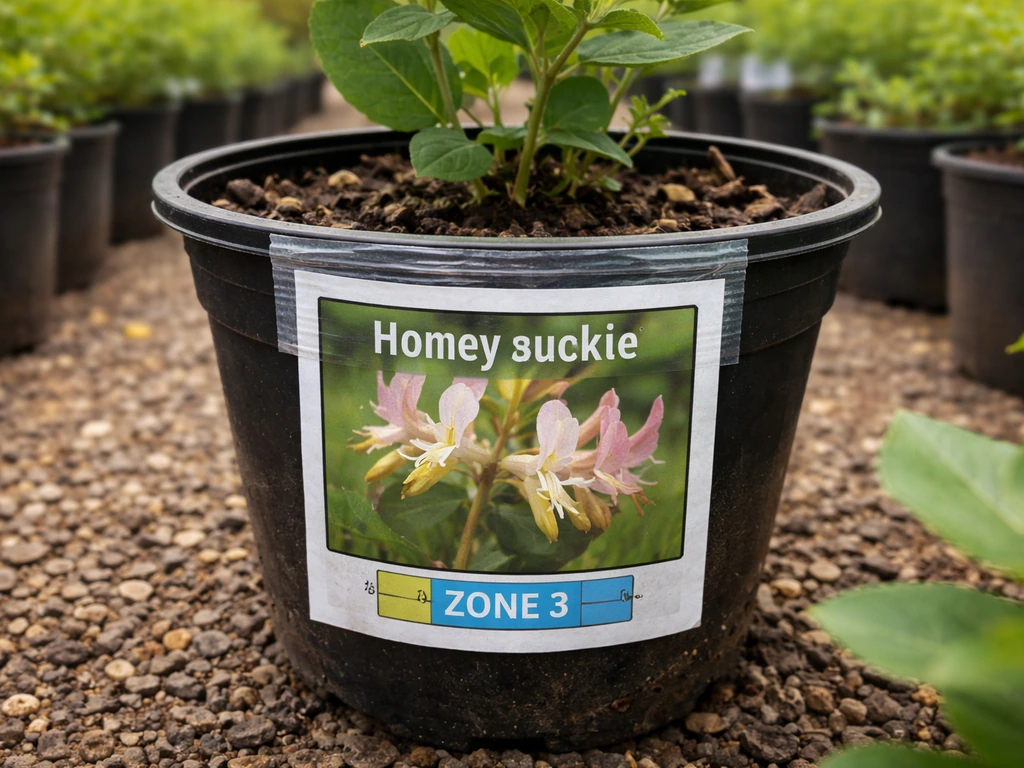
Never buy a honeysuckle in Minnesota without doing a quick label check. Here's what to look for:
- Hardiness zone rating: The plant label must show a minimum hardiness zone of 3 or 4 to be reliably safe for most of Minnesota. If it only says zone 5 or 6, it won't survive a typical northern Minnesota winter and will be marginal even in the Twin Cities.
- Latin species name: Don't rely on common names alone. Check for Diervilla (native bush honeysuckle), or specifically vetted Lonicera cultivars like 'Dropmore Scarlet', 'Freedom', or 'Honeyrose'. Avoid anything labeled L. tatarica, L. maackii, L. morrowii, L. x bella, or L. japonica.
- MDA Cold Hardiness List: The Minnesota Department of Agriculture publishes a Cold Hardiness List with minimum hardiness zones for named cultivars. If you're buying a named honeysuckle cultivar, cross-check it against this list.
- Invasive status: A quick search of the Minnesota DNR invasive species list or the MDA's noxious weed list before you buy can save you from planting something you'll regret later.
Planting basics that actually determine whether it survives
Once you've picked the right species, the planting setup matters more than most people realize in a Minnesota winter. UMN Extension also recommends doing soil testing before planting to make sure you have the right conditions for shrubs and trees the planting setup matters more than most people realize in a Minnesota winter.
- Sun exposure: Northern bush honeysuckle (Diervilla) does well in sun to full shade, which makes it unusually flexible. Most ornamental Lonicera vines prefer full sun to light shade for best flowering.
- Soil pH: Diervilla prefers a soil pH of 6.1 to 6.5 but tolerates higher. A simple soil test (UMN Extension connects you to Minnesota's soil testing infrastructure) before planting will tell you if you need to amend anything.
- Sheltered location: UMN Extension specifically recommends a sheltered planting location for bush honeysuckle in Minnesota. A spot protected from prevailing northwest winds reduces winter desiccation stress significantly.
- Root protection: Because root systems of woody plants can be damaged at or below 0°F in Minnesota winters, a good layer of mulch around the base going into fall helps buffer the soil temperature and retain moisture.
- Avoid road salt zones: If you're planting near a road or driveway, know that salt spray and salt-laden runoff are documented causes of winter injury in woody plants in Minnesota. Keep honeysuckle away from these areas if possible.
Common Minnesota problems to expect
Winter dieback
Even with a zone-appropriate plant, some tip dieback after a harsh Minnesota winter is normal and not necessarily a death sentence. Native Diervilla bounces back reliably. Ornamental vining honeysuckles like Dropmore Scarlet may lose some top growth in a rough zone 3 or 4 winter but typically recover from the root zone if the roots are protected. Golden honeysuckle vine (Lonicera japonica) behaves semi-deciduously in colder climates, losing its leaves before winter, which makes its overwintering performance less reliable in Minnesota's harshest zones and is one more reason the DNR flags it.
Slow establishment in the first year or two
Don't panic if a newly planted honeysuckle seems to just sit there the first season. Most woody plants in Minnesota spend their first year or two putting energy into root development rather than top growth. Consistent watering during establishment, especially in dry summers, makes a real difference in how the plant handles its first few Minnesota winters.
Bloom timing and expectations
Diervilla typically blooms in summer with small yellow flowers, attractive but not the big fragrant show that people often picture when they think 'honeysuckle.' If you want the classic tubular, fragrant, hummingbird-attracting display, you're looking at ornamental Lonicera vines like Dropmore Scarlet, which blooms red-orange in summer. Setting the right expectations upfront avoids disappointment after the plant is in the ground.
Disease and pest issues
Leaf spot and powdery mildew can occur on bush honeysuckle, especially in humid summers or spots with poor air circulation. Aphids are another common pest on Lonicera species. None of these are typically fatal, but picking a planting spot with decent airflow and avoiding overhead watering helps reduce the frequency.
When your honeysuckle type won't work here, or you want to avoid the invasive risk
If the honeysuckle you had in mind turns out to be one of the regulated invasive species, or if you want something with zero invasive risk and proven Minnesota hardiness, Diervilla lonicera is the straightforward answer. UMN Extension specifically recommends it as a substitute for exotic honeysuckles in Minnesota landscapes, and it genuinely pulls its weight as a native shrub with decent shade tolerance and good wildlife value.
Beyond Diervilla, other native and non-invasive flowering shrubs worth considering for similar landscape roles include native viburnums, native spirea species, and native dogwoods, all of which are well-suited to Minnesota's zone range. If you really want a vine with the climbing habit of Lonicera, native Virginia creeper or native bittersweet (Celastrus scandens, not the invasive Oriental bittersweet) are solid alternatives, though they don't have the same flower show.
For gardeners in neighboring cold-climate states, the honeysuckle question plays out similarly. Montana has its own hardiness zones and invasive plant rules, so check those specifics before you plant honeysuckle there. Montana, Washington State, Utah, and Canada all have their own zone ranges and invasive species lists that affect which honeysuckle types are appropriate, so if you're gardening near a border or planning across state lines, it's worth checking those regional specifics separately. For gardeners in Canada, the same hardiness and invasiveness checks matter when choosing which honeysuckle types to grow. Does honeysuckle grow in Utah? The same approach applies: check hardiness zones and avoid invasive or regulated species. Because Washington State has its own hardiness zones and invasive species rules, the best honeysuckle choice there may differ from Minnesota.
Quick comparison: main honeysuckle options for Minnesota
| Plant | Type | Hardiness Zone | Minnesota Status | Best Use |
|---|---|---|---|---|
| Northern bush honeysuckle (Diervilla lonicera) | Native shrub | Zone 3-7 | Recommended native | Borders, shade gardens, wildlife habitat |
| Dropmore Scarlet (Lonicera x brownii) | Ornamental vine | Zone 3-4 | Safe ornamental | Trellises, fences, pollinator gardens |
| 'Freedom' / 'Honeyrose' honeysuckle | Ornamental shrub/vine | Zone 3-4 | MDA Cold Hardiness listed | Landscape ornamental |
| Tatarian honeysuckle (L. tatarica) | Non-native shrub | Zone 3 | Invasive, avoid | Do not plant |
| Amur honeysuckle (L. maackii) | Non-native shrub | Zone 3-4 | Restricted noxious weed | Do not plant |
| Golden honeysuckle vine (L. japonica) | Non-native vine | Zone 4-5 | Early detection invasive | Do not plant in MN |
Bottom line: honeysuckle has a home in Minnesota, but you have to be deliberate about which one you choose. Stick with Diervilla or a cold-rated Lonicera cultivar confirmed on the MDA Cold Hardiness List, give it a sheltered spot with root protection going into winter, and you'll have a plant that genuinely earns its place in a Minnesota yard.
FAQ
How can I confirm the honeysuckle type on the label is safe to plant in Minnesota?
Not all “honeysuckle” sold in big box stores is a good match for Minnesota. If the label does not specify the exact species or cultivar, or if it lists common names that overlap with regulated types, assume you need to verify it with Minnesota MDA/DNR guidance before buying.
What kind of winter protection actually helps honeysuckle survive in Minnesota?
For Minnesota winters, the biggest protection is insulating the root zone, not the top growth. Use a mulch layer to moderate freeze-thaw cycles, and avoid mounding mulch directly against the crown in a way that traps moisture.
Can I grow honeysuckle in shade in Minnesota?
Yes, but choose the right category. Diervilla is better for shade or partial shade and tends to establish more predictably, while many ornamental Lonicera vines need more sun for the best flowering. If your yard is very shaded, stick to the shrubby Diervilla option.
Why does my honeysuckle look like it’s not growing in the first season?
A new honeysuckle often looks underwhelming in year one because it prioritizes roots. Continue steady watering during establishment (especially during dry spells), then reassess growth after the first full growing season before assuming it will not thrive.
How do I prevent leaf spot or powdery mildew on honeysuckle in Minnesota?
Airflow and watering habits matter most for bush honeysuckle disease issues like leaf spot and mildew. Water at the base when possible, space plants to avoid crowding, and remove heavily affected leaves early to reduce repeat problems.
What should I do if aphids show up on my honeysuckle?
If you see leaf curling, sticky residue, or clusters of small soft-bodied insects, aphids are often the culprit. A strong water spray can help on smaller plants, and using insecticidal soap early (before populations explode) usually works better than waiting until damage is severe.
What’s the risk of planting a regulated honeysuckle anyway?
The safest approach is not to “just try it” with regulated invasive candidates. If a plant is on a restricted or noxious list, it can lead to legal issues and faster spread into nearby natural areas, so swap to Diervilla or a named cold-rated, allowed cultivar instead.
Can I propagate honeysuckle in Minnesota to save money?
Yes, but the outcome depends on the type. Diervilla can be divided or propagated from established growth, while many Lonicera cultivars are harder to replicate faithfully from seed and may not produce identical plants.
Will the honeysuckle I plant in Minnesota smell strongly and flower the same way as store-bought “honeysuckle” vines?
For flowering expectations, temper the “classic honeysuckle” idea. Diervilla typically has smaller yellow flowers and blooms in summer, while the more dramatic red-orange, tubular, fragrant show is associated with ornamental Lonicera vines like Dropmore Scarlet.
Where should I plant honeysuckle in my yard to maximize survival through Minnesota winters?
Start by treating your yard like a microclimate map. Use sheltered spots that reduce wind and help prevent extreme root exposure, and avoid the coldest, most exposed areas where winter lows are reliably brutal even in nearby metros.