Yes, honeysuckle grows in Washington state, and it does well here. The bigger question is which honeysuckle you're dealing with, because that name covers a wide range of species with very different behaviors. Some are native to Washington and genuinely belong in the landscape. Others are popular ornamentals that perform beautifully without causing problems. And a few are aggressive spreaders you'll want to avoid planting in the first place. Get that distinction right and you'll have a vine or shrub that thrives with minimal fuss. If you’re wondering about growing conditions in Minnesota, it helps to start with your local climate and hardiness zone before choosing a honeysuckle type thrives with minimal fuss.
Does Honeysuckle Grow in Washington State? Types and Tips

Marcus Hartwell
11 May 2026
Washington is a great fit for honeysuckle (with one big caveat)
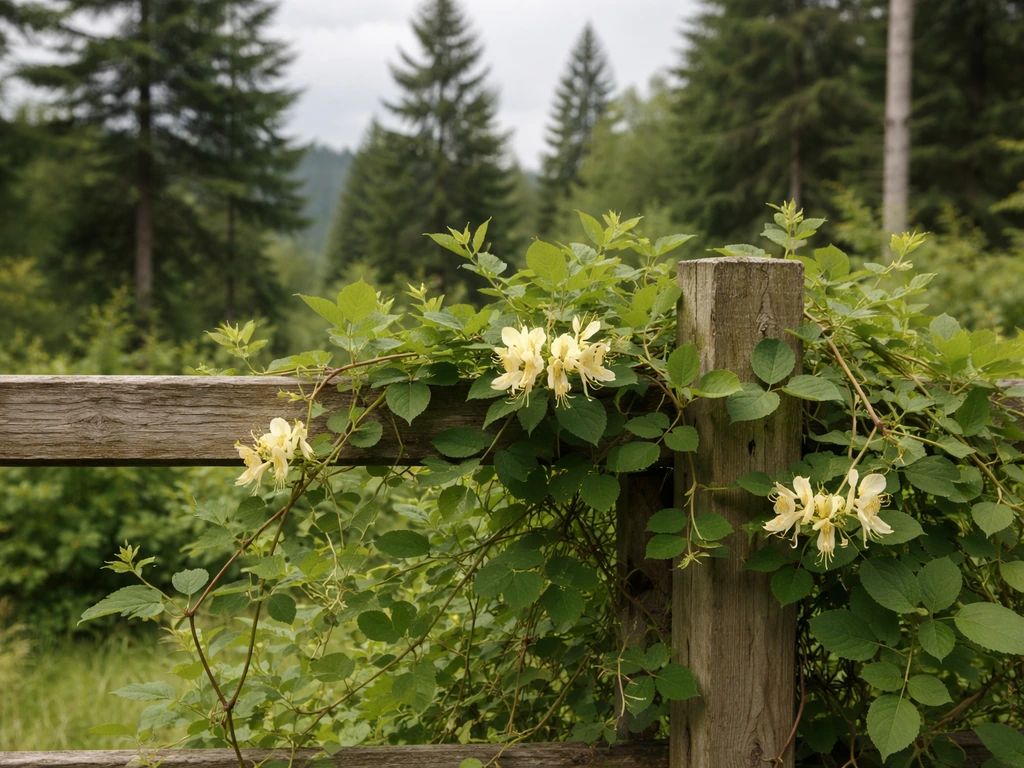
The climate across most of Washington suits honeysuckle well. The mild, wet winters west of the Cascades are ideal for many vining types, and even the colder, drier eastern side of the state supports cold-hardy species without much trouble. Washington's mix of temperate zones, acidic soils, and reliable moisture gives honeysuckle exactly what it needs to establish and bloom. So if you're doing a straight feasibility check, the answer is a clear yes.
The caveat, which matters a lot in Washington specifically, is that some honeysuckle species have a documented history of escaping gardens and displacing native plants. The Washington State Noxious Weed Control Board and the Washington Invasive Species Council both exist in part to address this kind of problem. Picking the right species from the start is the difference between a plant you'll love and one you'll spend years pulling out.
Native honeysuckles vs. ornamental types in Washington
Washington actually has two native honeysuckles that are worth knowing about, and they're underused in home landscapes.
Orange honeysuckle (Lonicera ciliosa)
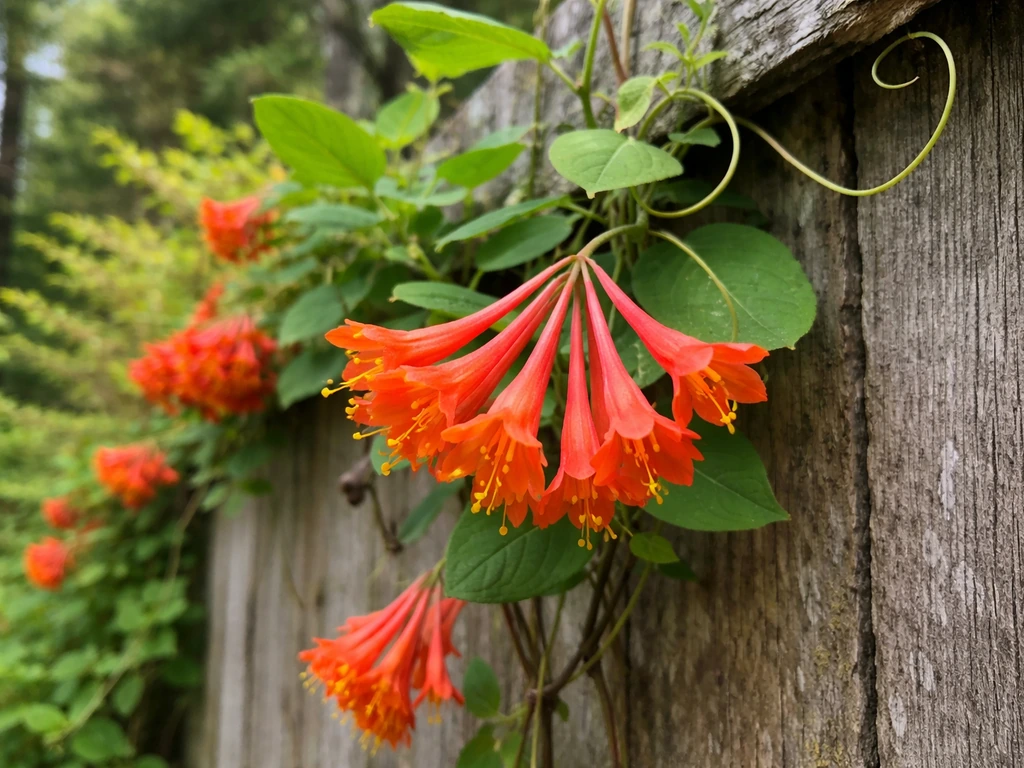
This is the most recognizable native honeysuckle in Washington. It's a deciduous vine that climbs up to about 20 feet, produces bright orange-red tubular flowers that hummingbirds love, and later develops orange-red berries. It grows naturally in the forests and woodland edges of western Washington but is adapted across much of the state. It handles part shade to full shade well and prefers moist, acidic, well-drained soil. It's hardy to USDA Zone 4, which covers virtually all of Washington including the colder eastern pockets.
Hairy honeysuckle (Lonicera hispidula)
This one is less well known. Rather than climbing, hairy honeysuckle tends to ramble along the ground and stays very low, often under a foot tall. It tolerates sun to full shade and handles dry to moist conditions, making it drought tolerant once established. It's hardy to Zone 5. Think of it more as a low scrambling groundcover than a traditional climbing vine. King County's native plant guides include it as a solid native choice for regional gardens.
Popular ornamental honeysuckles
Beyond the natives, a few ornamental honeysuckles are commonly planted in Washington and perform reliably. Trumpet honeysuckle (Lonicera sempervirens) is one of the best choices: it's showy, attracts hummingbirds, doesn't spread aggressively, and handles the Pacific Northwest climate without complaint. Hall's honeysuckle (Lonicera japonica 'Halliana') and plain Japanese honeysuckle (Lonicera japonica) are sometimes sold at nurseries but are considered weedy and invasive by Oregon State University's Landscape Plants database, which is closely aligned with Pacific Northwest conditions. These are the ones to avoid.
Where honeysuckle fits across Washington's zones and regions
Washington spans USDA hardiness zones roughly from Zone 4 in the coldest inland and mountain areas to Zone 9 in the warmest parts of the Puget Sound lowlands. That's a wide range, and honeysuckle fits across most of it.
| Washington Region | Typical USDA Zones | Best Honeysuckle Fit |
|---|---|---|
| Western WA / Puget Sound lowlands | Zone 7–9 | Lonicera ciliosa, L. sempervirens, ornamental vines |
| Olympic Peninsula / Coast | Zone 7–8 | Lonicera ciliosa (thrives in moist shade conditions) |
| Eastern WA valleys (Spokane, Tri-Cities) | Zone 5–7 | Lonicera ciliosa, L. hispidula, cold-hardy ornamentals |
| Eastern WA highlands / mountains | Zone 4–5 | Lonicera ciliosa (hardy to Zone 4), L. hispidula (Zone 5) |
| South-central WA (Yakima Valley) | Zone 6–7 | Most ornamental vines, native species both viable |
The bigger differentiator in Washington isn't cold tolerance (most honeysuckles handle our winters fine) but moisture and soil. Western Washington's naturally moist, acidic soils are essentially what Lonicera ciliosa evolved in. Eastern Washington is drier and often has more alkaline soils, so you'll want to amend with compost and make sure irrigation is available during summer dry spells, especially in the first two seasons of establishment.
Sun, shade, and site conditions that make it thrive
One of the best things about honeysuckle in Washington is its flexibility with light. The native orange honeysuckle handles everything from part shade to shade, which is a real advantage in wooded yards under the forest canopy that characterizes so many western Washington properties. If you have a shaded fence or a pergola that doesn't get direct afternoon sun, orange honeysuckle is actually a better fit than most flowering vines.
blank" rel="noopener noreferrer">Hairy honeysuckle goes even further, tolerating full shade, though it will produce more blooms with some sun exposure. Ornamental vines like Lonicera sempervirens prefer full sun to light part shade and will bloom most heavily in a sunny, south or west-facing spot.
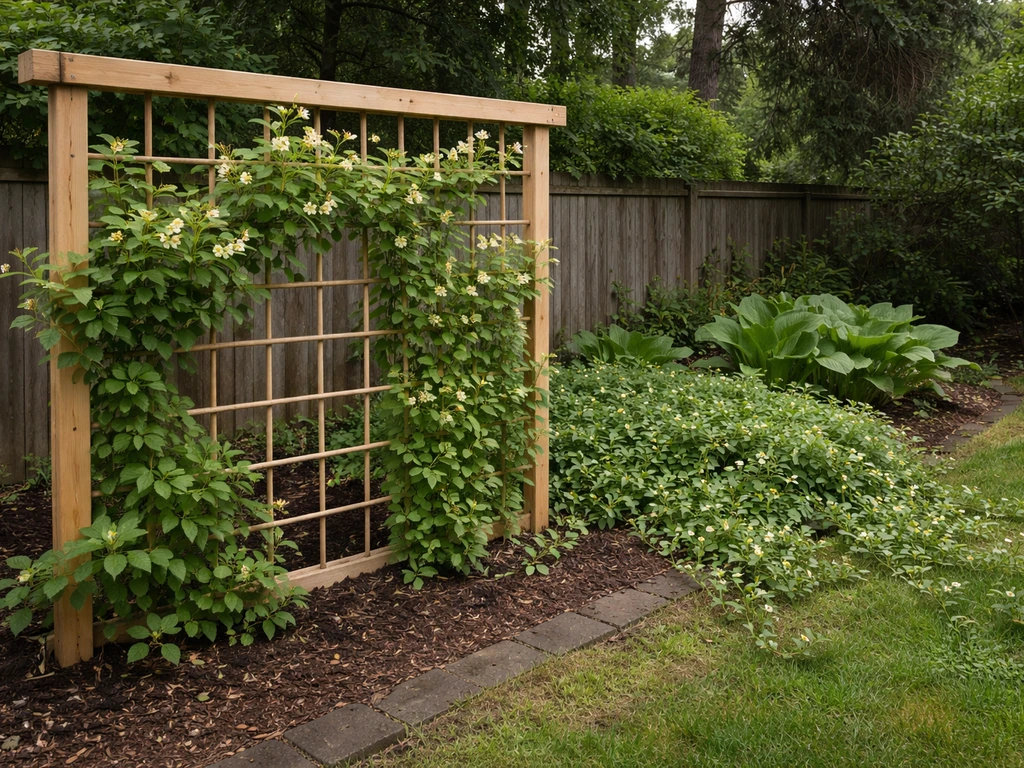
For soil, aim for acidic to neutral (pH 5.5 to 7.0), well-drained conditions. Washington's naturally acidic soils west of the Cascades are already in that range for most gardens. In eastern Washington, test your soil first and add sulfur or compost if you're above pH 7. Moisture is important during establishment, but once rooted in, both native species handle some drought, especially Lonicera hispidula. Give any honeysuckle vine a sturdy support structure: a trellis, fence, or arbor at least 6 to 8 feet tall for Lonicera ciliosa, which will climb to 20 feet at maturity.
When and how to plant honeysuckle in Washington
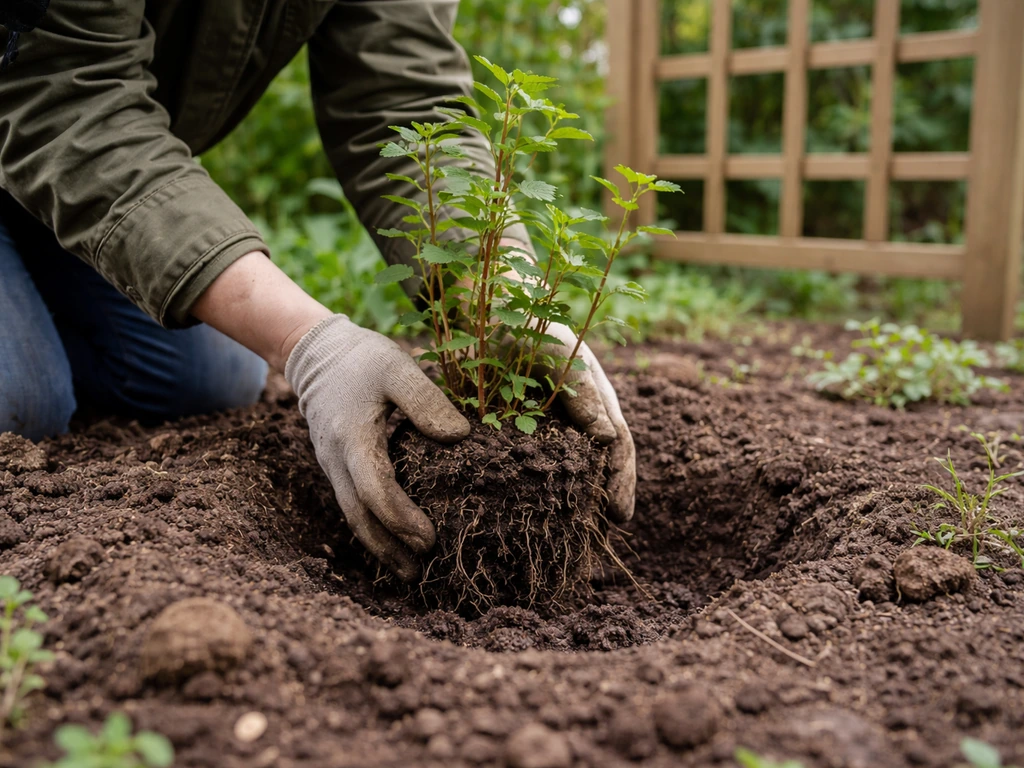
The best planting window in Washington is spring, from late March through May, after the last frost threat has passed but while the soil is still cool and moist. This is especially true in eastern Washington where late frosts can hit into April. In western Washington, you can stretch this into early June without issue, and container-grown plants can go in almost any time the ground isn't frozen.
Fall planting (September through October) is a solid second option for western Washington, where mild winters give roots time to establish before summer dry season. Avoid planting in summer on the eastern side of the state without a committed watering plan, since the combination of heat and dry conditions will stress a new plant hard.
- Choose a container-grown plant from a local native plant nursery or reputable Pacific Northwest supplier
- Dig a hole about twice the width of the root ball and at the same depth
- Amend the backfill with compost, especially in eastern Washington clay or sandy soils
- Water deeply at planting and keep the soil consistently moist through the first summer
- Set up your support structure at planting time so you don't disturb roots later
- Mulch the base with 2 to 3 inches of bark or wood chips to retain moisture and suppress weeds
Invasive risk is real: choose carefully
This is the part of the honeysuckle conversation Washington gardeners need to take seriously. The Washington State Noxious Weed Control Board explicitly notes that many invasive plants in the state are escapees from home gardens. The Washington Invasive Species Council has evaluated over 700 invasive species in the region and maintains an active list of priority species to control.
Japanese honeysuckle (Lonicera japonica) is widely recognized as weedy and invasive across the Pacific Northwest. Bush honeysuckles like Morrow's honeysuckle (Lonicera morrowii) are also documented invaders managed actively in parks and natural areas. While the WSDA's current prohibited plant list does not specifically name any Lonicera species under its sale-and-transport ban (as of current regulations), that doesn't mean these plants are risk-free. The noxious weed framework and invasive species councils actively track and manage them.
The practical guidance: stick to native species (Lonicera ciliosa and Lonicera hispidula) or non-invasive ornamental options like Lonicera sempervirens. If you already have an aggressive spreading honeysuckle and want to replace it, native alternatives like western clematis (Clematis ligusticifolia) or red flowering currant (Ribes sanguineum) offer similar wildlife value without the spread risk.
How to tell which honeysuckle you actually have
If you've inherited a honeysuckle in an existing garden or found one growing on your fence, here's a quick way to start narrowing it down.
- Cut a stem and check the pith (the center): hollow or brown pith is a strong indicator of an invasive Asian bush honeysuckle (like Lonicera japonica or Lonicera morrowii), while native species and non-invasive types typically have solid white pith
- Is it a vine or a shrub? Washington's native honeysuckles are vines. If it's a multi-stemmed shrub with paired oval leaves, it's more likely an introduced bush honeysuckle
- Flower color and shape matter: orange-red tubular flowers on a climbing vine point to Lonicera ciliosa; white or yellow fragrant flowers that fade to yellow often indicate Japanese honeysuckle
- Berries can help: orange honeysuckle has clustered orange-red berries; Japanese honeysuckle has small black berries
- Where is it growing? A honeysuckle climbing up into a forest edge in western Washington is more likely a native; one overtaking a roadside hedge is worth inspecting more carefully
Once you've identified what you have, your next step is straightforward. Native species can stay and even be encouraged to spread a little, since they support hummingbirds, bees, and native wildlife. Non-invasive ornamentals can be managed with normal annual pruning after flowering. If you discover you have an invasive type, contact your local county weed control board (King County, Spokane County, and most others have dedicated programs) for guidance on removal and replacement options.
If you're comparing Washington's situation to neighboring states, the regional pattern is consistent: honeysuckle is broadly viable across the inland Northwest, including areas like Montana, Utah, and Minnesota, but species selection and invasive risk management are equally important considerations everywhere. Honeysuckle can grow in Montana too, but it depends heavily on the species and your site conditions. Washington's specific combination of mild wet winters, acidic soils, and active invasive species management infrastructure makes it especially worthwhile to do this homework before you buy.
FAQ
If honeysuckle grows in Washington, will it still thrive without perfect conditions?
Yes, but the safest approach is to match species to your yard’s light and soil, then plan for moisture during establishment. In Washington’s first growing seasons, prioritize consistent watering (especially east of the Cascades where summer can be dry) until the plant is fully rooted, then expect better drought tolerance.
Can I plant honeysuckle near wooded areas or a neighbor’s yard in Washington?
You can grow it, but only if it can’t escape your property and if you prune on schedule. Avoid letting vines or stems contact neighboring shrubs, and remove spent flowers and fruiting stems promptly to reduce seed spread, especially for any type you are not 100 percent sure is non-invasive.
How do I confirm whether my honeysuckle is the native orange type or an ornamental in Washington?
Orange or “native-looking” honeysuckle may still be a non-native species, so don’t rely on appearance alone. Look up the exact cultivar and botanical name on the tag, and if it came without one, take photos and contact your county weed board or a local native plant group to confirm before planting or encouraging it.
Does hairy honeysuckle grow like a vine on a trellis in Washington?
For Lonicera hispidula (hairy honeysuckle), train and manage it as a low groundcover, not a classic climbing vine. If you need a trellis, you’ll get better results with climbing types like Lonicera ciliosa, and you should budget for a sturdier support (6 to 8 feet) from day one.
When should I prune honeysuckle in Washington, and how hard should I cut it back?
Most honeysuckle in Washington benefits from pruning right after the main flowering period, not in midwinter. Light annual pruning keeps climbing vines from becoming tangled, and it also reduces the chance of stems rooting where they touch the ground.
What’s the best way to handle an invasive honeysuckle I already planted or inherited?
If you already have a spreading type, don’t just cut it once, because many invasives regrow from root systems. A common next step is repeated cutting plus targeted removal guidance from your county program, then replacing with natives or a non-invasive ornamental you can control.
Can honeysuckle handle Washington’s wet winters without disease problems?
Usually yes, but Washington’s high moisture and damp winters can increase fungal issues in crowded growth. Make sure you have air circulation (avoid planting too close), keep soil well-drained, and remove any leaves showing persistent spots or mildew early.
How do I adjust soil if my yard is alkaline in eastern Washington?
Soil pH matters most in eastern Washington where soils can be more alkaline. If your test shows pH above about 7, amend with compost and consider an acidifying approach based on your results, and prioritize drainage so roots don’t sit in saturated ground.
Is it ever okay to plant honeysuckle in summer in Washington?
In summer, planting is riskier in eastern Washington due to heat and dryness. If you must plant outside the spring or fall windows, use a reliable watering schedule (deep watering multiple times per week at first) and consider a container-grown plant only if the roots are healthy and you can maintain moisture through the first dry spell.
Will honeysuckle reseed itself in my garden in Washington, and how can I prevent volunteers?
Yes, for non-invasive ornamentals like trumpet honeysuckle, and also for native types, but control matters for anything that forms seeds or berries. Hand-remove fruiting structures when practical, and keep mulch and fallen plant debris cleaned up so volunteers do not establish in nearby beds.