
Yes, honeysuckle grows in Montana, but the type matters enormously. A handful of native honeysuckle species occur here naturally, and several commonly sold ornamental varieties can survive Montana winters if you pick the right one for your zone and plant it in the right spot. The biggest trap is buying the wrong species for your corner of the state, or planting it somewhere too dry and exposed, then blaming the cold when it dies.
Does Honeysuckle Grow in Montana? Native and Planting Tips

Marcus Hartwell
9 Jun 2026
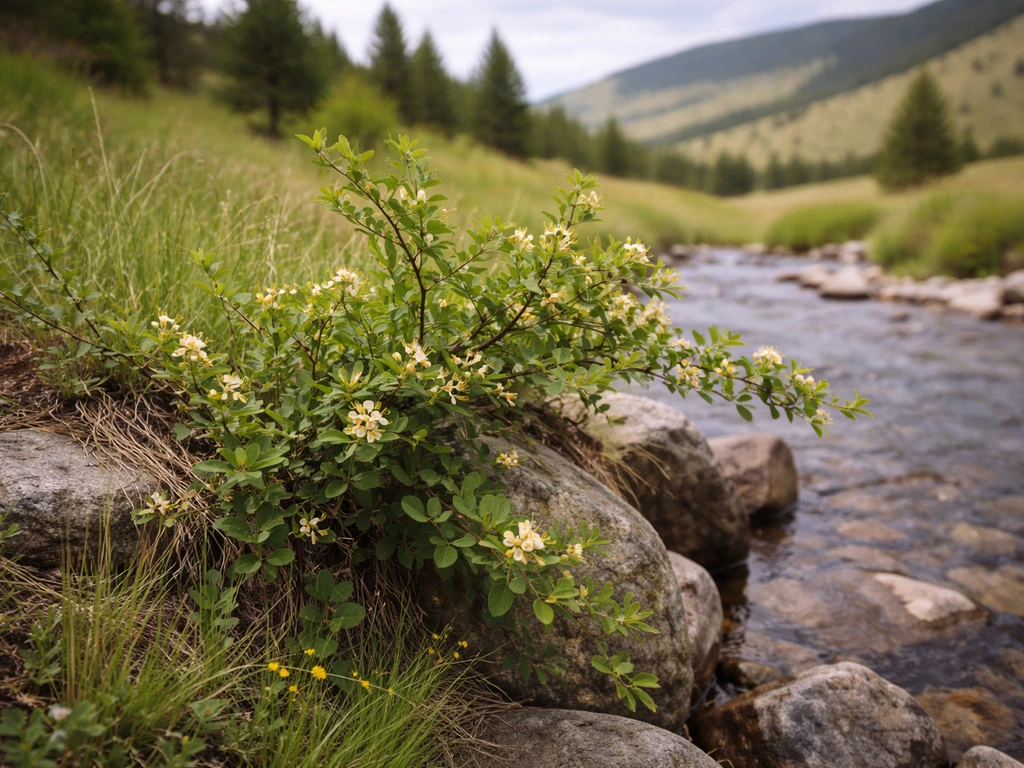
If you're wondering about Minnesota, the same rule applies: choose a hardy species for your zone and plant it where it won't dry out over winter honeysuckle in Minnesota. If you are in Utah, look for cold-hardy honeysuckle varieties and pay close attention to your local USDA zone and watering planting it somewhere too dry and exposed.
Native honeysuckle species in Montana
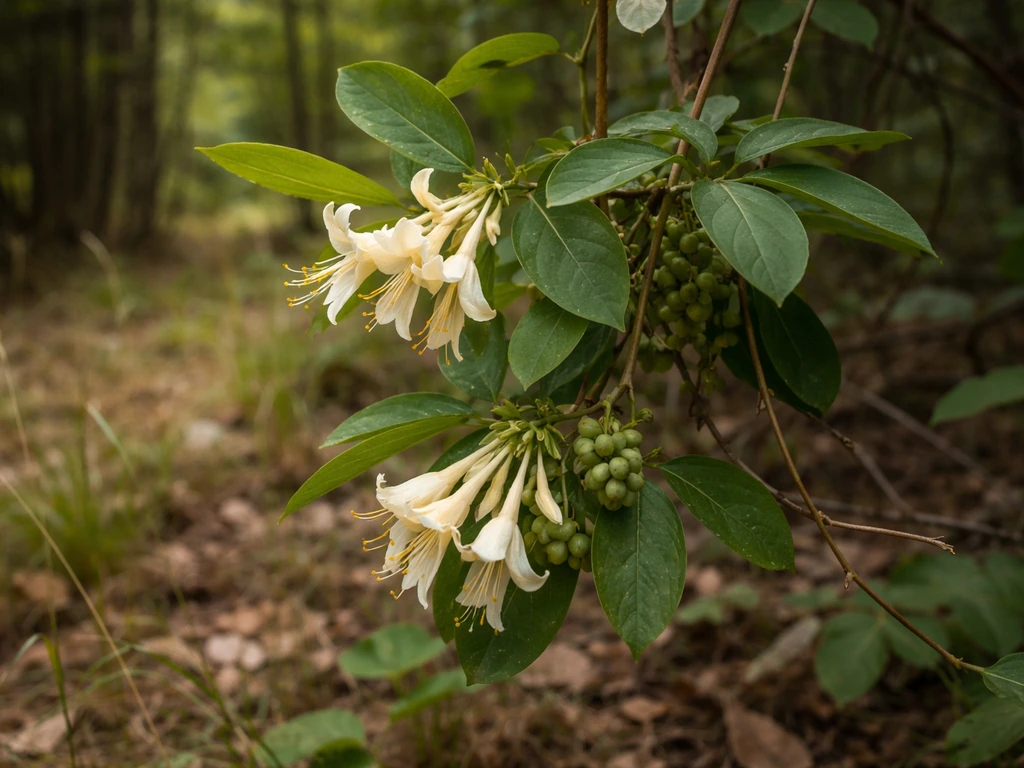
Montana does have native honeysuckle. The Montana Field Guide lists Western Honeysuckle (Lonicera caerulea var. cauriana) as a native species found primarily in southwest Montana, growing in wet meadows, fens, and wetlands at moderate to high elevations. The Montana Field Guide’s Caprifoliaceae family page documents [Western Honeysuckle (Lonicera caerulea var.
cauriana) as a native species](https://fieldguide. mt. gov/displaySpecies. aspx?
family=Caprifoliaceae&sort=1) in Montana. It carries a State Rank of S3S4, which means it's present but not abundant, so you're not going to stumble across it everywhere. A second native species, Twinberry Honeysuckle (Lonicera involucrata), is also documented in Montana by the USDA NRCS and grows as an upright deciduous shrub that prefers moist soil and performs best in open sunlight.
Neither of these is what you typically find at a garden center, but knowing they're native tells you a lot: honeysuckle as a genus is clearly adapted to at least parts of Montana's climate.
Ornamental vs. native: what you're likely shopping for
Most Montana homeowners searching for honeysuckle have a climbing vine or a fragrant flowering shrub in mind, not the native wetland species. The three ornamental types you'll most commonly encounter at nurseries or online are Japanese honeysuckle (Lonicera japonica), Trumpet honeysuckle (Lonicera sempervirens), and Twinberry honeysuckle (Lonicera involucrata), which bridges both native and ornamental categories. Here's how they compare at a glance:
| Species | Type | USDA Zone Range | Growth Habit | Montana Notes |
|---|---|---|---|---|
| Lonicera japonica (Japanese) | Ornamental vine | Zone 4–10 | Vigorous climbing vine | Hardy in milder Montana zones; can be aggressive |
| Lonicera sempervirens (Trumpet) | Ornamental vine | Zone 4–9 | Twining vine, semi-evergreen in warm climates | Good Zone 4–6 performer; well-suited to western Montana |
| Lonicera involucrata (Twinberry) | Native shrub | Zone 4+ | Upright deciduous shrub | Native to Montana; prefers moist sites, full sun |
| Lonicera caerulea var. cauriana (Western) | Native shrub | High elevation native | Low shrub, wetland species | Southwest Montana wetlands; not a typical garden plant |
For most homeowners wanting something with real ornamental impact, Trumpet honeysuckle and Japanese honeysuckle are the practical choices. Trumpet honeysuckle is the one I'd lean toward first in Montana because it handles cold, it's not invasive in this region, and the hummingbirds absolutely love it.
Montana hardiness reality check
Montana spans USDA hardiness zones 3 through 6, and that range is not trivial. Missoula can sit at Zone 6a on the 2023 USDA map, while eastern Montana towns and high-elevation areas can drop into Zone 3 or 4. Bigfork, tucked near Flathead Lake, comes in around Zone 5b. That spread means there's no single answer for the whole state, and a plant that sails through winters in the Bitterroot Valley might die to the ground in Havre.
Cold temperature is only part of the story, though. MSU Extension is very clear that the biggest cause of winter kill in Montana landscapes is drought, not just cold. When fall is dry and the soil goes into winter with low moisture, roots are already stressed before the first hard freeze arrives. Add in Montana's often snowless cold snaps and wild spring temperature swings, and you get desiccation damage that looks like cold kill but is really dehydration. Evergreen honeysuckle types are especially vulnerable to this because they keep losing moisture through their leaves even in winter.
Where honeysuckle is most likely to succeed in Montana
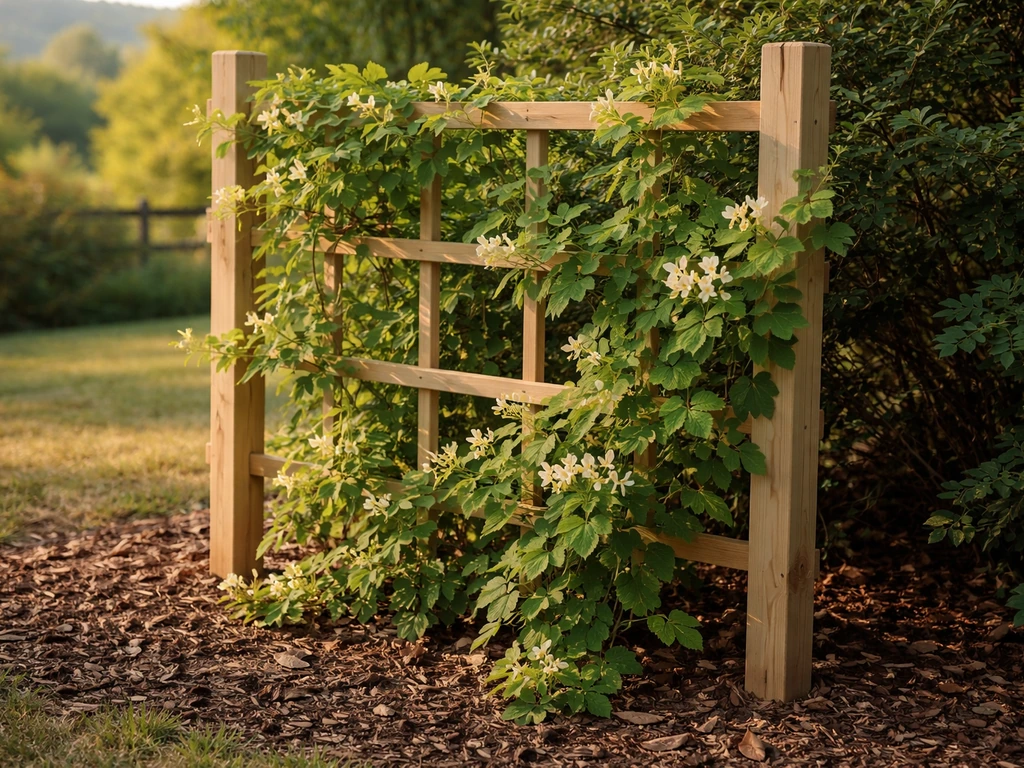
Western Montana, particularly the valleys and lower foothills from Missoula south through the Bitterroot and north through the Flathead, gives you the best shot. Zones 5 and 6 dominate these areas, and the slightly milder winters plus higher winter moisture make conditions much more forgiving. Trumpet honeysuckle planted against a south or west-facing fence in Missoula or Hamilton will establish well and bloom reliably.
Central and eastern Montana is tougher. Billings sits in a warmer microclimate and can work for Zone 5-rated honeysuckles, but you need to be deliberate about site selection and fall watering. The Hi-Line (Great Falls, Havre, Glasgow area) and any location above roughly 4,500 feet in elevation should stick to the cold-hardy native species like Twinberry or avoid honeysuckle vines altogether unless you're willing to treat them as dieback perennials that regrow from the roots each year.
| Montana Region | Typical USDA Zone | Honeysuckle Viability | Best Choices |
|---|---|---|---|
| Western valleys (Missoula, Bitterroot, Flathead) | 5b–6a | High | Trumpet, Japanese, Twinberry (native) |
| Southwest Montana (Butte, Dillon lowlands) | 4b–5b | Moderate | Trumpet honeysuckle, Twinberry native shrub |
| Central Montana (Billings, Lewistown) | 4a–5a | Moderate with care | Zone 4-rated vines, Twinberry shrub |
| Eastern Montana / Hi-Line | 3b–4b | Low for ornamental vines | Native species only; consider alternatives |
| High elevation (above 5,000 ft) | 3a–4a | Very low for ornamentals | Native wetland species only if site is moist |
Picking the right honeysuckle variety for your yard
Start with your confirmed USDA zone, which you can look up by zip code on the USDA 2023 map. Once you know that, use it as your filter, not a rough guess. Here's the practical logic:
- Zone 6 (Missoula area): You have the most options. Trumpet honeysuckle (Lonicera sempervirens), Japanese honeysuckle (Lonicera japonica), and native Twinberry all work. Choose based on whether you want a climbing vine or a shrub.
- Zone 5: Stick with Trumpet honeysuckle or Twinberry. Both are rated to Zone 4 minimum, so Zone 5 gives you a comfortable buffer. Avoid varieties without clear Zone 4–5 ratings.
- Zone 4: Twinberry honeysuckle (Lonicera involucrata) is your most reliable bet since it's native and already adapted to Montana conditions. Trumpet honeysuckle is rated to Zone 4 but watch for tip dieback in harsh winters.
- Zone 3: Skip ornamental honeysuckle vines. Look for native species if you want the plant for habitat, or consider a different cold-hardy flowering shrub like native serviceberry or red-twig dogwood.
- Moist site vs. dry site: If your yard is on the drier side (most of eastern and central Montana), choose Twinberry native shrub, which tolerates a wider range of soils, and prioritize fall watering every year. Japanese honeysuckle vines on a dry, exposed slope are asking for trouble.
One more thing to think about: if you want a climbing vine for a trellis or fence, Trumpet honeysuckle is a much better neighbor than Japanese honeysuckle. Japanese honeysuckle can become invasive in warmer, wetter climates, and while Montana's winters keep it in check compared to the Southeast, it's still aggressive where it's happy.
What to do right now to buy and plant successfully
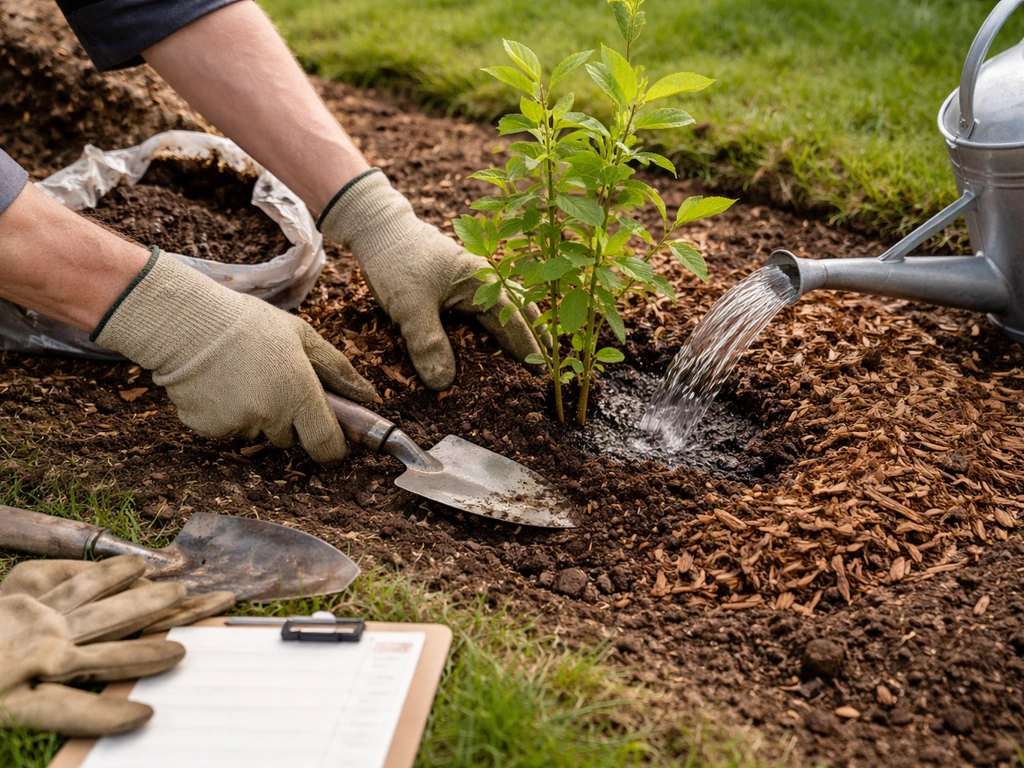
If you're reading this in spring or early summer (the ideal planting window), here's a quick action plan:
- Confirm your USDA zone first. Go to the 2023 USDA Plant Hardiness Zone Map online, enter your zip code, and write down your zone. Do not guess based on your county alone.
- Match the plant tag to your zone. Any honeysuckle you buy should clearly state a hardiness range that includes your zone with at least a half-zone buffer. If a plant is rated Zone 5 minimum and you're in Zone 4b, pass on it.
- Choose your site carefully. Honeysuckle wants full sun to part shade and consistently moist (not waterlogged) soil. A spot with morning sun and afternoon protection from wind is ideal in exposed parts of Montana. Avoid south-facing walls that heat up and dry out in July and August.
- Water in deeply at planting. Get the root zone thoroughly saturated, not just the surface. This matters more in Montana's low-humidity climate than almost anywhere else.
- Mark your calendar for fall watering. MSU Extension is emphatic about this: keep watering your shrubs and vines until the soil freezes in fall, typically into October. This single step dramatically reduces winter kill. Do not skip it.
- Mulch the root zone. A 3-inch layer of mulch over the roots holds soil moisture through summer and buffers temperature swings going into winter.
- Buy from a local or regional nursery if possible. A plant grown in Montana or a neighboring state (like Washington or Utah) will be acclimated to similar conditions. Mail-order plants from warmer zones may be labeled as Zone 4 hardy but not hardened off to Montana's specific freeze-thaw cycles.
Montana gardeners in neighboring states like Washington and Minnesota face similar zone-matching challenges with honeysuckle, and the same logic applies: climate compatibility first, cultivation second. Get the right species in the right zone and honeysuckle will reward you with years of blooms and wildlife activity without much fuss. In Canada, honeysuckle can grow if you choose cold-hardy native or well-matched ornamental types and provide adequate moisture and protection does honeysuckle grow in canada. Get it wrong and you'll be replacing it every two or three years. The research up front is worth it.
FAQ
Which honeysuckle can I grow in Montana without constantly replacing it?
For most homeowners, Trumpet honeysuckle is the safest starting point because it is reliably cold-tolerant in Montana zones 4 through 6. Use your USDA zone by zip code to confirm fit, and prioritize a site with some winter protection from wind and better fall soil moisture, since drought is a common reason plants fail even when the winter is survivable.
Does honeysuckle vine die back in Montana, and will it come back?
Yes, especially in colder or higher-elevation areas, some honeysuckle types behave like dieback perennials. Plan for top growth to be damaged during harsh winters, but good roots can regrow if the plant entered winter with adequate moisture and the root zone was not exposed to repeated freeze-thaw cycles.
Is it safe to plant honeysuckle in Montana yards near gardens or woods?
It can be, but choose the variety carefully. Trumpet honeysuckle is generally the better neighbor choice for Montana than Japanese honeysuckle, which can become aggressive in climates where winters are less limiting. Still, avoid placing any vine where it can scramble into natural areas without management.
How much watering is needed in fall to prevent winter kill?
Aim for thorough watering before the ground freezes, not just frequent light watering in October. The goal is to enter winter with evenly moist soil around the root zone, because winter desiccation is often caused by dehydration during dry, snow-sparse cold snaps.
Should I mulch honeysuckle in Montana, and what kind?
Mulching helps, particularly for evergreen types that keep losing moisture through winter. Use an organic mulch layer to moderate soil temperature and retain moisture, but keep mulch slightly back from the plant crown to reduce rot risk during spring thaw.
What site conditions matter most, sun or shade?
Sun generally improves establishment and bloom. Twinberry honeysuckle performs best in open light, and many ornamental honeysuckles do better with full sun to partial shade. If you plant in deep shade, the plant may survive the winter but produce less growth and flowers.
My honeysuckle leafs out but seems weak in spring, what should I check first?
Check the root zone moisture and drainage before anything else. A plant that looks alive but stagnates often suffered drought stress entering winter or has roots sitting in soggy soil that worsens with spring temperature swings. Adjust watering schedule and ensure the planting location drains well.
Can I grow honeysuckle in Montana if I live above 4,500 feet?
You can, but be more selective. The article suggests leaning toward cold-hardy native options like Twinberry, or treating other types as potential dieback plants. Also consider extra wind protection, because exposure can speed up winter dehydration even when temperatures are within tolerance.
When is the best time to plant honeysuckle in Montana?
Spring or early summer is typically the easiest window because it lets the plant build roots before winter. If you plant in fall, it is riskier in zones that dry out or freeze early, and you must be more consistent with deep fall watering so roots are hydrated before hard freezes.