
Gardenias grow best in warm, humid climates with mild winters, which in the US means USDA hardiness zones 8 through 11. They need temperatures that rarely dip below 10 to 15°F, high humidity, acidic soil, and shelter from drying winds. If you live along the Gulf Coast, the Deep South, Florida, coastal California, or the Pacific Northwest lowlands, gardenias are a realistic outdoor shrub. If you're in the Midwest, the Northeast, or anywhere that sees hard freezes regularly, you're looking at container growing or a different plant entirely.
What Climate Do Gardenias Grow In Zone by Zone Guide
Marcus Hartwell
3 Jun 2026
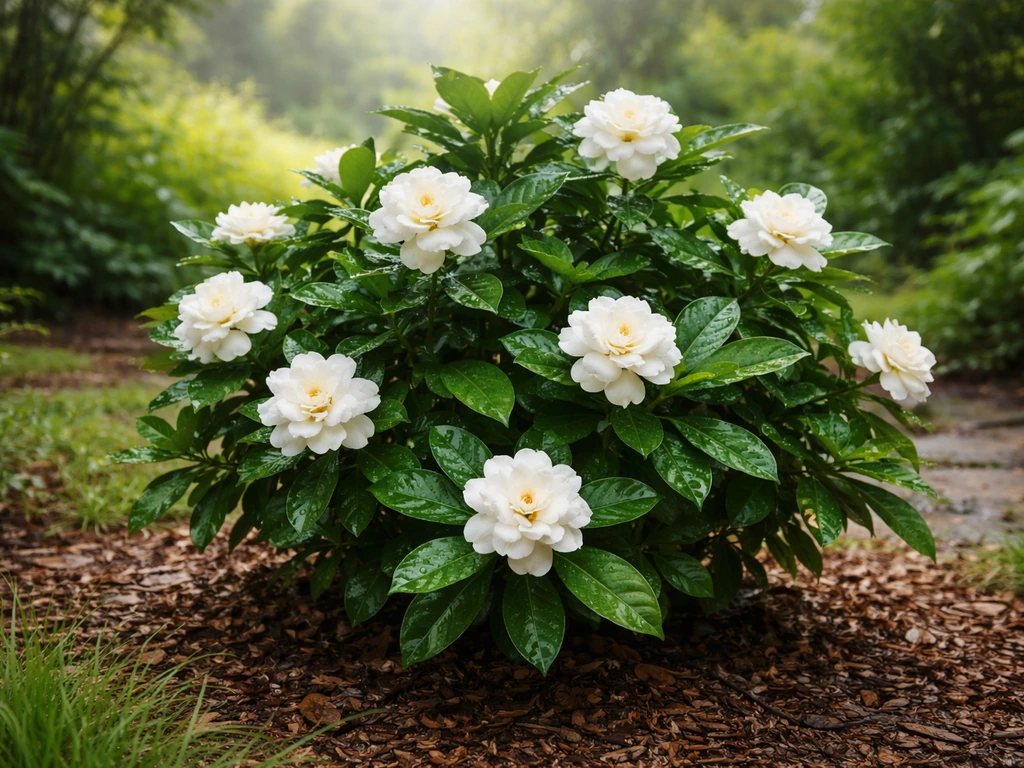
Hardiness zones and where gardenias actually work outdoors
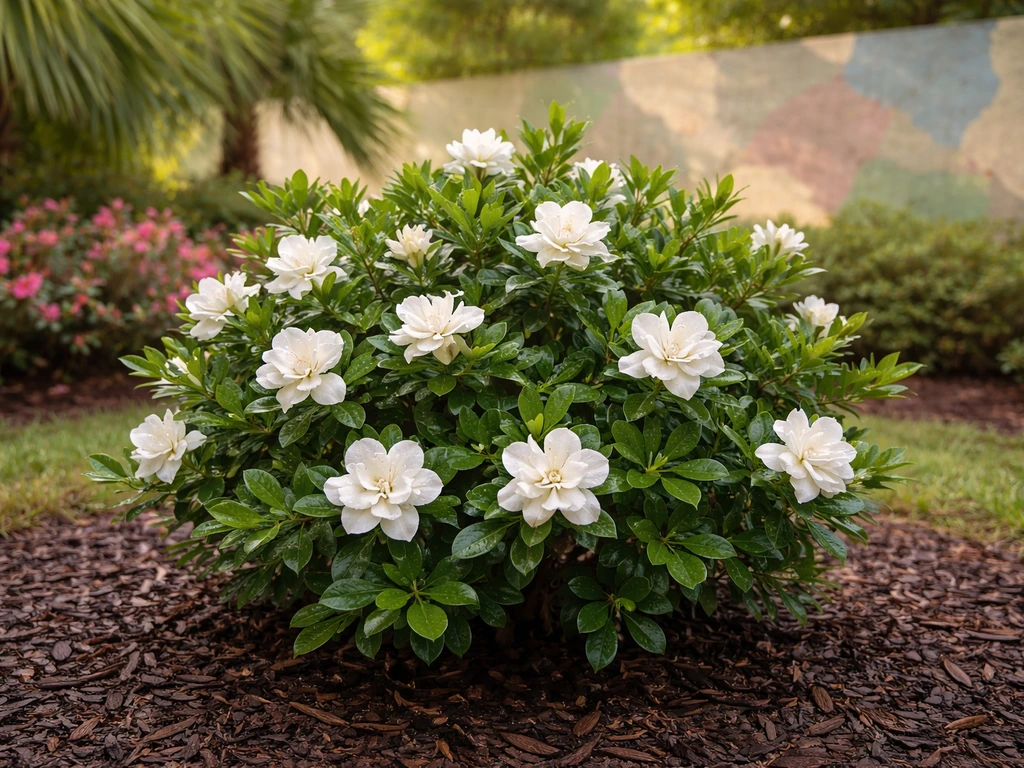
The standard hardiness rating for Gardenia jasminoides is zones 8 through 11, though some newer cold-tolerant cultivars like 'Jubilation' have been marketed as surviving down to 0°F, stretching usability into zone 7 in protected spots. For most gardeners, zones 8 and up is the practical rule. Zone 8 means your average minimum winter temperature falls between 10 and 20°F. That's the cold edge for gardenias, and even there you'll see damage after a hard freeze.
In practice, the best gardenia territory in the US includes the Gulf Coast states (Louisiana, Mississippi, Alabama, Georgia, the Florida panhandle), all of Florida, coastal South Carolina, Hawaii, and the warmer parts of coastal California. These areas hit the sweet spot of mild winters, summer humidity, and long warm seasons that gardenias thrive in.
Texas is a mixed bag: Houston and the Gulf Coast side are fine, but move west toward San Antonio or north toward Dallas and you're gambling on zone-edge cold snaps. If you're specifically wondering about Texas growing conditions, that's worth a closer look on its own. If you're specifically wondering about Texas growing conditions, that's worth a closer look on its own, and you can also compare it with where does gardenia grow in the US.
Whether gardenias grow in Texas depends on your exact location, especially how often you see hard freezes and how humid it stays in summer do gardenias grow in texas.
Canada is essentially off the table for outdoor gardenias year-round. Even the mildest parts of coastal British Columbia sit at the cool edge of zone 8, and the humidity and summer heat profile don't consistently match what gardenias want. Container growing with indoor overwintering is the only realistic path for Canadian gardeners.
How much cold (and heat) gardenias can actually take
Gardenias are cold-tender. A brief dip to the low 20s may cause tip dieback. A hard freeze into the teens can kill them to the ground or beyond recovery entirely. The LSU AgCenter is pretty blunt about this: freeze damage can go past the point of repair, and what looks like survival in spring sometimes isn't. Even if the roots survive, you may lose a year or two of growth and any chance at blooms.
Heat is trickier. Gardenias like warmth, but they bloom within a fairly narrow temperature window. When it gets extremely hot, especially with dry heat, they'll drop buds before they ever open. This is a real problem in the inland South and desert Southwest during peak summer. The coastal humidity buffer that keeps temperatures moderated is part of why gardenias perform so much better near the coast than 100 miles inland. If you've ever had a gardenia that leafed out beautifully but never bloomed, heat stress combined with low humidity was likely the reason.
Timing matters too. A late freeze after gardenias have pushed new spring growth is especially damaging because that tender growth has no hardening. A gardenia that would survive a January freeze at 20°F might be wrecked by a 28°F snap in March after it's already leafed out. If you're in zone 8 or on the northern edge of gardenia territory, that's an important caveat to keep in mind.
Humidity and rainfall: this is where a lot of gardeners get surprised
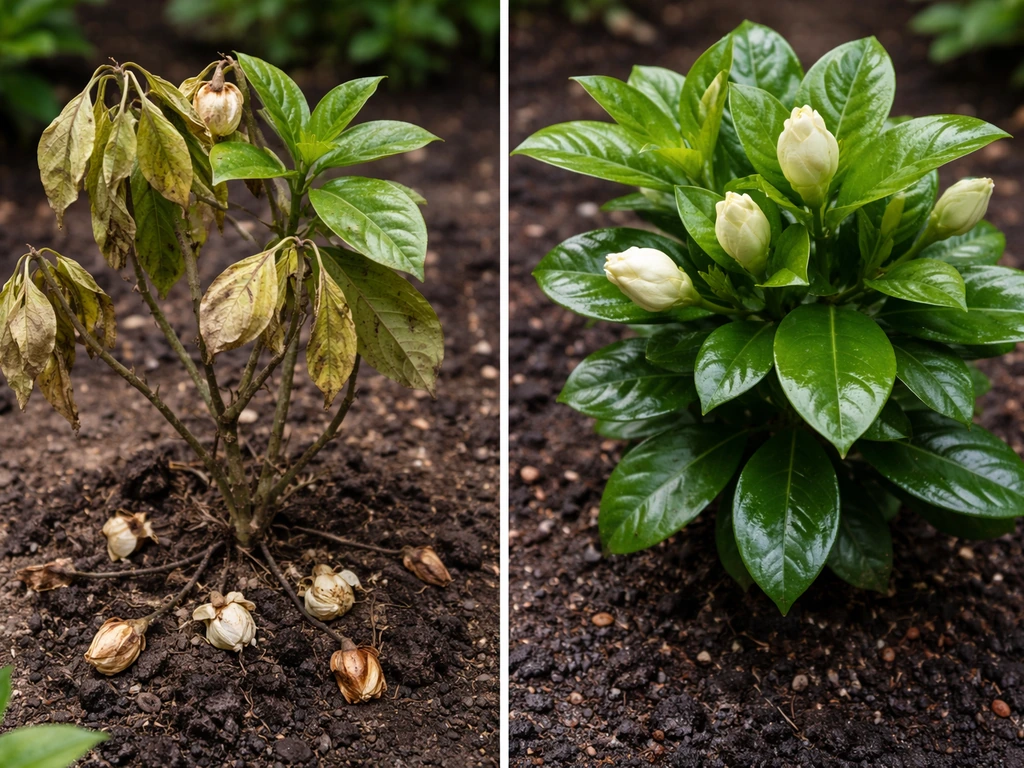
Humidity is not optional for gardenias. It's built into their DNA as a subtropical plant. Low humidity causes bud drop, leaf stress, and overall decline even when temperature and soil conditions look fine on paper. Penn State Extension specifically flags low humidity as a primary cause of bud drop, and it's one of the main reasons gardenias that perform beautifully in Savannah, Georgia, fail miserably in Phoenix or Denver despite similar winter temperatures.
For rainfall, gardenias want consistent moisture, not feast-and-famine cycles. They're not drought-tolerant plants. In drier climates, even supplemental irrigation doesn't fully replace the ambient humidity that keeps gardenias happy. The Southeast US, with its regular summer rain and high humidity, is essentially the natural analog for gardenia habitat. Coastal California offers enough mild humidity for gardenias in many areas, though the dry summers mean irrigation is non-negotiable. Inland valleys in California are drier and hotter, and gardenias there should be in partial shade with consistent water.
Light needs, and how climate changes the answer
The classic recommendation is full sun to partial shade, but that advice only tells part of the story. Where you live determines which end of that spectrum you should lean toward. In hot climates, full sun will stress gardenias, especially in summer afternoons. Clemson's horticulture program recommends morning sun with afternoon shade for most situations, and that's solid advice for anyone in the lower South or inland areas with intense summer heat. UC IPM is even more direct: in hot inland valleys, partial shade is not optional, it's where gardenias do best.
In cooler, cloudier climates like coastal Oregon or northern California, gardenias may actually want more sun to generate enough warmth to bloom well. Low light is itself a bud-drop trigger, so if you're in a fog-heavy coastal area, siting your gardenia where it gets the most morning sun will make a real difference. The general principle: the hotter and sunnier your climate, the more shade you want; the cooler and cloudier, the more sun.
Air circulation matters too, and it's something that gets overlooked. UF/IFAS specifically recommends planting gardenias with enough space around them for good airflow. This isn't just about pest management, it also helps moderate the microclimate around the plant. A gardenia crammed against a wall in a stagnant corner will develop more problems than one with room to breathe.
Soil and site factors: the practical reality behind 'climate fit'
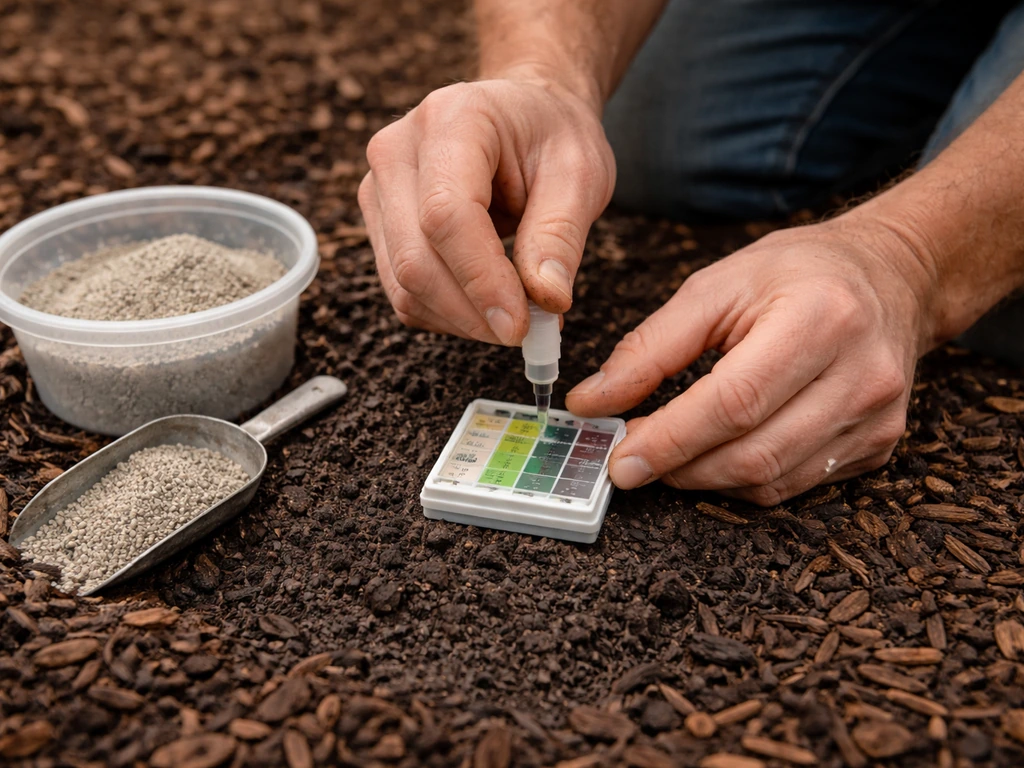
Even if your hardiness zone looks right on paper, your soil can disqualify gardenias before you ever plant them. Gardenias need [acidic soil, ideally in the pH range of 5](https://www. ballseed. com/utility/vegcolumnpdf.
aspx? txtphid=027904681013900). 5 to 6. 0.
They struggle at pH above 6. 5 and essentially fail at pH above 7. 0. If your local soil is alkaline, like the limestone-heavy soils common in parts of Texas, the Southwest, or coastal areas built on shell or coral substrate, you're fighting an uphill battle.
UF/IFAS is pretty direct about this: if your soil pH is above 7. UF/IFAS Extension also advises against planting gardenias where soil pH is above 7. 0, noting container culture as an alternative under challenging soil conditions [UF/IFAS advises against planting gardenias where soil pH is above 7. 0](https://ask.
ifas. ufl. edu/topics/gardenias). 0, either grow gardenias in containers or choose a different plant.
That's not a dig at your gardening skills, it's just a compatibility issue.
Beyond pH, gardenias need soil that stays consistently moist but drains well. Waterlogged roots and drought-dry roots are both failure modes. If your yard has heavy clay that stays wet, or sandy soil that dries out within hours of rain, you'll need to amend heavily or, again, go with containers. Rich, organic soil with good drainage is the target. Adding compost or peat at planting helps, especially in sandier coastal soils.
Coastal sites have one more complication: gardenias don't tolerate salt spray or high-salt irrigation water. If you're right on the coast and using well water with salt intrusion, or the plant is exposed to ocean spray, it won't do well outdoors even in an otherwise perfect gardenia climate. This is one situation where the zone is technically right but the microsite is wrong.
Where gardenias struggle and what to grow instead
Gardenias genuinely struggle in zones 7 and colder, dry climates, alkaline-soil regions, and anywhere with extreme summer heat combined with low humidity. That covers a large part of the US, including most of the Midwest, the Great Plains, the Mountain West, the desert Southwest, and the northern half of the country. If you're in one of those places and have your heart set on that heavy, sweet fragrance and glossy dark leaves, here's what you can realistically do.
Container growing and indoor overwintering
Gardenias do reasonably well in containers if you're willing to manage them. Grow them in an acidic potting mix (target pH around 5.5 to 6.0), keep them outside through the warm season, and bring them in before your first frost. Indoors, they need bright, filtered light, high humidity (a pebble tray with water or a humidifier nearby helps), and cool night temperatures around 60 to 65°F to set buds. This is manageable for a dedicated gardener but it's not a low-effort solution.
Microclimate strategies for zone-edge gardens
If you're in zone 7b or 8a and want to push it, site selection matters a lot. A south-facing wall that absorbs heat, protection from north winds, and a location that avoids low-lying frost pockets can make a zone-edge gardenia survive winters it otherwise wouldn't. The LSU AgCenter's freeze-protection guidance reinforces this: your microclimate can shift outcomes significantly even when the zone map says you're on the border. Frost cloth over the plant during cold snaps helps too. Just know that you're working against the plant's natural preferences and results will vary year to year.
Better alternatives if gardenias won't work in your climate
If you want fragrant white flowers but gardenias aren't realistic for your zone or soil, there are solid alternatives depending on your region. Mock orange (Philadelphus) is cold-hardy into zones 4 and 5 with a similar sweet scent. Camellias overlap with gardenias in zones 7 through 10 and handle the same humid South climate. Jasmine, particularly Carolina jessamine or confederate jasmine, works in zones 7 and up with fragrant flowers and much more climate flexibility. For the dry West, white-flowering desert shrubs like Damianita or native options from your region are worth exploring. The goal is the same visual and sensory impact in a plant that actually fits where you live.
| Plant | Hardiness Zones | Fragrance | Best Climate Match |
|---|---|---|---|
| Gardenia | 8–11 (some cultivars to 7) | Strong, sweet | Humid South, coastal CA, FL |
| Camellia | 7–10 | None to mild | Southeast US, Pacific Coast |
| Mock Orange | 4–8 | Strong, sweet | Midwest, Northeast, Mountain West |
| Confederate Jasmine | 7–10 | Moderate-strong | South, coastal regions |
| Carolina Jessamine | 6–9 | Mild | Southeast, mid-Atlantic |
Bottom line: if you're in zones 8 through 11 with humid summers and mild winters, go ahead and buy gardenias. They'll reward you. If you're outside that zone or dealing with alkaline soil, dry heat, or salt exposure, be honest with yourself about what the plant needs versus what your yard offers. The most useful thing you can do today is check your USDA hardiness zone, test your soil pH if you haven't, and match the plant to your actual conditions rather than the conditions you wish you had.
FAQ
If my USDA zone is 8 or 9, will gardenias definitely grow outdoors year-round?
Not necessarily. Zone is only about average minimum winter temperature, but gardenias also fail with late spring freezes after new growth starts, low summer humidity, and alkaline soil. If you are on the zone edge or have frequent March frosts, treat winter protection and site selection as required, not optional.
What is the best climate for gardenias if I want flowers instead of just leaves?
A warm, humid climate with consistently mild nights during the blooming period helps, but the key is avoiding extreme heat and dryness. If your summers are hot and dry, expect bud drop even when plants stay alive. Coastal areas work better because humidity moderates stress, while inland hot spots often need partial shade plus frequent humidity support.
Can gardenias survive a one-time cold snap if the rest of the winter is mild?
They might, but outcomes vary by timing. A brief dip into the 20s can cause tip damage, a hard freeze into the teens can kill plants back severely, and spring growth can be wiped out by a late cold event in March. Even when roots survive, you can lose a season of blooms due to lost growth and delayed recovery.
How do I tell whether my gardenia problems are from heat or low humidity?
Heat stress often shows up as buds dropping or not opening during hot afternoons, especially in inland locations. Low humidity more broadly stresses leaves and triggers bud drop even if temperatures are not extreme. If the issue happens during dry, sunny weeks and improves after rainy or more humid weather, humidity is the likely driver.
Do gardenias tolerate full sun in hot climates?
Usually no for sustained summer afternoons. Even if they grow, full sun in intense heat can reduce bloom and increase stress. For hotter regions, morning sun with afternoon shade is the more reliable setup, and partial shade is often where gardenias perform best in inland valleys.
What should I do about gardenias in alkaline soil?
Test your soil pH before planting. Gardenias prefer about pH 5.5 to 6.0 and struggle above 6.5, they often fail near 7.0. If your yard is alkaline, container growing is the practical workaround because you can control the potting mix pH rather than trying to permanently acidify native soil.
Why do gardenias bud-drop in some places with decent winter temperatures?
Bud drop commonly comes from low humidity, inadequate light, or heat stress that happens while buds are forming. If you have similar winter temps but very different summer dryness or fog, humidity and microclimate explain most “zone mismatch” failures. Also ensure the plant gets enough morning sun to avoid low-light bud loss.
Are gardenias safe outdoors in coastal areas if there is ocean spray or salty irrigation?
Zone alone cannot account for salt exposure. Gardenias do not tolerate salt spray or high-salt irrigation well water, especially when roots or leaves are repeatedly hit with salinity. If you live near the ocean or rely on water with salt intrusion, plan for a sheltered microsite or consider container growing with lower-salt water.
What is the right watering approach for gardenias in climates that swing between wet and dry?
Aim for steady moisture, not drought followed by flooding. Gardenias dislike drought and also do not tolerate waterlogged soil, both can cause decline. In sandy or fast-draining areas you will likely need more frequent irrigation plus humidity support, while in heavy clay you may need amendments or containers to keep roots oxygenated.
If I want to grow a gardenia in a cooler zone, what’s the most effective strategy?
Choose a protected microclimate, not just a border zone. Use frost protection during cold snaps, avoid low frost pockets, and consider siting against a south-facing wall with wind protection. For many gardeners, containers with indoor overwintering before the first frost offer a more predictable path than relying on in-ground survival.
Is there a container setup that best mimics gardenia climate requirements?
Use an acidic potting mix around pH 5.5 to 6.0, keep the root zone consistently moist but well-drained, and provide bright filtered light. During winter indoors, cool night temperatures around 60 to 65°F help set buds, and you will likely need active humidity support such as a humidifier or pebble tray.
What are good “similar vibe” alternatives if my climate is not right for gardenias?
Pick based on your limiting factor. If cold is the issue, mock orange and hardy jasmine types can provide fragrance in colder zones. If humidity is your problem, camellias often overlap well in humid South climates, while desert-adapted white-flowering shrubs can better tolerate dry heat and still give you visual impact.