
Gardenias grow best in the warm, humid regions of the American South and Pacific Coast, specifically in USDA hardiness zones 7 through 11. If you're in Georgia, South Carolina, coastal Texas, Florida, or Southern California, you're in the sweet spot. If you're in Ohio or Minnesota, I'll be straight with you: growing gardenias outdoors year-round is not going to work without some serious workarounds. The good news is that once you know your zone, the answer to "can I grow gardenia here?" becomes pretty clear, pretty fast.
Where Does Gardenia Grow Best by Climate and Zone
Marcus Hartwell
3 Apr 2026
Where gardenias actually come from
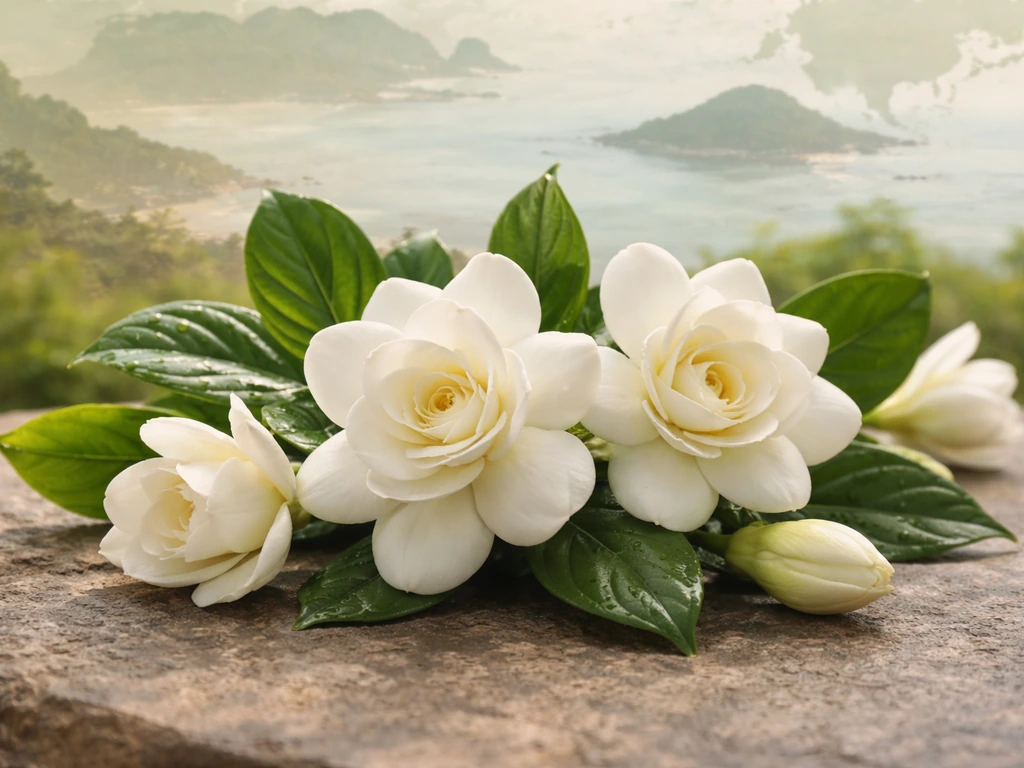
The gardenia most people buy at nurseries, Gardenia jasminoides, is native to China, Japan, Taiwan, and Vietnam, with the broader Gardenia genus spanning tropical and subtropical Africa, Asia, and Pacific islands. Wikipedia notes that Gardenia jasminoides blank" rel="noopener noreferrer">native habitat includes forest and undergrowth along streams and on sloping or hilly terrain, at altitudes up to around 1500 meters. That southeast Asian origin is important because it tells you exactly what the plant expects: warm temperatures, high humidity, acidic soils, and no hard freezes. When you understand that gardenias evolved in those conditions, their fussiness in colder or drier climates makes a lot of sense. They're not being difficult, they're just far from home.
The climate gardenias need to thrive
Gardenias are happiest in zones 7 to 11, where winters are mild and summers are warm and humid. Within that range, the ideal is zones 8 to 10: think the Deep South, coastal Georgia, Florida, and similar climates. What climate gardenias grow in really boils down to three non-negotiables: winter temperatures that stay above about 15°F (-9°C) consistently, summer humidity above 50 percent, and acidic soil in the 5.0 to 6.0 pH range. Drop below any of those thresholds and you're going to fight the plant constantly instead of enjoying it.
Temperature swings are particularly hard on gardenias. A zone 7 garden in Virginia might be technically within range, but a surprise late frost or a dry continental summer can set plants back significantly. Coastal climates within zone 7, like parts of the Carolinas, tend to do much better than inland zone 7 locations because the ocean buffers temperature extremes and keeps humidity up. That distinction matters more than the zone number alone.
Where gardenias grow best, region by region
Not all zone 8+ locations are equal for gardenias. Here's a practical breakdown of how real gardeners in different regions experience them.
The Deep South (zones 8-10)
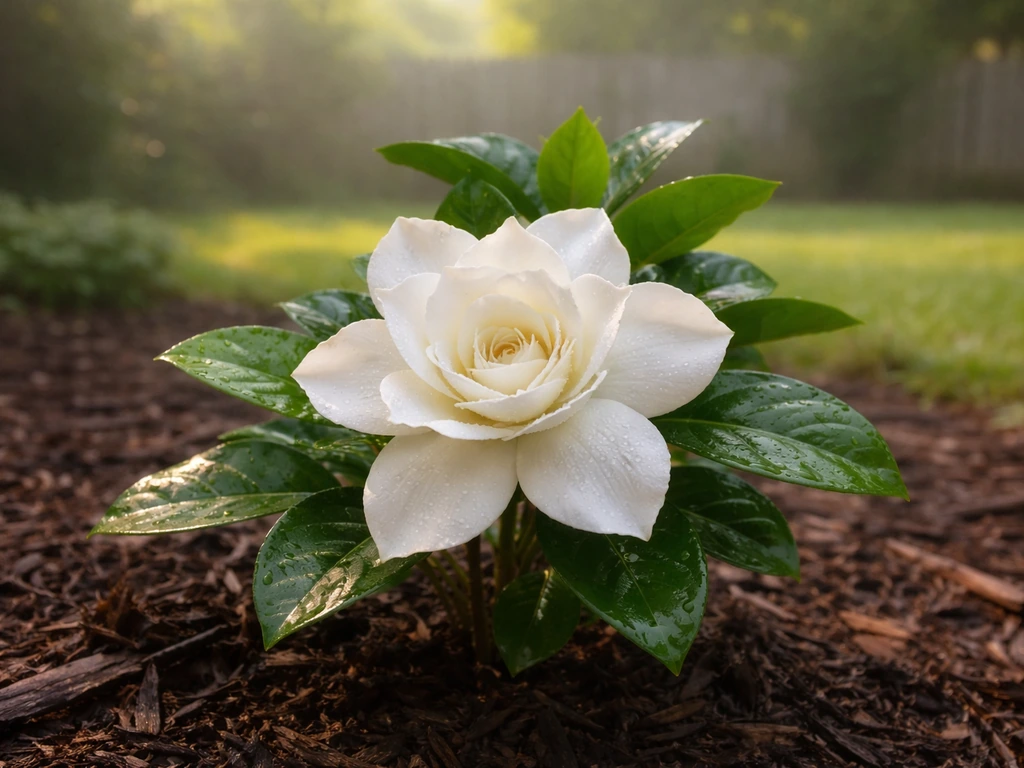
This is gardenia country. Alabama, Mississippi, Louisiana, Georgia, and the Carolinas are where gardenias grow without much fuss. The combination of warm summers, high humidity, and mild winters aligns almost perfectly with what the plant wants. In these states, gardenias are a landscape staple: you see them as foundation shrubs, hedges, and specimen plants in front yards throughout the region. If you're here, just buy one, plant it right, and enjoy it.
Texas and the Gulf Coast (zones 8-9)
Gardenias do well across most of Texas, though the western part of the state gets too dry and too cold in winter to be reliable. Houston, San Antonio, and coastal areas are solid gardenia territory. Gardenias growing in Texas is very much a realistic goal in the eastern and coastal parts of the state, but gardeners in West Texas or the Panhandle will find them marginal or impossible without serious winter protection.
Florida (zones 9-11)
Florida is about as close to gardenia paradise as you get in the continental US. The heat and humidity are exactly right, and frost is either rare or nonexistent depending on where you are. The one issue in South Florida is that extreme summer heat combined with heavy rain can sometimes cause root issues if drainage isn't good. But overall, gardenias thrive here with minimal effort.
California and the Pacific Coast (zones 8-10)
Southern California is excellent for gardenias, particularly in San Diego, Los Angeles, and the coastal areas. The Mediterranean climate brings mild winters and warm summers, though the lower humidity compared to the Southeast means you'll want to water consistently and possibly use a humidity tray if plants are stressed during dry spells. Northern California is more variable: the Bay Area and Sacramento can work, but inland valleys with cold winters or foggy coast zones with cool summers can be limiting.
The Mid-Atlantic and Virginia (zone 7)
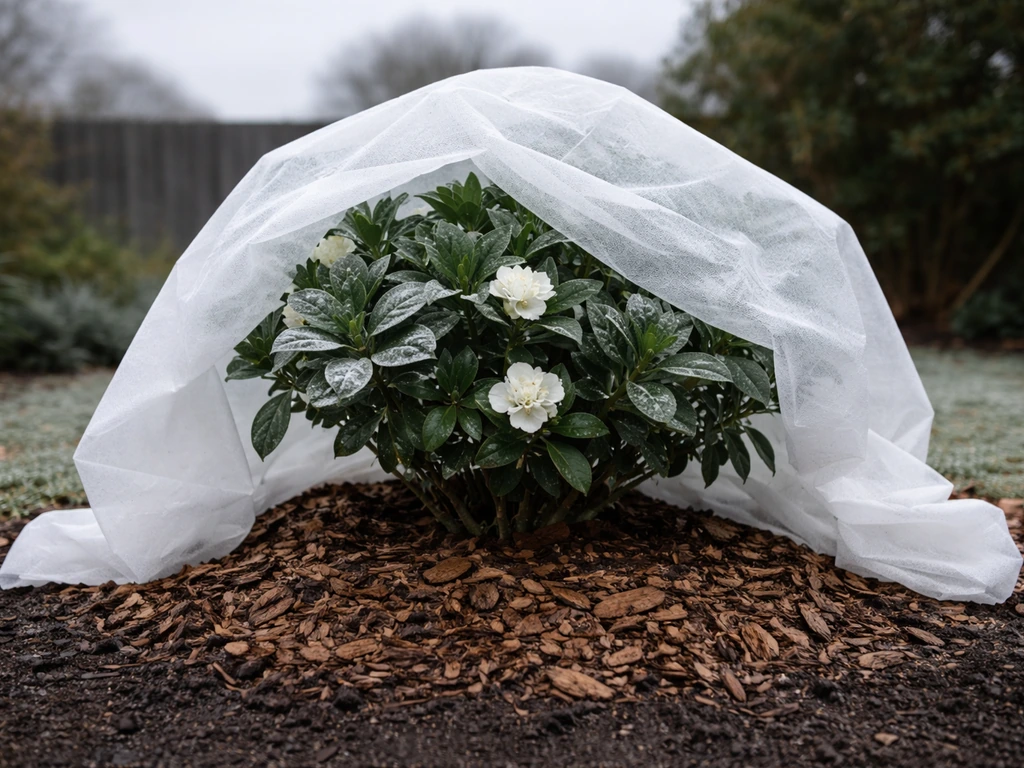
Zone 7 is the edge. Gardenias can survive here, especially cold-hardy varieties like 'Kleim's Hardy' or 'Chuck Hayes', but they'll need a sheltered spot, good mulching over winter roots, and some luck. Coastal Virginia and Maryland tend to do better than inland areas. If you're in a warmer microclimate, like a south-facing wall that retains heat, gardenias can be a real success story. But go in with realistic expectations.
The Pacific Northwest, Midwest, and Northeast (zones 3-6)
Outdoor gardenia growing is not practical in these regions. Winter temperatures routinely drop well below what gardenias can survive, and even mild winters don't provide the sustained warmth and humidity the plant needs to thrive. Container growing indoors is an option, but outdoor landscaping is off the table. Growing gardenia in Canada faces the same hard limits: most of the country sits in zones too cold for outdoor gardenias, with the possible exception of the warmest pockets of southern British Columbia.
How gardenias actually grow (size, shape, and bloom timing)
Knowing how gardenias grow helps you plan realistically. Most common varieties reach 3 to 6 feet tall and wide at maturity, though some can push to 8 feet in ideal conditions. They're evergreen shrubs with glossy, dark green leaves that look good year-round, which is part of their landscape appeal even when they're not in bloom. The flowers, which are what everyone's really after, are creamy white and intensely fragrant. They typically bloom in late spring through summer, with peak flowering in May through July depending on your climate.
One thing worth setting expectations on: how fast gardenias grow is honestly not that impressive. They're slow to moderate growers, putting on roughly 12 inches per year under good conditions, sometimes less. Don't expect a newly planted gardenia to fill out a hedge quickly. Plan for 3 to 5 years before a young plant reaches its mature shape.
The conditions that make gardenias actually work
Even within the right zones, the specific conditions in your yard matter a lot. Here's what gardenias actually need to perform well.
| Condition | What Gardenias Need | What Goes Wrong Without It |
|---|---|---|
| Light | Full sun to partial shade (6+ hours recommended) | Too much shade reduces flowering; too much harsh afternoon sun stresses plants in hot climates |
| Soil pH | Acidic: 5.0 to 6.0 | Alkaline soil causes yellowing leaves (chlorosis) and poor growth |
| Moisture | Consistent moisture, well-drained soil | Soggy roots lead to rot; drought causes bud drop |
| Humidity | Above 50% relative humidity preferred | Low humidity causes bud drop and leaf stress |
| Winter temps | Above 15°F (-9°C) minimum | Hard freezes kill roots; repeated freezes kill plants |
| Fertilizer | Acid-forming fertilizer (azalea/camellia type) | Nutrient deficiencies common in non-amended soils |
Soil pH is the condition that trips up the most gardeners, even in otherwise suitable climates. UMaine Extension’s pH tables list Gardenia (Gardenia jasminoides) with a preferred pH range of 5.0, 6.0 blank" rel="noopener noreferrer">preferred pH range of 5.0–6.0. Gardenias planted in neutral or alkaline soil will look yellow and sickly no matter how much you water them. Before planting, get a simple soil test and amend with sulfur or use an acidifying fertilizer. This single step makes an enormous difference. Choosing where to grow gardenias in your yard also means thinking about afternoon shade in the hottest climates: in zones 9 and 10, a spot that gets morning sun and afternoon shade often produces better, longer-lasting blooms than a full-sun location.
Can you grow gardenia where you live? Here's how to check
Start with your USDA hardiness zone. If you don't know it, look it up using your zip code on the USDA Plant Hardiness Zone Map. Once you have your zone, here's a quick read on your odds:
| Your Zone | Gardenia Feasibility | Recommended Action |
|---|---|---|
| Zones 8-11 | Excellent, gardenias are a natural fit | Plant outdoors, choose a variety suited to your heat level |
| Zone 7 | Possible with effort and the right variety | Choose cold-hardy cultivars, plant in a sheltered microclimate, mulch roots heavily in winter |
| Zone 6 | Very marginal, high risk of winter loss | Container growing only; bring indoors when temps drop below 20°F |
| Zones 3-5 | Not viable outdoors | Grow as a houseplant or in a heated greenhouse; consider gardenia alternatives like mock orange or Carolina allspice |
If you're in a marginal zone, the best move is to look at your specific microclimate before giving up or committing. A south-facing wall, a sheltered courtyard, or proximity to a body of water can push your effective growing conditions one zone warmer in practice. That might be enough to tip the scales in zone 7.
If you're clearly outside gardenia range, don't force it. The alternatives are genuinely beautiful: mock orange (Philadelphus) delivers similar fragrance and is cold-hardy to zone 4, sweet shrub (Calycanthus) thrives in zones 4 to 9 with a spicy fragrance, and Carolina allspice fills a similar fragrant-shrub niche in cooler climates. Spending money on a plant that's fighting its climate every season rarely pays off, and there are always great alternatives that will actually reward your effort.
The bottom line: gardenias are a realistic, rewarding landscape plant if you're in zones 7 to 11, especially in the humid South, Gulf Coast, Florida, and coastal California. Check your zone, check your soil pH, and make sure you have the right humidity and moisture conditions. If those boxes check out, you're good to go. If they don't, you now know exactly what to fix or what to grow instead.
FAQ
If my USDA zone is 7, can I still grow gardenias outdoors year-round?
Sometimes, but treat zone 7 as the edge. Focus on microclimates that buffer cold and keep humidity up, like a sheltered south-facing wall, wind protection, and consistent winter moisture. Even in the right spot, cold-hardy cultivars have better odds than standard nursery types.
How do I tell whether my gardenia problem is cold, dryness, or soil pH?
Yellowing leaves with persistent poor growth often points to high soil pH or iron uptake issues, not temperature. Cold stress usually shows up after freezes with dieback or blackened tips, while dryness shows leaf droop and quicker stress during hot, dry weeks. A soil test is the fastest way to rule out pH as the main cause.
What soil drainage issue can happen in Florida, and how should I fix it?
In parts of South Florida, heavy rain plus heat can lead to root problems if the soil stays soggy. Improve drainage by planting on a slight mound or raised bed, and mix in organic matter that won’t stay waterlogged. If water pools after rain, do not rely on more watering.
Do gardenias tolerate full sun in the warmest climates?
Often they struggle in hot inland sun because their main challenge is moisture loss and heat stress. A site with morning sun and afternoon shade (especially in zones 9 to 10) usually produces steadier blooming and less leaf stress than full-day sun.
How much do I need to water gardenias in coastal Southern California where humidity is lower?
Plan for consistent irrigation rather than occasional deep watering. The goal is evenly moist soil without waterlogging, since the plant still needs humid-like conditions at the root zone. If your plant repeatedly stresses during dry spells, consider supplemental humidity measures or misting only when conditions are safe for foliage.
What’s the best way to protect a gardenia in a borderline winter (like zone 7)?
Use an approach that protects roots and reduces exposure. Mulch over the root zone before the coldest months, keep the plant sheltered from wind, and avoid heavy pruning right before winter. Temporary covering can help during sharp cold snaps, but it is not a substitute for sustained warmth.
Should I start with Gardenia jasminoides or a cold-hardy variety for my area?
If you are in the lower end of the range (zone 7 or cool coastal zone 8), choose cold-hardy cultivars rather than assuming all nursery gardenias are equally tough. In warmer zones 8 to 10, standard varieties generally perform well, but soil pH and moisture management still matter most for success.
Can I grow gardenias in containers if I live outside zones 7 to 11?
Container growing indoors can work, but it still requires warm conditions, high humidity, and acidic soil. Outdoors is usually not reliable if your winters routinely drop far below safe temperatures. If you containerize, use a well-draining acidic potting mix and plan for humidity support during indoor dry seasons.
Why does my gardenia flower less than expected even though it grows?
Two common causes are inadequate winter warmth and stress from uneven moisture or alkaline soil. If soil pH is too high, plants often look sickly and underperform even if they survive. Also check light consistency, since too little sun or too much afternoon heat can reduce bloom set.
How long should I expect until a new gardenia fills out?
They are slow to moderate growers, commonly adding around 12 inches per year under good conditions. Plan on roughly 3 to 5 years for a young plant to reach mature size, especially if you are correcting pH or improving drainage.