
Yes, gardenias can grow in Texas, but how well they grow depends almost entirely on where in Texas you live. In the Houston area and East Texas, gardenias are a legitimate, reliable landscape shrub. In North Texas and the Dallas-Fort Worth area, they are survivable with the right cultivar and some winter protection, but you need to go in with realistic expectations. The short version: southeast Texas is gardenia country; North Texas is gardenia-possible but not gardenia-easy.
Do Gardenias Grow in Texas? How to Plant by Region
Marcus Hartwell
14 Apr 2026
Quick Texas feasibility answer
Texas spans USDA hardiness zones roughly from 6b in the Panhandle to 9b along the Gulf Coast, and that range tells the whole story for gardenias. [Gardenia jasminoides (Cape jasmine) is officially listed as a native and adapted plant for the Houston area by Texas AgriLife Extension](https://harris. agrilife. org/files/2025/02/2025-Native-and-adapted-plants-for-houston3.
pdf), which is about as strong an endorsement as a plant can get from an official source. Houston sits in approximately Zone 9a, where winter lows average around 20 to 25°F and the normal January low at Houston Intercontinental is 43. 7°F. That is a climate gardenias are comfortable in.
Dallas, by contrast, falls in Zone 8a to 8b, where average annual extreme minimum temperatures dip to roughly 10 to 20°F, and the all-time record low is -8°F (February 12, 1899), with a more recent hit of -2°F on February 16, 2021. Standard gardenias do not love those numbers.
Houston-area reality check (what "grows well" means)
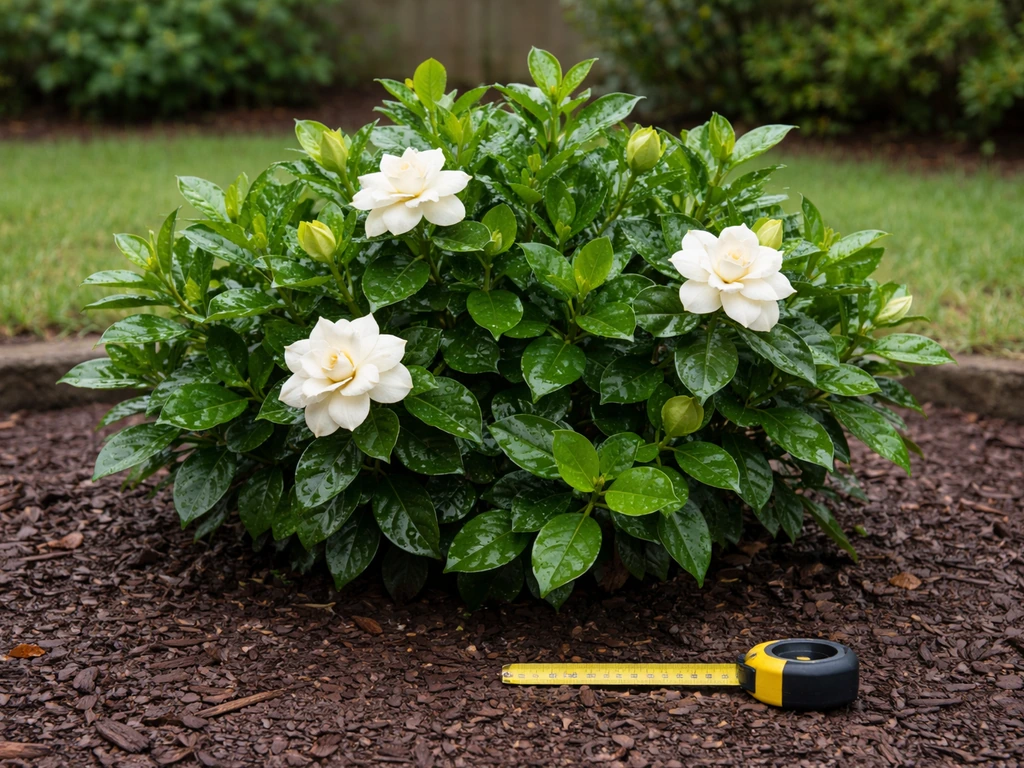
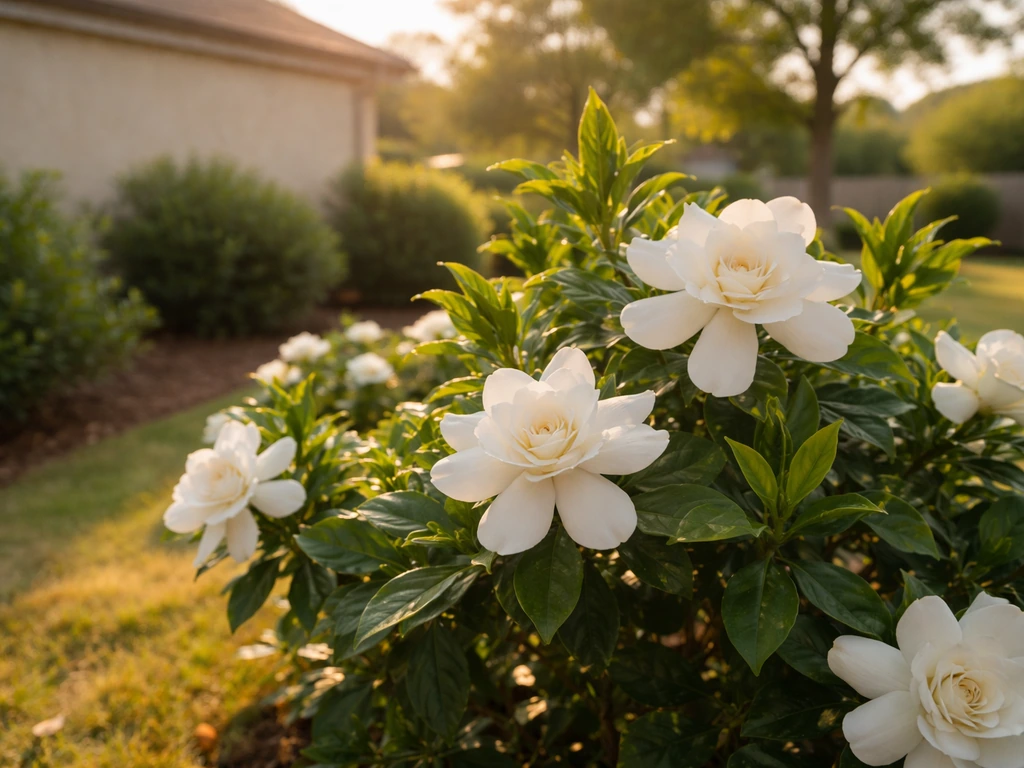
When Texas AgriLife says gardenias are adapted to Houston, they mean you can plant them in the ground and expect a shrub that reaches about 6 feet tall by 6 feet wide at maturity. That is a real landscape plant, not a novelty. But "adapted" does not mean "plant and forget. " Houston's soils tend to run alkaline in spots, and gardenias are acid-lovers that want a soil pH somewhere between 5.
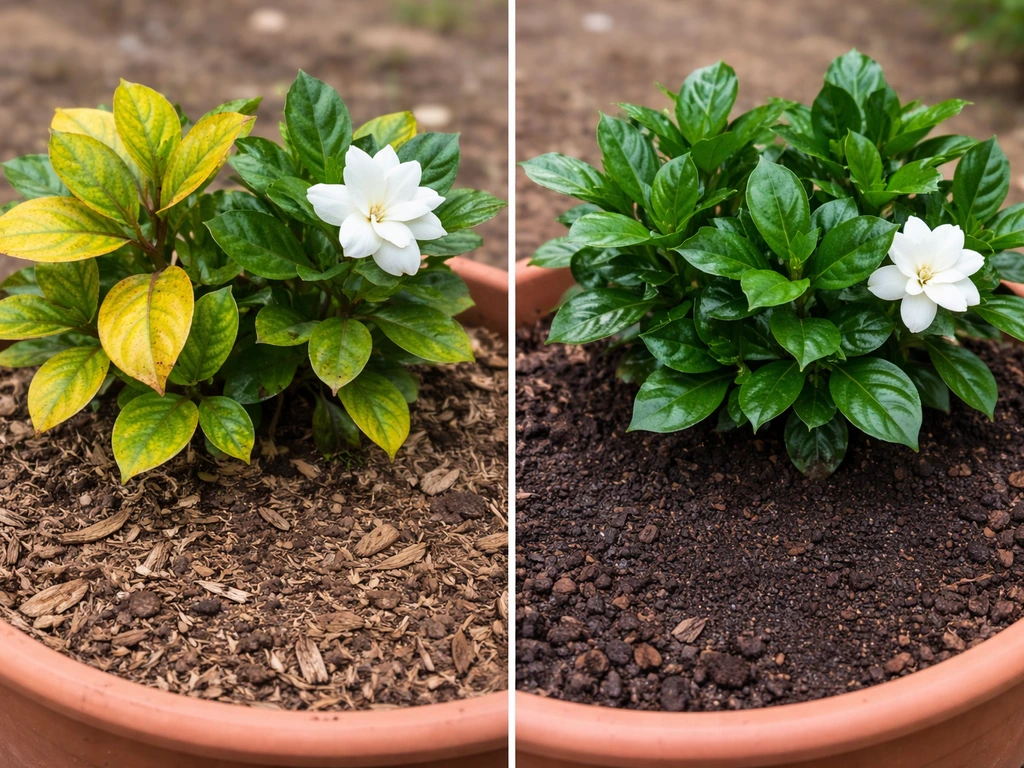
0 and 6. 5. Put a gardenia in soil that is too alkaline and you will see blank" rel="noopener noreferrer">iron chlorosis almost immediately: leaves turn yellow while the veins stay green. The fix, according to AgriLife, is applying sulfur to the soil to bring the pH down and iron to the foliage to correct the deficiency directly.
This is not a one-time treatment; it is ongoing maintenance if your soil fights you.
Houston's humidity is actually a gardenia ally, since these shrubs come from subtropical Asia and like moisture in the air. The heat, though, can stress them if they are planted wrong. If you want to understand what climate gardenias grow in at a broader level, the short answer is warm and humid, which describes coastal Texas perfectly. The bigger threat in Houston is not cold, it is planting in a spot that gets hammered by west-afternoon sun without any relief.
North Texas feasibility and winter cold limits
North Texas, and Dallas-Fort Worth specifically, is where the feasibility question gets complicated. Dallas sits in Zone 8a (10 to 15°F average annual extreme minimum), which is colder than what most standard Gardenia jasminoides cultivars handle comfortably. Most gardenias marketed as "standard" are reliably rated for Zone 8 and warmer, but Zone 8 in practice means your plant can face a sudden February cold snap that drops temperatures to single digits.
URI 2021's -2°F event killed or severely damaged many gardenias in DFW that had been doing fine for years. What that means practically: in North Texas, you should assume some winter dieback in hard years. A plant might come back from the roots, but the top growth can die back to the ground. If you are okay with that risk and are willing to manage it, gardenias are still doable.
If you want a plant that reliably looks beautiful every spring without intervention, this is a harder sell.
People sometimes wonder whether gardenias can grow in Canada, which puts the North Texas cold question in perspective. Canada is generally too cold for gardenias in most regions, but North Texas sits in a zone that is technically within range, just at the edge. That edge is where things get interesting and where cultivar choice matters most.
Site, sun, and soil setup for Texas gardenias
Placement is probably the single most important decision you make before buying a gardenia in Texas. Texas Master Gardeners from Henderson County are clear on this: gardenias love morning light but need protection from harsh afternoon sun. In a state where summer afternoon temperatures regularly exceed 100°F in many areas, planting a gardenia in full west-facing sun is asking for scorched leaves, stressed buds, and a generally miserable-looking plant.
The ideal spot is one that gets direct sun from the east in the morning and transitions to dappled shade or full shade by early afternoon. The east side of your house, or under the canopy edge of a large tree, is often perfect. Dallas County Master Gardeners point out that sun patterns matter enormously for heat-sensitive shrubs, and gardenias absolutely fall in that category.
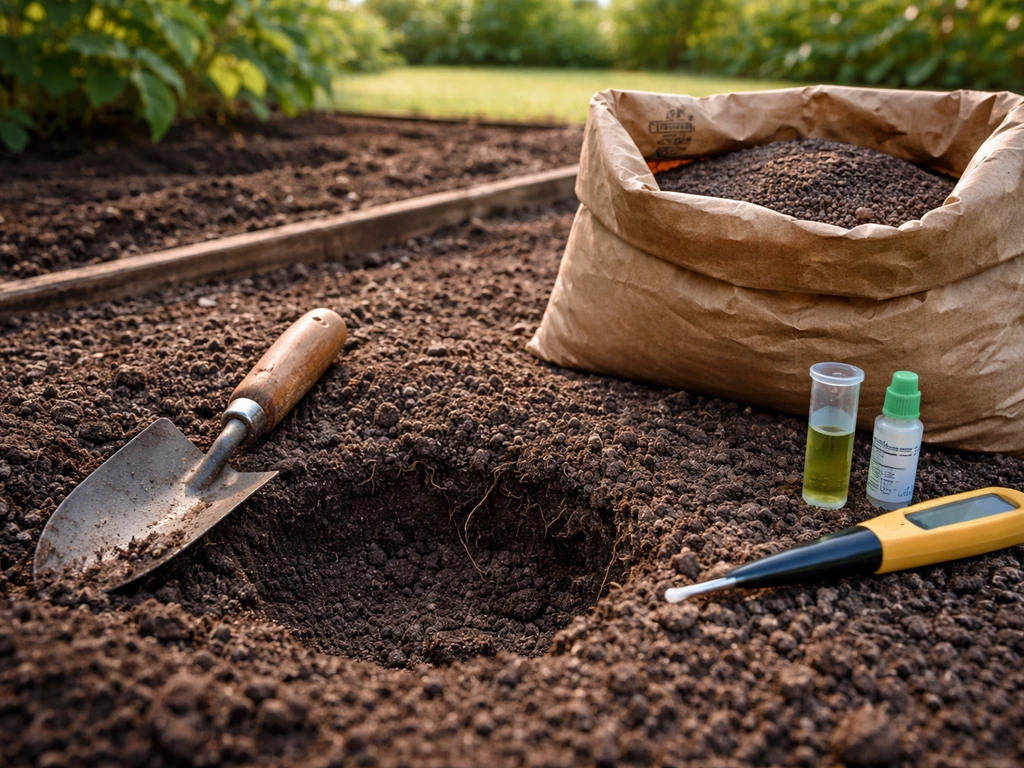
Soil prep is non-negotiable. Gardenias want acidic soil with a pH below 6. 0, ideally in the 5. 0 to 6.
5 range. If you have not tested your soil, test it before you plant. Many Texas soils, especially in urban areas and in Central or North Texas, trend alkaline. To correct this, work sulfur into the planting area and mix in acidic organic matter like peat moss or pine bark fines.
Work sulfur into the planting area and mix in acidic organic matter to adjust soil conditions; Texas A&M AgriLife Extension provides Texas-specific guidance on soil preparation (site and soil conditions) for establishing healthy garden soils and roots. Do not skip this step.
A gardenia planted in alkaline Texas clay will spend most of its energy fighting nutrient lock-up instead of growing. Where gardenias grow most successfully is almost always in naturally acidic, well-drained soil, and you need to replicate that even if your native soil is not cooperating.
Planting and ongoing care steps
Before you plant
- Test your soil pH and amend with sulfur and acidic organic matter to get into the 5.0 to 6.5 range.
- Choose a planting spot with morning sun and afternoon shade protection, especially in North Texas and Central Texas.
- Make sure the planting area drains well. Gardenias will not tolerate sitting in wet soil, which leads to root rot.
- Plant in spring after the last frost date for your area, giving the shrub a full growing season to establish before its first Texas winter.
Watering
Gardenias like consistent moisture, but they hate waterlogged roots. In Texas summers, that means watering deeply once or twice a week during dry stretches rather than a little bit every day. The goal is soil that stays evenly moist about 2 to 3 inches down. If you are in Houston or the Gulf Coast area where summer rains are frequent, you may need to water less. In DFW or Central Texas, summers are drier and hotter, so consistent irrigation is more critical.
Mulching
Lay 3 to 4 inches of pine bark mulch or pine straw around your gardenia, keeping it a few inches away from the main stem. Mulch does two big things for Texas gardenias: it holds moisture during the brutal summer and it helps insulate the root zone during winter cold snaps in North Texas. Pine-based mulch also breaks down slowly and contributes to maintaining soil acidity over time, which is a bonus.
Fertilizing
Feed gardenias with a slow-release fertilizer formulated for acid-loving plants (look for products marketed for azaleas, camellias, and gardenias). Apply in early spring and again in midsummer. Stop fertilizing by late August in North Texas so you do not push tender new growth that will get caught by the first fall freeze. If you see yellow leaves with green veins (iron chlorosis), apply a foliar iron spray as a quick fix and revisit your soil pH as the root-cause solution. This chlorosis issue is extremely common in Texas gardenias and is almost always a soil pH problem rather than an actual iron deficiency in the soil.
Choosing cultivars and protection options
Not all gardenias are equal when it comes to cold tolerance, and in Texas that distinction matters. If you are in the Houston area, standard Gardenia jasminoides varieties will work fine. If you are in North Texas or anywhere that regularly sees hard freezes below 15°F, look for cultivars bred for cold tolerance. 'Frost Proof' gardenia is the most widely recommended cold-hardy option. It is rated for Zone 7 and is described by multiple nurseries as one of the most cold-tolerant gardenias available, handling temperature and moisture stress better than most standard varieties, though it can still drop buds under severe stress.
If you are curious about where to grow gardenias in terms of geography and hardiness zones more broadly, the guidance is consistent: the warmer and more humid the region, the easier gardenias are. Texas's Gulf Coast checks both boxes.
| Option | Best for | Cold hardiness | Key trade-off |
|---|---|---|---|
| In-ground, standard Gardenia jasminoides | Houston and East Texas (Zone 8b-9b) | Down to about 15-20°F reliably | Iron chlorosis risk in alkaline soil; needs soil prep |
| In-ground, 'Frost Proof' gardenia | North Texas and DFW (Zone 7b-8b) | Down to about 0-10°F | Slower growing; buds can still drop in extreme cold swings |
| Container gardenia | North Texas or anyone wanting flexibility | As cold-hardy as you manage it (bring indoors) | Requires more frequent watering and fertilizing; smaller mature size |
If you are in North Texas and want to grow gardenias in-ground, plan a winter protection strategy before you need it. After the first hard freeze warning, wrap the shrub loosely in frost cloth and pile extra mulch around the base. For container gardenias, move them to an unheated garage or covered porch when temps threaten to drop below 20°F. Containers give you the most control and are honestly the most reliable way to enjoy gardenias in DFW without annual heartbreak.
Common mistakes and troubleshooting when gardenias struggle
The number one mistake Texas gardeners make with gardenias is skipping soil prep. Planting into unamended alkaline soil and then wondering why the leaves are yellow is the most predictable disappointment in Texas gardening. Test before you plant, amend aggressively, and check pH again a year in.
Bud drop is the second most common complaint, and it has multiple causes. Temperature swings, inconsistent watering, and moving a container plant around are all triggers. In Texas, the most common culprit is a late cold snap hitting a plant that has already started to bud up in early spring. Once buds drop, they do not come back on that cycle. Prevention is about keeping conditions as stable as possible during the budding period in late winter and early spring.
Root rot shows up when drainage is poor or when gardeners overwater. Signs include yellowing leaves, wilting even when soil is wet, and eventually branch dieback that starts at the tips. If you suspect root rot, reduce watering immediately, improve drainage by amending with coarse material, and do not let the plant sit in a saucer of water. Planting too deep is also a root rot trigger: the crown of the plant should sit at or just slightly above the surrounding soil grade.
People often ask whether gardenias grow fast, and the honest answer is no, they are moderate to slow growers. That means a struggling Texas gardenia can look bad for a long time before it either recovers or dies. Diagnosing problems early, especially iron chlorosis and drainage issues, saves you years of frustration. If your plant is yellow and sad six months after planting, fix the soil pH now rather than waiting to see if it improves on its own. It almost never does without intervention.
- Yellow leaves with green veins: almost always iron chlorosis from alkaline soil. Apply foliar iron and amend soil with sulfur.
- Bud drop in spring: usually a temperature swing or inconsistent watering. Protect from late cold snaps and keep moisture even.
- Wilting with wet soil: suspect root rot from poor drainage or overwatering. Improve drainage and reduce irrigation.
- Leaf scorch on edges: too much afternoon sun. Move containers or add shade screening for in-ground plants.
- No flowering: check that you are not pruning in fall or winter, which removes the buds set for next spring. Prune only right after bloom.
FAQ
When is the best time to plant a gardenia in Texas?
In Texas, the more reliable timing is to plant in spring after the worst cold spells, or in early fall so roots establish before heat peaks. Avoid planting right before a hard freeze risk in DFW, and avoid mid-summer in inland zones unless you can keep soil consistently moist (and shaded from harsh afternoon sun).
Can I grow gardenias in containers in Texas, and do I still need to worry about soil pH?
If your gardenia is in a container, you still need to manage soil pH. Use an acid-loving potting mix, and periodically check pH because irrigation water and fertilizer can drift alkaline over time. Also, don’t let containers sit in water after watering, especially in humid areas where drainage trays can stay wet.
How do I know when to water my gardenia in Texas?
Most Texas gardenias in-ground do fine with regular deep watering in dry spells, but the “right” frequency depends on mulch depth, soil texture, and rainfall. A practical guide is to water when the top 2 to 3 inches begin to dry, then water deeply enough to re-moisten that same depth, rather than using a fixed calendar schedule year-round.
What winter protection works best for container gardenias in DFW?
Yes, especially in North Texas. If you keep it in an unheated garage or covered porch, aim for bright light, protection from freezing air, and minimal watering during coldest periods. If the container freezes solid repeatedly, roots can suffer even if you wrapped the plant above ground.
Why do my gardenia buds drop before they open, and will it happen again?
Gardenias can bloom less or drop buds when they experience late cold snaps, inconsistent moisture, or sudden exposure to more afternoon heat. If buds drop after a warm spell, focus on stabilizing conditions, then adjust sun exposure next year rather than assuming the plant “won’t bloom.”
My gardenia is yellowing, is it iron deficiency, and what should I do first?
If you see yellow leaves with green veins, treat it as a pH issue first. A foliar iron spray can help quickly, but you still need to lower soil pH over time with amendments. Recheck soil pH after amendments settle, and avoid heavy nitrogen feeding that can worsen lush growth that is more vulnerable to cold damage.
How long do soil amendments last for gardenias in Texas?
Yes, but you need to be careful with how you amend. Pine bark and pine straw are helpful, yet you can still end up too alkaline if your underlying soil is stubborn. Test pH after major changes (often within a season) and keep mulch in place, but plan to reapply sulfur or acidic amendments as needed instead of assuming one-time prep lasts forever.
How can I tell if my gardenia has root rot versus just nutrient issues?
Don’t rely on “leaves are turning yellow” as the only warning. Root problems can start with wilting that happens even though soil looks wet, plus dieback from branch tips. In that situation, stop watering immediately, improve drainage with coarse amendment, and avoid planting too deep (keep the crown at or slightly above grade).
Why is my gardenia not growing fast, and should I fertilize more?
Gardenias are moderate to slow growers, so rushing the care schedule often makes things worse. Instead of increasing fertilizer when growth is sluggish, confirm the basics first: correct pH range, sufficient morning light, and consistent but not waterlogged moisture. Then adjust after you see improvement over a few growing cycles.
What gardenia cultivars are best for my part of Texas, and do cold-tolerant ones still lose buds?
For Texas success, choose a cultivar based on your cold risk and your tolerance for winter management. In Houston, standard Gardenia jasminoides usually works. In DFW or colder pockets, select cold-tolerant options like 'Frost Proof' and plan winter protection, understanding buds can still be lost after severe stress.