
Gardenias grow best outdoors in USDA Hardiness Zones 7b through 10, with the sweet spot being Zones 8 through 10 where winters stay mild, summers are warm and humid, and the soil can be kept consistently acidic. If you're in the Deep South, the Gulf Coast, coastal California, or Hawaii, you're in great shape. If you're north of Zone 7, you'll need a container strategy. That's the short answer. Here's everything you need to figure out exactly where you stand.
Where to Grow Gardenias: Best Zones, Climates and Care
Marcus Hartwell
2 Apr 2026
Where gardenias come from (and why it matters)
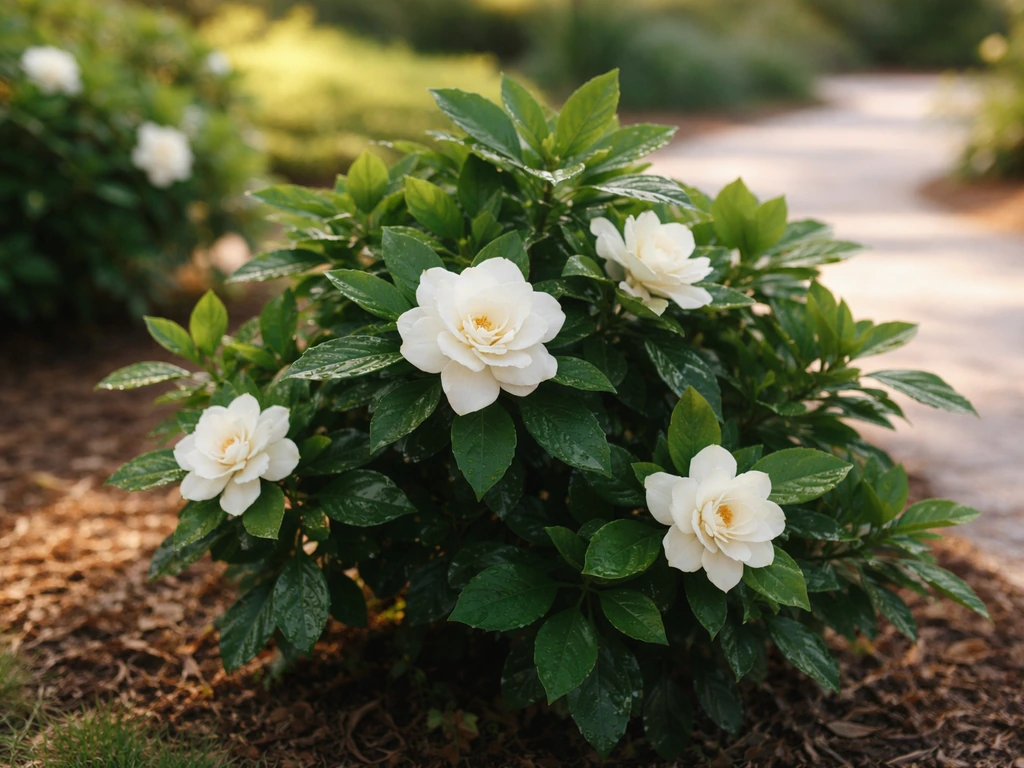
Gardenia jasminoides is native to southern East Asia, specifically to mainland China, Japan, Taiwan, Vietnam, and parts of Southeast Asia including Cambodia, Laos, and Thailand, plus the East Himalayas and Bangladesh. In the wild, these plants grow in forest undergrowth along streams and on sloping, hilly terrain, sometimes at elevations up to about 1,500 meters. That setting tells you a lot: filtered light, consistent moisture, good drainage on slopes, humid air, and rich organic soil. They are not plants of open fields or dry climates. They evolved in sheltered, moist, forested environments, and they behave accordingly in your garden.
Understanding where gardenia naturally grows helps explain why they're so fussy. They're used to relatively stable temperatures, high humidity, and acidic forest soils full of organic matter. When you put them somewhere that contradicts even one of those conditions, they let you know, usually by dropping buds, yellowing leaves, or sulking entirely.
Hardiness zones where gardenias can actually survive
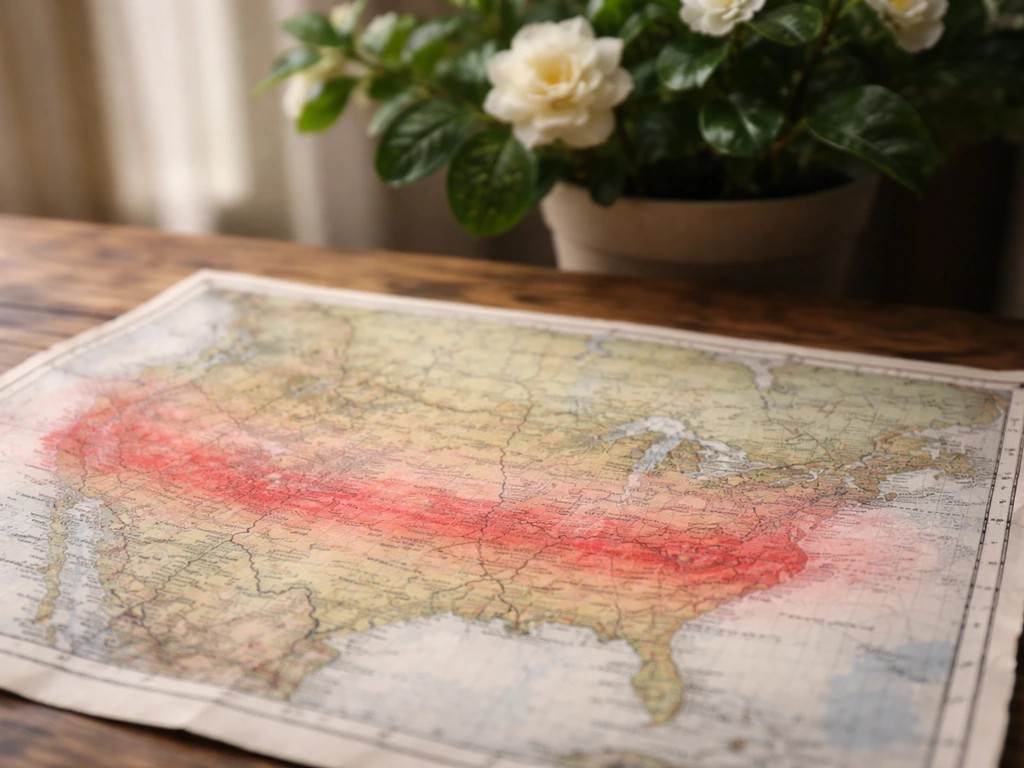
The standard guidance from UF/IFAS puts outdoor gardenias solidly in Zones 8 through 10. Extended guidance from the same institution stretches that range to Zones 7b through 11b for certain cultivars. Clemson's extension service adds useful nuance: most older, larger cultivars are cold hardy only to Zone 8, while many newer, compact cultivars have been bred for hardiness down to Zone 7a. So if you're in Zone 7a and determined to grow one in the ground, look specifically for modern cold-hardy varieties rather than a generic nursery plant. The difference between a generic gardenia and a cold-bred cultivar can be survival versus a dead plant after one hard winter.
Cold hardiness is the hard floor, but it's not the only limit. Gardenias also need enough summer heat and humidity to bloom well. That's why gardeners in mild coastal areas of the Pacific Northwest can sometimes keep a gardenia alive in Zone 8 but still struggle to get reliable flowering. The plant survives but doesn't really thrive without warm, humid summers. The climate gardenias grow in is about more than just surviving winter cold. It's the whole seasonal package.
Tender growth on gardenias can be killed when temperatures drop below about 15°F, even on plants rated to Zone 7. That means a Zone 7b gardener in an area with occasional polar vortex dips needs to take that seriously, either with a protected planting site or a plan to cover the plant during extreme cold snaps.
Where in the U.S. gardenias do well (and where they don't)
The southeastern United States is the heartland of outdoor gardenia growing. The Carolinas, Georgia, Alabama, Mississippi, Louisiana, Florida, and coastal areas of Virginia all fall into the right zone range with the added benefit of humid summers that gardenias love. Florida is especially forgiving, though even there, soil alkalinity from limestone and shells can be a problem that requires active management. Southwest Florida gardeners, for example, are advised to amend aggressively for acidity and even plant gardenias in raised mounds to handle drainage and alkaline native soils.
Texas is a mixed picture. Growing gardenias in Texas depends heavily on which part of the state you're in. East Texas, which sits in Zone 8 with decent humidity, is reasonable territory for in-ground gardenias. Central and South Texas can work in protected spots. West Texas and the Panhandle are too dry and too cold in winter for reliable outdoor growing.
Coastal California, particularly the Bay Area south through Los Angeles and into San Diego, supports gardenias well in Zones 9 and 10. The mild, frost-light winters and warm summers work, though gardeners there need to compensate for lower humidity compared to the Southeast. Hawaii is excellent across most of the islands.
Moving north, Zone 7 is the edge. The mid-Atlantic, parts of Tennessee, Arkansas, and the lower Midwest can work for cold-hardy cultivars in sheltered spots. But once you're into Zone 6 and colder, outdoor gardenias are not a realistic long-term option. Gardenias in Canada fall firmly into container-only territory, with the possible exception of a few protected microclimates in the warmest parts of British Columbia.
| Region | Hardiness Zone | In-Ground Feasibility | Notes |
|---|---|---|---|
| Southeast U.S. (GA, AL, MS, LA, SC) | 7b–9 | Excellent | Ideal climate, watch for alkaline soil |
| Florida | 8–11 | Excellent | Amend alkaline soils; raised planting helps |
| Gulf Coast Texas (Houston area) | 8b–9 | Good | Humid enough; choose sheltered spots |
| Coastal California (LA, San Diego) | 9–10 | Good | Supplement humidity; mild winters help |
| Mid-Atlantic / Lower Midwest (Zone 7a) | 7a | Marginal | Cold-hardy cultivars only, protected site |
| Pacific Northwest Coast (Zone 8) | 8a–8b | Marginal | Survives winter but may not bloom well |
| Zone 6 and colder / Canada | ≤6 | Not recommended | Container growing only |
Microclimate details: sun, shade, wind, and humidity
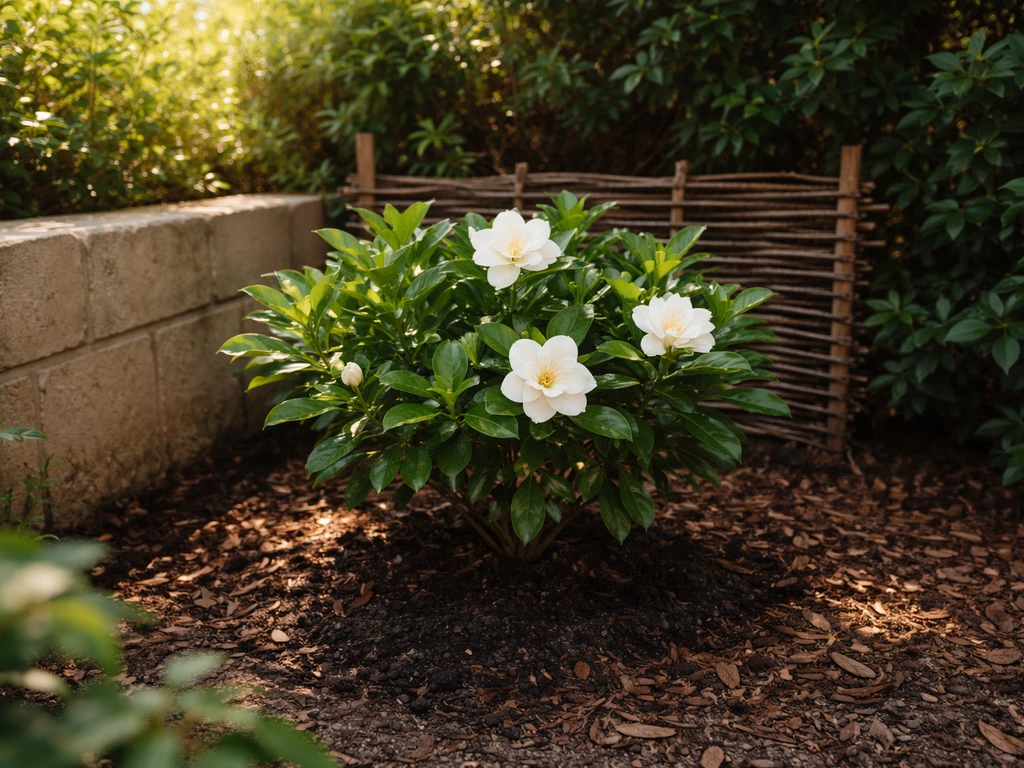
Even inside the right hardiness zone, where exactly you plant a gardenia on your property makes a big difference. Light requirements shift with temperature: in cooler areas or coastal climates, gardenias want full sun to maximize warmth and flowering. In hotter inland climates, they need light shade in the afternoon, or the combination of heat and direct sun will stress the plant and trigger bud drop. This isn't a minor preference. Gardenias flower within a relatively narrow temperature range, and excessive heat during bud set is one of the most common reasons gardeners in warm climates get beautiful foliage but no flowers.
Wind is a real problem for gardenias. Cold drafts in winter or hot, dry wind in summer both cause damage, showing up as black leaf tips and bud drop. A site with wind protection, near a fence, wall, or sheltering shrubs, is meaningfully better than an exposed spot. If you're in Zone 7 or 8 and planting near a south-facing wall, you're borrowing heat in winter and creating a sheltered microclimate that can push your effective growing zone a half step warmer.
Humidity is non-negotiable. The Royal Horticultural Society lists moderate humidity as a core condition, and anyone who has grown gardenias in a low-humidity environment knows what happens: leaf tips blacken, buds drop before opening, and the plant looks perpetually stressed. In dry climates, this is the single biggest obstacle to gardenia success outdoors, even when the zone and temperatures are technically correct.
Getting the soil right
Soil pH is probably the most common reason gardenias fail in otherwise suitable climates. UF/IFAS also notes that gardenia is among the acid-loving plants that will not do well when soil pH is greater than about 5.5 gardenias fail in otherwise suitable climates. They need acidic soil, specifically a pH between 5.0 and 6.5, with the tightest performance window around pH 5.0 to 5.5. Go above 6.5 and foliage starts yellowing from nutrient lockout, because alkaline soil prevents gardenias from absorbing iron and other micronutrients. If your pH is above 7.0, you're fighting an uphill battle in the ground, and the UF/IFAS recommendation is blunt: consider a container instead, where you can actually control the pH.
The soil should also be high in organic matter and well-drained. Gardenias grown in compacted, poorly-draining soil will develop root rot and chronic stress regardless of pH. The Edison and Ford Winter Estates in Southwest Florida recommend planting gardenias in a mound raised above the surrounding soil grade, keeping the root flare above the soil line. This isn't just aesthetics. It's a practical drainage fix for areas where native soil is alkaline, heavy, or poorly draining. Think of it as the same general approach you'd use for rhododendrons and azaleas, since their soil needs are similar.
Moisture should be consistent. Gardenias don't want to dry out, but they also don't want to sit in soggy soil. The ideal is evenly moist, well-drained, organic soil, which in practice means regular watering, good mulching, and avoiding both drought stress and waterlogging.
Growing gardenias outside their ideal range
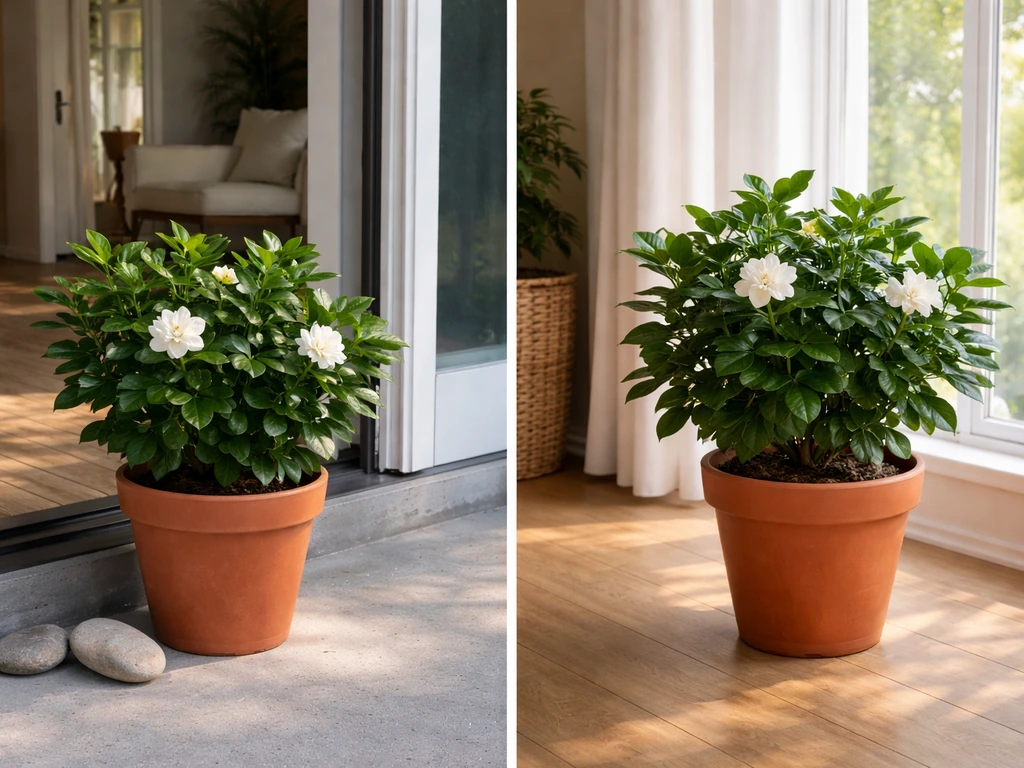
If you're in Zone 6 or colder, containers are the honest answer. A gardenia in a pot with proper acidic potting mix can thrive on a patio in summer and move indoors for winter. You control the pH, the drainage, and the protection. University of Maryland Extension emphasizes container gardening guidance because containers let you manage key constraints like drainage, light, and temperature swings [You control the pH, the drainage, and the protection.
](https://www. extension. umd. edu/resources/yard-garden/containers-and-small-spaces/container-food-gardening).
The tradeoff is commitment: these plants need bright indirect light and maintained humidity indoors, and they don't love the transition. University of Maryland Extension advises gradually acclimating container plants when moving them back outdoors in spring, since sudden shifts in light and temperature cause stress and the same bud-drop problems you'd see from any other shock.
When overwintering indoors, place the container in the brightest spot you have, a south-facing window is ideal, and keep humidity up. A pebble tray with water under the pot helps. Avoid putting the plant near heating vents, which create exactly the kind of hot, dry, drafty conditions gardenias hate. Gardenia growth rates slow considerably indoors over winter, so don't panic if the plant looks static. It's resting, not dying, as long as conditions are stable.
For borderline Zone 7 growers who want to try in-ground planting, site selection matters enormously. A south-facing location against a masonry wall, protected from north and west winds, with well-amended acidic soil and heavy mulching over the root zone in winter, gives a cold-hardy cultivar a real chance. It's not guaranteed, but it's a realistic experiment worth trying if you have the right spot.
Can you grow gardenias where you live? Use this checklist
Run through these questions before you buy. If you can answer yes to most of them, you're in good shape. If several are no, that's where your preparation work starts.
- Are you in USDA Hardiness Zone 7b or warmer? (Zone 8–10 is ideal; Zone 7a is possible with cold-hardy cultivars only)
- Do your winters stay reliably above 15°F, or can you protect the plant during the worst cold snaps?
- Is your summer climate warm and reasonably humid, or at least partially shaded if it gets very hot?
- Can you provide a sheltered planting site away from strong winds and cold drafts?
- Is your soil pH between 5.0 and 6.5, or are you willing to amend it and maintain acidity over time?
- Does your soil drain well, and can you keep it consistently moist without waterlogging?
- If you're in a borderline or cold zone, do you have room for a container that can move indoors for winter with a bright window and decent humidity?
If you're checking most of these boxes, gardenias are a realistic and rewarding choice for your garden. If you're hitting multiple obstacles, especially cold zone plus alkaline soil plus low humidity, it's worth being honest about whether the ongoing management is worth it, or whether a plant better suited to your conditions would give you a better result with less frustration.
FAQ
If my USDA zone is 7b or 8, will I definitely be able to grow gardenias outdoors?
Yes, but treat it like a site test, not a guess. If your winters dip below about 15°F or you regularly get icy wind, “zone” alone can’t protect flower buds. Use a protected microclimate (masonry wall, windbreak) and plan for a short-term cover for extreme cold snaps.
What matters more for where to grow gardenias, the hardiness zone or getting them to actually bloom?
For bloom reliability, pick a cultivar first, then place it for the right temperatures. Many gardenias can survive in a borderline zone but still fail to flower if summer heat is too dry or bud set gets heat spikes. If you want flowers more than survival, prioritize humidity and consistent afternoon shade if you are inland.
How do I know if my yard soil pH is actually suitable for gardenias?
Use a real soil pH measurement, not “what the neighborhood is like.” The fastest way to avoid failure is to test before planting and again after amending, since acids can buffer out over time in limestone or shell-rich soils. If your pH stays above about 6.5, switch strategy (raised mound, aggressive amendment, or container) instead of repeatedly adding acidic products.
Will raised mounds solve gardenia problems if my soil is alkaline? (What if I have both drainage issues and limestone?)
Raised mounds or berms help mainly with drainage and separating roots from heavy, wet native soil. They do not fix alkaline chemistry by themselves. If your issue is both poor drainage and high pH, you may need both a mound (or improved drainage) and ongoing acidity management (best controlled in containers for consistency).
How often should I water gardenias in the right zone?
Yes, but your watering schedule should match your climate. Gardenias need evenly moist soil, so in hot spells use frequent checks (finger test 2 to 3 inches down) rather than watering by calendar. Overwatering in cool, rainy periods can also cause root problems, so ensure the soil drains freely even while staying moist.
Why do gardenias keep dropping buds even though the plant seems healthy otherwise?
Bud drop often points to stress shocks, not just “lack of care.” Common triggers include hot afternoon sun, dry wind, and sudden movement from indoor to outdoor (or from shade to full sun). If you’re in a borderline area, harden off slowly and keep wind protection consistent during the bud-set weeks.
What do black leaf tips and yellowing leaves usually mean on gardenias?
If the leaves are yellowing, the first suspect is usually pH-related nutrient lockout, especially if your water source is hard. If you see black leaf tips, that more often aligns with wind, dry air, or inconsistent moisture. Correct the most likely driver, then wait, since new growth is the best indicator that your fix worked.
Can I use containers as a strategy in warm or dry climates, not just in Zone 6 and colder?
No, containers are not only for people in colder zones. In warm, dry climates, containers can be easier because you can control acidic potting mix and manage humidity more directly. The practical question is whether you can provide bright light, consistent moisture, and indoor humidity during winter or transition seasons.
How should I acclimate a container gardenia when moving it back outdoors in spring?
Acclimate in two steps: gradually increase outdoor light over 7 to 14 days, and protect from wind and temperature swings during the transition. Also avoid leaving it exposed to midday sun immediately after indoor growth, since that heat and light shock can cause bud drop even if the plant’s temperature is tolerated.
What is the most important factor when choosing the exact spot in my yard for gardenias?
Start with the site math: filtered or afternoon shade plus wind protection plus enough ambient humidity. If your yard is exposed and inland, you may need extra humidity support (for example, a sheltered planting position and more consistent moisture management) even if temperatures are technically within range. If you can’t meet humidity and wind needs reliably, you will likely have more luck with a cultivar-and-container approach.
What should I watch for during heat waves or drought periods if I’m trying to keep gardenias blooming?
Not without a plan. Even in the right zone, severe drought, heat waves, or extended dry windy periods can cause leaf tip burn and bud drop. If your climate swings, set expectations for more frequent checks and possible supplemental humidity measures, especially during bud set.