
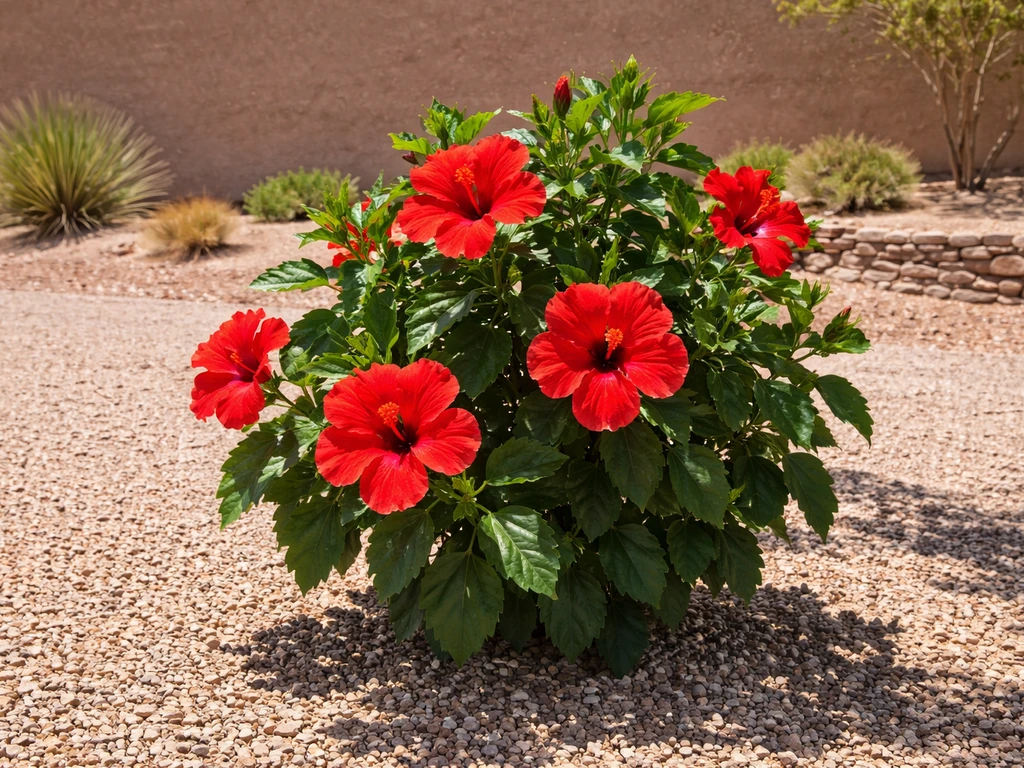
Yes, hibiscus can grow in Las Vegas, but the type you choose makes all the difference. Tropical hibiscus (Hibiscus rosa-sinensis) will survive and even thrive through the brutal summers, but it cannot handle Las Vegas winters without protection, so most people grow it in a container they can move indoors. Hardy hibiscus (the rose mallow group, Hibiscus moscheutos) and Rose of Sharon (Hibiscus syriacus) are both more cold-tolerant and can go in the ground as permanent landscape shrubs. If you want color without the babying, Rose of Sharon or a hardy hibiscus hybrid is your most realistic path to blooms year after year in the Las Vegas climate.
Can Hibiscus Grow in Las Vegas? What Works and How
Marcus Hartwell
5 Jun 2026
Which hibiscus type is actually right for Las Vegas?
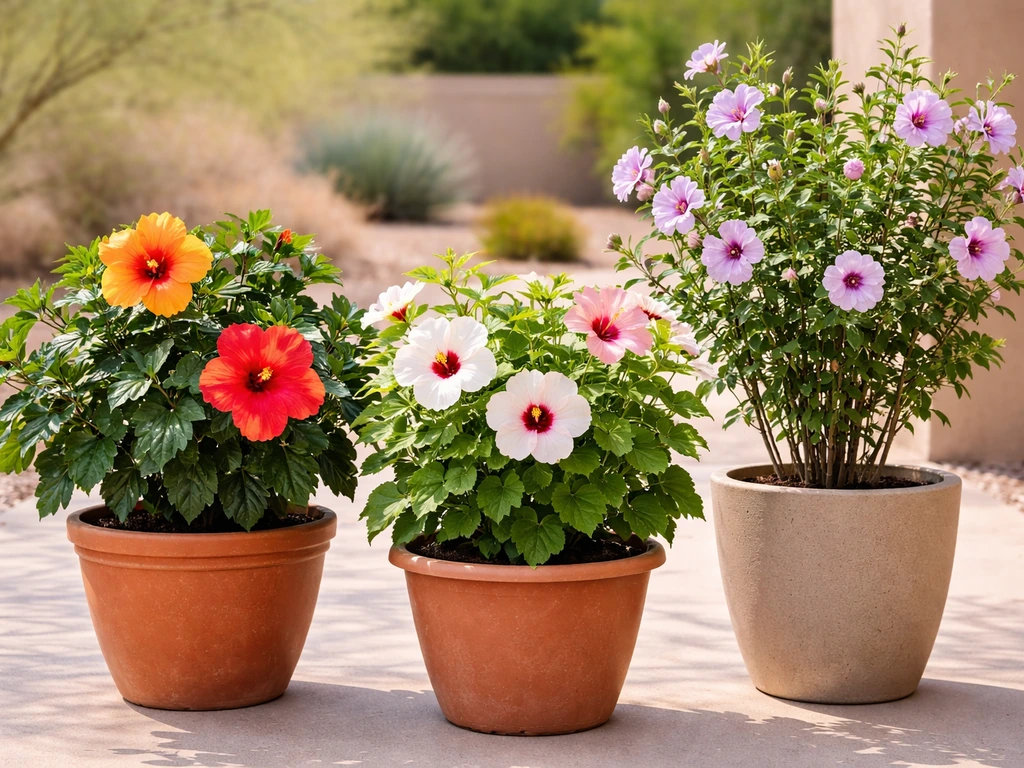
There are three main types of hibiscus most Las Vegas gardeners consider, and they behave very differently here. Knowing which one fits your yard and your maintenance tolerance is the single most important decision you'll make. Gardenias have similar temperature concerns, so you should focus on choosing the right cultivar and protecting the plant during Illinois winters Gardenias in Illinois.
| Hibiscus Type | USDA Zone Range | Las Vegas Reality | Best Use |
|---|---|---|---|
| Tropical Hibiscus (H. rosa-sinensis) | Zones 9–11 | Loves the heat; frost-sensitive, needs winter shelter | Container plant; move indoors when temps drop |
| Hardy Hibiscus / Rose Mallow (H. moscheutos) | Zones 4–9 | Handles cold and heat; dies back in winter, re-sprouts | In-ground perennial; disappears in winter but returns |
| Rose of Sharon (H. syriacus) | Zones 5–9 | Extremely heat-tolerant deciduous shrub; very reliable | Best permanent in-ground landscape shrub for Las Vegas |
Las Vegas sits in USDA zones 9a to 9b depending on your exact neighborhood. Tropical hibiscus technically overlaps with that zone range, but the operative word is 'frost-free. ' Las Vegas gets frost, especially in January, so tropical hibiscus planted in the ground will likely die back or die outright in a cold snap. Treat it as a container plant and you're fine.
Rose of Sharon is cold-hardy well below what Las Vegas dishes out in winter, and it handles desert heat with impressive toughness. Hardy hibiscus falls in the middle: it dies to the ground each winter (which can look alarming) but reliably comes back from the roots each spring. For most Las Vegas gardeners who want something permanent and low-stress, Rose of Sharon is the go-to recommendation.
What Las Vegas's climate actually means for hibiscus
blank" rel="noopener noreferrer">Las Vegas is one of the driest, sunniest, and hottest cities in North America. Summer highs routinely exceed 110°F, and average July highs hover near 106°F. The humidity is extremely low, which actually protects hibiscus from some fungal issues you'd see elsewhere, but it means the air and soil dry out at a punishing rate. Any hibiscus you plant here is going to get baked from above and dehydrated from all sides during peak summer.
The other climate reality is winter. Las Vegas's average last frost falls in the late January window, and while winters are mild compared to most of the country, cold snaps with temps dipping into the upper 20s°F do happen. That window of cold is what separates which hibiscus types can live in the ground year-round and which ones need to come inside. The desert soil itself adds another layer of difficulty: Las Vegas soil is alkaline (high pH), rocky, and low in organic matter. Hibiscus prefers a neutral to slightly acidic pH around 6.0 to 7.0, so the native soil here works against you from the start and needs to be addressed at planting.
Where and how to plant hibiscus in the Las Vegas landscape
Pick your spot carefully
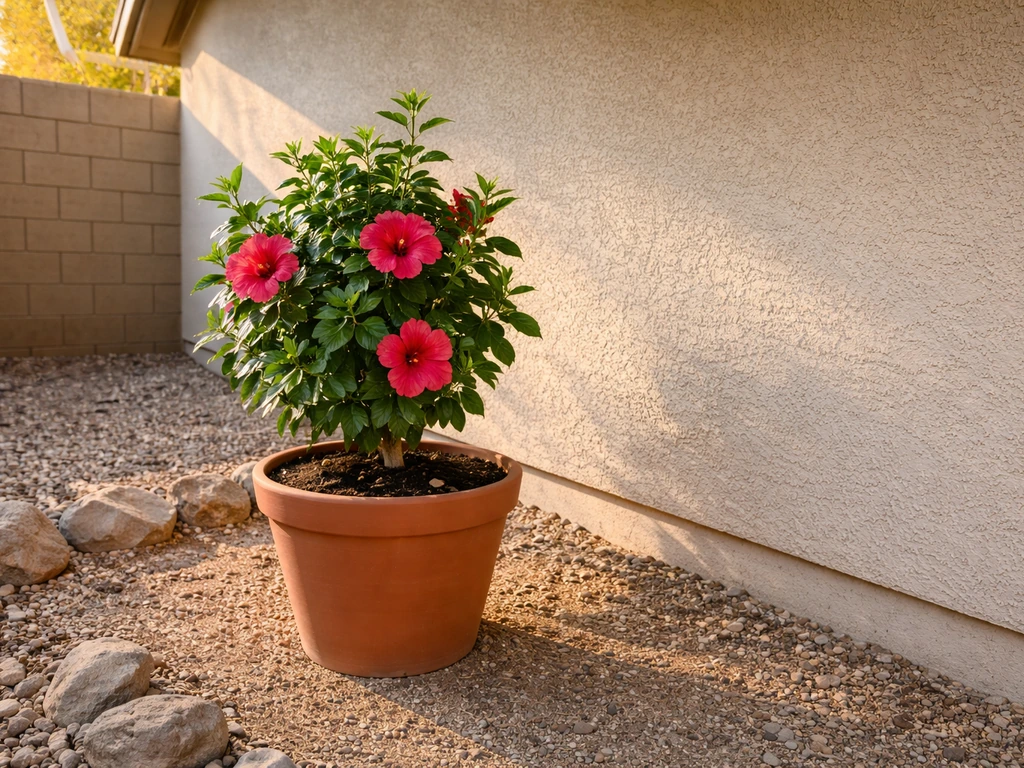
Hibiscus needs full sun, but in Las Vegas that sun is extreme. The ideal planting spot gets full morning sun and some relief from the most intense afternoon rays, particularly the 2 to 6 p.m. window when summer temperatures peak. A location on the east or northeast side of a wall, fence, or large structure is a natural microclimate advantage here. South and west-facing spots against a masonry wall will amplify heat to levels that stress even heat-tolerant plants. If your only available spot is west-facing, container growing gives you the flexibility to shift the plant when it's getting hammered.
Fix the soil before you plant
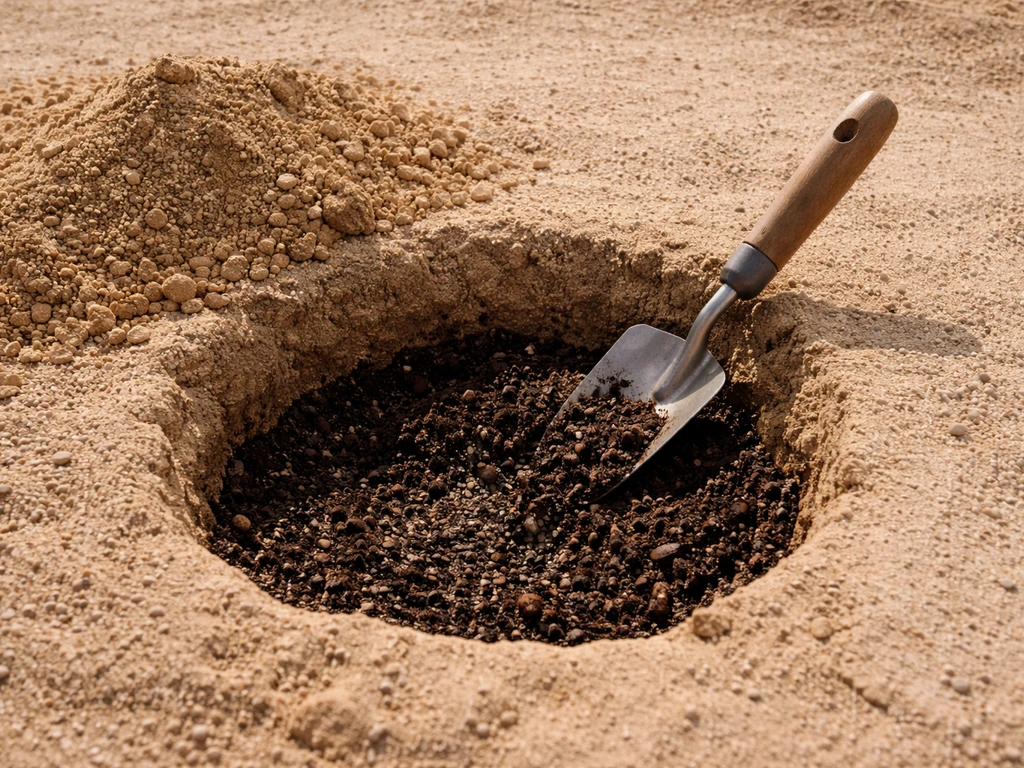
Native Las Vegas soil is not going to work as-is for hibiscus. Before planting, dig a hole at least twice as wide as the root ball and about 18 inches deep. Mix the native soil with generous amounts of compost to improve texture, drainage, and pH. You're aiming for rich, well-drained soil that holds some moisture but doesn't stay waterlogged.
Drainage is critical here: sitting water is one of the fastest ways to kill a hibiscus through root rot. If your yard has caliche layers that trap water, either break through with a post-hole digger or plant in a raised bed or container instead. Adding sulfur at planting can help nudge the soil pH toward the slightly acidic range hibiscus prefers, which also reduces the risk of iron chlorosis showing up later.
Container vs in-ground: how to decide fast
If you're growing tropical hibiscus, container growing is honestly the smarter path in Las Vegas. Use a large pot (at least 15 to 20 gallons for a mature plant) with excellent drainage holes and a quality potting mix. You'll move it into a garage or sheltered area when nighttime temps drop toward the low 40s°F in late fall. For Rose of Sharon or hardy hibiscus, go in-ground. These are meant to establish a root system and get better and stronger each year, and they're cold-hardy enough to stay put through a Las Vegas winter.
Watering right: the biggest key to healthy hibiscus here
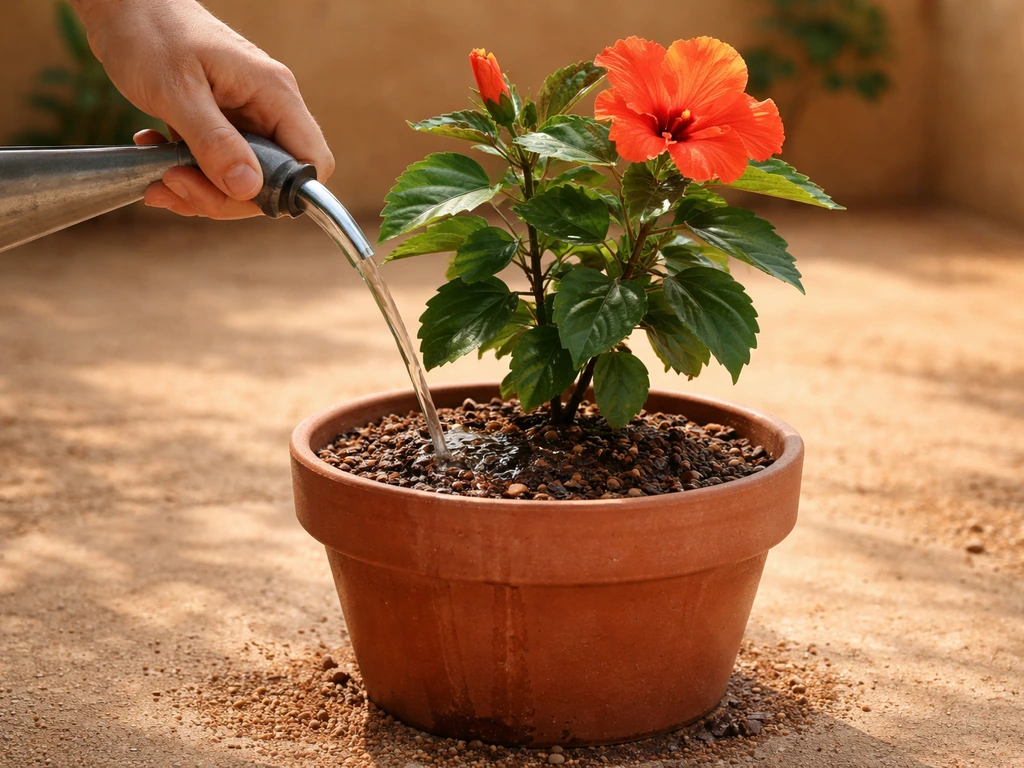
Watering is where most Las Vegas hibiscus attempts succeed or fail. Hibiscus wants consistently moist, well-drained soil, which in a desert climate means you're going to water more often than you'd expect, but you still have to avoid waterlogging the roots. During the establishment period (the first two to three months after planting), water deeply two to three times per week, particularly in summer.
Once established, deep watering of at least 1 to 2 inches per week is the baseline, but during the peak of a Las Vegas summer with minimal rainfall, that can jump to two to three deep waterings per week. Pueblo County Extension recommends hardy hibiscus be grown in full sun with well-drained soil enriched with compost, along with [deep watering of at least 1 to 2 inches per week](https://pueblo. extension. colostate.
edu/make-some-room-for-hardy-hibiscus/). The goal is to wet the soil to root depth each time, then let just the top inch or two dry slightly before the next watering. Drip irrigation set on a timer is the most practical setup for this.
For container plants, check the soil moisture every day in summer. Pots dry out very fast in Las Vegas heat, sometimes within 24 hours during a heatwave. Make sure every watering drains completely out the bottom rather than pooling at the bottom of the pot, which is how root rot starts. In fall and winter, back off significantly: let the soil dry a bit more between waterings as the plant's needs drop with cooler temperatures.
Getting through winter: frost protection and recovery
For Rose of Sharon and hardy hibiscus planted in the ground, Las Vegas winters are manageable with some basic preparation. After the plant has experienced its first killing frost and died back for the season, apply a 3 to 4 inch layer of mulch over the root zone to insulate the roots and reduce soil temperature swings. Leave the dead stems in place through winter as added protection for the crown. Don't be in a hurry to cut back: wait until you see new growth emerging in spring before pruning off last year's dead growth.
For tropical hibiscus in containers, bring the plant indoors before nighttime temperatures drop into the low 40s°F. A garage, sunroom, or bright window works. Cut back watering significantly while it's indoors and in its winter rest phase. Don't panic if it drops leaves indoors: that's normal. Bring it back outside in late February or March once frost risk has passed, which in Las Vegas is typically by the end of January to mid-February based on historical frost data, though waiting until early March is the safer call if you want to protect new growth from a surprise cold night.
Troubleshooting the problems you'll actually run into
Yellow leaves with green veins (iron chlorosis)
This is extremely common in Las Vegas hibiscus because the alkaline soil locks up iron, making it unavailable to the plant. The classic symptom is leaves turning yellow while the veins stay green. The fix is two-part: apply chelated iron foliar spray for a quick correction, and work on lowering soil pH over time with sulfur amendments. If you see this often, it's a sign your soil pH needs ongoing attention.
Wilting even when the soil is wet
If your hibiscus is wilting despite adequate watering, you're likely dealing with root rot caused by Phytophthora or a similar water mold. Phytophthora requires high moisture and can invade crown tissue as well as roots, which makes root rot more likely when plants are overwatered or have poor drainage Phytophthora root rot.
This happens when roots sit in saturated soil and can no longer transport water up to the plant. The roots can't do their job, so the plant wilts like it's dry, even when it's not. Check drainage immediately. If you're overwatering or have poor drainage, scale back and improve drainage.
Badly affected plants may not recover, which is why getting drainage right from the start is so critical in Las Vegas's clay and caliche-prone soils.
Bud drop before flowers open
Hibiscus buds dropping before they open is a frustrating problem that usually comes down to one of two causes: sudden environmental stress (a heatwave, inconsistent watering, being moved or transplanted) or pest damage. Check buds closely for tiny insects attacking them early in development. Keeping watering consistent and avoiding major disruptions during bud development reduces this significantly.
Spider mites, aphids, and whiteflies
Hot, dry conditions in Las Vegas are ideal for spider mites, which are the most damaging pest hibiscus faces here. You'll see fine webbing on the undersides of leaves and a stippled, pale appearance to the foliage. A strong spray of water knocks them back, but serious infestations need neem oil or insecticidal soap applied in the early morning or evening when temperatures are lower. Aphids and whiteflies also show up and respond well to the same treatments. Check the undersides of leaves regularly, especially during summer.
Slow growth or no blooms
If your hibiscus is alive but not doing much, it's usually a combination of nutrient-poor soil, inadequate water, or too much shade. Hibiscus is a hungry plant that benefits from regular feeding with a balanced fertilizer during the growing season. Make sure it's genuinely getting full sun for most of the day, and confirm your watering is deep enough to reach the root zone rather than just wetting the surface.
Your quick checklist before you buy
Before you head to the nursery, run through this list. It'll tell you quickly whether your yard setup and your maintenance capacity are a good match for hibiscus in Las Vegas.
- Decide which type fits your situation: Rose of Sharon or hardy hibiscus for a permanent in-ground plant, tropical hibiscus only if you're willing to container-grow and move it indoors each winter.
- Identify a spot with full morning sun and some afternoon shade protection, away from a west-facing masonry wall that will supercharge heat.
- Check your drainage: pour a bucket of water in your planting spot and see if it drains within an hour. If it puddles, fix drainage before planting or use a raised bed.
- Plan your soil prep: buy compost and sulfur for soil amendment before planting, not as an afterthought.
- Set up a drip irrigation system or commit to a consistent hand-watering schedule, especially for the first summer.
- If going tropical hibiscus in a container, make sure you have a sheltered indoor space available by November.
- Start with one plant in a single well-chosen spot before planting several: Las Vegas microclimates vary a lot by neighborhood and yard layout.
If you're comparing notes with gardeners in other desert-adjacent climates, the hibiscus feasibility question in Las Vegas shares some overlap with places like southern Utah, where alkaline soil and cold winters create a similar set of tradeoffs. In many cases, the same Rose of Sharon and hardy hibiscus approaches that work for other desert climates can be adapted for Utah as well can gardenias grow in utah.
In Minnesota, you can only reliably grow gardenias with the right winter protection and consistently warm, acidic conditions gardenias in Minnesota. The challenges here are specific but very solvable. Start with a Rose of Sharon if you want the most forgiving first experience, give it a well-amended spot with good drainage and consistent water, and Las Vegas will reward you with impressive blooms through the summer months.
FAQ
Can hibiscus grow in Las Vegas if I keep it in a pot year-round?
Yes, but treat it as temporary unless you are ready to move it. Tropical hibiscus can live in a pot on a patio year-round only if you can prevent exposure to nights that fall into the low 40s or colder, typically by bringing it indoors when frost risk approaches. If you cannot relocate the pot during cold snaps, Rose of Sharon or hardy hibiscus is the safer “in-ground” choice.
What’s the easiest way to start hibiscus in a Las Vegas yard without losing it?
Start with cuttings or container plants already acclimated to warm conditions. Avoid buying tropical hibiscus when it is cold outside at the nursery and then placing it directly into full sun, it can drop leaves. Harden it off over 7 to 10 days by increasing sun exposure gradually, and make sure the pot drains fast after every watering.
Why does my hibiscus have leaves but few flowers in Las Vegas?
Expect less bloom if the plant is in harsh afternoon sun, underfed, or allowed to dry out too far between waterings. For container hibiscus, the most common bloom killer is inconsistent moisture (the surface dries quickly, while the root zone may swing between dry and soggy). Use a timer drip setup when possible, and target regular fertilizing during active growth so buds have nutrients to develop.
My tropical hibiscus dropped leaves after I brought it inside. Is that normal?
When tropical hibiscus is moved indoors for winter, leaf drop is normal because light and airflow drop dramatically. The key is to avoid two extremes: do not keep it constantly wet indoors, and do not let the container sit in a saucer that collects runoff. Wait to prune until you see new growth in late winter or early spring.
Should I water hibiscus with sprinklers or drip irrigation?
Do not rely on sprinkler watering alone for hibiscus. In Las Vegas, overhead watering often fails to wet deep to root depth consistently, and it can also lead to uneven drying that stresses buds. Drip irrigation with a timer is more reliable, and for in-ground plants you may need to run longer cycles less frequently so water penetrates rather than just moistening the top.
Can I grow hibiscus in Las Vegas without digging out the native soil?
Yes, but only if you correct drainage and pH together. If your soil stays alkaline and holds water, hibiscus will be prone to iron chlorosis and root rot. Test soil pH first, then amend with compost for structure and use pH-lowering amendments like sulfur only as directed. Also consider planting on a berm, using a raised bed, or switching to a container if caliche is present.
Would a raised bed help hibiscus in Las Vegas soil?
Yes, and it’s often the best upgrade if you are in a caliche-heavy area. Planting on a raised mound improves runoff and makes it easier to keep soil moist but not saturated. Even if you amend with compost, a raised bed helps prevent water from sitting around the crown after rare but intense desert storms.
How can I tell if my hibiscus problem is spider mites versus watering or fertilizer issues?
Powdery residue or fine speckling can be from mites, but other issues can look similar. For spider mites, you will often see stippling and very fine webbing on leaf undersides, and the plant may look dry even when soil is adequate. Use a hand lens if possible, and treat early in the morning or evening with insecticidal soap or neem, repeating as needed.
My container hibiscus wilts even though I water. What should I check first?
For containers, check by feel and by runoff. If the top inch feels dry but the pot still stays soggy below, you are likely overwatering or have poor potting mix drainage. If you see pooling or slow drainage at the bottom, repot into a mix designed for containers with good aeration, and confirm each watering drains freely out of the holes.
When should I prune hibiscus in Las Vegas?
Avoid pruning tropical hibiscus hard in late fall or while it is adjusting indoors, it can reduce stored energy needed for regrowth. For in-ground varieties, wait to prune dead stems until you see fresh growth in spring. If you need cleanup, focus on removing clearly dead material rather than shaping aggressively during cold-season stress.
What’s the best approach if my hibiscus has yellow leaves but green veins?
If you get yellow leaves with green veins, treat it as iron chlorosis, then confirm the real cause with a soil test before overcorrecting. Foliar chelated iron can help quickly, but the longer-term fix is lowering soil pH gradually and improving root-zone conditions so iron stays available. Repeated chelated iron without addressing pH often leads to inconsistent recovery.