
Gardenias can grow in Illinois, but only with the right variety, the right spot, and a realistic plan for winter. Most of Illinois falls in USDA Zones 5a to 6b, which is colder than what standard gardenias can handle long-term. If you're in Chicago or anywhere north of I-80, growing gardenias in the ground is a tough ask and blooming is not guaranteed every year. But with a cold-hardy cultivar, a sheltered planting site, and some winter protection, you can pull it off in the southern half of the state and even in parts of the Chicago metro. Container culture is your best bet if you're in a colder zip code.
Can Gardenias Grow in Illinois? Chicago Feasibility Guide
Marcus Hartwell
1 Jun 2026
Illinois vs. Chicago: how the climate actually plays out for gardenias
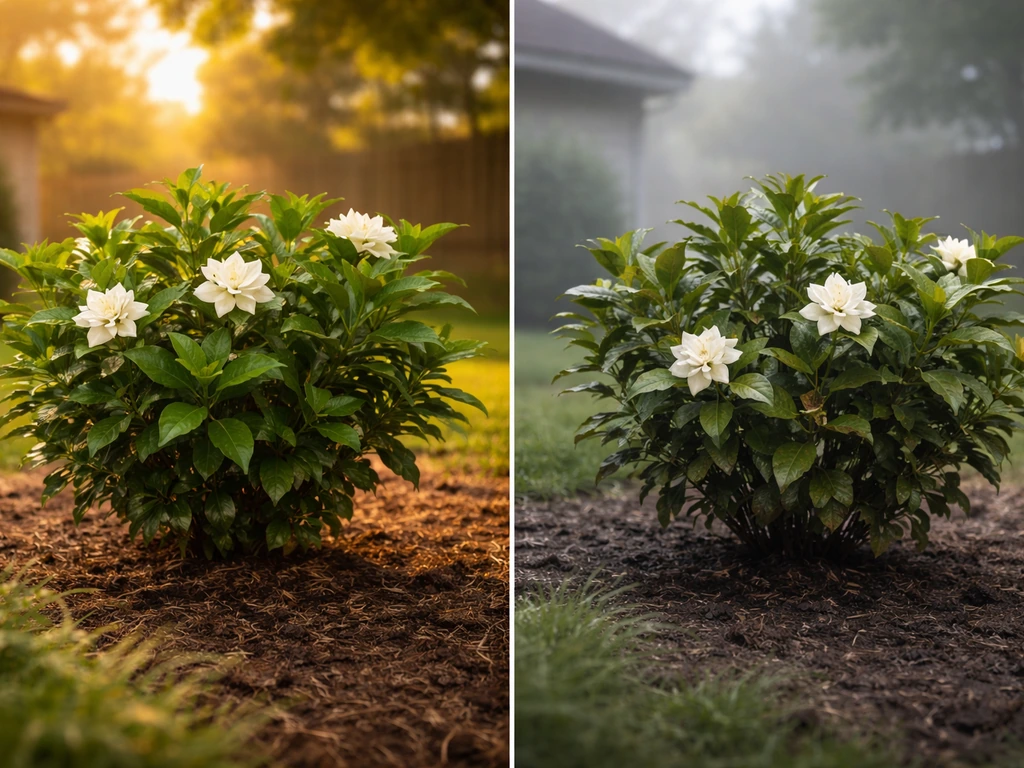
Illinois is a bigger and colder state than most people picture when they think about it. The southern tip near Cairo sits in Zone 7a, which is legitimately gardenia-friendly territory. Move north to Springfield and you're in Zone 6a, which is marginal. By the time you get to Chicago, you're in Zones 6a and 6b, where winter lows dip to between -10°F and 0°F depending on your exact neighborhood. That's cold enough to kill most standard gardenias outright.
Chicago does get some help from the lake effect. The lakefront neighborhoods and Chicago's south and southwest suburbs can run slightly warmer in winter than inland areas at the same latitude. That microclimate bump can make a real difference. Gardeners in Lincoln Park, Hyde Park, or the near south suburbs may find more success than someone in, say, DeKalb or Joliet. But don't count on the lake to save you if a polar vortex rolls in. It's a bonus, not a guarantee.
The bottom line by region: southern Illinois (Zone 6b to 7a) offers the best shot at gardenias in the ground with minimal fuss. Central Illinois (Zone 6a) is a stretch but possible with cold-hardy varieties and heavy protection. Northern Illinois and Chicago (Zones 5a to 6b) is container gardenia territory for most gardeners, with in-ground attempts being a calculated risk.
What gardenias actually need to thrive
Before you decide whether Illinois can give a gardenia what it needs, here's what the plant actually requires. Gardenias are not low-maintenance shrubs. They have specific demands on every front.
- Temperature: Gardenias prefer mild winters and dislike hard freezes. Most standard varieties struggle below about 15°F and are rated for Zones 8 to 11. Cold-hardy cultivars push the floor down to around 0°F to 5°F.
- Sun: Bright light is essential, but direct afternoon sun in hot summers can scorch the foliage. Morning sun with afternoon shade is the sweet spot, especially in the warmer parts of Illinois.
- Soil: Gardenias need acidic soil, specifically a pH between 5.0 and 6.5. Iron becomes less available to the plant as pH climbs above 6.5 to 6.7, which causes the telltale yellowing between leaf veins called iron chlorosis. Illinois soils, particularly in agricultural areas, often trend neutral to alkaline, so this is a real problem here.
- Humidity: Gardenias love humidity. Illinois summers are humid enough to keep them reasonably happy, but winters indoors with forced-air heat are very tough on container plants.
- Moisture: Consistent soil moisture matters a lot. Drought stress triggers bud and leaf drop, and so does overwatering. The goal is evenly moist, never soggy, never bone dry.
Illinois growing zones and what they mean for winter survival
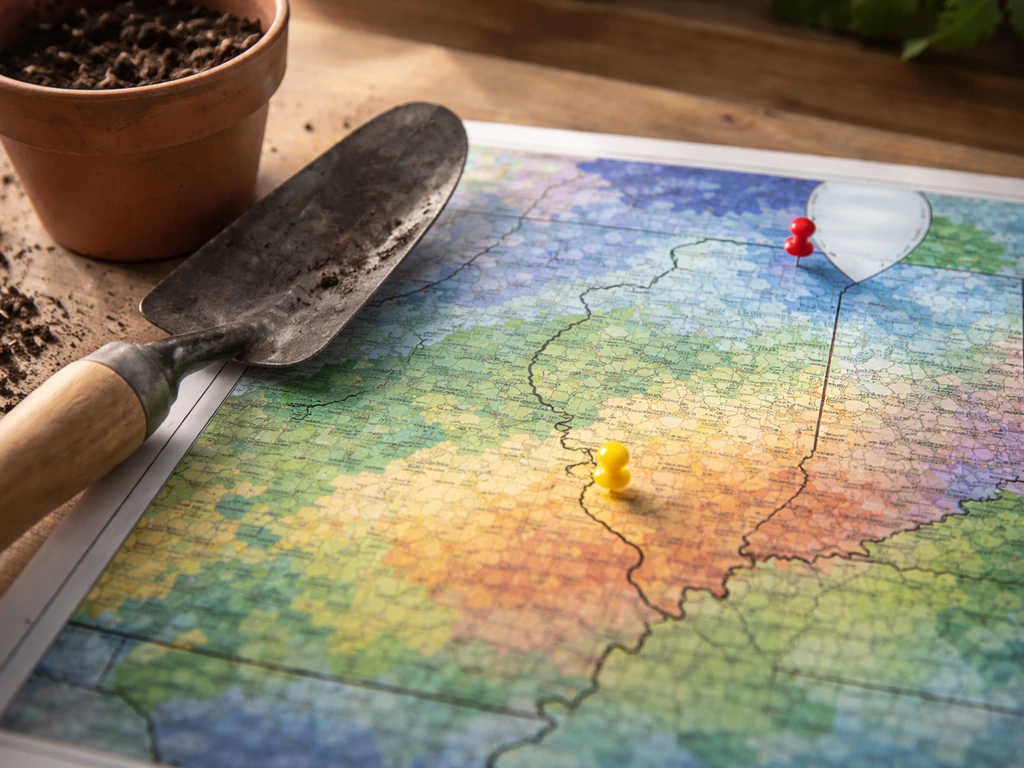
USDA hardiness zones are based on the average annual extreme minimum winter temperature, meaning the coldest it typically gets each year. The map tells you what plants can survive, not what they'll do in a great summer. For Illinois, the zone breakdown matters a lot when you're shopping for gardenias.
| Region | Zone | Typical Winter Low | Gardenia Feasibility |
|---|---|---|---|
| Southern Illinois (Cairo area) | 7a to 7b | 0°F to 10°F | Best shot in-ground, standard hardy varieties work |
| Between I-70 and I-64 | 6b | -5°F to 0°F | In-ground possible with cold-hardy cultivars and protection |
| Central Illinois (Springfield area) | 6a | -10°F to -5°F | Risky in-ground; cold-hardy varieties + heavy winter care needed |
| Chicago metro | 6a to 6b | -10°F to 0°F | Marginal in-ground; containers recommended for most gardeners |
| Northern Illinois (Rockford, DeKalb) | 5a to 5b | -20°F to -10°F | In-ground not realistic; containers only |
The zone tells you whether a plant can survive the winter, but gardenias also need enough warm days to actually bloom. In northern Illinois, even if a plant makes it through the cold, the growing season may not give it enough heat and time to set flower buds. Survival and blooming are two different targets.
Picking the right gardenia variety for Illinois winters
This is probably the most important decision you'll make. Standard gardenia varieties are bred for the Deep South and have no business being planted in the ground in Chicago. But the nursery industry has been working on cold-hardy selections for years, and there are a few worth knowing.
- Frost Proof Gardenia: This is the most commonly recommended cold-hardy cultivar and for good reason. It's marketed as surviving down to 0°F to 10°F and is rated for Zones 6 to 7. For southern and central Illinois, this is your best in-ground candidate. It won't promise blooms every year in Zone 6a, but it can survive.
- Double Mint Gardenia: Listed with a hardiness rating of Zone 6b, which puts it in range for southern Illinois and potentially protected spots in the Chicago suburbs. It's an evergreen with fragrant white double flowers and is worth seeking out if you're in the right zone.
- August Beauty: A classic gardenia with beautiful blooms, but it needs acidic soil (pH 5.0 to 6.5) and is not particularly cold-hardy. Best as a container plant in Illinois.
- Sweet Star Gardenia: Marketed as reliably cold-hardy in Zone 7, so it's more appropriate for the far southern tip of Illinois than for Chicago. Good if you're in Alexander or Pulaski County.
The honest advice: if you're north of I-70, stick with Frost Proof or Double Mint and still plan on giving them significant winter protection. If you're in the Chicago area, treat any in-ground gardenia as a garden experiment rather than a sure thing, and keep containers as your backup plan.
How to plant gardenias in Illinois: site, timing, and winter protection
Site selection
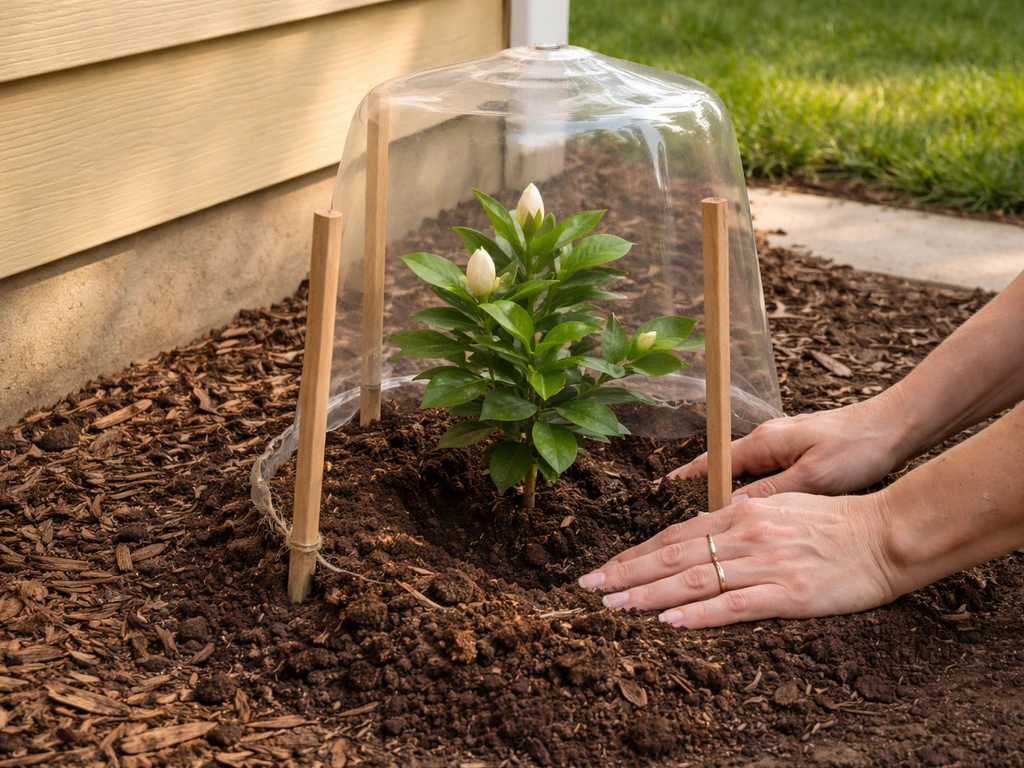
Where you put the plant matters as much as which variety you choose. In Illinois, the ideal in-ground gardenia site has morning sun and afternoon shade, protection from prevailing northwest winter winds, and well-drained soil that you can amend to the acidic pH range gardenias need. The south or southeast side of a brick house is a classic microclimate trick: the masonry absorbs heat during the day and radiates it at night, which can keep temperatures a few degrees warmer right at the plant. Avoid open, exposed spots and low-lying areas where cold air pools.
Timing your planting
Plant gardenias in spring after your last frost date, which in Chicago is typically around mid-April to early May. This gives the plant a full growing season to establish roots before it has to face its first Illinois winter. Do not plant in fall in northern Illinois. The plant won't have enough time to root in before the cold hits.
Soil prep and pH management
Before you plant, test your soil pH. Illinois soils often run neutral to alkaline, and a gardenia planted into soil with a pH above 6.5 will start showing iron chlorosis within a season, with yellowing leaves and weak growth. Amend the planting area with sulfur to lower pH, and use an acidic mulch like pine bark or pine needles. Plan to retest and re-amend annually, because Illinois soils will naturally try to drift back toward neutral.
Winter protection for in-ground plants
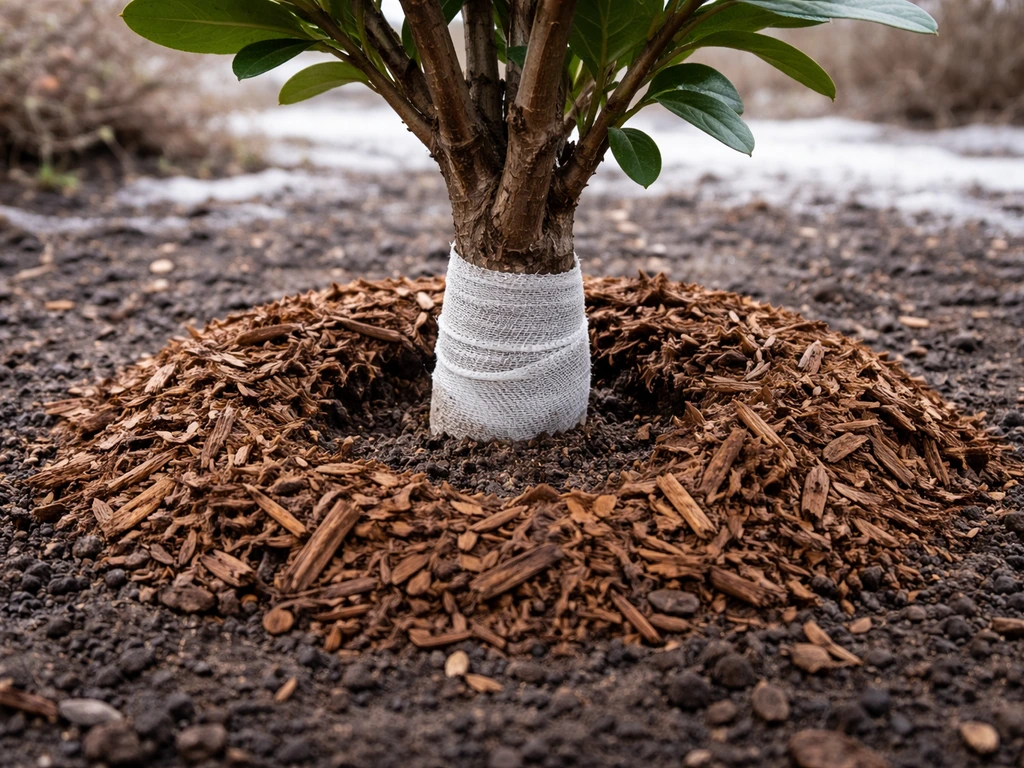
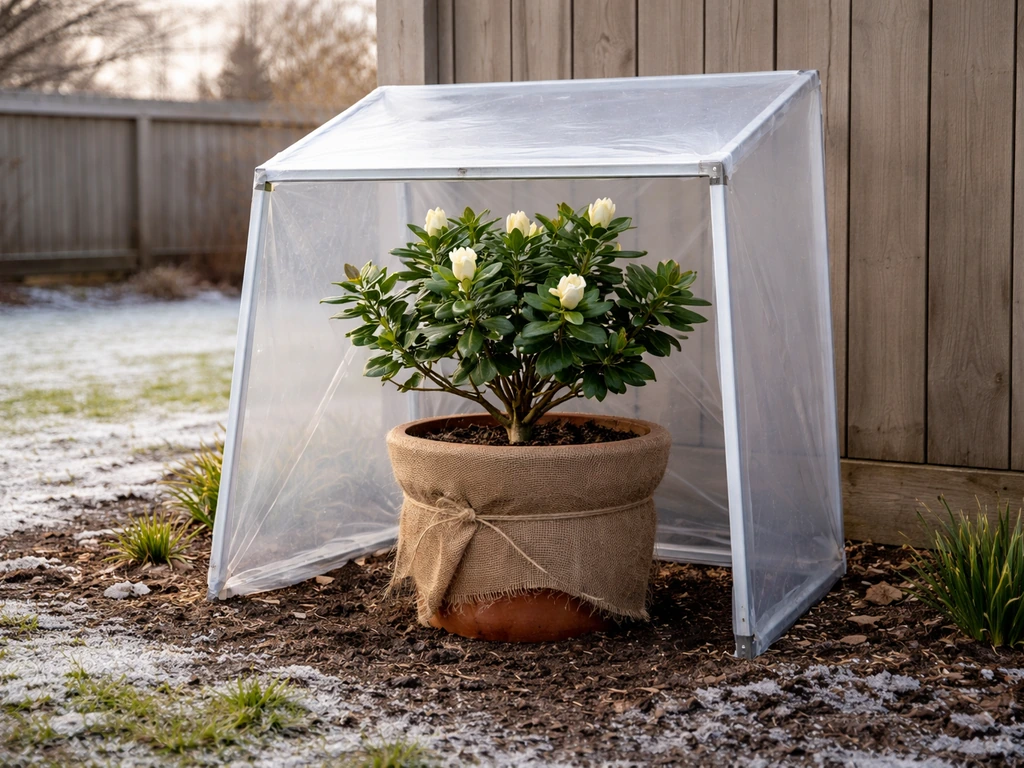
Once cold weather arrives, give in-ground gardenias serious protection. Apply 2 to 3 inches of mulch around the base to moderate soil temperature and prevent frost heaving. Wrap the shrub loosely in burlap to reduce wind damage, which Illinois Extension notes is a real source of winter injury for broadleaf evergreens. In especially cold winters, adding a layer of straw over the burlap wrap gives extra insulation. In Zone 6a and colder, don't be surprised if the top of the plant dies back. The root system may survive and send up new growth in spring, but you won't get blooms on wood that died.
Container vs. in-ground: which approach makes sense for your neighborhood
This comes down to where in Illinois you live and how much effort you want to put in.
| Approach | Best For | Key Advantage | Main Challenge |
|---|---|---|---|
| In-ground planting | Southern Illinois (Zone 6b to 7a), sheltered Chicago spots | Plant grows larger, blooms more reliably over time | Winter survival is not guaranteed north of Zone 7; soil pH management is ongoing |
| Container culture | Chicago metro, northern Illinois, anyone in Zone 6a or colder | You control soil pH perfectly; bring indoors before hard freeze | Indoor overwintering requires bright light and high humidity; bud drop is common |
For Chicago-area gardeners, containers are the practical recommendation. You can keep your gardenia in a pot with the exact acidic potting mix it needs, move it to a sunny patio for summer, and bring it inside before temperatures drop below 20°F. Illinois Extension recommends clustering potted plants together and mulching around them heavily with straw or wood mulch if you want to leave them outside a bit longer, but for gardenias specifically, bringing them into a bright, cool indoor space before a hard freeze is the right move.
The challenge with indoor overwintering is that gardenias hate dry indoor air. Forced-air heat in an Illinois winter can drop indoor humidity to 20 to 30 percent, which is brutal for a plant that wants 50 percent or more. A pebble tray with water under the pot, a small humidifier nearby, and a south-facing window are the standard moves. Even then, expect some bud drop when the plant transitions indoors. It's almost inevitable.
What to realistically expect: blooms, problems, and what to try instead
Realistic blooming expectations
In southern Illinois with a cold-hardy variety and good care, you can get reliable blooms most years. In the Chicago area, blooming is more hit or miss. A tough winter that kills back the above-ground growth means no blooms that year since gardenias bloom on older wood. A mild winter followed by a warm spring is when Chicago-area gardenias put on their best show. Don't be discouraged if year one or two is mostly foliage while the plant gets established.
Common problems in Illinois
- Iron chlorosis: Yellowing between leaf veins is the most common problem, caused by soil pH that's too high. Test and adjust pH regularly, and use an iron chelate fertilizer if symptoms appear.
- Bud drop: Buds that form but never open are caused by stress, including drought, sudden temperature swings, low humidity, or moving the plant. Try to keep conditions consistent when buds are forming.
- Pest issues: Mealybugs, aphids, scale, and whiteflies are the main pests to watch for, especially on container plants brought indoors. Check the undersides of leaves regularly.
- Winter dieback: Expect some tip dieback in colder years even on hardy varieties. Prune out dead wood in spring once new growth appears, not before.
If gardenias aren't the right fit for your spot
If you're in northern Illinois and the container commitment sounds like too much, or if you've tried gardenias and lost them, there are plants that give a similar feel without the drama. Hardy gardenias are sometimes compared to camellias, but camellias are actually even more cold-sensitive and won't do better in Illinois. For that fragrant, lush-foliage look, consider native oakleaf hydrangea, which handles Zone 5 without complaint and blooms reliably. Fragrant viburnum varieties like Koreanspice viburnum (Viburnum carlesii) are fully hardy across all of Illinois and deliver serious fragrance in spring. Sweet autumn clematis gives late-season perfume. None of these are exactly a gardenia, but they'll actually survive a Chicago winter without you losing sleep over them.
If you're committed to gardenias and want to see how other challenging climates compare, the situation in Illinois is quite different from places like Las Vegas or Utah, where the obstacle is heat and alkaline soil rather than cold, and different again from Minnesota where winters make Illinois look mild. In that situation, figuring out soil and watering conditions matters just as much as temperature, which is why it helps to know whether gardenias can grow in Las Vegas. Illinois sits in a middle zone where success is achievable but not automatic, which makes variety selection and site placement the two decisions that matter most. In Las Vegas, you can still grow hibiscus, but the heat and intense sun mean you may need shade, consistent watering, and a suitable variety can hibiscus grow in las vegas. Because can gardenias grow in Utah depends largely on winter low temperatures and your ability to protect the plant, the same zone-and-protection logic applies there too gardenias in Utah.
FAQ
If a gardenia survives winter in Chicago, will it still bloom reliably?
Yes, but treat them as a short-term trial. In-ground plants in Chicago and northern Illinois can survive cold, yet still fail to bloom because flowers form on older wood and the growing season may not supply enough warm days. If you try it anyway, plan to remove heavy winter dieback expectations and be ready to switch to a container after one or two seasons.
What’s the biggest mistake people make when growing gardenias in Illinois?
Pick cold-hardy cultivars only if your local microclimate is favorable. Even with Frost Proof or Double Mint, avoid planting where cold air settles (low spots) and prioritize a south or southwest wall with wind shielding. Otherwise, the plant may be killed outright or set little growth before winter.
When should I bring a container gardenia indoors in Illinois?
If you overwinter indoors, wait until you can give stable conditions, then acclimate gradually. Move the pot into a bright, cool area before it experiences a hard freeze, then increase light indoors over a week or two. Sudden temperature and humidity changes often trigger heavy bud drop and leaf loss.
What soil should I use for a container gardenia in Illinois?
Use the potting medium meant for azaleas or rhododendrons, and keep it acidic. A common failure is using regular potting soil, which drifts toward neutral, leading to iron chlorosis (yellow leaves). Also ensure the pot drains well, gardenias hate waterlogged roots in winter.
When should I prune gardenias after Illinois winters?
Yes, but do it carefully. Gardenias can die back to the roots in colder years, and new shoots only come from surviving stems or the crown, so prune only after winter risk passes and you can see what survived. Remove dead wood later in spring, and avoid aggressive shaping in fall.
My Illinois gardenia leaves are yellowing, what should I check first?
For containers, the best symptom to troubleshoot is leaf yellowing with green veins, which often points to pH drifting too high. Test soil or potting mix pH and then re-acidify (for example, with sulfur per label directions) rather than only adding fertilizer. Fertilizer alone cannot fix chronic alkaline soil conditions.
Why do my indoor-overwintered gardenias drop buds in spring?
For bud drop, the cause is usually humidity and light change, not lack of fertilizer. Forced-air heat can drop indoor humidity to levels gardenias dislike, so adding a humidifier or a pebble tray with consistent water, plus a bright south-facing window, helps. Still expect some shedding during the transition year.
Can I leave my container gardenia outside all winter in Illinois?
You can, but only if the cultivar is cold-hardy and you can protect containers from extreme cold. The root zone in a pot freezes faster than in the ground, so consider moving the pot to an unheated garage or wrapping it for insulation. If temperatures stay near or below hard-freeze conditions for long periods, bring the plant indoors.
Should I start gardenias in the ground or use containers first in Illinois?
Yes, and it’s a practical strategy for Chicago-area gardeners. Keep the plant in-ground only if you can provide a consistently protected spot, then use a contingency plan such as transitioning to a container after any year with major dieback. This reduces the risk of losing the whole plant while you learn your local winter realities.
My gardenia died back after winter in Illinois, is it completely gone?
If the top dies back but stems or the crown survive, you may still get foliage and limited growth that year. Because gardenias bloom on older wood, pruning back to living tissue and focusing on root establishment is often more productive than chasing flowers in year one or two.