
Gardenias can grow in Las Vegas, but only if you treat them as a special-needs plant rather than a landscape workhorse. Las Vegas sits in USDA zones 8a/8b, which technically falls within the gardenia's rated range of zones 7–11, but the brutal summer heat, bone-dry air, and intense desert sun create conditions that stress gardenias far harder than anything those zone ratings were designed to predict. With the right cultivar, a sheltered location, amended soil, and consistent irrigation, you can get a gardenia to survive and even bloom in Las Vegas. Without those things, you'll likely lose it within a season or two.
Can Gardenias Grow in Las Vegas? Heat and Care Guide
Marcus Hartwell
7 Jun 2026
What Las Vegas actually throws at gardenias
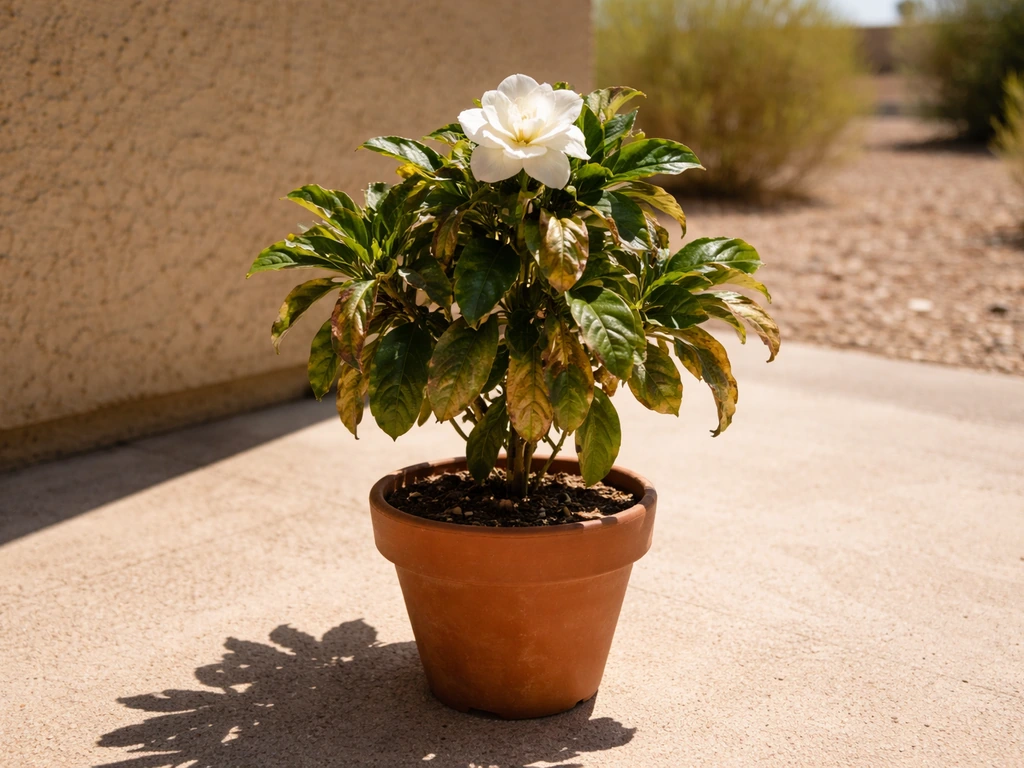
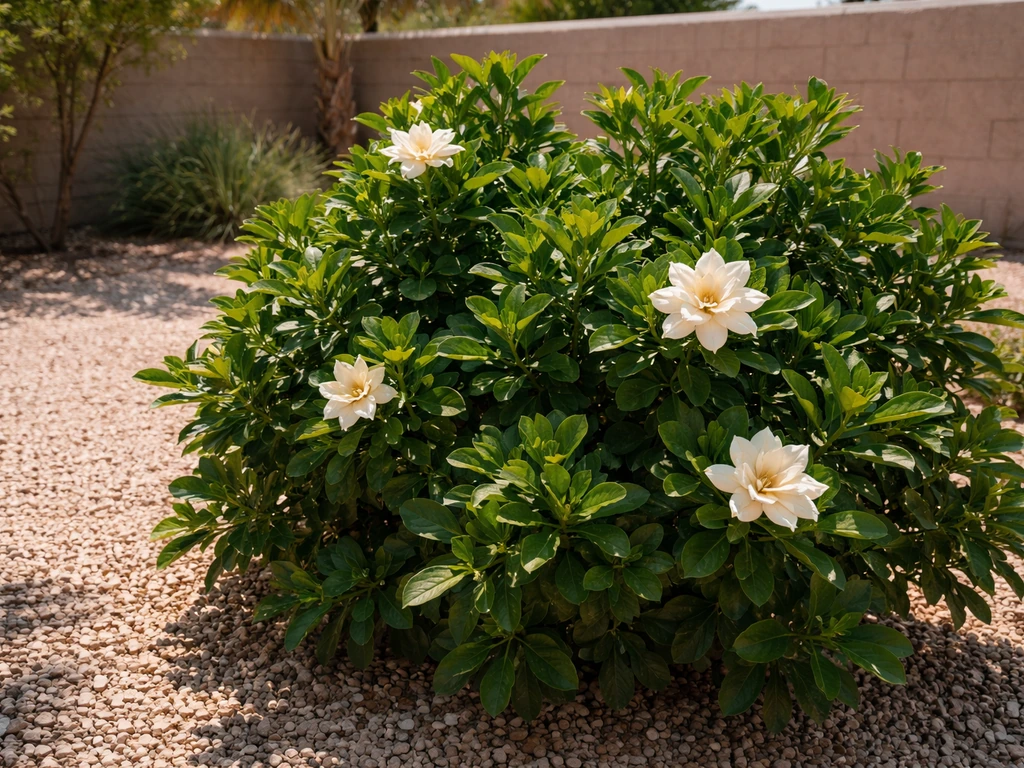
The climate here is the main challenge, and it attacks gardenias from multiple angles at once. Summers regularly push well past 110°F, which is far above the 60–75°F daytime range where gardenias thrive and reliably set buds. The humidity is almost nonexistent, and gardenias evolved in warm, humid-like conditions where the air itself provides some moisture buffer. In Las Vegas, that buffer is gone entirely.
Winters are milder than most people expect given the desert setting, but they're not without risk. The average minimum temperatures in zones 8a/8b sit around 10–20°F, but Las Vegas has hit a record low of 8°F (back in January 1963), which is cold enough to kill or severely damage most gardenias without any protection. Those cold snaps don't happen every year, but they happen, and a single bad night can wipe out a plant you've spent two or three years nursing along.
Intense sun exposure is another factor that trips people up. The high-desert sun in Las Vegas is unrelenting and will scorch gardenia leaves, especially on the south and west sides of a property. Add in the naturally alkaline desert soil (gardenias need acidic soil in the pH 5.0–6.5 range, and Las Vegas soils tend to be well above that), and you're looking at a plant that needs a fair amount of intervention just to get its basic requirements met.
The cultivars that give you the best shot
Not all gardenias are equal here. Standard florist gardenias (the big, showy types sold around Mother's Day) are a waste of money in Las Vegas. They're bred for beauty, not toughness. The cultivars worth trying are the ones with documented cold hardiness and some heat tolerance built in.
- Chuck Hayes: This is probably your best overall bet for Las Vegas. It's rated for zones 8–11, described as both heat tolerant and cold hardy, and notably listed with high drought tolerance, which matters enormously in a desert climate. It won't need to be pampered quite as much through the summer if it's sited correctly.
- Kleim's Hardy: A compact, dwarf cultivar that's often recommended for borderline zones because of its cold-hardiness emphasis. The smaller size is a practical advantage in Las Vegas because it's much easier to cover and protect during a cold snap, and it fits well in a sheltered microspot.
- Frostproof: Marketed as reliably hardy in zones 7–10 with better cold tolerance than standard gardenias. Good backup option if Chuck Hayes isn't available at local nurseries.
- Radicans (dwarf groundcover type): Rated zones 7–11, often used in containers and borders, and manageable enough to bring under cover or into a garage on the coldest nights. The container flexibility makes this one practical for Las Vegas.
Standard large-flowered gardenias like 'August Beauty' or 'Mystery' are not good choices here. They look gorgeous in the nursery but they're not built for the conditions you're dealing with.
Setting up the best possible planting spot
Location and shade
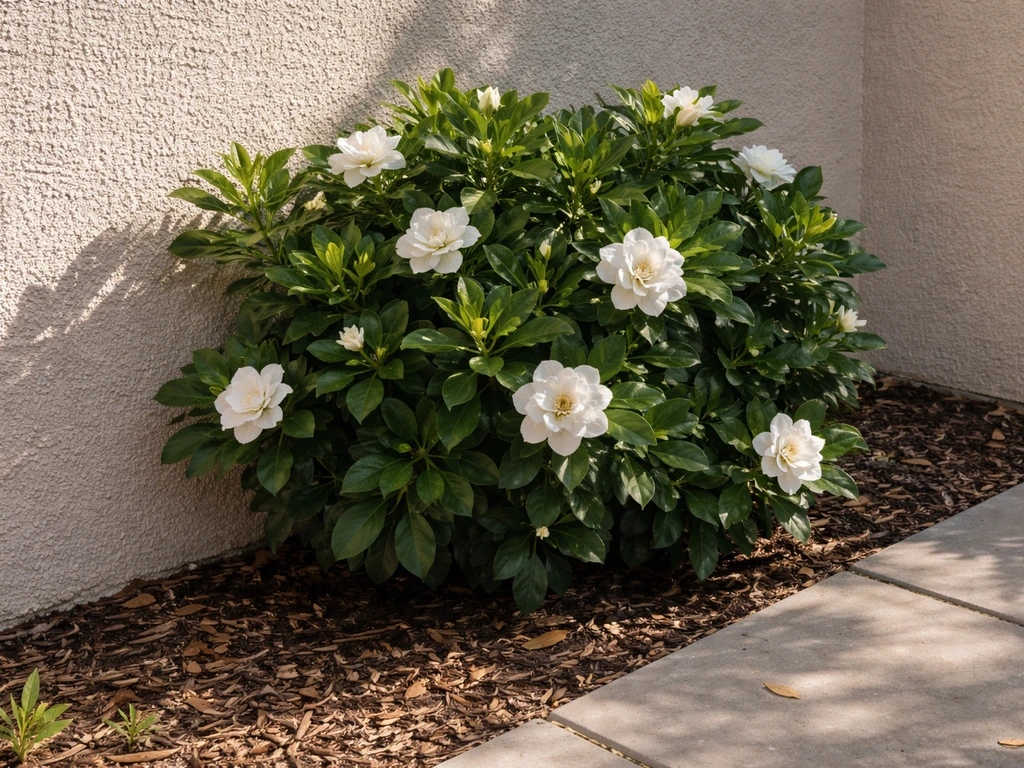
In Las Vegas, gardenias need afternoon shade, full stop. An east-facing spot or a location on the north side of a wall or structure gives morning sun (which is fine) and blocks the brutal afternoon exposure that will fry the leaves and push soil temperatures to extremes. Planting on the west or south side of your yard without shade cover is asking for trouble. Dappled light under a large tree canopy can also work well if the soil drainage is good.
Wind protection
Las Vegas gets hot, drying winds that strip moisture from leaves faster than the roots can replace it. A sheltered corner, a courtyard, or a spot protected by a wall or fence on the windward side makes a real difference. This kind of microclimate spot also captures a bit more warmth in winter, which is a secondary benefit.
Soil and drainage
This is where most Las Vegas gardenia attempts quietly fail. Native desert soils here are alkaline and often caliche-heavy, meaning water either can't penetrate or pools on top. Gardenias need acidic, well-drained soil, so you're going to need to amend heavily before planting. Work in significant amounts of sulfur-amended compost or peat moss to bring the pH down toward the 5.0–6.5 target range, and raise the planting area slightly if drainage is questionable. Gardenias sitting in soggy soil will develop Phytophthora root rot fast, especially in warm conditions, and that's a death sentence for the plant. Good drainage isn't optional here. If water puddles near where you want to plant, fix that first or choose a different spot.
Watering and ongoing care
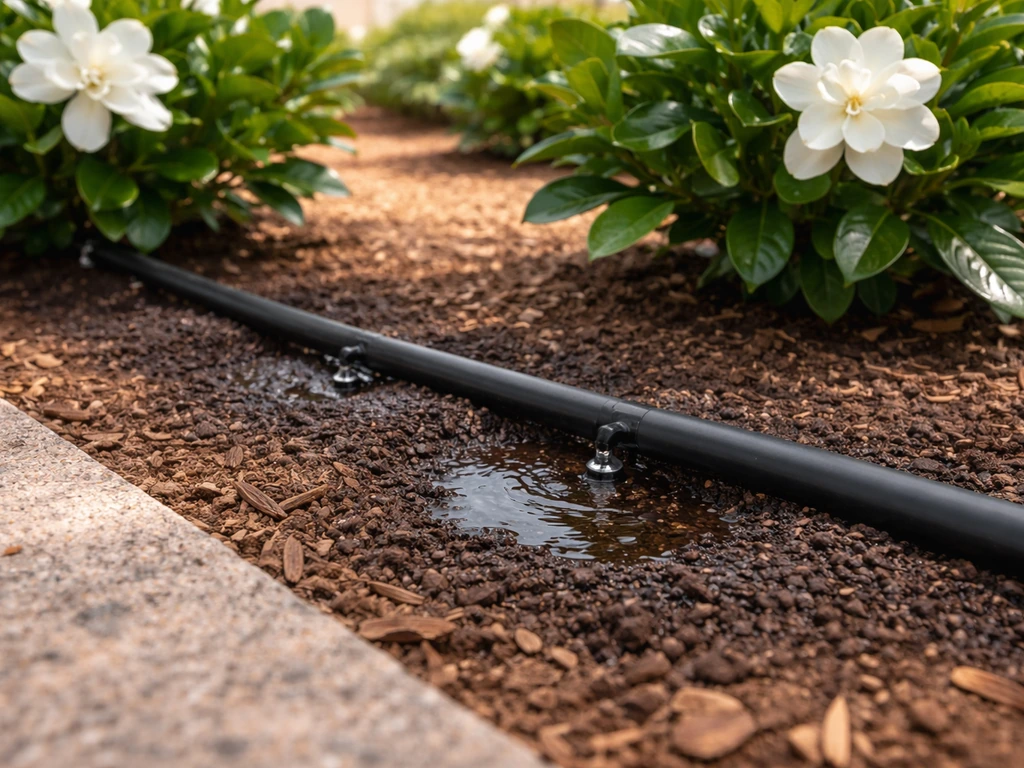
Gardenias want consistently moist soil but not wet soil. In Las Vegas summers, that means watering more frequently than you'd expect, because the dry heat pulls moisture out of the soil quickly, but you still need to let the top inch or so dry slightly between waterings rather than keeping it constantly saturated. Deep, less frequent irrigation beats shallow daily sprinkles. A 2–3 inch layer of organic mulch (wood chips, shredded bark) around the base (not piled against the stem) helps retain moisture, moderate soil temperature, and slowly acidify the soil as it breaks down.
Drip irrigation works well for gardenias in desert settings because it delivers water directly to the root zone without wetting the foliage, which can encourage fungal problems. During peak summer heat, you may need to run drip lines daily. In cooler months, back off significantly to avoid waterlogging. Feed with an acid-formulated fertilizer (look for formulas designed for azaleas, camellias, or rhododendrons) every four to six weeks during the growing season, and stop fertilizing in late fall.
Getting gardenias through Las Vegas winters
Most Las Vegas winters won't kill a gardenia outright, but the occasional hard freeze absolutely can. The 8°F record low from 1963 is an extreme case, but any night dipping below about 15°F puts an unprotected gardenia at serious risk of major damage or death. Here's how to hedge against that.
- Keep compact, container-friendly cultivars (like Radicans or Kleim's Hardy) in pots so you can move them into a protected garage or covered patio when a freeze is forecast.
- For in-ground plants, apply a fresh layer of mulch around the base after the first cold snap of the season to insulate the root zone from freeze-thaw swings.
- Keep frost cloth, old bedsheets, or burlap on hand. When nighttime temps are forecast below 25°F, drape the plant overnight and remove the cover during the day so heat doesn't build up.
- A sheltered planting spot near a south-facing wall captures and re-radiates heat at night, which can make a meaningful difference on borderline-cold nights.
- Don't prune in late summer or fall, as this encourages tender new growth that's the first thing to get burned in a freeze.
If your plant does get frost damage, resist the urge to cut it back immediately. Wait until late winter or early spring when you can clearly see which wood is alive (it'll bend without snapping and show green under the bark) versus dead, then prune back to healthy tissue. Plants that look completely dead after a freeze sometimes recover from the roots if the root zone was protected.
How gardenias in Las Vegas compare to other tough spots
If you've also looked into gardenias for harsher climates like Minnesota or Illinois, Las Vegas is actually more workable than either of those. Cold-climate states in the upper Midwest put gardenias essentially out of reach for most outdoor growers. Cold-climate states in the upper Midwest put gardenias essentially out of reach for most outdoor growers can gardenias grow in Minnesota.
Utah (similar desert conditions to Las Vegas) shares many of the same heat and alkaline soil challenges, though its winters can be colder depending on elevation. If you want to know whether gardenias can thrive outdoors in Utah specifically, you’ll need to account for both winter lows and summer heat in your microclimate. Las Vegas at least stays warm enough most winters that with the right cultivar and siting, survival is genuinely achievable.
The problem here is summer heat and humidity, not cold alone.
Better alternatives if you don't want the hassle
If you want the glossy evergreen foliage and fragrant flowers without the uphill battle, there are plants that genuinely thrive in Las Vegas rather than just survive it. Springs Preserve’s regional plant sale list shows examples of landscaping choices that are more drought-tolerant and suited to intense sun than gardenias plants that genuinely thrive in Las Vegas rather than just survive it. These are worth serious consideration, especially if you want lower-maintenance results.
| Plant | Evergreen Foliage | Fragrant Blooms | Desert Heat Tolerance | Notes |
|---|---|---|---|---|
| Bougainvillea | No (deciduous in cold) | No (bracts, not blooms) | Excellent | Explosive color, thrives in Las Vegas heat and sun |
| Plumeria | No | Yes | Excellent | Intensely fragrant, loves the heat; bring inside in winter |
| Jasmine (Jasminum polyanthum) | Semi-evergreen | Yes | Good with shade | Fragrant, manageable; needs afternoon shade in Las Vegas |
| Pittosporum tobira | Yes | Yes (subtle) | Good | Glossy evergreen foliage, low-maintenance, tolerates alkaline soil |
| Confederate Jasmine (Trachelospermum jasminoides) | Yes | Yes | Good with shelter | Closest gardenia alternative: glossy leaves, sweet fragrance, tougher overall |
Confederate jasmine (star jasmine) is probably the closest you'll get to a gardenia substitute in Las Vegas. It gives you the glossy, deep-green evergreen foliage and genuinely sweet fragrance that makes gardenias so appealing, but it handles heat and alkaline conditions far more forgivably. Hibiscus is another strong performer in Las Vegas heat, offering large, dramatic blooms with much less drama in care. If you want to keep things simple and still have a beautiful, fragrant garden, these plants are a smarter investment of your time and money.
That said, if you're committed to gardenias, go with Chuck Hayes or Kleim's Hardy, plant them in a protected east-facing spot with amended acidic soil, set up a drip irrigation system, and keep frost cloth within reach. It's doable, and there's real satisfaction in pulling it off in the desert. Just go in with realistic expectations and a plan for the hot months, and you've got a reasonable shot at success.
FAQ
What’s the best gardenia type to try in Las Vegas if I want the best survival odds?
Prioritize cultivars with documented cold tolerance and heat resilience, like Chuck Hayes or Kleim’s Hardy, instead of standard florist gardenias. Also check whether the cultivar is known to keep buds through heat, not just survive winter cold.
Can I grow a gardenia in a container on a patio in Las Vegas instead of planting in the ground?
Yes, containers can help because you control drainage and soil acidity, but you still must protect from both afternoon sun and winter freezes. Use an acidic potting mix, a pot with excellent drainage, and plan for more frequent watering during hot weeks, often with drip or a schedule you can reliably maintain.
How do I tell if my soil amendment is actually at the right pH for gardenias?
Don’t guess based on amendments alone. Test the pH after mixing and again after a few months, because alkaline desert soil and irrigation water can push the pH back up. If pH stays above the 6.5 range, you may need more aggressive acidification amendments and more consistent feeding with acid-formulated fertilizer.
My gardenia drops buds in the heat, what’s the most common cause?
Bud drop is often tied to heat stress plus inconsistent moisture. Make sure the root zone dries only slightly at the top inch between deep irrigations, and keep the plant out of full afternoon sun. Foliar wetting from sprinklers can also contribute, so drip is a safer approach.
How often should I water a gardenia in Las Vegas during summer?
Expect to water more frequently than you would for many other shrubs, but don’t keep the soil permanently wet. A practical rule is deep irrigation when the top inch starts to dry, then adjust based on temperature, wind, and how fast your amended bed drains.
What’s the difference between good drainage and “just not pooling water” for gardenias?
Good drainage means water moves through the soil without staying saturated around the roots. If water puddles, stays dark and wet for long periods, or you see slow drainage after watering, you risk root rot. In that case, raise the planting area, improve the mix, or switch to a container where drainage is easier to control.
Should I mulch my gardenia, and can mulch make pH problems worse?
Mulch is helpful for moisture retention and moderating soil temperature. Use a 2–3 inch layer around the base, not touching the stem. Mulch generally supports gradual acidifying as it breaks down, but it won’t fix chronically alkaline soil if your pH is too high.
Do I need to cover my gardenia during cold snaps, even if Las Vegas winters are usually mild?
Yes, especially when overnight lows approach the mid-teens or lower. Keep frost cloth or a similar covering ready for any night that’s forecast to be near your risk threshold. Even if winters are mild overall, a single cold night can undo years of progress.
If my gardenia gets damaged by frost, when should I prune it?
Wait until late winter or early spring so you can distinguish living wood from dead tissue. Live branches typically flex without snapping and show green under the bark, then prune back to that healthy area rather than cutting immediately after the freeze.
Will watering the leaves help, or will it make things worse in Las Vegas?
Wet leaves can increase the chance of fungal issues, especially with limited airflow in sheltered spots. Drip irrigation is the safer choice because it waters the root zone while keeping foliage drier. If you must rinse dust off leaves, do it in a way that allows fast drying and avoid it during the hottest part of the day.
What’s a good “plan B” if my gardenia keeps failing despite correct care?
If you repeatedly lose plants due to summer stress, root rot, or bud loss, switch to a proven substitute like star jasmine (Confederate jasmine) for similar evergreen foliage and fragrance. This gives you a much more reliable outcome while you refine your setup if you still want to persist with gardenias later.